Ultrasonic Extraction of Brewers’ Spent Grain
Are you looking for a powerful and reliable way to recover valuable compounds from brewers’ spent grain? Even after the wort has been drawn off, the grain still contains polyphenols, proteins and carbohydrates. Probe-type ultrasonic extraction helps you recover these soluble compounds from the spent grain or prepare the fibrous solids for further processing. Discover how sonication works for brewers’ spent grain, what studies have recovered, and how to set up your own extraction process.
- Higher Yields
- Mild Processing for High-Quality Extracts
- Shorter Extraction Duration
- Optimized Processing Conditions
What Can You Recover from Brewers’ Spent Grain?
Brewers’ spent grain (BSG) is the solid material left after the wort is separated from the mash. It consists largely of husk and other insoluble grain material. Even after mashing, this fibrous fraction retains proteins, arabinoxylans and phenolic compounds. The exact composition may vary with the malt, adjunct grains and brewing process.
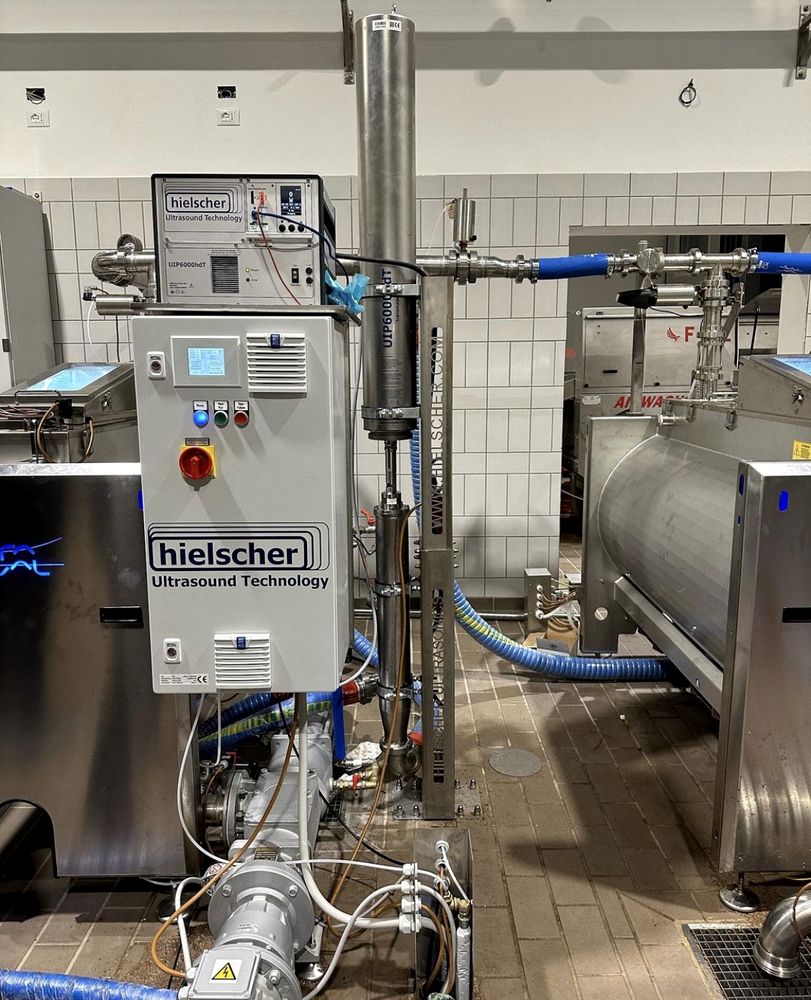
Why Choose Probe-Type Ultrasonic Extraction?
Ultrasonic extraction using an ultrasonic probe is a highly efficient method of extracting compounds from plant materials and agro-industrial by-products such as spent grain. Compared to simple stirring or maceration, probe-type sonication excels due to several advantages:
- Improved mass transfer: Cavitation-generated microjets and shear disrupt the grain structure, expose fresh surfaces and improve contact between the grain and the solvent, which helps soluble compounds move into the liquid.
- Controlled processing: Adjusting amplitude, treatment time, and total energy input allows to optimize the extraction procedure to grain and target compounds.
- Temperature management: Sonication can warm the slurry, so it is advised monitoring the temperature and cooling where needed. Hielscher sonicators come with a pluggable temperature sensor. The menu allows to program an upper temperature limit. Sonication in pulse mode, the use of an ice bath or jacketed vessel or flow cell helps maintain a consistent temperature during longer runs.
How Does Probe-Type Ultrasonic Extraction Work?
A sonotrode is the probe that transmits high-intensity ultrasound directly into the slurry. Alternating pressure cycles form cavitation bubbles in the liquid. As the bubbles collapse near grain particles, they generate liquid microjets and shear. These forces help disrupt the grain structure, expose fresh surfaces and improve contact between the grain and the solvent. The resulting increase in mass transfer helps soluble compounds move into the liquid.

400-watt sonicator UP400St for ultrasonic extraction, e.g. protein and bioactive compounds from brewers’ spent grain
Exemplary Studies Show What Sonication Can Recover
Protein Extraction and Arabinoxylan Enrichment
Están and colleagues used a Hielscher UP400St with a 22 mm sonotrode to extract protein from milled brewers’ spent grain in 110 mM sodium hydroxide. They operated the probe at 100% amplitude and a 60% duty cycle. After 40 minutes at 25°C, about 40% of the grain’s initial protein had transferred into the liquid, 2.5 times the yield from mechanical stirring at the same temperature and treatment time.
In separate trials, two 20-minute cycles with fresh solvent for the second cycle recovered 47.6% of the starting protein in the precipitated, freeze-dried extract. The sonicated extract had lower protein purity than the stirred extract because ultrasound also released other compounds. The solids from one 20-minute cycle had the highest arabinoxylan concentration at 23.5 g per 100 g of dry residue, about 2.4 times the concentration in the starting grain. (cf. Están et al., 2026)
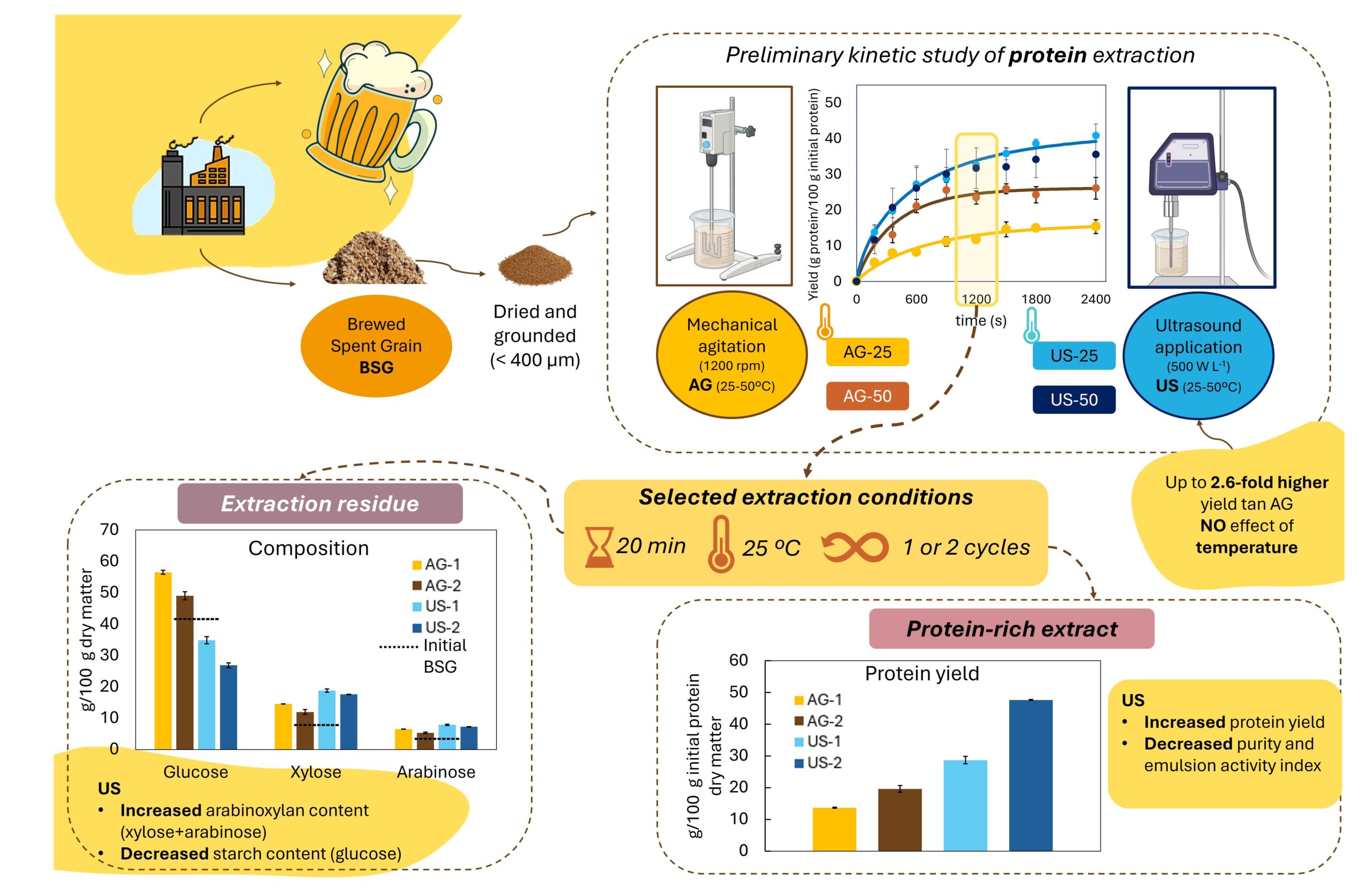
Ultrasonic protein extraction from brewers’ spent grain
Study and graphic: ©Están et al., 2026
Proanthocyanidin Extraction
 Martín-García and colleagues used a Hielscher UP400St to extract proanthocyanidins from spent grain collected after pilsner brewing. They varied the acetone-to-water ratio, treatment time and ultrasound power. Their optimized conditions were 80:20 acetone/water (v/v), 55 minutes and 400 W. An ice bath was used to control temperature, and the researchers recorded end-of-run temperatures of 23–25°C .
Their chromatographic analysis measured 1.023 mg/g total proanthocyanidins on a dry-grain basis. The conventional comparison, mechanical agitation in 72:28 ethanol/water (v/v) at 80°C for 60 minutes, recovered 0.431 mg/g. The 2.38-fold result compares two complete extraction methods with different solvents and temperatures. (cf. Martín-García et al., 2019).
From Benchtop Trials to Continuous Industrial Extraction
Hielscher probe-type sonicators cover the full power range, from compact benchtop tools to multi-kilowatt inline reactors. This means you can develop your spent grain process in the lab, optimize it at pilot scale and run it in production on the same ultrasonic technology and the same key parameters, amplitude and energy input.
Design, Manufacturing and Consulting – Quality Made in Germany
 Hielscher ultrasonicators are well-known for their highest quality and design standards. Robustness and easy operation allow the smooth integration of our ultrasonicators into industrial facilities. Rough conditions and demanding environments are easily handled by Hielscher ultrasonicators.
Hielscher Ultrasonics is an ISO certified company and put special emphasis on high-performance ultrasonicators featuring state-of-the-art technology and user-friendliness. Of course, Hielscher ultrasonicators are CE compliant and meet the requirements of UL, CSA and RoHs.
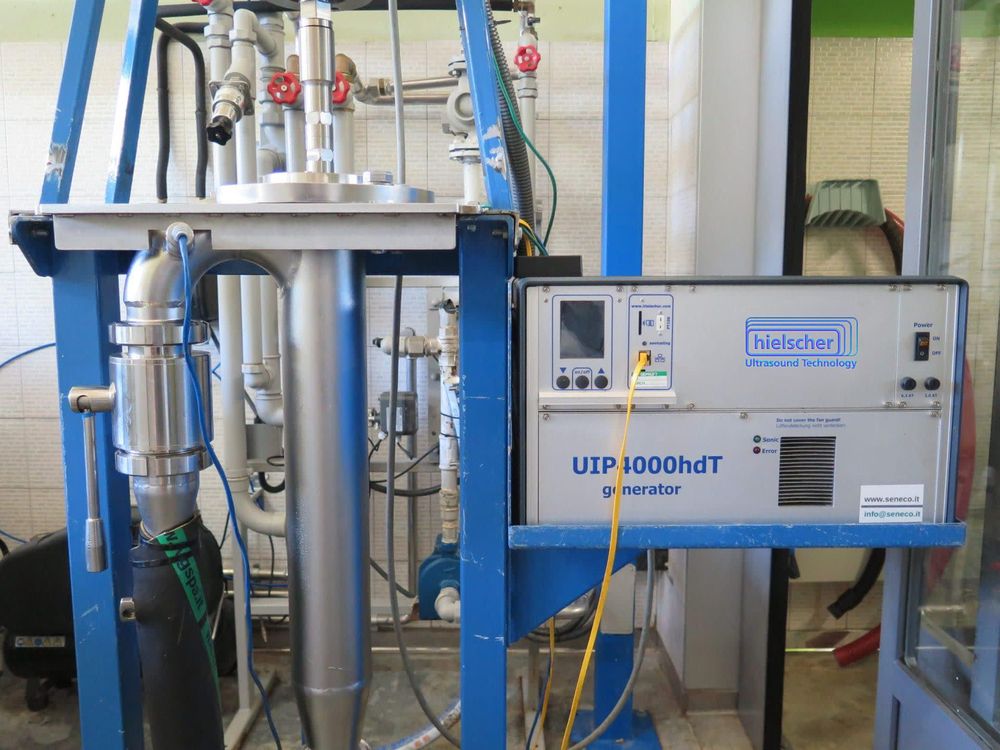
Sonicator UIP4000hdT (4kW, 20kHz)
Frequently Asked Questions About Ultrasonic Spent Grain Extraction
What is brewers’ spent grain?
Brewers’ spent grain (BSG) is the solid residue left after wort is separated from the mash during brewing. It consists mainly of barley husks and other grain tissues rich in fiber and protein.
What compounds can be extracted from brewers’ spent grain?
Recoverable compounds include proteins, lipids, polysaccharides such as arabinoxylans, and polyphenols such as proanthocyanidins. Phenolic acids such as ferulic and p-coumaric acid are often bound to cell-wall material and may require additional hydrolysis to release them more efficiently.
What is ultrasound-assisted extraction of brewers’ spent grain?
Power ultrasound – generated by a probe-type sonicator – creates cavitation bubbles in a mixture of spent grain and liquid. When the bubbles collapse, they expose more of the grain surface to the solvent and help soluble compounds such as proteins and polyphenols move into the liquid.
Can you sonicate fresh, wet brewers’ spent grain?
Yes. Fresh grain can be processed directly if the slurry can be mixed and pumped. Measure the grain’s moisture first. Water already in the grain dilutes added ethanol and affects how much dry grain you treat per liter of slurry.
What is the best solvent for ultrasonic extraction of spent grain?
The choice depends on what you want to recover. Water is a practical starting point for solubilizing sugars before fermentation. For extractable polyphenols, aqueous ethanol is preferred. The ratio of water to alcohol can be adjusted to the target compound.
Does sonication increase the polyphenol yield from spent grain?
In one study, an optimized probe-sonication method recovered 1.023 mg of proanthocyanidins per gram of dry spent grain, versus 0.431 mg/g with conventional stirred extraction. The methods used different solvents and temperatures. To measure the effect of ultrasound on your process, compare it with a stirred run under otherwise identical conditions. (cf. Martín-García et al., 2019)
Can ultrasound release bound ferulic acid from brewers’ spent grain?
Ultrasound can improve access to the grain’s cell walls and help extract soluble phenolics. Much of the ferulic acid is bound to cell-wall components. Including a hydrolysis step facilitates the release of bound ferulic acid.
Can ultrasonic spent grain extraction run continuously?
Yes. A pump can feed the slurry through an ultrasonic flow cell for continuous inline treatment. During pilot trials, check how the fibrous slurry flows and verify that residence time and cooling are sufficient to maintain the desired yield at your target throughput.
What bioactive compounds are extracted from botanicals using sonication?
Ultrasonic extraction is used to release and isolate a wide variety of bioactive compounds (so-called phyto-chemicals) from biomass.
The list below gives you a small overview over ultrasonically extracted phyto-chemicals:
- CBD and other Cannabinoids from Cannabis and Hemp
- Terpenes
- Ginger
- Rosemary
- Capsaicin from Chillies
- Caffeine from Coffee Beans
- Astaxanthin from Algae
- Allicin from Garlic
- Catechins (EGEC) from Tea
- Propolis
- Ellagitannins from Pomegranate
- Ayurvedic Herbal Extracts
- Nicotine from Tobacco
- Essential Oils
- Phytochemicals from Stinging Nettle
- Pectins from Citrus Fruit Peels
- Polyphenols from Mango Peel
- Taraxacin and Taraxasterol from Dandelion
Literature / References
- Martín-García Beatriz; Pasini, Federica; Verardo, Vito; Díaz-de-Cerio, Elixabet; Tylewicz, Urszula; Gómez-Caravaca, Ana María; Caboni Maria Fiorenza (2019): Optimization of Sonotrode Ultrasonic-Assisted Extraction of Proanthocyanidins from Brewers’ Spent Grains. Antioxidants 2019, 8, 282.
- Están, A.; Simal, S.; Eim, V.; Cárcel, J.; Ibañez, A.; Umaña, M. (2026): Brewer’s Spent Grain as a Source of Proteins and Valuable Polysaccharides. Foods 2026, 15, 1701.
- Amer Rouabhia, Carlos José Álvarez-Gallego, Luis Alberto Fdez-Güelfo (2026): Biomass to bioproducts by integrated biorefinery strategy: ultrasonic pretreatment, dark fermentation and enzyme hydrolysis. Biomass and Bioenergy, Volume 206, 2026.
- Wanying Li, Huirong Yang, Teodora Emilia Coldea, Haifeng Zhao (2021): Modification of structural and functional characteristics of brewer’s spent grain protein by ultrasound assisted extraction. LWT, Volume 139, 2021.
Glycerine (glycerol) is able to preserve the integrity of bioactive compounds, combined with its non-toxic and biodegradable nature, makes it an attractive solvent for pharmaceutical, cosmetic, and food industries. Combined with the mild extraction conditions of ultrasonication, ultrasonic glycerine extracts show excellent quality and bioavailability. The sonication process ensures highest efficiency resulting in high yields, reduced extraction time and low processing costs! Use the solvent of your choice, achieve excellent extraction yields and superior extract quality with Hielscher sonicators!
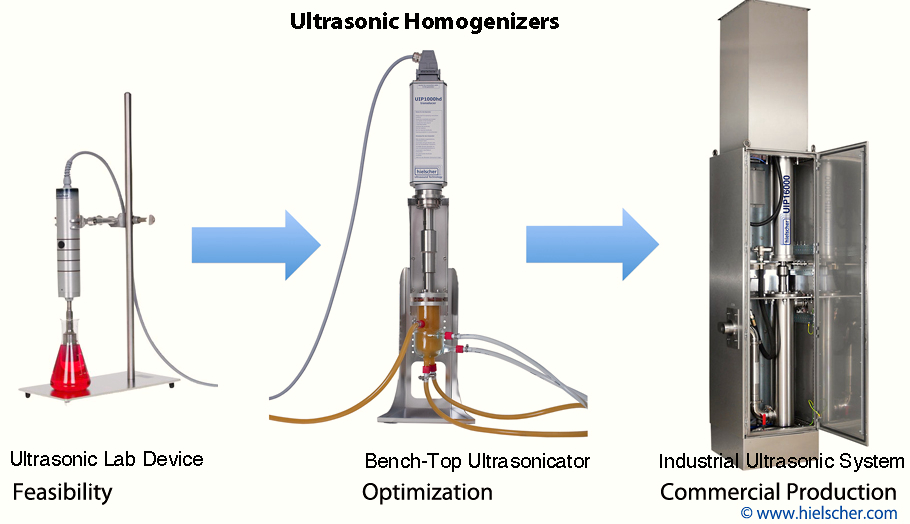
Hielscher Ultrasonics manufactures high-performance ultrasonic homogenizers from lab to industrial size.