Ultrasonic topic: "Ultrasonic extraction of polyphenols"
Polyphenols or polyhydroxyphenols are chemical compounds that occur in nature, but can be also synthesized chemically. As polyphenols act as antioxidants, they are known as health-beneficial bio-compound and the consumption of polyphenol-rich foods such as fruits, vegetables, cereals, tea and coffee is linked to a reduced risk of chronic diseases.
Fruits like berries, grapes, apples, pears, and cherries show a high polyphenol content containing up to 200–300mg polyphenols per 100 grams fresh weight. Subsequently, products manufactured from these fruits, also contain significant amounts of polyphenols.
The class of polyphenols includes tannins, catechins, epicatechins, flavanones, isoflavones, phloridzin, quercitin etc. In foods, polyphenols contribute to the bitterness, astringency, color, flavor, smell and oxidative stability. Therefore, polyphenol extracts, e.g. from grape skin, grape seeds, olive pulp, citrus peel, or maritime pine bark, are sold as ingredients for functional foods, dietary supplements, and cosmetics.
As secondary metabolites of plants, polyphenols are located within the cell matrix. In order to produce polyphenol-rich foods such as olive oil, wine, juices, purees or extracts, the polyphenols must be released from the plant cells. Ultrasonic extraction is a powerful method to break cell structures of botanicals and to release them into the surrounding liquid. As a non-thermal technique, ultrasonic extraction prevents the thermal decomposition of the heat-labil polyphenols. At the same time, sonication is a process-intensifying method, which increases the extraction yield and accelerates the process speed. Ultrasonic extraction is used to produce superior polyphenol extracts. Available from lab to industrial scale, ultrasonic processors can be easily implemented into your production line to improve your extraction process.
Read more about the benefits of ultrasonic extraction of polyphenols from botanical raw materials!

Found 56 hits. Showing results 1 - 12.
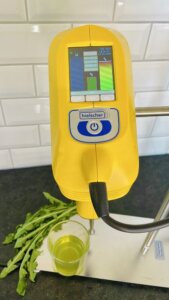
Oregano Extraction – Increase Yields with Sonication!
Oregano is an aromatic herb with a high content of phenolic compounds and essential oils, which are used in food, medicinal and cosmetic products. Ultrasonic extraction is a mild, yet highly efficient technique to isolate bioactive compounds and essential oils…
https://www.hielscher.com/oregano-extraction.htm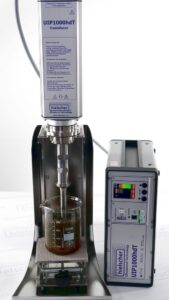
Phytochemistry and Sonication: High-Efficiency Ultrasonic Extraction of Plant Bioactives
Phytochemistry is the science of plant-derived chemical compounds - from polyphenols, flavonoids and alkaloids to terpenes, saponins, glycosides, pigments, antioxidants and essential oil constituents. These phytochemicals are valuable for nutraceuticals, pharmaceuticals, cosmetics, food ingredients, natural colorants, fragrances, herbal extracts and…
https://www.hielscher.com/phytochemistry.htm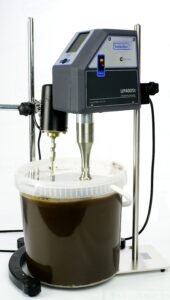
Ultrasonic Polyphenol Extraction from Olive Oil By-Products: A Success Story
Olive pomace is no longer just an agro-industrial byproduct – it is a valuable source of high-performance natural antioxidants. In this study, Natural Phenolics optimized the aqueous extraction of hydroxytyrosol-rich polyphenols using the Hielscher sonicator UP400St. The results demonstrate a…
https://www.hielscher.com/ultrasonic-polyphenol-extraction-from-olive-oil-by-products-a-success-story.htm
Drug Manufacturing: Sonication Is Shaping the Future of Biogenic Medicines
, Kathrin HielscherThis news article presents how sonication is transforming biogenic drug manufacturing: Ultrasonic processing is rapidly emerging as a key technology in the manufacturing of biogenic drugs, enabling greener, more efficient production of bioactive compounds and nanomedicines. New research demonstrates that ultrasound-assisted synthesis, using plant extracts such as broccoli, can produce highly stable, biologically active gold nanoparticles with antioxidant, wound-healing, and selective anticancer properties. High-performance probe-type sonicators, including industrial systems from Hielscher Ultrasonics, play a critical role by enhancing extraction efficiency, accelerating green nanoparticle synthesis, and ensuring precise process control. As demand grows for sustainable pharmaceutical manufacturing, sonication is positioning itself as a scalable, GMP-compatible platform for next-generation biogenic drugs.
https://www.hielscher.com/sonication-shapes-biogenic-medicines.htm
Valorization of Azolla Pond Weed Using Sonication
, Kathrin HielscherAzolla, a small aquatic fern, has garnered significant attention due to its remarkable potential as a sustainable resource for various applications including food, livestock feed, polyphenol supplements, fertilizer, and biofuel. This article explores the diverse utility of Azolla and elucidates how sonication, particularly through probe-type sonicators, enhances the extraction and harvesting of its essential nutrients, including proteins, vitamins, polyphenols, and lipids. By harnessing the energy of sonication, the nutritional and bioactive components present in Azolla can be efficiently obtained, contributing to its role as a versatile and eco-friendly resource.
https://www.hielscher.com/valorize-azolla-pond-weed-using-sonication.htm
Polyphenols from Mango Peel – Extraction Method Matters
, Kathrin HielscherIn the quest for healthier living, scientists are constantly exploring new ecological sources and efficient methods to extract beneficial compounds from natural sources. Food waste such as fruit by-products such as mango peels are rich in polyphenols and be used as source to obtain high-quality phenolic compounds. A such technique gaining traction in recent years is ultrasonic extraction, a process that applies high-frequency sound waves to efficiently extract bioactive compounds from plant materials. Among these compounds, polyphenols have emerged as star players due to their numerous health benefits, including antioxidant and anti-inflammatory properties. Join us on a deep delve into polyphenol extraction from mango peels and learn how different ultrasound equipment makes a significant difference for extraction efficiency and polyphenol yield.
https://www.hielscher.com/polyphenols-from-mango-peel-why-the-extraction-method-matters.htm
Grape Seed Extraction with Ultrasound: Yield, Speed, Sustainability
Ultrasonic extraction is a highly efficient and scalable technique for recovering polyphenols from grape seeds - a rich source of condensed tannins, flavan-3-ols, and proanthocyanidins. The mechanical effects of acoustic cavitation generated by high-power ultrasound significantly enhance mass transfer, disrupt…
https://www.hielscher.com/grape-seed-extraction-with-ultrasound.htm
Ultrasonic Pomace Extraction – Sustainable Recovery of Bioactive Compounds
Fruit processing by-products, especially pomace, represent an untapped reservoir of bioactive compounds with potential applications in nutraceuticals, food fortification, and pharmaceuticals. Yet, the efficient and sustainable recovery of these compounds remains a technical challenge. Among emerging green extraction technologies, ultrasound-assisted…
https://www.hielscher.com/ultrasonic-pomace-extraction.htm
Kava Kava – Superior Extraction using a Sonicator
Kava extracts are moste efficiently produced using ultrasonic extraction. Ultrasonic extraction is a cutting-edge technique that harnesses the power of energy-dense sound waves to create highly effective kava (Piper methysticum) extracts using water or aqueous ethanol. The ultrasonic extraction method…
https://www.hielscher.com/kava-kava-superior-extraction-using-a-sonicator.htm
Rosemary Extraction using Power Ultrasound
Rosemary is a fragrant, evergreen herb rich in bioactive compounds and essential oils, which are used in medicinal, food and cosmetic products. Ultrasonic extraction is a mild, yet highly efficient technique to isolate bioactive compounds and essential oils from rosemary…
https://www.hielscher.com/rosemary-extraction-using-power-ultrasound.htm
Lion’s Mane Extract Made with Ultrasonics
Extracts from the fungus species Hericium erinaceus, known as lion’s mane mushroom, are most efficiently produced using ultrasonication. Ultrasonic extractors rapidly break open the fungal cell matrix and allow for the complete extraction of bioactive compounds from the lion's mane…
https://www.hielscher.com/lions-mane-extract-made-with-ultrasonics.htm
High-Yield Alkaloid Extraction with Probe Sonicators
Extract alkaloids from botanicals faster, more completely, and with precise process control. Hielscher probe ultrasonicators use acoustic cavitation to open plant cells and intensify mass transfer, helping you achieve high alkaloid yields in minutes instead of hours. Whether you process…
https://www.hielscher.com/alkaloid-extraction-using-a-probe-ultrasonicator.htm