Dizel Detar-Biodizel: Përzierje Efikase e Karburantit për Siguri dhe Qëndrueshmëri të Furnizimit
As the marine industry faces rising pressure from fuel volatility, stricter environmental expectations, and the urgent need for practical decarbonization strategies, marine diesel-biodiesel blends are gaining attention as a realistic and scalable solution. When these blends are produced using ultrasonic homogenization, their performance and stability can be significantly improved. The result is a more uniform, reliable fuel that supports both operational efficiency and sustainability goals.
Operatorët detarë sot po lundrojnë në një peizazh të vështirë energjetik. Mungesa e karburantit, zinxhirët e paqëndrueshëm të furnizimit dhe çmimet e luhatshme të karburanteve fosile po i detyrojnë pronarët e anijeve, përpunuesit e karburantit dhe operatorët e motorëve të kërkojnë alternativa që janë të disponueshme dhe të pajtueshme me infrastrukturën ekzistuese. Në këtë kontekst, përzierjet bionaftë-naftë për aplikime detare ofrojnë një avantazh të fortë. Ato lejojnë që nafta konvencionale detare të zëvendësohet pjesërisht me komponentë të rinovueshëm të karburantit, duke reduktuar varësinë nga lëndët djegëse të pastra të naftës duke krijuar një strategji më fleksibël dhe elastike të karburantit.
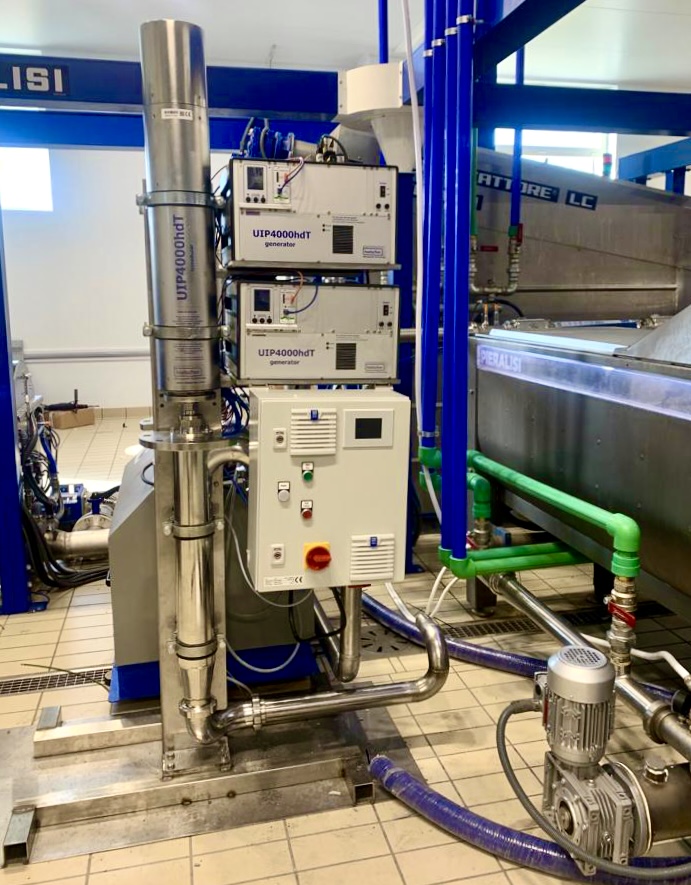
Instalimi i 2x UIP4000hdT për homogjenizim të fuqishëm tejzanor 8000 vat
Pse kanë rëndësi përzierjet homogjene të karburantit në aplikimet detare
 Një sfidë e madhe me përzierjet e biodizelit, megjithatë, është arritja e një përzierjeje të qëndrueshme dhe homogjene. Diferencat në viskozitet, densitet dhe sjelljen molekulare midis biodizelit dhe dizelit mund të ndikojnë në cilësinë e përzierjes, veçanërisht kur përdoren metodat konvencionale të përzierjes. Këtu është ku përzierja ultrasonike bëhet shumë e rëndësishme.
Homogjenizimi ultrasonik përdor valë zanore me intensitet të lartë për të krijuar përzierje të fortë mikro dhe kavitacion në lëng. Ky proces shpërndan dhe përzien komponentët e karburantit shumë më efektivisht sesa trazimi konvencional vetëm. Në përzierjet e naftës marine-biodizelit, homogjenizimi ultrasonik ndihmon në prodhimin e një përzierjeje më të imët dhe më uniforme me qëndrueshmëri të përmirësuar gjatë gjithë karburantit. Një përzierje më mirë homogjenizuar kontribuon në sjellje djegëse më të parashikueshme, cilësi më të lartë të karburantit dhe stabilitet më të madh të magazinimit.
Përzierja Ultrasonike Përmirëson Qëndrueshmërinë dhe Performancën e Karburantit
 The advantages of ultrasonic blending for marine diesel-biodiesel fuels are especially important in demanding marine environments. Ships rely on dependable fuel performance, and any inconsistency in blend quality can create operational concerns. Ultrasonically homogenized fuel blends help reduce phase separation risks and improve the overall quality of the final fuel. This makes ultrasonic processing an attractive technology for fuel preparation, fuel upgrading, and on-site blending applications.
Nga një këndvështrim teknik dhe ekonomik, homogjenizimi tejzanor bie në sy gjithashtu sepse është një proces shumë efikas. Mund të intensifikojë përzierjen, të përmirësojë uniformitetin dhe të përmirësojë cilësinë e karburantit në një kohë relativisht të shkurtër përpunimi. Kjo e bën atë një opsion bindës për prodhuesit e karburantit detar dhe përdoruesit industrialë që kërkojnë të optimizojnë performancën e përzierjes duke ruajtur besueshmërinë e procesit.

Përzierjet bionaftë-naftë ofrojnë vlerë strategjike gjatë mungesës së karburantit
Një arsye tjetër pse përzierjet detare naftë-bionaftë po bëhen më të rëndësishme është nevoja globale për të përmirësuar sigurinë e karburantit. Gjatë kohës së mungesës së karburantit, përzierja e naftës me bionaftë mund të ndihmojë në zgjerimin e burimeve të disponueshme të karburantit dhe zvogëlimin e varësisë nga furnizimet e kufizuara të lëndëve djegëse fosile. Bionafta mund të prodhohet nga një sërë lëndësh të para të rinovueshme, duke përfshirë vajrat vegjetale, vajrat e mbeturinave dhe yndyrnat shtazore, gjë që zgjeron bazën e karburantit dhe mbështet diversifikimin rajonal të karburantit. Për sektorin detar, kjo mund të përkthehet në fleksibilitet më të madh të furnizimit dhe ekspozim të reduktuar ndaj ndërprerjeve në tregjet konvencionale të karburanteve detare.
Miqësia mjedisore dhe qëndrueshmëria po riformësojnë karburantet detare
Environmental friendliness is another major driver behind the growing interest in biodiesel blends. Biodiesel is widely recognized as a renewable fuel component with the potential to lower the overall carbon footprint of fuel use. When blended with marine diesel, it can contribute to a cleaner combustion profile and support emissions reduction efforts. For companies seeking practical ways to improve their environmental performance without completely replacing engines or fuel systems, marine diesel-biodiesel blends provide a feasible transition pathway.
Qëndrueshmëria në transport nuk është më një temë e veçantë. Tani është një kërkesë strategjike. Operatorët janë nën presion në rritje për të reduktuar emetimet e gazeve serrë, për të përmirësuar efikasitetin e burimeve dhe për të adoptuar praktika më të pastra të energjisë. Përzierjet bionaftë-naftë të homogjenizuara me ultratinguj përshtaten mirë në këtë tranzicion sepse ato kombinojnë familjaritetin e funksionimit konvencional të naftës me përfitimet mjedisore të integrimit të karburantit të rinovueshëm. Kjo qasje mbështet modernizimin gradual në vend të ndryshimit të papritur të sistemit.

Hielscher UIP6000hdT cluster i përbërë nga deri në 12x sonicators. Ky konfigurim kontejnerësh lejon kompozimin e një sistemi të fuqishëm tingëllimi në linjë 72 kW për përpunimin e karburantit me performancë të lartë.
Avantazhet kryesore të përzierjeve naftë-bionaftë detare të homogjenizuara me ultratinguj
Vlera e përzierjes ultratinguj mund të përmblidhet në disa pika kyçe:
- homogjenizim i përmirësuar i përzierjeve të naftës detare-biodizelit
- stabilitet i përforcuar i përzierjes dhe rrezik i reduktuar i ndarjes
- cilësi më e qëndrueshme e karburantit për magazinim dhe djegie
- përdorim më i mirë i komponentëve të biodizelit të ripërtritur
- flexibilitet më i fuqishëm i karburantit gjatë mungesave të furnizimit
- mbështetje për operacione detare më të pastra dhe më të qëndrueshme
Përzierja Industrial e Karburanteve me Sisteme Sonikues të Shkallëzuara
 For industrial fuel blending, powerful ultrasonic processors such as the UIP2000hdT, UIP4000hdT, and UIP6000hdT are suitable examples of scalable equipment for the homogenization of diesel-biodiesel blends. These industrial sonicator models can be integrated into continuous flow-through processes and help manufacturers produce uniform, stable fuel blends with high reproducibility.
Rëndësia e tyre industriale qëndron jo vetëm në performancën individuale, por edhe në shkallëzueshmërinë. Grupet e sonicatorëve të instaluar paralelisht u mundësojnë procesorëve të trajtojnë pothuajse çdo kapacitet të kërkuar prodhimi. Kjo qasje modulare lejon prodhuesit e karburantit të shkallëzojnë prodhimin e përzierjes sipas kërkesës duke ruajtur cilësinë e qëndrueshme të përzierjes. Si rezultat, përzierja e karburantit tejzanor mund të përshtatet në mënyrë efikase nga prodhimi në shkallë mesatare në operacionet industriale me vëllim të lartë.
Për prodhuesit që kërkojnë intensifikim të besueshëm të procesit, instalimet paralele tejzanor ofrojnë një rrugë praktike për të kombinuar fleksibilitetin, xhiro dhe qëndrueshmërinë e produktit. Kjo e bën homogjenizimin tejzanor veçanërisht tërheqës për kompanitë që kanë nevojë për përzierje të qëndrueshme karburanti në vëllime të mëdha pa sakrifikuar kontrollin e procesit.
Një Strategji për Karburantin e Përparuar për Industrinë Detare
 Industria detare ka nevojë për zgjidhje që janë praktike, të shkallëzueshme dhe të pajtueshme me motorët aktualë dhe logjistikën e karburantit. Përzierjet e naftës detare me biodiesel të homogjenizuara me ultratinguj i përgjigjen kësaj nevoje duke kombinuar integrimin e karburantit të ripërtëritshëm me teknologjinë e përzierjes së avancuar. Ato forcojnë stabilitetin e karburantit, përmirësojnë përdorshmërinë dhe ndihmojnë kompanitë detare të përballojnë dy sfida kritike njëkohësisht: sigurimin e furnizimit me karburant dhe zvogëlimin e ndikimit mjedisor.
Ndërsa tregjet e karburantit mbeten të pasigurta dhe pritshmëritë e qëndrueshmërisë vazhdojnë të rriten, përzierja tejzanor po shfaqet si një metodë shumë efektive për prodhimin e karburanteve detare të gjeneratës së ardhshme. Për operatorët detarë, përpunuesit e karburantit dhe kompanitë e fokusuara në qëndrueshmëri, kombinimi i përzierjeve bionaftë-naftë dhe homogjenizimit tejzanor është më shumë se një përmirësim teknik. Është një strategji largpamëse për përdorimin e energjisë detare më të pastër, më elastike dhe më efikase në burime.

16,000 Watt Sonicator për përzierjen e lëndëve djegëse të tilla si përzierjet e vajit të bionaftës-bunkerit dhe lëndët djegëse ujore
Sonicators për përzierjen e karburantit në linjë
 For continuous fuel blending, industrial ultrasonic processors such as the Hielscher UIP2000hdT, UIP4000hdT, and UIP6000hdT are powerful examples of scalable sonication technology for the production of stable diesel-biodiesel blends. These systems are designed for inline operation, allowing fuel streams to be processed continuously with high uniformity and reproducible blend quality. A key advantage of Hielscher sonicators is their combination of high ultrasonic intensity, robust industrial design, precise process control, and easy scalability. They can be integrated into industrial production lines and adapted to specific throughput requirements, making them highly suitable for demanding fuel blending applications. Since Hielscher ultrasonic systems are modular, clusters of parallel installed sonicators enable the processing of virtually any volume of stable fuel blends, from medium-scale production to large industrial capacities. This parallelization concept allows manufacturers to increase throughput without compromising homogenization performance. In addition, Hielscher sonicators are valued for their efficiency, reliability, continuous 24/7 operability, and consistent blending results, which makes them an excellent choice for fuel producers seeking a flexible and economically attractive solution for continuous biodiesel-diesel blending.

Tabela e mëposhtme ju jep një tregues të kapacitetit të përafërt të përpunimit të ultrasonikëve tanë:
| Vëllimi i grupit | Shkalla e rrjedhjes | Pajisjet e rekomanduara |
|---|---|---|
| 10 deri në 2000 ml | 20 deri në 400 ml/min | UP200Ht, UP400 St |
| 0.1 deri në 20L | 0.2 deri në 4L/min | UIP2000hdT |
| 10 deri në 100 litra | 2 deri në 10 l/min | UIP4000hdT |
| 15 deri në 150 litra | 3 deri në 15 l/min | UIP6000hdT |
| na | 10 deri në 100 l/min | UIP16000hdT |
| na | më të mëdha | grumbull i UIP16000hdT |
Dizajn, Prodhim dhe Konsulencë – Cilësi e prodhuar në Gjermani
Ultrasonikët Hielscher janë të njohur për cilësinë e tyre më të lartë dhe standardet e dizajnit. Qëndrueshmëria dhe funksionimi i lehtë lejojnë integrimin e qetë të ultrasonikëve tanë në objektet industriale. Kushtet e vështira dhe mjediset kërkuese trajtohen lehtësisht nga ultrasonikët Hielscher.
Hielscher Ultrasonics është një kompani e certifikuar ISO dhe i kushton theks të veçantë ultratingujve me performancë të lartë që paraqesin teknologjinë më të fundit dhe lehtësinë ndaj përdorimit. Sigurisht, ultrasonikët Hielscher janë në përputhje me CE dhe plotësojnë kërkesat e UL, CSA dhe RoHs.

Hielscher Ultrasonics prodhon homogjenizues tejzanor me performancë të lartë për përzierjen e aplikimeve, shpërndarjen, emulsifikimin dhe nxjerrjen në shkallë laboratorike, pilot dhe industriale.
pyetjet e bëra shpesh
Çfarë është Nafta Detare?
Nafta Detare (Marine Diesel Oil, MDO) është një karburant detar bazuar në distillat dhe përdoret në motorët dizel të anijeve. Ajo është më e lehtë dhe më e pastër se karburantet detare të rënda reziduale, zakonisht ka viskozitet më të ulët dhe është formuluar për të mbështetur ndezjen dhe djegien e besueshme në aplikimet detare. Karburantet detare të distilatuara, të tilla si nafta detare dhe gazolina detare janë pjesë e furnizimit me karburant bunker që përdoret për transportin detar.
A është Nafta Detare e njëjtë me Karburantin Bunker?
Nafta detare nuk është saktësisht e njëjtë me karburantin bunker. “Karburanti bunker” është termi më i gjerë për karburantin që furnizohet anijeve, dhe përfshin si karburantet e mbetura ashtu edhe karburantet e distiluar. Pra, nafta detare është një lloj karburanti bunker, por jo i gjithë karburanti bunker është naftë detare; nafta e rëndë dhe nafta për anije janë gjithashtu karburante bunker.
Si mund të bëhen karburantet e anijeve më ekologjike?
Karburantet e anijeve mund të bëhen më ekologjike duke zvogëluar emetimet e squfurit dhe grimcave, duke rritur pjesën e karburanteve të rinovueshme dhe me karbon të ulët, siç janë biokarburantet, dhe duke vlerësuar karburantet në bazë të gazrave serrë të ciklit jetësor, nga prodhimi deri te përdorimi në bord. Në praktikë, karburantet më ekologjike të anijeve arrihen përmes formulimeve më të pastra të karburanteve, përzierjes së karburanteve fosile detare me biokomponentë të qëndrueshëm dhe duke miratuar karburante alternative detare që ulin emetimet nga pusi në burim dhe përmirësojnë performancën e përgjithshme të qëndrueshmërisë.
Lexoni më shumë rreth emulsionimit ultrasonik të Karburanteve Aqua!
Literatura / Referencat
- D. Christopher Selvam, Yuvarajan Devarajan, T. Raja (2026): Biodiesel and alcohol-biodiesel blends in marine diesel engines: Fuel properties, engine behavior, environmental impacts, and operational challenges.
Marine Pollution Bulletin, Volume 224, 2026. - Abdullah, C. S. ; Baluch, N.; Mohtar S. (2015): Ascendancy of ultrasonic reactor for micro biodiesel production. Jurnal Teknologi (Sciences ; Engineering) 77:5; 2015. 155-161.
- Ali Gholami, Fathollah Pourfayaz, Akbar Maleki (2021): Techno-economic assessment of biodiesel production from canola oil through ultrasonic cavitation. Energy Reports, Volume 7, 2021. 266-277.
- Wu, P., Yang, Y., Colucci, J.A. and Grulke, E.A. (2007): Effect of Ultrasonication on Droplet Size in Biodiesel Mixtures. Journal of the American Oil Chemists’ Society, 84: 877-884.
- efikasitet të lartë
- teknologjinë më të fundit
- besueshmëria & qëndrueshmëri
- kontroll i rregullueshëm, i saktë i procesit
- grumbull & ne rresht
- për çdo vëllim
- softuer inteligjent
- karakteristika inteligjente (p.sh., të programueshme, protokollim të dhënash, kontroll në distancë)
- e lehtë dhe e sigurt për t'u përdorur
- mirëmbajtje e ulët
- CIP (i pastër në vend)
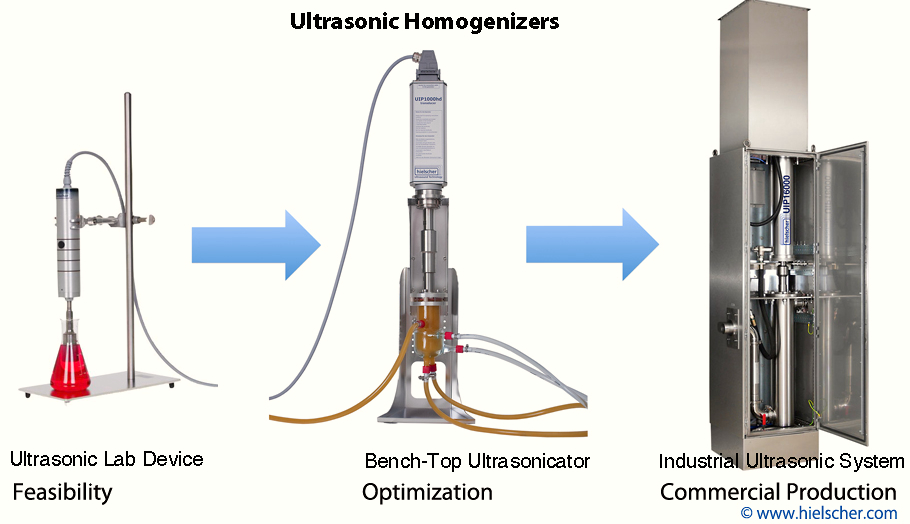
Hielscher Ultrasonics prodhon homogjenizues tejzanor me performancë të lartë nga laboratori te madhësia industriale.