Sonikimi përmirëson hidratimin dhe forcën e çimentos
Ultrasoundi me fuqinë e lartë, i njohur edhe si sonikim, po tërheq vëmendjen si një teknologji praktike për intensifikimin e prodhimit të çimentos dhe llaçit. Hulumtimet e fundit tregojnë se trajtimi ultrasonik mund të përmirësojë shpërndarjen e grimcave, të aktivizojë materialet shtesë çimentore si shlaku shkrumbës granulues (GBFS), të përshpejtojë hidratimin, të rafinojë strukturën e poreve dhe të rrisë ndjeshëm forcën në moshën e hershme.
Higher-Performance Slag-Blended Cement and Mortar With Power Ultrasound
In cement manufacturing and mortar production, one of the major technical challenges is the efficient use of supplementary cementitious materials. Granulated blast furnace slag, or GBFS, is widely used to reduce clinker content and improve sustainability. However, coarse or agglomerated slag particles often react slowly, limiting early strength development. Sonication offers a promising solution: it uses high-intensity acoustic cavitation to disperse agglomerates, fragment particles and increase the number of reactive nucleation sites inside the cement matrix.

Sonicator industrial UIP16000hdT për përpunim të pastave të çimentos me prodhim të lartë
Pse ka rëndësi sonikacioni për hidratimin e çimentos
Avantazhi i sonikacionit qëndron në aftësinë e tij për të vepruar drejtpërdrejt mbi sistemin e grimcave para dhe gjatë hidratimit të hershëm. Në një pezullim çimentor, kavitatimi ultrasonik gjeneron forca të lokalizuara prerëse, mikrojeta dhe luhatje presioni. Këto efekte ndihmojnë në prishjen e aglomerateve, shpërndarjen e grimcave të imëta dhe ekspozimin e sipërfaqeve të reja minerale.
Për prodhuesit e çimentos dhe llaçit, kjo është e rëndësishme sepse hidratimi është shumë i drejtuar nga sipërfaqësia. Shpërndarja më e mirë dhe grimcat më të vogla reaktive mund të rrisin kontaktin midis ujit, fazave të klinkerit dhe grimcave të skorjes. Kjo mund të çojë në çlirim më të shpejtë të nxehtësisë, ngurtësim të përmirësuar të hershëm dhe një mikrostrukturë më të dendur.
Në sistemet e përziera me skorje, sonication është veçanërisht i rëndësishëm sepse GBFS shpesh kërkon aktivizim. Fragmentimi i grimcave tejzanor – i ashtuquajturi sonofragmentim – i grimcave GBFS zvogëlon madhësinë e grimcave, veçanërisht fraksionin 125-250 μm.
Avantazhet kryesore të Sonication në prodhimin e çimentos dhe llaçit
Ultratingujt e fuqisë mbështet prodhimin industrial të çimentos dhe llaçit në disa mënyra:
- Shpërndarja e përmirësuar e grimcave: Sonication ndihmon në shpërndarjen e çimentos, skorjes dhe grimcave të imëta minerale në mënyrë më uniforme në përzierjen e pastës ose llaçit.
- Aglomerimi i reduktuar: Trajtimi tejzanor mund të shpërbëjë grupet e grimcave dhe mund të pengojë ri-grumbullimin gjatë përzierjes.
- Përsosja e grurit: Grimcat më të trasha të skorjes mund të fragmentohen në fraksione më të imta, duke rritur sipërfaqen e disponueshme.
- Më shumë vende bërthamashimi: Grimcat e fragmentuara GBFS mund të veprojnë si qendra bërthamore për produktet e hidratimit në matricën e çimentos.
- Hidratimi i përshpejtuar: Shpërndarja më e mirë dhe sipërfaqet e ekspozuara mund të rrisin çlirimin kumulativ të nxehtësisë dhe ngurtësimin e hershëm.
- Forcë më e lartë e hershme: Pastat e çimentos të përziera me skorje mund të tregojnë fitime të konsiderueshme në forcën shtypëse dhe përkulëse pas vetëm dy ditësh.
- Mikrostruktura e përmirësuar: Sonicimi mund të rrisë treguesit e nanoporositetit dhe të modifikojë strukturën e poreve, veçanërisht në gamën e poreve 2–10 nm.

Përhapës ultrasonik UIP2000hdT për prodhimin industrial të pasteve të çimentos

Ndikimi i ultrazërit të energjisë (PUS) në shpejtësinë e pulsit tejzanor të pastave hidratuese të çimentos
Caktim më i shpejtë dhe forcë e hershme në betonin precast me ultratinguj të fuqishëm
Studimi “Ndikimi i ultrazërit të fuqisë në rrjedhshmërinë dhe vendosjen e pastave të çimentos Portland” nga Ch. Rößler shqyrton pastat e çimentos Portland bazuar në CEM I 42.5 R, një raport w/c prej 0.37 dhe 0.1% superplasticizer poliacrilat. Studimi përdori një sonikator Hielscher UIP1000hd në një konfigurim rrjedhjeje për të vlerësuar nëse ultratingulli me fuqi mund të përshpejtojë hidratimin, të përmirësojë lëngshmërinë, të shkurtojë kohën e caktimit dhe të rrisë forcën e hershme.
Rezultatet tregojnë se ultratingulli me fuqi (PUS) përshpejton periudhën kryesore të hidratimit. Kurbat e temperaturës tregojnë një majë hidratimi më herët, ndërsa imazhet e mikrostrukturës pas pesë orësh treguan faza më të mëdha C-S-H në llaçin e trajtuar me ultratinguj sesa në llaçin e referencës.
Avantazhet kryesore të arritura:
- Lëngshmëri më e madhe: rënia u rrit nga 122 mm në llaçin e referencës në 158 mm pas trajtimit me PUS.
- Ngjitje më e shpejtë: ngjitja fillestare u shkurtua nga 5 h 15 min në 3 h 45 min, dhe ngjitja përfundimtare nga 6 h 45 min në 4 h 30 min.
- Ngurtësim i përshpejtuar: shpejtësia e pulsit ultratingull tregoi përafërsisht 2 orë ngurtësim më shpejt.
- Forcë më e lartë e hershme: Prizmat e llacit të prodhuar nga llaçi i trajtuar me PUS treguan forcë shtypëse më të madhe gjatë 24 orëve të para.
- Potenciali i ekonomisë së procesit: autorët vlerësuan se një hyrje energjie prej afërsisht 10 kWh/m³ pastë çimentoje mund të përshpejtojë vendosjen dhe forcën e hershme me rreth dy orë, me një kosto të treguar prej ≤ 1 Euro/m³ beton.
- Kërkesa e reduktuar për përzierje: sepse PUS rriti rrjedhshmërinë, autorët arritën në përfundimin se doza e superplastifikuesit mund të reduktohet.
Këto rezultate janë veçanërisht të rëndësishme për prodhimin e betonit të parapërgatitur, ku vendosja më e shpejtë dhe forca e hershme mund të zvogëlojnë kohën e kallëpit, kërkesën për ngrohje dhe kohën e ciklit të prodhimit.
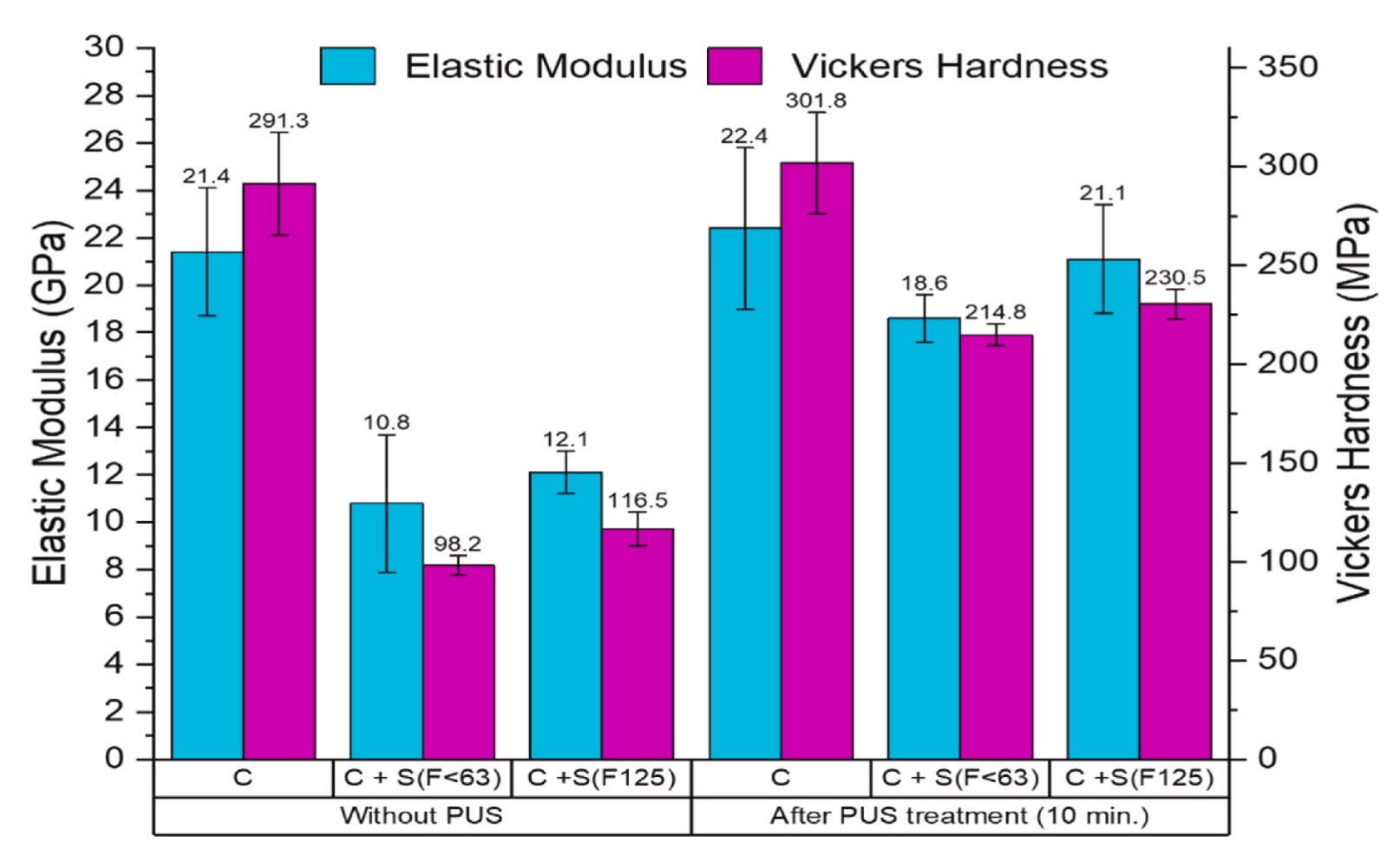
Fortësia e Vicker dhe moduli elastik i pastave C + S të përgatitura në mënyrë konvencionale dhe me përdorimin e ultratingujve të fuqisë pas 28 d.
Grafikët dhe studimi: ©Lisowski et al. 2024.
Forca e hershme më e fortë në pastën e çimentos së përzier me GBFS
Një nga gjetjet më të rëndësishme për aplikimet industriale të çimentos dhe llaçit është përmirësimi i forcës së moshës së hershme. Sipas Lisowski et al. (2024), trajtimi me ultratinguj pulsues i pastave të çimentos që përmbajnë 20% GBFS të depozituara prodhoi forcë dukshëm më të lartë pas dy ditësh. Rritjet e raportuara arritën deri në 132% në rezistencën në shtypje dhe 58% në rezistencën e përkuljes.
Kjo është shumë e rëndësishme për betonin e parapërgatitur, llaçin e përzierjes së thatë, llaçin riparues, ngjitësit e pllakave dhe produkte të tjera çimentoje ku deformimi i hershëm, forca e hershme e trajtimit ose përparimi i shpejtë i ndërtimit është ekonomikisht i rëndësishëm.
The strength increase was correlated with increased cumulative heat of hardening, suggesting that sonication does not merely improve physical dispersion but also intensifies early hydration. In practical terms, this means that power ultrasound could help producers use slag more effectively without sacrificing early performance.
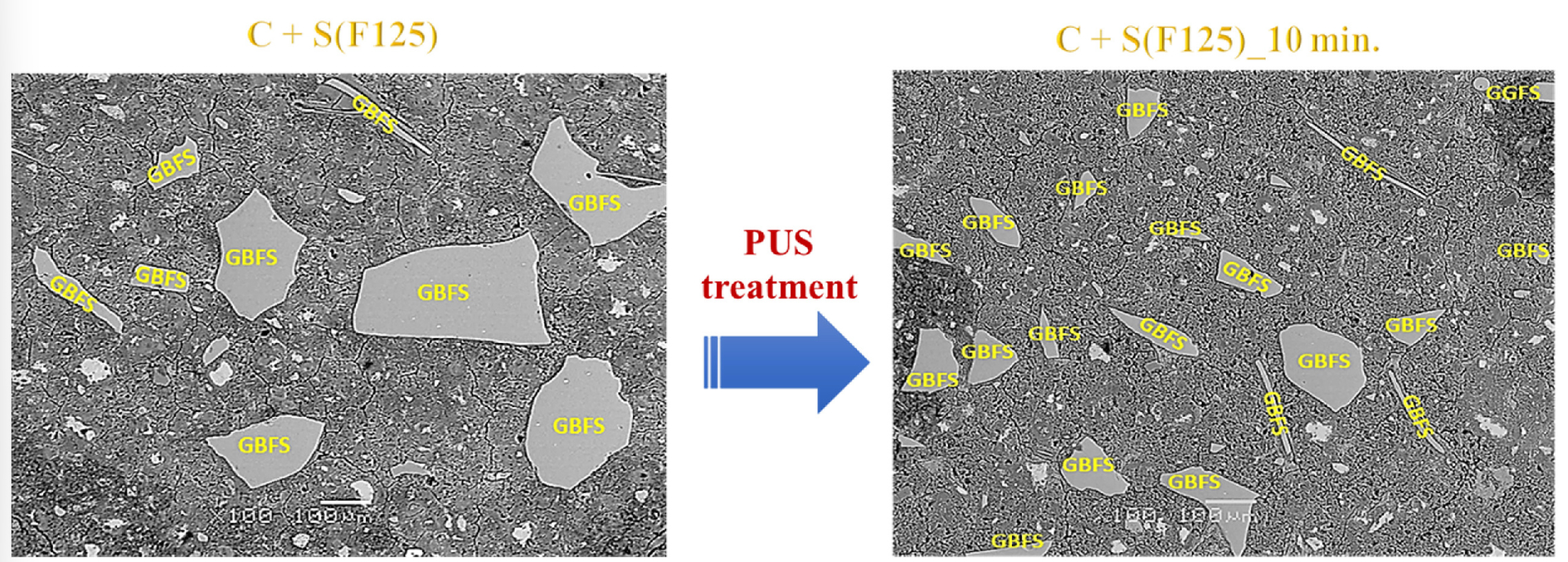
SEM images of Cement-GBFS paste specimen C + S comparing the effect without and with Power Ultrasound at 28d.
Images and study: ©Lisowski et al. 2024.
Sonofragmentation Makes Coarser Slag Fractions More Useful
 Një rezultat veçanërisht i vlefshëm është aktivizimi efektiv i fraksioneve relativisht të trasha GBFS. Studimi zbuloi se fraksioni i skorjes 125-250 μm dha forcën më të mirë të moshës së hershme dhe 28-ditore kur kombinohet me ndarjen e grimcave të skorjeve të depozituara dhe trajtimin me ultratinguj të fuqisë.
Kjo është e rëndësishme industrialisht sepse bluarja e skorjeve në madhësi shumë të imëta është energji intensive. Nëse sonication përmirëson reaktivitetin e fraksioneve më të trashë ose të depozituara GBFS, prodhuesit mund të zvogëlojnë kërkesën për bluarje, të përmirësojnë efikasitetin e lëndës së parë dhe të përdorin më mirë rrjedhat e materialeve dytësore.
Mësoni se si shpërndarja tejzanor lehtëson prodhimin e llaçeve të çimentos të përforcuara nano!
Rëndësia industriale: Ultratingujt e energjisë për prodhimin efikas të çimentos dhe llaçit
Për prodhuesit industrialë të çimentos dhe llaçit, sonication ofron disa avantazhe strategjike. Mund të integrohet si një hap intensifikimi i procesit gjatë përgatitjes së llumit, aktivizimit të lidhësit, shpërndarjes së përzierjes ose përzierjes së llaçit me performancë të lartë. Teknologjia është veçanërisht tërheqëse për produktet që varen nga shpërndarja e grimcave të imta, hidratimi i shpejtë dhe përdorimi i optimizuar i materialeve shtesë të çimentos.
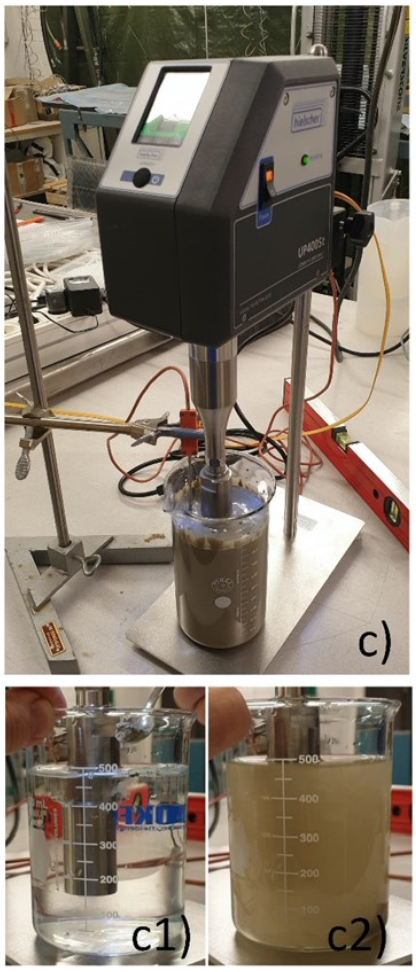
Sonicator i tipit sondë UP400St për shpërndarje mikro-fine çimentoje
(Studimi dhe imazhi: ©Draganovic et al., 2020)
- Forcë më e lartë e hershme pa rritur përmbajtjen e klinkerit
- Aktivizimi më i mirë i GBFS dhe materialeve të tjera shtesë të çimentos
- Përdorimi i përmirësuar i fraksioneve të trasha ose të depozituara të skorjeve
- Aglomeracioni i reduktuar në pezullimet çimentoje
- Sjellja më e qëndrueshme e hidratimit dhe ngurtësimit
- Reduktimi i mundshëm i intensitetit të bluarjes për rrjedhat e zgjedhura të skorjeve
- Performanca e përmirësuar e formulimeve të çimentos me kliker të ulët dhe me karbon të ulët
Kjo e bën sonication shumë të rëndësishëm për prodhimin e çimentos së qëndrueshme, çimentos skorjeje, llaç me performancë të lartë, elementë të parapërgatitur, materiale riparimi dhe produkte të specializuara ndërtimi.
Sonication si një mjet për teknologjinë e çimentos me karbon të ulët
The cement industry is under pressure to reduce CO₂ emissions, and lowering the clinker factor is one of the most direct routes. However, higher replacement levels with GBFS, fly ash, calcined clay or other supplementary cementitious materials can slow down early strength development. Power ultrasound may help overcome this bottleneck by improving dispersion, activating particles and accelerating early hydration.
Sonication can make slag-blended cement pastes more reactive and mechanically stronger, especially when the process is optimized for particle size fraction and treatment time. That combination is highly relevant for industrial-scale binder engineering.
Hielscher Sonicators for Enhanced Cement Hydration, Strength and Slag Reactivity
 Hielscher sonikatorët në linjë janë një mjet i fuqishëm për të përmirësuar hidratimin dhe forcën e çimentos, veçanërisht në sistemet çimentoje të përziera me skorje.
Për degglomerimin dhe shpërndarjen industriale të çimentos, sonikatorët me performancë të lartë Hielscher sigurojnë prerjen intensive kavitacionale të nevojshme për të thyer aglomeratet e çimentos, skorjes dhe mbushësve mineralë në grimca të shpërndara imët, duke përmirësuar lagjen e grimcave, aktivizimin e sipërfaqes dhe homogjenitetin në llumi çimento. Sistemet Hielscher janë të disponueshme nga tavolina dhe në shkallë pilot deri te sistemet e fuqishme të prodhimit me xhiro të lartë, duke përfshirë tingëlluesit në linjë me fuqi të lartë për përpunimin e vazhdueshëm të llaçit të çimentos dhe pezullimit mineral. Kjo e bën zhvillimin e procesit të shkallëzuar drejtpërdrejt nga R&D për prodhimin industrial të plotë. Duke eliminuar ose zvogëluar nevojën për media thërrmuese, deagglomerimi me ultratinguj thjeshton përpunimin, minimizon rreziqet e kontaminimit dhe ul përpjekjet për pastrim, ndërsa siguron një cilësi të riprodhueshme të shpërndarjes. Për prodhuesit e çimentos dhe llaçit, sonikatorët Hielscher ofrojnë kështu një rrugë praktike drejt sistemeve më uniforme të lidhësit, kinetikës së përmirësuar të hidratimit, përdorimit më të mirë të GBFS dhe materialeve të tjera shtesë cementit, dhe formulimeve me performancë më të lartë dhe pak klinker.
Tabela më poshtë ju jep një tregues të kapacitetit të përafërt të përpunimit të sistemeve tona me ultratinguj:
| Vëllimi i grupit | Shkalla e rrjedhjes | Pajisjet e rekomanduara |
|---|---|---|
| 50mL deri 20L | 0.1 deri në 2L/min | UIP1000hdT |
| 0.1 deri në 20L | 0.2 deri në 4L/min | UIP2000hdT |
| 10 deri në 100 litra | 2 deri në 10 l/min | UIP4000hdT |
| 15 deri në 150 litra | 3 deri në 15 l/min | UIP6000hdT |
| na | 10 deri në 100 l/min | UIP16000hdT |
| na | më të mëdha | grumbull i UIP16000hdT |
Dizajn, Prodhim dhe Konsulencë – Cilësi e prodhuar në Gjermani
Ultrasonikët Hielscher janë të njohur për cilësinë e tyre më të lartë dhe standardet e dizajnit. Qëndrueshmëria dhe funksionimi i lehtë lejojnë integrimin e qetë të ultrasonikëve tanë në objektet industriale. Kushtet e vështira dhe mjediset kërkuese trajtohen lehtësisht nga ultrasonikët Hielscher.
Hielscher Ultrasonics është një kompani e certifikuar ISO dhe i kushton theks të veçantë ultratingujve me performancë të lartë që paraqesin teknologjinë më të fundit dhe lehtësinë ndaj përdorimit. Sigurisht, ultrasonikët Hielscher janë në përputhje me CE dhe plotësojnë kërkesat e UL, CSA dhe RoHs.

Hielscher Ultrasonics prodhon homogjenizues tejzanor me performancë të lartë për përzierjen e aplikimeve, shpërndarjen, emulsifikimin dhe nxjerrjen në shkallë laboratorike, pilot dhe industriale.
pyetjet e bëra shpesh
Çfarë është nucleation C-S-H në beton?
Nucleation C-S-H është formimi fillestar i hidratit të silikatit të kalciumit në sipërfaqet e grimcave gjatë hidratimit të çimentos. C-S-H është produkti kryesor i hidratimit që formon forcën në sistemet e çimentos Portland, dhe nucleacioni i tij kontrollon zhvillimin fillestar të mikrostrukturës, kohën e ngurtësimit dhe forcën.
Çfarë është klinkeri në çimento?
Klinteri është produkti ndërmjetës sintetizues i prodhuar nga ngrohja e gëlqeres, balte dhe lëndëve të tjera të papërpunuara në një furrë çimentoje në temperaturë të lartë. Ai përbëhet kryesisht nga faza kalciumi silikat dhe kalciumi aluminat, të cilat bluhet me gips për të prodhuar çimento Portland.
Çfarë është shlaku hedhur i granuluar?
Shlaku i granuluar i furrës së shkrirjes (GBFS) është një nënprodukt xhami i prodhimit të hekurt që formohet duke ftohur shpejt shlakun e shkrirjes së furrës së hekurit me ujë ose ajër. Kur piqet në mënyrë të imët, vepron si një material shtesë hidraulik latent i çimentos që reagon në sistemet e çimentos për të formuar C-S-H shtesë dhe për të përmirësuar qëndrueshmërinë dhe forcën afatgjatë.
Literatura / Referencat
- Peters S., Stöckigt M., Rößler C. (2009): Influence of power-ultrasound on the fluidity and setting of Portland cement pastes. In: Proceedings of the 17th International Conference on Building Materials (ibausil). Vol 1. Weimar, Germany; 2009. 259-264.
- Paweł Lisowski, Daria Jóźwiak-Niedźwiedzka, Magdalena Osial, Kamil Bochenek, Piotr Denis, Michał A. Glinicki (2024): Power ultrasound-assisted enhancement of granulated blast furnace slag reactivity in cement paste. Cement and Concrete Composites, Volume 154, 2024.
- Peters, S.; Kraus, M.; Rößler, Christiane; Ludwig, H.-M. (2011): Workability of cement suspensions Using power ultrasound to improve cement suspension workability. Betonwerk und Fertigteil-Technik/Concrete Plant and Precast Technology. 77, 2011. 26-33.
- Almir Draganović, Antranik Karamanoukian, Peter Ulriksen, Stefan Larsson (2022): Ultrasonic dispersion of hard dispersed ultrafine milled cement-based grout for water sealing of fractured hard rock. Construction and Building Materials, Volume 317, 2022.
- Almir Draganović, Antranik Karamanoukian, Peter Ulriksen, Stefan Larsson (2020): Dispersion of microfine cement grout with ultrasound and conventional laboratory dissolvers. Construction and Building Materials, Volume 251, 2020.

Përpunimi i pastës së çimentos duke përdorur sonikatorë Hielscher në një proces të vazhdueshëm rrjedhjeje.
- efikasitet të lartë
- teknologjinë më të fundit
- besueshmëria & qëndrueshmëri
- kontroll i rregullueshëm, i saktë i procesit
- grumbull & ne rresht
- për çdo vëllim
- softuer inteligjent
- karakteristika inteligjente (p.sh., të programueshme, protokollim të dhënash, kontroll në distancë)
- e lehtë dhe e sigurt për t'u përdorur
- mirëmbajtje e ulët
- CIP (i pastër në vend)
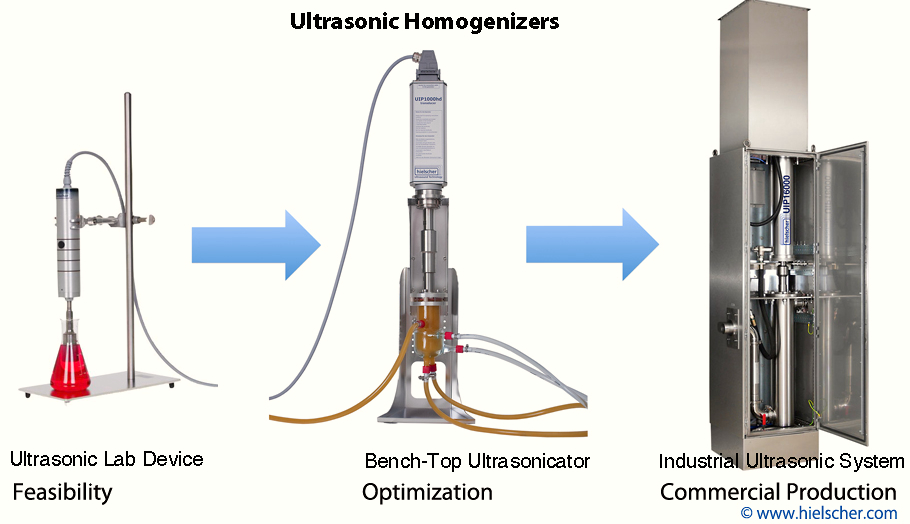
Hielscher Ultrasonics prodhon homogjenizues tejzanor me performancë të lartë nga laboratori te madhësia industriale.