Riattivazione del catalizzatore esaurito mediante sonicazione
La riattivazione dei catalizzatori esauriti è diventata un tema importante nei processi chimici sostenibili, nelle operazioni di raffinazione, nella petrolchimica, nella catalisi ambientale e nelle strategie di economia circolare. I catalizzatori sono essenziali per reazioni efficienti, ma durante l’uso industriale perdono gradualmente la loro attività a causa della deposizione di coke, dell’avvelenamento da metalli, dell’incrostazione, dell’ostruzione dei pori, della sinterizzazione, della passivazione superficiale o dell’accumulo di sottoprodotti di reazione. La sostituzione dei catalizzatori esauriti è costosa e richiede un elevato impiego di risorse, mentre lo smaltimento può comportare un impatto ambientale. La rigenerazione a ultrasuoni dei catalizzatori esauriti è una tecnica semplice ma altamente efficiente per riattivare i catalizzatori che sono stati passivati, avvelenati o incrostati durante l’uso.
Riattivazione del catalizzatore esaurito mediante sonicazione
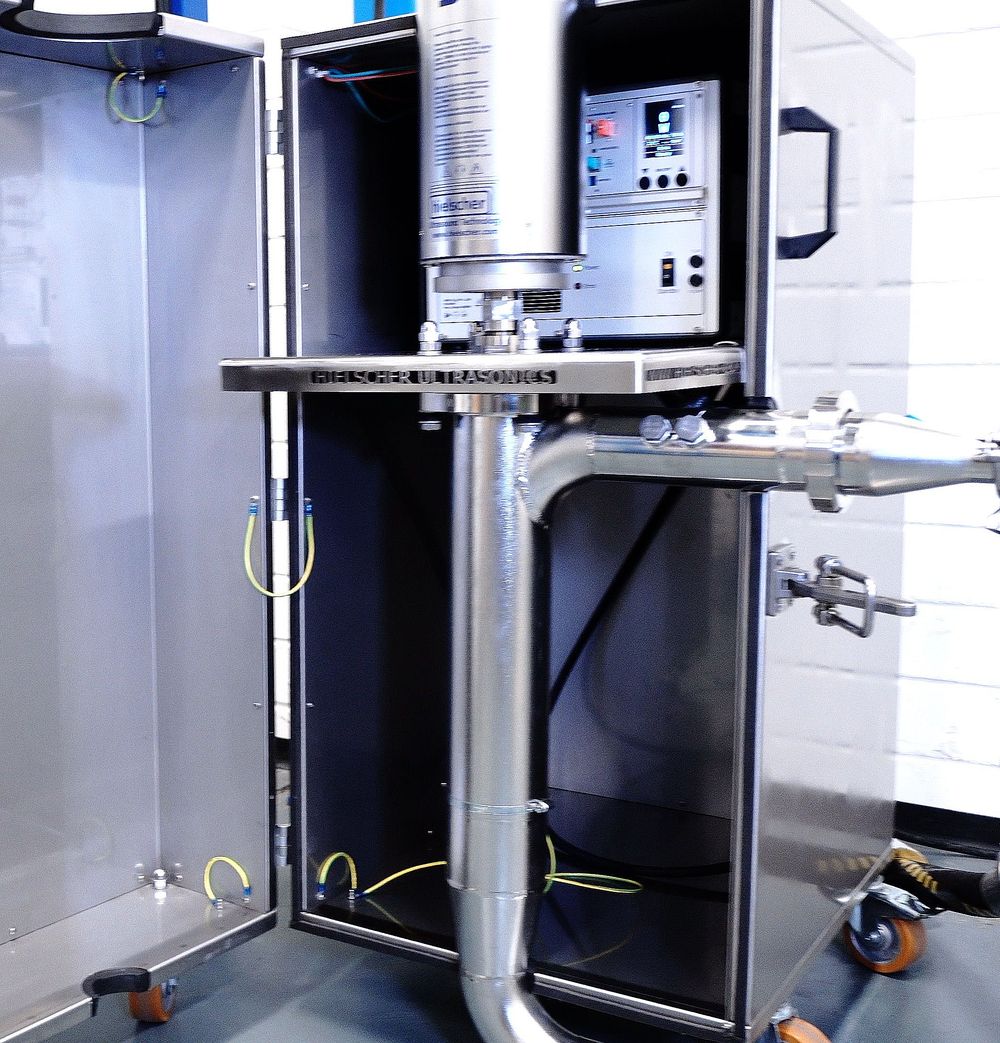 La sonicazione, nota anche come trattamento ultrasonico, offre un metodo scientificamente valido e tecnicamente interessante per la rigenerazione e la riattivazione dei catalizzatori esauriti. Applicando ultrasuoni ad alta potenza alle sospensioni catalitiche, si genera un’intensa cavitazione acustica nel mezzo liquido. Il collasso delle bolle di cavitazione produce microgetti localizzati, onde d’urto, forze di taglio e una micromiscelazione altamente turbolenta. Questi effetti possono pulire le superfici dei catalizzatori, rimuovere i depositi, migliorare l’accesso dei reagenti ai pori ostruiti e favorire i processi di lisciviazione chimica o di rigenerazione ossidativa.
Recenti ricerche sui catalizzatori esausti utilizzati nel cracking catalitico fluido hanno dimostrato che la rigenerazione assistita da ultrasuoni può migliorare la rimozione dei metalli nocivi, contribuendo al contempo a preservare la struttura della zeolite e la microstruttura delle particelle catalitiche. Gli studi hanno inoltre riportato un recupero potenziato dagli ultrasuoni di metalli quali il nichel dai catalizzatori esausti, grazie al fatto che la sonicazione accelera l’estrazione attraverso gli effetti fisici e chimici della cavitazione acustica.
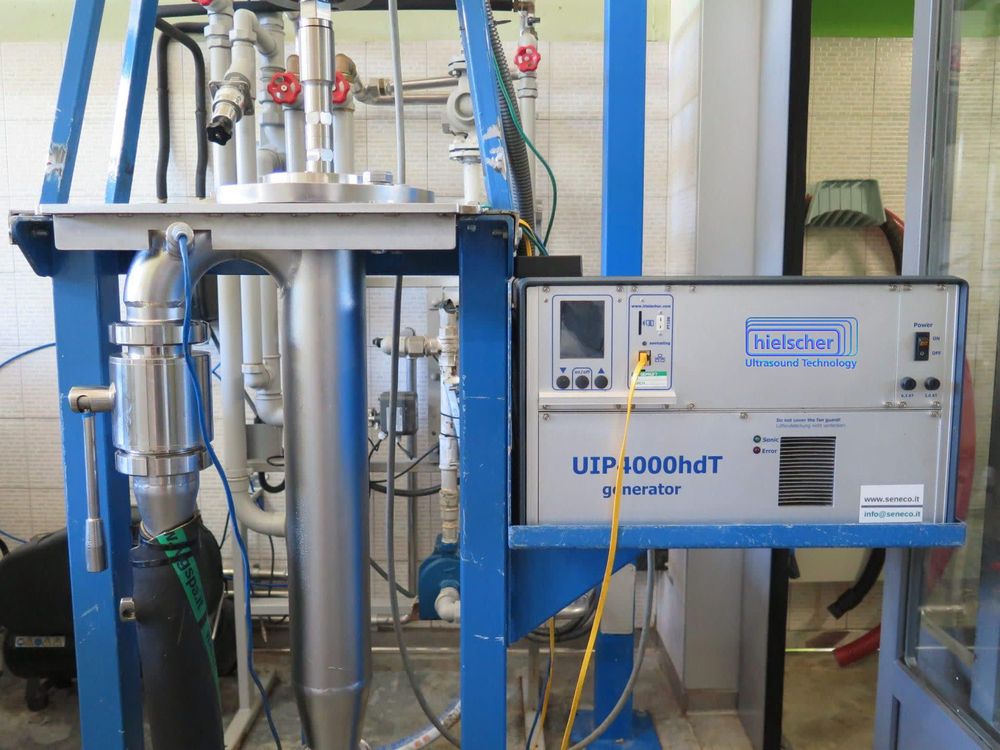
Sonicatore in linea UIP4000hdT per il recupero industriale dei catalizzatori esauriti
Perché la sonicazione è efficace per la riattivazione dei catalizzatori esauriti
L'importanza scientifica della sonicazione risiede nella sua capacità di intensificare i processi eterogenei solido-liquido. La rigenerazione dei catalizzatori è spesso limitata da uno scarso trasferimento di massa, pori ostruiti, superfici passivate e una lenta diffusione degli agenti detergenti o di lisciviazione all'interno della struttura del catalizzatore. Gli ultrasuoni superano queste limitazioni attraverso meccanismi meccanici e fisico-chimici.
Tra i principali vantaggi della sonicazione figurano:
L'importanza degli ultrasuoni non si limita alla pulizia fisica. Nella sonochimica, la cavitazione può creare condizioni locali estreme e ambienti reattivi, in grado di favorire i processi di ossidazione, la modifica delle superfici o le fasi di estrazione chimica. In tal modo, gli ultrasuoni possono aumentare la superficie attiva dei catalizzatori, ridurre l'incrostazione dei catalizzatori solidi dispersi e contribuire alla pulizia durante i processi di riciclaggio dei catalizzatori.
Rilevanza industriale: dalla pulizia dei catalizzatori alla riattivazione funzionale
La riattivazione dei catalizzatori esauriti va oltre la semplice operazione di manutenzione. Si tratta di un percorso scientificamente significativo volto a migliorare le prestazioni del catalizzatore durante il suo ciclo di vita. Un catalizzatore rigenerato non deve solo apparire pulito, ma deve anche recuperare una funzione catalitica significativa. Ciò richiede il ripristino dei siti attivi accessibili, dell’acidità o della basicità superficiale, della porosità, della dispersione e delle prestazioni di reazione.
Il trattamento a ultrasuoni è importante perché agisce su diversi livelli fondamentali della rigenerazione del catalizzatore:
Superficie: Rimuove gli strati passivanti ed espone i siti attivi.
Pori: Favorisce la riapertura dei mesopori e dei micropori ostruiti.
Particelle: Disgrega gli agglomerati e migliora l'omogeneità della sospensione.
Procedura: Intensifica il contatto tra liquido e solido e migliora l'efficienza dei mezzi di rigenerazione chimica.
Sostenibilità: Favorisce il riutilizzo, il recupero dei metalli e la riduzione al minimo dei rifiuti.
 Uno studio recente sulla rigenerazione mediante ultrasuoni e ossidazione dei catalizzatori esausti utilizzati nel processo di cracking catalitico fluido (FCC) ha riportato che i processi di ossidazione avanzata assistiti da ultrasuoni hanno aumentato l'acidità del catalizzatore e hanno consentito di utilizzare il catalizzatore rigenerato nella sintesi del monostearato di glicerolo. (cfr. Anggoro et al., 2026)
Un altro studio ha dimostrato che l’immersione in acido solforico diluito e la successiva lisciviazione assistita da ultrasuoni in una miscela di acido solforico e acido ossalico migliorano significativamente la rimozione dei metalli nocivi dal catalizzatore FCC esaurito, senza distruggere la struttura reticolare della zeolite Y né la microstruttura delle particelle del catalizzatore esaurito. Rispetto alla lisciviazione convenzionale, quella assistita da ultrasuoni richiede solo un quarto del tempo per ottenere un effetto di rimozione dei metalli nocivi sostanzialmente identico e presenta vantaggi superiori nel preservare l’integrità delle particelle (cfr. Wang et al., 2021).
L'ultrasuonazione nel riciclaggio dei catalizzatori e nel recupero dei metalli
I catalizzatori esauriti contengono spesso metalli preziosi quali nichel, vanadio, molibdeno, cobalto, metalli del gruppo del platino o metalli rari, a seconda del tipo di catalizzatore e dell’applicazione industriale. La sonicazione può favorire sia la riattivazione del catalizzatore sia il recupero delle risorse. Nella lisciviazione assistita da ultrasuoni, la cavitazione migliora la penetrazione della soluzione di lisciviazione, rimuove gli strati limite attorno alle particelle ed espone nuove superfici alla reazione.
Ciò rende gli ultrasuoni particolarmente interessanti per:
- Catalizzatori esausti da raffineria
- Catalizzatori FCC
- Catalizzatori per l'idrotrattamento e l'idrodisolfurazione
- Catalizzatori Fischer-Tropsch
- Catalizzatori metallici supportati
- Catalizzatori ambientali
- Carbone attivo e sistemi adsorbente-catalizzatore
- Catalizzatori eterogenei contaminati da metalli o incrostati

Sonicator UP400St con impostazione della cella a flusso
Vantaggi tecnici dei sonicatori Hielscher per il riciclaggio dei catalizzatori esausti
I sonicatori ad alta potenza Hielscher sono particolarmente adatti al riciclaggio e alla riattivazione dei catalizzatori esauriti, poiché forniscono energia ultrasonica controllata, riproducibile e scalabile alle sospensioni liquido-solido. Per la rigenerazione dei catalizzatori, l’affidabilità del processo è essenziale: ampiezza, potenza in ingresso, tempo di permanenza, portata, temperatura, pressione e geometria del reattore devono essere regolabili e riproducibili, dalle prove di laboratorio alla produzione industriale.
Hielscher offre sistemi a ultrasuoni che spaziano dai dispositivi compatti da laboratorio alle unità industriali, compresi i sonicatori a sonda e i reattori a ultrasuoni a flusso continuo per la lavorazione in continuo. I sonicatori Hielscher spaziano dalle piccole unità da laboratorio ai processori industriali da 500 W, 1.000 W, 2.000 W, 4.000 W, 6.000 W e 16.000 W, consentendo il passaggio dai test di fattibilità al trattamento dei catalizzatori a livello di produzione.
Per quanto riguarda il riciclaggio dei catalizzatori esauriti, i vantaggi tecnici includono:
- Sonificazione ad alta intensità con sonda per una cavitazione efficace nelle sospensioni di catalizzatori abrasivi
- Opzioni di reattori a flusso continuo per processi di rigenerazione, lisciviazione, lavaggio o dispersione in continuo
- Controllo preciso dell'ampiezza per garantire condizioni di processo riproducibili
- Architettura scalabile degli impianti, dallo screening in laboratorio al riciclaggio dei catalizzatori a livello industriale
- Design industriale robusto, pensato per ambienti esigenti nel settore della lavorazione chimica
- Compatibilità con processi sonochimici quali la lisciviazione acida, la pulizia ossidativa, la dispersione e l'attivazione superficiale
Queste caratteristiche rendono i sonicatori Hielscher una piattaforma tecnologica pratica per le aziende e gli istituti di ricerca impegnati nello sviluppo di protocolli avanzati di rigenerazione dei catalizzatori, sia che l’obiettivo sia ripristinare l’attività catalitica, recuperare metalli preziosi, ridurre il volume dei rifiuti o migliorare la sostenibilità della produzione catalitica.

Omogeneizzatore a ultrasuoni UIP2000hdT per la rigenerazione del catalizzatore in un processo a flusso continuo
Una tecnologia sostenibile per l'economia circolare dei catalizzatori
Man mano che le industrie si orientano verso una produzione più pulita e un uso efficiente delle risorse, la gestione dei catalizzatori esauriti sta diventando una priorità strategica. La sonicazione sostiene questa transizione rendendo la riattivazione dei catalizzatori più rapida, più efficiente e tecnicamente più controllabile. Anziché trattare i catalizzatori esauriti come rifiuti, il trattamento a ultrasuoni contribuisce a trasformarli in materiali riutilizzabili o in preziose fonti di materie prime secondarie.
L'importanza industriale della sonicazione risiede nella sua capacità di combinare in un unico processo l'attivazione meccanica, la pulizia delle superfici, la dispersione e l'intensificazione del trasferimento di massa. Per gli utenti industriali, i vantaggi sono altrettanto evidenti: un miglior riutilizzo dei catalizzatori, un minor consumo di materie prime, una minore produzione di rifiuti e, potenzialmente, costi operativi più contenuti.
Approfitta dei vantaggi della rigenerazione del catalizzatore a ultrasuoni
 La riattivazione dei catalizzatori esauriti mediante sonicazione rappresenta un approccio avanzato al riciclaggio dei catalizzatori, con un forte potenziale sia scientifico che industriale. La cavitazione acustica consente la rimozione dei depositi, la riapertura dei pori ostruiti, il miglioramento del trasferimento di massa e l’intensificazione delle fasi di rigenerazione chimica. Se abbinato a adeguate strategie di lisciviazione, ossidazione, lavaggio o trattamento termico, il trattamento ultrasonico può contribuire a ripristinare l’attività del catalizzatore e a recuperare metalli preziosi.
Grazie ai sonicatori ad alta potenza scalabili e ai reattori a flusso ultrasonico industriali, Hielscher fornisce le basi tecniche per lo sviluppo di processi di rigenerazione dei catalizzatori esausti affidabili, riproducibili ed efficienti. Poiché il riciclaggio dei catalizzatori sta assumendo un’importanza sempre maggiore per la chimica sostenibile e la produzione industriale circolare, la sonicazione si sta affermando come uno strumento potente per prolungare la durata dei catalizzatori e migliorare l’efficienza delle risorse.
La tabella seguente fornisce un'indicazione della capacità di lavorazione approssimativa dei nostri ultrasonori:
| Volume di batch | Portata | Dispositivi raccomandati |
|---|---|---|
| 1 - 500mL | 10 - 200mL/min | UP100H |
| 10 - 2000mL | 20 - 400mL/min | UP200Ht, UP400St |
| 0,1 - 20L | 0,2 - 4L/min | UIP2000hdT |
| 10 - 100L | 2 - 10L/min | UIP4000hdT |
| Da 15 a 150L | Da 3 a 15L/min | UIP6000hdT |
| n.a. | 10 - 100L/min | UIP16000hdT |
| n.a. | più grande | cluster di UIP16000hdT |
Progettazione, produzione e consulenza – Qualità Made in Germany
Gli ultrasuoni Hielscher sono noti per i loro elevati standard di qualità e design. La robustezza e la facilità d'uso consentono un'agevole integrazione dei nostri ultrasuoni negli impianti industriali. Gli ultrasuonatori Hielscher sono in grado di gestire facilmente condizioni difficili e ambienti impegnativi.
Hielscher Ultrasonics è un'azienda certificata ISO e pone particolare enfasi sugli ultrasuonatori ad alte prestazioni, caratterizzati da tecnologia all'avanguardia e facilità d'uso. Naturalmente, gli ultrasuoni Hielscher sono conformi alla normativa CE e soddisfano i requisiti UL, CSA e RoH.

Hielscher Ultrasonics produce omogeneizzatori a ultrasuoni ad alte prestazioni per applicazioni di miscelazione, dispersione, emulsione ed estrazione su scala di laboratorio, pilota e industriale.
Domande frequenti
Che cos’è un catalizzatore?
Un catalizzatore è una sostanza che accelera la velocità di una reazione chimica riducendone l'energia di attivazione, senza essere consumata in modo stechiometrico durante la reazione. Esso offre un percorso di reazione alternativo e spesso può essere riutilizzato.
Che cos’è un catalizzatore esaurito?
Un catalizzatore esaurito è un catalizzatore che, a seguito dell'uso, ha perso in tutto o in parte la propria attività catalitica, selettività o stabilità. La disattivazione può essere causata da incrostazioni, depositi di coke, avvelenamento, sinterizzazione, lisciviazione o degrado strutturale.
Che cos’è un catalizzatore FCC esaurito?
Un catalizzatore FCC esaurito è un catalizzatore disattivato proveniente dal processo di cracking catalitico fluido nella raffinazione del petrolio. I catalizzatori FCC sono in genere materiali a base di zeolite utilizzati per la cracking di idrocarburi pesanti in prodotti più leggeri quali benzina, olefine e GPL. Essi si esauriscono a causa della formazione di coke, della contaminazione da metalli, del degrado idrotermico e della perdita di acidità o di superficie specifica.
In che modo vengono consumati i catalizzatori?
I catalizzatori non vengono consumati nel senso stechiometrico ideale, ma possono essere disattivati o andare persi fisicamente durante il funzionamento. Tra i meccanismi più comuni figurano:
- Avvelenamento: adsorbimento irreversibile di impurità sui siti attivi.
- Incrostazioni/formazione di coke: Il deposito di materiale carbonioso ostruisce i pori e i siti attivi.
- Sinterizzazione: Le alte temperature provocano l'agglomerazione delle particelle attive, riducendone la superficie specifica.
- Lisciviazione: i componenti attivi si dissolvono nel mezzo di reazione.
- Abbandono: L'abrasione meccanica frantumano le particelle del catalizzatore, soprattutto nei letti fluidizzati.
- Fase di trasformazione: la struttura del catalizzatore assume una forma meno attiva.
Quali sono i quattro tipi di catalizzatori?
I quattro tipi comunemente distinti sono:
Letteratura / Riferimenti
- Darbandi, M., Moghaddasfar, A., Eynollahi, M. et al. (2025): Sustainable approach with enhanced removal performance of organic pollutant for wastewater treatment by ultrasonically regenerated mesoporous nickel oxide nanoparticles. Int. J. Environ. Sci. Technol. 22, 3495–3504 (2025).
- Anggoro D.D., Buchori L., Rinaldi N., Silviana S., Le Monde B.U., Putra M.F., Zainol, M.M. (2026): Hybrid Ultrasound and Advanced Oxidation Process Regeneration of Spent FCC Catalysts: Optimization and Their Catalytic Performance. Journal of Engineering and Technological Sciences, 58(2), 227–242.
- Xin Pu, Jin-ning Luan, Li Shi (2012): Reuse of Spent FCC Catalyst for Removing Trace Olefins from Aromatics. Bulletin of Korean Chemical Society 2012, Vol. 33, No. 8.
- Alta efficienza
- Tecnologia all'avanguardia
- affidabilità & robustezza
- controllo di processo regolabile e preciso
- lotto & in linea
- per qualsiasi volume
- software intelligente
- funzioni intelligenti (ad esempio, programmabili, protocollo dati, controllo remoto)
- Facile e sicuro da usare
- Bassa manutenzione
- CIP (clean-in-place)
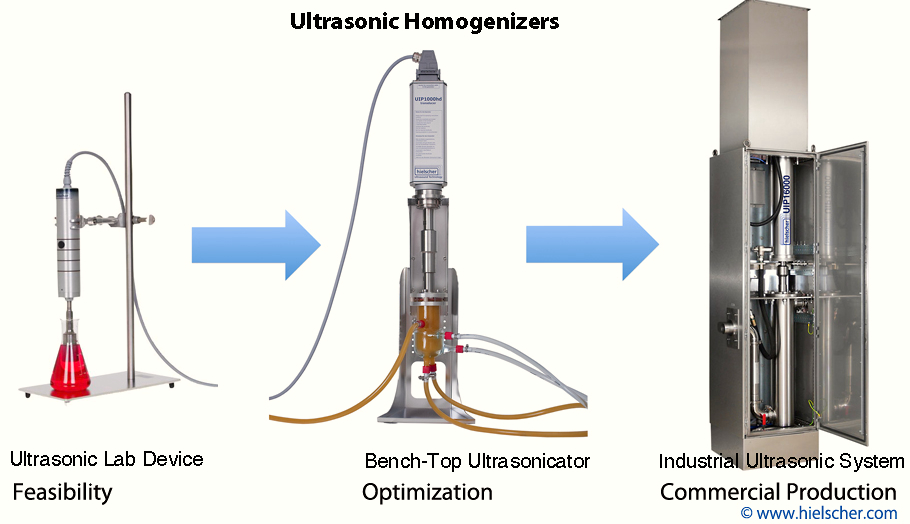
Hielscher Ultrasonics produce omogeneizzatori a ultrasuoni ad alte prestazioni da laboratorio a dimensioni industriali.