Reaktivering af brugt katalysator ved hjælp af ultralydsbehandling
Reaktivering af udtjente katalysatorer er blevet et vigtigt emne inden for bæredygtig kemisk forarbejdning, raffinaderidrift, petrokemisk industri, miljøkatalyse og strategier for cirkulær økonomi. Katalysatorer er afgørende for effektive reaktioner, men under industriel anvendelse mister de gradvist deres aktivitet på grund af koksaflejringer, metalforgiftning, tilstopning, poretilstopning, sintring, overfladepassivering eller ophobning af reaktionsbiprodukter. Udskiftning af udtjente katalysatorer er dyrt og ressourcekrævende, mens bortskaffelse kan medføre miljøbelastninger. Ultralydsregenerering af udtjente katalysatorer er en enkel, men yderst effektiv teknik til at reaktivere katalysatorer, der er blevet passiveret, forgiftet eller tilstoppet under brug.
Reaktivering af brugt katalysator ved hjælp af ultralydsbehandling
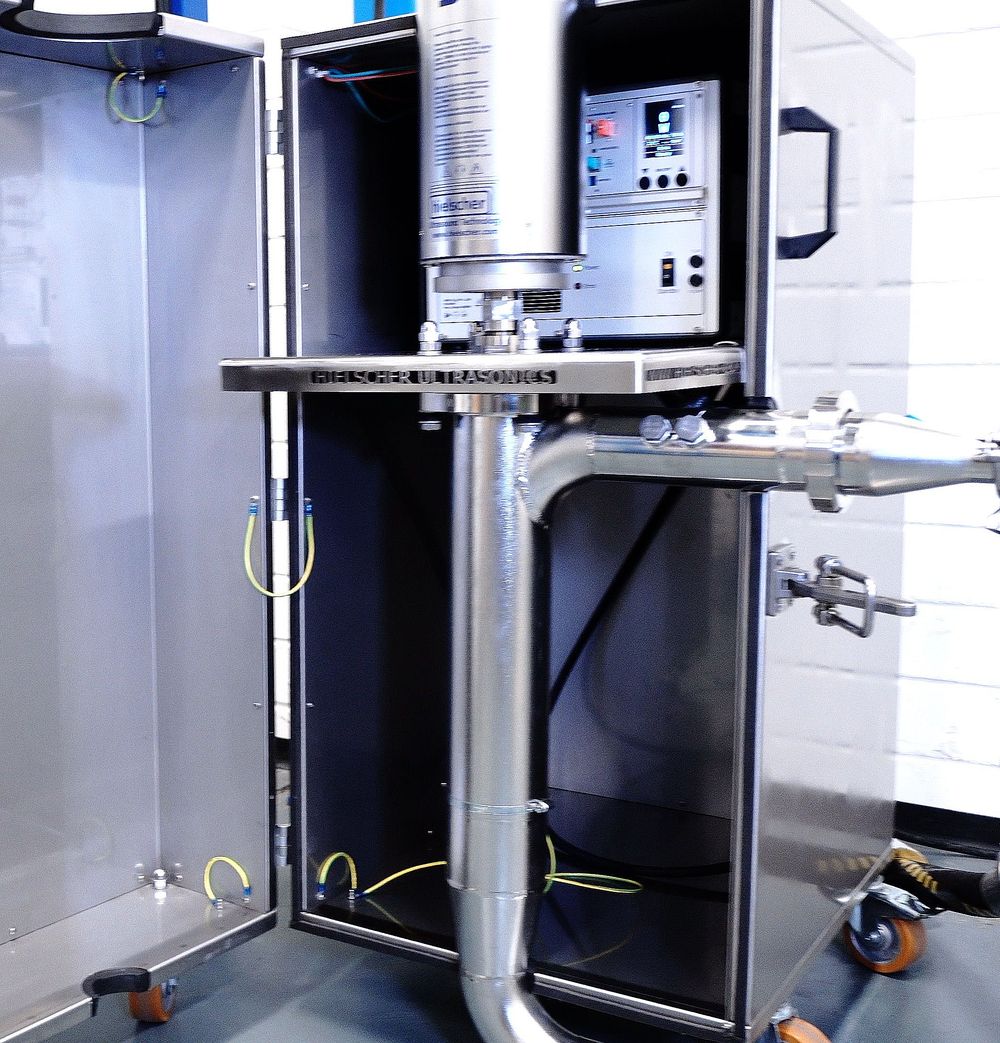 Ultralydsbehandling, også kendt som sonikering, udgør en videnskabeligt relevant og teknisk attraktiv metode til regenerering og reaktivering af udtjente katalysatorer. Ved at påføre højintensivt ultralyd på katalysatorsuspensioner genereres der intens akustisk kavitation i det flydende medium. Kavitationsboblernes sammenbrud frembringer lokaliserede mikrostråler, chokbølger, forskydningskræfter og stærkt turbulent mikroblanding. Disse effekter kan rense katalysatoroverflader, løsne aflejringer, forbedre reagensernes adgang til tilstoppede porer og understøtte kemiske udvasknings- eller oxidative regenereringsprocesser.
Nyere forskning i udtjente katalysatorer fra fluidkatalytisk krakning har vist, at ultralydsassisteret regenerering kan forbedre fjernelsen af skadelige metaller og samtidig bidrage til at bevare zeolitens struktur og katalysatorpartiklernes mikrostruktur. Undersøgelser har også påvist ultralydsforstærket udvinding af metaller såsom nikkel fra brugte katalysatorer, hvor sonikering fremskynder udvindingen gennem de fysiske og kemiske effekter af akustisk kavitation.
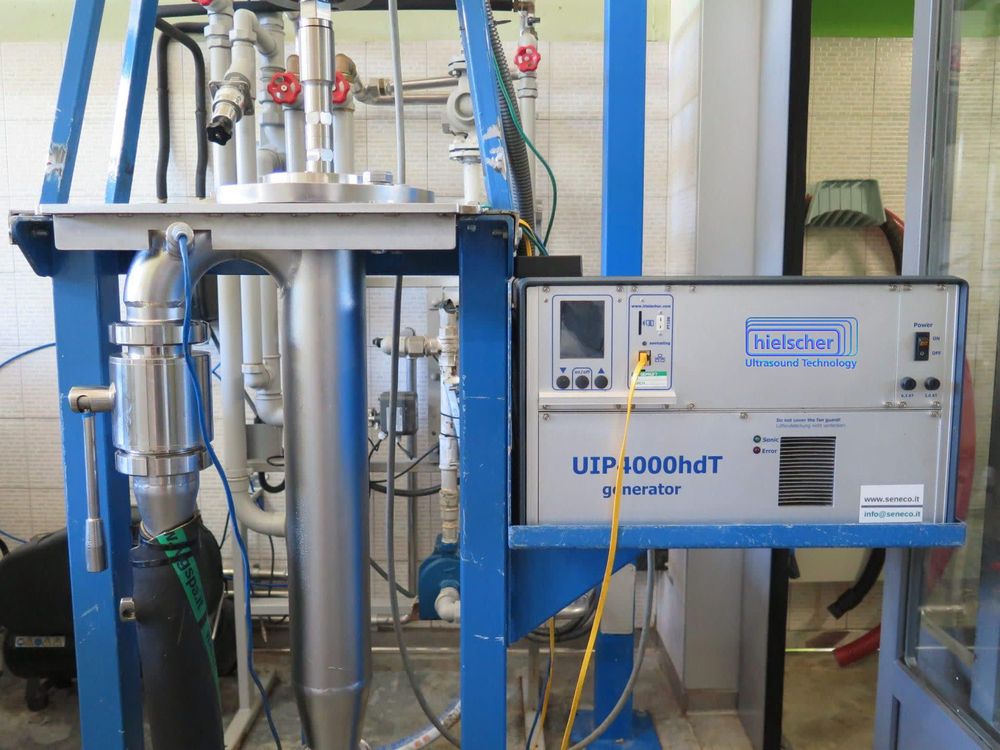
Inline-ultralydsapparat UIP4000hdT til industriel genanvendelse af brugte katalysatorer
Hvorfor ultralydsbehandling er effektiv til reaktivering af brugt katalysator
Den videnskabelige betydning af ultralydsbehandling ligger i dens evne til at intensivere heterogene faststof-væske-processer. Regenerering af katalysatorer er ofte begrænset af dårlig masseoverførsel, tilstoppede porer, passiverede overflader og langsom diffusion af rengørings- eller udvaskningsmidler ind i katalysatorstrukturen. Ultralyd imødegår disse begrænsninger gennem mekaniske og fysisk-kemiske mekanismer.
De vigtigste fordele ved ultralydsbehandling er blandt andet:
Ultralydets anvendelsesmuligheder er ikke begrænset til fysisk rengøring. Inden for sonokemi kan kavitation skabe ekstreme lokale forhold og reaktive miljøer, som kan fremme oxidations-, overflademodifikations- eller kemiske ekstraktionsprocesser. Dermed kan ultralyd øge katalysatorernes aktive overflade, reducere tilstopning af faste dispergerede katalysatorer og bidrage til rengøringen under genanvendelsesprocesser af katalysatorer.
Industriel relevans: Fra rensning af katalysatorer til funktionel reaktivering
Reaktivering af udtjent katalysator er mere end blot en vedligeholdelsesopgave. Det er en videnskabeligt vigtig metode til at forbedre katalysatorens ydeevne gennem hele dens levetid. En regenereret katalysator skal ikke blot se ren ud; den skal også genvinde en meningsfuld katalytisk funktion. Dette kræver genoprettelse af tilgængelige aktive steder, overfladens surhedsgrad eller basiskhed, porøsitet, spredning og reaktionsydelse.
Ultralydsbehandling er relevant, fordi den virker på flere afgørende niveauer i katalysatorregenereringen:
Overflade: Det fjerner passiveringslag og blotlægger aktive steder.
Porer: Det fremmer genåbningen af tilstoppede mesoporer og mikroporer.
Partikler: Det opløser klumper og forbedrer suspensionens homogenitet.
Fremgangsmåde: Det øger kontakten mellem væske og fast stof og forbedrer effektiviteten af kemiske regenereringsmedier.
Bæredygtighed: Det fremmer genbrug, genvinding af metal og minimering af affald.
 En nylig undersøgelse af regenerering af brugte FCC-katalysatorer (Fluid Catalytic Cracking) ved hjælp af ultralyd og oxidation viste, at avancerede oxidationsprocesser understøttet af ultralyd øgede katalysatorens surhedsgrad og gjorde det muligt at anvende den regenererede katalysator til syntese af glycerolmonostearat. (jf. Anggoro et al., 2026)
En anden undersøgelse viste, at nedsænkning i fortyndet svovlsyre efterfulgt af ultralydsassisteret udvaskning i en blanding af svovlsyre og oxalsyre forbedrer fjernelsen af skadelige metaller i brugt FCC-katalysator betydeligt, uden at zeolit Y-strukturen og mikrostrukturen i de brugte katalysatorpartikler ødelægges. Sammenlignet med konventionel udvaskning kræver ultralydsassisteret udvaskning kun 1/4 af tiden for at opnå stort set den samme effekt med hensyn til fjernelse af skadelige metaller og har betydelige fordele med hensyn til at bevare partiklernes integritet. (jf. Wang et al., 2021).
Ultralydsbehandling i forbindelse med genanvendelse af katalysatorer og metalgenvinding
Brugte katalysatorer indeholder ofte værdifulde metaller såsom nikkel, vanadium, molybdæn, kobolt, platinmetaller eller sjældne metaller, afhængigt af katalysatortypen og den industrielle anvendelse. Ultralydsbehandling kan understøtte både reaktivering af katalysatoren og genvinding af ressourcer. Ved ultralydsassisteret udvaskning forbedrer kavitation udvaskningsopløsningens indtrængning, fjerner grænselag omkring partiklerne og blotter nye overflader til reaktion.
Dette gør ultralyd særligt interessant for:
- Brugte katalysatorer fra raffinaderier
- FCC-katalysatorer
- Katalysatorer til hydrobehandling og hydrodesulfurering
- Fischer-Tropsch katalysatorer
- Bærende metalkatalysatorer
- Miljøkatalysatorer
- Aktivt kul og adsorbent-katalysatorsystemer
- Metalforurenede eller tilstoppede heterogene katalysatorer

Sonicator UP400St med flowcelleopsætning
Tekniske fordele ved Hielscher-ultralydsapparater til genanvendelse af brugte katalysatorer
Hielschers højtydende ultralydsapparater er særdeles velegnede til genanvendelse og reaktivering af brugte katalysatorer, da de tilfører kontrolleret, reproducerbar og skalerbar ultralydsenergi til væske-faststof-suspensioner. Ved regenerering af katalysatorer er procespålidelighed afgørende: amplitude, effektindgang, opholdstid, gennemstrømningshastighed, temperatur, tryk og reaktorens geometri skal kunne justeres og være reproducerbare fra laboratorieforsøg til industriel produktion.
Hielscher tilbyder ultralydssystemer, der spænder fra kompakte laboratorieapparater til industrielle anlæg, herunder ultralydsapparater med sonde og gennemstrømningsreaktorer til kontinuerlig forarbejdning. Hielschers ultralydsapparater spænder fra små laboratorieenheder til industrielle processorer, såsom enheder på 500 W, 1.000 W, 2.000 W, 4.000 W, 6.000 W og 16.000 W, hvilket muliggør opskalering fra gennemførlighedstest til katalysatorbehandling på produktionsniveau.
Hvad angår genanvendelse af brugt katalysator, omfatter de tekniske fordele:
- Ultralydsbehandling med højintensitetssonde til effektiv kavitation i slibende katalysatorslam
- Muligheder for gennemstrømningsreaktorer til kontinuerlige regenererings-, udvasknings-, vaske- eller dispergeringsprocesser
- Præcis amplitudestyring for reproducerbare procesbetingelser
- Skalerbar udstyrsarkitektur fra laboratoriescreening til genanvendelse af industrielle katalysatorer
- Robust industrielt design til krævende miljøer inden for kemisk forarbejdning
- Kompatibilitet med sonokemiske processer såsom syreudvaskning, oxidativ rensning, dispersion og overfladeaktivering
Disse egenskaber gør Hielschers ultralydsapparater til en praktisk teknologiplatform for virksomheder og forskningsinstitutioner, der udvikler avancerede protokoller til regenerering af katalysatorer, uanset om målet er at genoprette den katalytiske aktivitet, genvinde værdifulde metaller, reducere bortskaffelsesmængden eller forbedre bæredygtigheden i den katalytiske produktion.

Ultralydshomogenisator UIP2000hdT til regenerering af katalysatorer i en gennemstrømningsproces
En bæredygtig teknologi til den cirkulære katalysatorøkonomi
I takt med at industrien bevæger sig i retning af renere produktion og ressourceeffektivitet, bliver håndteringen af brugte katalysatorer en strategisk prioritet. Ultralydsbehandling understøtter denne omstilling ved at gøre reaktiveringen af katalysatorer hurtigere, mere effektiv og lettere at kontrollere teknisk. I stedet for at behandle brugte katalysatorer som affald bidrager ultralydsbehandlingen til at omdanne dem til genanvendelige materialer eller værdifulde kilder til sekundære råmaterialer.
Den industrielle betydning af ultralydsbehandling ligger i dens evne til at kombinere mekanisk aktivering, overfladerensning, dispersion og intensivering af masseoverførslen i én og samme proces. For industrielle brugere er fordelene lige så tydelige: forbedret genbrug af katalysatorer, reduceret råvareforbrug, mindre affaldsproduktion og potentielt lavere driftsomkostninger.
Udnyt fordelene ved regenerering af katalysatorer ved hjælp af ultralyd
 Reaktivering af brugte katalysatorer ved hjælp af ultralydsbehandling er en avanceret metode til genanvendelse af katalysatorer med stort videnskabeligt og industrielt potentiale. Akustisk kavitation muliggør fjernelse af aflejringer, genåbning af tilstoppede porer, forbedring af masseoverførslen og intensivering af de kemiske regenereringstrin. Når ultralydsbehandlingen kombineres med egnede udvasknings-, oxidations-, vaske- eller termiske strategier, kan den bidrage til at genoprette katalysatoraktiviteten og genvinde værdifulde metaller.
Med skalerbare højtydende sonikatorer og industrielle ultralyds-flowreaktorer leverer Hielscher det tekniske grundlag for udvikling af pålidelige, reproducerbare og effektive regenereringsprocesser til brugte katalysatorer. I takt med at genanvendelse af katalysatorer bliver stadig vigtigere for bæredygtig kemi og cirkulær industriel produktion, fremstår sonikering som et effektivt redskab til at forlænge katalysatorernes levetid og forbedre ressourceeffektiviteten.
Nedenstående tabel giver dig en indikation af den omtrentlige behandlingskapacitet for vores ultralydapparater:
| Batch volumen | Flowhastighed | Anbefalede enheder |
|---|---|---|
| 1 til 500 ml | 10 til 200 ml/min | UP100H |
| 10 til 2000 ml | 20 til 400 ml/min | UP200Ht, UP400St |
| 0.1 til 20L | 0.2 til 4 l/min | UIP2000hdT |
| 10 til 100L | 2 til 10 l/min | UIP4000hdT |
| 15 til 150L | 3 til 15 l/min | UIP6000hdT |
| n.a. | 10 til 100 l/min | UIP16000hdT |
| n.a. | Større | klynge af UIP16000hdT |
Design, produktion og rådgivning – Kvalitet fremstillet i Tyskland
Hielscher ultralydapparater er kendt for deres højeste kvalitet og designstandarder. Robusthed og nem betjening muliggør en jævn integration af vores ultralydapparater i industrielle faciliteter. Hårde forhold og krævende miljøer håndteres let af Hielscher ultralydsapparater.
Hielscher Ultrasonics er et ISO-certificeret firma og lægger særlig vægt på højtydende ultralydapparater med avanceret teknologi og brugervenlighed. Selvfølgelig er Hielscher ultralydapparater CE-kompatible og opfylder kravene i UL, CSA og RoHs.

Hielscher Ultrasonics fremstiller højtydende ultralydshomogenisatorer til blandingsapplikationer, dispersion, emulgering og ekstraktion i laboratorie-, pilot- og industriel skala.
Ofte stillede spørgsmål
Hvad er en katalysator?
En katalysator er et stof, der øger hastigheden af en kemisk reaktion ved at sænke aktiveringsenergien, uden selv at blive forbrugt støkiometrisk i reaktionen. Den skaber en alternativ reaktionsvej og kan ofte genbruges.
Hvad er en udtjent katalysator?
En udtjent katalysator er en katalysator, der efter brug har mistet en del af eller hele sin katalytiske aktivitet, selektivitet eller stabilitet. Deaktivering kan skyldes tilstopning, koksaflejring, forgiftning, sintring, udvaskning eller strukturel nedbrydning.
Hvad er en udtjent FCC-katalysator?
En udtjent FCC-katalysator er en deaktiveret katalysator fra den flydende katalytiske krakningsproces i olieraffinering. FCC-katalysatorer er typisk zeolitbaserede materialer, der anvendes til at krakke tunge kulbrinter til lettere produkter såsom benzin, olefiner og LPG. De bliver udtjente på grund af koksdannelse, metalforurening, hydrotermisk nedbrydning samt tab af surhedsgrad eller overfladeareal.
Hvordan forbruges katalysatorer?
Katalysatorer forbruges ikke i den ideelle støkiometriske forstand, men de kan blive deaktiveret eller gå tabt fysisk under driften. Almindelige mekanismer omfatter:
- Forgiftning: irreversibel adsorption af urenheder på aktive steder.
- Tilsmudsning/koksdannelse: Afsætning af kulstofholdigt materiale tilstopper porerne og de aktive steder.
- Sintring: Høje temperaturer får aktive partikler til at klumpe sig sammen, hvilket mindsker overfladearealet.
- Udvaskning: De aktive komponenter opløses i reaktionsmediet.
- Afgang: Mekanisk slid nedbryder katalysatorpartiklerne, især i fluidiserede lejer.
- Omdannelsesfase: Katalysatorstrukturen ændrer sig til en mindre aktiv form.
Hvad er de fire typer katalysatorer?
De fire typer, der normalt skelnes mellem, er:
Litteratur / Referencer
- Darbandi, M., Moghaddasfar, A., Eynollahi, M. et al. (2025): Sustainable approach with enhanced removal performance of organic pollutant for wastewater treatment by ultrasonically regenerated mesoporous nickel oxide nanoparticles. Int. J. Environ. Sci. Technol. 22, 3495–3504 (2025).
- Anggoro D.D., Buchori L., Rinaldi N., Silviana S., Le Monde B.U., Putra M.F., Zainol, M.M. (2026): Hybrid Ultrasound and Advanced Oxidation Process Regeneration of Spent FCC Catalysts: Optimization and Their Catalytic Performance. Journal of Engineering and Technological Sciences, 58(2), 227–242.
- Xin Pu, Jin-ning Luan, Li Shi (2012): Reuse of Spent FCC Catalyst for Removing Trace Olefins from Aromatics. Bulletin of Korean Chemical Society 2012, Vol. 33, No. 8.
- høj effektivitet
- Avanceret teknologi
- pålidelighed & Robusthed
- justerbar, præcis processtyring
- batch & Inline
- til enhver volumen
- Intelligent software
- smarte funktioner (f.eks. programmerbare, dataprotokollering, fjernbetjening)
- Nem og sikker at betjene
- lav vedligeholdelse
- CIP (rengøring på stedet)
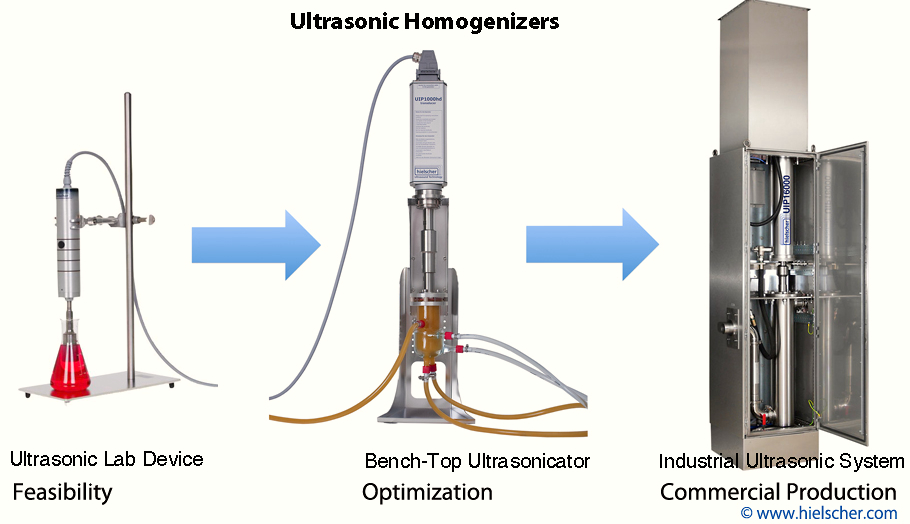
Hielscher Ultrasonics fremstiller højtydende ultralydshomogenisatorer fra Lab til industriel størrelse.