سونیکاسیون میکروپلیت در پروتئومیکس شاتگان – یادداشت کاربردی
Shotgun proteomics depends on efficient, reproducible sample preparation to convert complex biological material into LC-MS/MS-ready peptides. The UIP400MTP microplate sonicator supports this process by enabling standardized, parallel sonication of small-volume samples, helping laboratories improve disruption, extraction, and resolubilization in microplate-based workflows. This application note describes how the UIP400MTP can be integrated into proteomic sample preparation, using a published extracellular-vesicle workflow from PLA2G12A/Th17 studies as a lab-tested example.
Microplate Sonication for More Reproducible Shotgun Proteomics
For proteomics researchers, reproducible sample preparation is critical for high-quality LC-MS/MS data. The UIP400MTP microplate sonicator supports standardized, parallel sonication in plate-based and small-volume/high-throughput workflows.
It is especially useful for laboratories working with:
- Large sample sets that require consistent processing across many wells
- Limited-input material, where sample loss and variability must be minimized
- Lipid-rich samples, such as extracellular vesicles
- Complex biological preparations that require efficient disruption, extraction, or resolubilization
- Comparative shotgun proteomics, where reproducibility across conditions and replicates is essential
By integrating microplate sonication before digestion, researchers can improve sample readiness for:
- Protein extraction and resolubilization
- هضم تریپسین/لیز-سی
- کسب دادههای Nano-LC/MS/MS
- تحلیلهای پروتئومیک کمّی downstream
بیاموزید چگونه سونیکاسیون میکروپلیت میتواند تنوعهای دستی را کاهش دهد، اختلال نمونه را بهبود بخشد و نمونههای بیولوژیکی پیچیده را برای تحلیل قابل اعتماد LC-MS/MS آماده کند.

سونیکاسیون میکروپلیت میتواند برای موارد زیر مفید باشد:
- تسهیلات مرکزی پروتئومیک
- آزمایشگاههای تحقیقاتی EV
- آزمایشگاههای ایمونولوژی و زیستشناسی سلولی
- گروههای تحقیقاتی ترجمانی
- تیمهای علوم زیستی که از آمادهسازی نمونههای تک تا جریانهای کاری با توان بالاتر مقیاس میگیرند
The UIP400MTP is not an ultrasonic bath. It'a a high intensity cup horn for focused sonication. This powerful non-contact sonicator delivers a uniform sonication across all wells of your standard well-plate. You have precise control over amplitude, power, and pulsing. A built-in timer and temperature probe ensures consistent results. The UIP400MTP plate sonicator cools samples with water bath (external chiller optional).
The UIP400MTP is not an ultrasonic bath. It'a a high intensity cup horn for focused sonication. This powerful non-contact sonicator delivers a uniform sonication across all wells of your standard well-plate. You have precise control over amplitude, power, and pulsing. A built-in timer and temperature probe ensures consistent results. The UIP400MTP plate sonicator cools samples with water bath (external chiller optional).
آمادهسازی نمونه با توان بالا برای آنالیز پروتئوم وزیکولهای خارج سلولی
پروتئومیکس شاتگان چیست؟
Shotgun proteomics has become a central analytical strategy for characterizing complex biological samples, from whole-cell lysates and tissue extracts to purified organelles, extracellular vesicles, and low-input clinical specimens. Its core strength lies in the coupling of protein digestion, high-resolution liquid chromatography-tandem mass spectrometry, and computational peptide-to-protein inference. However, the quality of the final proteome dataset is determined long before the sample reaches the mass spectrometer. Efficient sample disruption, protein solubilization, removal of interfering substances, reproducible enzymatic digestion, and robust peptide recovery are all decisive for depth of coverage and quantitative reliability.
برای پژوهشگران پروتئومیکس و آزمایشگاههای علوم زیستی که با نمونههای محدود یا باارزش کار میکنند، آمادهسازی نمونه اغلب گلوگاه است.

این UIP400MTP آماده سازی نمونه قابل اعتماد و ادغام آسان با گردش کار آزمایشگاه موجود را تضمین می کند
چالش وزیکولهای خارجسلولی در پروتئومیکس
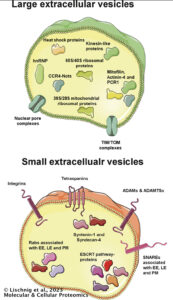 Extracellular vesicles (EVs), for example, represent a particularly demanding sample class. They are membrane-bound, lipid-rich, nanoscale particles with relatively low protein yield and a high potential for carry-over of lipids, salts, detergents, serum proteins, and other matrix components. These features can interfere with digestion efficiency, chromatographic performance, electrospray stability, and peptide identification. A preparation workflow for EV proteomics must therefore be strong enough to disrupt vesicle structures and solubilize protein cargo, while remaining compatible with downstream enzymatic digestion and LC-MS/MS analysis.
در این زمینه، فراصوت سازگار با میکروپلیت رویکردی عملی برای پردازش نمونه های موازی و قابل تکرار ارائه می دهد. مدل های سونیکاتور میکروپلیت هیلشر UIP400MTP (۴۰۰ وات) و UIP550MTP (۵۵۰ وات) برای سونیک نمونه ها در صفحات چندچاهی و مخازن کوچک طراحی شده اند و از جریان های کاری با توان بالاتر نسبت به سونیکاتورهای تک پروب معمولی پشتیبانی می کنند. برای آزمایشگاه های پروتئومیکس، این قالب جذاب است زیرا می تواند تنوع عملی را کاهش دهد، درمان موازی چندین نمونه را بهبود بخشد و به طور طبیعی تر در خطوط تولید نمونه مبتنی بر صفحه ادغام شود.
جریان کاری نمونه
یک روند کاری اخیر پروتئومیکس وزیکول خارج سلولی در زیست شناسی سلول Th17 مبتنی بر PLA2G12A نمونه ای مفید و آزمایشگاهی از نحوه استفاده UIP400MTP میکروپلیت سونیکاتور در آماده سازی نمونه های پروتئومیکس شاتگان ارائه می دهد. در این سری مطالعات، نمونه های EV برای آنالیز پروتئوم با استفاده از تیمار متانول، UIP400MTP سونیکاسیون، سانتریفیوژ، خشک کردن، هضم تریپسین/لیس-سی و MS تاندوم LC-با وضوح بالا با جریان نانو پردازش شدند. کار زیستی در سال ۲۰۲۶ توسط موچیزوکی-اونو و همکارانش گزارش شد، جایی که تحلیل پروتئومیکس به شناسایی PLA2G12A چگونگی تغییر پروتئین های بار EV در پاسخ های بیماری زا سلول T کمک کرد.

96-well plate sonicator UIP400MTP for high-throughput protein extraction
Sonicator: UIP400MTP میکروپلیت فراصوت
Input: 5 µg EV protein equivalent
Digestion: تریپسین/لایز-سی
نتایج: نانولوله-کروماتوگرافی-MS/MS / پروتئومیکس DIA
دستورالعمل مرحله به مرحله: آمادهسازی نمونه EV با کمک UIP400MTP برای پروتئومیکس شاتگان
این جریان کاری یک روش آمادهسازی نمونه پروتئومیکس شاتگان با ورودی پایین برای وزیکولهای خارج سلولی (EV) را با استفاده از سونیکاتور مایکروپلیت UIP400MTP توصیف میکند. این روش بر اساس جریان کاری پروتئومیکس EV منتشر شده است که در آن نمونههای EV نرمالسازی شدند، خشک شدند، با متانول درمان شدند، سونیکه شدند، با تریپسین/لایز-سی هضم شدند، اسیدی شدند و سپس با نانو-LC-MS/MS تجزیه و تحلیل شدند.
این روش برای پژوهشگران پروتئومیکس و آزمایشگاههای علوم زیستی که در حال آمادهسازی EVها یا نمونههای بیولوژیکی با حجم کم و غنی از لیپید برای پروتئومیکس شاتگان به روش پایینبهبالا هستند، در نظر گرفته شده است.
مروری بر روند کار
| مرحله | هدف | خروجی کلیدی |
|---|---|---|
| آمادهسازی EV | جداسازی، شستشو و سنجش نمونههای EV | ورودی EV نرمالسازی شده |
| خشک کردن نمونه | حذف مایع قبل از پردازش با کمک حلال | ماده EV خشک شده |
| درمان با متانول | حمایت از اختلال ماده EV غنی از لیپید | نمونه خیسشده با متانول |
| سونیکاسیون UIP400MTP | تشویق به اختلال، استخراج و هموژنیزه کردن | نمونه EV پردازش شده |
| هضم | تولید پپتید از پروتئینهای EV | هضم پپتید با تریپسین/لیز-C |
| تحلیل LC-MS/MS | جدا سازی، شناسایی و سنجش پپتیدها | مجموعه داده پروتئومیکس |
| تجزیه و تحلیل داده ها | شناسایی و سنجش پپتیدها و پروتئینها | نتایج در سطح پروتئین |
روند گامبهگام
| گام | دستورالعمل | پارامترهای حیاتی |
|---|---|---|
| 1 | نمونههای EV تصفیهشده را با استفاده از جریان کاری ایزولاسیون آزمایشگاهی تهیه کنید. | سلولها، ذرات زائد و آلایندههای عمده را قبل از آمادهسازی پروتئومیکس حذف کنید. |
| H2S | محتوای پروتئین EV را کمیت کنید، برای مثال با آزمون BCA. | تمام نمونهها را به ورودی معادل پروتئین برابر نرمالسازی کنید. |
| 3 | Transfer 5 µg EV protein equivalent into clean PCR tubes or compatible low-volume tubes. | Use low-bind tubes where sample loss is a concern. |
| 4 | Dry the EV samples completely. | Avoid overheating; confirm that no visible liquid remains. |
| 5 | Add 25 µL methanol to each dried EV sample. | Ensure the dried material is fully wetted. |
| 6 | Sonicate the samples for 3 minutes using the UIP400MTP microplate sonicator. | Use identical sonication settings and layout logic across all samples. |
| 7 | نمونههای سونیک شده را به مدت ۲۰ دقیقه در ۱۹٬۰۰۰ × g و در دمای ۴ درجه سانتیگراد سانتریفیوژ کنید. | بعد از سانتریفیوژ هیچ تهنشین یا ماده نامحلول را مختل نکنید. |
| 8 | با دقت ۲۰ میکرولیتر از مایع رویی را جدا کنید. | در تمام نمونهها از تکنیک ثابت پیپتزنی استفاده کنید. |
| 9 | مواد باقیمانده نمونه را کاملاً خشک کنید. | مستقیماً به مرحله هضم بروید یا فقط در شرایط تأیید شده نگهداری کنید. |
| 10 | ۴ میکرولیتر محلول تریپسین/Lys-C به غلظت ۱۰۰ نانوگرم/میلیلیتر در ۵۰ میلیمول آمونیوم بیکربنات اضافه کنید. | محلول آنزیم را تازه تهیه کنید یا از بخشهای نگهداری شده بهدرستی استفاده کنید. |
| 11 | برای حل کردن پروتئین خشک شده در محلول هضم، بهطور کوتاه سونیک کنید. | تمام مایع را پس از سونیک کردن در ته لوله جمع کنید. |
| 12 | هضم را به مدت ۲ ساعت در ۳۷ درجه سانتیگراد و با لرزش ۳۰۰ دور در دقیقه انجام دهید. | درپوشها را محکم ببندید تا از تبخیر جلوگیری شود. |
| 13 | Add 1 µL of 1.25% TFA to acidify the digest. | Acidification stops digestion and prepares peptides for LC-MS/MS. |
| 14 | Transfer the digest to LC-MS-compatible vials or plates. | Avoid transferring insoluble debris. |
| 15 | Analyze by nano-LC-MS/MS. | Use consistent injection volume, LC gradient, and MS acquisition settings. |
| 16 | Process raw data using DIA, DDA, or targeted proteomics software as appropriate. | Apply suitable database, enzyme specificity, modification settings, and FDR thresholds. |
(cf. Mochizuki-Ono et al., 2026)
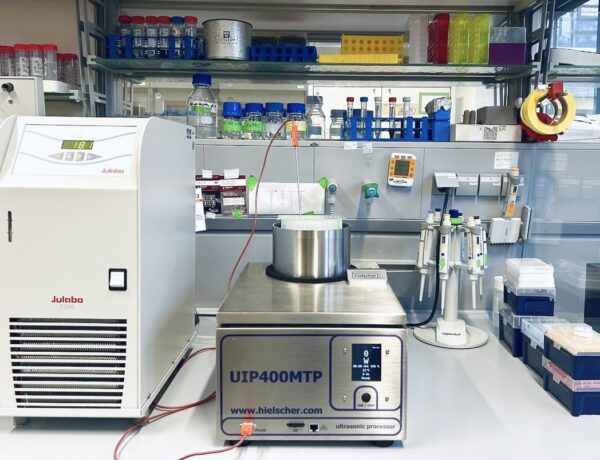
چند چاه صفحه ماسونیکاتور UIP400MTP
Why microplate sonication?
دستگاه UIP400MTP امکان سونیکاسیون استاندارد و موازی نمونههای با حجم کم را فراهم میکند. این موضوع زمانی مفید است که تکرارپذیری، میزان پایین نمونه و پردازش چند نمونه اهمیت داشته باشد.

از هر میکروپلیت استانداردی استفاده کنید! آمادهسازی نمونه با بازده بالا با UIP400MTP
روند کاری پروتئومیکس EV مورد اشاره از ۵ میکروگرم معادل پروتئین وزیکولهای خارج سلولی، ۲۵ میکرولیتر متانول، ۳ دقیقه سونیکاسیون با UIP400MTP، هضم با تریپسین/لایز-سی، اسیددهی با TFA و تحلیل nano-LC-MS/MS استفاده کرده است.
گامهای توصیه شده LC-MS/MS و تجزیه و تحلیل دادهها
پس از هضم و اسیدی شدن، نمونهها میتوانند با استفاده از کروماتوگرافی مایع معکوسفاز نانوجریانی متصل به طیفسنج جرمی جفتشده با وضوح بالا و تاندمیال آنالیز شوند. در فرآیند منتشر شده، پپتیدها در یک سیستم نانو-LC تفکیک شده و توسط دستیابی مستقل از دادهها (DIA) بر روی طیفسنج جرمی Orbitrap آنالیز شدند.
| مرحله | توصیه | هدف |
|---|---|---|
| بارگذاری نمونه | از یک تله C18 یا یک تنظیم بارگذاری پپتید معادل استفاده کنید. | پپتیدها را متمرکز میکند و آلایندههای بسیار قطبی را حذف میکند. |
| تفکیک پپتید | از LC معکوسفاز نانوجریانی استفاده کنید. | تفکیک پپتید و حساسیت MS را بهبود میبخشد. |
| دستیابی MS | بسته به طراحی مطالعه از DIA، DDA یا MS هدفمند استفاده کنید. | دادههای طیفی در سطح پپتید تولید میکند. |
| جستجوی پایگاهداده | از یک پایگاه داده مرجع مناسب گونه استفاده کنید. | شناسایی پپتید و پروتئین را پشتیبانی میکند. |
| کنترل FDR | آستانههای نرخ کشف اشتباه پپتید و پروتئین را اعمال کنید. | اعتماد شناسایی کنترلها. |
| کمیسازی | صدور جداول وفور پپتید، پیشماده و پروتئین. | امکان مقایسه آماری بین گروهها را فراهم میکند. |
فهرست بررسی کنترل کیفیت
- تایید برابری ورودی معادل پروتئین EV در تمام نمونهها.
- استفاده از چیدمانهای نمونهپردازی تصادفی یا متعادل.
- حجم متانول، زمان سونیکاسیون، زمان خشک کردن و حجم هضم را ثابت نگه دارید.
- بازده پپتید و شناساییهای کل پروتئین را کنترل کنید.
- نرخ برش ناخواسته و توزیع طول پپتید را بررسی کنید.
- شکل اوج کروماتوگرافی و تکرارپذیری زمان نگهداری را بازرسی کنید.
- برای نظارت بر انتقال، نمونههای خالی را شامل کنید.
- برای مطالعات بزرگتر از نمونههای QC مخلوط استفاده کنید.
- ارزیابی ضریب تغییرات تکرارها.
- استفاده از روش PCA یا روشهای مرتبط برای شناسایی اثر دستهای یا نمونههای دورافتاده.
توصیههای پروتکل
 هنگام انتشار یا مستندسازی این جریان کاری، مقدار ورودی EV، فرمت صفحه، حجم متانول، دامنه و زمان سونیکاسیون UIP400MTP، شرایط سانتریفیوژ، روش خشک کردن، بافر هضم، غلظت آنزیم، زمان هضم، شرایط اسیدی شدن، پلتفرم LC-MS/MS، حالت اکتساب، نسخه نرمافزار، پایگاه داده، آستانه FDR، روش نرمالسازی و جریان کاری آماری را گزارش دهید.
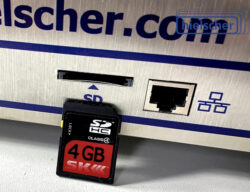
تمام سونیکاتورهای مایکروپلیت Hielscher بهطور خودکار پارامترهای مهم فرآیند مانند دامنه، مدت زمان سونیکاسیون و دما را با تاریخ و زمان به صورت فایل CSV روی کارت SD یکپارچه ضبط میکنند. پروتکلنویسی دادهها برای بازتولیدپذیری و کنترل کیفیت هیچگاه آسانتر نبوده است!
برای پروتئومیک DIA، از تنظیمات اکتساب یکنواخت در تمام نمونهها استفاده کنید و در صورت امکان نمونههای QC مخلوط را لحاظ کنید. تعداد پیشمادهها، پایداری زمان بازداری و تغییرپذیری تکرارها را نظارت کنید.
این جریان کاری یک نمونه آزمایشگاهی برای پروتئومیک EV است. برای انواع دیگر نمونهها، قبل از گسترش به یک مطالعه کامل، میزان ورودی، شرایط حلال، زمان سونیکاسیون، حجم هضم و استراتژی تزریق LC-MS/MS را بهینهسازی کنید.
جزئیات مطالعه: پروتئومیک شاتگان EV در مطالعه PLA2G12A
The PLA2G12A study provides a concrete example of UIP400MTP use in a shotgun proteomics workflow. The biological question was how the secreted phospholipase PLA2G12A modifies Th17-cell-derived extracellular vesicles and thereby influences pathogenic T-cell differentiation. The authors showed that PLA2G12A acts on EV membranes to produce lysophospholipids, including 1-oleoyl-lysophosphatidylethanolamine, and that downstream lysophosphatidic acid signaling via LPA2 contributes to Th17 differentiation. Beyond lipid signaling, the studies also examined EV cargo, including RNA and protein content, making shotgun proteomics an important component of the characterization strategy.
In the EV preparation workflow, Th17 cells were cultured in medium containing exosome-depleted fetal bovine serum. Culture supernatants were first centrifuged to remove cells, filtered through a 0.22 µm filter, concentrated by ultrafiltration/ultracentrifugation, washed, resuspended in PBS, and quantified by BCA protein assay. This upstream EV preparation ensured that a defined protein-equivalent amount of EV material could be carried into the proteomics workflow.
For shotgun proteomic analysis, the authors used EV samples corresponding to 5 µg protein equivalents. These samples were dried in PCR tubes, and 25 µL methanol was added. The samples were then sonicated for 3 minutes using the UIP400MTP microplate sonicator. Following sonication, the samples were centrifuged at 4°C for 20 minutes at 19,000 × g. After removal of 20 µL supernatant, the samples were centrifuged to dryness. Proteins were then dissolved by sonication in 4 µL trypsin/Lys-C solution at 100 ng/µL in 50 mM ammonium bicarbonate. Digestion was performed for 2 hours at 37°C with shaking at 300 rpm. The digest was acidified with 1 µL of 1.25% trifluoroacetic acid and submitted to nano-flow LC-high-resolution tandem mass spectrometry.
This workflow highlights several useful principles for low-input EV proteomics. First, the input was normalized by protein equivalent, which is important when comparing EVs from different genotypes or treatments. Second, methanol was used before sonication, supporting disruption and extraction while avoiding detergent systems that may complicate LC-MS/MS. Third, the sonication step was short and standardized, which is compatible with parallel sample processing. Fourth, trypsin/Lys-C digestion was performed in a very small volume, reducing dilution and supporting low-input peptide recovery. Finally, direct transition from digestion to acidification and LC-MS/MS minimized unnecessary handling steps.
The downstream LC-MS/MS method used nano-flow reversed-phase separation coupled to a Q-Exactive HF Orbitrap mass spectrometer. Samples were trapped on a C18 pre-column, then separated on a 50 µm inner-diameter analytical column at 200 nL/min and 40°C. The gradient ran from low organic solvent to 35% solvent B over 60 minutes, followed by high-organic washing and re-equilibration. MS acquisition was performed in positive-ion mode using data-independent acquisition with higher-energy collisional dissociation. DIA raw files were analyzed using DIA-NN 1.8 with an in silico predicted spectral library.

استخراج پروتئین با بازده بالا با سونیکاتور صفحه 96 چاه UIP400MTP
پرسش و پاسخهای متداول
چه کسانی بیشترین بهره را از سونیکاسیون میکروپلیت در پروتئومیکس شاتگان میبرند؟
سونیکاسیون میکروپلیت به ویژه برای آزمایشگاههای پروتئومیکس مفید است که چندین نمونه را بهطور موازی پردازش میکنند، از جمله امکانات مرکزی، گروههای تحقیق پروتئوم، آزمایشگاههای ایمنیشناسی، تیمهای تحقیقات ترجمهای و آزمایشگاههای علوم زیستی که به سوی جریانهای کاری LC-MS/MS با بازده بالاتر حرکت میکنند. این روش به ویژه زمانی مهم است که قابلیت تکرار نمونه به نمونه حیاتی باشد.
چرا از UIP400MTP به جای سونیکاتور پروب سنتی استفاده کنیم؟
A conventional probe sonicator typically processes samples one at a time and requires careful cleaning between samples to reduce carryover. The microplate sonicator models UIP400MTP and UIP550MTP support parallel sonication in a plate-based or small-volume format, helping reduce manual handling, improve consistency, and streamline multi-sample preparation. They allow for easy integration into automated workflows, too.
Where does sonication fit into the shotgun proteomics workflow?
Sonication is usually applied during the pre-digestion sample-preparation phase. It can support disruption, extraction, homogenization, and resolubilization before enzymatic digestion with trypsin, Lys-C, or a trypsin/Lys-C mixture.
علاوه بر این، سونیکاسیون میتواند در طول هضم نیز اعمال شود تا هضم آنزیمی پروتئین را به طور قابل توجهی تسریع کند. پتانسیل هضم پروتئین با توان بالا با استفاده از سونیکاسیون را برای یک جریان کار پروتئومیک سریع کشف کنید!
آیا سونیکاسیون میکروپلیت برای پروتئومیک وزیکولهای برونسلولی مفید است؟
بله. وزیکولهای برونسلولی ذرات غنی از لیپید و محصور در غشا هستند که پردازش آنها به صورت مکرر میتواند چالشبرانگیز باشد. در مطالعات PLA2G12A مورد اشاره، نمونههای EV با متانول تیمار شدند، با UIP400MTP سونیکه شدند، خشک شدند، با تریپسین/Lys-C هضم شدند و با nano-LC/MS/MS تحلیل شدند.
چه نوع نمونههایی میتوانند از سونیکاسیون میکروپلیت بهره ببرند؟
Microplate sonication can be useful for cell lysates, organelle fractions, immunoprecipitates, protein aggregates, membrane-rich samples, extracellular vesicles, and other low-volume biological preparations. Each sample type should be optimized for sonication intensity and time, solvent conditions, input amount, and digestion strategy.
Does sonication replace enzymatic digestion?
No. Sonication helps prepare the sample for digestion by improving disruption, extraction, or resolubilization. Proteolytic digestion is still required to generate peptides for bottom-up shotgun proteomics.
Read more about ultrasonically promoted protein digestion in proteomic workflows!
Is the UIP400MTP compatible with low-input proteomics?
بله، قالب میکروپلیت برای جریانهای کاری با حجم کم که در آنها حفظ نمونه و پردازش یکنواخت مهم است، بسیار مناسب است. در جریان کاری EV منتشر شده، آمادهسازی پروتئومیکس با ورودی EV معادل ۵ میکروگرم پروتئین انجام شد.
آیا سونیکیشن میکروپلیت میتواند تکرارپذیری را بهبود بخشد؟
سونیکاتورهای Hielscher با اعمال شرایط سونیکیشن استاندارد در چندین نمونه، از تکرارپذیری پشتیبانی میکنند. با این حال، عوامل دیگری مانند جداسازی سلول یا EV، نرمالسازی ورودی، کارایی هضم، پایداری LC-MS/MS، پردازش دادهها و تحلیل آماری نیز به تکرارپذیری کلی پروتئومیکس کمک میکنند.
آیا سونیکیشن میکروپلیت عمق شناسایی پروتئینها را بهبود میبخشد؟
این میتواند به بهبود عمق شناسایی کمک کند، زمانی که تخریب نمونه یا باز حل شدن آن یک عامل محدودکننده باشد. اثر آن به نوع نمونه، شیمی پروتئین، استراتژی پاکسازی، شرایط هضم و عملکرد روش LC-MS/MS بستگی دارد.
چه چیزی باید قبل از استفاده روتین از این روند کاری بهینهسازی شود؟
پارامترهای کلیدی شامل ورودی نمونه، ترکیب بافر یا حلال، قالب پلیت، دامنه و مدت زمان اولتراسونیک، شرایط خشک کردن، حجم هضم، غلظت آنزیم، زمان انکوباسیون و مقدار تزریق LC-MS/MS است. توصیه میشود قبل از اعمال روند کاری به یک مجموعه آزمایشی کامل، تست آزمایشی انجام شود.
آیا میتوان از این روند کاری در پروتئومیکس DIA استفاده کرد؟
بله. جریان کاری EV مورد اشاره از دستیابی به دادههای مستقل استفاده کرده و سپس با تجزیه و تحلیل DIA-NN ادامه یافته است. سونیکاسیون میکروپلیت بخشی از فرآیند آمادهسازی نمونه در مراحل اولیه است و میتواند با روشهای DIA، DDA یا پروتئومیک هدفمند یکپارچه شود.
چه معیارهای کنترل کیفیتی باید رصد شوند؟
معیارهای QC توصیهشده شامل بازده پپتید، تعداد پپتیدها و گروههای پروتئینی شناساییشده، نرخ قطعهبری از دست رفته، توزیع طول پپتید، شکل پیک کروماتوگرافی، پایداری زمان نگهداری، ضریب تغییرات تکراری، انتقال نمونهها (carry-over) و تفکیک گروههای بیولوژیکی توسط تحلیل مؤلفههای اصلی (PCA) یا روشهای مرتبط است.
مزیت اصلی ادغام مدلهای سونیکاتور میکروپلیت UIP400MTP یا UIP550MTP در آمادهسازی نمونههای پروتئومیک چیست؟
مزیت اصلی، پردازش استاندارد و موازی نمونههای با حجم کم است. این امر به آزمایشگاهها کمک میکند تا تغییرات دستی را کاهش دهند و نمونههای زیستی پیچیده را برای هضم، بهدستآوردن LC-MS/MS و تحلیل پروتئومیک کمی بهطور مداوم آماده کنند.
سونیکاتورهای میکروپلیت Hielscher میتوانند بهطور یکپارچه در جریانهای کاری خودکار ادغام شوند.
ادبیات / منابع
- FactSheet UIP400MTP Multi-well Plate Sonicator – Non-Contact Sonicator – Hielscher Ultrasonics
- FactSheet UIP550MTP Multi-well Plate Sonicator – Non-Contact Sonicator – Hielscher Ultrasonics
- Mochizuki-Ono C., Taketomi Y., Irie A., Kano K. et al. (2026): PLA2G12A-driven extracellular vesicle-lipid signaling amplifies pathogenic T cell responses in inflammatory diseases. Cell Reports 45, 2026.
- Mochizuki, Chika; Taketomi, Yoshitaka; Irie, Atsushi; Kano, Kuniyuki; Nagasaki, Yuki; Miki, Yoshimi; Ono, Takashi; Nishito, Yasumasa; Nakajima, Takahiro; Tomabechi, Yuri; Hanada, Kazuharu; Shirouzu, Mikako; Watanabe, Takashi; Hata, Kousuke; Izumi, Yoshihiro; Bamba, Takeshi; Chun, Jerold; Kudo, Kai; Kotani, Ai; Murakami, Makoto (2024): Secreted phospholipase PLA2G12A-driven lysophospholipid signaling via lipolytic modification of extracellular vesicles facilitates pathogenic Th17 differentiation. BioRxiv 2024.
- Lischnig A., Bergqvist M., Ochiya T., Lässer C. (2023): Corrigendum for “Quantitative Proteomics Identifies Proteins Enriched in Large and Small Extracellular Vesicles”. Molecular & Cellular Proteomics, 22; 2023.
- Lauren E. Cruchley-Fuge, Martin R. Jones, Ossama Edbali, Gavin R. Lloyd, Ralf J. M. Weber, Andrew D. Southam, Mark R. Viant (2024): Automated extraction of adherent cell lines from 24-well and 96-well plates for multi-omics analysis using the Hielscher UIP400MTP sonicator and Beckman Coulter i7 liquid handling workstation. Metabomeeting 2024, University of Liverpool, 26-28th November 2024.
- Cosenza-Contreras M, Seredynska A, Vogele D, Pinter N, Brombacher E, Cueto RF, Dinh TJ, Bernhard P, Rogg M, Liu J, Willems P, Stael S, Huesgen PF, Kuehn EW, Kreutz C, Schell C, Schilling O. (2024): TermineR: Extracting information on endogenous proteolytic processing from shotgun proteomics data. Proteomics. 2024.

Hielscher مافوق صوت تولید کننده هموژنایزرهای مافوق صوت با کارایی بالا از ازمایشگاه ها تا اندازه صنعتی.