خردایش ترپایه اولتراسونیک: ذرات ریز، مهندسی دقیق
Hielscher sonicators are efficient milling equipment for high-efficiency particle size reduction, nano-dispersion, and emulsification through controlled, high-intensity ultrasonic cavitation. Engineered for both research and industrial scale, these systems reliably break down agglomerates, refine powders, and create homogeneous suspensions across pharmaceuticals, cosmetics, nanomaterials, and specialty chemicals.
From Coarse Powder to Uniform Micro- and Nanoparticles
Hielscher probe-type sonicators deliver powerful, precisely controllable wet-milling and fine grinding – without beads, balls, or other milling media. Produce homogeneous, high-solid slurries with narrow particle size distributions while shortening processing time and reducing energy demand.
با بهرهگیری از کنترل دقیق دامنه و انتشار پیشرفته موج صوتی، سونیکاتورها به نتایج یکنواخت با حداقل تأثیر حرارتی دست مییابند، ترکیبات حساس را حفظ میکنند و در عین حال توان عملیاتی و قابلیت بازتولید را به حداکثر میرسانند. کشف کنید که چگونه آسیابکاری فراصوتی میتواند جریان کار فرمولاسیون شما را ساده کند و عملکرد محصول را ارتقا دهد.
چه کسانی باید از آسیابکاری مرطوب فراصوتی استفاده کنند؟
- سازندگان نیازمند کاهش کنترلشده اندازه ذرات به مقیاس میکرون یا نانومتر
- تولیدکنندگان رنگدانهها، جوهرها، رنگها و پوششهای با عملکرد بالا
- پردازشگران سرامیک، مواد معدنی، سیمان و اکسید فلز
- فرمولسازان دارویی و آرایشی که تعلیقهای ریز تولید میکنند
- تولیدکنندگان باتری، کاتالیزور و مواد پیشرفته
- شرکتهایی که خمیرهای بسیار غلیظ یا چسبناک را پردازش میکنند
- آزمایشگاههایی که فرآیندهای کاهش اندازه ذرات قابل توسعه را توسعه میدهند
- تولیدکنندگانی که به دنبال توزیع اندازه ذرات باریک و یکنواخت هستند
- عملیاتی که میخواهند از آلودگی ناشی از مهرهها یا توپهای آسیاب جلوگیری کنند
- تولیدکنندگانی که میخواهند زمان آسیاب، مصرف انرژی و نیازهای تمیزکاری را کاهش دهند
به ما درباره ماده، میزان جامدات و هدف اندازه ذرات خود بگویید. تیم متخصص سونیکاسیون ما یک دستگاه سونیکاسیون مناسب برای بهبود آسیاب ذرات به شما پیشنهاد خواهد داد.

سونیکاتور صنعتی 16000 وات UIP16000hdT برای آسیاب تر رنگدانهها و نانوذرات
کاهش کنترلشده اندازه ذرات با اولتراسوند قدرتی
Reducing particles to the micron or nanometer range can transform a formulation. Finer particles can improve reactivity, stability, surface area, optical properties, and final-product performance. Yet conventional ball, bead, and media mills may introduce wear particles, require laborious media separation, and struggle to provide consistent treatment at high solids concentrations. Ultrasonic wet-milling offers a clean, controllable alternative.
Hielscher probe-type sonicators transmit high-intensity ultrasound directly into a liquid or slurry. The alternating pressure waves create acoustic cavitation: microscopic bubbles form and collapse with extreme intensity, generating high-speed liquid jets, shock waves, and powerful shear forces. These forces accelerate suspended particles into one another. The resulting inter-particle collisions, fragmentation, and surface erosion reduce agglomerates – and, under sufficiently intense conditions, primary particles – to micro- and nano-size.
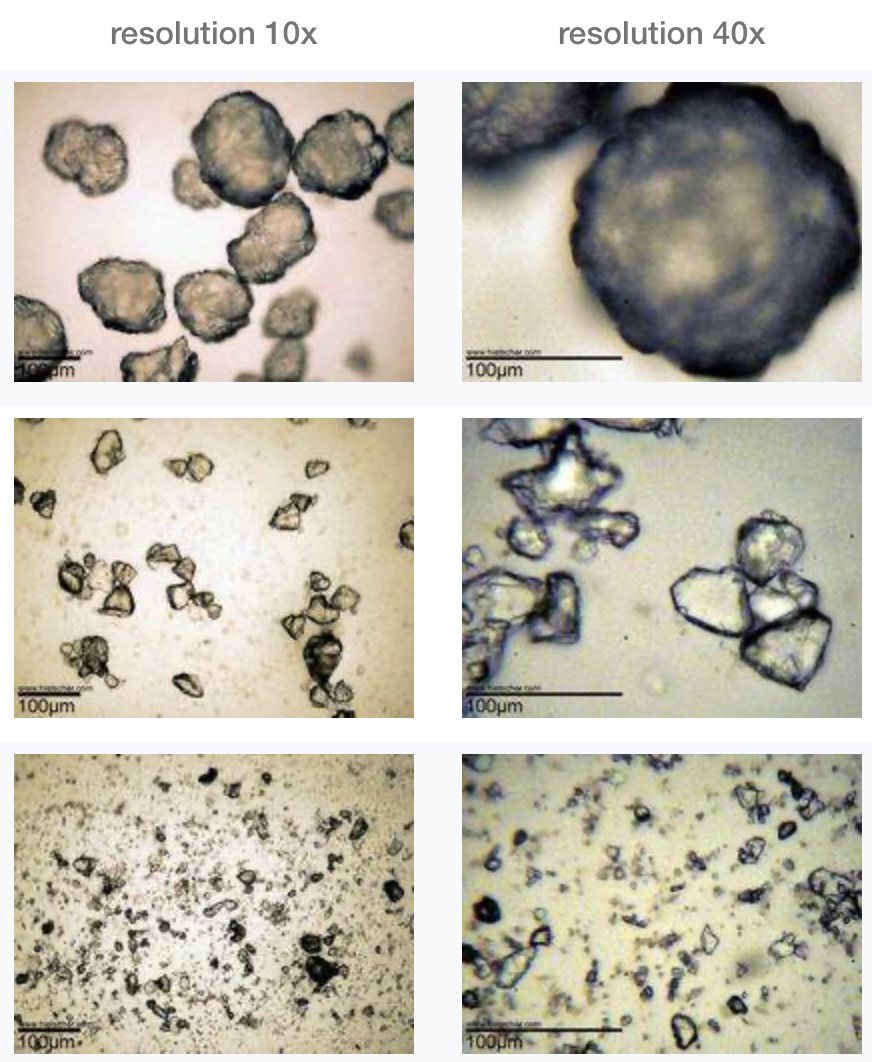
Ultrasonically milled Alumina Trihydrate
AL(OH)3 was supplied by Alcoa World Alumina LLC, Pittsburgh, PA, USA. AL(OH)3 is also known as Aluminum Trihydroxide ATH Series, Bayer Hydrated Alumina, C-30, KB-30, KC-30, KH-30, Hydragyllite or Gibbsite. It has a Mohs’ hardness of 2.5 to 3.5.

راکتورهای جریان اولتراسونیک برای تولید صنعتی دوغاب نانوذرات.
Precise, Repeatable and Uniform Particle Size Distribution
Ultrasonic milling is highly adjustable. Operators can control amplitude, energy input, pressure, temperature, residence time, and flow rate to match the material and the target particle size. This makes the process suitable for everything from gentle deagglomeration to intensive fine grinding. Recirculation and inline flow-cell configurations expose the slurry uniformly to the cavitation zone, supporting reproducible results and a narrow, homogeneous particle size distribution.
این سطح از کنترل برای پیگمنتها، جوهرها، پوششها، سرامیکها، اکسیدهای فلزی، مواد معدنی، کاتالیزورها، داروسازی و سایر مواد پیشرفته ارزشمند است، جایی که ذرات بزرگ یا توزیع گسترده میتواند کیفیت را به خطر بیندازد. پارامترهای فرآیند که در آزمایشگاه تعیین میشوند میتوانند به تولید پایلوت و صنعتی منتقل شوند و توسعه سیستماتیک و مقیاسپذیری را ممکن سازند.
پردازش با محتوای جامد بالا بدون رسانه آسیاب
Because particle reduction is driven by cavitation and collisions between the particles themselves, no beads, pearls, or grinding balls are required. Eliminating milling media avoids a potential source of contamination and removes the need to purchase, clean, replace, and separate media from the finished slurry. The simple wetted geometry also facilitates cleaning and product changeover.
سونیکاتورهای Hielscher قادر به پردازش شلهای با غلظت بالا و ویسکوز هستند. بارگیری بالای جامدات به معنای مایع کمتر برای مدیریت و در بسیاری از موارد، کاهش نیاز به غلظت یا خشک کردن بعدی است. همچنین میتواند اثر خردایش بین ذرهای را با افزایش فرکانس برخوردهای ذرات تقویت کند. این ترکیب، آسیابکاری اولتراسونیک را بهویژه برای مستربچهای غلیظ و سوسپانسیونهای مقیاس تولید جذاب میکند.
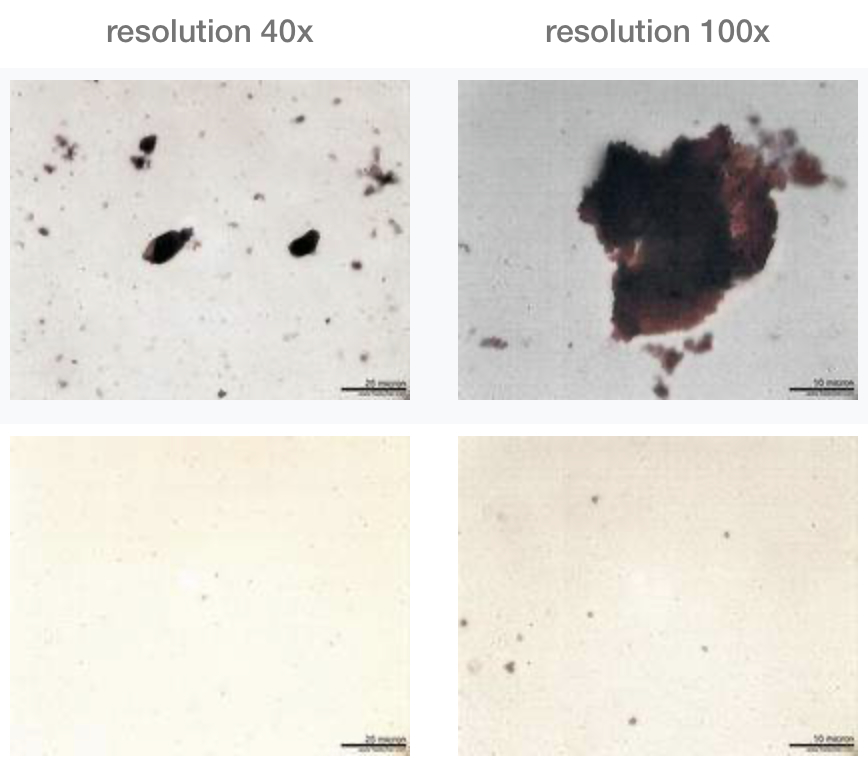
تصاویر میکروسکوپی نشاندهنده پیشرفت آسیابکاری اولتراسونیک رنگدانههای ماژنتا بر پایه روغن
نمونهها: آسیابکاری مرطوب نانوذرات با استفاده از اولتراسونیک توان بالا
Ultrasonic milling is especially suited to process micron-size and nano-size materials, such as ceramics, alumina trihydrate, barium sulphate, calcium carbonate and metal oxides. The tables below show microscopic images of the milling of alumina trihydrate (from 150 micron down to 10 micron), ceramics (from 30 micron down to 2 micron) and sodium carbonate (from 70 micron down to 3 micron). The microscopic images on this page show you the progress of ultrasonic milling at the examples of dental ceramics, magenta pigments, sodium carbonate and hydrated alumina.
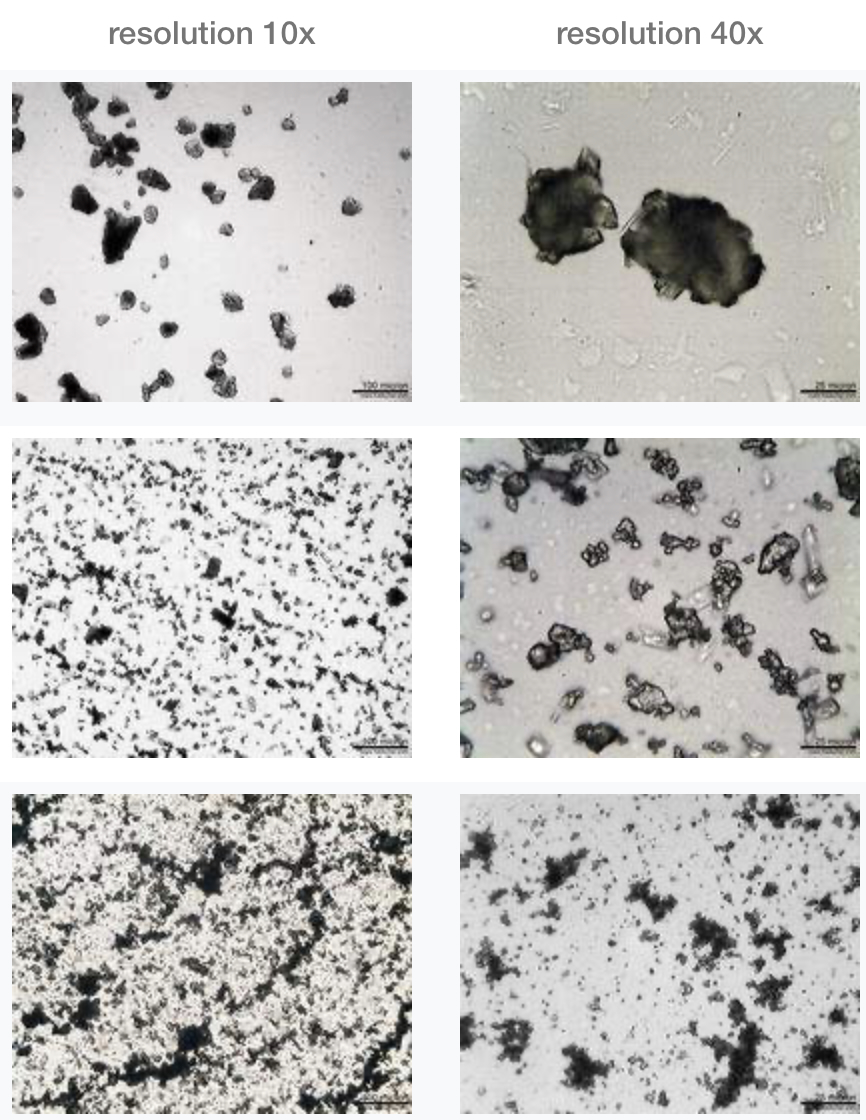
Microscope images showing the progress of ultrasonic milling of Sodium Carbonate (Na2CO3) in isopropanol.

رنگ گچ سونیک شده روی سنگ سنج نشان می دهد deagglomeration کاملا یکنواخت و توزیع اندازه ذرات رنگدانه ها

پراکندگی اولتراسونیک کاهش اندازه ذرات موثر و توزیع یکنواخت رنگدانه های کربن سیاه در جوهر UV را تضمین می کند.
More Output from Every Processing Step
Ultrasonic energy is delivered directly into the slurry, where the particle-size reduction occurs. Rapid cavitational forces can shorten milling cycles, while the efficient conversion of electrical energy into mechanical motion can reduce energy demand compared with conventional milling equipment. Continuous inline processing further supports high throughput, consistent quality, and integration into existing production lines.
For manufacturers seeking smaller particles, tighter distributions, cleaner processing, and efficient scale-up, Hielscher probe-type sonicators turn wet-milling into a precisely engineered process – from laboratory trials to continuous industrial production.
Continuous Operation for High-Throughput
 Ultrasonic homogenizers are very easy to install and to operate. There are two parts only in contact with the material to be milled: the titanium sonotrode and the stainless steel flow cell. Due to the simple design of the ultrasonic flow cell, the units can be cleaned quickly. As Hielscher ultrasonic devices have a very high efficiency in the conversion of electrical into mechanical energy generally less power is needed for the ultrasonic milling than for conventional milling equipment.
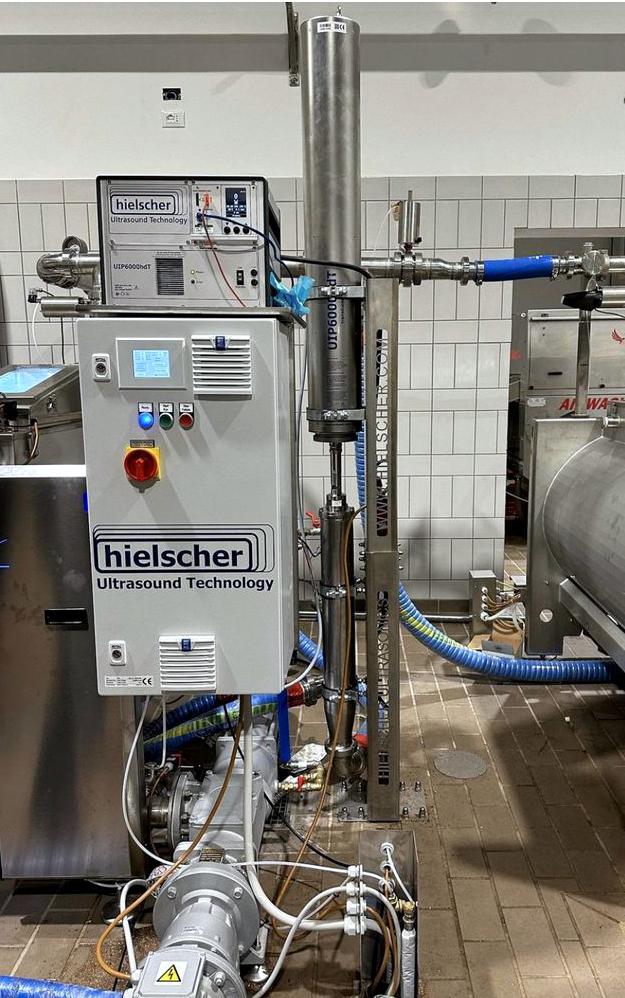 Industrial sonicator UIP6000hdT (6kW) for simultaneous pigment dispersion and microbial sterilization of water-borne paint and coating formulations [/caption]The particle milling effect is based on intense ultrasonic cavitation. When sonicating liquids at high intensities, the sound waves that propagate into the liquid media result in alternating high-pressure (compression) and low-pressure (rarefaction) cycles, with rates depending on the frequency. During the low pressure cycle, high-intensity ultrasonic waves create small vacuum bubbles or voids in the liquid. When the bubbles attain a volume at which they can no longer absorb energy, they collapse violently during a high pressure cycle. This phenomenon is termed cavitation.
انفجار حباب های کاویتاسیون منجر به ریز تلاطم ها و میکروجت ها تا 1000 کیلومتر در ساعت می شود. ذرات بزرگ در معرض فرسایش سطحی (از طریق فروپاشی کاویتاسیون در مایع اطراف) یا کاهش اندازه ذرات (به دلیل شکافت از طریق برخورد بین ذرات یا فروپاشی حباب های کاویتاسیون تشکیل شده بر روی سطح) هستند. این امر منجر به شتاب شدید فرآیندهای انتشار، انتقال جرم و واکنش های فاز جامد به دلیل تغییر اندازه کریستالیت و ساختار می شود.
Ultrasonic processors and flow cells for dispersing and for the wet-milling of powders are available for laboratory and production level. The industrial systems can easily be retrofitted to work inline. For the research and for the testing of this process as well as for many sonochemical processes we recommend our laboratory devices or the UIP1000hd.

نانوالماس را می توان کارآمد و قابل اعتماد پراکنده با استفاده از اولتراسونیک Hielscher است.
Frequently Asked Questions about Ultrasonic Wet-Milling
What is ultrasonic wet-milling?
خیسپودر کردن اولتراسونیک یک فرآیند کاهش اندازه ذرات است که در آن اولتراسوند با قدرت بالا به یک سوسپانسیون مایع اعمال میشود. کاویستاسیون صوتی نیروهای برشی شدید، امواج شوک و برخوردهای بین ذرات را ایجاد میکند که تجمعها را میشکنند و ذرات جامد را به ابعاد میکرونی یا نانومتری کاهش میدهند.
یک سونیکاتور نوع پروب چگونه اندازه ذرات را کاهش میدهد؟
پروب اولتراسونیک، یا سونوترد، اولتراسوند با شدت بالا را مستقیماً به سوسپانسیون منتقل میکند. حبابهای کاویستاسیون شکل میگیرند و فرو میریزند، و جتهای مایع با سرعت بالا ایجاد میکنند که ذرات را به سمت یکدیگر شتاب میدهند. این برخوردها باعث تکهتکه شدن ذرات، فرسایش سطحی و از بین رفتن تجمعها بهطور مؤثر میشوند.
آیا خیسپودر کردن اولتراسونیک میتواند نانوذرات تولید کند؟
بله. سونیکاتورهای پروبی نوع Hielscher میتوانند برای میکرونیزهکردن و نانوسایز کردن کنترلشده استفاده شوند. اندازه ذرات قابل دستیابی به ماده، اندازه ذره اولیه، فرمولاسیون دوغاب، غلظت جامدات، شدت فرآوری، دما، فشار و زمان سونیکاسیون بستگی دارد.
چه موادی میتوانند توسط آسیابکاری اولتراسونیک پردازش شوند؟
آسیابکاری مرطوب اولتراسونیک برای رنگدانهها، جوهرها، سرامیکها، اکسیدهای فلزی، مواد معدنی، سیمان، کاتالیزورها، مواد باتری، داروها، لوازم آرایشی و نانومواد پیشرفته مناسب است. این روش میتواند ذراتی که در آب، حلالها، روغنها، رزینها و سایر محیطهای مایع سازگار معلق هستند را پردازش کند.
آیا آسیابکاری اولتراسونیک نیاز به گرانولها یا توپهای آسیاب دارد؟
No. Ultrasonic particle-size reduction does not require conventional milling media. Cavitation-driven particle collisions provide the grinding effect. Eliminating beads and balls reduces the risk of media-related contamination and removes the need for media separation, cleaning, replacement, and disposal.
Can Hielscher sonicators process high-solid slurries?
Yes. Hielscher ultrasonic processors can handle highly concentrated and viscous suspensions. High solids loading reduces the volume of liquid that must be processed and can intensify inter-particle collisions, making ultrasonic milling attractive for concentrated slurries and masterbatch production.
Does ultrasonic milling produce a narrow particle-size distribution?
Uniform exposure to the ultrasonic cavitation zone supports a narrow and homogeneous particle-size distribution. Recirculation and continuous inline processing help ensure consistent treatment of the entire slurry while reducing the number of oversized or insufficiently processed particles.
Which ultrasonic milling parameters can be controlled?
Important parameters include ultrasonic amplitude, energy input, pressure, temperature, flow rate, residence time, and solids concentration. Precise control allows the process to be adjusted for gentle deagglomeration, intensive fine grinding, or reproducible nano-dispersion.
Is ultrasonic wet-milling energy-efficient?
Ultrasonic energy is transferred directly into the slurry where particle-size reduction occurs. Rapid cavitational forces can shorten processing cycles and reduce energy demand compared with some conventional milling methods. Actual energy consumption depends on the material, target particle size, throughput, and process configuration.
Can ultrasonic milling be operated continuously?
Yes. Hielscher sonicators can be integrated with flow-cell reactors for continuous inline wet-milling. Inline processing enables controlled residence time, consistent product quality, high throughput, and straightforward integration into existing industrial production lines.
Can an ultrasonic milling process be scaled up?
فرز فراصوتی میتواند با استفاده از یک سونیکاتور آزمایشگاهی توسعه یابد و با استفاده از پارامترهای فرآیندی مشخص و ورودی انرژی خاص به تجهیزات آزمایشی یا صنعتی منتقل شود. شرکت Hielscher سونیکاتورهای نوع پروب را برای آزمایشهای کوچک مقیاس، توسعه فرآیند و تولید تجاری مداوم ارائه میدهد.
چگونه سونیکاتور مناسب Hielscher را انتخاب کنم؟
انتخاب سونیکاتور به نوع ماده، حجم خمیر، میزان مواد جامد، ویسکوزیته، اندازه ذرات اولیه، اندازه نهایی مورد نیاز و ظرفیت تولید دلخواه بستگی دارد. یک آزمایش فرز میتواند به تعیین دامنه بهینه، نیاز انرژی، هندسه پروب و پیکربندی دستهای یا خطی کمک کند.
اطلاعات بیشتری درباره آزمایشگاه فرآیند Hielscher برای آزمایشهای توجیهپذیری و بهینهسازی فرآیند خود بیاموزید.
ادبیات / منابع
- Almir Draganović, Antranik Karamanoukian, Peter Ulriksen, Stefan Larsson (2020): Dispersion of microfine cement grout with ultrasound and conventional laboratory dissolvers. Construction and Building Materials, Volume 251, 2020.
- I. Fasaki, K. Siamos, M. Arin, P. Lommens, I. Van Driessche, S.C. Hopkins, B.A. Glowacki, I. Arabatzis (2012): Ultrasound assisted preparation of stable water-based nanocrystalline TiO2 suspensions for photocatalytic applications of inkjet-printed films. Applied Catalysis A: General, Volumes 411–412, 2012. 60-69.
- Badgujar, N.P.; Bhoge, Y.E.; Deshpande, T.D.; Bhanvase, B.A.; Gogate, P.R.; Sonawane, S.H.; Kulkarni, R.D. (2015): Ultrasound assisted organic pigment dispersion: advantages of ultrasound method over conventional method. Pigment ; Resin Technology, Vol. 44 No. 4, 2015. 214-223.
- Bhagawat, L.I., Patil, V.S., Kale, B.B., Sonawane, S.H., Bhanvase, B.A., Pinjari, D.V. and Ashokkumar, M. (2016): Sonoprocessing of LiFePO4 nanoparticles and nanocomposites for cathode material in lithium ion batteries. Polymer Composites 37, 2026. 1874-1880.
- Anastasia V. Tyurnina, Iakovos Tzanakis, Justin Morton, Jiawei Mi, Kyriakos Porfyrakis, Barbara M. Maciejewska, Nicole Grobert, Dmitry G. Eskin 2020): Ultrasonic exfoliation of graphene in water: A key parameter study. Carbon, Vol. 168, 2020.
- Brad W. Zeiger; Kenneth S. Suslick (2011): Sonofragmentation of Molecular Crystals. J. Am. Chem. Soc. 2011, 133, 37, 14530–14533.
UIP1000hd
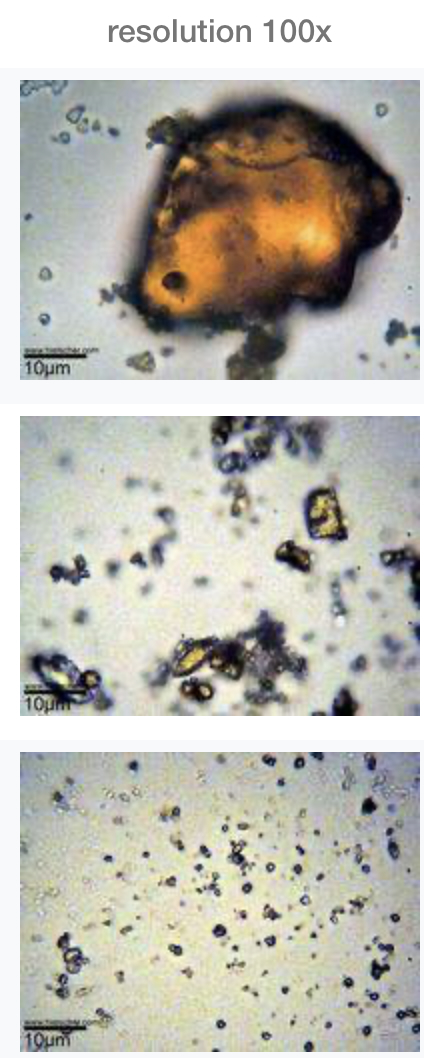
تصاویر میکروسکوپی که پیشرفت آسیابکاری اولتراسونیک سرامیک دندان را نشان میدهند