Ultraheliga täiustatud keemilised reaktorid – Tüübid, konstruktsioonid ja toimimismehhanismid
Keemilised reaktorid on tööstuskeemia, materjalide sünteesi, peenkeemia tootmise, farmaatsiatoodete valmistamise ja keskkonnapuhastuse keskmes. Kuna tööstusharud otsivad kiiremaid, puhtamaid ja energiatõhusamaid protsesse, on ultrahelitöötlus ehk sonikatsioon muutunud üha olulisemaks meetodiks reaktorite töötamise intensiivistamiseks. Ultrahelireaktoritehnoloogia muudab keemilist töötlemist, parandades segamist, massiülekannet, reaktsioonikiinetikat ja heterogeenset katalüüsi nii partiilistes kui ka pidevtoimelistes reaktorsüsteemides.
Kuidas ultraheli parandab keemiliste reaktorite tööd
Suure võimsusega ultraheli keemilisse reaktorisse suunamisega saavad insenerid tekitada reaktsioonikeskkonnas ultrahelil põhineva võnkuva voolu segamise ja akustilise kavitatsiooni. Need mehhanismid parandavad reaktiivide vahelist kontakti, kiirendavad massiülekannet ning võivad suurendada reaktsioonikiirust, selektiivsust ja saagist. Ultrahelitöötlus on eriti tõhus tahke-vedel süsteemides, nagu heterogeenne katalüüs, ning vedel-vedel süsteemides, nagu emulgeerimine, ekstraheerimine ja kahefaasilised reaktsioonid. Gaasi-vedeliku segudes kasutatakse seda harvem, kuna gaasirikkastes vedelikes tekib akustiline kavitatsioon vähem tõhusalt.
Kaasaegsete sonokeemiliste reaktorite konstruktsioonis segatakse vedelikke ultrahelivõnkumiste ja kavitatsiooni abil, kasutades tavaliselt amplituude vahemikus 10–200 µm. See võimaldab saavutada võimsaid mikroskoopilisi segamisefekte, mida on raske saavutada ainult tavapärase mehaanilise segamisega.
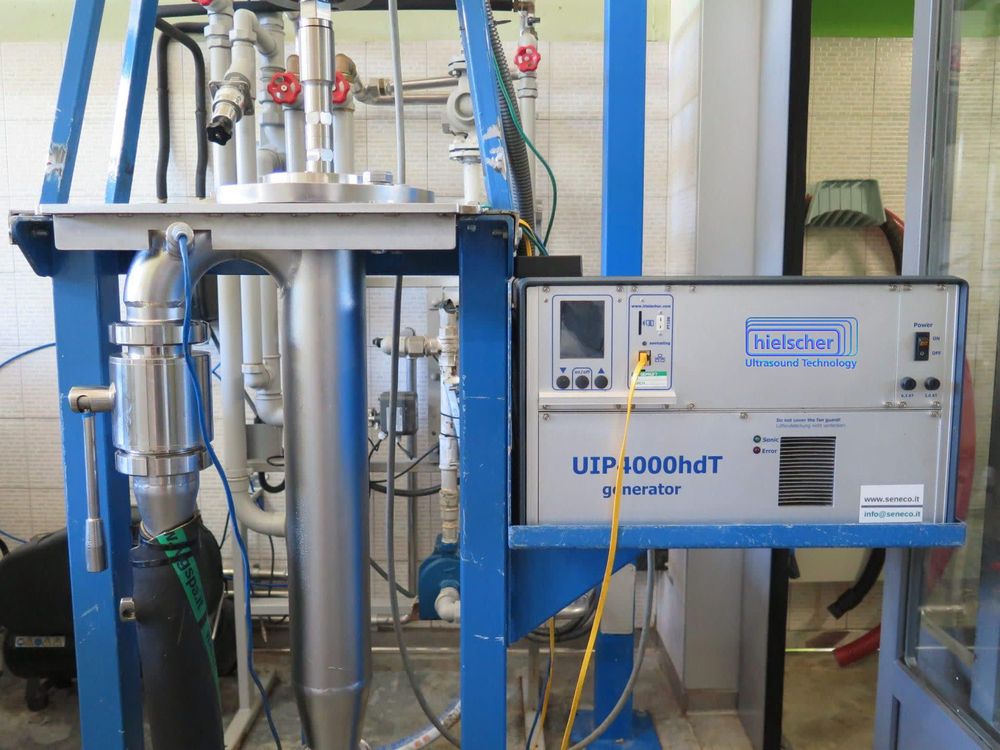
Sisseehitatud ultraheliseade UIP4000hdT koos voolukambriga keemiliste reaktsioonide intensiivistamiseks
Miks ultraheli kasutamine tõhustab keemiliste reaktsioonide kulgu
Ultraheli tööstuslik tähtsus seisneb selle võimes mõjutada keemilisi ja füüsikalisi transportnähtusi mikro- ja mesoskaalal. Erinevalt tavapärasest segamisest ei liiguta ultraheli lihtsalt vedelikku tervikuna. See tekitab survelaineid, võnkuvat liikumist, kavitatsioonimulle ja lokaalseid kõrge energiaga tsoone.
Kui akustilise kavitatsiooni mullid tekivad, kasvavad ja lagunevad, tekitavad nad intensiivseid mikrokeskkonnaid. Need protsessid võivad põhjustada:
- suured kohalikud nihkejõud
- mikrojoad tahkete pindade lähedal
- lööklaineid
- kiire mikrosegamine
- osakeste paremat jaotumist
- parem kontakt pindade vahel
- kiirendatud massi- ja soojusülekande
- pinnapuhastuse ja katalüsaatori aktiveerimise mõjud
Need nähtused muudavad ultrahelitöötluse protsesside intensiivistamisel äärmiselt väärtuslikuks, eriti juhul, kui reaktsioone piiravad difusioon, puudulik faasidevaheline kontakt, katalüsaatori ummistumine või ebapiisav segamine.
Ultrahelitöötlus partiireaktorites
Partiireaktoreid kasutatakse laialdaselt laborites, katsejaamades ja erikeemiatoodete tootmises. Need on paindlikud, lihtsalt kasutatavad ja sobivad reaktsioonide sõelumiseks, väikese mahuga sünteesiks ning kõrge lisandväärtusega toodete valmistamiseks.
Kui ultraheli kasutatakse partiireaktorites, võib see oluliselt parandada segamist ja reaktsiooni ühtlust. Ultraheliandurid, voolukambrid või väliselt paigaldatud andurid võimaldavad suunata akustilist energiat otse reaktsioonikeskkonda.
Partiisüsteemides on ultrahelitöötlus eriti kasulik järgmisteks otstarveteks:
- heterogeenne katalüüs
- nanoosakeste süntees
- kristalliseerumise reguleerimine
- emulgeerimine
- Kaevandamine
- polümerisatsioon
- tahkete ainete lahustumine ja hajumine
Tahke-vedelate reaktsioonide puhul võib ultraheli takistada osakeste aglomeerumist ja parandada juurdepääsu katalüütilistele või reaktiivsetele pindadele. Vedel-vedelates süsteemides võib ultrahelitöötlus luua peeneid emulsioone ja suurendada segunematute faaside vahelist pindala, mis toob sageli kaasa kiiremad reaktsioonikiirused.
Läbivoolureaktorid pidevaks sonokeemiliseks töötlemiseks
Läbivoolureaktorid kuuluvad tööstusliku ultrahelitöötluse kõige olulisemate konstruktsioonide hulka. Selle asemel, et töödelda kindlat vedelikumahtu, voolab reaktsioonisegu pidevalt läbi ultrahelireaktori kambri.
See konstruktsioon on tootmise laiendamiseks väga sobiv, kuna võimaldab inseneridel täpsemalt reguleerida viibeaega, voolukiirust, temperatuuri, rõhku ja ultrahelienergia sisendit. Läbivoolavaid sonokeemilisi reaktoreid kasutatakse sageli juhul, kui on vaja tagada toote ühtlane kvaliteet ja pidev töö.
Ultraheliga töötavate läbivoolureaktorite peamised eelised on järgmised:
- pidev tootmisvõime
- protsessi korratavuse parandamine
- parem temperatuuri reguleerimine
- kontrollitud viibeaegade jaotus
- lihtsam integreerimine tööstuslikesse tootmisliinidesse
- skaleeritav reaktori arhitektuur
Nendes süsteemides võib ultrahelil põhinev võnkuv voolusegamine tõhustada radiaalset ja aksiaalset segamist, vähendada kontsentratsioonigradiente ning parandada reaktiivide vastastikmõju. See on eriti väärtuslik protsessides, kus reaktsiooni tulemuslikkus sõltub kiirest faaside kokkupuutest või kiirest dispersioonist.
Ultraheli voolukambri sisekomponent MultiPhaseCavitator
 MultiPhaseCavitator Insert-MPC48 on spetsiaalne sisestuselement Hielscheri ultrahelivoolukambriga reaktoritele, mis on mõeldud vedeliku-vedeliku ja vedeliku-gaasi protsesside intensiivistamiseks otse ultraheli kavitatsioonitsoonis. Süstides teist vedeliku- või gaasifaasi 48 peene kanyüüli kaudu esmasesse vedelikuvoolu, tekitab MultiPhaseCavitator väga väikeseid tilka või gaasimulle, millel on suur eripindala. See muudab selle eriti tõhusaks ultrahelilise emulgeerimise puhul, kus segunematud faasid hajutatakse peenikesteks emulsioonideks, ning katalüütiliste gaasireaktsioonide puhul, kus sissepumbatud gaasifaas hajutatakse kiiresti ja viiakse tihedasse kokkupuutesse vedelafaasi, lahustunud reaktiivide või suspendeeritud katalüsaatoritega. Sellest tulenev kavitatsiooniline lõikamine, mikrosegamine ja tõhustatud massiülekanne võivad parandada reaktsioonikiinetikat, faasipiiride kokkupuudet ja protsessi efektiivsust nii pidevas kui ka partiipõhises läbivooluprotsessis.

Sonicator UIP2000hdT keemilise partiireaktoriga
Keemiliste reaktorite konstruktsioonid ja ultrahelitöötluse eelised
| Reaktori tüüp | Tüüpiline kasutusala | Peamised ultrahelitöötluse mõjud | Tehniline asjakohasus |
|---|---|---|---|
| Suspensioonireaktorid | Heterogeenne katalüüs, kus vedelafaasis on suspendeeritud tahked katalüsaatoriosakesed; kasutatakse hüdrogeniseerimisel, oksüdeerimisel, biomassi muundamisel, Fischer-Tropsch-tüüpi protsessides, fotokatalüüsis ja reoveepuhastuses. | Ultrahelitöötlus parandab katalüsaatori dispersiooni, osakeste deagglomereerumist, piirkihi vähendamist, pinna uuendamist, vedeliku ja tahke aine vahelist massiülekannet, katalüsaatori pinna puhastamist ning saastumise vähendamist. | See on eriti oluline, kuna paljusid suspensioonifaasis toimuvaid katalüütilisi reaktsioone piirab see, kui tõhusalt reaktiivid jõuavad aktiivsetesse kohtadesse. Akustiline kavitatsioon suurendab kontakti katalüsaatori ja vedeliku vahelisel piirpinnal ning võib parandada reaktsiooni kineetikat. |
| Pidevalt segatavad mahutireaktorid (CSTR-id) | Pidevad vedelafaasi reaktsioonid, emulgeerimine, katalüütilised reaktsioonid, sadestamine, kristalliseerimine, polümeeri reaktsioonid ja tahke-vedelad suspensioonid. | Ultraheli soodustab mikrosegamist, osakeste suspensiooni, emulgeerimist, dispersiooni ja kohalikku energiakandmist. Seda saab kombineerida mehaanilise segamisega, et parandada nii makrosegamist kui ka mikrosegamist. | Ultraheliga töödeldud CSTR-id on kasulikud juhtudel, kus tavalised segistid ei suuda täielikult kõrvaldada surnud tsoone, ebapiisavat dispersiooni või kohalikke massiülekande piiranguid. Ultraheli tagab ühtlasemad reaktsioonitingimused ja parema protsessi intensiivistamise. |
| Fikseeritud voodiga reaktorid | Paikseid katalüsaatorkihte kasutatakse hüdrogeniseerimisel, oksüdeerimisel, keskkonnakatalüüsis, naftakeemiatööstuses ja vedelafaasilises heterogeenses katalüüsis. | Ultrahelitöötlus võib parandada katalüsaatori niisutamist, vedeliku liikumist katalüsaatorkihis, piirkihi vähendamist, pinna puhastamist, saastumise vähendamist ja massiülekannet katalüütilistesse kohtadesse. | Fikseeritud voodiga reaktorite töövõimet piiravad sageli kanalite tekkimine, puudulik niisutamine, difusioonitakistus ja sadmete moodustumine. Protsessi intensiivistamine ultraheliga võib parandada katalüsaatori kasutamist ja reaktsiooni ühtlust. |
| Põlevkihtreaktorid | Dünaamilised suspendeeritud osakeste vood, mida kasutatakse katalüüsis, osakeste töötlemisel, pinnakattimisel, polümerisatsioonis, kuivatamisel ja tahke-vedel-reaktsioonides. | Ultrahelipõhine ergastamine võib parandada osakeste dispersiooni, vähendada aglomeerumist, tõhustada vedeliku ja tahke aine vahelist kontakti, stabiliseerida suspensioone ning parandada katalüsaatori pinna kättesaadavust. | Ultrahelitöötlus on eriti tõhus vedeliku-tahke aine fluidiseeritud kihtides, kus kavitatsiooni on võimalik tõhusalt tekitada. Gaasirikkastes süsteemides on kavitatsioon vähem tõhus, mistõttu sobib ultraheli paremini vedelikel põhinevate reaktorite rakendustesse. |
| Membraanreaktorid | Integreeritud reaktsiooni-eraldussüsteemid, mida kasutatakse toote selektiivseks eemaldamiseks, reaktiivide doseerimiseks, katalüütilistes membraaniprotsessides ja filtreerimisega toetatavates reaktsioonides. | Ultraheli võib vähendada membraani saastumist, suurendada permeaadi voolukiirust, parandada pinna puhastamist, vähendada kontsentratsioonipolarisatsiooni ja parandada segunemist membraani piirpinnal. | Ultrahelitöötlus ühendab reaktsioonitehnika ja eraldamisteaduse. See on eriti väärtuslik juhtudel, kus membraanreaktori töövõimet piiravad saastumine, massiülekande takistus või nõrk reaktsiooni ja eraldamise seos. |
Ultrahelireaktori intensiivistamise mehhanismid
Ultrahelitöötluse eelised keemilistes reaktorites põhinevad mitmel omavahel seotud mehhanismil.
- Akustiline kavitatsioon on kõige olulisem mehhanism. See hõlmab mikroskoopiliste mullide tekkimist, kasvu ja kokkuvarisemist vedelikus, mis on mõjutatud suure intensiivsusega ultraheliga. Mullide kokkuvarisemine põhjustab lokaalse energia vabanemise ja tugevaid mehaanilisi jõude.
- Akustiline voolamine tekitab ultrahelilainete mõjul vedeliku ühtlast liikumist. See parandab segunemist ja transporti piirkondades, kus mehaaniline segamine võib olla ebapiisav.
- Ostsillatsiooniline voolusegamine tekib siis, kui ultrahelivibratsioon põhjustab vedeliku kiiret edasi-tagasi liikumist. Reaktorsüsteemides võivad amplituudid ligikaudu 10–200 µm tagada väga tõhusa segamise ja parema massiülekande.
- Kollapseeruvate kavitatsioonimullide läheduses, eriti tahkete pindade lähedal, tekivad mikropihustused ja lööklaineid. Need nähtused võivad puhastada katalüsaatori pindu, häirida piirkihte ja parandada vedeliku juurdepääsu aktiivsetele kohtadele.
- Pindadevahelise pindala suurendamine on eriti oluline vedeliku-vedeliku süsteemides. Ultraheli abil on võimalik luua peeneid tilka ja stabiilseid dispersioone, suurendades seeläbi reaktsiooniks või massiülekandeks kättesaadavat pindala.
Kõik need mehhanismid kokku muudavad ultraheli töötlemise võimsaks vahendiks keemiliste reaktorite töötamise intensiivistamiseks.
Sonokeemilise reaktori projekteerimise tähtsus tööstuses
Ultraheliga töötavate reaktorite tööstuslik tähtsus ei piirdu ainult kiirema segamisega. Ultraheli võimaldab mõjutada reaktsioonikeskkondi ulatustes, mida tavapäraste seadmetega ei ole lihtne saavutada.
Keemiatehnoloogias tulenevad paljud reaktori piirangud pigem transportnähtustest kui reaktsioonikiirustest endist. Reaktiivid ei pruugi jõuda katalüütilistele kohtadele piisavalt kiiresti. Segunematutel vedelikel võib olla ebapiisav kontaktpind. Tahked ained võivad aglomeeruda. Membraanid võivad ummistuda. Katalüsaatori pinnad võivad ummistuda.
Ultrahelitöötlus lahendab need piirangud, parandades otseselt reaktori sisemisi füüsikalisi tingimusi. Seetõttu on see oluline mitmete teadus- ja tööstusvaldkondade prioriteetide seisukohalt:
- keskkonnasõbralikum keemiline töötlemine
- väiksem energia- ja lahustivajadus
- katalüsaatori tõhususe suurendamine
- suurem reaktsiooni selektiivsus
- protsesside kiirem arendamine
- pidev tootmine
- täiustatud modulaarsed reaktorsüsteemid
- kõrgtehnoloogiliste materjalide süntees
- biomassi ja jäätmevoogude säästev töötlemine
Teadlastele pakub ultrahelitöötlus kontrollitud meetodit, mille abil uurida seost akustilise energia sisestuse, kavitatsiooni käitumise, transporti soodustava toime ja keemilise toimivuse vahel. Tööstusele pakub see praktilist võimalust kompaktsete, tõhusate ja skaleeritavate reaktorsüsteemide loomiseks.

Ultrahelihomogenisaator UIP2000hdT voolureaktoris toimuvate keemiliste reaktsioonide jaoks
Ultrahelitöötluse eelised keemilistes reaktorites
Ultraheli integreerimine reaktori konstruktsiooni pakub mitmeid käitamisalaseid ja teaduslikke eeliseid:
- kiiremad reaktsioonikiirused tänu paranenud massiülekandele
- parem segunemine mitmefaasilistes süsteemides
- tahkete osakeste ja tilkade paranenud dispersioon
- katalüsaatori kasutamise tõhustamine
- difusioonipiirangute vähenemine
- katalüsaatori ja membraani pindade puhastamine
- voosüsteemide protsessi korratavuse parandamine
- temperatuuri, rõhu või reaktsiooniaja võimalik vähenemine
- ühilduvus partiipõhise ja pideva tööga
- suur tähtsus heterogeenses katalüüsis ja kahefaasilistes reaktsioonides
Need eelised muudavad ultrahelireaktori tehnoloogia eriti atraktiivseks peenkeemia, erikeemia, katalüüsi, nanomaterjalide, rohelise keemia ja protsesside intensiivistamise valdkondades.

Ultraheli klaasist voolurakk
Tõhustage oma keemilise reaktori tööd Hielscheri ultraheliseadmetega!
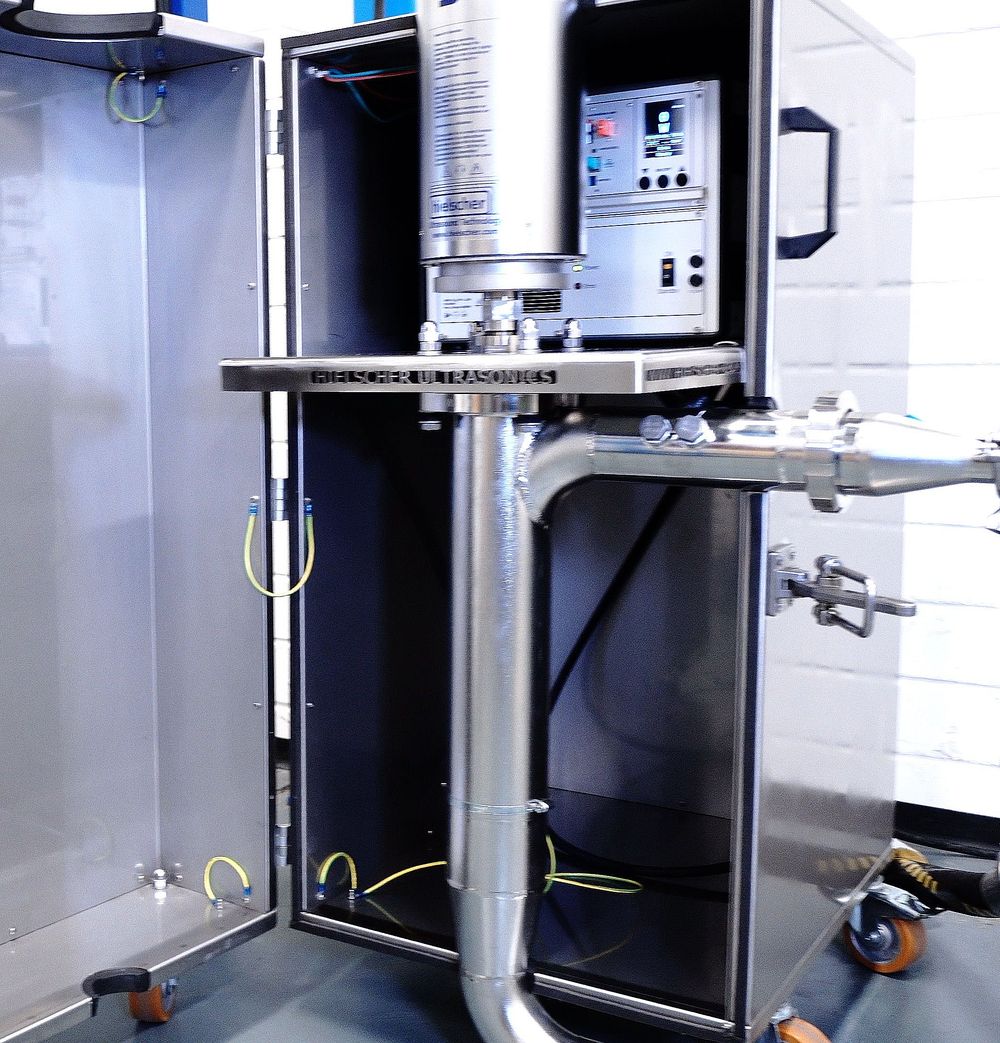 Hielscheri ultraheliseadmed sobivad hästi individuaalseks integreerimiseks keemilistesse reaktoritesse, kuna neid on saadaval vastupidavate ja suure võimsusega ultrahelisüsteemidena, millel on kohandatavad sonotroodid, voolukambrid, reaktori sisestused ja protsessispetsiifilised lisaseadmed. Sõltuvalt reaktsiooni seadistusest saab Hielscheri ultrahelikäsitlusseadmeid paigaldada partiireaktoritesse, pidevalt segatavatesse mahutireaktoritesse, voolureaktoritesse, ringlusringidesse, survestatud süsteemidesse ning katse- või tootmismastaabisesseadmetesse. See paindlikkus võimaldab ultraheli rakendada just seal, kus kavitatsioon on kõige tõhusam: vedeliku ja tahke aine, vedeliku ja vedeliku või vedeliku ja gaasi vahelisel piirpinnal. Hielscher Ultrasonics pakub ka erinevat tüüpi ultrahelipõhiseid partiireaktoreid ja voolureaktoreid, mis võimaldavad kontrollitud sonokeemilist töötlemist, emulgeerimist, dispersiooni, katalüsaatori aktiveerimist, pindade puhastamist, massiülekande intensiivistamist ja reaktsiooni kiirendamist. Amplituudi, sisendvõimsuse, temperatuuri, rõhu, voolukiiruse ja viibeaega täpselt reguleerides saab Hielscheri sonikaatoreid kohandada laboratoorse uurimistöö, protsessiarenduse, tootmise mastaapimise ja tööstusliku keemiatootmise konkreetsetele nõuetele.
Allolev tabel annab teile ülevaate meie ultrasonikaatorite ligikaudsest töötlemisvõimsusest:
| Partii maht | Voolukiirus | Soovitatavad seadmed |
|---|---|---|
| 1 kuni 500 ml | 10 kuni 200 ml / min | UP100H |
| 10 kuni 2000 ml | 20 kuni 400 ml / min | UP200Ht, UP400St |
| 0.1 kuni 20L | 0.2 kuni 4L / min | UIP2000hdT |
| 10 kuni 100L | 2 kuni 10L/min | UIP4000hdT |
| 15 kuni 150L | 3 kuni 15L/min | UIP6000hdT |
| mujal liigitamata | 10 kuni 100 L / min | UIP16000hdT |
| mujal liigitamata | Suurem | klaster UIP16000hdT |
Disain, tootmine ja nõustamine – Kvaliteet Valmistatud Saksamaal
Hielscheri ultrasonikaatorid on tuntud oma kõrgeimate kvaliteedi- ja disainistandardite poolest. Vastupidavus ja lihtne kasutamine võimaldavad meie ultrasonikaatorite sujuvat integreerimist tööstusrajatistesse. Hielscheri ultrasonikaatorid saavad kergesti käsitseda karmid tingimused ja nõudlikud keskkonnad.
Hielscher Ultrasonics on ISO sertifitseeritud ettevõte ja paneb erilist rõhku suure jõudlusega ultrasonikaatoritele, millel on tipptasemel tehnoloogia ja kasutajasõbralikkus. Loomulikult on Hielscheri ultrasonikaatorid CE-nõuetele vastavad ja vastavad UL, CSA ja RoHs nõuetele.

Ultraheli homogenisaator UIP1500hdT koos voolureaktoriga, mis on varustatud jahutusmantliga protsessi temperatuuri reguleerimiseks ultrahelitöötluse ajal.
Korduma kippuvad küsimused
Mis on keemilised reaktorid?
Keemilised reaktorid on spetsiaalselt projekteeritud mahutid või süsteemid, milles toimuvad keemilised reaktsioonid kontrollitud tingimustes, nagu temperatuur, rõhk, segamine, viibeaeg ja reaktiivide kontsentratsioon. Nende eesmärk on muundada tooraine soovitud toodeteks, saavutades kindlaksmääratud saagise, selektiivsuse ja protsessi efektiivsuse.
Millised on peamised keemiliste reaktorite tüübid?
Peamised keemiliste reaktorite tüübid on partiireaktorid, pidevalt segatavad mahutireaktorid, pistvoolureaktorid, fikseeritud voodiga reaktorid, fluidiseeritud voodiga reaktorid, suspensioonireaktorid, membraanreaktorid ning fotokeemilised või elektrokeemilised reaktorid. Iga reaktori tüüp erineb voolukäitumise, segamisrežiimi, soojus- ja massiülekande omaduste ning sobivuse poolest homogeensete või heterogeensete reaktsioonide jaoks.
Mis on erinevus keevkihi reaktori ja fikseeritud kihi reaktori vahel?
Fikseeritud voodiga reaktoris jäävad tahked katalüsaatori osakesed paigale, samal ajal kui reaktiivid voolavad läbi pakitud katalüsaatorvoodi. Fluidiseeritud voodiga reaktoris hoiab ülespoole voolav vedelik tahkeid osakesi õhus ja liigutab neid, luues dünaamilise voodi, milles toimub tugev segunemine, paraneb soojusülekande tõhusus ja osakeste ning vedeliku vaheline kontakt. Fikseeritud voodid on lihtsamad ja mehaaniliselt stabiilsemad, samas kui fluidiseeritud voodid tagavad parema segunemise ja soojusülekande tõhususe, kuid nõuavad keerulisemat voolu reguleerimist.
Mis on katalüsaatorikiht?
Katalüsaatorikiht on reaktori sisemusse paigutatud kindla mahuga tahkete katalüsaatoriosakeste kogum. See moodustab aktiivse pinna, millel toimuvad keemilised reaktsioonid. Katalüsaatorikiht võib olla paikne, nagu fikseeritud kihtiga reaktorites, või dünaamiliselt suspendeeritud, nagu keevkihtreaktorites. Selle toimivus sõltub katalüsaatori aktiivsusest, osakeste suurusest, poorsusest, pindalast, voolu jaotusest, soojusülekandest ja massiülekandest.
Kirjandus / Viited
- Yu, Hang Gao, Jing; Zhong, Qili; Guo, Yahui; Xie, Yunfei; Yao, Weirong; Zhou, Weibiao (2018): Acoustic pressure and temperature distribution in a novel continuous ultrasonic tank reactor: a simulation study. IOP Conference Series: Materials Science and Engineering 2018.
- Francisco J. Navarro-Brull; Andrew R. Teixeira; Jisong Zhang; Roberto Gómez; Klavs F. Jensen (2018): Reduction of Dispersion in Ultrasonically-Enhanced Micropacked Beds. Industrial & Engineering Chemistry Research 57, 1; 2018. 122–128.
- M. Ajmal, S. Rusli, G. Fieg (2016): Modeling and experimental validation of hydrodynamics in an ultrasonic batch reactor. Ultrasonics Sonochemistry, Volume 28, 2016. 218-229.
- L. Castrillón, E. Marañón, Y. Fernández-Nava, P. Ormaechea, G. Quiroga (2013): Thermophilic co-digestion of cattle manure and food waste supplemented with crude glycerin in induced bed reactor (IBR). Bioresource Technology, Volume 136, 2013. 73-77.
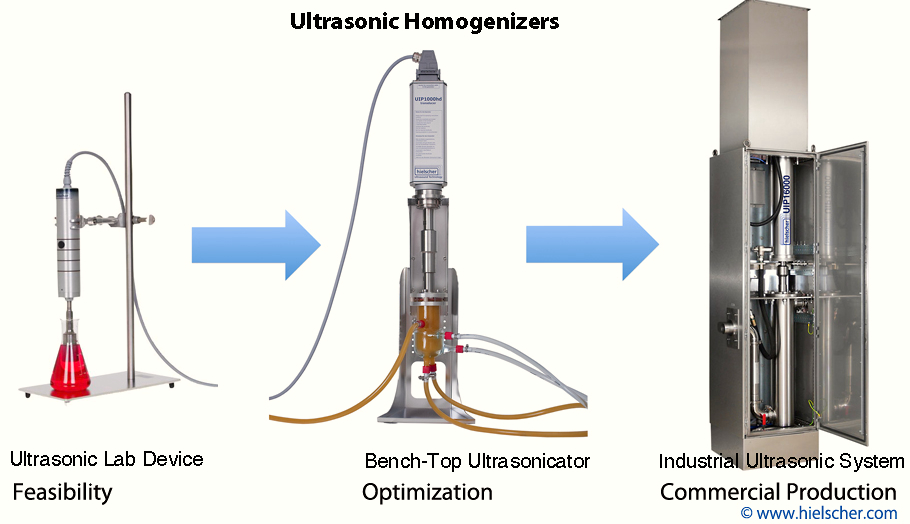
Hielscher Ultrasonics toodab suure jõudlusega ultraheli homogenisaatoreid alates Lab kuni tööstuslik suurus.