Chemické reaktory s využitím ultrazvuku – Typy, konštrukcie a mechanizmy
Chemické reaktory tvoria jadro priemyselnej chémie, syntézy materiálov, výroby jemnej chémie, farmaceutického priemyslu a spracovania odpadov. Vzhľadom na to, že priemyselné odvetvia hľadajú rýchlejšie, čistejšie a energeticky úspornejšie procesy, sonikácia, známa aj ako ultrazvukové spracovanie, sa stáva čoraz dôležitejšou metódou na intenzifikáciu reaktorov. Technológia ultrazvukových reaktorov mení tvár chemického spracovania tým, že zlepšuje miešanie, prenos hmoty, reakčnú kinetiku a heterogénnu katalýzu v dávkových aj kontinuálnych reaktorových systémoch.
Ako ultrazvuk zlepšuje výkonnosť chemických reaktorov
Zavedením vysokovýkonného ultrazvuku do chemického reaktora môžu inžinieri vyvolať ultrazvukové oscilačné miešanie prúdenia a akustickú kavitáciu vo vnútri reakčného prostredia. Tieto mechanizmy zlepšujú kontakt medzi reaktantmi, urýchľujú prenos hmoty a môžu zvýšiť rýchlosť reakcie, selektivitu a výťažok. Sonikácia je obzvlášť účinná v systémoch pevná látka – kvapalina, ako je napríklad heterogénna katalýza, a v systémoch kvapalina – kvapalina, ako sú napríklad emulgácia, extrakcia a dvojfázové reakcie. Menej často sa používa v zmesiach plyn – kvapalina, pretože v kvapalinách s vysokým obsahom plynu dochádza k menej efektívnej tvorbe akustickej kavitácie.
Pri konštrukcii moderných sonochemických reaktorov sa tekutiny premiešavajú pomocou ultrazvukových kmitov a kavitácie, pričom sa zvyčajne používajú amplitúdy v rozmedzí 10 až 200 µm. To umožňuje dosiahnuť silné mikroskopické miešacie účinky, ktoré je ťažké dosiahnuť len pomocou bežného mechanického miešania.
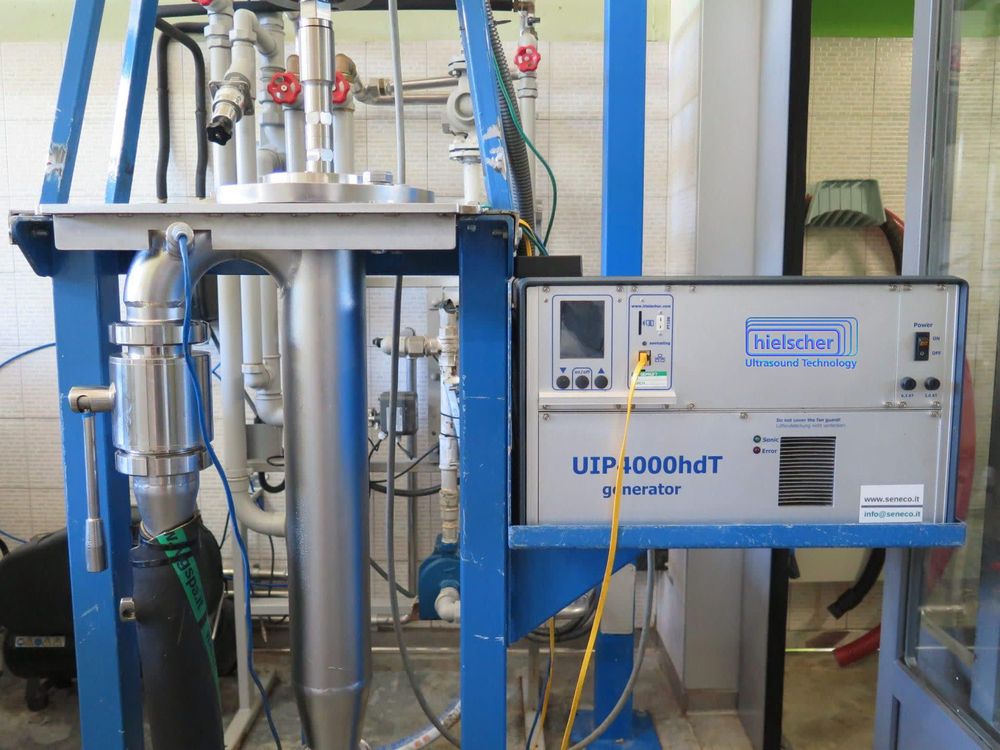
Inline sonikátor UIP4000hdT s prietokovou komorou na zintenzívnenie chemických reakcií
Prečo ultrazvuk zvyšuje účinnosť chemických reaktorov
Priemyselný význam sonikácie spočíva v jej schopnosti ovplyvňovať chemické a fyzikálne transportné javy na mikro- a mezoúrovni. Na rozdiel od bežného miešania ultrazvuk nespôsobuje len pohyb objemu kvapaliny. Vytvára tlakové vlny, oscilačný pohyb, kavitačné bubliny a lokalizované zóny s vysokou energiou.
Keď sa akustické kavitačné bubliny vytvárajú, zväčšujú a zrútia, vytvárajú intenzívne mikroprostredia. Tieto javy môžu spôsobiť:
- vysoké lokálne šmykové sily
- mikroprúdy v blízkosti pevných povrchov
- tlakové vlny
- rýchle mikromiešanie
- lepšie rozptýlenie častíc
- lepší kontakt medzi fázami
- zrýchlený prenos hmoty a tepla
- účinky čistenia povrchu a aktivácie katalyzátora
Vďaka týmto javom je ultrazvuková úprava mimoriadne cenná pre intenzifikáciu procesov, najmä ak sú reakcie obmedzované difúziou, nedostatočným kontaktom medzi fázami, zanášaním katalyzátora alebo nedostatočným premiešaním.
Ultrazvuková úprava v šaržových reaktoroch
Dávkové reaktory sa široko využívajú v laboratóriách, pilotných zariadeniach a pri výrobe špeciálnych chemikálií. Vyznačujú sa flexibilitou, jednoduchou obsluhou a sú vhodné na skríning reakcií, syntézu malých objemov a výrobu vysokohodnotných produktov.
Ak sa ultrazvukové ožiarenie použije v šaržových reaktoroch, môže výrazne zlepšiť premiešavanie a rovnomernosť reakcie. Ultrazvukové sondy, prietokové komory alebo externé snímače môžu vnášať akustickú energiu priamo do reakčného prostredia.
V dávkových systémoch je sonikácia obzvlášť užitočná pri:
- heterogénna katalýza
- syntéza nanočastíc
- riadenie kryštalizácie
- emulgácia
- Extrakcia
- polymerizácia
- rozpúšťanie a disperzia tuhých látok
Pri reakciách medzi pevnou látkou a kvapalinou môže ultrazvuk zabrániť zhlukovaniu častíc a zlepšiť prístup ku katalytickým alebo reaktívnym povrchom. V systémoch typu kvapalina–kvapalina môže sonikácia vytvárať jemné emulzie a zväčšiť rozhranie medzi nemiešateľnými fázami, čo často vedie k rýchlejším reakčným rýchlostiam.
Reaktory s priebežným prietokom pre kontinuálne sonochemické spracovanie
Prúdiace reaktory patria medzi najdôležitejšie konštrukčné riešenia v oblasti priemyselnej ultrazvukovej úpravy. Namiesto spracovania pevne stanoveného objemu kvapaliny preteká reakčná zmes nepretržite komorou ultrazvukového reaktora.
Tento návrh je mimoriadne atraktívny z hľadiska rozšírenia výroby, pretože umožňuje inžinierom presnejšie regulovať dobu zdržania, prietok, teplotu, tlak a prísun ultrazvukovej energie. Prietokové sonochemické reaktory sa často používajú v prípadoch, keď je potrebná konzistentná kvalita výrobku a nepretržitá prevádzka.
Medzi hlavné výhody ultrazvukových prietokových reaktorov patria:
- schopnosť nepretržitej výroby
- zlepšená reprodukovateľnosť procesu
- lepšia regulácia teploty
- riadené rozdelenie doby zdržania
- jednoduchšia integrácia do priemyselných výrobných liniek
- škálovateľná architektúra reaktora
V týchto systémoch môže ultrazvukové miešanie pomocou oscilačného prúdenia posilniť radiálne a axiálne miešanie, znížiť koncentračné gradienty a zlepšiť interakciu reaktantov. To je obzvlášť cenné v procesoch, kde výkonnosť reakcie závisí od rýchleho kontaktu fáz alebo rýchlej disperzie.
Ultrazvuková vložka do prietokovej komory MultiPhaseCavitator
 MultiPhaseCavitator Insert-MPC48 je špecializovaná vložka pre ultrazvukové prietokové reaktory spoločnosti Hielscher, určená na zintenzívnenie procesov typu kvapalina/kvapalina a kvapalina/plyn priamo v zóne ultrazvukovej kavitácie. Vstrekovaním druhej kvapalnej alebo plynnej fázy cez 48 jemných kanyiel do primárneho prúdu kvapaliny vytvára MultiPhaseCavitator veľmi malé kvapôčky alebo plynové bubliny s vysokou špecifickou rozhranovou plochou. Vďaka tomu je obzvlášť efektívny pri ultrazvukovej emulgácii, pri ktorej sa nemiešateľné fázy dispergujú do jemných emulzií, a pri katalytických reakciách s plynom, pri ktorých sa vstreknutá plynná fáza rýchlo disperguje a dostáva do úzkeho kontaktu s kvapalnou fázou, rozpustenými reaktantmi alebo suspendovanými katalyzátormi. Výsledné kavitačné šmykové pôsobenie, mikromiešanie a zvýšený prenos hmoty môžu zlepšiť reakčnú kinetiku, kontakt na rozhraní fáz a efektívnosť procesu v nepretržitom alebo šaržovom priebežnom prevádzkovom režime.

Sonicator UIP2000hdT s chemickým reaktorom na dávkovú výrobu
Konštrukcie chemických reaktorov a výhody ultrazvukovej úpravy
| Typ reaktora | Typické použitie | Hlavné účinky sonikácie | Technický význam |
|---|---|---|---|
| Reaktory na kalovú zmes | Heterogénna katalýza s suspendovanými pevnými katalytickými časticami v kvapalnej fáze; využíva sa pri hydrogenácii, oxidácii, spracovaní biomasy, procesoch typu Fischer-Tropsch, fotokatalýze a čistení odpadových vôd. | Ultrazvukové ožiarenie zlepšuje disperziu katalyzátora, deaglomeráciu častíc, redukciu medznej vrstvy, obnovu povrchu, prenos hmoty medzi kvapalinou a pevnou látkou, čistenie povrchu katalyzátora a znižovanie zanášania. | Toto je obzvlášť dôležité, pretože mnohé katalytické reakcie v suspenzii sú obmedzované tým, ako efektívne sa reaktanty dostávajú k aktívnym miestam. Akustická kavitácia zvyšuje kontakt na rozhraní medzi katalyzátorom a kvapalinou a môže zlepšiť reakčnú kinetiku. |
| Reaktory s nepretržitým miešaním (CSTR) | Kontinuálne reakcie v kvapalnej fáze, emulgácia, katalytické reakcie, zrážanie, kryštalizácia, reakcie polymérov a suspenzie pevnej látky v kvapaline. | Ultrazvuk podporuje mikromiešanie, suspendovanie častíc, emulgáciu, disperziu a lokálny prísun energie. Je možné ho kombinovať s mechanickým miešaním s cieľom zlepšiť tak makromiešanie, ako aj mikromiešanie. | Ultrazvukom ožiarené CSTR sú užitočné v prípadoch, keď bežné obežné kolesá nedokážu úplne eliminovať mŕtve zóny, nedostatočnú disperziu alebo lokálne obmedzenia prenosu hmoty. Ultrazvuk prispieva k rovnomernejším reakčným podmienkam a k lepšej intenzifikácii procesu. |
| Reaktory s pevným ložom | Stacionárne katalytické lože používané pri hydrogenácii, oxidácii, environmentálnej katalýze, petrochemickom spracovaní a heterogénnej katalýze v kvapalnej fáze. | Ultrazvukové ožiarenie môže zlepšiť zvlhčenie katalyzátora, prúdenie kvapaliny cez lože, zníženie hraničnej vrstvy, čistenie povrchu, obmedzenie zanášania a prenos hmoty do katalytických miest. | Výkon pevného loža je často obmedzovaný kanálovaním, nedostatočným zmáčaním, odporom proti difúzii a tvorbou usadenín. Intenzifikácia procesu pomocou ultrazvuku môže zlepšiť využitie katalyzátora a rovnomernosť reakcie. |
| Reaktory s fluidným ložom | Dynamické lože suspendovaných častíc používané v katalýze, spracovaní častíc, nanášaní povlakov, polymerizácii, sušení a reakciách medzi pevnou látkou a kvapalinou. | Ultrazvuková excitácia môže zlepšiť disperziu častíc, obmedziť aglomeráciu, zvýšiť kontakt medzi kvapalinou a pevnou látkou, stabilizovať suspenzie a zlepšiť prístupnosť povrchu katalyzátora. | Ultrazvukové ožarovanie je obzvlášť účinné v fluidných ložiskách typu kvapalina-pevná látka, kde je možné efektívne vyvolať kavitáciu. V systémoch s vysokým obsahom plynu je kavitácia menej účinná, čo znamená, že ultrazvuk je vhodnejší pre aplikácie v reaktoroch na báze kvapalín. |
| Membránové reaktory | Integrované reakčno-separačné systémy používané na selektívne odstraňovanie produktov, dávkovanie reaktantov, katalytické membránové procesy a reakcie podporované filtráciou. | Ultrazvuk môže obmedziť zanášanie membrány, zvýšiť prietok permeátu, zlepšiť čistenie povrchu, znížiť koncentračnú polarizáciu a zlepšiť premiešavanie v blízkosti rozhrania membrány. | Ultrazvukové ožarovanie spája reakčné inžinierstvo s vedou o separácii. Je obzvlášť cenné v prípadoch, keď výkon membránového reaktora obmedzuje zanášanie, odpor pri prenose hmoty alebo slabá väzba medzi reakciou a separáciou. |
Mechanizmy intenzifikácie v ultrazvukovom reaktore
Výhody ultrazvukového ožiarenia v chemických reaktoroch spočívajú v niekoľkých vzájomne pôsobiacich mechanizmoch.
- Akustická kavitácia je najdôležitejší mechanizmus. Spočíva vo vzniku, raste a kolapse mikroskopických bublín v kvapaline vystavenej ultrazvuku vysokej intenzity. Kolaps bublín spôsobuje lokálne uvoľnenie energie a vznik silných mechanických síl.
- Akustické prúdenie vytvára rovnomerný pohyb tekutiny vyvolaný ultrazvukovými vlnami. Tým sa zlepšuje premiešavanie a transport v zónach, kde môže byť mechanické miešanie nedostatočné.
- K miešaniu pomocou oscilačného prúdenia dochádza vtedy, keď ultrazvukové vibrácie spôsobujú rýchly pohyb kvapaliny tam a späť. V reaktorových systémoch môžu amplitúdy v rozmedzí približne 10 až 200 µm zabezpečiť vysoko účinné premiešavanie a zlepšiť prenos hmoty.
- V blízkosti kolabujúcich kavitačných bublín, najmä v blízkosti pevných povrchov, dochádza k mikroprúdeniu a vzniku rázových vĺn. Tieto javy môžu čistiť povrchy katalyzátorov, narúšať medzné vrstvy a zlepšovať prístup kvapaliny k aktívnym miestam.
- Zväčšenie rozhrania je obzvlášť dôležité v systémoch typu kvapalina-kvapalina. Ultrazvuk dokáže vytvárať jemné kvapôčky a stabilné disperzie, čím sa zvyšuje plocha dostupná pre reakciu alebo prenos hmoty.
Vďaka týmto mechanizmom je sonikácia účinným nástrojom na intenzifikáciu chemických reakcií.
Význam návrhu sonochemických reaktorov pre priemysel
Priemyselný význam ultrazvukových reaktorov presahuje rámec rýchlejšieho miešania. Ultrazvuková technológia umožňuje ovplyvňovať reakčné prostredia v rozsahoch, ktoré bežné zariadenia nedokážu ľahko dosiahnuť.
V chemickom inžinierstve vyplýva mnoho obmedzení reaktorov skôr z transportných javov ako z vnútorných reakčných rýchlostí. Reaktanty nemusia dosiahnuť katalytické miesta dostatočne rýchlo. Nemiešateľné kvapaliny môžu mať nedostatočnú kontaktnú plochu. Pevné látky sa môžu zhlukovať. Membrány sa môžu zanášať. Povrchy katalyzátorov sa môžu upchať.
Ultrazvukové ošetrzenie rieši tieto obmedzenia priamym zlepšením fyzikálnych podmienok vo vnútri reaktora. Vďaka tomu je relevantné pre viaceré priority vo výskume aj v priemysle:
- ekologickejšie chemické spracovanie
- nižšia spotreba energie a rozpúšťadiel
- zlepšená účinnosť katalyzátora
- vyššia selektivita reakcie
- rýchlejší vývoj procesov
- nepretržitá výroba
- vylepšené modulárne reaktorové systémy
- syntéza pokročilých materiálov
- udržateľná premena biomasy a odpadových tokov
Pre výskumníkov predstavuje sonikácia kontrolovanú metódu na skúmanie vzťahu medzi dodávanou akustickou energiou, kavitačným správaním, zvýšením transportu a chemickou účinnosťou. Pre priemysel ponúka praktickú cestu k kompaktným, efektívnym a škálovateľným reaktorovým systémom.

Ultrazvukový homogenizátor UIP2000hdT pre chemické reakcie v prietokovom reaktore
Výhody sonikácie v chemických reaktoroch
Začlenenie ultrazvuku do konštrukcie reaktora prináša viacero prevádzkových a vedeckých výhod:
- rýchlejšie reakčné rýchlosti vďaka zlepšenému prenosu hmoty
- lepšie premiešavanie vo viacfázových systémoch
- lepšie rozptýlenie tuhých častíc a kvapôčok
- lepšie využitie katalyzátora
- obmedzenia spôsobené zníženou difúziou
- čistejšie povrchy katalyzátora a membrány
- zlepšená reprodukovateľnosť procesu v prietokových systémoch
- možné zníženie teploty, tlaku alebo reakčného času
- kompatibilita s dávkovým a nepretržitým prevádzkovaním
- veľký význam pre heterogénnu katalýzu a dvojfázové reakcie
Vďaka týmto výhodám je technológia ultrazvukových reaktorov obzvlášť atraktívna pre oblasť jemnej chémie, špeciálnych chemikálií, katalýzy, nanomateriálov, zelenej chémie a intenzifikácie procesov.

Ultrazvuková sklenená prietoková bunka
Zvýšte výkon svojho chemického reaktora pomocou ultrazvukových zariadení Hielscher!
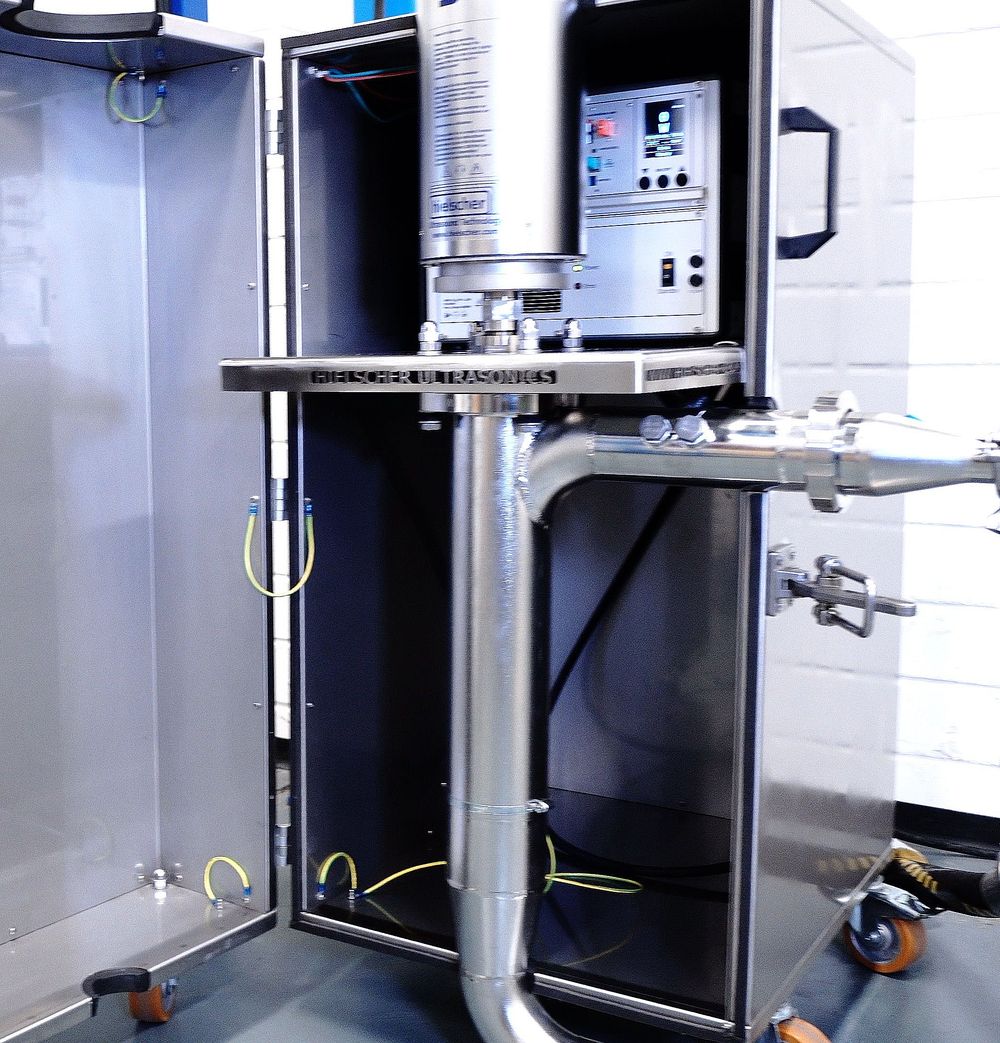 Ultrazvukové zariadenia spoločnosti Hielscher sú vhodné na integráciu na mieru do chemických reaktorov, pretože sú k dispozícii ako robustné, vysokovýkonné ultrazvukové systémy s prispôsobiteľnými sonotrodami, prietokovými komorami, reaktorovými vložkami a príslušenstvom špecifickým pre daný proces. V závislosti od konfigurácie reakcie je možné ultrazvukové procesory spoločnosti Hielscher inštalovať do šaržových reaktorov, reaktorov s nepretržitým miešaním, prietokových reaktorov, recirkulačných okruhov, tlakových systémov a pilotných alebo výrobných zariadení. Táto flexibilita umožňuje aplikovať ultrazvuk presne tam, kde je kavitácia najúčinnejšia: na rozhraní kvapalina-pevná látka, kvapalina-kvapalina alebo kvapalina-plyn. Spoločnosť Hielscher Ultrasonics ponúka aj rôzne typy ultrazvukových šaržových a prietokových reaktorov, ktoré umožňujú riadené sonochemické spracovanie, emulgáciu, disperziu, aktiváciu katalyzátorov, čistenie povrchov, intenzifikáciu prenosu hmoty a urýchlenie reakcií. Vďaka presnému riadeniu amplitúdy, príkonu, teploty, tlaku, prietoku a doby zdržania je možné sonikátory spoločnosti Hielscher prispôsobiť špecifickým požiadavkám laboratórneho výskumu, vývoja procesov, škálovania a priemyselnej chemickej výroby.
Nasledujúca tabuľka vám poskytuje približnú kapacitu spracovania našich ultrazvukových prístrojov:
| Objem dávky | Prietok | Odporúčané zariadenia |
|---|---|---|
| 1 až 500 ml | 10 až 200 ml/min | UP100H |
| 10 až 2000 ml | 20 až 400 ml/min | UP200Ht, UP400St |
| 0.1 až 20 l | 00,2 až 4 l/min | UIP2000hdT |
| 10 až 100 l | 2 až 10 l/min | UIP4000hdT |
| 15 až 150 l | 3 až 15 l/min | UIP6000hdT |
| N.A. | 10 až 100 l/min | UIP16000hdT |
| N.A. | väčší | Zhluk UIP16000hdT |
Dizajn, výroba a poradenstvo – Kvalita vyrobená v Nemecku
Ultrazvukové prístroje Hielscher sú známe svojou najvyššou kvalitou a dizajnovými štandardmi. Robustnosť a jednoduchá obsluha umožňujú bezproblémovú integráciu našich ultrazvukových prístrojov do priemyselných zariadení. Drsné podmienky a náročné prostredie ľahko zvládnu ultrazvukové prístroje Hielscher.
Hielscher Ultrasonics je spoločnosť s certifikáciou ISO a kladie osobitný dôraz na vysokovýkonné ultrazvukové prístroje s najmodernejšou technológiou a užívateľskou prívetivosťou. Ultrazvukové prístroje Hielscher sú samozrejme v súlade s CE a spĺňajú požiadavky UL, CSA a RoHs.

Ultrazvukový homogenizátor UIP1500hdT s prietokovým reaktorom vybaveným chladiacim plášťom na reguláciu teploty procesu počas sonikácie.
často kladené otázky
Čo sú chemické reaktory?
Chemické reaktory sú špeciálne navrhnuté nádoby alebo systémy, v ktorých prebiehajú chemické reakcie za kontrolovaných podmienok, ako sú teplota, tlak, miešanie, doba zdržania a koncentrácia reaktantov. Ich účelom je premena surovín na požadované produkty s definovaným výťažkom, selektivitou a účinnosťou procesu.
Aké sú hlavné typy chemických reaktorov?
Medzi hlavné typy chemických reaktorov patria šaržové reaktory, reaktory s nepretržitým miešaním, reaktory s plošinovým tokom, reaktory s pevným ložom, reaktory s fluidným ložom, reaktory so suspenziou, membránové reaktory a fotochemické alebo elektrochemické reaktory. Každý typ reaktora sa líši správaním toku, režimom miešania, charakteristikami prenosu tepla a hmoty a vhodnosťou pre homogénne alebo heterogénne reakcie.
Aký je rozdiel medzi reaktorom s fluidným ložom a reaktorom s pevným ložom?
V reaktore s pevným ložom zostávajú častice pevného katalyzátora nehybné, zatiaľ čo reaktanty pretekajú cez naplnené katalytické lože. V reaktore s fluidným ložiskom tekutina prúdiaca smerom nahor suspenduje a premiestňuje pevné častice, čím vytvára dynamické ložisko so silným premiešaním, zlepšeným prenosom tepla a lepším kontaktom medzi časticami a tekutinou. Pevné ložiská sú jednoduchšie a mechanicky stabilnejšie, zatiaľ čo fluidné ložiská poskytujú vyššiu účinnosť premiešavania a prenosu tepla, vyžadujú však zložitejšie riadenie prúdenia.
Čo je katalytické lôžko?
Katalyzátorové lôžko je vymedzený objem pevných častíc katalyzátora usporiadaných vo vnútri reaktora. Poskytuje aktívny povrch, na ktorom prebiehajú chemické reakcie. Katalyzátorové lože môže byť stacionárne, ako v reaktoroch s pevným ložom, alebo dynamicky suspendované, ako v reaktoroch s fluidným ložom. Jeho výkonnosť závisí od aktivity katalyzátora, veľkosti častíc, pórovitosti, povrchovej plochy, rozloženia prúdenia, prenosu tepla a prenosu hmoty.
Literatúra / Referencie
- Yu, Hang Gao, Jing; Zhong, Qili; Guo, Yahui; Xie, Yunfei; Yao, Weirong; Zhou, Weibiao (2018): Acoustic pressure and temperature distribution in a novel continuous ultrasonic tank reactor: a simulation study. IOP Conference Series: Materials Science and Engineering 2018.
- Francisco J. Navarro-Brull; Andrew R. Teixeira; Jisong Zhang; Roberto Gómez; Klavs F. Jensen (2018): Reduction of Dispersion in Ultrasonically-Enhanced Micropacked Beds. Industrial & Engineering Chemistry Research 57, 1; 2018. 122–128.
- M. Ajmal, S. Rusli, G. Fieg (2016): Modeling and experimental validation of hydrodynamics in an ultrasonic batch reactor. Ultrasonics Sonochemistry, Volume 28, 2016. 218-229.
- L. Castrillón, E. Marañón, Y. Fernández-Nava, P. Ormaechea, G. Quiroga (2013): Thermophilic co-digestion of cattle manure and food waste supplemented with crude glycerin in induced bed reactor (IBR). Bioresource Technology, Volume 136, 2013. 73-77.
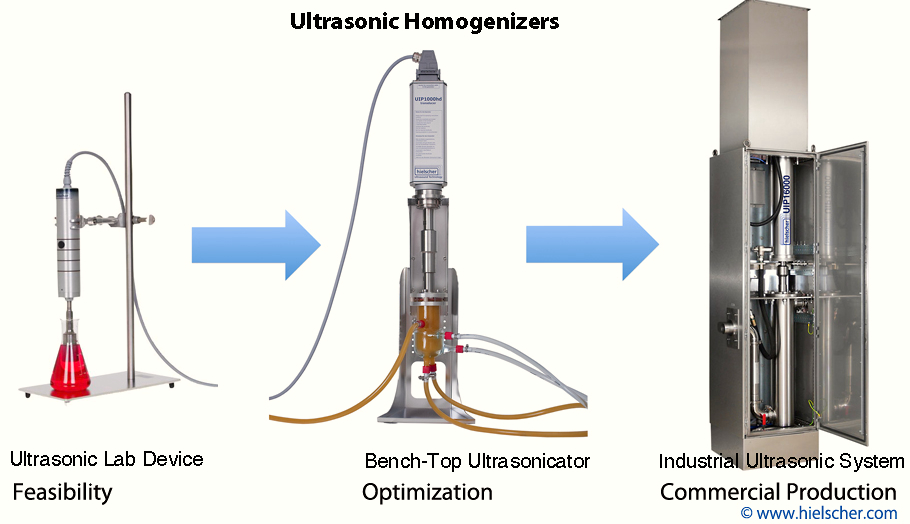
Spoločnosť Hielscher Ultrasonics vyrába vysokovýkonné ultrazvukové homogenizátory od laboratórium do priemyselná veľkosť.