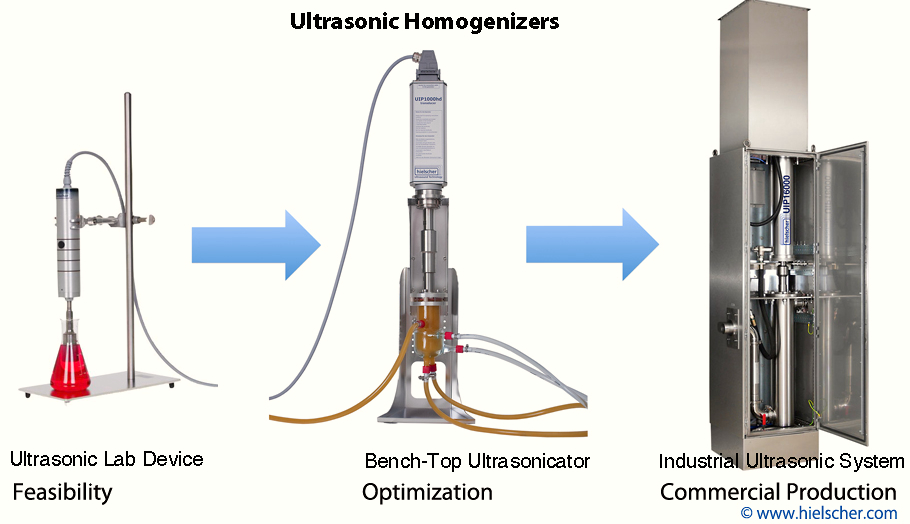
超音波を併用したサバティエ反応:CO₂の炭化水素への効率的な変換
高出力超音波は、音響キャビテーションによってCO₂の水素化を促進することで、サバティエ反応を活性化させる革新的な手法を提供する。これにより、常温・常圧といった穏やかな条件下で、二酸化炭素をメタンや高分子炭化水素へ効率的に変換することが可能となる。 その結果、超音波を応用したCO₂変換は、持続可能な燃料生産、炭素利用、および再生可能エネルギーの貯蔵に向けた有望なアプローチとなっています。
高出力超音波が二酸化炭素の利用に新たな道を開く
二酸化炭素を価値ある炭化水素に変換することは、循環型炭素経済への移行において、最も重要な技術的課題の一つになりつつある。CO₂を単なる排出問題として扱うのではなく、先進的な化学プロセスでは、合成燃料、メタン、エチレン、エタン、その他の高エネルギー化合物への炭素原料としてCO₂を活用することを目指す動きがますます強まっている。
特に有望な手法の一つが、超音波を併用したサバティエ反応、別名「ソノ・サバティエ法」である。CO₂を含む液体媒体に高出力の超音波を照射することで、従来の高温・高圧の触媒系にのみ依存することなく、反応環境を強化することができる。
古典的なサバティエ反応は、二酸化炭素をメタンと水に水素化する反応を指す。この反応は、パワー・トゥ・ガス、合成天然ガスの生産、再生可能エネルギーの貯蔵、さらには宇宙分野での応用にも関連していることから、再び注目を集めている。

ソニケーターUIP2000hdT 物質移動を促進し、化学反応を活発化する
CO₂変換において超音波処理が重要な理由
超音波処理は、音響キャビテーションを通じて液体にエネルギーを供給する。キャビテーションの過程では、微細な気泡が形成され、成長し、激しく崩壊する。こうした局所的な崩壊現象により、極めて高い過渡的な温度、圧力、乱流、およびラジカルの生成を伴う極端な微小環境が生じる一方で、液体の大部分は比較的穏やかな状態を保つことができる。
CO₂削減という観点から見ると、これは、高出力超音波によって、常温常圧の条件下では実現が困難な化学反応経路を活性化できることを意味します。 超音波化学によるCO₂変換に関する実験研究では、CO₂が飽和した水、塩化ナトリウム溶液、および合成海水に超音波を照射することで、メタン、エチレン、エタンなどの炭化水素が生成されるほか、その後メタンに変換される可能性のある一酸化炭素も相当量生成されることが示されています。
これは、プロセスの高密度化戦略への道筋を示すという点で、産業的に意義がある。すなわち、単に温度や圧力、あるいは触媒の複雑さを高めるのではなく、超音波を用いて物理的なエネルギーを投入することで、反応条件を改善することができるからである。
超音波を併用したサバティエ反応の主な利点
ソノ・サバティエ法には、将来のCO₂利用技術にとって非常に魅力的な、いくつかの利点があります:
- 穏やかな運転条件: 高出力超音波を用いることで、室温・大気圧下でのCO₂変換が可能となり、エネルギーを大量に消費する熱処理の必要性を低減できる。
- 触媒を必要としない反応の可能性: 超音波を用いたCO₂変換に関する研究により、従来の触媒を用いなくても超音波照射下で炭化水素が生成されることが実証されており、これによりプロセス設計が簡素化され、触媒関連のコストを削減できる。
- 高価値な炭化水素の生成: メタンが主な目標製品ですが、エチレンやエタンも生産可能であり、これにより合成天然ガスを超えた潜在的なバリューチェーンが拡大します。
- 水素との統合: 不活性ガス雰囲気を分子状水素に置き換えることで、ソノ・サバティエ法を大幅に改善し、CO₂の水素化およびメタン化に利用できる水素の供給量を増加させることができる。
- 逆水ガスシフト反応との結合の可能性: 一酸化炭素の生成は、超音波処理下で逆水ガスシフト反応が起こり得ることを示唆している。その後、COは、メタンやより高分子量の炭化水素へのさらなる水素化反応の中間体として作用し得る。
- フィッシャー・トロプシュ型反応経路の候補: 水素が豊富な系では、一酸化炭素と水素がフィッシャー・トロプシュ型の化学反応に関与し、エチレンやエタンなどの高分子炭化水素の生成に寄与する可能性がある。従来のフィッシャー・トロプシュ反応は、CO/H₂合成ガスから炭化水素を生成する経路として広く知られている。
- 塩分を含む培地における収量の向上: 海水や合成海水など、塩分濃度が高いと、ソノ・サバティエ法の効果が高まります。提供された情報によると、海水に近い条件下では、炭化水素の収率が約40%増加するとのことです。
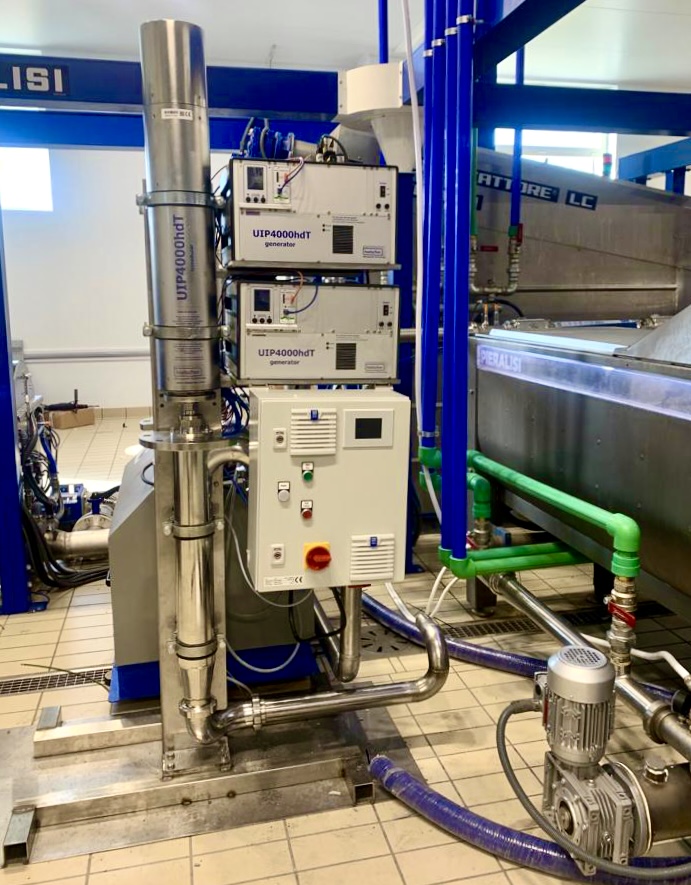
パワー超音波 – 2x UIP4000hdT ソニケーター 連続インライン運転用のフローセル付き
機能性反応媒体としての海水
超音波を併用したサバティエ反応の特に注目すべき点は、塩分を含む水が及ぼす好ましい効果である。CO₂が飽和した純水、塩化ナトリウム溶液、および合成海水において、超音波によりCO₂がメタン、エチレン、エタン、一酸化炭素へと変換される。
塩水溶液の利用は、産業規模での展開において重要です。海水は豊富で安価であり、世界中で入手可能です。もし塩水媒体が炭化水素の生成を促進できるのであれば、このプロセスは、沿岸の工業地帯、洋上再生可能エネルギー拠点、および海水資源の近くにある炭素回収・利用システムにとって、特に魅力的なものとなる可能性があります。
具体的には、これは、ソノ・サバティエ法が、以下の要素を組み合わせた統合システムの一環として検討できることを意味します:
- 産業排ガスや大気からの直接回収によって回収されたCO₂、
- 電解による再生可能水素、
- 反応媒体として海水または塩水を用い、
- プロセス強化技術としての高出力超音波、
- 下流工程におけるガス分離および炭化水素の精製。
産業への応用:CO₂を合成燃料および化学原料へ転換する
CO₂を炭化水素に効率的に変換することは、単なる実験室での目標にとどまりません。これは、再生可能燃料、合成天然ガス、化学製品製造、そしてエネルギー貯蔵の将来に直結する課題なのです。
CO₂と再生可能水素から生成されたメタンは、合成天然ガスとして利用することができる。合成メタンの利点の一つは、貯蔵施設、パイプライン、ガス燃焼式の産業用設備など、既存のガスインフラを活用できる可能性がある点である。
エチレンとエタンは、産業上の重要性をさらに高めています。エチレンは石油化学産業において最も重要なプラットフォーム化学物質の一つであり、一方、エタンは燃料として、あるいはスチームクラッキングの原料として利用できます。したがって、メタンだけでなくC₂炭化水素も生成する超音波化学プロセスは、燃料生産と化学合成の両方において有用なものとなる可能性があります。
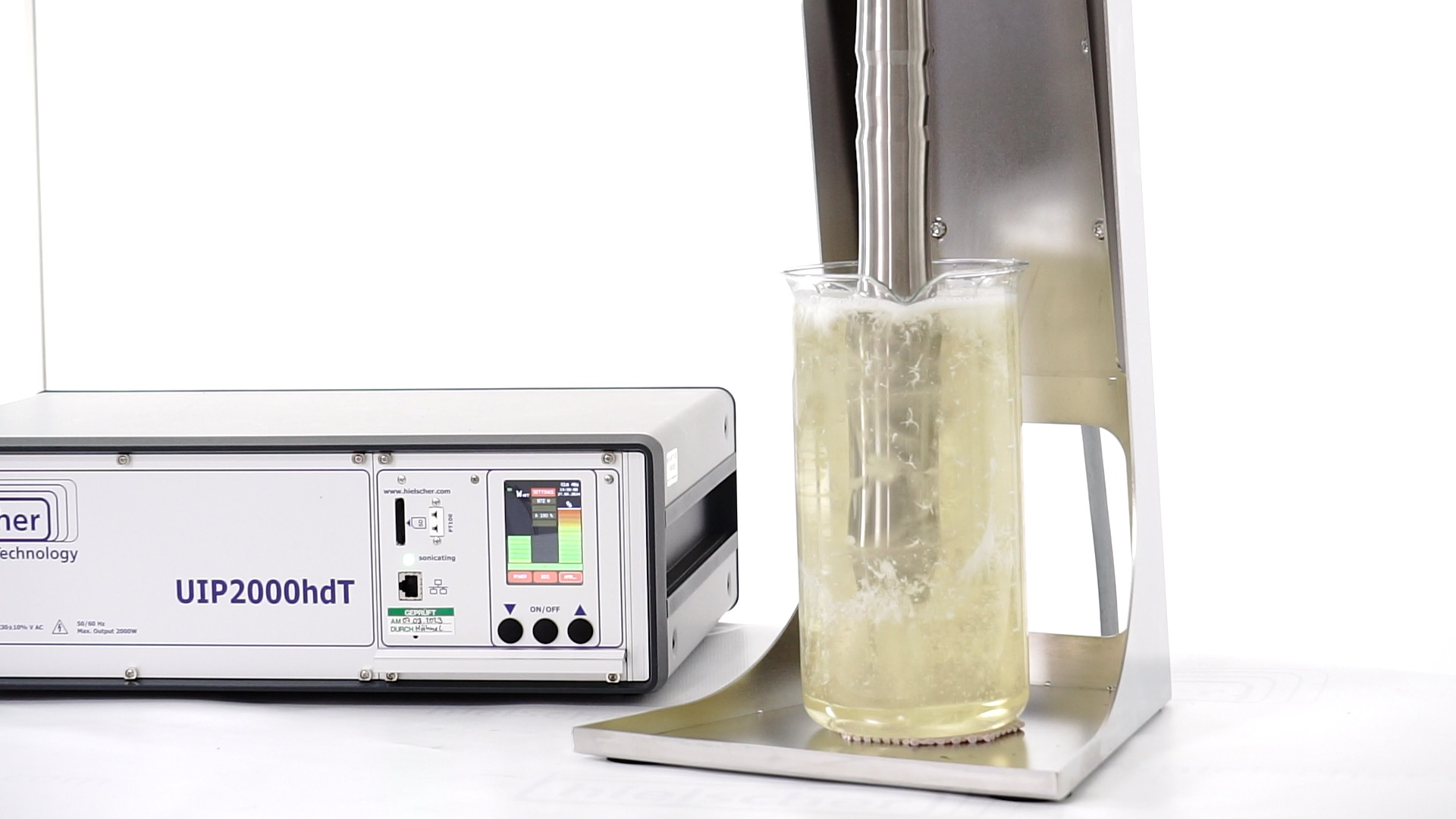
Sonicator UIP2000hdTにおける音響キャビテーション
超音波を併用したサバティエ反応は、炭素系分子を必要としつつも、化石炭素への依存度を低減したいと考えている分野にとって特に重要である。これには以下が含まれる:
- パワー・トゥ・ガスおよび再生可能メタン生産、
- 二酸化炭素の回収・利用、
- 合成燃料の製造、
- 環境に優しい化学製品の製造、
- 海事および沿岸の産業プロセス、
- 分散型燃料生成、
- 水素経済のインフラ。

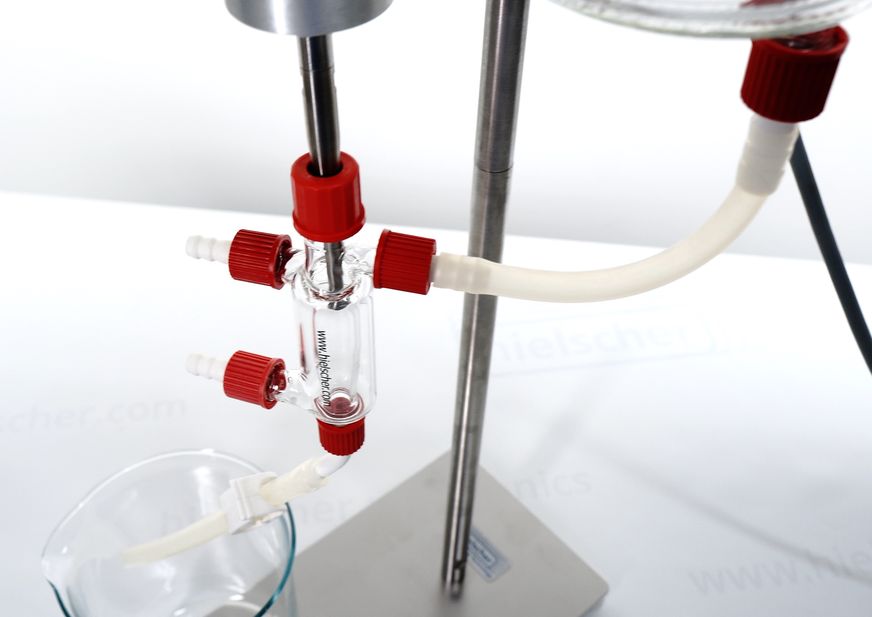
ソニケーター UIP2000hdT 加圧式フローセルリアクター
超音波がプロセスの効率をどのように向上させるか
超音波の主な利点は、化学反応に取って代わるということではなく、それを強化することにある。超音波化学システムでは、キャビテーションによって物質移動、気液接触、および局所的なエネルギー密度が向上する。このプロセスは、水溶液中での溶解度が限られている気体を扱うため、CO₂の水素化にとって極めて重要である。
高出力超音波は、いくつかのボトルネックの解消に役立ちます:
- これにより、液相におけるCO₂および水素の分散が促進される。
- これにより、気泡と反応媒体との間の界面積が増加する。
- これにより、CO₂の活性化がより促進されやすい局所的な高エネルギー領域が形成される。
- これは、ラジカルおよび中間体の生成を促進する。
- COの生成やメタン化といった連続反応に対応できる可能性がある。
こうした利点により、超音波処理は、コンパクトで高効率な反応器コンセプトにおいて魅力的な選択肢となっています。特に、従来の熱反応器ではエネルギー消費が大きすぎたり、反応速度が遅すぎたり、高価な触媒材料への依存度が高すぎたりする場合に、その有用性が際立っています。
CO₂メタン化と炭化水素合成をつなぐ架け橋
ソノ・サバティエ法は、いくつかの重要な反応タイプを結びつける可能性があるという点で、特に興味深い。主な目的はCO₂のメタン化であるが、一酸化炭素の生成は、逆水ガスシフト反応の寄与を示唆している。 水素が豊富な環境下では、生成されるCO/H₂混合ガスは合成ガスに類似することがあり、これがフィッシャー・トロプシュ法による炭化水素合成の基礎となる。
フィッシャー・トロプシュ触媒の超音波合成について、詳しくはこちら!
これにより、より幅広い製品ラインナップの可能性が開かれます。CO₂の変換を単にメタン生産と捉えるのではなく、超音波処理を活用することで、C₁およびC₂炭化水素の生成を促進できるほか、プロセスをさらに最適化すれば、より高付加価値の炭素系製品の製造も可能になるかもしれません。
CO₂利用におけるプロセス強化としての超音波処理
 超音波を併用したサバティエ反応は、まだ発展途上の技術ではあるが、その利点は明らかである。この反応は、穏やかな条件下でCO₂を有用な炭化水素に変換する経路を提供し、水素を豊富に含む環境での操作の恩恵を受けることができ、海水などの塩分を含む媒体においても高い収率を達成できる可能性がある。
産業界にとって、その価値提案は極めて大きい。CO₂を廃棄物から、メタンやその他の炭化水素の原料へと転換できるからだ。再生可能電力で稼働し、グリーン水素と組み合わせることで、ソノ・サバティエ法は、持続可能な燃料生産、炭素のリサイクル、そして長期的なエネルギー貯蔵に貢献する可能性がある。

マルチソノリアクター – 工業用超音波流動反応装置
サバティエ反応を促進する高性能ソニケーター
超音波を併用したサバティエ反応は、CO₂の還元および炭化水素合成に向けた革新的なアプローチである。高出力超音波を用いることで、CO₂が飽和した水や塩溶液を穏やかな条件下で活性化させ、メタン、エチレン、エタン、および一酸化炭素といった中間体を生成することができる。 分子状水素を添加することでプロセスが大幅に促進され、塩分濃度を高めることで炭化水素の収率をさらに向上させることができる。
産業界がCO₂を燃料や化学原料に変換するためのスケーラブルな方法を模索する中、超音波処理は有望な手法として注目されています。この手法は、プロセスの高効率化、穏やかな反応条件、そして再生可能水素との相性を兼ね備えています。 – ソノ・サバティエ法が、将来の炭素利用において重要な技術となり得る3つの特徴。
化学反応器に最適なソニケーターの選び方!
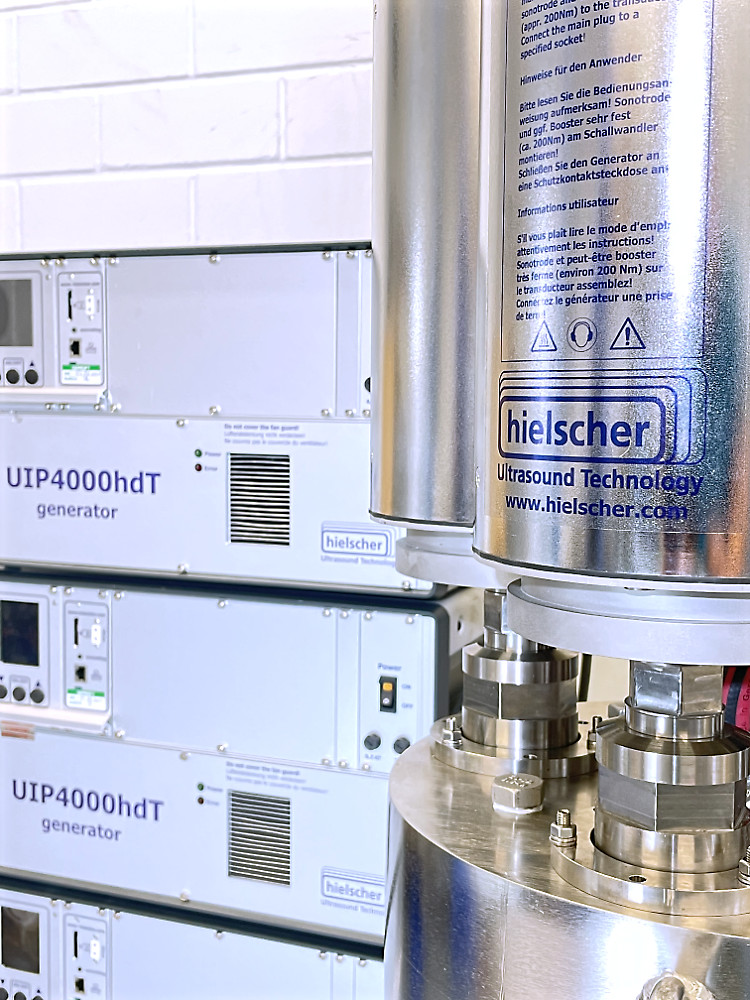 Hielscher社の超音波発生装置および超音波フローセルは、CO₂/H₂を含む液体またはスラリー流に高出力の超音波を直接導入することで、サバティエ反応を促進するための堅牢なプラットフォームを提供します。 ソノ・サバティエ法において、超音波フローセルは制御されたキャビテーション領域として機能し、そこでガスの分散、界面での物質移動、触媒の濡れ性、および局所的な反応活性化が著しく促進されます。 これにより、Hielscherの超音波システムは、懸濁した触媒粒子が強力なキャビテーションに継続的にさらされるスラリー床反応器への統合に適しているほか、超音波が気体・液体・固体の接触、混合、および反応速度を促進する流動層反応器のコンセプトへの統合にも適しています。 あるいは、超音波フローセルを膜反応器の上流に設置し、CO₂ や水素を事前に分散させたり、反応媒体を活性化させたり、反応性中間体を生成させたり、あるいは膜段階での選択的水素添加、生成物の分離、平衡移動に先立って、供給物の均質化を改善したりすることも可能です。 このように、Hielscher社の超音波処理装置は、実験室での開発、パイロットスケールでの最適化、および工業規模のCO₂から炭化水素への変換において、モジュール式のプロセス強化ユニットとして機能します。
下の表は、超音波処理装置の処理能力の目安です:
| バッチ量 | 流量 | 推奨デバイス |
|---|---|---|
| 10〜2000mL | 20~400mL/分 | UP200Ht, UP400ST |
| 0.1~20L | 0.2~4L/分 | UIP2000hdT |
| 10~100L | 2~10L/分 | UIP4000hdT |
| 15~150L | 3~15L/分 | UIP6000hdT |
| n.a. | 10~100L/分 | UIP16000hdT |
| n.a. | より大きい | クラスタ UIP16000hdT |
デザイン、製造、コンサルティング – 品質 ドイツ製
Hielscher社の超音波装置は、その最高の品質と設計基準でよく知られています。頑丈で操作が簡単なため、産業設備にスムーズに組み込むことができます。過酷な条件や厳しい環境でも、Hielscherの超音波装置は容易に対応できます。
Hielscher Ultrasonics社は、ISO認証取得企業であり、最先端の技術と使いやすさを特徴とする高性能超音波振動子に特に重点を置いています。もちろん、Hielscherの超音波装置はCEに準拠しており、UL、CSA、RoHsの要件を満たしています。
よくある質問
炭化水素とは何ですか?
炭化水素は、炭素原子と水素原子のみで構成される有機化合物である。これらは、化石燃料や多くの合成燃料、および工業用有機化学で用いられる数多くの化学原料の構造的基盤をなしている。
炭化水素にはどのような種類がありますか?
炭化水素の主な種類には、脂肪族炭化水素、環状炭化水素、芳香族炭化水素がある。脂肪族炭化水素には、炭素-炭素結合がすべて単結合である飽和アルカンと、二重結合または三重結合を含む不飽和アルケンおよびアルキンが含まれる。 環状炭化水素は、炭素原子が環構造を形成しているのに対し、芳香族炭化水素はベンゼンなどの安定した共役環系を含んでいます。また、炭化水素は、単結合のみを含むか、多重結合を含むかによって、飽和または不飽和に分類することもできます。
炭化水素にはどのような用途がありますか?
炭化水素は、主に燃料、化学原料、溶剤、潤滑油、ワックス、およびプラスチック、ポリマー、樹脂、合成ゴム、洗剤、特殊化学品の原料として使用されています。 メタン、エタン、プロパン、ガソリン、ディーゼル燃料、ジェット燃料、エチレン、ベンゼン、パラフィンワックスなどは、いずれも産業上重要な炭化水素製品である。
なぜ低周波超音波はソノケミストリーにおいてより強力なのでしょうか?
低周波超音波は、より大きなキャビテーション気泡を生成し、その崩壊がより激しいため、ソノケミストリーにおいてより強力な効果を発揮します。こうした激しい気泡の崩壊により、局所的な高温、高圧、衝撃波、マイクロジェット、乱流、およびラジカルの生成が生じ、これらが化学反応、物質移動、乳化、粒子の破砕、および表面活性化を著しく促進します。
低周波超音波と高周波超音波の違いは何ですか?
低周波超音波と高周波超音波の主な違いは、キャビテーションの強度と性質にあります。低周波超音波(通常、20~30 kHz程度)は強力なキャビテーションを発生させるため、ソノケミストリー、分散、乳化、抽出、脱気、および超音波ホモジナイゼーションに広く利用されています。 高周波超音波は、より小規模で穏やかなキャビテーション現象を引き起こすため、機械的または化学的なプロセスの強化よりも、制御された波の伝播や高い空間分解能が重視される医療用画像診断などの診断・分析用途に適しています。
文献・参考文献
- Md Hujjatul Islam, Odne S. Burheim, Jean-Yves Hihn, Bruno.G. Pollet (2021): Sonochemical conversion of CO2 into hydrocarbons: The Sabatier reaction at ambient conditions. Ultrasonics Sonochemistry, Volume 73, 2021.
- Atlaskina, M.; Markin, Z.; Smorodin, K.; Kryuchkov, S.; Tsivkovsky, N.; Petukhov, A.; Atlaskin, A.; Kazarina, O.; Vorotyntsev, A.; Vorotyntsev, I. (2025): Optimized CO2 cycloaddition to epichlorohydrin catalyzed by ionic liquid with microwave and ultrasonic irradiation. International Journal of Technology, vol. 16, no. 2, 2025. 378-394.
- Quang Thang Trinh, Nicholas Golio, Yuran Cheng, Haotian Cha, Kin Un Tai, Lingxi Ouyang, Jun Zhao, Tuan Sang Tran, Tuan-Khoa Nguyen, Jun Zhang, Hongjie An, Zuojun Wei, Francois Jerome, Prince Nana Amaniampong, Nam-Trung Nguyen (2025): Sonochemistry and sonocatalysis: current progress, existing limitations, and future opportunities in green and sustainable chemistry. Green Chemistry, Issue 18, 2025.
- Marina Cortés-Reyes;Ibrahim Azaoum; Sergio Molina-Ramírez; Concepción Herrera; M. Ángeles Larrubia; Luis J. Alemany (2021): NiGa Unsupported Catalyst for CO2 Hydrogenation at Atmospheric Pressure. Tentative Reaction Pathways. Industrial & Engineering Chemistry Research 2021, 60, 51, 18891–18899.

ジャケット付き、加圧可能な超音波フローセルリアクター(マンノサーモソニケーション用