Ultrahanggal támogatott Sabatier-reakció: a CO₂ hatékony átalakítása szénhidrogénekké
A nagy teljesítményű ultrahang innovatív módszert kínál a Sabatier-reakció fokozására azáltal, hogy akusztikus kavitációval elősegíti a CO₂ hidrogénezését. Ez lehetővé teszi a szén-dioxid hatékony átalakítását metánná és magasabb szénhidrogénekké enyhe körülmények között, például szobahőmérsékleten és nyomáson. Ennek eredményeként az ultrahanggal támogatott CO₂-átalakítás ígéretes megközelítést jelent a fenntartható üzemanyag-előállítás, a szén-dioxid-hasznosítás és a megújuló energia tárolása terén.
A nagy teljesítményű ultrahang új utakat nyit a szén-dioxid-hasznosítás terén
A szén-dioxid értékes szénhidrogénekké történő átalakítása a körforgásos szén-dioxid-gazdaságra való átállás egyik legfontosabb technológiai kihívásává válik. Ahelyett, hogy a CO₂-t kizárólag kibocsátási problémaként kezelnék, a fejlett kémiai eljárások egyre inkább arra irányulnak, hogy azt szén-dioxid-alapanyagként használják fel szintetikus üzemanyagok, metán, etilén, etán és egyéb energiadús vegyületek előállításához.
Egy különösen ígéretes módszer az ultrahanggal támogatott Sabatier-reakció, más néven sono-Sabatier-eljárás. Nagy teljesítményű ultrahang alkalmazásával a CO₂-tartalmú folyékony közegekben a reakciókörnyezet intenzívebbé tehető anélkül, hogy kizárólag a hagyományos, magas hőmérsékletű és nyomású katalitikus rendszerekre kellene támaszkodni.
A klasszikus Sabatier-reakció a szén-dioxid metánná és vízzé történő hidrogénezését írja le. A reakció újra felkeltette az érdeklődést, mivel jelentős szerepet játszik a „power-to-gas” technológiában, a szintetikus földgáz előállításában, a megújuló energia tárolásában, sőt az űrtechnikai alkalmazásokban is.

az UIP2000hdT szonikátor fokozza az anyagátadást és erősíti a kémiai reakciókat
Miért fontos az ultrahangkezelés a CO₂-átalakítás során?
Az ultrahangkezelés akusztikus kavitáció révén juttat energiát a folyadékokba. A kavitáció során mikroszkopikus buborékok keletkeznek, növekednek, majd hevesen összeomlanak. Ezek a helyi összeomlási események rendkívüli mikrokörnyezeteket hoznak létre, amelyekben átmeneti hőmérséklet, nyomás, turbulencia és szabadgyök-képződés rendkívül magas szintre emelkedik, miközben a folyadék tömege viszonylag enyhe állapotban maradhat.
A CO₂-kibocsátás csökkentése szempontjából ez azt jelenti, hogy a nagy teljesítményű ultrahang olyan kémiai folyamatokat indíthat el, amelyek környezeti körülmények között egyébként nehezen valósíthatók meg. A szonokémiai CO₂-átalakítással kapcsolatos kísérleti munkák kimutatták, hogy a CO₂-val telített vízre, nátrium-klorid-oldatra és szintetikus tengervízre alkalmazott ultrahang olyan szénhidrogéneket képes előállítani, mint a metán, az etilén és az etán, valamint jelentős mennyiségű szén-monoxidot, amely később metánná alakítható át.
Ez ipari szempontból azért releváns, mert egy folyamat-intenzifikációs stratégiára utal: ahelyett, hogy csupán a hőmérsékletet, a nyomást vagy a katalizátor összetettségét növelnénk, az ultrahang fizikai energia bevitelével javíthatja a reakciókörülményeket.
Az ultrahanggal támogatott Sabatier-reakció fő előnyei
A sono-Sabatier-eljárás számos előnnyel jár, amelyek miatt rendkívül vonzóvá teszi a jövőbeli CO₂-hasznosítási technológiák számára:
- Enyhe üzemi körülmények: A nagy teljesítményű ultrahang lehetővé teheti a CO₂ átalakulását szobahőmérsékleten és légköri nyomáson, ezzel csökkentve az energiaigényes termikus eljárások szükségességét.
- Katalizátor nélküli reakciós potenciál: A szonokémiai CO₂-átalakítással kapcsolatos kutatások kimutatták, hogy ultrahang hatására a hagyományos katalizátorok nélkül is keletkezhetnek szénhidrogének, ami egyszerűsíti a folyamat tervezését és csökkenti a katalizátorokkal kapcsolatos költségeket.
- Értékes szénhidrogének keletkezése: A metán a fő céltermék, de etilén és etán is előállítható, ami a potenciális értékláncot a szintetikus földgázon túlra is kiterjeszti.
- A hidrogénnel való integráció: Az inertgáz-környezet molekuláris hidrogénnel való felváltása jelentősen javíthatja a sono-Sabatier-folyamatot, növelve ezzel a CO₂ hidrogénezéséhez és metanizálásához rendelkezésre álló hidrogén mennyiségét.
- Lehetséges összekapcsolás a fordított víz-gáz-átalakítási folyamattal: A szén-monoxid képződése arra utal, hogy ultrahangos kezelés hatására fordított vízgáz-átalakítási reakciók léphetnek fel. A CO ezután köztitermékként szolgálhat a metánná vagy magasabb szénhidrogénekké történő további hidrogénezéshez.
- Lehetséges Fischer–Tropsch-típusú folyamatok: A hidrogénben gazdag rendszerekben a szén-monoxid és a hidrogén részt vehetnek a Fischer–Tropsch-típusú kémiai reakciókban, elősegítve a magasabb rendű szénhidrogének – például az etilén és az etán – képződését. A hagyományos Fischer–Tropsch-reakciót széles körben ismerik a CO/H₂ szintetikus gázból származó szénhidrogének előállításának egyik módszereként.
- Jobb hozam sós táptalajon: A megnövekedett sótartalom – például a tengervízben vagy a szintetikus tengervízben – elősegítheti a sono-Sabatier-eljárást. A rendelkezésre álló adatok szerint a tengervízhez hasonló körülmények között a szénhidrogén-hozam körülbelül 40%-kal növelhető.
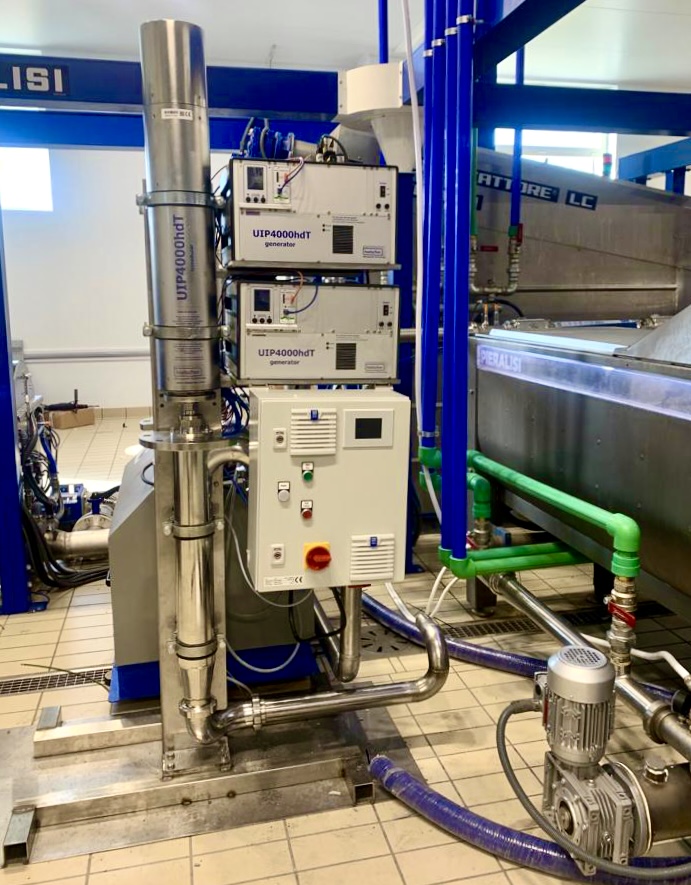
teljesítmény ultrahang – 2x UIP4000hdT ultrahangos készülékek folyamatos, beépített üzemeltetésre alkalmas áramlási cellákkal
A tengervíz mint funkcionális reakcióközeg
Az ultrahanggal támogatott Sabatier-reakció egyik különösen figyelemre méltó tulajdonsága a sótartalmú víz kedvező hatása. CO₂-val telített tiszta vízben, nátrium-klorid-oldatban és szintetikus tengervízben az ultrahang elindíthatja a CO₂ metánná, etilénné, etánná és szén-monoxiddá történő átalakulását.
A sóoldatok alkalmazása fontos szerepet játszik az ipari méretezhetőség szempontjából. A tengervíz bőségesen rendelkezésre áll, olcsó és világszerte elérhető. Ha a sóoldatok javíthatják a szénhidrogének képződését, akkor a folyamat különösen vonzóvá válhat a tengerparti ipari telephelyek, a tengeri megújulóenergia-központok, valamint a tengervíz-források közelében elhelyezkedő szén-dioxid-elkülönítési és -hasznosítási rendszerek számára.
A gyakorlatban ez azt jelenti, hogy a sono-Sabatier-eljárás olyan integrált rendszerek részeként vizsgálható, amelyek a következőket ötvözik:
- az ipari kipufogógázokból vagy közvetlen levegőből kivont CO₂,
- elektrolízissel előállított megújuló hidrogén,
- tengervíz vagy sóoldat, mint reakcióközeg,
- a nagy teljesítményű ultrahang, mint folyamat-intenzifikációs technológia,
- a gázok későbbi szeparációja és a szénhidrogének finomítása.
Ipari jelentőség: A CO₂ szintetikus üzemanyagokká és vegyipari alapanyagokká történő átalakítása
A CO₂ hatékony átalakítása szénhidrogénekké nem csupán laboratóriumi célkitűzés. Közvetlenül kapcsolódik a megújuló üzemanyagok, a szintetikus földgáz, a vegyipari gyártás és az energiatárolás jövőjéhez.
A szén-dioxidból és megújuló forrásból származó hidrogénből előállított metán szintetikus földgázként használható. A szintetikus metán egyik előnye, hogy potenciálisan kihasználhatja a meglévő gázinfrastruktúrát, beleértve a tároló létesítményeket, a gázvezetékeket és a gázüzemű ipari berendezéseket.
Az etilén és az etán további ipari jelentőséget kölcsönöznek a folyamatnak. Az etilén a petrolkémiai ipar egyik legfontosabb alapanyag-vegyülete, míg az etán üzemanyagként vagy gőzkrakkoláshoz szükséges alapanyagként használható. Ezért egy olyan szonokémiai eljárás, amely nemcsak metánt, hanem C₂-szénhidrogéneket is képez, értékes lehet mind az üzemanyag-előállítás, mind a kémiai szintézis szempontjából.
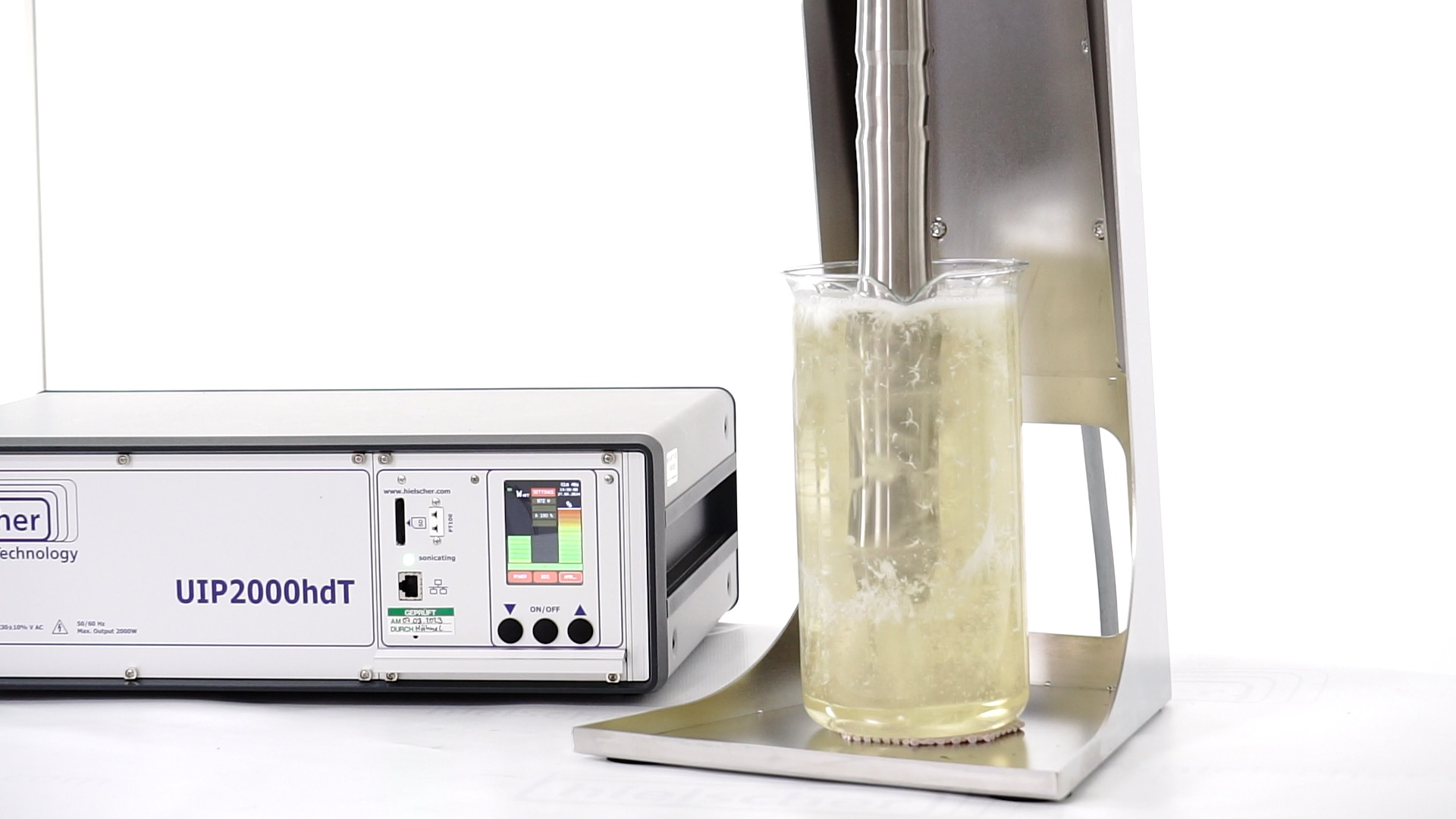
Akusztikus kavitáció a Sonicator UIP2000hdT készüléken
Az ultrahanggal támogatott Sabatier-reakció különösen fontos azoknak az iparágaknak, amelyeknek szénalapú molekulákra van szükségük, de csökkenteni szeretnék a fosszilis szénfüggőségüket. Ide tartoznak:
- power-to-gas és a megújuló metántermelés,
- szén-dioxid-elkülönítés és -hasznosítás,
- szintetikus üzemanyag-előállítás,
- zöld vegyipari termelés,
- tengeri és part menti ipari folyamatok,
- decentralizált üzemanyag-előállítás,
- a hidrogénalapú gazdaság infrastruktúrája.

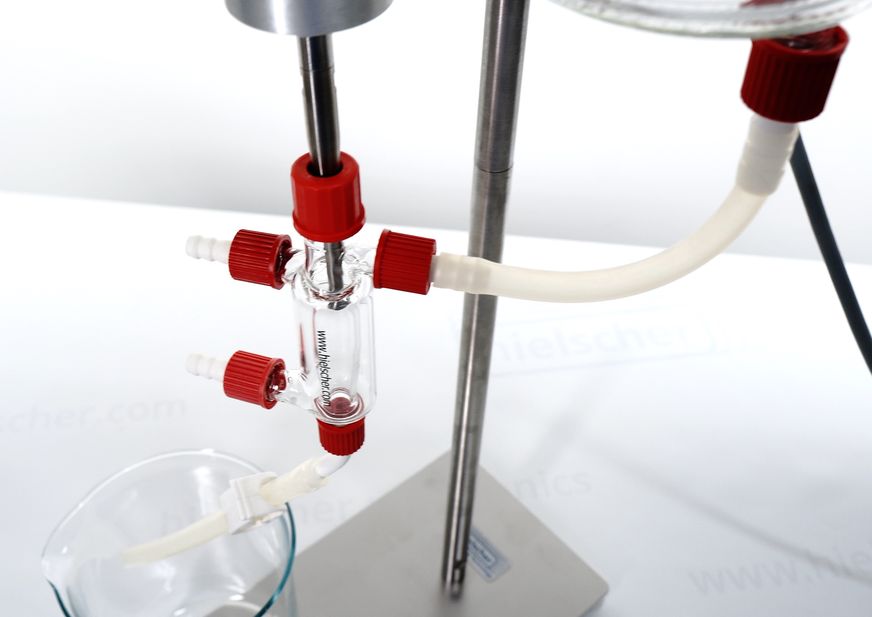
Sonicator UIP2000hdT nyomás alatt álló áramlási cellás reaktorral
Hogyan javítja az ultrahang a folyamatok hatékonyságát?
Az ultrahang fő előnye nem az, hogy felváltja a kémiai folyamatokat, hanem az, hogy azok hatását fokozza. A szonokémiai rendszerekben a kavitáció javítja a tömegátadást, a gáz–folyadék érintkezést és a helyi energiasűrűséget. Ez rendkívül fontos a CO₂ hidrogénezése szempontjából, mivel a folyamat olyan gázokat érint, amelyek vízben való oldhatósága korlátozott.
A nagy teljesítményű ultrahang számos szűk keresztmetszet leküzdésében nyújt segítséget:
- Fokozza a CO₂ és a hidrogén eloszlását a folyadékfázisban.
- Ezzel növeli a gázbuborékok és a reakcióközeg közötti felületi területet.
- Ez olyan lokalizált, nagy energiájú zónákat hoz létre, ahol a CO₂ aktiválása kedvezőbbé válik.
- Elősegíti a gyökök és a köztes termékek képződését.
- Lehetséges, hogy támogatja az egymást követő reakciókat, például a CO-képződést és a metanizációt.
Ez a kombináció vonzóvá teszi az ultrahangos kezelést a kompakt és intenzívebb reaktorkoncepciók számára, különösen olyan esetekben, amikor a hagyományos termikus reaktorok túl energiaigényesek, túl lassúak vagy túlzottan függnek drága katalizátoranyagoktól.
Híd a CO₂-metanizáció és a szénhidrogén-szintézis között
A sono-Sabatier-eljárás azért különösen érdekes, mert több fontos reakciótípust is összekapcsolhat. Az elsődleges cél a CO₂-metanizáció, de a szén-monoxid képződése arra utal, hogy a folyamatban a fordított víz-gáz-eltolódás is szerepet játszik. Hidrogénben gazdag környezetben a keletkező CO/H₂ keverék hasonlíthat a szintetikus gázhoz, amely a Fischer–Tropsch-féle szénhidrogén-szintézis alapját képezi.
Tudjon meg többet a Fischer–Tropsch-katalizátorok ultrahangos előállításáról!
Ez lehetőséget teremt egy szélesebb termékpaletta kialakítására. Ahelyett, hogy a CO₂-átalakítást kizárólag metántermelésként tekintenénk, az ultrahangos kezelés elősegítheti a C₁- és C₂-szénhidrogének képződését, és – a folyamat további optimalizálásával – esetleg magasabb hozzáadott értékű szénalapú termékek előállítását is.
Az ultrahangkezelés mint a CO₂-hasznosítás folyamatának intenzívebbé tétele
 Az ultrahanggal támogatott Sabatier-reakció még mindig egy kialakulóban lévő technológia, de előnyei egyértelműek. Lehetőséget kínál a CO₂ hasznos szénhidrogénekké történő átalakítására enyhe körülmények között, kihasználhatja a hidrogénben gazdag működési feltételek előnyeit, és magasabb hozamokat érhet el sós közegben, például tengervízben.
Az ipar számára az értékajánlat jelentős: a CO₂ a hulladékáramból metán és egyéb szénhidrogének előállításához szükséges alapanyaggá alakítható át. Megújuló árammal működtetve és zöld hidrogénnel kombinálva a sono-Sabatier-eljárás hozzájárulhat a fenntartható üzemanyag-előállításhoz, a szén-dioxid-újrahasznosításhoz és a hosszú távú energiatároláshoz.

MultiSonoReactor – Ipari ultrahangos áramlási reaktor
Nagy teljesítményű ultrahangos készülékek a Sabatier-reakció fokozásához
Az ultrahanggal támogatott Sabatier-reakció innovatív megközelítést jelent a CO₂-redukció és a szénhidrogén-szintézis terén. Erős ultrahang alkalmazásával a CO₂-val telített víz és a sóoldatok enyhe körülmények között aktiválhatók, így metán, etilén, etán és szén-monoxid köztes termékek keletkeznek. A molekuláris hidrogén hozzáadása jelentősen fokozza a folyamatot, míg a megnövelt sótartalom tovább javíthatja a szénhidrogén-hozamot.
Miközben az iparágak olyan skálázható módszereket keresnek, amelyekkel a CO₂-t üzemanyagokká és vegyipari alapanyagokká lehet átalakítani, az ultrahangos kezelés ígéretes megoldást kínál. Ez a módszer ötvözi a folyamatok intenzívebbé tételét, a kíméletes reakciókörülményeket és a megújuló hidrogénnel való kompatibilitást. – három jellemző, amelyek miatt a Sono-Sabatier-eljárás a jövőbeli szén-dioxid-hasznosítás szempontjából fontos technológiává válhat.
Hogyan válasszuk ki a legjobb ultrahangos berendezést a kémiai reaktorunkhoz!
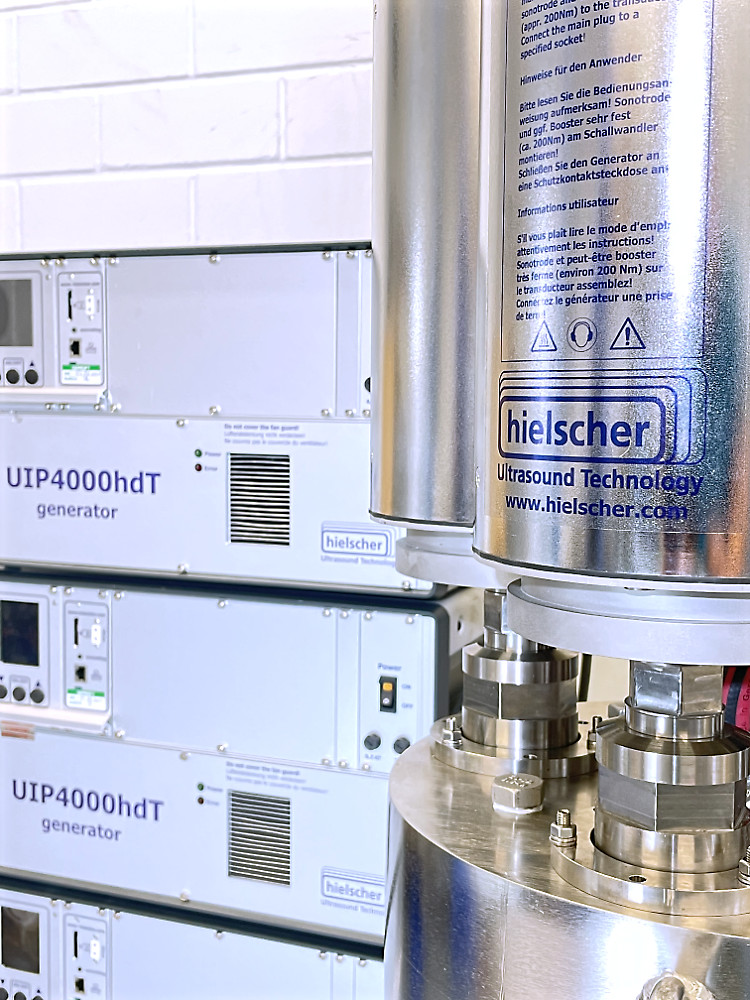 A Hielscher ultrahangos készülékei és ultrahangos áramlási cellái megbízható platformot biztosítanak a Sabatier-reakció fokozásához azáltal, hogy nagy teljesítményű ultrahangot juttatnak közvetlenül a CO₂/H₂-tartalmú folyadék- vagy szuszpenzióáramokba. A sono-Sabatier-eljárás során az ultrahangos áramlási cella szabályozott kavitációs zónaként működik, ahol a gázdiszperzió, a fázishatár-tömegátvitel, a katalizátor nedvesítése és a helyi reakcióaktiválás jelentősen fokozódik. Ezáltal a Hielscher ultrahangos rendszerei alkalmasak szuszpenziós ágyas reaktorokba történő integrálásra, ahol a szuszpendált katalizátor-részecskék folyamatosan intenzív kavitációnak lehetnek kitéve, valamint fluidizált ágyas reaktorkoncepciókba is, ahol az ultrahang elősegítheti a gáz–folyadék–szilárd anyag közötti érintkezést, az elegyedést és a reakciókinetikát. Alternatív megoldásként az ultrahangos áramlási cellákat membránreaktorok előtt is be lehet építeni a CO₂ és a hidrogén előzetes diszpergálására, a reakcióközeg aktiválására, reaktív köztitermékek előállítására, illetve a táplálék homogenizálásának javítására a szelektív hidrogénadagolás, a termékleválasztás vagy az egyensúlyeltolódás előtt a membránfázisban. Így a Hielscher ultrahangos készülékei moduláris folyamat-intenzifikációs egységekként működhetnek laboratóriumi fejlesztés, kísérleti méretű optimalizálás és ipari CO₂–szénhidrogén-átalakítás céljára.
Az alábbi táblázat jelzi ultrahangos készülékeink hozzávetőleges feldolgozási kapacitását:
| Kötegelt mennyiség | Áramlási sebesség | Ajánlott eszközök |
|---|---|---|
| 10 és 2000 ml között | 20–400 ml/perc | UP200Ht, UP400ST |
| 0.1-től 20L-ig | 0.2-től 4 liter/percig | UIP2000hdT |
| 10–100 liter | 2–10 l/perc | UIP4000hdt |
| 15–150 liter | 3–15 l/perc | UIP6000hdT |
| n.a. | 10–100 l/perc | UIP16000hdT |
| n.a. | Nagyobb | klaszter UIP16000hdT |
Tervezés, gyártás és tanácsadás – Németországban gyártott minőség
A Hielscher ultrahangos készülékek jól ismertek a legmagasabb minőségi és tervezési szabványokról. A robusztusság és a könnyű kezelhetőség lehetővé teszi ultrahangos készülékeink zökkenőmentes integrálását ipari létesítményekbe. A durva körülmények és az igényes környezetek könnyen kezelhetők Hielscher ultrasonicators.
Hielscher Ultrasonics egy ISO tanúsítvánnyal rendelkező cég, és különös hangsúlyt fektet a nagy teljesítményű ultrasonicatorokra, amelyek a legmodernebb technológiát és felhasználóbarátságot mutatják. Természetesen a Hielscher ultrasonicators CE-kompatibilis és megfelel az UL, CSA és RoHs követelményeinek.
Gyakran Ismételt Kérdések
Mik azok a szénhidrogének?
A szénhidrogének kizárólag szén- és hidrogénatomokból álló szerves kémiai vegyületek. Ezek képezik a fosszilis tüzelőanyagok, számos szintetikus tüzelőanyag, valamint az ipari szerves kémiában használt számos kémiai alapanyag szerkezeti alapját.
Melyek a szénhidrogének típusai?
A szénhidrogének fő típusai az alifás, a ciklikus és az aromás szénhidrogének. Az alifás szénhidrogének közé tartoznak a telített alkánok, amelyek kizárólag egyszeres szén–szén kötéseket tartalmaznak, valamint a telítetlen alkének és alkinok, amelyek kettős vagy hármas kötéseket tartalmaznak. A ciklikus szénhidrogének gyűrűszerkezetben elrendezett szénatomokat tartalmaznak, míg az aromás szénhidrogének stabil konjugált gyűrűrendszereket tartalmaznak, például a benzolt. A szénhidrogének emellett telített vagy telítetlen kategóriákba is sorolhatók attól függően, hogy kizárólag egyszeres kötéseket vagy többszörös kötéseket tartalmaznak-e.
Mire használják a szénhidrogéneket?
A szénhidrogéneket elsősorban üzemanyagként, vegyipari alapanyagként, oldószerként, kenőanyagként, viaszokként, valamint műanyagok, polimerek, gyanták, szintetikus gumi, mosószerek és speciális vegyi anyagok előállításához használják. A metán, az etán, a propán, a benzin, a dízel, a repülőgép-üzemanyag, az etilén, a benzol és a paraffinviaszok mind ipari szempontból fontos szénhidrogén-termékek.
Miért hatékonyabb az alacsony frekvenciájú ultrahang a szonokémiában?
Az alacsony frekvenciájú ultrahang hatékonyabb a szonokémiában, mivel nagyobb kavitációs buborékokat hoz létre, amelyek hevesebben omlanak össze. Ezek az intenzív buborékrobbanások helyi magas hőmérsékletet, nagy nyomást, lökéshullámokat, mikrosugarakat, turbulenciát és szabadgyökök képződését idéznek elő, amelyek jelentősen fokozzák a kémiai reakciókat, a tömegátvitelt, az emulgeálást, a részecskék szétzúzását és a felületi aktiválást.
Mi a különbség az alacsony frekvenciájú és a magas frekvenciájú ultrahang között?
Az alacsony frekvenciájú és a magas frekvenciájú ultrahang közötti fő különbség a kavitáció intenzitásában és jellegében rejlik. Az alacsony frekvenciájú ultrahang – amely jellemzően 20–30 kHz körüli – erős kavitációt vált ki, ezért széles körben alkalmazzák szonokémiában, diszpergálásban, emulgeálásban, extrakcióban, gáztalanításban és ultrahangos homogenizálásban. A magas frekvenciájú ultrahang kisebb, kevésbé heves kavitációs jelenségeket vált ki, és inkább diagnosztikai vagy analitikai alkalmazásokhoz alkalmas, például az orvosi képalkotásban, ahol a szabályozott hullámterjedés és a nagy térbeli felbontás fontosabb, mint a mechanikai vagy kémiai folyamatok fokozása.
Irodalom / Hivatkozások
- Md Hujjatul Islam, Odne S. Burheim, Jean-Yves Hihn, Bruno.G. Pollet (2021): Sonochemical conversion of CO2 into hydrocarbons: The Sabatier reaction at ambient conditions. Ultrasonics Sonochemistry, Volume 73, 2021.
- Atlaskina, M.; Markin, Z.; Smorodin, K.; Kryuchkov, S.; Tsivkovsky, N.; Petukhov, A.; Atlaskin, A.; Kazarina, O.; Vorotyntsev, A.; Vorotyntsev, I. (2025): Optimized CO2 cycloaddition to epichlorohydrin catalyzed by ionic liquid with microwave and ultrasonic irradiation. International Journal of Technology, vol. 16, no. 2, 2025. 378-394.
- Quang Thang Trinh, Nicholas Golio, Yuran Cheng, Haotian Cha, Kin Un Tai, Lingxi Ouyang, Jun Zhao, Tuan Sang Tran, Tuan-Khoa Nguyen, Jun Zhang, Hongjie An, Zuojun Wei, Francois Jerome, Prince Nana Amaniampong, Nam-Trung Nguyen (2025): Sonochemistry and sonocatalysis: current progress, existing limitations, and future opportunities in green and sustainable chemistry. Green Chemistry, Issue 18, 2025.
- Marina Cortés-Reyes;Ibrahim Azaoum; Sergio Molina-Ramírez; Concepción Herrera; M. Ángeles Larrubia; Luis J. Alemany (2021): NiGa Unsupported Catalyst for CO2 Hydrogenation at Atmospheric Pressure. Tentative Reaction Pathways. Industrial & Engineering Chemistry Research 2021, 60, 51, 18891–18899.

Köpenyes, nyomás alatt tartható ultrahangos áramlási cellás reaktorok mano-termoszonizációhoz
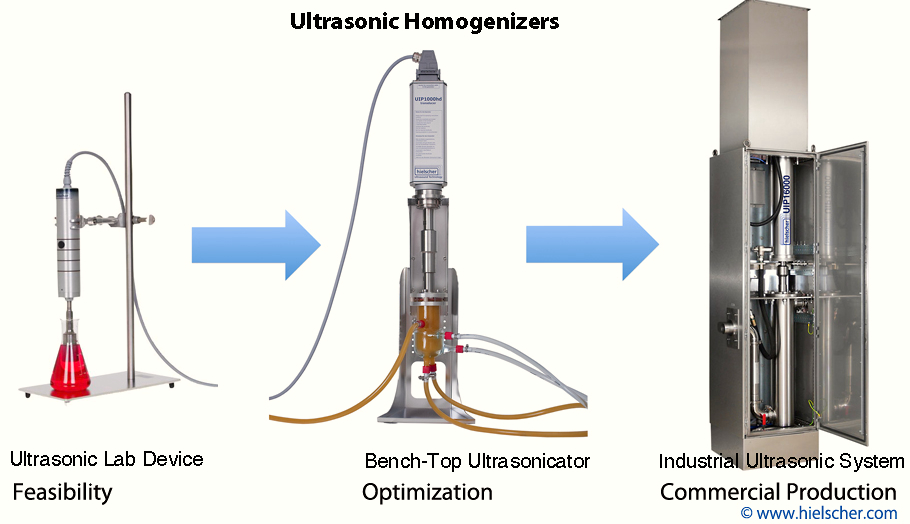
Hielscher Ultrasonics gyárt nagy teljesítményű ultrahangos homogenizátorok labor hoz ipari méret.