Υπερηχητικά ενισχυμένοι αντιδραστήρες σταθερής κλίνης
Η υπερηχητική επεξεργασία μπορεί να βελτιώσει τις καταλυτικές αντιδράσεις σε αντιδραστήρες σταθερής κλίνης, κυρίως εντείνοντας τη μεταφορά μάζας γύρω και εντός της κλίνης του καταλύτη. Επιπλέον, η υπερηχητική επεξεργασία απομακρύνει τα στρώματα παθητικοποίησης και ρύπανσης από την επιφάνεια του καταλύτη, αναγεννώντας έτσι συνεχώς τον καταλύτη.
Πώς η υπερήχηση βελτιώνει την καταλυτική αντίδραση σε σταθερή κλίνη
Σε έναν αντιδραστήρα σταθερής κλίνης, τα σωματίδια του καταλύτη παραμένουν ακίνητα, ενώ τα υγρά, αέρια ή πολυφασικά αντιδρώντα ρέουν μέσα από την κλίνη. Η απόδοση της αντίδρασης περιορίζεται συχνά από την εξωτερική μεταφορά μάζας, τη διάχυση μέσω πόρων, τη διοχέτευση, τη ρύπανση και τις κλίσεις θερμικής μεταφοράς. Οι υπερήχοι μπορούν να μειώσουν αρκετούς από αυτούς τους περιορισμούς δημιουργώντας ακουστική σπηλαίωση, μικροροές, δυνάμεις διάτμησης και ταλαντώσεις πίεσης.

Υπερήχων UIP2000hdT ενσωματωμένο σε αντιδραστήρα σταθερής κλίνης
Κύριες επιδράσεις των αντιδράσεων σταθερής κλίνης με ενίσχυση υπερήχων
- Βελτιωμένη εξωτερική μεταφορά μάζας: Η μικροροή με υπερήχους μειώνει το στάσιμο οριακό στρώμα γύρω από τα σωματίδια του καταλύτη, επιτρέποντας στα αντιδρώντα να φτάνουν πιο αποτελεσματικά στα ενεργά σημεία.
- Βελτιωμένη προσβασιμότητα στους πόρους: Οι διακυμάνσεις της πίεσης και η κίνηση του υγρού που προκαλούνται από τη σπηλαίωση μπορούν να βελτιώσουν τη διείσδυση των αντιδραστηρίων στους πόρους του καταλύτη και την απομάκρυνση των προϊόντων από τους πόρους.
- Μείωση των αποθέσεων και παθητικοποίηση: Η υπερηχητική επεξεργασία μπορεί να συμβάλει στην απομάκρυνση αποθέσεων, πολυμερών υμενίων, προδρόμων οπτάνθρακα ή άλλων στρωμάτων παθητικοποίησης από τις επιφάνειες των καταλυτών, διατηρώντας έτσι την καταλυτική δραστηριότητα για μεγαλύτερο χρονικό διάστημα.
- Μειωμένη δημιουργία καναλιών σε συμπυκνωμένες κλίνες: Σε μελέτες με μικροσυσκευασμένη κλίνη, έχει αποδειχθεί ότι ο υπέρηχος τροποποιεί τη συμπεριφορά της ροής και μειώνει τη διασπορά, βοηθώντας τον αντιδραστήρα να προσεγγίσει μια πιο ιδανική συμπεριφορά ροής τύπου «plug-flow».
- Ενισχυμένη μεταφορά θερμότητας: Η ακουστική ροή και η τυρβώδης ροή βελτιώνουν την τοπική απαγωγή θερμότητας, μειώνοντας τα σημεία υπερθέρμανσης ή τις ζώνες ψύξης στο στρώμα του καταλύτη.
- Υψηλότερο ποσοστό μετατροπής και απόδοση: Με τη βελτίωση της μεταφοράς μάζας και της προσβασιμότητας του καταλύτη, η υπερηχητική επεξεργασία μπορεί να αυξήσει τον ρυθμό αντίδρασης, τον βαθμό μετατροπής και την απόδοση του προϊόντος, ειδικά όταν η αντίδραση περιορίζεται από τη μεταφορά και όχι αποκλειστικά από την κινητική.
Βελτιωμένη επαφή υγρού-στερεού: Οι υπερήχοι συμβάλλουν στην καλύτερη διαβροχή των σωματιδίων του καταλύτη, κάτι που είναι ιδιαίτερα χρήσιμο σε συστήματα με στρώμα στάγδην, τροφοδοτούμενα με πολτό ή συστήματα σταθερής κλίνης σε υγρή φάση.
Πώς βελτιώνει η υπερηχητική επεξεργασία την καταλυτική αντίδραση σε σταθερή κλίνη;
Ο κύριος μηχανισμός είναι η ακουστική σπηλαίωση: τα υπερηχητικά κύματα δημιουργούν μικροσκοπικές φυσαλίδες που μεγαλώνουν και καταρρέουν βίαια. Η κατάρρευσή τους προκαλεί τοπική διάτμηση, μικροπίδακες, κρουστικά κύματα και έντονη ανάμιξη. Κοντά στις επιφάνειες των καταλυτών, αυτά τα φαινόμενα μπορούν να καθαρίσουν, να ενεργοποιήσουν και να ανανεώσουν τη διεπαφή στερεού-υγρού. Οι ανασκοπήσεις σχετικά με τη σονοκατάλυση περιγράφουν αυτό το φαινόμενο ως συνέργεια μεταξύ των υπερήχων και των στερεών καταλυτών, η οποία περιλαμβάνει βελτιωμένη μεταφορά θερμότητας, μεταφορά μάζας και τοπικά φαινόμενα στις καταλυτικές επιφάνειες.
Η υπερηχητική επεξεργασία αποδίδει τα μέγιστα οφέλη όταν η αντίδραση σε σταθερή κλίνη παρουσιάζει τα ακόλουθα προβλήματα:
- αργή διάχυση στους πόρους του καταλύτη,
- ανεπαρκής διαβροχή των σωματιδίων του καταλύτη,
- συσσώρευση προϊόντος στους πόρους,
- επιφανειακή ρύπανση ή παθητικοποίηση,
- κινητική που περιορίζεται από τη μεταφορά μάζας,
- ανισόμορφη κατανομή πολυφασικής ροής,
- διέλευση μέσω της συμπυκνωμένης στρώσης.
Καταλύτες σταθερής κλίνης
Τα σταθερά κρεβάτια (μερικές φορές ονομάζονται επίσης συσκευασμένα κρεβάτια) είναι συνήθως φορτωμένα με σφαιρίδια καταλύτη, τα οποία είναι συνήθως κόκκοι με διάμετρο από 1-5mm. Μπορούν να φορτωθούν στον αντιδραστήρα με τη μορφή ενός μονού κρεβατιού, ως ξεχωριστά κελύφη ή σε σωλήνες. Οι καταλύτες βασίζονται κυρίως σε μέταλλα όπως νικέλιο, χαλκό, όσμιο, πλατίνα και ρόδιο.
Οι επιδράσεις των ισχυρών υπερήχων στις ετερογενείς χημικές αντιδράσεις είναι ευρέως γνωστές και χρησιμοποιούνται ευρέως σε βιομηχανικές καταλυτικές διεργασίες. Οι καταλυτικές αντιδράσεις σε αντιδραστήρα σταθερής κλίνης επωφελούνται επίσης από την επεξεργασία με υπερήχους. Η υπερηχητική ακτινοβολία του καταλύτη σταθερής κλίνης δημιουργεί επιφάνειες υψηλής αντιδραστικότητας, αυξάνει τη μεταφορά μάζας μεταξύ της υγρής φάσης (αντιδρώντων) και του καταλύτη και απομακρύνει τις παθητικοποιητικές επικαλύψεις (π.χ. στρώματα οξειδίου) από την επιφάνεια.
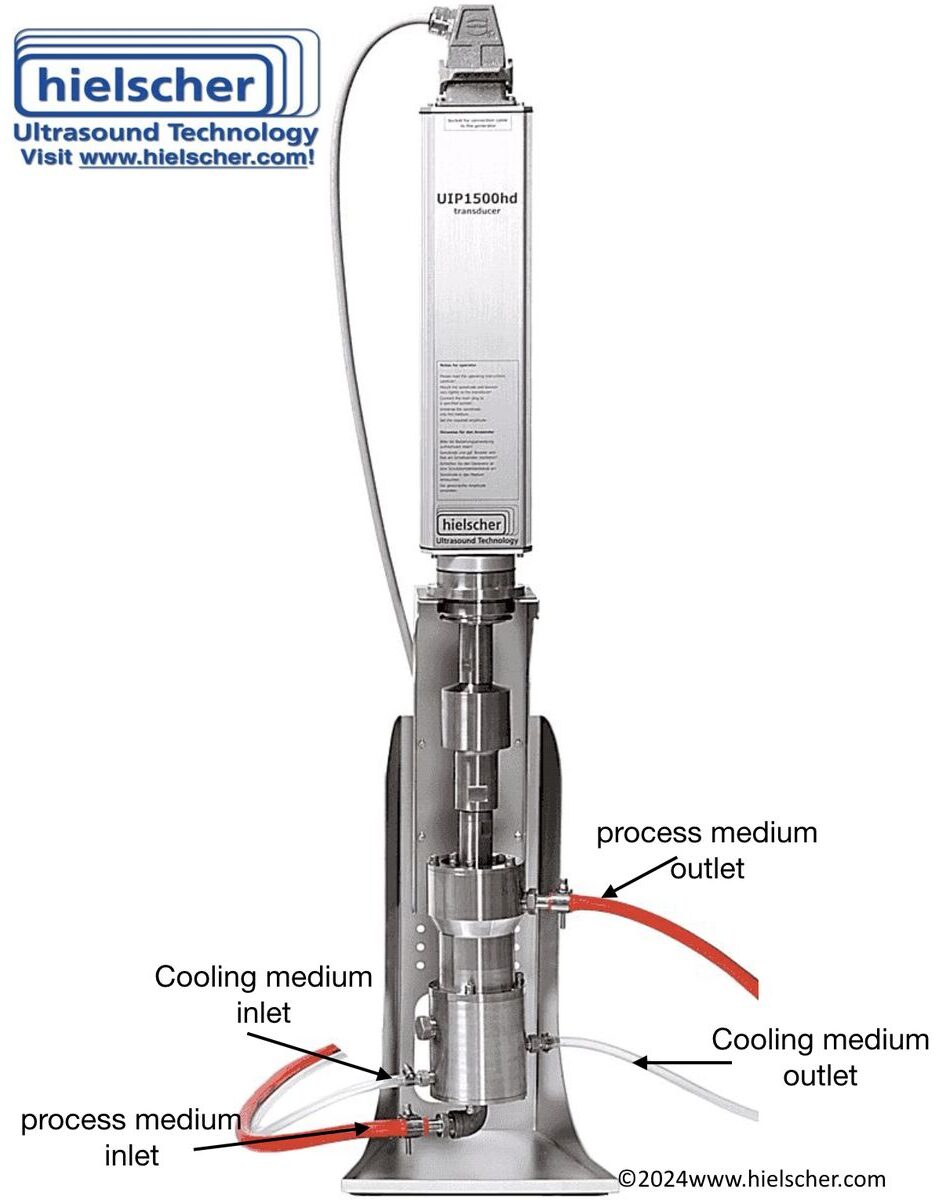
Sonicator UIP1500hdT με κυψέλη ροής για την επαναενεργοποίηση και την ανακύκλωση χρησιμοποιημένων καταλυτών
- Βελτιωμένη απόδοση
- Αυξημένη αντιδραστικότητα
- Αυξημένο ποσοστό μετατροπής
- Υψηλότερη απόδοση
- Ανακύκλωση καταλύτη
Υπερήχων εντατικοποίηση των καταλυτικών αντιδράσεων
Υπερήχων ανάμειξη και ανάδευση βελτιώνει την επαφή μεταξύ αντιδρώντων και καταλυτικών σωματιδίων, δημιουργεί εξαιρετικά αντιδραστικές επιφάνειες και ξεκινά ή / και ενισχύει τη χημική αντίδραση.
Υπερήχων προετοιμασία καταλύτη μπορεί να προκαλέσει αλλαγές στη συμπεριφορά κρυστάλλωσης, διασπορά / αποσυσσωμάτωση και επιφανειακές ιδιότητες. Επιπλέον, τα χαρακτηριστικά των προσχηματισμένων καταλυτών μπορούν να επηρεαστούν με την αφαίρεση παθητικοποιημένων επιφανειακών στρωμάτων, την καλύτερη διασπορά, την αύξηση της μεταφοράς μάζας.
Παραδείγματα αντιδράσεων που έχουν βελτιωθεί με τη χρήση υπερήχων
- Υπερήχων προεπεξεργασία του καταλύτη Ni για αντιδράσεις υδρογόνωσης
- Υπερήχων καταλύτης Raney Ni με τρυγικό οξύ έχει ως αποτέλεσμα μια πολύ υψηλή εναντιοεκλεκτικότητα
- Καταλύτες Fischer-Tropsch που έχουν συντεθεί με τη μέθοδο των υπερήχων
- Ηχοχημικά επεξεργασμένοι άμορφοι καταλύτες σκόνης για αυξημένη αντιδραστικότητα
- Sono-σύνθεση άμορφων μεταλλικών σκονών
Υπερήχων ανάκτηση καταλύτη
Οι στερεοί καταλύτες σε αντιδραστήρες σταθερής κλίνης χρησιμοποιούνται συνήθως με τη μορφή σφαιρικών σφαιριδίων, σφαιριδίων, εξωθημάτων ή κυλινδρικών σωματιδίων. Κατά τη διάρκεια των χημικών αντιδράσεων, η επιφάνεια του καταλύτη μπορεί να παθητικοποιηθεί από ένα στρώμα ρύπανσης, με αποτέλεσμα τη σταδιακή απώλεια της καταλυτικής δραστηριότητας και/ή της επιλεκτικότητας με την πάροδο του χρόνου.
Η χρονική κλίμακα της απενεργοποίησης των καταλυτών ποικίλλει σημαντικά. Για παράδειγμα, η απενεργοποίηση ενός καταλύτη πυρόλυσης μπορεί να συμβεί μέσα σε δευτερόλεπτα, ενώ ένας καταλύτης σιδήρου που χρησιμοποιείται στη σύνθεση αμμωνίας μπορεί να παραμείνει ενεργός για 5–10 χρόνια. Ωστόσο, η απενεργοποίηση των καταλυτών παρατηρείται σχεδόν σε όλες τις καταλυτικές διεργασίες. Αν και μπορούν να εμφανιστούν διαφορετικοί μηχανισμοί απενεργοποίησης – συμπεριλαμβανομένης της χημικής, μηχανικής και θερμικής αποικοδόμησης – Η επικάλυψη αποτελεί μία από τις πιο συνηθισμένες αιτίες της φθοράς του καταλύτη.
Ως «ρύπανση» ορίζεται η φυσική εναπόθεση ουσιών από τη ρευστή φάση στην επιφάνεια του καταλύτη και εντός των πόρων του. Αυτές οι εναποθέσεις φράζουν τα αντιδραστικά σημεία, περιορίζουν την προσβασιμότητα των πόρων και μειώνουν την επαφή μεταξύ των αντιδρώντων και της ενεργού επιφάνειας του καταλύτη. Η ρύπανση του καταλύτη από κοκ ή ανθρακούχες εναποθέσεις είναι συχνά μια ταχεία διαδικασία· ωστόσο, σε πολλές περιπτώσεις μπορεί να αντιστραφεί εν μέρει ή πλήρως μέσω της αναγέννησης με υπερήχους.
Η υπερηχητική σπηλαίωση αποτελεί μια αποτελεσματική μέθοδο για την απομάκρυνση των στρωμάτων ρύπανσης που προκαλούν παθητικοποίηση από τις επιφάνειες των καταλυτών. Κατά τη διάρκεια της υπερηχητικής επεξεργασίας, τα υπερήχητα υψηλής έντασης δημιουργούν φυσαλίδες σπηλαίωσης σε υγρό μέσο. Η κατάρρευσή τους παράγει τοπικές δυνάμεις διάτμησης, μικροπίδακες, κρουστικά κύματα και έντονη μικροανάμιξη. Αυτά τα φαινόμενα συμβάλλουν στην αποκόλληση των υπολειμμάτων ρύπανσης από την επιφάνεια του καταλύτη, στην επαναλειτουργία των φραγμένων πόρων και στην αποκατάσταση της πρόσβασης στις ενεργές θέσεις.
Η ανάκτηση καταλυτών με υπερήχους πραγματοποιείται συνήθως με τη διασπορά των σωματιδίων του καταλύτη σε ένα υγρό, όπως απιονισμένο νερό ή κατάλληλο διαλύτη, και την έκθεση του εναιωρήματος σε ελεγχόμενη επεξεργασία με υπερήχους. Η διαδικασία αυτή μπορεί να απομακρύνει τα υπολείμματα ρύπανσης από διάφορα υλικά καταλυτών, συμπεριλαμβανομένων των καταλυτών πλατίνας/ινών πυριτίου, των καταλυτών νικελίου και άλλων καταλυτών με μεταλλικό υπόστρωμα. Ως αποτέλεσμα, η υπερηχητική επεξεργασία μπορεί να συμβάλει στην αναγέννηση του καταλύτη, στην παράταση της διάρκειας ζωής του και στη βελτίωση της βιωσιμότητας της διεργασίας.
Συσκευές υπερήχων για ενσωμάτωση σε χημικούς αντιδραστήρες
 Hielscher Υπέρηχοι προσφέρει διάφορα υπερήχων επεξεργαστές και παραλλαγές για την ενσωμάτωση της ισχύος υπερήχων σε αντιδραστήρες σταθερής κλίνης. Διάφορα συστήματα υπερήχων είναι διαθέσιμα για εγκατάσταση σε αντιδραστήρες σταθερής κλίνης. Για πιο σύνθετους τύπους αντιδραστήρων, προσφέρουμε προσαρμοσμένο υπερήχων Λύσεις.
Μάθετε πώς η υπερηχητική επεξεργασία βελτιώνει τις χημικές αντιδράσεις σε διάφορους τύπους αντιδραστήρων!
Για να ελέγξετε τις επιδράσεις της υπερηχητικής επεξεργασίας στη χημική σας αντίδραση, σας προσκαλούμε να επισκεφθείτε το εργαστήριο υπερηχητικών διεργασιών και το τεχνικό κέντρο μας στο Τέλτοου!
Επικοινωνήστε μαζί μας σήμερα! Είμαστε στην ευχάριστη θέση να συζητήσουμε μαζί σας την υπερηχητική εντατικοποίηση της χημικής σας διαδικασίας!
Ο παρακάτω πίνακας σας δίνει μια ένδειξη της κατά προσέγγιση ικανότητας επεξεργασίας των ηχοβολέων Hielscher:

Σύστημα ροής υπερήχων
- υδρογόνωση
- Αλκυλίωση
- Κυάνωση
- αιθεροποίηση
- Εστεροποίηση
- πολυμερισμός
- Αλληλοποίηση
- Βρωμίωση
(π.χ. καταλύτες Ziegler-Nata, metallocens)
Βιβλιογραφία / Αναφορές
- Francisco J. Navarro-Brull; Andrew R. Teixeira; Jisong Zhang; Roberto Gómez; Klavs F. Jensen (2018): Reduction of Dispersion in Ultrasonically-Enhanced Micropacked Beds. Industrial & Engineering Chemistry Research 57, 1; 2018. 122–128.
- Yasuo Tanaka (2002): A dual purpose packed-bed reactor for biogas scrubbing and methane-dependent water quality improvement applying to a wastewater treatment system consisting of UASB reactor and trickling filter. Bioresource Technology, Volume 84, Issue 1, 2002. 21-28.
- Argyle, M.D.; Bartholomew, C.H. (2015): Heterogeneous Catalyst Deactivation and Regeneration: A Review. Catalysts 2015, 5, 145-269.
- Oza, R.; Patel, S. (2012): Recovery of Nickel from Spent Ni/Al2O3 Catalysts using Acid Leaching, Chelation and Ultrasonication. Research Journal of Recent Sciences Vol. 1; 2012. 434-443.
- Sana, S.; Rajanna, K.Ch.; Reddy, K.R.; Bhooshan, M.; Venkateswarlu, M.; Kumar, M.S.; Uppalaiah, K. (2012): Ultrasonically Assisted Regioselective Nitration of Aromatic Compounds in Presence of Certain Group V and VI Metal Salts. Green and Sustainable Chemistry, 2012, 2, 97-111.
- Suslick, K. S.; Skrabalak, S. E. (2008): “Sonocatalysis” In: Handbook of Heterogeneous Catalysis, vol. 4; Ertl, G.; Knözinger, H.; Schüth, F.; Weitkamp, J., (Eds.). Wiley-VCH: Weinheim, 2008. 2006-2017.
Γεγονότα που αξίζει να γνωρίζετε
Τι είναι η σπηλαίωση υπερήχων?
Η υπερηχητική σπηλαίωση είναι ο σχηματισμός, η ανάπτυξη και η βίαιη κατάρρευση μικροσκοπικών φυσαλίδων ατμού ή αερίου σε ένα υγρό που εκτίθεται σε υπερήχους υψηλής έντασης. Κατά την κατάρρευση των φυσαλίδων, μπορούν να δημιουργηθούν για πολύ σύντομο χρονικό διάστημα ακραίες τοπικές συνθήκες, όπως υψηλή θερμοκρασία, υψηλή πίεση, κρουστικά κύματα, μικροπίδακες και έντονες δυνάμεις διάτμησης.
Τι είναι η Sonochemistry;
Η υπερηχοχημεία είναι η χρήση αυτών των φαινομένων υπερηχητικής σπηλαίωσης για την έναρξη, την επιτάχυνση ή την τροποποίηση χημικών και φυσικοχημικών διεργασιών. Έχει ιδιαίτερη σημασία στα συστήματα υγρής φάσης, καθώς η σπηλαίωση ενισχύει την ανάμιξη, τη μεταφορά μάζας, τη γαλακτωματοποίηση, τη διασπορά σωματιδίων, τον καθαρισμό της επιφάνειας του καταλύτη και, σε ορισμένες περιπτώσεις, τον σχηματισμό ριζών. Ως αποτέλεσμα, η ηχοχημεία χρησιμοποιείται για την ενίσχυση αντιδράσεων όπως η ετερογενής κατάλυση, η οξείδωση, η εκχύλιση, ο πολυμερισμός, η κρυστάλλωση και η σύνθεση νανοϋλικών.
Τι είναι μια ετερογενής καταλυτική αντίδραση;
Στη χημεία, η ετερογενής κατάλυση αναφέρεται στον τύπο της καταλυτικής αντίδρασης όπου οι φάσεις του καταλύτη και των αντιδρώντων διαφέρουν μεταξύ τους. Στο πλαίσιο της ετερογενούς χημείας, η φάση δεν χρησιμοποιείται μόνο για τη διάκριση μεταξύ στερεού, υγρού και αερίου, αλλά αναφέρεται επίσης σε μη αναμίξιμα υγρά, π.χ. λάδι και νερό.
Κατά τη διάρκεια μιας ετερογενούς αντίδρασης, ένα ή περισσότερα αντιδρώντα υφίστανται χημική μεταβολή σε μια διεπαφή, π.χ. στην επιφάνεια ενός στερεού καταλύτη.
Ο ρυθμός αντίδρασης εξαρτάται από τη συγκέντρωση των αντιδρώντων, το μέγεθος των σωματιδίων, τη θερμοκρασία, τον καταλύτη και άλλους παράγοντες.
Συγκέντρωση αντιδρώντος: Γενικά, η αύξηση της συγκέντρωσης ενός αντιδραστηρίου αυξάνει το ρυθμό αντίδρασης λόγω της μεγαλύτερης διεπαφής και επομένως της μεγαλύτερης μεταφοράς φάσης μεταξύ των αντιδρώντων σωματιδίων.
Μέγεθος σωματιδίων: Όταν ένα από τα αντιδρώντα είναι στερεό σωματίδιο, τότε δεν μπορεί να εμφανιστεί στην εξίσωση ρυθμού, καθώς η εξίσωση ρυθμού δείχνει μόνο συγκεντρώσεις και τα στερεά δεν μπορούν να έχουν συγκέντρωση αφού βρίσκονται σε διαφορετική φάση. Ωστόσο, το μέγεθος των σωματιδίων του στερεού επηρεάζει τον ρυθμό αντίδρασης λόγω της διαθέσιμης επιφάνειας για μεταφορά φάσης.
Θερμοκρασία αντίδρασης: Η θερμοκρασία σχετίζεται με τη σταθερά ρυθμού μέσω της εξίσωσης Arrhenius: k = Ae-ΕΑ/RT
Όπου Ea είναι η ενέργεια ενεργοποίησης, R είναι η παγκόσμια σταθερά αερίου και T είναι η απόλυτη θερμοκρασία στο Kelvin. A είναι ο παράγοντας Arrhenius (συχνότητα). e-ΕΑ/RT δίνει τον αριθμό των σωματιδίων κάτω από την καμπύλη που έχουν ενέργεια μεγαλύτερη από την ενέργεια ενεργοποίησης, Ea.
Καταλύτης: Στις περισσότερες περιπτώσεις, οι αντιδράσεις συμβαίνουν ταχύτερα με έναν καταλύτη επειδή απαιτούν λιγότερη ενέργεια ενεργοποίησης. Οι ετερογενείς καταλύτες παρέχουν μια πρότυπη επιφάνεια στην οποία λαμβάνει χώρα η αντίδραση, ενώ οι ομοιογενείς καταλύτες σχηματίζουν ενδιάμεσα προϊόντα που απελευθερώνουν τον καταλύτη κατά τη διάρκεια ενός επόμενου σταδίου του μηχανισμού.
Άλλοι παράγοντες: Άλλοι παράγοντες όπως το φως μπορούν να επηρεάσουν ορισμένες αντιδράσεις (φωτοχημεία).
Ποιοι είναι οι τύποι απενεργοποίησης των καταλυτών;
- Δηλητηρίαση καταλύτη είναι ο όρος για την ισχυρή χημειορρόφηση ειδών σε καταλυτικές θέσεις που εμποδίζουν τις θέσεις για καταλυτική αντίδραση. Η δηλητηρίαση μπορεί να είναι αναστρέψιμη ή μη αναστρέψιμη.
- Η ρύπανση αναφέρεται σε μια μηχανική αποδόμηση του καταλύτη, όπου είδη από ρευστή φάση εναποτίθενται στην καταλυτική επιφάνεια και στους πόρους του καταλύτη.
- Η θερμική υποβάθμιση και πυροσυσσωμάτωση έχει ως αποτέλεσμα την απώλεια της καταλυτικής επιφάνειας, της περιοχής στήριξης και των ενεργών αντιδράσεων υποστήριξης φάσης.
- Σχηματισμός ατμών σημαίνει μια μορφή χημικής αποικοδόμησης, όπου η αέρια φάση αντιδρά με την καταλυτική φάση για να παράγει πτητικές ενώσεις.
- Οι αντιδράσεις ατμού-στερεού και στερεού-στερεού έχουν ως αποτέλεσμα τη χημική απενεργοποίηση του καταλύτη. Ο ατμός, το στήριγμα ή ο υποκινητής αντιδρά με τον καταλύτη έτσι ώστε να παράγεται μια ανενεργή φάση.
- Η τριβή ή η σύνθλιψη των σωματιδίων του καταλύτη έχει ως αποτέλεσμα την απώλεια καταλυτικού υλικού λόγω μηχανικής τριβής. Η εσωτερική επιφάνεια του καταλύτη χάνεται λόγω μηχανικής επαγόμενης σύνθλιψης του σωματιδίου του καταλύτη.
Διαβάστε περισσότερα για το πώς η υπερηχητική επεξεργασία μπορεί να επαναενεργοποιήσει τους εξαντλημένους καταλύτες!
Τι είναι η νουκλεοφιλική υποκατάσταση;
Η νουκλεοφιλική υποκατάσταση αποτελεί μια θεμελιώδη κατηγορία αντιδράσεων στην οργανική (και ανόργανη) χημεία, κατά την οποία ένα νουκλεόφιλο συνδέεται επιλεκτικά, υπό τη μορφή βάσης Lewis (ως δότης ζεύγους ηλεκτρονίων), με ένα οργανικό σύμπλοκο, είτε προσδέεται είτε προσβάλλει το θετικό ή μερικώς θετικό (+) φορτίο ενός ατόμου ή μιας ομάδας ατόμων, προκειμένου να αντικαταστήσει μια αποχωρούσα ομάδα. Το θετικό ή μερικώς θετικό άτομο, το οποίο είναι ο δέκτης ζεύγους ηλεκτρονίων, ονομάζεται ηλεκτροφίλο. Το σύνολο της μοριακής οντότητας του ηλεκτροφίλου και της αποχωρούσας ομάδας ονομάζεται συνήθως υπόστρωμα.
Η πυρηνόφιλη υποκατάσταση μπορεί να παρατηρηθεί ως δύο διαφορετικές οδοί – το SN1 και SN2 αντίδραση. Ποια μορφή μηχανισμού αντίδρασης – sN1 ή SN2 – λαμβάνει χώρα, εξαρτάται από τη δομή των χημικών ενώσεων, τον τύπο του πυρηνόφιλου και του διαλύτη.