Επανενεργοποίηση χρησιμοποιημένου καταλύτη με τη χρήση υπερήχων
Η επαναδραστηριοποίηση των εξαντλημένων καταλυτών έχει καταστεί σημαντικό θέμα στους τομείς της βιώσιμης χημικής επεξεργασίας, των διυλιστηριακών δραστηριοτήτων, της πετροχημείας, της περιβαλλοντικής κατάλυσης και των στρατηγικών της κυκλικής οικονομίας. Οι καταλύτες είναι απαραίτητοι για αποτελεσματικές αντιδράσεις, αλλά κατά τη βιομηχανική χρήση τους χάνουν σταδιακά τη δραστικότητά τους λόγω εναπόθεσης οπτάνθρακα, δηλητηρίασης από μέταλλα, ρύπανσης, απόφραξης πόρων, πυροσυσσωμάτωσης, παθητικοποίησης της επιφάνειας ή συσσώρευσης παραπροϊόντων της αντίδρασης. Η αντικατάσταση των εξαντλημένων καταλυτών είναι δαπανηρή και απαιτεί μεγάλη κατανάλωση πόρων, ενώ η απόρριψή τους μπορεί να δημιουργήσει περιβαλλοντικά προβλήματα. Η υπερηχητική αναγέννηση των εξαντλημένων καταλυτών αποτελεί μια απλή αλλά εξαιρετικά αποδοτική τεχνική για την επανενεργοποίηση καταλυτών που έχουν υποστεί παθητικοποίηση, δηλητηρίαση ή ρύπανση κατά τη χρήση τους.
Επανενεργοποίηση χρησιμοποιημένου καταλύτη με τη χρήση υπερήχων
 Η υπερηχητική επεξεργασία, γνωστή και ως θεραπεία με υπερήχους, προσφέρει μια επιστημονικά έγκυρη και τεχνικά ελκυστική μέθοδο για την αναγέννηση και την επανενεργοποίηση των εξαντλημένων καταλυτών. Με την εφαρμογή υπερήχων υψηλής ισχύος σε εναιωρήματα καταλυτών, δημιουργείται έντονη ακουστική σπηλαίωση στο υγρό μέσο. Η κατάρρευση των φυσαλίδων σπηλαίωσης παράγει τοπικές μικροεκτοξευόμενες ροές, κρουστικά κύματα, δυνάμεις διάτμησης και μικροανάμιξη με υψηλή τυρβώδη ροή. Αυτά τα φαινόμενα μπορούν να καθαρίσουν τις επιφάνειες των καταλυτών, να απομακρύνουν τις αποθέσεις, να βελτιώσουν την πρόσβαση των αντιδραστηρίων σε φραγμένους πόρους και να υποστηρίξουν τις διαδικασίες χημικής έκπλυσης ή οξειδωτικής αναγέννησης.
Πρόσφατες έρευνες σχετικά με τους καταλύτες υγρής καταλυτικής πυρόλυσης που έχουν εξαντληθεί έχουν δείξει ότι η αναγέννηση με τη βοήθεια υπερήχων μπορεί να βελτιώσει την απομάκρυνση επιβλαβών μετάλλων, συμβάλλοντας παράλληλα στη διατήρηση του πλέγματος του ζεόλιθου και της μικροδομής των σωματιδίων του καταλύτη. Μελέτες έχουν επίσης αναδείξει την ενισχυμένη με υπερήχους ανάκτηση μετάλλων, όπως το νικέλιο, από εξαντλημένους καταλύτες, καθώς η υπερηχητική επεξεργασία επιταχύνει την εκχύλιση μέσω των φυσικών και χημικών επιδράσεων της ακουστικής σπηλαίωσης.
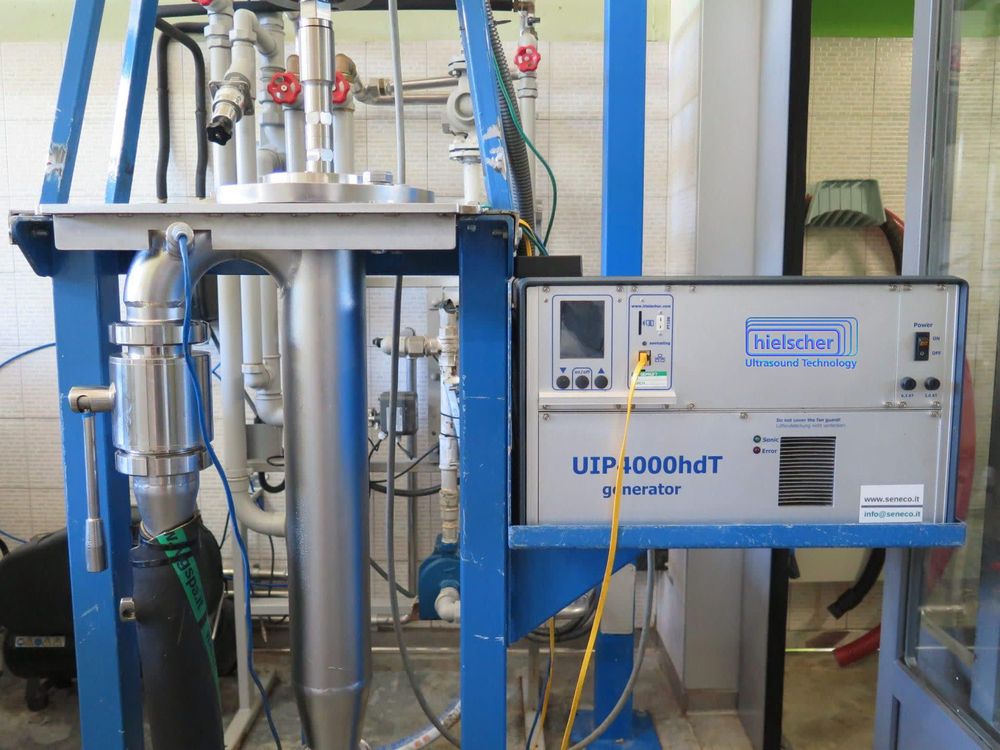
Ενσωματωμένος υπερηχητικός μετατροπέας UIP4000hdT για την βιομηχανική ανακύκλωση των χρησιμοποιημένων καταλυτών
Γιατί η υπερηχητική επεξεργασία είναι αποτελεσματική για την επαναδραστηριοποίηση των εξαντλημένων καταλυτών
Η επιστημονική σημασία της υπερηχητικής επεξεργασίας έγκειται στην ικανότητά της να εντείνει τις ετερογενείς διεργασίες στερεού-υγρού. Η αναγέννηση του καταλύτη περιορίζεται συχνά από την ανεπαρκή μεταφορά μάζας, τους φραγμένους πόρους, τις παθητικοποιημένες επιφάνειες και την αργή διάχυση των καθαριστικών ή εκχυλιστικών παραγόντων στη δομή του καταλύτη. Οι υπερήχοι αντιμετωπίζουν αυτούς τους περιορισμούς μέσω μηχανικών και φυσικοχημικών μηχανισμών.
Τα βασικά πλεονεκτήματα της υπερηχητικής επεξεργασίας περιλαμβάνουν:
Η σημασία των υπερήχων δεν περιορίζεται στον φυσικό καθαρισμό. Στη σονοχημεία, η σπηλαίωση μπορεί να δημιουργήσει ακραίες τοπικές συνθήκες και αντιδραστικά περιβάλλοντα, τα οποία μπορούν να διευκολύνουν τη διαδικασία οξείδωσης, την τροποποίηση επιφανειών ή τα στάδια χημικής εκχύλισης. Με αυτόν τον τρόπο, οι υπερήχοι μπορούν να αυξήσουν την ενεργή επιφάνεια των καταλυτών, να μειώσουν τη ρύπανση των στερεών διασκορπισμένων καταλυτών και να συμβάλουν στον καθαρισμό κατά τη διάρκεια των διαδικασιών ανακύκλωσης των καταλυτών.
Βιομηχανική σημασία: Από τον καθαρισμό του καταλύτη έως τη λειτουργική επαναενεργοποίηση
Η επαναδραστηριοποίηση του εξαντλημένου καταλύτη δεν είναι απλώς μια εργασία συντήρησης. Αποτελεί μια επιστημονικά σημαντική μέθοδο για τη βελτίωση της απόδοσης του καταλύτη καθ’ όλη τη διάρκεια του κύκλου ζωής του. Ένας αναγεννημένος καταλύτης δεν πρέπει απλώς να φαίνεται καθαρός· πρέπει να ανακτήσει ουσιαστική καταλυτική λειτουργία. Αυτό απαιτεί την αποκατάσταση των προσβάσιμων ενεργών θέσεων, της επιφανειακής οξύτητας ή βασικότητας, του πορώδους, της διασποράς και της αντιδραστικής απόδοσης.
Η θεραπεία με υπερήχους είναι σημαντική, καθώς δρα σε διάφορα κρίσιμα στάδια της αναγέννησης του καταλύτη:
Επιφάνεια: Απομακρύνει τα στρώματα παθητικοποίησης και αποκαλύπτει τις ενεργές θέσεις.
Πόροι: Βοηθά στην επαναλειτουργία των φραγμένων μεσοπόρων και μικροπόρων.
Σωματίδια: Διαλύει τα συσσωματώματα και βελτιώνει την ομοιογένεια του εναιωρήματος.
Διαδικασία: Ενισχύει την επαφή υγρού-στερεού και βελτιώνει την αποδοτικότητα των μέσων χημικής αναγέννησης.
Βιωσιμότητα: Υποστηρίζει την επαναχρησιμοποίηση, την ανάκτηση μετάλλων και την ελαχιστοποίηση των αποβλήτων.
 Μια πρόσφατη μελέτη σχετικά με την αναγέννηση καταλυτών που έχουν εξαντληθεί κατά τη διαδικασία της υγρής καταλυτικής πυρόλυσης (FCC) μέσω υπερήχων και οξείδωσης ανέφερε ότι οι προηγμένες διεργασίες οξείδωσης με τη βοήθεια υπερήχων αύξησαν την οξύτητα του καταλύτη και επέτρεψαν τη χρήση του αναγεννημένου καταλύτη στη σύνθεση μονοστεατικού γλυκερόλης. (βλ. Anggoro et al, 2026)
Μια άλλη μελέτη κατέδειξε ότι η εμβάπτιση σε αραιό θειικό οξύ και η επακόλουθη έκπλυση με τη βοήθεια υπερήχων σε μείγμα θειικού και οξαλικού οξέος βελτιώνει σημαντικά την απομάκρυνση επιβλαβών μετάλλων από τον εξαντλημένο καταλύτη FCC, χωρίς να καταστρέφεται ο πλέγματος του ζεόλιθου Y και η μικροδομή των σωματιδίων του εξαντλημένου καταλύτη. Σε σύγκριση με τη συμβατική έκπλυση, η έκπλυση με τη βοήθεια υπερήχων απαιτεί μόνο το 1/4 του χρόνου για να επιτύχει σχεδόν το ίδιο αποτέλεσμα απομάκρυνσης επιβλαβών μετάλλων και παρουσιάζει σημαντικά πλεονεκτήματα όσον αφορά τη διατήρηση της ακεραιότητας των σωματιδίων. (βλ. Wang et al, 2021).
Η χρήση υπερήχων στην ανακύκλωση καταλυτών και την ανάκτηση μετάλλων
Οι χρησιμοποιημένοι καταλύτες περιέχουν συχνά πολύτιμα μέταλλα, όπως νικέλιο, βανάδιο, μολυβδαίνιο, κοβάλτιο, μέταλλα της ομάδας της πλατίνας ή σπάνια μέταλλα, ανάλογα με τον τύπο του καταλύτη και τη βιομηχανική εφαρμογή. Η υπερηχητική επεξεργασία μπορεί να συμβάλει τόσο στην επαναενεργοποίηση του καταλύτη όσο και στην ανάκτηση πόρων. Στην έκπλυση με τη βοήθεια υπερήχων, η σπηλαίωση βελτιώνει τη διείσδυση του διαλύματος έκπλυσης, απομακρύνει τα οριακά στρώματα γύρω από τα σωματίδια και εκθέτει νέες επιφάνειες για την αντίδραση.
Αυτό καθιστά τον υπέρηχο ιδιαίτερα ενδιαφέρον για:
- Χρησιμοποιημένοι καταλύτες διυλιστηρίου
- Καταλύτες FCC
- Καταλύτες υδροεπεξεργασίας και υδροαποθείωσης
- Καταλύτες Fischer-Tropsch
- Καταλύτες σε μεταλλική βάση
- Περιβαλλοντικοί καταλύτες
- Ενεργός άνθρακας και συστήματα προσροφητικού-καταλύτη
- Ετερογενείς καταλύτες που έχουν μολυνθεί από μέταλλα ή έχουν υποστεί ρύπανση

Υπερήχων UP400St με ρύθμιση κυψέλης ροής
Τεχνικά πλεονεκτήματα των συσκευών υπερήχων Hielscher για την ανακύκλωση χρησιμοποιημένων καταλυτών
Τα υπερηχητικά συστήματα υψηλής ισχύος της Hielscher είναι ιδιαίτερα κατάλληλα για την ανακύκλωση και την επαναενεργοποίηση των εξαντλημένων καταλυτών, καθώς παρέχουν ελεγχόμενη, αναπαραγώγιμη και κλιμακώσιμη υπερηχητική ενέργεια σε εναιωρήματα υγρού-στερεού. Για την αναγέννηση των καταλυτών, η αξιοπιστία της διαδικασίας είναι ουσιαστικής σημασίας: το πλάτος, η ισχύς εισόδου, ο χρόνος παραμονής, ο ρυθμός ροής, η θερμοκρασία, η πίεση και η γεωμετρία του αντιδραστήρα πρέπει να είναι ρυθμιζόμενα και αναπαραγώγιμα, από τις εργαστηριακές δοκιμές έως τη βιομηχανική παραγωγή.
Η Hielscher προσφέρει συστήματα υπερήχων, από συμπαγείς εργαστηριακές συσκευές έως βιομηχανικές μονάδες, συμπεριλαμβανομένων των συσκευών υπερήχων τύπου αισθητήρα και των αντιδραστήρων υπερήχων συνεχούς ροής για συνεχή επεξεργασία. Οι συσκευές υπερήχων της Hielscher κυμαίνονται από μικρές εργαστηριακές μονάδες έως βιομηχανικούς επεξεργαστές, όπως συσκευές ισχύος 500 W, 1.000 W, 2.000 W, 4.000 W, 6.000 W και 16.000 W, επιτρέποντας την κλιμάκωση από τις δοκιμές σκοπιμότητας έως την επεξεργασία καταλυτών σε επίπεδο παραγωγής.
Όσον αφορά την ανακύκλωση των χρησιμοποιημένων καταλυτών, τα τεχνικά πλεονεκτήματα περιλαμβάνουν:
- Υπερήχοι υψηλής έντασης με ανιχνευτή για αποτελεσματική σπηλαίωση σε αιωρήματα καταλυτών με λειαντικές ιδιότητες
- Επιλογές αντιδραστήρων συνεχούς ροής για διαδικασίες συνεχούς αναγέννησης, έκπλυσης, πλύσης ή διασποράς
- Ακριβής έλεγχος του πλάτους για επαναλήψιμες συνθήκες επεξεργασίας
- Ευέλικτη αρχιτεκτονική εξοπλισμού, από τον εργαστηριακό έλεγχο έως την ανακύκλωση καταλυτών σε βιομηχανική κλίμακα
- Στιβαρό βιομηχανικό σχεδιασμό για απαιτητικά περιβάλλοντα χημικής επεξεργασίας
- Συμβατότητα με υπερηχοχημικές διεργασίες, όπως η έκπλυση με οξύ, ο οξειδωτικός καθαρισμός, η διασπορά και η ενεργοποίηση επιφανειών
Αυτά τα χαρακτηριστικά καθιστούν τους υπερηχητικούς μετατροπείς της Hielscher μια πρακτική τεχνολογική πλατφόρμα για εταιρείες και ερευνητικά ιδρύματα που αναπτύσσουν προηγμένα πρωτόκολλα αναγέννησης καταλυτών, είτε ο στόχος είναι η αποκατάσταση της καταλυτικής δραστηριότητας, η ανάκτηση πολύτιμων μετάλλων, η μείωση του όγκου των αποβλήτων είτε η βελτίωση της βιωσιμότητας της καταλυτικής παραγωγής.

Ομογενοποιητής υπερήχων UIP2000hdT για την αναγέννηση του καταλύτη σε μια διαδικασία συνεχούς ροής
Μια βιώσιμη τεχνολογία για την κυκλική οικονομία των καταλυτών
Καθώς οι βιομηχανίες στρέφονται προς την καθαρότερη παραγωγή και την αποδοτική χρήση των πόρων, η διαχείριση των χρησιμοποιημένων καταλυτών αποτελεί πλέον στρατηγική προτεραιότητα. Η υπερηχητική επεξεργασία υποστηρίζει αυτή τη μετάβαση, καθιστώντας την επανενεργοποίηση των καταλυτών ταχύτερη, αποδοτικότερη και πιο εύκολα ελεγχόμενη από τεχνική άποψη. Αντί να αντιμετωπίζονται οι χρησιμοποιημένοι καταλύτες ως απόβλητα, η υπερηχητική επεξεργασία συμβάλλει στη μετατροπή τους σε επαναχρησιμοποιήσιμα υλικά ή σε πολύτιμες πηγές δευτερογενών πρώτων υλών.
Η βιομηχανική σημασία της υπερήχησης έγκειται στην ικανότητά της να συνδυάζει τη μηχανική ενεργοποίηση, τον καθαρισμό επιφανειών, τη διασπορά και την ενίσχυση της μεταφοράς μάζας σε μία μόνο διαδικασία. Για τους βιομηχανικούς χρήστες, το πλεονέκτημα είναι εξίσου σαφές: βελτιωμένη επαναχρησιμοποίηση καταλυτών, μειωμένη κατανάλωση πρώτων υλών, μειωμένη παραγωγή αποβλήτων και, ενδεχομένως, χαμηλότερο λειτουργικό κόστος.
Επωφεληθείτε από την αναγέννηση καταλυτών με υπερήχους
 Η επαναενεργοποίηση των εξαντλημένων καταλυτών μέσω υπερήχων αποτελεί μια προηγμένη μέθοδο ανακύκλωσης καταλυτών με σημαντικές επιστημονικές και βιομηχανικές προοπτικές. Η ακουστική σπηλαίωση επιτρέπει την απομάκρυνση των αποθέσεων, το άνοιγμα των φραγμένων πόρων, τη βελτίωση της μεταφοράς μάζας και την εντατικοποίηση των σταδίων χημικής αναγέννησης. Όταν συνδυάζεται με κατάλληλες στρατηγικές έκπλυσης, οξείδωσης, πλύσης ή θερμικής επεξεργασίας, η υπερηχητική επεξεργασία μπορεί να συμβάλει στην αποκατάσταση της δραστικότητας του καταλύτη και στην ανάκτηση πολύτιμων μετάλλων.
Με υπερηχητικά συστήματα υψηλής ισχύος και βιομηχανικούς αντιδραστήρες ροής υπερήχων, η Hielscher παρέχει τα τεχνικά θεμέλια για την ανάπτυξη αξιόπιστων, αναπαραγώγιμων και αποδοτικών διαδικασιών αναγέννησης χρησιμοποιημένων καταλυτών. Καθώς η ανακύκλωση καταλυτών αποκτά ολοένα και μεγαλύτερη σημασία για τη βιώσιμη χημεία και την κυκλική βιομηχανική παραγωγή, η υπερηχητική επεξεργασία αναδεικνύεται ως ένα ισχυρό εργαλείο για την παράταση της διάρκειας ζωής των καταλυτών και τη βελτίωση της αποδοτικότητας των πόρων.
Ο παρακάτω πίνακας σας δίνει μια ένδειξη της κατά προσέγγιση ικανότητας επεξεργασίας των υπερήχων μας:
| Όγκος παρτίδας | Ροή | Προτεινόμενες συσκευές |
|---|---|---|
| 1 έως 500mL | 10 έως 200mL/min | UP100Η |
| 10 έως 2000mL | 20 έως 400mL / λεπτό | UP200Ht, UP400St |
| 0.1 έως 20L | 0.2 έως 4L/min | UIP2000hdT |
| 10 έως 100L | 2 έως 10L / λεπτό | UIP4000hdT |
| 15 έως 150L | 3 έως 15L / λεπτό | UIP6000hdT |
| μ.δ. | 10 έως 100L / λεπτό | UIP16000hdT |
| μ.δ. | μεγαλύτερου | σύμπλεγμα UIP16000hdT |
Σχεδιασμός, Κατασκευή και Συμβουλευτική – Ποιότητα Made in Germany
Hielscher υπερήχων είναι γνωστή για την υψηλότερη ποιότητα και τα πρότυπα σχεδιασμού τους. Η ευρωστία και η εύκολη λειτουργία επιτρέπουν την ομαλή ενσωμάτωση των υπερήχων μας σε βιομηχανικές εγκαταστάσεις. Οι σκληρές συνθήκες και τα απαιτητικά περιβάλλοντα αντιμετωπίζονται εύκολα από τους υπερήχους Hielscher.
Hielscher Υπέρηχοι είναι μια πιστοποιημένη εταιρεία ISO και δίνουν ιδιαίτερη έμφαση σε υψηλής απόδοσης υπερήχων που διαθέτουν state-of-the-art τεχνολογία και φιλικότητα προς το χρήστη. Φυσικά, Hielscher υπερήχων είναι CE συμβατό και πληρούν τις απαιτήσεις των UL, CSA και RoHs.

Hielscher Υπέρηχοι κατασκευάζει υψηλής απόδοσης υπερήχων ομογενοποιητές για την ανάμειξη εφαρμογών, διασπορά, γαλακτωματοποίηση και εκχύλιση σε εργαστήριο, πιλοτική και βιομηχανική κλίμακα.
Συχνές Ερωτήσεις
Τι είναι ο καταλύτης;
Ο καταλύτης είναι μια ουσία που αυξάνει τον ρυθμό μιας χημικής αντίδρασης μειώνοντας την ενέργεια ενεργοποίησης, χωρίς να καταναλώνεται στοιχειομετρικά κατά τη διάρκεια της αντίδρασης. Παρέχει μια εναλλακτική οδό αντίδρασης και συχνά μπορεί να επαναχρησιμοποιηθεί.
Τι είναι ο εξαντλημένος καταλύτης;
Ένας εξαντλημένος καταλύτης είναι ένας καταλύτης που έχει χάσει μέρος ή το σύνολο της καταλυτικής του δραστηριότητας, της επιλεκτικότητάς του ή της σταθερότητάς του μετά τη χρήση. Η απενεργοποίηση μπορεί να οφείλεται σε ρύπανση, εναπόθεση κοκ, δηλητηρίαση, πυροσυσσωμάτωση, έκπλυση ή δομική υποβάθμιση.
Τι είναι ένας εξαντλημένος καταλύτης FCC;
Ένας εξαντλημένος καταλύτης FCC είναι ένας απενεργοποιημένος καταλύτης που προέρχεται από τη διαδικασία της ρευστής καταλυτικής πυρόλυσης στη διύλιση πετρελαίου. Οι καταλύτες FCC είναι συνήθως υλικά με βάση τον ζεόλιθο που χρησιμοποιούνται για την πυρόλυση βαρέων υδρογονανθράκων σε ελαφρύτερα προϊόντα, όπως βενζίνη, ολεφίνες και υγραέριο. Καταλήγουν σε κατάσταση εξάντλησης λόγω του σχηματισμού οπτάνθρακα, της μόλυνσης από μέταλλα, της υδροθερμικής αποικοδόμησης και της απώλειας οξύτητας ή επιφάνειας.
Πώς καταναλώνονται οι καταλύτες;
Οι καταλύτες δεν καταναλώνονται με την ιδανική στοιχειομετρική έννοια, αλλά μπορεί να απενεργοποιηθούν ή να χαθούν φυσικά κατά τη διάρκεια της λειτουργίας. Στους συνήθεις μηχανισμούς περιλαμβάνονται:
- Δηλητηρίαση: μη αναστρέψιμη προσρόφηση προσμείξεων στα ενεργά σημεία.
- Επικάλυψη/κοκκοποίηση: Η εναπόθεση ανθρακούχου υλικού φράζει τους πόρους και τα ενεργά σημεία.
- Σύντηξη: Οι υψηλές θερμοκρασίες προκαλούν τη συσσωμάτωση των ενεργών σωματιδίων, μειώνοντας έτσι την επιφάνεια.
- Έκπλυση: τα δραστικά συστατικά διαλύονται στο αντιδραστικό μέσο.
- Φθορά: Η μηχανική τριβή διασπά τα σωματίδια του καταλύτη, ιδίως στις κλίνες ρευστοποίησης.
- Φάση μετασχηματισμού: η δομή του καταλύτη μετατρέπεται σε μια λιγότερο δραστική μορφή.
Ποιοι είναι οι τέσσερις τύποι καταλυτών;
Οι τέσσερις τύποι που διακρίνονται συνήθως είναι:
Βιβλιογραφία / Αναφορές
- Darbandi, M., Moghaddasfar, A., Eynollahi, M. et al. (2025): Sustainable approach with enhanced removal performance of organic pollutant for wastewater treatment by ultrasonically regenerated mesoporous nickel oxide nanoparticles. Int. J. Environ. Sci. Technol. 22, 3495–3504 (2025).
- Anggoro D.D., Buchori L., Rinaldi N., Silviana S., Le Monde B.U., Putra M.F., Zainol, M.M. (2026): Hybrid Ultrasound and Advanced Oxidation Process Regeneration of Spent FCC Catalysts: Optimization and Their Catalytic Performance. Journal of Engineering and Technological Sciences, 58(2), 227–242.
- Xin Pu, Jin-ning Luan, Li Shi (2012): Reuse of Spent FCC Catalyst for Removing Trace Olefins from Aromatics. Bulletin of Korean Chemical Society 2012, Vol. 33, No. 8.
- υψηλή απόδοση
- Τεχνολογία αιχμής
- αξιοπιστία & Ευρωστία
- Ρυθμιζόμενος, ακριβής έλεγχος της διαδικασίας
- δέσμη & Ενσωματωμένη
- για κάθε τόμο
- έξυπνο λογισμικό
- έξυπνα χαρακτηριστικά (π.χ. προγραμματιζόμενα, πρωτόκολλο δεδομένων, τηλεχειρισμός)
- εύκολο και ασφαλές στη λειτουργία
- χαμηλή συντήρηση
- CIP (επιτόπιος καθαρισμός)
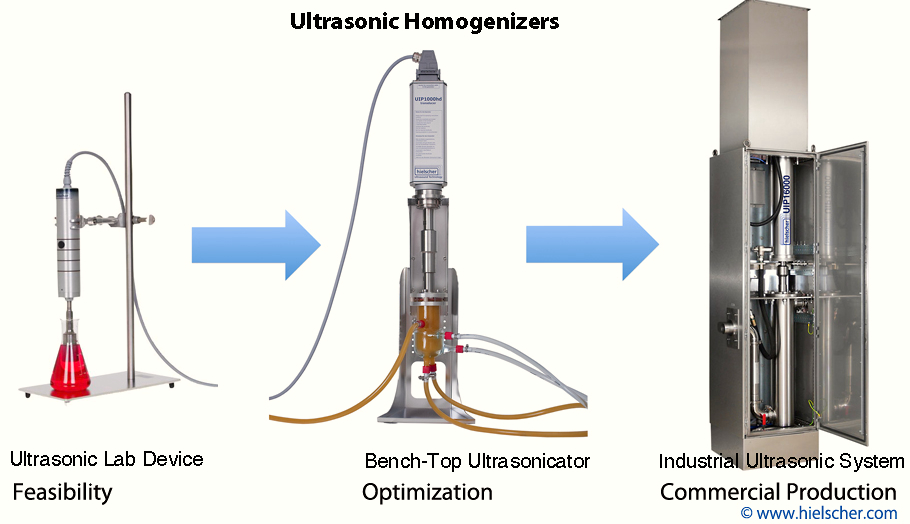
Hielscher Υπέρηχοι κατασκευάζει υψηλής απόδοσης υπερήχων ομογενοποιητές από εργαστήριο προς βιομηχανικό μέγεθος.