Ultrasonik İşlem Yoluyla Kullanılmış Katalizörün Yeniden Aktive Edilmesi
Kullanılmış katalizörlerin yeniden etkinleştirilmesi, sürdürülebilir kimyasal işleme, rafineri faaliyetleri, petrokimya, çevresel kataliz ve döngüsel ekonomi stratejileri alanlarında önemli bir konu haline gelmiştir. Katalizörler, verimli reaksiyonlar için vazgeçilmezdir; ancak endüstriyel kullanım sırasında kok birikimi, metal zehirlenmesi, kirlenme, gözenek tıkanması, sinterleşme, yüzey pasivasyonu veya reaksiyon yan ürünlerinin birikmesi nedeniyle kademeli olarak etkinliklerini yitirirler. Kullanılmış katalizörlerin değiştirilmesi maliyetli ve kaynak yoğun bir işlemdir; öte yandan, bertaraf edilmesi de çevreye yük oluşturabilir. Tükenmiş katalizörlerin ultrasonik rejenerasyonu, kullanım sırasında pasifleşmiş, zehirlenmiş veya kirlenmiş katalizörleri yeniden etkinleştirmek için basit ancak son derece verimli bir tekniktir.
Ultrasonik İşlem Yoluyla Kullanılmış Katalizörün Yeniden Aktive Edilmesi
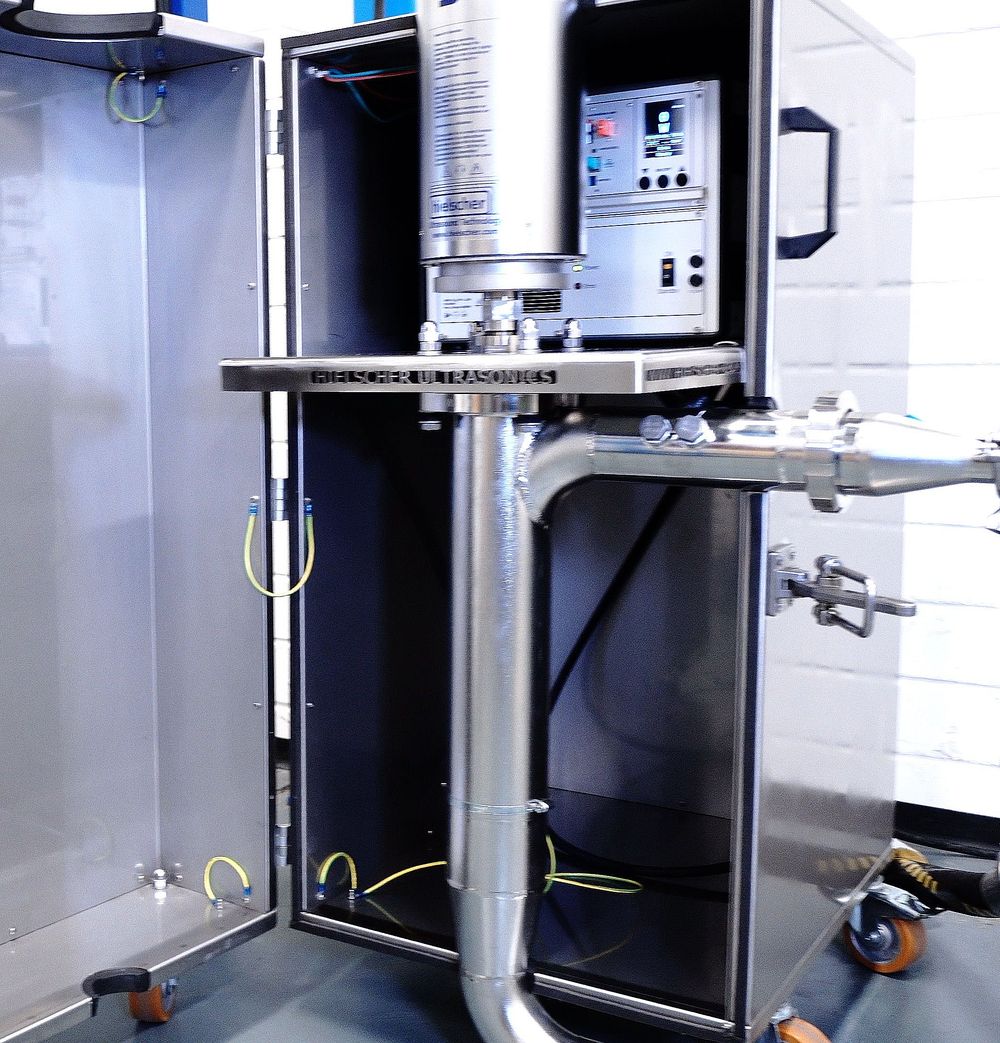 Ultrasonik işlem olarak da bilinen sonikasyon, kullanılmış katalizörlerin yenilenmesi ve yeniden etkinleştirilmesi için bilimsel açıdan geçerli ve teknik açıdan cazip bir yöntem sunmaktadır. Katalizör süspansiyonlarına yüksek güçlü ultrason uygulanmasıyla, sıvı ortamda yoğun akustik kavitasyon oluşur. Kavitasyon kabarcıklarının çökmesi, lokalize mikro püskürmeler, şok dalgaları, kesme kuvvetleri ve oldukça türbülanslı mikro karıştırma oluşturur. Bu etkiler, katalizör yüzeylerini temizleyebilir, birikintileri sökebilir, tıkanmış gözeneklere reaktif erişimini iyileştirebilir ve kimyasal süzme veya oksidatif rejenerasyon süreçlerini destekleyebilir.
Kullanılmış sıvı katalitik kırma katalizörleri üzerine yapılan son araştırmalar, ultrason destekli rejenerasyonun zeolit yapısını ve katalizör parçacıklarının mikro yapısını korumaya yardımcı olurken, zararlı metallerin uzaklaştırılmasını iyileştirebileceğini göstermiştir. Çalışmalar ayrıca, ultrasonik işlem sayesinde akustik kavitasyonun fiziksel ve kimyasal etkileri yoluyla ekstraksiyonun hızlandırılmasıyla, kullanılmış katalizörlerden nikel gibi metallerin geri kazanımının ultrason yardımıyla artırıldığını ortaya koymuştur.
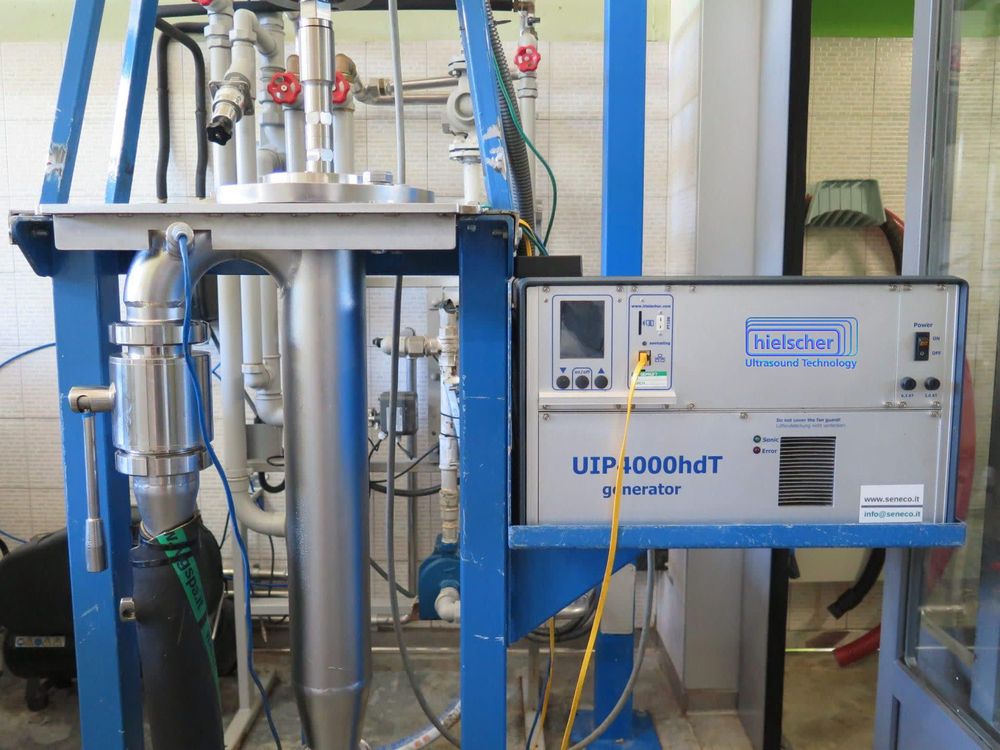
Sıralı ultrasonik cihaz UIP4000hdT kullanılmış katalizörlerin endüstriyel olarak geri kazanımı için
Sonikasyonun Kullanılmış Katalizörlerin Yeniden Aktive Edilmesinde Neden Etkili Olduğu
Ultrasoniklemenin bilimsel önemi, heterojen katı-sıvı süreçlerini yoğunlaştırma yeteneğinde yatmaktadır. Katalizör rejenerasyonu genellikle yetersiz kütle transferi, tıkanmış gözenekler, pasifleşmiş yüzeyler ve temizleme veya süzme maddelerinin katalizör yapısına yavaş difüzyonu nedeniyle sınırlanmaktadır. Ultrason, mekanik ve fizikokimyasal mekanizmalar yoluyla bu sınırlamaları ortadan kaldırmaktadır.
Sonikasyonun başlıca avantajları şunlardır:
Ultrasonun önemi sadece fiziksel temizlikle sınırlı değildir. Sono-kimyada, kavitasyon aşırı yerel koşullar ve reaktif ortamlar yaratabilir; bu da oksidasyon, yüzey modifikasyonu veya kimyasal ekstraksiyon aşamalarına yardımcı olabilir. Böylelikle ultrasonik teknolojisi, katalizörlerin aktif yüzeyini genişletebilir, katı dağılmış katalizörlerdeki kirlenmeyi azaltabilir ve katalizör geri dönüşüm süreçleri sırasında temizliğe katkıda bulunabilir.
Endüstriyel Önemi: Katalizör Temizliğinden İşlevsel Yeniden Etkinleştirmeye
Kullanılmış katalizörün yeniden etkinleştirilmesi, bir bakım işleminden daha fazlasıdır. Bu, katalizörün kullanım ömrü boyunca performansını iyileştirmeye yönelik bilimsel açıdan önemli bir yöntemdir. Yeniden etkinleştirilmiş bir katalizör sadece temiz görünmekle kalmamalı; aynı zamanda anlamlı bir katalitik işlevini de geri kazanmalıdır. Bunun için erişilebilir aktif bölgelerin, yüzey asitliği veya bazlığının, gözenekliliğin, dağılımın ve reaksiyon performansının yeniden sağlanması gerekir.
Ultrasonik işlem, katalizör rejenerasyonunun çeşitli kritik aşamalarında etki gösterdiği için önemlidir:
Yüzey: Pasivasyon katmanlarını ortadan kaldırır ve aktif bölgeleri ortaya çıkarır.
Gözenekler: Tıkanmış mezoporların ve mikroporların yeniden açılmasını destekler.
Parçacıklar: Topakları dağıtır ve süspansiyonun homojenliğini artırır.
Süreç: Sıvı-katı temasını yoğunlaştırır ve kimyasal rejenerasyon ortamlarının verimliliğini artırır.
Sürdürülebilirlik: Yeniden kullanımı, metal geri kazanımını ve atıkların en aza indirilmesini destekler.
 Kullanılmış Akışkan Katalitik Kırma (FCC) katalizörlerinin ultrasonik ve oksidasyon yoluyla rejenerasyonuna ilişkin yakın zamanda yapılan bir çalışmada, ultrason destekli gelişmiş oksidasyon süreçlerinin katalizörün asitliğini artırdığı ve rejenerasyona tabi tutulmuş katalizörün gliserol monostearat sentezinde kullanılmasını sağladığı bildirilmiştir. (bkz. Anggoro ve ark., 2026)
Başka bir çalışmada, seyreltik sülfürik asit içine daldırma ve ardından sülfürik asit ile oksalik asit karışımında ultrason destekli liç işleminin, zeolit Y iskeletini ve kullanılmış katalizör partikülünün mikroyapısını bozmadan, kullanılmış FCC katalizöründeki zararlı metallerin uzaklaştırılmasını önemli ölçüde iyileştirdiği gösterilmiştir. Geleneksel liçleme yöntemiyle karşılaştırıldığında, ultrasonik destekli liçleme, hemen hemen aynı zararlı metal giderim etkisini elde etmek için sadece 1/4 kadar süre gerektirir ve parçacıkların bütünlüğünü korumada üstün avantajlara sahiptir. (bkz. Wang ve ark., 2021).
Katalizör Geri Dönüşümü ve Metal Geri Kazanımında Sonikasyon
Kullanılmış katalizörler, katalizör türüne ve endüstriyel uygulamaya bağlı olarak genellikle nikel, vanadyum, molibden, kobalt, platin grubu metaller veya nadir metaller gibi değerli metaller içerir. Ultrasonik işlem, hem katalizörün yeniden etkinleştirilmesini hem de kaynak geri kazanımını destekleyebilir. Ultrason destekli liç işleminde, kavitasyon liç çözeltisinin nüfuzunu artırır, parçacıkların etrafındaki sınır tabakalarını ortadan kaldırır ve reaksiyon için yeni yüzeyler ortaya çıkarır.
Bu durum, ultrasonu özellikle şu alanlar için ilgi çekici kılmaktadır:
- Rafineri atık katalizörleri
- FCC katalizörleri
- Hidroişlem ve hidrodesülfürizasyon katalizörleri
- Fischer-Tropsch katalizörleri
- Destekli metal katalizörler
- Çevresel katalizörler
- Aktif karbon ve adsorban-katalizör sistemleri
- Metal ile kirlenmiş veya birikintiye maruz kalmış heterojen katalizörler

Sonikatör UP400ST akış hücresi kurulumu ile
Kullanılmış Katalizör Geri Dönüşümünde Hielscher Sonikatörlerinin Teknik Avantajları
Hielscher yüksek güçlü sonikatörleri, sıvı-katı süspansiyonlara kontrollü, tekrarlanabilir ve ölçeklenebilir ultrasonik enerji sağladıkları için, kullanılmış katalizörlerin geri dönüşümü ve yeniden etkinleştirilmesi için son derece uygundur. Katalizör rejenerasyonu için proses güvenilirliği hayati önem taşır: genlik, güç girişi, kalma süresi, akış hızı, sıcaklık, basınç ve reaktör geometrisi, laboratuvar denemelerinden endüstriyel üretim kapasitesine kadar ayarlanabilir ve tekrarlanabilir olmalıdır.
Hielscher, kompakt laboratuvar cihazlarından endüstriyel ünitelere kadar uzanan ultrasonik sistemler sunmaktadır; bu sistemler arasında prob tipi sonikatörler ve sürekli işleme için akış tipi ultrasonik reaktörler de yer almaktadır. Hielscher sonikatörleri, küçük laboratuvar ünitelerinden 500 W, 1.000 W, 2.000 W, 4.000 W, 6.000 W ve 16.000 W'lık cihazlar gibi endüstriyel işleyicilere kadar uzanır ve fizibilite testlerinden üretim seviyesindeki katalizör işlemine kadar ölçek büyütmeye olanak tanır.
Kullanılmış katalizörlerin geri dönüşümü konusunda teknik avantajlar şunlardır:
- Aşındırıcı katalizör bulamaklarında etkili kavitasyon için yüksek yoğunluklu prob sonikasyonu
- Sürekli rejenerasyon, liç, yıkama veya dispersiyon işlemleri için akışlı reaktör seçenekleri
- Tekrarlanabilir proses koşulları için hassas genlik kontrolü
- Laboratuvar taramasından endüstriyel katalizör geri dönüşümüne kadar ölçeklenebilir ekipman mimarisi
- Zorlu kimyasal işleme ortamları için sağlam endüstriyel tasarım
- Asit liçleme, oksidatif temizleme, dispersiyon ve yüzey aktivasyonu gibi sonokimyasal işlemlerle uyumluluk
Bu özellikler, Hielscher sonikatörlerini, ister katalitik aktiviteyi geri kazanmak, ister değerli metalleri geri kazanmak, ister atık hacmini azaltmak, ister katalitik üretimin sürdürülebilirliğini artırmak olsun, gelişmiş katalizör rejenerasyon protokolleri geliştiren şirketler ve araştırma kurumları için pratik bir teknoloji platformu haline getirmektedir.

Ultrasonik homojenizatör UIP2000hdT akışlı bir işlemde katalizör rejenerasyonu için
Döngüsel Katalizör Ekonomisi için Sürdürülebilir Bir Teknoloji
Endüstriler daha temiz üretime ve kaynak verimliliğine doğru ilerledikçe, kullanılmış katalizör yönetimi stratejik bir öncelik haline gelmektedir. Ultrasonik işlem, katalizörün yeniden etkinleştirilmesini daha hızlı, daha verimli ve teknik açıdan daha kontrol edilebilir hale getirerek bu geçişi desteklemektedir. Kullanılmış katalizörleri atık olarak değerlendirmek yerine, ultrasonik işlem bunların yeniden kullanılabilir malzemelere veya değerli ikincil hammadde kaynaklarına dönüştürülmesine yardımcı olmaktadır.
Sonikasyonun endüstriyel önemi, mekanik aktivasyon, yüzey temizliği, dispersiyon ve kütle transferinin yoğunlaştırılmasını tek bir işlemde bir araya getirme yeteneğinde yatmaktadır. Endüstriyel kullanıcılar için de avantajlar aynı derecede açıktır: katalizörün daha verimli yeniden kullanımı, hammadde tüketiminin azalması, daha az atık üretimi ve potansiyel olarak daha düşük işletme maliyetleri.
Ultrasonik Katalizör Rejenerasyonunun Avantajlarından Yararlanın
 Ultrasonik işlem yoluyla kullanılmış katalizörlerin yeniden etkinleştirilmesi, katalizör geri dönüşümü için güçlü bilimsel ve endüstriyel potansiyele sahip gelişmiş bir yaklaşımdır. Akustik kavitasyon, birikintilerin giderilmesini, tıkanmış gözeneklerin yeniden açılmasını, kütle transferinin iyileştirilmesini ve kimyasal rejenerasyon aşamalarının yoğunlaştırılmasını sağlar. Uygun liç, oksidasyon, yıkama veya termal stratejilerle birleştirildiğinde, ultrasonik işlem katalizör aktivitesinin geri kazanılmasına ve değerli metallerin geri kazanılmasına katkıda bulunabilir.
Hielscher, ölçeklenebilir yüksek güçlü sonikasyon cihazları ve endüstriyel ultrasonik akış reaktörleri ile güvenilir, tekrarlanabilir ve verimli kullanılmış katalizör rejenerasyon süreçlerinin geliştirilmesi için teknik altyapıyı sağlamaktadır. Katalizör geri dönüşümü, sürdürülebilir kimya ve döngüsel endüstriyel üretim açısından giderek daha fazla önem kazanırken, sonikasyon, katalizör ömrünü uzatmak ve kaynak verimliliğini artırmak için güçlü bir araç olarak öne çıkmaktadır.
Aşağıdaki tablo size ultrasonicators'ımızın yaklaşık işleme kapasitesinin bir göstergesini verir:
| Numune Hacmi | Akış Oranı | Önerilen Cihaz |
|---|---|---|
| 1 - 500mL | 10 - 200mL/min | UP100H |
| 10 - 2000mL | 20 - 400mL/min | UP200Ht, UP400St |
| 0,1 - 20L | 0,2 - 4L/min | UIP2000hdT |
| 10 - 100L | 2 - 10L/min | UIP4000hdT |
| 15 ila 150L | 3 ila 15L/dk | UIP6000hdT |
| n.a. | 10 - 100L/min | UIP16000hdT |
| n.a. | daha büyük | grubu UIP16000hdT |
Tasarım, İmalat ve Danışmanlık – Almanya'da Üretilen Kalite
Hielscher ultrasonicators en yüksek kalite ve tasarım standartları için iyi bilinir. Sağlamlık ve kolay kullanım, ultrasonicators'ımızın endüstriyel tesislere sorunsuz bir şekilde entegre edilmesini sağlar. Zorlu koşullar ve zorlu ortamlar Hielscher ultrasonicators tarafından kolayca ele alınır.
Hielscher Ultrasonics, ISO sertifikalı bir şirkettir ve en son teknoloji ve kullanıcı dostu özelliklere sahip yüksek performanslı ultrasonicators'a özel önem vermektedir. Tabii ki, Hielscher ultrasonicators CE uyumludur ve UL, CSA ve RoHs gereksinimlerini karşılar.

Hielscher Ultrasonics, laboratuvar, pilot ve endüstriyel ölçekte karıştırma uygulamaları, dispersiyon, emülsifikasyon ve ekstraksiyon için yüksek performanslı ultrasonik homojenizatörler üretmektedir.
Sıkça Sorulan Sorular
Katalizör nedir?
Katalizör, aktivasyon enerjisini düşürerek kimyasal reaksiyonun hızını artıran, ancak reaksiyonda stokiyometrik olarak tüketilmeyen bir maddedir. Alternatif bir reaksiyon yolu sağlar ve genellikle yeniden kullanılabilir.
Kullanılmış katalizör nedir?
Kullanılmış katalizör, kullanım sonrasında katalitik aktivitesinin, seçiciliğinin veya kararlılığının bir kısmını ya da tamamını yitirmiş olan katalizördür. Deaktivasyon, kirlenme, kok birikimi, zehirlenme, sinterleşme, sızıntı veya yapısal bozulma nedeniyle meydana gelebilir.
Kullanılmış FCC katalizörü nedir?
Kullanılmış FCC katalizörü, petrol arıtımındaki akışkan katalitik kırma işleminden elde edilen, işlevini yitirmiş bir katalizördür. FCC katalizörleri, genellikle ağır hidrokarbonları benzin, olefinler ve LPG gibi daha hafif ürünlere kırmak için kullanılan zeolit bazlı malzemelerdir. Bu katalizörler, kok oluşumu, metal kirliliği, hidrotermal bozulma ve asitlik veya yüzey alanının kaybı nedeniyle kullanılmış hale gelir.
Katalizörler nasıl tüketilir?
Katalizörler ideal stokiyometrik anlamda tüketilmezler, ancak çalışma sırasında etkisiz hale gelebilir veya fiziksel olarak kaybolabilirler. Yaygın mekanizmalar şunlardır:
- Zehirlenme: Aktif bölgelerde safsızlıkların geri dönüşümsüz bir şekilde adsorbe edilmesi.
- Kirlenme/koklaşma: Karbonlu maddenin birikmesi, gözenekleri ve aktif bölgeleri tıkar.
- Sinterleme: Yüksek sıcaklıklar, aktif parçacıkların topaklanmasına neden olarak yüzey alanını azaltır.
- Çözünme: aktif bileşenler reaksiyon ortamında çözünür.
- Doğal azalma: Mekanik aşınma, özellikle akışkan yataklarda katalizör parçacıklarını parçalar.
- Dönüşüm aşaması: katalizör yapısı daha az aktif bir forma dönüşür.
Katalizörlerin dört türü nelerdir?
Genel olarak ayırt edilen dört tür şunlardır:
Literatür / Referanslar
- Darbandi, M., Moghaddasfar, A., Eynollahi, M. et al. (2025): Sustainable approach with enhanced removal performance of organic pollutant for wastewater treatment by ultrasonically regenerated mesoporous nickel oxide nanoparticles. Int. J. Environ. Sci. Technol. 22, 3495–3504 (2025).
- Anggoro D.D., Buchori L., Rinaldi N., Silviana S., Le Monde B.U., Putra M.F., Zainol, M.M. (2026): Hybrid Ultrasound and Advanced Oxidation Process Regeneration of Spent FCC Catalysts: Optimization and Their Catalytic Performance. Journal of Engineering and Technological Sciences, 58(2), 227–242.
- Xin Pu, Jin-ning Luan, Li Shi (2012): Reuse of Spent FCC Catalyst for Removing Trace Olefins from Aromatics. Bulletin of Korean Chemical Society 2012, Vol. 33, No. 8.
- yüksek verim
- En son teknoloji
- güvenilirlik & sağlamlık
- Ayarlanabilir, hassas proses kontrolü
- toplu iş & Satır içi
- herhangi bir hacim için
- Akıllı Yazılım
- akıllı özellikler (örn. programlanabilir, veri protokolü, uzaktan kumanda)
- Kullanımı kolay ve güvenli
- Az bakım gerektirir
- CIP (yerinde temizlik)
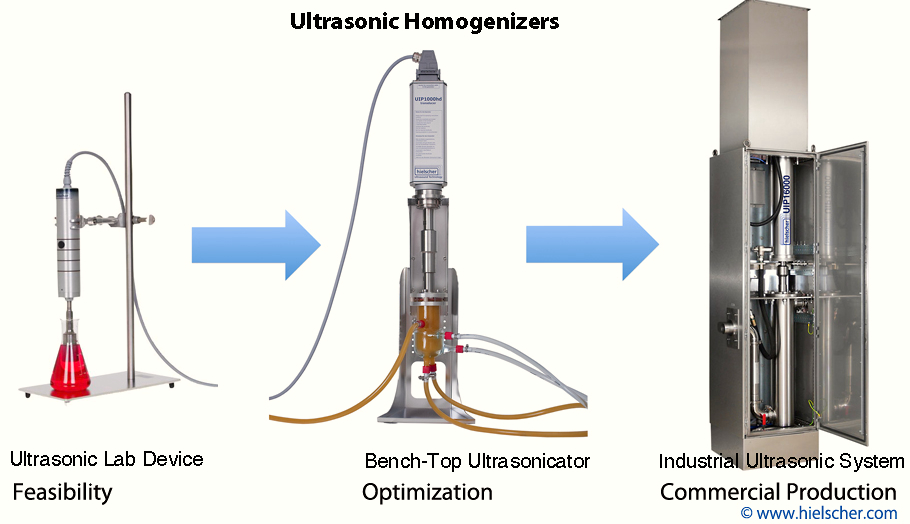
Hielscher Ultrasonics, yüksek performanslı ultrasonik homojenizatörler üretmektedir. laboratuvar Hedef endüstriyel boyut.