การกระตุ้นตัวเร่งปฏิกิริยาที่ใช้แล้วให้กลับมาใช้ใหม่โดยใช้การสั่นสะเทือน
การฟื้นฟูตัวเร่งปฏิกิริยาที่ใช้แล้วกลายเป็นหัวข้อสำคัญในกระบวนการเคมีที่ยั่งยืน การดำเนินงานโรงกลั่นปิโตรเลียม ปิโตรเคมี การเร่งปฏิกิริยาทางสิ่งแวดล้อม และกลยุทธ์เศรษฐกิจหมุนเวียน ตัวเร่งปฏิกิริยาเป็นสิ่งจำเป็นสำหรับปฏิกิริยาที่มีประสิทธิภาพ แต่ในระหว่างการใช้งานในอุตสาหกรรม ตัวเร่งปฏิกิริยาจะสูญเสียความสามารถในการทำงานอย่างค่อยเป็นค่อยไป เนื่องจากคราบตะกอนของคอก, การเป็นพิษของโลหะ, การอุดตัน, การเกาะตัวของรูพรุน, การเชื่อมติด, การเกิดชั้นผิวที่ไม่สามารถผ่านได้, หรือการสะสมของผลพลอยได้จากการปฏิกิริยา การเปลี่ยนตัวเร่งปฏิกิริยาที่ใช้แล้วหมดสภาพมีค่าใช้จ่ายสูงและใช้ทรัพยากรมาก ในขณะที่การกำจัดอาจก่อให้เกิดภาระต่อสิ่งแวดล้อม การฟื้นฟูตัวเร่งปฏิกิริยาที่ใช้แล้วด้วยคลื่นเสียงความถี่สูงเป็นเทคนิคที่เรียบง่ายแต่มีประสิทธิภาพสูงในการทำให้ตัวเร่งปฏิกิริยาที่เกิดการเฉื่อย การเป็นพิษ หรือการอุดตันระหว่างการใช้งานกลับมาใช้งานได้อีกครั้ง
การกระตุ้นตัวเร่งปฏิกิริยาที่ใช้แล้วให้กลับมาใช้ใหม่โดยใช้การสั่นสะเทือน
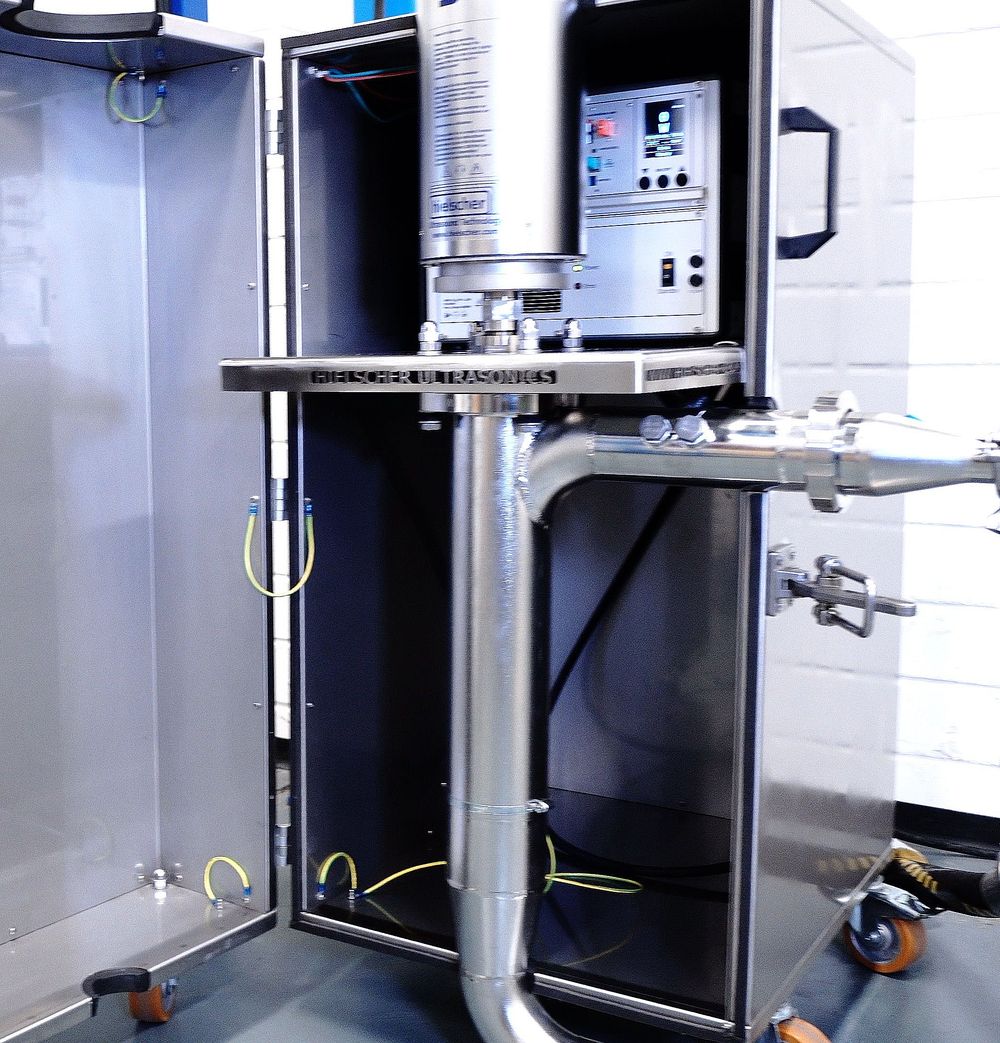 โซนิเคชัน หรือที่รู้จักกันในชื่อการรักษาด้วยคลื่นเสียงความถี่สูง เป็นวิธีการที่มีความเกี่ยวข้องทางวิทยาศาสตร์และน่าสนใจทางเทคนิคสำหรับการฟื้นฟูและกระตุ้นการทำงานของตัวเร่งปฏิกิริยาที่ใช้แล้ว โดยการใช้อัลตราซาวด์กำลังสูงกับสารแขวนลอยของตัวเร่งปฏิกิริยา จะเกิดการเกิดโพรงเสียงที่มีความเข้มข้นสูงในตัวกลางของเหลว การยุบตัวของฟองอากาศจากการเกิดคาวิเทชันก่อให้เกิดไมโครเจ็ตเฉพาะจุด คลื่นกระแทก แรงเฉือน และการผสมในระดับจุลภาคที่มีความปั่นป่วนสูง ผลกระทบเหล่านี้สามารถทำความสะอาดผิวหน้าของตัวเร่งปฏิกิริยา ขจัดคราบสะสม ปรับปรุงการเข้าถึงของสารตั้งต้นไปยังรูพรุนที่อุดตัน และสนับสนุนกระบวนการชะล้างทางเคมีหรือการฟื้นฟูด้วยออกซิเดชัน
งานวิจัยล่าสุดเกี่ยวกับตัวเร่งปฏิกิริยาการแตกตัวของน้ำมันดิบที่ใช้แล้วแสดงให้เห็นว่าการฟื้นฟูด้วยคลื่นเสียงความถี่สูงสามารถปรับปรุงการกำจัดโลหะที่เป็นอันตรายในขณะที่ช่วยรักษาโครงสร้างกรอบซีโอไลต์และจุลโครงสร้างของอนุภาคตัวเร่งปฏิกิริยา การศึกษาได้รายงานการฟื้นฟูโลหะเช่นนิกเกิลจากตัวเร่งปฏิกิริยาที่ใช้แล้วโดยใช้การเพิ่มความเข้มของคลื่นเสียงอัลตราซาวด์ ซึ่งการสั่นสะเทือนช่วยเร่งการสกัดผ่านผลกระทบทางกายภาพและเคมีของฟองอากาศที่เกิดจากการสั่นสะเทือน
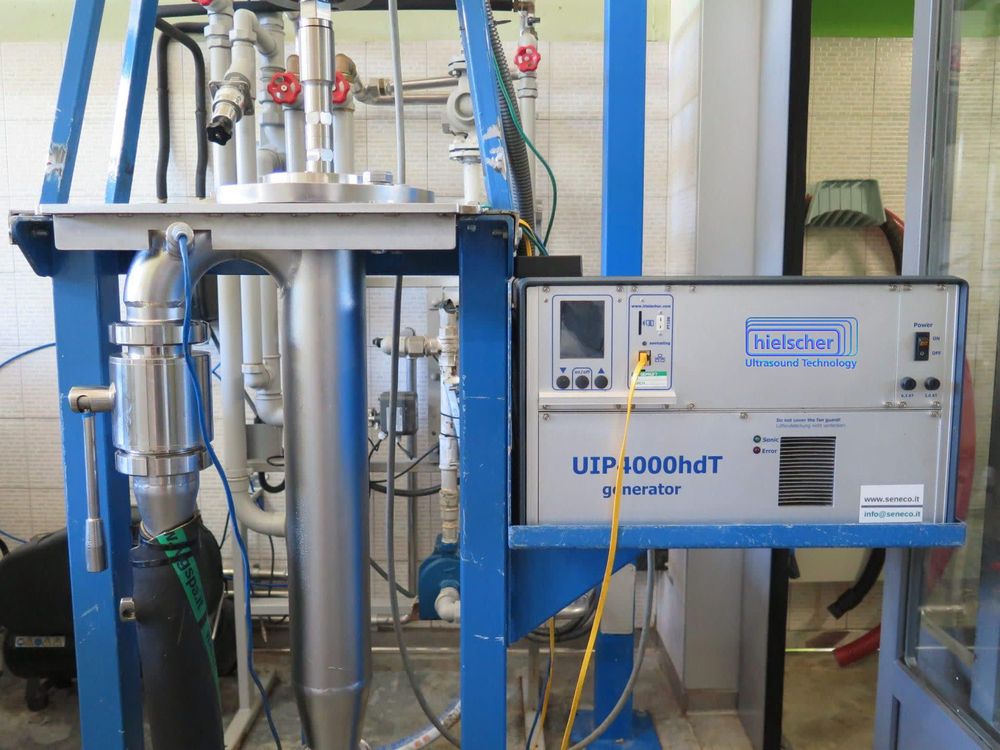
เครื่องโซนิเคเตอร์แบบอินไลน์ UIP4000hdT สำหรับการฟื้นฟูทางอุตสาหกรรมของตัวเร่งปฏิกิริยาที่ใช้แล้ว
ทำไมการสั่นสะเทือนด้วยคลื่นเสียงจึงมีประสิทธิภาพในการฟื้นฟูตัวเร่งปฏิกิริยาที่ใช้แล้ว
ความสำคัญทางวิทยาศาสตร์ของการใช้คลื่นเสียงความถี่สูง (sonication) อยู่ที่ความสามารถในการเพิ่มความเข้มข้นของกระบวนการระหว่างของแข็งและของเหลวที่มีความไม่สม่ำเสมอ การฟื้นฟูตัวเร่งปฏิกิริยามักถูกจำกัดโดยการถ่ายเทมวลที่ไม่ดี รูพรุนที่อุดตัน พื้นผิวที่ถูกทำให้เป็นกลาง และการแพร่กระจายของสารทำความสะอาดหรือสารชะล้างเข้าสู่โครงสร้างของตัวเร่งปฏิกิริยาที่ช้า คลื่นเสียงความถี่สูงสามารถแก้ไขข้อจำกัดเหล่านี้ผ่านกลไกทางกลและทางเคมีฟิสิกส์
ข้อได้เปรียบหลักของการใช้คลื่นเสียง ได้แก่:
ความเกี่ยวข้องของอัลตราซาวด์ไม่ได้จำกัดอยู่แค่การทำความสะอาดทางกายภาพเท่านั้น ในด้านโซโนเคมี การเกิดคาวิเทชันสามารถสร้างสภาวะท้องถิ่นที่รุนแรงและสภาพแวดล้อมที่มีปฏิกิริยา ซึ่งสามารถช่วยในกระบวนการออกซิเดชัน การปรับเปลี่ยนพื้นผิว หรือขั้นตอนการสกัดทางเคมี ดังนั้น อัลตราโซนิกส์สามารถเพิ่มพื้นที่ผิวที่ใช้งานได้ของตัวเร่งปฏิกิริยา ลดการอุดตันของตัวเร่งปฏิกิริยาที่กระจายตัวเป็นของแข็ง และมีส่วนช่วยในการทำความสะอาดระหว่างกระบวนการรีไซเคิลตัวเร่งปฏิกิริยา
ความเกี่ยวข้องทางอุตสาหกรรม: จากการทำความสะอาดตัวเร่งปฏิกิริยาถึงการฟื้นฟูการทำงาน
การฟื้นฟูตัวเร่งปฏิกิริยาที่ใช้แล้วไม่ใช่เพียงแค่การบำรุงรักษาเท่านั้น แต่ยังเป็นเส้นทางที่มีความสำคัญทางวิทยาศาสตร์ในการปรับปรุงประสิทธิภาพตลอดอายุการใช้งานของตัวเร่งปฏิกิริยาอีกด้วย ตัวเร่งปฏิกิริยาที่ฟื้นฟูแล้วไม่เพียงแต่ต้องดูสะอาดเท่านั้น แต่ยังต้องฟื้นฟูหน้าที่การเร่งปฏิกิริยาที่มีความหมายอีกด้วย ซึ่งต้องอาศัยการฟื้นฟูตำแหน่งที่ใช้งานได้ ความเป็นกรดหรือด่างของพื้นผิว ความพรุน การกระจายตัว และประสิทธิภาพในการทำปฏิกิริยา
การรักษาด้วยคลื่นเสียงความถี่สูงมีความเกี่ยวข้องเนื่องจากมันทำงานในระดับสำคัญหลายระดับของการฟื้นฟูตัวเร่งปฏิกิริยา:
พื้นผิว: มันกำจัดชั้นที่ป้องกันและเปิดเผยตำแหน่งที่ใช้งานได้
รูขุมขน: มันช่วยสนับสนุนการเปิดใหม่ของเมโซพอร์และไมโครพอร์ที่ถูกปิดกั้น
อนุภาค: มันกระจายตัวรวมกันและปรับปรุงความสม่ำเสมอของการแขวนลอย
กระบวนการ: มันเพิ่มความเข้มข้นของการสัมผัสระหว่างของเหลวกับของแข็ง และปรับปรุงประสิทธิภาพของสื่อการฟื้นฟูทางเคมี
ความยั่งยืน: มันสนับสนุนการนำกลับมาใช้ใหม่ การนำโลหะกลับมาใช้ และการลดของเสีย
 การศึกษาล่าสุดเกี่ยวกับการฟื้นฟูตัวเร่งปฏิกิริยาที่ใช้แล้วจากการแตกตัวของน้ำมันดิบด้วยของเหลว (FCC) โดยใช้คลื่นเสียงความถี่สูงและการออกซิเดชัน รายงานว่ากระบวนการออกซิเดชันขั้นสูงที่ช่วยด้วยคลื่นเสียงความถี่สูงช่วยเพิ่มความเป็นกรดของตัวเร่งปฏิกิริยาและทำให้ตัวเร่งปฏิกิริยาที่ฟื้นฟูแล้วสามารถนำไปใช้ในการสังเคราะห์กลีเซอรีนโมโนสเตียเรตได้ (ดู Anggoro et al, 2026)
การศึกษาอีกชิ้นหนึ่งแสดงให้เห็นว่าการแช่ในกรดซัลฟิวริกเจือจางและการชะล้างด้วยคลื่นเสียงความถี่สูงในสารละลายกรดซัลฟิวริกและกรดออกซาลิกช่วยปรับปรุงการกำจัดโลหะที่เป็นอันตรายในตัวเร่งปฏิกิริยา FCC ที่ใช้แล้วได้อย่างมีนัยสำคัญโดยไม่ทำลายโครงสร้างซีโอไลต์ Y และจุลโครงสร้างของอนุภาคตัวเร่งปฏิกิริยาที่ใช้แล้ว เมื่อเปรียบเทียบกับการชะล้างแบบดั้งเดิม การชะล้างด้วยคลื่นเสียงความถี่สูงช่วยประหยัดเวลาได้ถึง 1/4 ของเวลาที่ใช้เพื่อให้ได้ผลลัพธ์การกำจัดโลหะที่เป็นอันตรายในระดับเดียวกัน และมีข้อได้เปรียบที่เหนือกว่าในการรักษาความสมบูรณ์ของอนุภาค (อ้างอิง: Wang et al, 2021)
การโซนิเคชันในการรีไซเคิลตัวเร่งปฏิกิริยาและการกู้คืนโลหะ
ตัวเร่งปฏิกิริยาที่ใช้แล้วมักมีโลหะมีค่า เช่น นิกเกิล แวนadium โมลิบดีนัม โคบอลต์ โลหะกลุ่มแพลทินัม หรือโลหะหายาก ขึ้นอยู่กับชนิดของตัวเร่งปฏิกิริยาและการนำไปใช้ในอุตสาหกรรม การสั่นสะเทือนด้วยคลื่นเสียงสามารถช่วยได้ทั้งการฟื้นฟูตัวเร่งปฏิกิริยาและการนำกลับมาใช้ใหม่ของทรัพยากร ในการชะล้างด้วยคลื่นเสียงความถี่สูง การเกิดโพรงอากาศช่วยเพิ่มการแทรกซึมของสารละลายชะล้าง ขจัดชั้นขอบเขตที่อยู่รอบอนุภาค และเปิดเผยพื้นผิวใหม่สำหรับการเกิดปฏิกิริยา
สิ่งนี้ทำให้อัลตราซาวด์น่าสนใจเป็นพิเศษสำหรับ:
- ตัวเร่งปฏิกิริยาที่ใช้แล้วจากโรงกลั่น
- ตัวเร่งปฏิกิริยาของ FCC
- ตัวเร่งปฏิกิริยาไฮโดรทรีตติ้งและไฮโดรเดซัลฟูไรเซชัน
- ตัวเร่งปฏิกิริยา Fischer-Tropsch
- ตัวเร่งปฏิกิริยาโลหะแบบรองรับ
- ตัวเร่งปฏิกิริยาทางสิ่งแวดล้อม
- ระบบคาร์บอนกัมมันต์และตัวเร่งปฏิกิริยาดูดซับ
- ตัวเร่งปฏิกิริยาแบบไม่สม่ำเสมอที่ปนเปื้อนหรือถูกทำให้เสื่อมสภาพด้วยโลหะ

โซนิค ator UP400ST พร้อมการตั้งค่าเซลล์ไหล
ข้อได้เปรียบทางเทคนิคของเครื่องโซนิเคเตอร์ Hielscher สำหรับการรีไซเคิลตัวเร่งปฏิกิริยาที่ใช้แล้ว
เครื่องโซนิเคเตอร์กำลังสูงของ Hielscher เหมาะอย่างยิ่งสำหรับการรีไซเคิลและฟื้นฟูประสิทธิภาพของตัวเร่งปฏิกิริยาที่ใช้แล้ว เนื่องจากสามารถส่งพลังงานอัลตราโซนิกที่ควบคุมได้ ทำซ้ำได้ และสามารถปรับขนาดได้เข้าสู่สารแขวนลอยของของแข็งในของเหลว สำหรับการฟื้นฟูตัวเร่งปฏิกิริยา ความน่าเชื่อถือของกระบวนการเป็นสิ่งสำคัญ: ความกว้างของคลื่น, กำลังไฟฟ้าที่ป้อนเข้า, ระยะเวลาการพัก, อัตราการไหล, อุณหภูมิ, ความดัน, และรูปทรงของเครื่องปฏิกรณ์ต้องสามารถปรับได้และทำซ้ำได้จากการทดลองในห้องปฏิบัติการไปจนถึงการผลิตในเชิงอุตสาหกรรม
Hielscher นำเสนอระบบอัลตราโซนิกตั้งแต่เครื่องมือห้องปฏิบัติการขนาดกะทัดรัดไปจนถึงหน่วยอุตสาหกรรม รวมถึงเครื่องโซนิเคเตอร์แบบหัววัดและเครื่องปฏิกรณ์อัลตราโซนิกแบบไหลผ่านสำหรับการประมวลผลอย่างต่อเนื่อง เครื่องโซนิเคเตอร์ของ Hielscher มีตั้งแต่หน่วยห้องปฏิบัติการขนาดเล็กไปจนถึงเครื่องประมวลผลอุตสาหกรรม เช่น 500 วัตต์, 1,000 วัตต์, 2,000 วัตต์ อุปกรณ์ขนาด 4,000 วัตต์, 6,000 วัตต์ และ 16,000 วัตต์ ช่วยให้สามารถขยายขนาดจากการทดสอบความเป็นไปได้ไปจนถึงการบำบัดตัวเร่งปฏิกิริยาระดับการผลิต
สำหรับการรีไซเคิลตัวเร่งปฏิกิริยาที่ใช้แล้ว ข้อได้เปรียบทางเทคนิคได้แก่:
- การสั่นด้วยคลื่นเสียงความเข้มสูงเพื่อสร้างโพรงอากาศอย่างมีประสิทธิภาพในสารแขวนลอยตัวเร่งปฏิกิริยาที่มีลักษณะขัดถู
- ตัวเลือกของเครื่องปฏิกรณ์แบบไหลผ่านสำหรับการฟื้นฟูอย่างต่อเนื่อง, การชะล้าง, การล้าง, หรือการกระจายตัว
- การควบคุมแอมพลิจูดที่แม่นยำเพื่อสภาพกระบวนการที่ซ้ำได้
- สถาปัตยกรรมอุปกรณ์ที่สามารถปรับขนาดได้ตั้งแต่การคัดกรองในห้องปฏิบัติการไปจนถึงการรีไซเคิลตัวเร่งปฏิกิริยาในอุตสาหกรรม
- การออกแบบอุตสาหกรรมที่แข็งแกร่งสำหรับสภาพแวดล้อมการประมวลผลทางเคมีที่ต้องการ
- ความเข้ากันได้กับกระบวนการทางโซโนเคมี เช่น การชะด้วยกรด การทำความสะอาดด้วยออกซิเดชัน การกระจายตัว และการกระตุ้นพื้นผิว
คุณสมบัติเหล่านี้ทำให้เครื่องโซนิเคเตอร์ของ Hielscher เป็นแพลตฟอร์มเทคโนโลยีที่ใช้งานได้จริงสำหรับบริษัทและสถาบันวิจัยที่พัฒนาวิธีการฟื้นฟูตัวเร่งปฏิกิริยาขั้นสูง ไม่ว่าจะมีเป้าหมายเพื่อฟื้นฟูกิจกรรมการเร่งปฏิกิริยา รีไซเคิลโลหะมีค่า ลดปริมาณของเสีย หรือปรับปรุงความยั่งยืนของการผลิตที่ใช้ตัวเร่งปฏิกิริยา

เครื่องผสมเนื้อเดียวกันด้วยคลื่นเสียงความถี่สูง UIP2000hdT สำหรับการฟื้นฟูตัวเร่งปฏิกิริยาในกระบวนการไหลผ่าน
เทคโนโลยีที่ยั่งยืนสำหรับเศรษฐกิจตัวเร่งปฏิกิริยาแบบหมุนเวียน
เมื่ออุตสาหกรรมต่าง ๆ ก้าวไปสู่การผลิตที่สะอาดขึ้นและใช้ทรัพยากรอย่างมีประสิทธิภาพ การจัดการกับตัวเร่งปฏิกิริยาที่ใช้แล้วกลายเป็นเรื่องที่มีความสำคัญเชิงกลยุทธ์ การสั่นสะเทือนด้วยคลื่นเสียงสนับสนุนการเปลี่ยนแปลงนี้โดยทำให้การฟื้นฟูตัวเร่งปฏิกิริยาเร็วขึ้น มีประสิทธิภาพมากขึ้น และสามารถควบคุมทางเทคนิคได้ดีขึ้น แทนที่จะจัดการกับตัวเร่งปฏิกิริยาที่ใช้แล้วเป็นของเสีย การประมวลผลด้วยคลื่นเสียงอัลตราโซนิกช่วยเปลี่ยนพวกมันให้กลายเป็นวัสดุที่สามารถนำกลับมาใช้ใหม่ได้หรือแหล่งวัตถุดิบทุติยภูมิที่มีค่า
ความเกี่ยวข้องทางอุตสาหกรรมของการใช้คลื่นเสียงอยู่ที่ความสามารถในการรวมการกระตุ้นทางกล การทำความสะอาดพื้นผิว การกระจายตัว และการเพิ่มความเข้มข้นของการถ่ายโอนมวลในกระบวนการเดียว สำหรับผู้ใช้ในอุตสาหกรรม ข้อได้เปรียบก็ชัดเจนไม่แพ้กัน: การนำตัวเร่งปฏิกิริยามาใช้ใหม่ได้ดีขึ้น การลดการใช้ทรัพยากรวัตถุดิบ การลดปริมาณของเสียที่อาจเกิดขึ้น และอาจลดต้นทุนการดำเนินงานได้อีกด้วย
ใช้ประโยชน์จากการฟื้นฟูตัวเร่งปฏิกิริยาด้วยคลื่นเสียงความถี่สูง
 การกระตุ้นตัวเร่งปฏิกิริยาที่ใช้แล้วให้กลับมาใช้งานใหม่โดยใช้การสั่นสะเทือนเป็นวิธีการขั้นสูงในการรีไซเคิลตัวเร่งปฏิกิริยาที่มีศักยภาพทางวิทยาศาสตร์และอุตสาหกรรมสูง การเกิดโพรงอากาศเชิงอะคูสติกช่วยให้สามารถกำจัดคราบสะสม เปิดรูพรุนที่อุดตัน ปรับปรุงการถ่ายโอนมวล และเพิ่มความเข้มข้นของขั้นตอนการฟื้นฟูทางเคมี เมื่อรวมกับการชะล้าง การออกซิเดชัน การล้าง หรือกลยุทธ์ทางความร้อนที่เหมาะสม การบำบัดด้วยคลื่นเสียงความถี่สูงสามารถช่วยฟื้นฟูกิจกรรมของตัวเร่งปฏิกิริยาและกู้คืนโลหะมีค่าได้
ด้วยเครื่องโซนิเคเตอร์กำลังสูงที่สามารถปรับขนาดได้และเครื่องปฏิกรณ์การไหลแบบอัลตราโซนิกสำหรับอุตสาหกรรม Hielscher มอบพื้นฐานทางเทคนิคสำหรับการพัฒนาขั้นตอนการฟื้นฟูตัวเร่งปฏิกิริยาที่ใช้แล้วซึ่งเชื่อถือได้ ทำซ้ำได้ และมีประสิทธิภาพ ในขณะที่การรีไซเคิลตัวเร่งปฏิกิริยาเริ่มมีความสำคัญมากขึ้นสำหรับเคมีที่ยั่งยืนและการผลิตอุตสาหกรรมแบบหมุนเวียน การโซนิเคชันกำลังกลายเป็นเครื่องมือที่ทรงพลังในการยืดอายุการใช้งานของตัวเร่งปฏิกิริยาและปรับปรุงประสิทธิภาพการใช้ทรัพยากร
ตารางด้านล่างให้ข้อบ่งชี้ถึงความสามารถในการประมวลผลโดยประมาณของเครื่องอัลตราโซนิกของเรา:
| ปริมาณแบทช์ | อัตราการไหล | อุปกรณ์ที่แนะนํา |
|---|---|---|
| 1 ถึง 500 มล. | 10 ถึง 200 มล. / นาที | UP100H |
| 10 ถึง 2000 มล. | 20 ถึง 400 มล. / นาที | UP200 ฮิต, UP400ST |
| 0.1 ถึง 20L | 0.2 ถึง 4L / นาที | UIP2000hdt |
| 10 ถึง 100L | 2 ถึง 10L / นาที | UIP4000hdT |
| 15 ถึง 150L | 3 ถึง 15 ลิตร / นาที | UIP6000hdT |
| ไม่ | 10 ถึง 100L / นาที | UIP16000hdT |
| ไม่ | ขนาด ใหญ่ | คลัสเตอร์ของ UIP16000hdT |
การออกแบบ การผลิต และการให้คําปรึกษา – คุณภาพ ผลิตในประเทศเยอรมนี
เครื่องอัลตราโซนิก Hielscher เป็นที่รู้จักกันดีในด้านคุณภาพและมาตรฐานการออกแบบสูงสุด ความทนทานและใช้งานง่ายช่วยให้สามารถรวมเครื่องอัลตราโซนิกของเราเข้ากับโรงงานอุตสาหกรรมได้อย่างราบรื่น สภาพที่ขรุขระและสภาพแวดล้อมที่ต้องการสามารถจัดการได้ง่ายโดยเครื่องอัลตราโซนิกของ Hielscher
Hielscher Ultrasonics เป็น บริษัท ที่ได้รับการรับรองมาตรฐาน ISO และให้ความสําคัญเป็นพิเศษกับเครื่องอัลตราโซนิกประสิทธิภาพสูงที่มีเทคโนโลยีล้ําสมัยและเป็นมิตรกับผู้ใช้ แน่นอนว่าเครื่องอัลตราโซนิกของ Hielscher เป็นไปตามมาตรฐาน CE และตรงตามข้อกําหนดของ UL, CSA และ RoHs

Hielscher Ultrasonics ผลิตโฮโมจีไนเซอร์อัลตราโซนิกประสิทธิภาพสูงสําหรับการใช้งานผสมการกระจายอิมัลชันและการสกัดในระดับห้องปฏิบัติการนําร่องและอุตสาหกรรม
คําถามที่พบบ่อย
อะไรคือตัวเร่งปฏิกิริยา?
ตัวเร่งปฏิกิริยาคือสารที่เพิ่มอัตราการเกิดปฏิกิริยาเคมีโดยลดพลังงานกระตุ้น โดยไม่ถูกใช้หมดตามสัดส่วนในปฏิกิริยา มันให้เส้นทางปฏิกิริยาทางเลือกและมักสามารถนำกลับมาใช้ใหม่ได้
อะไรคือตัวเร่งปฏิกิริยาที่ใช้แล้ว?
ตัวเร่งปฏิกิริยาที่ใช้แล้วคือตัวเร่งปฏิกิริยาที่สูญเสียความสามารถในการเร่งปฏิกิริยา ความเลือกจำเพาะ หรือความเสถียรบางส่วนหรือทั้งหมดหลังการใช้งาน การสูญเสียประสิทธิภาพอาจเกิดจากการอุดตัน การสะสมของคราบยางมะตอย การเป็นพิษ การเชื่อมติด การชะล้าง หรือการเสื่อมสภาพของโครงสร้าง
อะไรคือ FCC Catalyst ที่ใช้แล้ว?
ตัวเร่งปฏิกิริยา FCC ที่ใช้แล้วคือตัวเร่งปฏิกิริยาที่ถูกทำให้ไม่ทำงานจากกระบวนการแตกตัวของน้ำมันดิบด้วยตัวเร่งปฏิกิริยาเหลวในกระบวนการกลั่นน้ำมัน ตัวเร่งปฏิกิริยาของ FCC โดยทั่วไปเป็นวัสดุที่มีฐานเป็นซีโอไลต์ ใช้ในการแยกไฮโดรคาร์บอนหนักให้เป็นผลิตภัณฑ์ที่เบากว่า เช่น น้ำมันเบนซิน โอลิฟิน และก๊าซ LPG ตัวเร่งปฏิกิริยาจะเสื่อมสภาพเนื่องจากการเกิดโคก การปนเปื้อนของโลหะ การเสื่อมสภาพทางความร้อนของน้ำ และการสูญเสียความเป็นกรดหรือพื้นที่ผิว
ตัวเร่งปฏิกิริยาถูกใช้อย่างไร?
ตัวเร่งปฏิกิริยาไม่ได้ถูกใช้จนหมดในเชิงสโตอิชิโอเมตริกที่เหมาะสม แต่สามารถถูกทำให้หมดฤทธิ์หรือสูญหายทางกายภาพระหว่างการใช้งาน กลไกทั่วไปได้แก่:
- พิษ: การดูดซับที่ไม่สามารถกลับคืนได้ของสิ่งสกปรกบนตำแหน่งที่มีกิจกรรม
- การเกิดคราบสกปรก/การเกิดคราบยาง: การสะสมของวัสดุคาร์บอนปิดกั้นรูพรุนและตำแหน่งที่ใช้งาน
- การเผาผนึก อุณหภูมิสูงทำให้อนุภาคที่เคลื่อนไหวรวมตัวกัน ลดพื้นที่ผิว
- การชะล้าง ส่วนประกอบที่ใช้งานได้จะละลายเข้าไปในตัวกลางปฏิกิริยา
- การสูญเสียบุคลากร: การสึกหรอทางกลทำให้อนุภาคของตัวเร่งปฏิกิริยาแตก โดยเฉพาะในเตียงไหล
- ระยะการเปลี่ยนแปลง: โครงสร้างของตัวเร่งปฏิกิริยาเปลี่ยนเป็นรูปแบบที่มีความสามารถในการเร่งปฏิกิริยาลดลง
อะไรคือสี่ประเภทของตัวเร่งปฏิกิริยา?
ประเภทที่มักแบ่งออกเป็นสี่ประเภท ได้แก่:
วรรณกรรม / อ้างอิง
- Darbandi, M., Moghaddasfar, A., Eynollahi, M. et al. (2025): Sustainable approach with enhanced removal performance of organic pollutant for wastewater treatment by ultrasonically regenerated mesoporous nickel oxide nanoparticles. Int. J. Environ. Sci. Technol. 22, 3495–3504 (2025).
- Anggoro D.D., Buchori L., Rinaldi N., Silviana S., Le Monde B.U., Putra M.F., Zainol, M.M. (2026): Hybrid Ultrasound and Advanced Oxidation Process Regeneration of Spent FCC Catalysts: Optimization and Their Catalytic Performance. Journal of Engineering and Technological Sciences, 58(2), 227–242.
- Xin Pu, Jin-ning Luan, Li Shi (2012): Reuse of Spent FCC Catalyst for Removing Trace Olefins from Aromatics. Bulletin of Korean Chemical Society 2012, Vol. 33, No. 8.
- ประสิทธิภาพสูง
- เทคโนโลยีล้ําสมัย
- ความน่าเชื่อถือ & กําลังกาย
- การควบคุมกระบวนการที่ปรับได้และแม่นยํา
- ชุด & แบบ อิน ไลน์
- สําหรับทุกโวลุ่ม
- ซอฟต์แวร์อัจฉริยะ
- คุณสมบัติอัจฉริยะ (เช่น โปรแกรมได้, บันทึกข้อมูล, ควบคุมระยะไกล)
- ใช้งานง่ายและปลอดภัย
- การบํารุงรักษาต่ํา
- CIP (ทําความสะอาดในสถานที่)
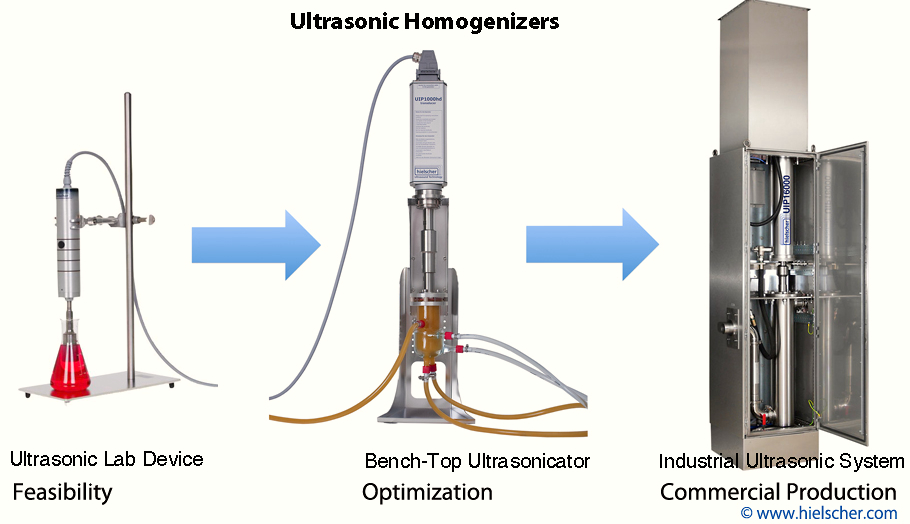
Hielscher Ultrasonics ผลิตโฮโมจีไนเซอร์อัลตราโซนิกประสิทธิภาพสูงจาก ห้องทดลอง ถึง ขนาดอุตสาหกรรม