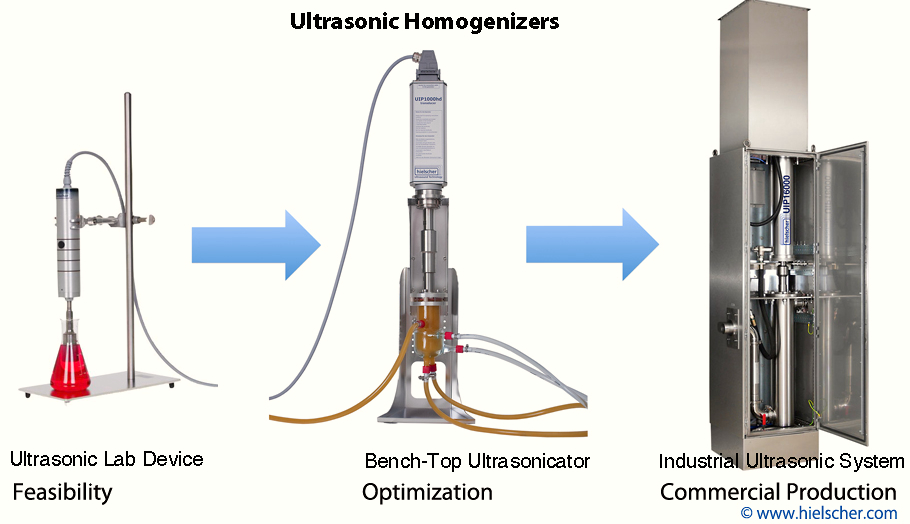
초음파를 이용한 사바티에 반응: CO₂를 탄화수소로 효율적으로 전환
고출력 초음파는 음향 캐비테이션을 통해 CO₂ 수소화를 촉진함으로써 사바티에 반응을 강화하는 혁신적인 방법을 제공합니다. 이를 통해 상온 및 상압과 같은 온화한 조건에서 이산화탄소를 메탄 및 고분자 탄화수소로 효율적으로 전환할 수 있습니다. 결과적으로, 초음파를 이용한 이산화탄소 전환 기술은 지속 가능한 연료 생산, 탄소 활용 및 재생 가능 에너지 저장을 위한 유망한 접근 방식입니다.
고출력 초음파, 이산화탄소 활용의 새로운 길을 열다
이산화탄소를 가치 있는 탄화수소로 전환하는 것은 순환형 탄소 경제로의 전환 과정에서 가장 중요한 기술적 과제 중 하나로 부상하고 있다. CO₂를 단순히 배출 문제로만 취급하는 대신, 첨단 화학 공정은 이를 합성 연료, 메탄, 에틸렌, 에탄 및 기타 고에너지 화합물의 탄소 원료로 활용하는 데 점점 더 초점을 맞추고 있다.
특히 유망한 방법 중 하나는 초음파 보조 사바티에 반응, 즉 소노-사바티에 공정으로 알려진 방식이다. CO₂를 함유한 액체 매체에 고출력 초음파를 가함으로써, 기존의 고온·고압 촉매 시스템에만 의존하지 않고도 반응 환경을 강화할 수 있다.
고전적인 사바티에 반응은 이산화탄소가 메탄과 물로 수소화되는 과정을 설명합니다. 이 반응은 파워-투-가스(power-to-gas), 합성 천연가스 생산, 재생에너지 저장, 심지어 우주 응용 분야와도 관련이 있어 다시금 주목받고 있습니다.

초음파 발생기 UIP2000hdT 물질 이동을 촉진하고 화학 반응을 활성화한다
CO₂ 전환 과정에서 초음파 처리가 중요한 이유
초음파 처리는 음향 캐비테이션을 통해 액체에 에너지를 전달합니다. 캐비테이션이 일어나는 동안 미세한 기포가 형성되고, 커졌다가 격렬하게 붕괴됩니다. 이러한 국부적인 붕괴 현상은 매우 높은 순간 온도, 압력, 난류 및 라디칼 생성이 동반되는 극한의 미세 환경을 생성하는 반면, 액체의 주된 부분은 비교적 온화한 상태를 유지할 수 있습니다.
이산화탄소 감축의 맥락에서 볼 때, 이는 고출력 초음파가 상온 조건에서는 달성하기 어려운 화학 반응을 촉진할 수 있음을 의미합니다. 초음파를 이용한 이산화탄소 전환에 대한 실험 연구에 따르면, 이산화탄소가 포화된 물, 염화나트륨 용액 및 합성 해수에 초음파를 조사하면 메탄, 에틸렌, 에탄과 같은 탄화수소가 생성될 뿐만 아니라, 이후 메탄으로 전환될 수 있는 상당량의 일산화탄소도 함께 생성될 수 있음이 밝혀졌습니다.
이는 공정 강화 전략을 제시한다는 점에서 산업적으로 의미가 있습니다. 즉, 단순히 온도나 압력, 또는 촉매의 복잡성만을 높이는 대신, 초음파를 통해 물리적 에너지를 공급함으로써 반응 조건을 개선할 수 있기 때문입니다.
초음파를 이용한 사바티에 반응의 주요 장점
소노-사바티에 공정은 향후 이산화탄소 활용 기술에 있어 매우 매력적인 여러 가지 장점을 제공합니다:
- 온화한 작동 조건: 고출력 초음파를 활용하면 실온 및 대기압 조건에서 이산화탄소 전환이 가능해져, 에너지 소모가 큰 열적 공정의 필요성을 줄일 수 있다.
- 촉매가 없는 반응 가능성: 초음파를 이용한 CO₂ 전환 연구에 따르면, 기존의 촉매 없이도 초음파 조건 하에서 탄화수소가 생성될 수 있음이 입증되었으며, 이는 공정 설계를 간소화하고 촉매 관련 비용을 절감해 준다.
- 가치 있는 탄화수소의 생성: 메탄이 주요 목표 제품이지만, 에틸렌과 에탄도 생산할 수 있어 합성천연가스를 넘어선 잠재적인 가치 사슬을 확장할 수 있다.
- 수소와의 통합: 불활성 가스 분위기를 분자 수소로 대체하면 소노-사바티에 공정의 효율을 크게 향상시켜, CO₂ 수소화 및 메탄화 공정에 활용 가능한 수소의 공급량을 늘릴 수 있다.
- 역수소-가스 전환 반응과의 결합 가능성: 일산화탄소의 생성은 초음파 처리 조건 하에서 역수소-가스 전환 반응이 일어날 수 있음을 시사한다. 이때 생성된 CO는 메탄이나 더 높은 탄화수소로 수소화되는 과정의 중간체 역할을 할 수 있다.
- 가능한 피셔-트로프슈(Fischer-Tropsch)형 반응 경로: 수소가 풍부한 시스템에서는 일산화탄소와 수소가 피셔-트로프슈(Fischer-Tropsch)형 화학 반응에 관여하여, 에틸렌 및 에탄과 같은 고분자 탄화수소의 생성을 촉진할 수 있다. 기존의 피셔-트로프슈 화학 반응은 CO/H₂ 합성가스를 탄화수소로 전환하는 경로로 널리 알려져 있다.
- 염분 함유 배지에서 수율 향상: 예를 들어 해수나 합성 해수와 같이 염분 농도가 높아지면 소노-사바티에 공정의 효율이 향상될 수 있습니다. 제공된 정보에 따르면, 해수와 유사한 조건에서는 탄화수소 수율을 약 40%까지 높일 수 있는 것으로 나타났습니다.
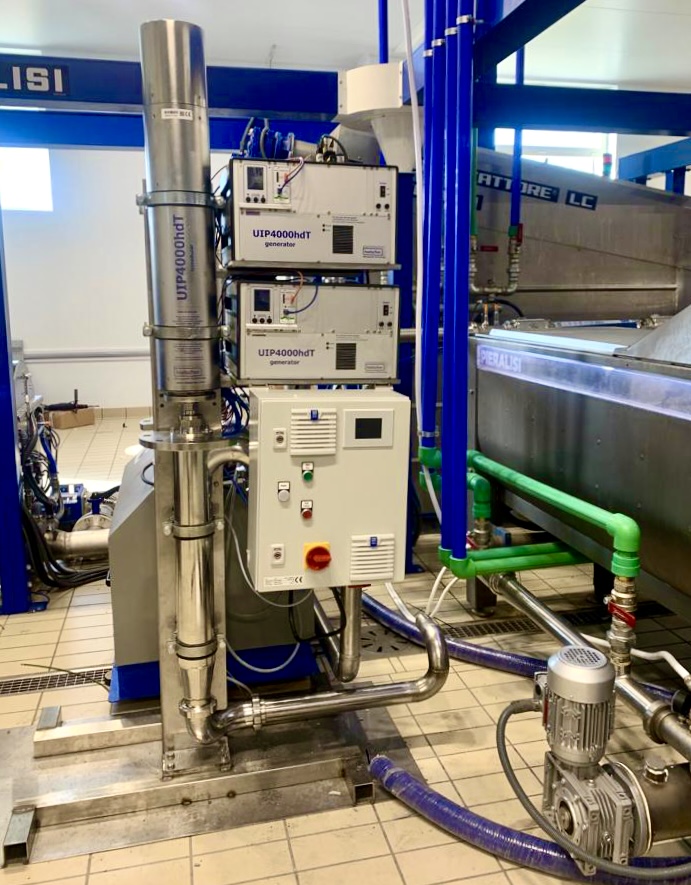
파워 초음파 – 2배 UIP4000hdT 초음파 처리기 연속 인라인 작동을 위한 유동 셀이 장착된
기능성 반응 매질로서의 해수
초음파를 이용한 사바티에 반응의 특히 주목할 만한 점은 염분을 함유한 물이 미치는 유익한 효과입니다. CO₂가 포화된 순수한 물, 염화나트륨 용액 및 합성 해수에서 초음파는 CO₂를 메탄, 에틸렌, 에탄 및 일산화탄소로 전환시키는 반응을 촉발할 수 있습니다.
염수 용액의 사용은 산업적 확장성 측면에서 중요합니다. 바닷물은 풍부하고 저렴하며 전 세계 어디서나 구할 수 있습니다. 염수 매체가 탄화수소 형성을 촉진할 수 있다면, 이 공정은 바닷물 자원이 가까운 해안 산업 단지, 해상 재생에너지 허브, 탄소 포집·활용 시스템에 특히 매력적인 대안이 될 수 있습니다.
실질적으로 이는 소노-사바티에 공정이 다음 요소들을 결합한 통합 시스템의 일환으로 연구될 수 있음을 의미합니다:
- 산업 배기가스나 대기 직접 포집(DAC)을 통해 포집된 이산화탄소,
- 전기분해를 통해 생산된 재생 수소,
- 반응 매질로 해수 또는 염수를 사용하여,
- 공정 강화 기술로서의 고출력 초음파,
- 하류 공정에서의 가스 분리 및 탄화수소 정제.
산업적 의의: 이산화탄소를 합성 연료 및 화학 원료로 전환하기
이산화탄소를 탄화수소로 효율적으로 전환하는 것은 단순한 실험실 차원의 목표에 그치지 않습니다. 이는 재생 가능 연료, 합성 천연가스, 화학 제품 제조 및 에너지 저장 분야의 미래와 직결되어 있습니다.
이산화탄소(CO₂)와 재생 가능 수소를 이용해 생산된 메탄은 합성 천연가스로 활용될 수 있다. 합성 메탄의 장점 중 하나는 저장 시설, 파이프라인, 가스 연소식 산업 설비 등 기존의 가스 인프라를 활용할 가능성이 있다는 점이다.
에틸렌과 에탄은 산업적 중요성을 한층 더 높여준다. 에틸렌은 석유화학 산업에서 가장 중요한 플랫폼 화학물질 중 하나이며, 에탄은 연료로 사용되거나 증기 분해 공정의 원료로 활용될 수 있다. 따라서 메탄뿐만 아니라 C₂ 탄화수소도 생성하는 초음파 화학 공정은 연료 생산과 화학 합성 모두에 있어 귀중한 기술이 될 수 있다.
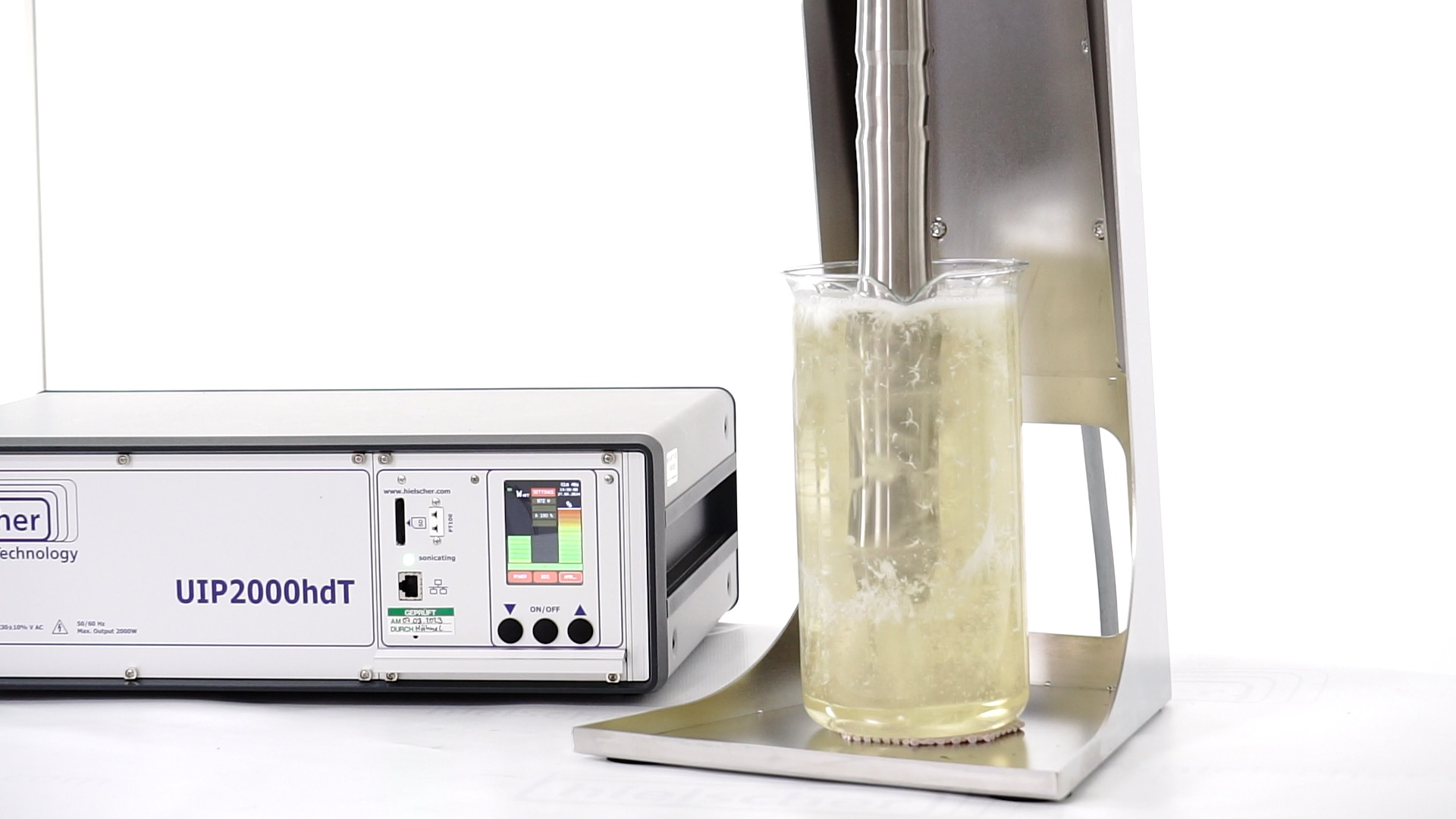
Sonicator UIP2000hdT에서의 음향 캐비테이션
초음파를 이용한 사바티에 반응은 탄소 기반 분자가 필요하지만 화석 탄소에 대한 의존도를 줄이고자 하는 분야에 특히 유용합니다. 여기에는 다음이 포함됩니다:
- 파워-투-가스 및 재생 가능 메탄 생산,
- 탄소 포집 및 활용,
- 합성 연료 제조,
- 친환경 화학물질 생산,
- 해상 및 연안 산업 공정,
- 분산형 연료 생산,
- 수소 경제 인프라.

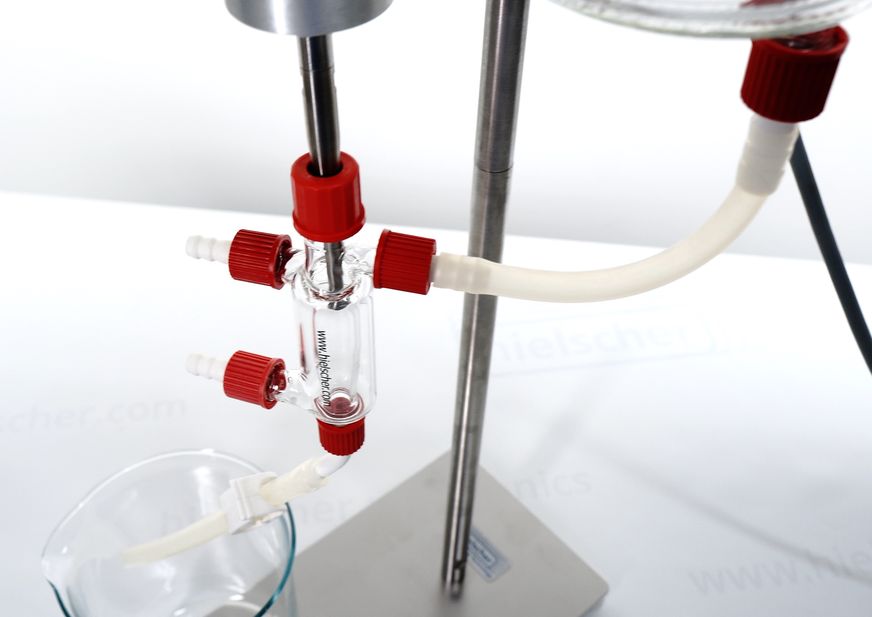
소닉 케이터 UIP2000hdT 가압식 플로우 셀 반응기 포함
초음파가 공정 효율을 어떻게 향상시키는가
초음파의 주요 이점은 화학 반응을 대체한다는 점이 아니라, 오히려 그 효과를 증대시킨다는 데 있다. 초음파 화학 시스템에서 캐비테이션은 물질 전달, 기체-액체 접촉 및 국소 에너지 밀도를 향상시킨다. 이 점은 CO₂ 수소화 반응에 매우 중요한데, 이 공정에는 수성 매질에서의 용해도가 제한적인 기체들이 관여하기 때문이다.
고출력 초음파는 다음과 같은 여러 가지 병목 현상을 해소하는 데 도움이 됩니다:
- 이는 액상에서 이산화탄소와 수소의 분산을 촉진합니다.
- 이는 기포와 반응 매체 사이의 계면적을 증가시킵니다.
- 이로 인해 CO₂ 활성화가 더욱 용이해지는 국소적인 고에너지 영역이 형성됩니다.
- 이는 라디칼과 중간체의 생성을 촉진합니다.
- CO 생성 및 메탄화 반응과 같은 연속 반응을 지원할 수 있습니다.
이러한 장점 덕분에 초음파 처리는 소형화 및 고농축 반응기 개념에 매력적인 대안이 되며, 특히 기존 열 반응기가 에너지 소비가 지나치게 많거나, 반응 속도가 너무 느리거나, 고가의 촉매 재료에 지나치게 의존하는 경우에 더욱 그러합니다.
CO₂ 메탄화 반응과 탄화수소 합성 사이의 가교
소노-사바티에 공정은 여러 가지 중요한 반응 유형을 연결해 줄 수 있다는 점에서 특히 주목할 만합니다. 주요 목표는 CO₂ 메탄화이지만, 일산화탄소의 생성은 역수소-가스 변환 반응이 기여하고 있음을 시사합니다. 수소가 풍부한 환경에서 생성된 CO/H₂ 혼합물은 피셔-트로프슈 탄화수소 합성의 기초가 되는 합성가스(syngas)와 유사한 특성을 보일 수 있다.
피셔-트로프쉬 촉매의 초음파 합성에 대해 더 자세히 알아보세요!
이를 통해 더 폭넓은 제품군을 개발할 수 있는 길이 열립니다. CO₂ 전환을 단순히 메탄 생산으로만 보는 대신, 초음파 처리를 통해 C₁ 및 C₂ 탄화수소의 생성을 촉진할 수 있으며, 공정을 더욱 최적화한다면 고부가가치 탄소 제품을 생산할 수도 있을 것입니다.
CO₂ 활용을 위한 공정 강화 수단으로서의 초음파 처리
 초음파를 이용한 사바티에 반응은 아직 신흥 기술 단계에 있지만, 그 장점은 분명합니다. 이 반응은 온화한 조건에서 이산화탄소를 유용한 탄화수소로 전환하는 경로를 제공하며, 수소가 풍부한 환경에서 반응을 진행할 수 있고, 해수와 같은 염분 함유 매체에서도 더 높은 수율을 달성할 수 있습니다.
산업계 입장에서 볼 때, 이 공정의 가치 제안은 매우 크다. 이 공정을 통해 이산화탄소(CO₂)를 폐기물에서 메탄 및 기타 탄화수소의 원료로 전환할 수 있기 때문이다. 재생 가능 전력을 동력으로 사용하고 친환경 수소와 결합할 경우, 소노-사바티에 공정은 지속 가능한 연료 생산, 탄소 재활용 및 장기 에너지 저장 분야에 기여할 수 있다.

멀티소노리액터 – 산업용 초음파 유동 반응기
사바티에 반응을 촉진하는 고성능 초음파 처리기
초음파를 이용한 사바티에 반응은 이산화탄소 환원 및 탄화수소 합성을 위한 혁신적인 접근 방식입니다. 고출력 초음파를 활용하면 온화한 조건에서 이산화탄소가 포화된 물과 염용액을 활성화시켜 메탄, 에틸렌, 에탄 및 일산화탄소 중간체를 생성할 수 있습니다. 분자 수소를 첨가하면 공정이 크게 향상되며, 염분 농도를 높이면 탄화수소 수율을 더욱 높일 수 있다.
각 산업 분야에서 이산화탄소(CO₂)를 연료 및 화학 원료로 전환할 수 있는 확장 가능한 방법을 모색하는 가운데, 초음파 처리는 유망한 해결책으로 떠오르고 있다. 이 기술은 공정 강화, 온화한 반응 조건, 재생 가능 수소와의 호환성 등을 결합하고 있다. – 소노-사바티에 공정을 미래 탄소 활용을 위한 중요한 기술로 만들 수 있는 세 가지 특징.
화학 반응기에 가장 적합한 초음파 분산기를 선택하는 방법!
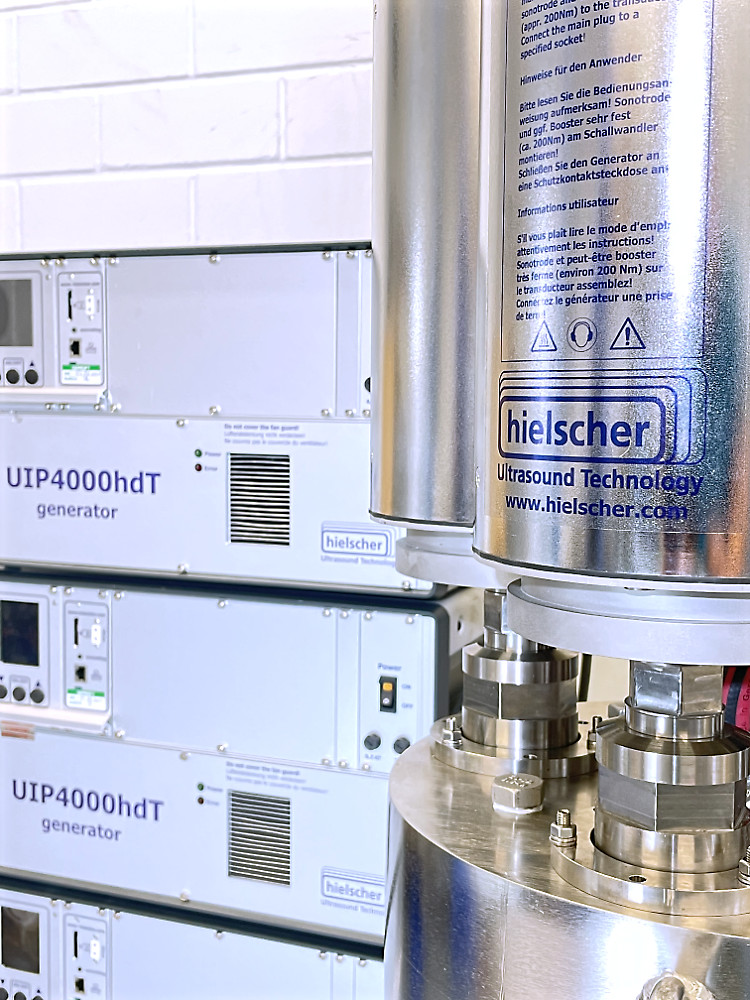 Hielscher 초음파 처리기와 초음파 유동 셀은 CO₂/H₂를 함유한 액체 또는 슬러리 유동에 고출력 초음파를 직접 도입함으로써 사바티에 반응을 촉진하기 위한 견고한 플랫폼을 제공합니다. 소노-사바티에 공정에서 초음파 유동 셀은 제어된 캐비테이션 영역의 역할을 하며, 이 영역에서는 기체 분산, 계면 물질 전달, 촉매 습윤 및 국소 반응 활성화가 현저히 향상됩니다. 따라서 Hielscher 초음파 시스템은 부유 촉매 입자가 강렬한 캐비테이션에 지속적으로 노출될 수 있는 슬러리 베드 반응기는 물론, 초음파가 기체-액체-고체 접촉, 혼합 및 반응 동역학을 지원할 수 있는 유동층 반응기 개념에도 통합하기에 적합합니다. 또는 초음파 유동 셀을 막 반응기 상류에 설치하여 CO₂와 수소를 미리 분산시키고, 반응 매체를 활성화하며, 반응성 중간체를 생성하거나, 막 단계에서 선택적 수소 주입, 제품 분리 또는 평형 이동 전에 공급물의 균질화를 개선할 수 있습니다. 따라서 Hielscher 초음파 처리는 실험실 개발, 파일럿 규모 최적화 및 산업용 CO₂-탄화수소 전환을 위한 모듈형 공정 강화 장치로 기능할 수 있습니다.
아래 표는 초음파기의 대략적인 처리 용량을 나타냅니다.
| 배치 볼륨(Batch Volume) | 유량 | 권장 장치 |
|---|---|---|
| 10 내지 2000mL | 20 내지 400mL/분 | UP200HT, UP400ST |
| 0.1 내지 20L | 0.2 내지 4L/min | UIP2000hdT 님 |
| 10에서 100L | 2 내지 10L/min | UIP4000hdt 님 |
| 15에서 150L | 3 내지 15L/min | UIP6000hdT 님 |
| N.A. 개시 | 10 내지 100L/min | UIP16000hdT 님 |
| N.A. 개시 | 큰 | 의 클러스터 UIP16000hdT 님 |
설계, 제조 및 컨설팅 – 독일에서 만든 품질
Hielscher 초음파는 최고의 품질과 디자인 표준으로 잘 알려져 있습니다. 견고 함과 쉬운 작동으로 초음파를 산업 시설에 원활하게 통합 할 수 있습니다. 거친 조건과 까다로운 환경은 Hielscher 초음파기로 쉽게 처리 할 수 있습니다.
Hielscher 초음파는 ISO 인증 회사이며 최첨단 기술과 사용자 친화성을 갖춘 고성능 초음파에 특히 중점을 둡니다. 물론, Hielscher 초음파는 CE를 준수하며 UL, CSA 및 RoHs의 요구 사항을 충족합니다.
자주 묻는 질문
탄화수소란 무엇인가요?
탄화수소는 탄소와 수소 원자로만 구성된 유기 화합물입니다. 이들은 화석 연료, 많은 합성 연료, 그리고 산업용 유기 화학 분야에서 사용되는 수많은 화학 원료의 구조적 기반을 이룹니다.
탄화수소의 종류에는 어떤 것들이 있나요?
탄화수소의 주요 유형으로는 지방족 탄화수소, 고리형 탄화수소, 방향족 탄화수소가 있습니다. 지방족 탄화수소에는 탄소-탄소 단일 결합만 포함된 포화 알칸과, 이중 결합 또는 삼중 결합을 포함하는 불포화 알켄 및 알킨이 포함됩니다. 고리형 탄화수소는 탄소 원자들이 고리 구조로 배열되어 있는 반면, 방향족 탄화수소는 벤젠과 같은 안정된 공명 고리 구조를 포함하고 있습니다. 또한 탄화수소는 단일 결합만 포함하는지, 아니면 다중 결합을 포함하는지에 따라 포화 탄화수소와 불포화 탄화수소로 분류될 수 있습니다.
탄화수소는 어떤 용도로 사용되나요?
탄화수소는 주로 연료, 화학 원료, 용매, 윤활유, 왁스, 그리고 플라스틱, 고분자, 수지, 합성고무, 세제 및 특수 화학물질의 원료로 사용됩니다. 메탄, 에탄, 프로판, 가솔린, 디젤, 제트 연료, 에틸렌, 벤젠, 파라핀 왁스 등은 모두 산업적으로 중요한 탄화수소 제품입니다.
왜 저주파 초음파가 초음파 화학 반응에서 더 강력한 효과를 발휘할까요?
저주파 초음파는 더 큰 캐비테이션 기포를 생성하고 이 기포가 더 격렬하게 붕괴되기 때문에 초음파 화학 분야에서 더 강력한 효과를 발휘합니다. 이러한 격렬한 기포 붕괴는 국부적인 고온, 고압, 충격파, 미세 분사, 난류 및 라디칼 생성을 유발하며, 이는 화학 반응, 물질 전달, 유화, 입자 분해 및 표면 활성화를 크게 촉진합니다.
저주파 초음파와 고주파 초음파의 차이점은 무엇인가요?
저주파 초음파와 고주파 초음파의 주요 차이점은 캐비테이션의 강도와 특성입니다. 일반적으로 20~30kHz 정도인 저주파 초음파는 강력한 캐비테이션을 일으키기 때문에, 초음파 화학, 분산, 유화, 추출, 탈기 및 초음파 균질화에 널리 사용됩니다. 고주파 초음파는 더 작고 덜 격렬한 캐비테이션 현상을 일으키며, 기계적 또는 화학적 공정 강화보다 제어된 파동 전파와 높은 공간 분해능이 더 중요한 의료 영상과 같은 진단 또는 분석 용도에 더 적합합니다.
문헌 / 참고문헌
- Md Hujjatul Islam, Odne S. Burheim, Jean-Yves Hihn, Bruno.G. Pollet (2021): Sonochemical conversion of CO2 into hydrocarbons: The Sabatier reaction at ambient conditions. Ultrasonics Sonochemistry, Volume 73, 2021.
- Atlaskina, M.; Markin, Z.; Smorodin, K.; Kryuchkov, S.; Tsivkovsky, N.; Petukhov, A.; Atlaskin, A.; Kazarina, O.; Vorotyntsev, A.; Vorotyntsev, I. (2025): Optimized CO2 cycloaddition to epichlorohydrin catalyzed by ionic liquid with microwave and ultrasonic irradiation. International Journal of Technology, vol. 16, no. 2, 2025. 378-394.
- Quang Thang Trinh, Nicholas Golio, Yuran Cheng, Haotian Cha, Kin Un Tai, Lingxi Ouyang, Jun Zhao, Tuan Sang Tran, Tuan-Khoa Nguyen, Jun Zhang, Hongjie An, Zuojun Wei, Francois Jerome, Prince Nana Amaniampong, Nam-Trung Nguyen (2025): Sonochemistry and sonocatalysis: current progress, existing limitations, and future opportunities in green and sustainable chemistry. Green Chemistry, Issue 18, 2025.
- Marina Cortés-Reyes;Ibrahim Azaoum; Sergio Molina-Ramírez; Concepción Herrera; M. Ángeles Larrubia; Luis J. Alemany (2021): NiGa Unsupported Catalyst for CO2 Hydrogenation at Atmospheric Pressure. Tentative Reaction Pathways. Industrial & Engineering Chemistry Research 2021, 60, 51, 18891–18899.

마노-써모-소닉을 위한 재킷형 가압식 초음파 유량 셀 반응기