ულტრაბგერითი გაძლიერებული ფიქსირებული საწოლის რეაქტორები
Sonication-ს შეუძლია გააუმჯობესოს კატალიზური რეაქციები ფიქსირებულ საწოლიან რეაქტორებში, ძირითადად, მასის გადაცემის გაძლიერებით შეფუთული კატალიზატორის საწოლის გარშემო და შიგნით. გარდა ამისა, სონიკა აშორებს პასივაციას და დაბინძურებულ ფენებს კატალიზატორის ზედაპირიდან, რითაც განუწყვეტლივ აღადგენს კატალიზერს.
როგორ აუმჯობესებს Sonication ფიქსირებული საწოლის კატალიზს
ფიქსირებულ საწოლიან რეაქტორში კატალიზატორის ნაწილაკები სტაციონარული რჩება, ხოლო თხევადი, გაზი ან მრავალფაზიანი რეაგენტები მიედინება საწოლში. რეაქციის შესრულება ხშირად შეზღუდულია გარე მასის გადაცემით, ფორების დიფუზიით, არხებით, დაბინძურებით და სითბოს გადაცემის გრადიენტებით. ულტრაბგერას შეუძლია შეამციროს რამდენიმე ამ შეზღუდვა აკუსტიკური კავიტაციის, მიკრონაკადის, ათვლის ძალებისა და წნევის რხევების წარმოქმნით.

Sonicator UIP2000hdT ინტეგრირებული ფიქსირებულ ბუდის რეაქტორში
ძირითადი ეფექტები ულტრაბგერით ინტენსივიზებულ ფიქსირებულ ბუდის რეაქციებზე
- გარე მასის ტრანსფერის გაუმჯობესება: ულტრაბგერული მიკროსტრიმინგი ამცირებს კატალიზატორის ნაწილაკების გარშემო არსებული სტატიკური საზღვრის ფენას, რაც საშუალებას აძლევს რეაქტანტებს უფრო ეფექტურად მიაღწიონ აქტიურ ადგილებს.
- ფორის ხელმისაწვდომობის გაუმჯობესება: კავიტაციის გამოწვეული წნევის ვარიაციები და სითხის მოძრაობა შეიძლება აუმჯობესოს რეაქტანტების შეღწევა კატალიზატორის ფორებში და პროდუქტების ამოღება ფორებიდან.
- ფოულინგისა და პასივაციის შემცირება: სონიკაცია შეუძლია დაეხმაროს დეპოზიტების, პოლიმერული ფენის, კოკის წინამორბედების ან სხვა პასივიზაციის ფენების შეცლას კატალიზატორის ზედაპირებიდან, რომ დაიცვას კატალიზური აქტივობა უფრო დიდხანს.
- დაკუმშული ბადეების არხის შემცირება: მიკრობადებითის კვლევებში აჩვენეს, რომ ულტრაბგერი ცვლის სითხის მოძრაობის ქცევას და ამცირებს დისპერსიას, რაც ამახლებს რეაქტორს უფრო იდეალური საცავის ნაკადის ქცევის მიმართულებით.
- გაძლიერებული სითბოს გადაცემა: აკუსტიკური ნაკადი და ტურბულენტობა აუმჯობესებს ადგილობრივი სითბოს გამტარობას, ანელებს ცხელი ლაქების ან ცივი ზონების ფორმირებას კატალიზატორის ბადეში.
- მაღალი კონვერტაცია და გამომავალი შედეგი: მმასის გადაცემის და კატალიზატორის ხელმისაწვდომობის გაუმჯობესებით, სონიკაცია შეუძლია გაავლინოს რეაქციის სიჩქარე, კონვერტაცია და პროდუქტების გამომავალი, განსაკუთრებით მაშინ, როდესაც რეაქცია შეზღუდულია ტრანსპორტირებით რამდენადაც არა მხოლოდ კინეტიკურად.
სითხე-კ pevფორმის უკეთესი კონტაქტი: ულტრაბგერის გამოყენება აძლიერებს კატალიზატორის ნაწილაკების უკეთ დასველებას, რაც განსაკუთრებით გამოსადეგია ტრიკლ-ბედის, სლერი-მარაგებული ან თხევადი ფაზის ფიქსირებული ბადეების სისტემებში.
როგორ აუმჯობესებს სონიკაცია ფიქსირებული ბადის კატალიზს?
მთავარი მექანიზმი არის აკუსტიკური კავისატაცია: ულტრასონური ტალღები ქმნიან მიკროსკოპულ ბუშტებს, რომლებიც იზრდებიან და ძალზედ მძიმედ ჩერდებიან. მათი ჩრდილს გამოიწვევს ადგილობრივი დაჭიმულობა, მიკროჯეტები, დარტყმის ტალღები და ინტენსიური შერევა. კატალიზატორის ზედაპირების ახლოს, ეს ეფექტები შეუძლია გაასუფთაოს, გაააქტიუროს და გაახალისოს მთლიანის-მკვრივ-თხევადი ინტერფეისი. სინოკატალიზის მიმოხილვები აღწერს ამას, როგორც ულტრაბგერითი და მყარ კატალიზატორებს შორის სინერგიას, რაც მოიცავს გაუმჯობესებულ სითბოს გადაცემას, მასის გადაცემას და ლოკალიზებულ ეფექტებს კატალიზატორის ზედაპირებზე.
სონიკაცია ყველაზე სასარგებლოა მაშინ, როდესაც ფიქსირებული საწოლი რეაქცია იტანჯება:
- კატალიზატორის ფორებში ნელა difundაცია,
- კატალიზატორის ნაწილაკების არასწორი დასველება,
- პროდუქტის დადება ფორებში,
- დახშობა ან ზედაპირის პასივაცია,
- მასის გადაცემით შეზღუდული კინეტიკა,
- მრავალფაზური დენის არასწორი განაწილება,
- საწოლში დამუშავებული არხის გავლა.
ფიქსირებული საწოლის კატალიზატორები
ფიქსირებული საწოლები (ზოგჯერ ასევე უწოდებენ შეფუთულ საწოლს) ჩვეულებრივ დატვირთულია კატალიზატორის მარცვლებით, რომლებიც, როგორც წესი, გრანულებია 1-5 მმ დიამეტრით. ისინი შეიძლება ჩაიტვირთოს რეაქტორში ერთი საწოლის სახით, ცალკე ჭურვის სახით ან მილებში. კატალიზატორები ძირითადად დაფუძნებულია ლითონებზე, როგორიცაა ნიკელი, სპილენძი, ოსმიუმი, პლატინა და როდიუმი.
ტანკური ულტრაწითელი რეჟიმის ეფექტები ჰეტეროგენურ ქიმიურ რეაქციებზე კარგად არის ცნობილი და ფართოდ გამოიყენება ინდუსტრიული კატალიზური პროცესებისთვის. ფიქსირებული საწოლის რეაქტორში კატალიზური რეაქციები ასევე სარგებლობენ სონიკაციის მკურნალობით. ფიქსირებული საწოლის კატალიზატორის ულტრასონიკური გავლენა წარმოქმნის მაღალი რეაქტიული ზედაპირებს, ზრდის მასების გადატანას სითხე ფაზასა (რეაგენტები) და კატალიზატს შორის, და ამოძრავებს პასივურ ფენებს (მაგალითად, ოქსიდის ფენები) ზედაპირიდან.
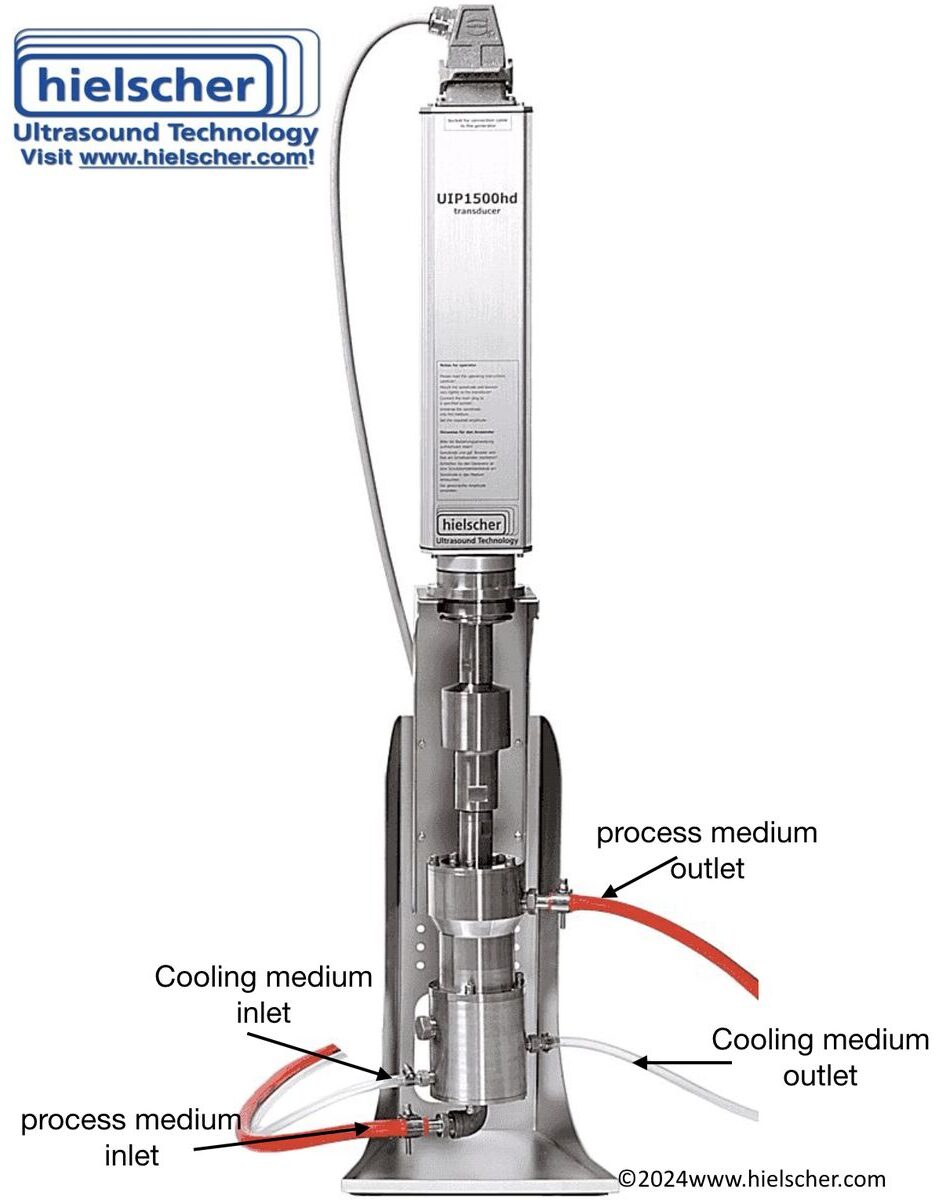
სონიკატორი UIP1500hdT ფლოუ-სელით დახარჯული კატალიზატორების რეაქტივაციისა და გადამუშავებისთვის
- გაუმჯობესებული ეფექტურობა
- გაზრდილი რეაქტიულობა
- გაზრდილი კონვერტაციის მაჩვენებელი
- უფრო მაღალი მოსავლიანობა
- კატალიზატორის გადამუშავება
კატალიზური რეაქციების ულტრაბგერითი გაძლიერება
ულტრაბგერითი შერევა და აგზნება აუმჯობესებს კონტაქტს რეაქტორსა და კატალიზატორის ნაწილაკებს შორის, ქმნის მაღალ რეაქტიულ ზედაპირებს და იწყებს და/ან აძლიერებს ქიმიურ რეაქციას.
ულტრაბგერითი კატალიზატორის მომზადებამ შეიძლება გამოიწვიოს ცვლილებები კრისტალიზაციის ქცევაში, დისპერსიულ / დეაგლომერაციაში და ზედაპირის თვისებებში. გარდა ამისა, წინასწარ ჩამოყალიბებული კატალიზატორების მახასიათებლებზე შეიძლება გავლენა იქონიოს პასიური ზედაპირული ფენების მოცილებით, უკეთესი დისპერსიით, მასის გადაცემის გაზრდით.
ულტრასონურად გაუმჯობესებული რეაქციების მაგალითები
- Ni კატალიზატორის ულტრაბგერითი წინასწარი დამუშავება ჰიდროგენიზაციის რეაქციებისთვის
- გაჟღენთილი Raney Ni კატალიზატორი ღვინის მჟავით იწვევს ძალიან მაღალ ენანტიოსელექტიურობას
- ულტრასონიკურად სინთეზირებული ფიშერ-ტროსფის კატალიზატორები
- სონოქიმიურად დამუშავებული ამორფული ფხვნილის კატალიზატორები გაზრდილი რეაქტიულობისთვის
- ამორფული ლითონის ფხვნილების სონოსინთეზი
ულტრაბგერითი კატალიზატორის აღდგენა
მყარი კატალიზატორები ფიქსირებულ საწოლიან რეაქტორებში ჩვეულებრივ გამოიყენება სფერული მძივების, მარცვლების, ექსტრუდატების ან ცილინდრული ნაწილაკების სახით. ქიმიური რეაქციების დროს კატალიზატორის ზედაპირი შეიძლება პასივირებული გახდეს დაბინძურებული ფენით, რაც გამოიწვევს კატალიზური აქტივობის და/ან სელექციურობის თანდათანობით დაკარგვას დროთა განმავლობაში.
კატალიზატორის დეაქტივაციის ვადები მნიშვნელოვნად განსხვავდება. მაგალითად, ბზარის კატალიზატორის დეაქტივაცია შეიძლება მოხდეს წამებში, ხოლო ამიაკის სინთეზში გამოყენებული რკინის კატალიზატორი შეიძლება აქტიური დარჩეს 5-10 წლის განმავლობაში. მიუხედავად ამისა, კატალიზატორის დეაქტივაცია აღინიშნება პრაქტიკულად ყველა კატალიზურ პროცესში. მიუხედავად იმისა, რომ შეიძლება მოხდეს დეაქტივაციის სხვადასხვა მექანიზმები – მათ შორის ქიმიური, მექანიკური და თერმული დეგრადაცია – დაბინძურება კატალიზატორის დაშლის ერთ-ერთი ყველაზე გავრცელებული მიზეზია.
Fouling refers to the physical deposition of species from the fluid phase onto the catalyst surface and within its pores. These deposits block reactive sites, restrict pore accessibility, and reduce contact between reactants and the active catalyst surface. Catalyst fouling by coke or carbonaceous deposits is often a rapid process; however, in many cases it can be partially or fully reversed by ultrasonic regeneration.
Ultrasonic cavitation is an effective method for removing passivating fouling layers from catalyst surfaces. During sonication, high-intensity ultrasound generates cavitation bubbles in a liquid medium. Their collapse produces localized shear forces, microjets, shock waves, and intense micro-mixing. These effects help detach fouling residues from the catalyst surface, reopen blocked pores, and restore access to active sites.
ულტრასწაფრენის კატალიზატორის აღდგენა ჩვეულებრივ ხორციელდება კატალიზატორის ნაწილაკების დისპერსიით სითხეში, როგორიცაა დეიონიზებული წყალი ან შესაბამისი გამხსნელი, და სუსპენზიის ფაქტორის კონტროლირებადი ულტრასწაფრენის ზემოქმედების ქვეშ გადაყვანით. ეს პროცესი შეიძლება მოაშოროს დაბინძურების ნარჩენები სხვადასხვა კატალიზატორის მასალებიდან, მათ შორის პლატინა/სილიკის ბოჭკოვანი კატალიზატორები, ნიკელის კატალიზატორები და სხვა მხარდაჭერილი ლითონის კატალიზატორები. შედეგად, სონიკაცია შეიძლება შეამციროს კატალიზატორის აღდგენა, გაზარდოს კატალიზატორის სიცოცხლის ხანგრძლივობა და გააუმჯობესოს პროცესის მდგრადობა.
დააწკაპუნეთ აქ, რომ მეტი იცოდეთ დახარჯული კატალიზატორის ულტრასწაფრენულ აღდგენაზე!
სონიკატორები ქიმიურ რეაქტორში ინტეგრაციისთვის
 Hielscher Ultrasonics გთავაზობთ სხვადასხვა ულტრაბგერითი პროცესორებს და ვარიაციებს ელექტროენერგიის ულტრაბგერითი ინტეგრაციისთვის ფიქსირებული საწოლის რეაქტორებში. სხვადასხვა ულტრაბგერითი სისტემები ხელმისაწვდომია ფიქსირებული საწოლის რეაქტორებში დასაყენებლად. უფრო რთული რეაქტორების ტიპებისთვის, ჩვენ გთავაზობთ მორგებული ულტრაბგერითი გადაწყვეტილებები.
ითავსეთ როგორ აუმჯობესებს სონიკაცია ქიმიურ რეაქციებს სხვადასხვა რეაქტორულ დიზაინებში!
თქვენს ქიმიურ რეაქციაზე გაჟონვის ეფექტის შესამოწმებლად, შეგიძლიათ ეწვიოთ ჩვენს ულტრაბგერითი პროცესის ლაბორატორიას და ტექნიკურ ცენტრს ტელტოვში!
დაგვიკავშირდით დღესვე! მოხარული ვართ განვიხილოთ თქვენთან ერთად თქვენი ქიმიური პროცესის ულტრაბგერითი გაძლიერება!
ქვემოთ მოცემულ ცხრილში მოცემულია Hielscher sonicators-ის სავარაუდო დამუშავების სიმძლავრის მითითება:

ულტრაბგერითი ნაკადის სისტემა
- ჰიდროგენიზაცია
- ალცილაცია
- ციანაცია
- ეთერიფიკაცია
- ესტერიფიკაცია
- პოლიმერიზაცია
- ალილაცია
- ბრომირება
(მაგ. Ziegler-Natta კატალიზატორები, metallocens)
ლიტერატურა / ლიტერატურა
- Francisco J. Navarro-Brull; Andrew R. Teixeira; Jisong Zhang; Roberto Gómez; Klavs F. Jensen (2018): Reduction of Dispersion in Ultrasonically-Enhanced Micropacked Beds. Industrial & Engineering Chemistry Research 57, 1; 2018. 122–128.
- Yasuo Tanaka (2002): A dual purpose packed-bed reactor for biogas scrubbing and methane-dependent water quality improvement applying to a wastewater treatment system consisting of UASB reactor and trickling filter. Bioresource Technology, Volume 84, Issue 1, 2002. 21-28.
- Argyle, M.D.; Bartholomew, C.H. (2015): Heterogeneous Catalyst Deactivation and Regeneration: A Review. Catalysts 2015, 5, 145-269.
- Oza, R.; Patel, S. (2012): Recovery of Nickel from Spent Ni/Al2O3 Catalysts using Acid Leaching, Chelation and Ultrasonication. Research Journal of Recent Sciences Vol. 1; 2012. 434-443.
- Sana, S.; Rajanna, K.Ch.; Reddy, K.R.; Bhooshan, M.; Venkateswarlu, M.; Kumar, M.S.; Uppalaiah, K. (2012): Ultrasonically Assisted Regioselective Nitration of Aromatic Compounds in Presence of Certain Group V and VI Metal Salts. Green and Sustainable Chemistry, 2012, 2, 97-111.
- Suslick, K. S.; Skrabalak, S. E. (2008): “Sonocatalysis” In: Handbook of Heterogeneous Catalysis, vol. 4; Ertl, G.; Knözinger, H.; Schüth, F.; Weitkamp, J., (Eds.). Wiley-VCH: Weinheim, 2008. 2006-2017.
ფაქტები, რომელთა ცოდნაც ღირს
რა არის ულტრაბგერითი კავიტაცია?
ულტრაბგერითი კავიტაცია არის მიკროსკოპული ორთქლის ან გაზის ბუშტების წარმოქმნა, ზრდა და ძალადობრივი კოლაფსი სითხეში, რომელიც ექვემდებარება მაღალი ინტენსივობის ულტრაბგერით. ბუშტების კოლაფსის დროს ექსტრემალური ადგილობრივი პირობები შეიძლება მოხდეს ძალიან მოკლე დროში, მათ შორის მაღალი ტემპერატურა, მაღალი წნევა, შოკის ტალღები, მიკროჯეტები და ინტენსიური ათვლის ძალები.
რა არის სონოქიმია?
სონოქიმია არის ამ ულტრაბგერითი კავიტაციის ეფექტების გამოყენება ქიმიური და ფიზიკოქიმიური პროცესების დასაწყებად, დასაჩქარებლად ან შესაცვლელად. ეს განსაკუთრებით აქტუალურია თხევადი ფაზის სისტემებში, რადგან კავიტაცია აძლიერებს შერევას, მასის გადაცემას, ემულსიფიკაციას, ნაწილაკების დისპერსიას, კატალიზატორის ზედაპირის გაწმენდას და, ზოგიერთ შემთხვევაში, რადიკალურ წარმოქმნას. შედეგად, სონოქიმია გამოიყენება ისეთი რეაქციების გასაძლიერებლად, როგორიცაა ჰეტეროგენული კატალიზი, დაჟანგვა, ექსტრაქცია, პოლიმერიზაცია, კრისტალიზაცია და ნანომასალის სინთეზი.
რა არის ჰეტეროგენული კატალიზური რეაქცია?
ქიმიაში ჰეტეროგენული კატალიზი ეხება კატალიზური რეაქციის ტიპს, სადაც კატალიზატორისა და რეაქტანტების ფაზები განსხვავდება ერთმანეთისგან. ჰეტეროგენული ქიმიის კონტექსტში, ფაზა გამოიყენება არა მხოლოდ მყარი, თხევადი და აირის გასარჩევად, არამედ ის ასევე ეხება შეურევ სითხეებს, მაგალითად, ზეთს და წყალს.
ჰეტეროგენული რეაქციის დროს, ერთი ან მეტი რეაგენტი განიცდის ქიმიურ ცვლილებას ინტერფეისზე, მაგ., მყარი კატალიზატორის ზედაპირზე.
რეაქციის სიჩქარე დამოკიდებულია რეაგენტების კონცენტრაციაზე, ნაწილაკების ზომაზე, ტემპერატურაზე, კატალიზატორზე და შემდგომ ფაქტორებზე.
რეაგენტის კონცენტრაცია: ზოგადად, რეაქტიული ნივთიერების კონცენტრაციის ზრდა ზრდის რეაქციის სიჩქარეს უფრო დიდი ინტერფეისის გამო და, შესაბამისად, უფრო დიდი ფაზის გადაცემის გამო რეაქტიულ ნაწილაკებს შორის.
Ნაწილაკების ზომა: როდესაც ერთ-ერთი რეაგენტი არის მყარი ნაწილაკი, მაშინ ის არ შეიძლება იყოს ნაჩვენები სიჩქარის განტოლებაში, რადგან სიჩქარის განტოლება აჩვენებს მხოლოდ კონცენტრაციებს და მყარ ნაწილებს არ შეუძლიათ კონცენტრაცია, რადგან სხვა ფაზაში არიან. თუმცა, მყარი ნაწილაკების ზომა გავლენას ახდენს რეაქციის სიჩქარეზე ფაზის გადაცემისთვის ხელმისაწვდომი ზედაპირის ფართობის გამო.
რეაქციის ტემპერატურა: ტემპერატურა დაკავშირებულია სიჩქარის მუდმივთან არენიუსის განტოლების მეშვეობით: k = Ae-Ea/RT
სადაც Ea არის აქტივაციის ენერგია, R არის გაზის უნივერსალური მუდმივი და T არის აბსოლუტური ტემპერატურა კელვინში. A არის არენიუსის (სიხშირის) ფაქტორი. ე-Ea/RT იძლევა მრუდის ქვეშ მყოფი ნაწილაკების რაოდენობას, რომელთა ენერგია უფრო დიდია ვიდრე აქტივაციის ენერგია, Ea.
კატალიზატორი: უმეტეს შემთხვევაში, რეაქციები უფრო სწრაფად ხდება კატალიზატორით, რადგან ისინი საჭიროებენ ნაკლებ აქტივაციის ენერგიას. ჰეტეროგენული კატალიზატორები უზრუნველყოფენ შაბლონის ზედაპირს, რომელზეც ხდება რეაქცია, ხოლო ჰომოგენური კატალიზატორები ქმნიან შუალედურ პროდუქტებს, რომლებიც ათავისუფლებენ კატალიზატორს მექანიზმის შემდგომ ეტაპზე.
სხვა ფაქტორები: სხვა ფაქტორებმა, როგორიცაა სინათლე, შეიძლება გავლენა მოახდინოს გარკვეულ რეაქციებზე (ფოტოქიმია).
რა არის კატალიზატორის დეაქტივაციის ტიპები?
- კატალიზატორის მოწამვლა არის ტერმინი სახეობების ძლიერი ქიმისორბციისთვის კატალიზურ ადგილებში, რომლებიც ბლოკავს უბნებს კატალიზური რეაქციისთვის. მოწამვლა შეიძლება იყოს შექცევადი ან შეუქცევადი.
- დაბინძურება გულისხმობს კატალიზატორის მექანიკურ დეგრადაციას, სადაც სითხის ფაზის სახეობები დეპონირდება კატალიზატორის ზედაპირზე და კატალიზატორის ფორებში.
- თერმული დეგრადაცია და შედუღება იწვევს კატალიზური ზედაპირის ფართობის, დამხმარე ფართობის და აქტიური ფაზის დამხმარე რეაქციების დაკარგვას.
- ორთქლის წარმოქმნა ნიშნავს ქიმიურ დეგრადაციის ფორმას, სადაც აირის ფაზა რეაგირებს კატალიზატორის ფაზასთან და წარმოქმნის აქროლად ნაერთებს.
- ორთქლი-მყარი და მყარ-მყარი რეაქციები იწვევს კატალიზატორის ქიმიურ დეაქტივაციას. ორთქლი, საყრდენი ან პრომოტორი რეაგირებს კატალიზატორთან ისე, რომ წარმოიქმნება არააქტიური ფაზა.
- კატალიზატორის ნაწილაკების გაფუჭება ან ჩახშობა იწვევს კატალიზური მასალის დაკარგვას მექანიკური აბრაზიის გამო. კატალიზატორის შიდა ზედაპირის ფართობი იკარგება კატალიზატორის ნაწილაკების მექანიკური ჩახშობის გამო.
წაიკითხეთ მეტი იმის შესახებ, თუ როგორ შეუძლია სონიკას დახარჯული კატალიზატორების ხელახლა გააქტიურება!
რა არის ნუკლეოფილური ჩანაცვლება?
Nucleophilic substitution is a fundamental class of reactions in organic (and inorganic) chemistry, in which a nucleophile selectively bonds in form of a Lewis base (as electron pair donator) with an organic complex with or attacks the positive or partially positive (+) charge of an atom or a group of atoms to replace a leaving group. The positive or partially positive atom, which is the electron pair acceptor, is called an electrophile. The whole molecular entity of the electrophile and the leaving group is usually called the substrate.
ნუკლეოფილური ჩანაცვლება შეიძლება შეინიშნოს როგორც ორი განსხვავებული გზა – სნ1 და სნ2 რეაქცია. რეაქციის რომელი ფორმის მექანიზმი – სნ1 ან სნ2 – ხდება, დამოკიდებულია ქიმიური ნაერთების სტრუქტურაზე, ნუკლეოფილის ტიპზე და გამხსნელზე.