დაქანცებული კატალიზატორის რეოაქტივაცია სონიკაციის გამოყენებით
The reactivation of spent catalysts has become an important topic in sustainable chemical processing, refinery operations, petrochemistry, environmental catalysis, and circular-economy strategies. Catalysts are essential for efficient reactions, but during industrial use they gradually lose activity due to coke deposition, metal poisoning, fouling, pore blockage, sintering, surface passivation, or the accumulation of reaction by-products. Replacing spent catalysts is costly and resource-intensive, while disposal can create environmental burdens. Ultrasonic regeneration of spent catalysts is a simple yet highly efficient technique for reactivating catalysts that have been passivated, poisoned, or fouled during use.
დაქანცებული კატალიზატორის რეოაქტივაცია სონიკაციის გამოყენებით
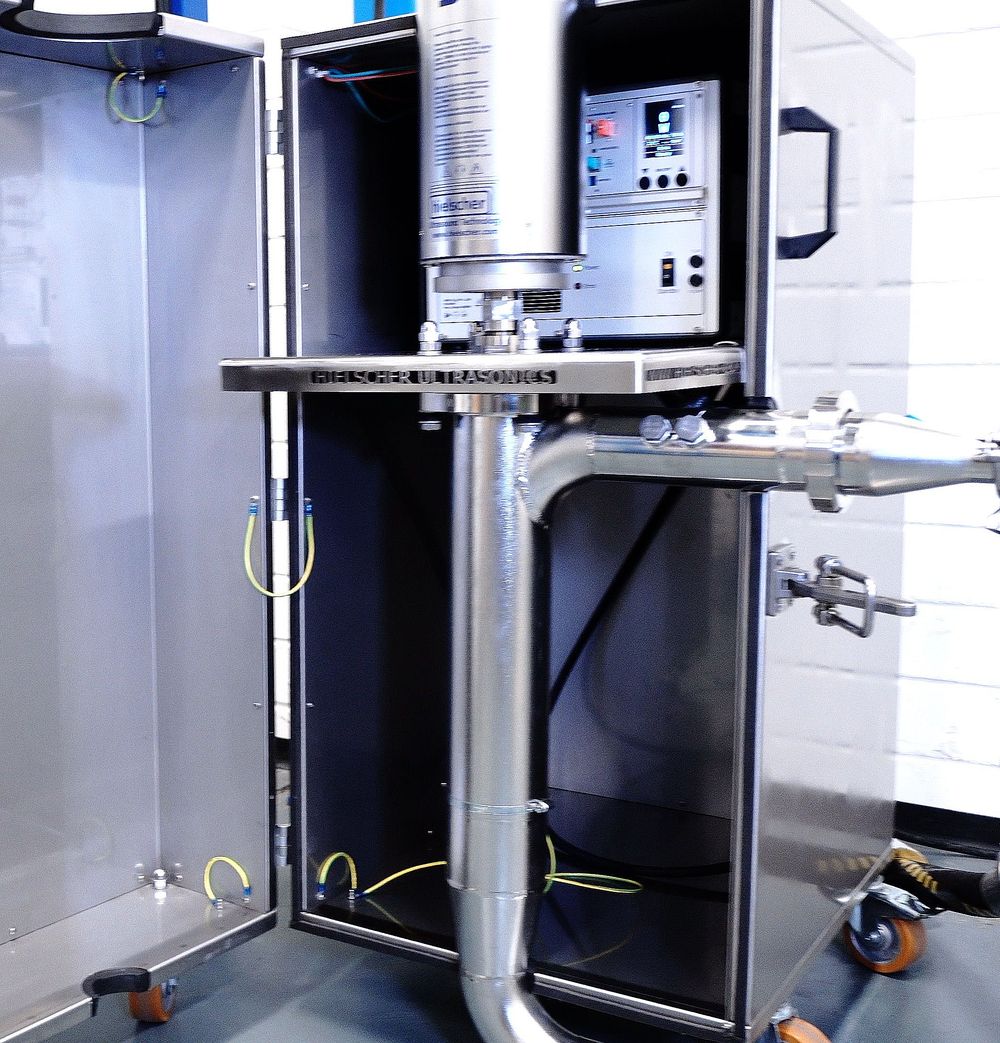 Sonication, also known as ultrasonic treatment, offers a scientifically relevant and technically attractive method for regenerating and reactivating spent catalysts. By applying high-power ultrasound to catalyst suspensions, intense acoustic cavitation is generated in the liquid medium. The collapse of cavitation bubbles produces localized microjets, shockwaves, shear forces, and highly turbulent micro-mixing. These effects can clean catalyst surfaces, dislodge deposits, improve reagent access to blocked pores, and support chemical leaching or oxidative regeneration processes.
ბოლოდროინდელმა კვლევამ დახარჯული სითხის კატალიზური გატეხვის კატალიზატორების შესახებ აჩვენა, რომ ულტრაბგერითი დახმარებით რეგენერაციას შეუძლია გააუმჯობესოს მავნე ლითონების მოცილება, ხოლო ცეოლიტის ჩარჩოსა და კატალიზატორის ნაწილაკების მიკროსტრუქტურის შენარჩუნებაში. კვლევებმა ასევე აჩვენა, რომ ლითონების ულტრაბგერითი გაძლიერებული აღდგენა, როგორიცაა ნიკელი დახარჯული კატალიზატორებიდან, სონიკა აჩქარებს მოპოვებას აკუსტიკური კავიტაციის ფიზიკური და ქიმიური ეფექტების მეშვეობით.
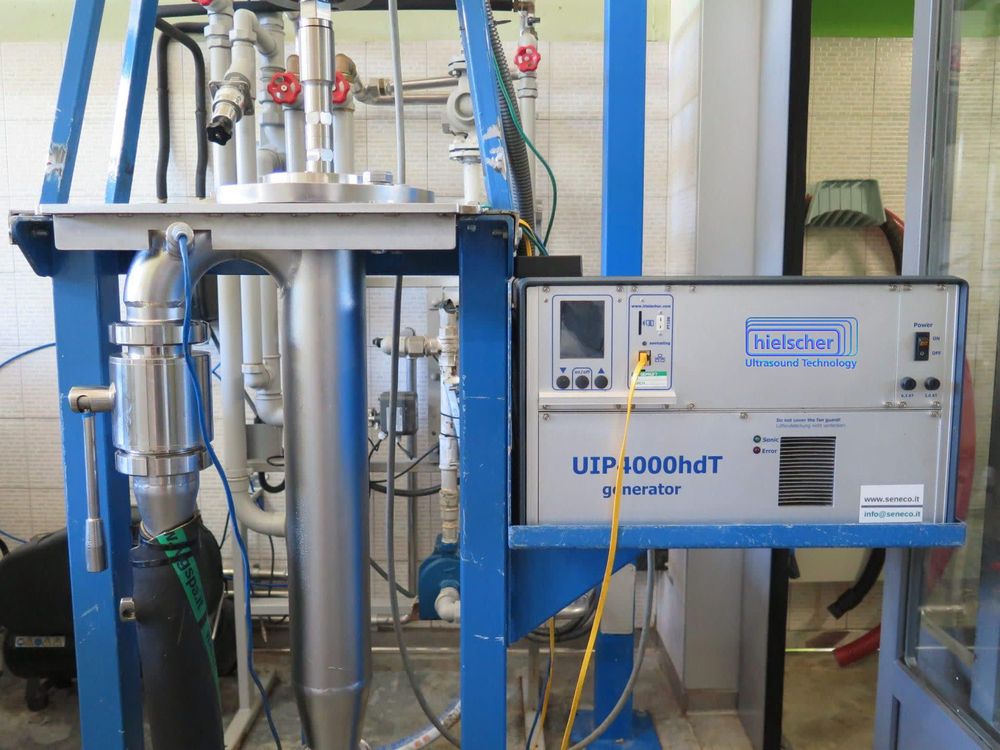
Inline sonicator UIP4000hdT დახარჯული კატალიზატორების სამრეწველო რეგენერაციისთვის
რატომ არის Sonication ეფექტური დახარჯული კატალიზატორის რეაქტივაციისთვის
სონიკაციის მეცნიერული მნიშვნელობა მდგომარეობს მის უნარში ინტენსივიზაცია გაუხშირებული სოლიდ-ლიქვიდური პროცესების. კატალიზატორის აღდგენა ხშირად შეზღუდულია ცუდი მასის გადაცემით, დაბლოკილი ფორებით, პასივირებული ზედაპირებით და ნელა გაფილტრების ან გაწმენდის აგენტების დაბინძურებით კატალიზატორის სტრუქტურის შიგნით. ულტრაბგერა მოაგვარებს ეს შეზღუდვები მექანიკური და ფიზიქოქიმიური მექანიზმების საშუალებით.
სონიკაციის ძირითადი უპირატესობები მოიცავს:
ულტრაბგერითი შესაბამისობა არ შემოიფარგლება მხოლოდ ფიზიკური გაწმენდით. სონოქიმიაში, კავიტაციას შეუძლია შექმნას ექსტრემალური ადგილობრივი პირობები და რეაქტიული გარემო, რაც ხელს შეუწყობს დაჟანგვას, ზედაპირის მოდიფიკაციას ან ქიმიური მოპოვების საფეხურებს. ამრიგად, ულტრაბგერითს შეუძლია გააფართოვოს კატალიზატორების აქტიური ზედაპირი, შეამციროს მყარი დისპერსიული კატალიზატორების დაბინძურება და ხელი შეუწყოს გაწმენდას კატალიზატორის გადამუშავების პროცესებში.
სამრეწველო შესაბამისობა: კატალიზატორის გაწმენდიდან ფუნქციურ რეაქტივაციამდე
დახარჯული კატალიზატორის რეაქტივაცია უფრო მეტია, ვიდრე ტექნიკური ოპერაცია. ეს არის მეცნიერულად მნიშვნელოვანი გზა კატალიზატორის სასიცოცხლო ციკლის მუშაობის გასაუმჯობესებლად. რეგენერირებული კატალიზატორი არა მხოლოდ სუფთა უნდა გამოიყურებოდეს; მან უნდა აღადგინოს მნიშვნელოვანი კატალიზური ფუნქცია. ეს მოითხოვს ხელმისაწვდომი აქტიური ადგილების აღდგენას, ზედაპირის მჟავიანობას ან ბაზიანობას, ფორიანობას, დისპერსიას და რეაქციის შესრულებას.
ულტრაბგერითი მკურნალობა შესაბამისია, რადგან ის მოქმედებს კატალიზატორის რეგენერაციის რამდენიმე კრიტიკულ დონეზე:
ზედაპირი: ის შლის პასივატორ ფენებს და ავლენს აქტიურ ადგილებს.
ფორები: იგი მხარს უჭერს დაბლოკილი მეზოფორებისა და მიკროფორების ხელახლა გახსნას.
ნაწილაკები: ის ანაწილებს აგლომერატებს და აუმჯობესებს სუსპენზიის ერთგვაროვნებას.
პროცესი: ეს აძლიერებს თხევადი-მყარი კონტაქტი და აუმჯობესებს ქიმიური რეგენერაციის საშუალებების ეფექტურობას.
მდგრადობა: ეს მხარს უჭერს განმეორებად გამოყენებას, მეტალის აღდგენას და ნარჩენების მინიმალიზაციას.
 ბოლო დროის კვლევაში ხანგრძლივი ულტრაბგერითი და ოქსიდაციის რეგენერაციის შესახებ გამოყენებული ფლუიდული კატალიტიკური კრეკინგის (FCC) გამოყენებული კატალიზატორების შემთხვევაში აღინიშნებოდა, რომ ულტრაბგერითი დახმარებული განვითარებული ოქსიდაციური პროცესები გაზრდიდა კატალიზატორის მჟავიანობას და შესაძლებელი გახდებოდა რეგენერირებული კატალიზატორის გამოყენება გლიცეროლის მონოსტეარატის სინთეზში. (იხ. Anggoro et al, 2026)
კიდევ ერთმა კვლევამ აჩვენა, რომ გოგირდის მჟავაში განზავებული გოგირდის მჟავაში ჩაძირვა და შემდგომში ულტრაბგერითი დახმარებით გამორეცხვა გოგირდის მჟავისა და ოქსიალიუმის მჟავის ნარევში აუმჯობესებს მავნე ლითონების მოცილებას დახარჯულ FCC კატალიზატორში მნიშვნელოვნად ამცირებს ცეოლიტის Y ჩარჩოს და დახარჯული კატალიზატორის ნაწილაკის მიკროსტრუქტურის განადგურების გარეშე. ჩვეულებრივ გამორეცხვასთან შედარებით, ულტრაბგერითი დამხმარე გამორეცხვას სჭირდება დროის მხოლოდ 1/4, რათა მიაღწიოს იგივე მავნე ლითონის მოცილების ეფექტს და აქვს უმაღლესი უპირატესობა ნაწილაკების მთლიანობის შენარჩუნებაში. (შდრ. Wang et al, 2021).
Sonication კატალიზატორის გადამუშავებასა და ლითონის აღდგენაში
დახარჯული კატალიზატორები ხშირად შეიცავს ძვირფას ლითონებს, როგორიცაა ნიკელი, ვანადიუმი, მოლიბდენი, კობალტი, პლატინის ჯგუფის ლითონები ან იშვიათი ლითონები, კატალიზატორის ტიპისა და სამრეწველო გამოყენების მიხედვით. Sonication-ს შეუძლია მხარი დაუჭიროს როგორც კატალიზატორის რეაქტივაციას, ასევე რესურსების აღდგენას. ულტრაბგერითი დახმარებით გამორეცხვისას, კავიტაცია აუმჯობესებს გაჟონვის ხსნარის შეღწევას, შლის სასაზღვრო ფენებს ნაწილაკების გარშემო და ავლენს ახალ ზედაპირებს რეაქციისთვის.
ეს ულტრაბგერას განსაკუთრებით საინტერესოს ხდის:
- გადამამუშავებელი ქარხნის დახარჯული კატალიზატორები
- FCC კატალიზატორები
- ჰიდროდამუშავებისა და ჰიდროგოგირდიზაციის კატალიზატორები
- ფიშერ-ტროპშის კატალიზატორები
- მხარდაჭერილი ლითონის კატალიზატორები
- გარემოსდაცვითი კატალიზატორები
- გააქტიურებული ნახშირბადის და ადსორბენტ-კატალიზატორის სისტემები
- ლითონებით დაბინძურებული ან დაბინძურებული ჰეტეროგენული კატალიზატორები

Sonicator UP400St ნაკადის უჯრედის დაყენებით
ტექნიკური Hielscher Sonicators-ის უპირატესობები დახარჯული კატალიზატორის გადამუშავებისთვის
Hielscher high-power sonicators are well suited for the recycling and reactivation of spent catalysts because they deliver controlled, reproducible, and scalable ultrasonic energy into liquid-solid suspensions. For catalyst regeneration, process reliability is essential: amplitude, power input, residence time, flow rate, temperature, pressure, and reactor geometry must be adjustable and reproducible from laboratory trials to industrial throughput.
Hielscher გთავაზობთ ულტრაბგერით სისტემებს კომპაქტური ლაბორატორიული მოწყობილობებიდან სამრეწველო ერთეულებამდე, მათ შორის ზონდის ტიპის სონიკატორები და ულტრაბგერითი რეაქტორები უწყვეტი დამუშავებისთვის. Hielscher sonicators მერყეობს მცირე ლაბორატორიული ერთეულებიდან სამრეწველო პროცესორებამდე, როგორიცაა 500 W, 1,000 W, 2,000 W, 4,000 W, 6,000 W და 16,000 W მოწყობილობები, რაც საშუალებას იძლევა მასშტაბის გაზრდა ტექნიკურ-ეკონომიკური ტესტირებიდან წარმოების დონის კატალიზატორის მკურნალობამდე.
დახარჯული კატალიზატორის გადამუშავებისთვის, ტექნიკური უპირატესობები მოიცავს:
- მაღალი ინტენსივობის ზონდის გაჟონვა აბრაზიული კატალიზატორის ნალექებში ეფექტური კავიტაციისთვის
- ნაკადის რეაქტორის ვარიანტები უწყვეტი რეგენერაციისთვის, გაჟონვის, რეცხვის ან დისპერსიის პროცესები
- ზუსტი ამპლიტუდის კონტროლი განმეორებადი პროცესის პირობებისთვის
- მოცური აპარატურის არქიტექტურა ლაბორატორიული სკრინინგიდან ინდუსტრიულ კატალიზატორთა აღდგენამდე
- გამძლე ინდუსტრიული დიზაინი მკაცრი ქიმიური პროცესების გარემოსათვის
- სონოქიმიური პროცესებთან თავსებადობა, როგორიცაა მჟავიანი ლიქვიდაცია, ოქსიდაციური წმენდა, დისპერსია და ზედაპირის აქტივაცია
ეს მახასიათებლები ხდის Hielscher სონიკატორებს პრაქტიკულ ტექნოლოგიურ პლატფორმად კომპანიებისა და კვლევითი ინსტიტუტებისთვის, რომლებიც ავითარებენ მოწინავე კატალიზატორის აღდგენის პროტოკოლებს, იქნება მიზანი კატალიტური აქტივობის აღდგენა, ღირებული მეტალების აღდგენა, ნარჩენების მოცულობის შემცირება, ან კატალური წარმოების მდგრადობის გაუმჯობესება.

ულტრაბგერითი ჰომოგენიზატორი UIP2000hdT კატალიზატორის რეგენერაციისთვის ნაკადის პროცესში
მდგრადი ტექნოლოგია წრიული კატალიზატორის ეკონომიკისთვის
როდესაც ინდუსტრიები მიდიან უფრო სუფთა წარმოებისა და რესურსების ეფექტურობისკენ, დახარჯული კატალიზატორის მართვა სტრატეგიული პრიორიტეტი ხდება. Sonication მხარს უჭერს ამ გადასვლას კატალიზატორის რეაქტივაციის უფრო სწრაფი, ეფექტური და ტექნიკურად კონტროლირებადი გახადოს. იმის ნაცვლად, რომ დახარჯული კატალიზატორები ნარჩენებად მოექცნენ, ულტრაბგერითი დამუშავება ხელს უწყობს მათ მრავალჯერადი გამოყენებად მასალებად ან ძვირფას ნედლეულის მეორად წყაროებად გარდაქმნას.
სონიკაციის ინდუსტრიული მნიშვნელობა მდგომარეობს მისი სიძლიერის უნარში შეაერთოს მექანიკური აქტივაცია, ზედაპირის გაწმენდა, დისპერსია და მასის გადატანის ინტენსიფიკაცია ერთ პროცესში. ინდუსტრიული მომხმარებლებისათვის, უპირატესობა თანასწორია: უკეთესი კატალიზატორის ხელმეორედ გამოყენება, ნედლეულის შემცირებული მოხმარება, დაბალი ნარჩენების წარმოქმნა და, შესაძლო, დაბალი ოპერაციული ხარჯები.
სარგებლეთ ულტრასონიკური კატალიზატორის აღდგენის შესაძლებლობებით
 Reactivation of spent catalysts using sonication is an advanced approach to catalyst recycling with strong scientific and industrial potential. Acoustic cavitation enables the removal of deposits, the reopening of blocked pores, the improvement of mass transfer, and the intensification of chemical regeneration steps. When combined with suitable leaching, oxidation, washing, or thermal strategies, ultrasonic treatment can contribute to restoring catalyst activity and recovering valuable metals.
შეზღუდვადი მაღალი სიმძლავრის სონიკატორების და ინდუსტრიული ულტრასონიკური ნაკადის რეაქტორების მეშვეობით, Hielscher უზრუნველყოფს ტექნიკურ საფუძველს ნაძარცვი კატალიზატორის აღდგენის პროცესების განვითარებისთვის, რომლებიც საიმედოა, განაგრძობითი და ეფექტური. რადგან კატალიზატორის გადამუშავება უფრო მნიშვნელოვანი ხდება მდგრადი ქიმიისთვის და წრის ინდუსტრიული წარმოებისთვის, სონიკაცია აღიზნებს ძლიერ ხელსაწყოდ კატალიზატორის სიცოცხლის ხანგრძლივობის გასაზრდელად და რესურსების ეფექტურობის გასაუმჯობესებლად.
ქვემოთ მოყვანილი ცხრილი გვიჩვენებს ჩვენი ულტრაბგერითი აპარატების სავარაუდო დამუშავების შესაძლებლობებს:
| სურათების მოცულობა | Დინების სიჩქარე | რეკომენდებული მოწყობილობები |
|---|---|---|
| 1-დან 500 მლ-მდე | 10-დან 200 მლ/წთ-მდე | UP100H |
| 10-დან 2000 მლ-მდე | 20-დან 400 მლ/წთ-მდე | UP200Ht, UP400 ქ |
| 0.1-დან 20ლ-მდე | 0.2-დან 4ლ/წთ-მდე | UIP2000hdT |
| 10-დან 100 ლ-მდე | 2-დან 10ლ/წთ-მდე | UIP4000hdT |
| 15-დან 150 ლ-მდე | 3-დან 15 ლ/წთ-მდე | UIP6000hdT |
| na | 10-დან 100ლ/წთ-მდე | UIP16000hdT |
| na | უფრო დიდი | კასეტური UIP16000hdT |
დიზაინი, წარმოება და კონსულტაცია – ხარისხი დამზადებულია გერმანიაში
Hielscher ულტრაბგერითები ცნობილია მათი უმაღლესი ხარისხისა და დიზაინის სტანდარტებით. გამძლეობა და მარტივი მუშაობა საშუალებას იძლევა ჩვენი ულტრაბგერითი აპარატების გლუვი ინტეგრაცია სამრეწველო ობიექტებში. უხეში პირობები და მომთხოვნი გარემო ადვილად უმკლავდება Hielscher ულტრაბგერითებს.
Hielscher Ultrasonics არის ISO სერთიფიცირებული კომპანია და განსაკუთრებული აქცენტი კეთდება მაღალი ხარისხის ულტრაბგერაზე, რომელიც აღჭურვილია უახლესი ტექნოლოგიით და მომხმარებლის კეთილგანწყობით. რა თქმა უნდა, Hielscher ულტრაბგერითები შეესაბამება CE და აკმაყოფილებს UL, CSA და RoHs მოთხოვნებს.

Hielscher Ultrasonics აწარმოებს მაღალი ხარისხის ულტრაბგერითი ჰომოგენიზატორების შერევას აპლიკაციების, დისპერსიის, ემულსიფიკაციისა და ექსტრაქციისთვის ლაბორატორიულ, საპილოტე და სამრეწველო მასშტაბებზე.
ხშირად დასმული შეკითხვები
რა არის კატალიზატორი?
კატალიზატორი არის ნივთიერება, რომელიც ზრდის ქიმიური რეაქციის სიჩქარეს აქტივაციის ენერგიის შემცირებით, რეაქციაში სტოიხიობიურად არასოდეს ხარჯვის გარეშე. იგი უზრუნველყოფს ალტერნატიულ რეაქციის გზას და ხშირად შეიძლება იქნეს ხელმეორედ გამოყენებული.
რა არის ნაძარცვი კატალიზატორი?
დაზიანებული კატალიზატორი არის კატალიზატორი, რომელმაც დაკარგა მისი კატალიზური აქტივობის, სელექტივობის ან სტაბილურობის ნაწილი ან მთელი გამოყენების შემდეგ. დეაქტივაცია შეიძლება გამოიწვიოს დაბინძურებით, კოკის დაგროვებით, მოწამვლით, სინთეზირებით, გამოეცლებით ან სტრუქტურული დეგრადაციით.
რა არის დაზიანებული FCC კატალიზატორი?
დაზიანებული FCC კატალიზატორი არის დეაქტივირებული კატალიზატორი სითხის კატალიზური კრექინგის პროცესიდან ნავთობპროდუქტების გადამუშავებისას. FCC კატალიზატორები ჩვეულებრივ ზეოლიტზე დაფუძნებული მასალებია, რომლებიც გამოიყენება მძიმე ჰიდროკარბონების დაშლისთვის მსუბუქ პროდუქტებად, როგორიცაა ბენზინი, ოლეფინები და LPG. მათი დაზიანება ხდება კოკის წარმოქმნის, მეტალური დაბინძურების, ჰიდროთერმული დეგრადაციის და სიხშირის ან ზედაპირის ოდენობის დაკარგვის გამო.
როგორ მიიღება კატალიზატორების მოხმარება?
კატალიზატორები არ მოიხმარენ იდეალური სტოქიომეტრიული გაგებით, მაგრამ ისინი შეიძლება გამორთოთ ან ფიზიკურად დაიკარგოს ექსპლუატაციის დროს. საერთო მექანიზმები მოიცავს:
- მოწამვლა: მინარევების შეუქცევადი ადსორბცია აქტიურ ადგილებში.
- დაბინძურება/კოქსი: ნახშირბადოვანი მასალის დეპონირება ბლოკავს ფორებს და აქტიურ ადგილებს.
- აგლომერაცია: მაღალი ტემპერატურა იწვევს აქტიური ნაწილაკების აგლომერაციას, ამცირებს ზედაპირის ფართობს.
- გამორეცხვა: აქტიური კომპონენტები იხსნება რეაქციის გარემოში.
- გაცვეთვა: მექანიკური აბრაზია არღვევს კატალიზატორის ნაწილაკებს, განსაკუთრებით თხევადი საწოლებში.
- ფაზის ტრანსფორმაცია: კატალიზატორის სტრუქტურა იცვლება ნაკლებად აქტიურ ფორმაში.
რა არის კატალიზატორების ოთხი ტიპი?
ოთხი საყოველთაოდ გამორჩეული ტიპია:
ლიტერატურა / ლიტერატურა
- Darbandi, M., Moghaddasfar, A., Eynollahi, M. et al. (2025): Sustainable approach with enhanced removal performance of organic pollutant for wastewater treatment by ultrasonically regenerated mesoporous nickel oxide nanoparticles. Int. J. Environ. Sci. Technol. 22, 3495–3504 (2025).
- Anggoro D.D., Buchori L., Rinaldi N., Silviana S., Le Monde B.U., Putra M.F., Zainol, M.M. (2026): Hybrid Ultrasound and Advanced Oxidation Process Regeneration of Spent FCC Catalysts: Optimization and Their Catalytic Performance. Journal of Engineering and Technological Sciences, 58(2), 227–242.
- Xin Pu, Jin-ning Luan, Li Shi (2012): Reuse of Spent FCC Catalyst for Removing Trace Olefins from Aromatics. Bulletin of Korean Chemical Society 2012, Vol. 33, No. 8.
- მაღალი ეფექტურობის
- უახლესი ტექნოლოგია
- საიმედოობა & სიმტკიცე
- რეგულირებადი, ზუსტი პროცესის კონტროლი
- პარტია & ხაზში
- ნებისმიერი მოცულობისთვის
- ინტელექტუალური პროგრამული უზრუნველყოფა
- ჭკვიანი ფუნქციები (მაგ., პროგრამირებადი, მონაცემთა პროტოკოლირება, დისტანციური მართვა)
- მარტივი და უსაფრთხო ფუნქციონირება
- დაბალი მოვლა
- CIP (სუფთა ადგილზე)
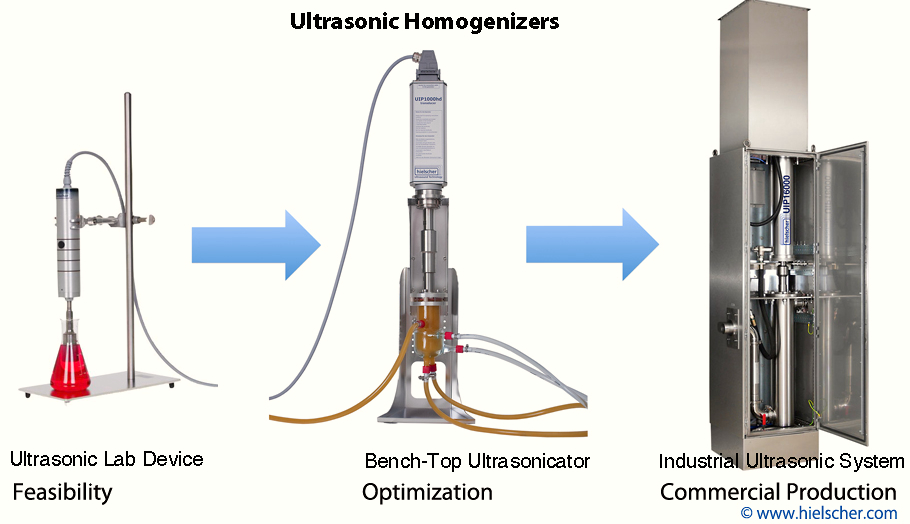
Hielscher Ultrasonics აწარმოებს მაღალი ხარისხის ულტრაბგერითი ჰომოგენიზატორებისგან ლაბორატორია რომ სამრეწველო ზომა.