საზღვაო დიზელი-ბიოდიზელი: საწვავის ეფექტური შერევა მიწოდების უსაფრთხოებისა და მდგრადობისთვის
As the marine industry faces rising pressure from fuel volatility, stricter environmental expectations, and the urgent need for practical decarbonization strategies, marine diesel-biodiesel blends are gaining attention as a realistic and scalable solution. When these blends are produced using ultrasonic homogenization, their performance and stability can be significantly improved. The result is a more uniform, reliable fuel that supports both operational efficiency and sustainability goals.
Marine operators today are navigating a difficult energy landscape. Fuel shortages, unstable supply chains, and fluctuating fossil fuel prices are forcing ship owners, fuel processors, and engine operators to seek alternatives that are both available and compatible with existing infrastructure. In this context, biodiesel-diesel blends for marine applications offer a strong advantage. They allow conventional marine diesel to be partially replaced with renewable fuel components, reducing dependence on pure petroleum fuels while creating a more flexible and resilient fuel strategy.
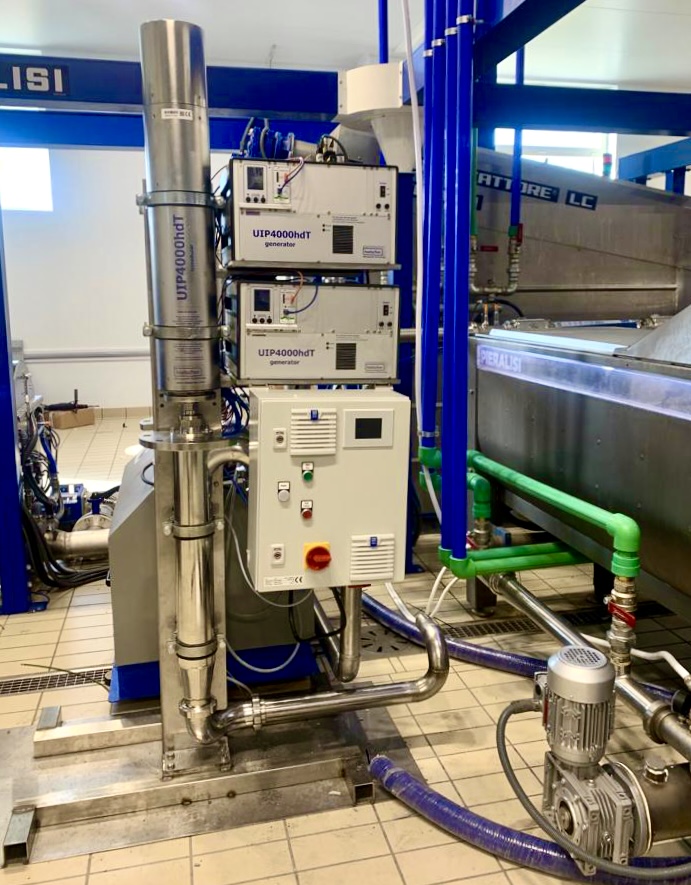
Installation of 2x UIP4000hdT for 8000 watts powerful ultrasonic homogenizing
რატომ აერთიანებს ერთგვაროვანი საწვავი ნივთიერებას საზღვაო პროგრამებში
 ბიოდიზელის ნარევების მთავარი გამოწვევა სტაბილური და ერთგვაროვანი ნარევის მიღწევაა. ბიოდიზელსა და დიზელს შორის სიბლანტის, სიმკვრივისა და მოლეკულური ქცევის განსხვავებებმა შეიძლება გავლენა მოახდინოს ნაზავის ხარისხზე, განსაკუთრებით მაშინ, როდესაც გამოიყენება შერევის ჩვეულებრივი მეთოდები. სწორედ აქ ხდება ულტრაბგერითი შერწყმა უაღრესად აქტუალური.
ულტრასონიკური ჰომოგენიზაცია იყენებს მაღალი ინტენსივობის ხმოვან ტალღებს, რათა შექმნას ინტენსიური მიკროცეროვნება და კავიაცია სითხეში. ეს პროცესი აფანტავს და აერთიანებს საწვავის კომპონენტებს ბევრად უფრო ეფექტურად, ვიდრე მხოლოდ ტრადიციული დაბერება. ზღვის დიზელ-ბიოდიზელის ნარევებში ულტრასონიკური ჰომოგენიზაცია ეხმარება უფრო წვრილი, ერთგვაროვანი ნარევის შექმნაში, რაც უზრუნველყოფს საწვავის გაუმჯობესებულ თანმიმდევრობას. უკეთ ჰომოგენიზებული ნარევი ხელს უწყობს უფრო პროგნოზირებად წვის ქცევას, ხელს უწყობს საწვავის ხარისხის გაუმჯობესებას და მაღალ შენახვის სტაბილურობას.
ულტრასონიკური ბლენდირება აუმჯობესებს საწვავის სტაბილურობას და შესრულებას
 The advantages of ultrasonic blending for marine diesel-biodiesel fuels are especially important in demanding marine environments. Ships rely on dependable fuel performance, and any inconsistency in blend quality can create operational concerns. Ultrasonically homogenized fuel blends help reduce phase separation risks and improve the overall quality of the final fuel. This makes ultrasonic processing an attractive technology for fuel preparation, fuel upgrading, and on-site blending applications.
ტექნიკური და ეკონომიკური თვალსაზრისით, ულტრაბგერითი ჰომოგენიზაცია ასევე გამოირჩევა, რადგან ეს არის უაღრესად ეფექტური პროცესი. მას შეუძლია გააძლიეროს შერწყმა, გააუმჯობესოს ერთგვაროვნება და გააუმჯობესოს საწვავის ხარისხი შედარებით მოკლე დამუშავების დროში. ეს მას დამაჯერებელ ვარიანტად აქცევს საზღვაო საწვავის მწარმოებლებისთვის და სამრეწველო მომხმარებლებისთვის, რომლებიც ცდილობენ ოპტიმიზაციას გაუწიონ შერევის შესრულებას პროცესის საიმედოობის შენარჩუნებისას.

ბიოდიზელ-დიზელის ნარევები გვთავაზობენ სტრატეგიულ ღირებულებას საწვავის დეფიციტის დროს
კიდევ ერთი მიზეზი, რის გამოც საზღვაო დიზელ-ბიოდიზელის ნარევები უფრო აქტუალური ხდება, არის საწვავის უსაფრთხოების გაუმჯობესების გლობალური აუცილებლობა. საწვავის დეფიციტის დროს, დიზელის ბიოდიზელთან შერევა ხელს შეუწყობს საწვავის ხელმისაწვდომი რესურსების გაფართოებას და წიაღისეული საწვავის შეზღუდულ მარაგებზე დამოკიდებულების შემცირებას. ბიოდიზელის წარმოება შესაძლებელია განახლებადი ნედლეულის სპექტრისგან, მათ შორის მცენარეული ზეთებიდან, ნარჩენი ზეთებიდან და ცხოველური ცხიმებიდან, რაც აფართოებს საწვავის ბაზას და მხარს უჭერს საწვავის რეგიონალურ დივერსიფიკაციას. საზღვაო სექტორისთვის ეს შეიძლება ითარგმნოს მიწოდების უფრო მეტ მოქნილობაში და ჩვეულებრივი საზღვაო საწვავის ბაზრებზე შეფერხებების შემცირებაში.
გარემოსდაცვითი კეთილგანწყობა და მდგრადობა ცვლის საზღვაო საწვავს
Environmental friendliness is another major driver behind the growing interest in biodiesel blends. Biodiesel is widely recognized as a renewable fuel component with the potential to lower the overall carbon footprint of fuel use. When blended with marine diesel, it can contribute to a cleaner combustion profile and support emissions reduction efforts. For companies seeking practical ways to improve their environmental performance without completely replacing engines or fuel systems, marine diesel-biodiesel blends provide a feasible transition pathway.
გადაზიდვის მდგრადობა აღარ არის ნიშური თემა. ახლა ეს სტრატეგიული მოთხოვნაა. ოპერატორები მზარდი ზეწოლის ქვეშ არიან, რათა შეამცირონ სათბურის გაზების ემისიები, გააუმჯობესონ რესურსების ეფექტურობა და მიიღონ უფრო სუფთა ენერგეტიკული პრაქტიკა. ულტრაბგერითი ჰომოგენიზებული ბიოდიზელ-დიზელის ნარევები კარგად ჯდება ამ გადასვლაში, რადგან ისინი აერთიანებენ დიზელის ჩვეულებრივი მუშაობის ნაცნობობას განახლებადი საწვავის ინტეგრაციის გარემოსდაცვით სარგებელთან. ეს მიდგომა მხარს უჭერს თანდათანობით მოდერნიზაციას და არა სისტემის მკვეთრ ცვლილებას.

Hielscher UIP6000hdT კლასტერი, რომელიც შედგება 12x-მდე სონიკატორისგან. კონტეინერის ეს დაყენება საშუალებას გაძლევთ შექმნათ 72 კვტ მძლავრი შიდა გაჟონვის სისტემა საწვავის მაღალი ხარისხის შიდა დამუშავებისთვის.
ულტრაბგერითი ჰომოგენიზებული საზღვაო დიზელ-ბიოდიზელის ნარევების ძირითადი უპირატესობები
ულტრაsონიკური შერევის მნიშვნელობა შეიძლება რამდენიმე ძირითად პუნქტში შედგეს:
- მზისეულობა საზღვაო დიზელის-ბიოდიზელის შერევებში გაუმჯობესებულია
- შერევის სტაბილობა გაზრდილია და განშტოვების რისკი შემცირებულია
- გადამუშავებისა და დამუშავებისთვის დაწესებული საწვავის ხარისხი უფრო თანმიმდევრია
- ბიოდიზელის components-ების უკეთესი გამოყენება
- საწვავის მოქნილობა მომარაგების ნაკლებობის დროს უფრო ძლიერი გახდა
- დაგეგმარებულია სუფთა და მდგრადი საზღვაო ოპერაციებისთვის შეყვანის მხარდაჭერა
ინდუსტრიული საწვავის შერევა მასშტაბური სონიკატორული სისტემებით
 For industrial fuel blending, powerful ultrasonic processors such as the UIP2000hdT, UIP4000hdT, and UIP6000hdT are suitable examples of scalable equipment for the homogenization of diesel-biodiesel blends. These industrial sonicator models can be integrated into continuous flow-through processes and help manufacturers produce uniform, stable fuel blends with high reproducibility.
Their industrial relevance lies not only in individual performance, but also in scalability. Clusters of parallel installed sonicators enable processors to handle virtually any required production capacity. This modular approach allows fuel producers to scale blending output according to demand while maintaining consistent blend quality. As a result, ultrasonic fuel blending can be adapted efficiently from medium-scale production to high-volume industrial operations.
For manufacturers seeking reliable process intensification, parallel ultrasonic installations offer a practical route to combine flexibility, throughput, and product consistency. This makes ultrasonic homogenization particularly attractive for companies that need stable fuel blends in large volumes without sacrificing process control.
მომავლის მიმართულების საწვავის სტრატეგია საზღვაო ინდუსტრიისთვის
 საზღვაო ინდუსტრიას სჭირდება პრაქტიკული, მასშტაბირებადი გადაწყვეტილებები, რომლებიც თავსებადია ნავური ძრავებისა და საწვავის ლოჯისტიკისთან. ულტრასონიკურად ჰომოგენიზებული საზღვაო დიზელის-ბიოდიზელის ნარევები პასუხობენ ამ მოთხოვნას, ერთმანეთში აერთიანებენ განახლებადი საწვავის ინტეგრირებას და მოწინავე ნარევის ტექნოლოგიას. ისინი აძლიერებენ საწვავის სტაბილურობას, აუმჯობესებენ გამოყენებადობას და ეხმარებიან საზღვაო კომპანიებს ერთდროულად ორი კრიტიკული გამოწვევის გადაჭრაში: საწვავის მარაგის უზრუნველყოფა და გარემოზე ზემოქმედების შემცირება.
როდესაც საწვავი ბაზრები უცვლელი რჩება და მდგრადობის მოლოდინები კვლავ იზრდება, ულტრაბგერითი შერევა ვითარდება, როგორც უკიდურესად ეფექტური მეთოდი მომდევნო თაობის ზღვის საწვავის წარმოებისთვის. ზღვის ოპერატორებისთვის, საწვავის დამამუშავებლებისთვის და მდგრადობაზე ორიენტირებული კომპანიებისთვის, ბიოდიზელის-დიზელის ნარევების და ულტრაბგერითი ჰომოგენიზაციის კომბინაცია მხოლოდ ტექნიკურ გაუმჯობესებას არ წარმოადგენს. ეს არის მომავლისკენ ორიენტირებული სტრატეგია მისი წმინდა, უფრო მდგრადი და უფრო რესურსზე ეფექტური საზღვაო ენერგიის მოხმარებისთვის.

16000 ვატიანი სონიკატორი ბიოდიზელის-ბანკერის ნავთობის ნარევებისა და წყლის საწვავის მსგავს საწვავებთან შერევისათვის.
სონიკატორები ხაზოვანი საწვავის შერევისათვის
 For continuous fuel blending, industrial ultrasonic processors such as the Hielscher UIP2000hdT, UIP4000hdT, and UIP6000hdT are powerful examples of scalable sonication technology for the production of stable diesel-biodiesel blends. These systems are designed for inline operation, allowing fuel streams to be processed continuously with high uniformity and reproducible blend quality. A key advantage of Hielscher sonicators is their combination of high ultrasonic intensity, robust industrial design, precise process control, and easy scalability. They can be integrated into industrial production lines and adapted to specific throughput requirements, making them highly suitable for demanding fuel blending applications. Since Hielscher ultrasonic systems are modular, clusters of parallel installed sonicators enable the processing of virtually any volume of stable fuel blends, from medium-scale production to large industrial capacities. This parallelization concept allows manufacturers to increase throughput without compromising homogenization performance. In addition, Hielscher sonicators are valued for their efficiency, reliability, continuous 24/7 operability, and consistent blending results, which makes them an excellent choice for fuel producers seeking a flexible and economically attractive solution for continuous biodiesel-diesel blending.

ქვემოთ მოყვანილი ცხრილი გვიჩვენებს ჩვენი ულტრაბგერითი აპარატების სავარაუდო დამუშავების შესაძლებლობებს:
| სურათების მოცულობა | Დინების სიჩქარე | რეკომენდებული მოწყობილობები |
|---|---|---|
| 10-დან 2000 მლ-მდე | 20-დან 400 მლ/წთ-მდე | UP200Ht, UP400 ქ |
| 0.1-დან 20ლ-მდე | 0.2-დან 4ლ/წთ-მდე | UIP2000hdT |
| 10-დან 100 ლ-მდე | 2-დან 10ლ/წთ-მდე | UIP4000hdT |
| 15-დან 150 ლ-მდე | 3-დან 15 ლ/წთ-მდე | UIP6000hdT |
| na | 10-დან 100ლ/წთ-მდე | UIP16000hdT |
| na | უფრო დიდი | კასეტური UIP16000hdT |
დიზაინი, წარმოება და კონსულტაცია – ხარისხი დამზადებულია გერმანიაში
Hielscher ულტრაბგერითები ცნობილია მათი უმაღლესი ხარისხისა და დიზაინის სტანდარტებით. გამძლეობა და მარტივი მუშაობა საშუალებას იძლევა ჩვენი ულტრაბგერითი აპარატების გლუვი ინტეგრაცია სამრეწველო ობიექტებში. უხეში პირობები და მომთხოვნი გარემო ადვილად უმკლავდება Hielscher ულტრაბგერითებს.
Hielscher Ultrasonics არის ISO სერთიფიცირებული კომპანია და განსაკუთრებული აქცენტი კეთდება მაღალი ხარისხის ულტრაბგერაზე, რომელიც აღჭურვილია უახლესი ტექნოლოგიით და მომხმარებლის კეთილგანწყობით. რა თქმა უნდა, Hielscher ულტრაბგერითები შეესაბამება CE და აკმაყოფილებს UL, CSA და RoHs მოთხოვნებს.

Hielscher Ultrasonics აწარმოებს მაღალი ხარისხის ულტრაბგერითი ჰომოგენიზატორების შერევას აპლიკაციების, დისპერსიის, ემულსიფიკაციისა და ექსტრაქციისთვის ლაბორატორიულ, საპილოტე და სამრეწველო მასშტაბებზე.
ხშირად დასმული შეკითხვები
რა არის საზღვაო დიზელის ზეთი?
საზღვაო დიზელის ზეთი (MDO) არის დისტილატზე დაფუძნებული საზღვაო საწვავი, რომელიც გამოიყენება გემის დიზელის ძრავებში. ის უფრო მსუბუქი და სუფთაა, ვიდრე მძიმე ნარჩენი საზღვაო საწვავი, ზოგადად აქვს დაბალი სიბლანტე და შექმნილია საზღვაო აპლიკაციებში საიმედო ანთებისა და წვის მხარდასაჭერად. დისტილატის საზღვაო საწვავი, როგორიცაა საზღვაო დიზელი და საზღვაო გაზოილი, არის ბუნკერის საწვავის მიწოდების ნაწილი, რომელიც გამოიყენება გადაზიდვისთვის.
არის თუ არა საზღვაო დიზელი იგივე, რაც ბუნკერის საწვავი?
მშრალი დიზელი ზუსტად იგივე ნავთობი არაა, რაც ბანკერის საწვავი. “ბანკერის საწვავი” ეს არის უფრო ფართო ტერმინი ხომალდებისთვის მიწოდებული საწვავისათვის, და იგი მოიცავს როგორც ნარჩენით საწვავს, ისე დისტილატურ საწვავს. შესაბამისად, მზღვრული დიზელი არის ერთი ტიპი ბანკერის საწვავის, მაგრამ არა ყველა ბანკერის საწვავი არის მზღვრული დიზელი; მძიმე საწვავი ზეთი და საზღვაო საწვავი ზეთი ასევე არის ბანკერის საწვავი.
როგორ შეიძლება გემების საწვავი უფრო ეკოლოგიურად სუფთა გავხადოთ?
გემების საწვავის უფრო ეკოლოგიურად სუფთად გადაქცევა შესაძლებელია გოგირდისა და ნაწილაკების გამონაბოლქვის შემცირებით, განახლებადი და დაბალნახშირბადიანი საწვავის, როგორიცაა ბიოსაწვავი, წილის გაზრდით და საწვავის შეფასებით სასიცოცხლო ციკლის სათბურის გაზების საფუძველზე, წარმოებიდან გემზე გამოყენებამდე. პრაქტიკაში, უფრო ეკოლოგიურად სუფთა გემების საწვავი მიიღწევა საწვავის უფრო სუფთა ფორმულირებების, ნამარხი საზღვაო საწვავის მდგრადი ბიოკომპონენტების შერევით და ალტერნატიული საზღვაო საწვავის დანერგვით, რომლებიც ამცირებენ ჭაბურღილიდან აორთქლებამდე გამონაბოლქვებს და აუმჯობესებენ მდგრადობის საერთო მაჩვენებელს.
წაიკითხეთ უფრო მეტი აკვა-საწვავების ულტრასონიკური ემულგაციის შესახებ!
ლიტერატურა / ლიტერატურა
- D. Christopher Selvam, Yuvarajan Devarajan, T. Raja (2026): Biodiesel and alcohol-biodiesel blends in marine diesel engines: Fuel properties, engine behavior, environmental impacts, and operational challenges.
Marine Pollution Bulletin, Volume 224, 2026. - Abdullah, C. S. ; Baluch, N.; Mohtar S. (2015): Ascendancy of ultrasonic reactor for micro biodiesel production. Jurnal Teknologi (Sciences ; Engineering) 77:5; 2015. 155-161.
- Ali Gholami, Fathollah Pourfayaz, Akbar Maleki (2021): Techno-economic assessment of biodiesel production from canola oil through ultrasonic cavitation. Energy Reports, Volume 7, 2021. 266-277.
- Wu, P., Yang, Y., Colucci, J.A. and Grulke, E.A. (2007): Effect of Ultrasonication on Droplet Size in Biodiesel Mixtures. Journal of the American Oil Chemists’ Society, 84: 877-884.
- მაღალი ეფექტურობის
- უახლესი ტექნოლოგია
- საიმედოობა & სიმტკიცე
- რეგულირებადი, ზუსტი პროცესის კონტროლი
- პარტია & ხაზში
- ნებისმიერი მოცულობისთვის
- ინტელექტუალური პროგრამული უზრუნველყოფა
- ჭკვიანი ფუნქციები (მაგ., პროგრამირებადი, მონაცემთა პროტოკოლირება, დისტანციური მართვა)
- მარტივი და უსაფრთხო ფუნქციონირება
- დაბალი მოვლა
- CIP (სუფთა ადგილზე)
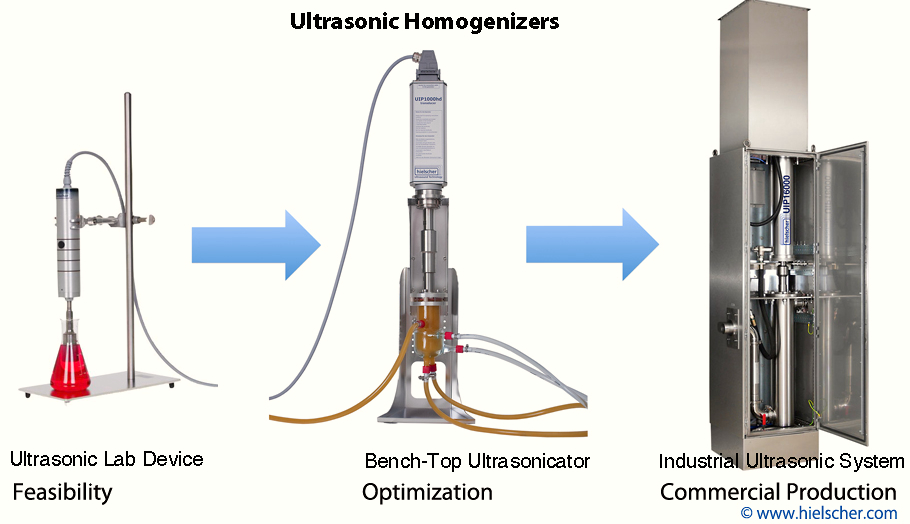
Hielscher Ultrasonics აწარმოებს მაღალი ხარისხის ულტრაბგერითი ჰომოგენიზატორებისგან ლაბორატორია რომ სამრეწველო ზომა.