Միկրոտարելային սոնիկացիա շոթգան պրոտեոմիկայում – Հավելվածի Նշում
Shotgun proteomics depends on efficient, reproducible sample preparation to convert complex biological material into LC-MS/MS-ready peptides. The UIP400MTP microplate sonicator supports this process by enabling standardized, parallel sonication of small-volume samples, helping laboratories improve disruption, extraction, and resolubilization in microplate-based workflows. This application note describes how the UIP400MTP can be integrated into proteomic sample preparation, using a published extracellular-vesicle workflow from PLA2G12A/Th17 studies as a lab-tested example.
Microplate Sonication for More Reproducible Shotgun Proteomics
Պրոտեոմիկայի հետազոտողների համար կրկնօրինակվող նմուշի պատրաստումը կարևոր նշանակություն ունի բարձրորակ LC-MS/MS տվյալների համար։ UIP400MTP միկրապլատային սոնիկատորը աջակցում է ստանդարտացված, զուգահեռ սոնիկացիային տախտակաձև և փոքր ծավալ/բարձր հոսք աշխատանքային հոսքերի մեջ։
Այն հատկապես օգտակար է լաբորատորիաների համար, որոնք աշխատում են՝
- Մեծ նմուշային հավաքածուների հետ, որոնք պահանջում են համաչափ մշակում բազմաթիվ սառույցների միջով
- Սահմանափակ մուտքային նյութերի հետ, երբ անհրաժեշտ է նվազագույնի հասցնել նմուշի կորուստը և փոփոխականությունը
- Լիպիդերով հարուստ նմուշների, օրինակ՝ նորմալցված վեզիկուլների հետ
- Համեմատաբար բարդ կենսաբանական պատրաստուկների հետ, որոնք պահանջում են արդյունավետ խոչընդոտում, արդյունահանում կամ լուծարանք
- Համեմատական շոթգան պրոտեոմիկայի համար, որտեղ պայմանների և կրկնօրինակների միջև կրկնօրինակելիությունը կենսական է
Միկրապլատային սոնիկացիան ինտեգրելով աղաղակի առաջ, հետազոտողները կարող են բարելավել նմուշի պատրաստությունը՝
- Օրինակ՝ սպիտակուցների արդյունահանում և լուծարանք
- Թրիպսին/Լիզ-Կ հոդերի ապահեղացումը
- Նանո-LC/MS/MS ձեռքբերում
- Քանակական հետընդին պրոտեոմիկայի վերլուծություն
Իմանալով, թե ինչպես միկրոպլատային սոնիկացիան օգնում է նվազեցնել ձեռքի տարբերությունները, բարելավել նմուշի խզումը և պատրաստել բարդ կենսաբանական նմուշներ վստահելի LC-MS/MS վերլուծության համար։

Միկրոպլատային սոնիկացիայի առավելությունները կարող են օգտակար լինել՝
- Պրոտեոմիկայի կենտրոնական լաբորատորիաներ
- EV հետազոտական լաբորատորիաներ
- Իմունոլոգիայի և բջջաբանական լաբորատորիաներ
- Թրանսլացիոն հետազոտական խմբեր
- Կենսաբանության ոլորտի թիմեր, որոնք մասշտաբավորում են մեկ նմուշային պատրաստումից մինչև բարձր հզորությամբ աշխատանքային հոսքեր
The UIP400MTP is not an ultrasonic bath. It'a a high intensity cup horn for focused sonication. This powerful non-contact sonicator delivers a uniform sonication across all wells of your standard well-plate. You have precise control over amplitude, power, and pulsing. A built-in timer and temperature probe ensures consistent results. The UIP400MTP plate sonicator cools samples with water bath (external chiller optional).
The UIP400MTP is not an ultrasonic bath. It'a a high intensity cup horn for focused sonication. This powerful non-contact sonicator delivers a uniform sonication across all wells of your standard well-plate. You have precise control over amplitude, power, and pulsing. A built-in timer and temperature probe ensures consistent results. The UIP400MTP plate sonicator cools samples with water bath (external chiller optional).
High-Throughput Sample Preparation for Extracellular Vesicle Proteome Analysis
What is Shotgun Proteomics?
Shotgun proteomics has become a central analytical strategy for characterizing complex biological samples, from whole-cell lysates and tissue extracts to purified organelles, extracellular vesicles, and low-input clinical specimens. Its core strength lies in the coupling of protein digestion, high-resolution liquid chromatography-tandem mass spectrometry, and computational peptide-to-protein inference. However, the quality of the final proteome dataset is determined long before the sample reaches the mass spectrometer. Efficient sample disruption, protein solubilization, removal of interfering substances, reproducible enzymatic digestion, and robust peptide recovery are all decisive for depth of coverage and quantitative reliability.
Պրոտեոմիկայի հետազոտողների և կյանքի գիտությունների լաբորատորիաների համար, որոնք աշխատում են սահմանափակ կամ արժեքավոր նմուշների հետ, նմուշի պատրաստությունը հաճախ որոշիչ հանգույց է։

UIP400MTP-ն ապահովում է նմուշների հուսալի պատրաստում և հեշտ ինտեգրում առկա լաբորատոր աշխատանքային հոսքերի հետ
Արտաքին վեզիկուլաների մարտահրավերը պրոտեոմիկայում
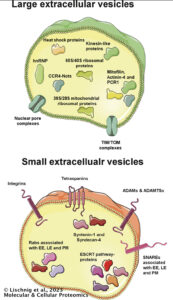 Extracellular vesicles (EVs), for example, represent a particularly demanding sample class. They are membrane-bound, lipid-rich, nanoscale particles with relatively low protein yield and a high potential for carry-over of lipids, salts, detergents, serum proteins, and other matrix components. These features can interfere with digestion efficiency, chromatographic performance, electrospray stability, and peptide identification. A preparation workflow for EV proteomics must therefore be strong enough to disrupt vesicle structures and solubilize protein cargo, while remaining compatible with downstream enzymatic digestion and LC-MS/MS analysis.
In this context, microplate-compatible ultrasonication offers a practical approach for reproducible, parallelized sample processing. The Hielscher microplate sonicator models UIP400MTP (400 W) and UIP550MTP (550 W) are designed for sonication of samples in multiwell plates and small-volume vessels, supporting higher-throughput workflows than conventional single-probe sonicators. For proteomics laboratories, this format is attractive because it can reduce hands-on variability, improve parallel treatment of multiple samples, and integrate more naturally into plate-based sample preparation pipelines.
Exemplary Workflow
A recent extracellular vesicle proteomics workflow in PLA2G12A-driven Th17-cell biology provides a useful, lab-tested example of how the microplate sonicator UIP400MTP can be incorporated into shotgun proteomics sample preparation. In that study series, EV samples were processed for proteome analysis using methanol treatment, UIP400MTP sonication, centrifugation, drying, trypsin/Lys-C digestion, and nano-flow LC-high-resolution tandem MS. The biological work was reported in 2026 by Mochizuki-Ono and colleagues, where the proteomics analysis helped characterize how PLA2G12A alters EV cargo proteins in the context of pathogenic T-cell responses.

96-ուժերի ապակեղենային սոնիկատոր UIP400MTP բարձր-throughput սպիտակուցային հանման համար
Սոնիկատոր՝ UIP400MTP microplate sonicator
Մուտք․ 5 մկգ EV սպիտակուցային համարժեք
Քայքայում՝ Տրիպսին/Լիզ-Կ
Արդյունք՝ Nano-LC-MS/MS / DIA պրոտեոմիկա
Քայլ-քայլ հրահանգ․՝ UIP400MTP-ով աջակցվող EV նմուշների պատրաստում շոթգան պրոտեոմիկայի համար
Այս վրձնագիրը նկարագրում է ցածր քանակությամբ էկստրասելյուլյար վեսիկուլի (EV) շոթգան պրոտեոմիկայի նմուշների պատրաստման մեթոդը՝ օգտագործելով UIP400MTP միկրոպլատայի սոնիկատորը։ Այն հիմնված է հրապարակված EV պրոտեոմիկայի աշխատանքային հոսքի վրա, որտեղ EV նմուշները նորմալացվել են, չորացվել, մշակվել մեթանոլով, սոնիկատացվել, քայքայվել տրիպսին/Լիզ-Կ-ով, թթվայինացվել և վերլուծվել nano-LC-MS/MS-ով.
Այս ընթացակարգը նախատեսված է պրոտեոմիկայի հետազոտողների և կենսաբանական գիտությունների լաբորատորիաների համար, որոնք պատրաստում են EV-ներ կամ այլ փոքր ծավալով, լիպիդներով հարուստ կենսաբանական նմուշներ ստորին մակարդակի շոթգան պրոտեոմիկայի համար։
Workflow Overview
| Փուլ | Նպատակ | Հիմնական արդյունք |
|---|---|---|
| EV պատրաստում | Զատել, լվանալ և քանակել EV նմուշները | Նորմավորված EV մուտք |
| Նմուշի չորացում | Հեռացնել հեղուկը համալիր լուծիչային մշակմամբ առաջադրանքից առաջ | Չորացրած EV նյութ |
| Մեթանոլային բուժում | Աջակցել լիպիդներով հարուստ EV նյութի խզմանը | Մեթանոլով թրջված նմուշ |
| UIP400MTP son'sիկացիա | Վերացրեք խզումը, արտանետումը և հոմոգենացումը | Մշակված EV նմուշ |
| մարսողություն | Ծառայել EV պրոտեիններից պեպտիդներ ստանալու համար | Trypsin/Lys-C պեպտիդային հացահատիկություն |
| LC-MS/MS վերլուծություն | Դիլիկատել, հայտնաբերել և քանակել պեպտիդները | Պրոտեոմիկայի տվյալների հավաքածու |
| տվյալների վերլուծություն | Նպաստել պեպտիդների և պրոտեինների նույնականացմանը և քանակմանը | Պրոտեինային մակարդակի արդյունքներ |
Քայլ առ քայլ արձանագրություն
| քայլ | Ձեռնարկ | Կրիտիկական պարամետրեր |
|---|---|---|
| 1 | Prepare purified EV samples using the laboratory’s established isolation workflow. | Remove cells, debris, and major contaminants before proteomics preparation. |
| 2 | Quantify EV protein content, for example by BCA assay. | Normalize all samples to equal protein-equivalent input. |
| 3 | Transfer 5 µg EV protein equivalent into clean PCR tubes or compatible low-volume tubes. | Use low-bind tubes where sample loss is a concern. |
| 4 | Dry the EV samples completely. | Avoid overheating; confirm that no visible liquid remains. |
| 5 | Add 25 µL methanol to each dried EV sample. | Ensure the dried material is fully wetted. |
| 6 | Sonicate the samples for 3 minutes using the UIP400MTP microplate sonicator. | Use identical sonication settings and layout logic across all samples. |
| 7 | Centrifuge the sonicated samples at 19,000 × g for 20 minutes at 4°C. | Avoid disturbing any pellet or insoluble material after centrifugation. |
| 8 | Carefully remove 20 µL of the supernatant. | Օգտագործեք հետևողական փիպետավորման տեխնիկա բոլոր նմուշների համար։ |
| 9 | Սևացրեք մնացած նմուշի նյութը ամբողջովին։ | Ուղղակի անցեք հարստացման կամ պահեք միայն վավերացված պայմաններում։ |
| 10 | Ավելացրեք 4 µL թրիպսին/Lys-C լուծույթ 100 ng/µL 50 mM ամոնիում բիկարբոնատում։ | Պատրաստեք ֆերմենտի լուծույթը թարմ կամ օգտագործեք ճիշտ պահպանված ալիքոտներ։ |
| 11 | Կարճ ժամանակով սոնիկացրեք` լուծելու համար չորացրած սպիտակուցի նյութը հարստացման լուծույթում։ | Սոնիկացումից հետո հավաքեք բոլոր հեղուկները յուրաքանչյուր անհատական խողովակի հատակից։ |
| 12 | Հարստեք 2 ժամ 37°C ջերմաստիճանում՝ 300 rpm արագությամբ խառնելով։ | Պահեք գլխնակները լավ փակ՝ գոլորշիացումը կանխելու համար։ |
| 13 | Ավելացրեք 1 µL 1.25% TFA՝ հարստումը թթվայնացնելու համար։ | Թթվայնացումը դադարեցնում է հարստումը և պատրաստում պեպտիդները LC-MS/MS-ի համար։ |
| 14 | Փոխանցեք հարստումը LC-MS-ի հետ համատեղելի վիալների կամ վանդակների մեջ։ | Խուսափեք լուծվող չորքից անցում կատարելուց։ |
| 15 | Վերլուծեք nano-LC-MS/MS-ով։ | Օգտագործեք համաչափ ներարկման ծավալ, LC գրաադիենտ և MS ստացման կարգավորումներ, |
| 16 | Նախնական տվյալները մշակեք DIA, DDA կամ նպատակային պրոտեոմիկ ծրագրակազմի միջոցով՝ համապատասխանաբար, | Օգտագործեք համապատասխան տվյալների բազա, ֆերմենտի հատուկ հատկություն, մոդիֆիկացման կարգավորումներ և FDR շեմերը, |
(cf. Mochizuki-Ono et al., 2026)
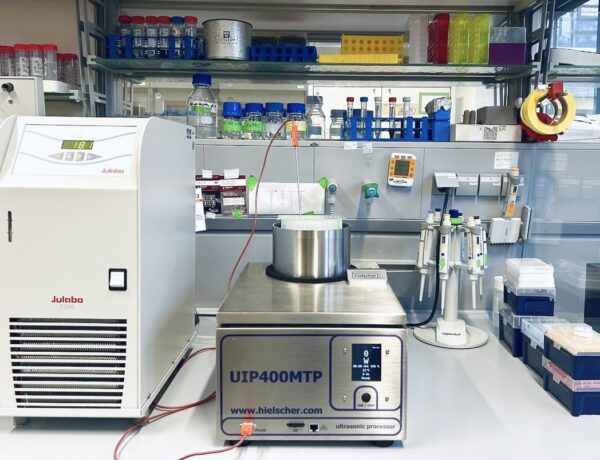
Բազմաբխային ափսեի ձայնային սարք UIP400MTP
Ինչու՞ միկրովահանակի սոնիկացիա,
UIP400MTP-ն հնարավորություն է տալիս ստանդարտացված, պարալելային սոնիկացիա փոքր ծավալի նմուշների համար: Սա օգտակար է, երբ կարևոր են կրկնելիությունը, նմուշի փոքր մուտքաթվականը և բազմանմուշի throughput-ը.

Օգտագործեք ցանկացած ստանդարտ միկրապլացեթ! Բարձր throughput նմուշների պատրաստում UIP400MTP-ով
Հղված EV պրոտեոմիկայի աշխատանքային հոսքը օգտագործել է 5 µg սպիտակուցային համարժեք EV մուտք, 25 µL մեթանոլ, 3 րոպե UIP400MTP սոնիկացիա, տրիպսին/Lys-C մարսում, TFA թթվայնացում և nano-LC-MS/MS վերլուծություն.
Առաջնորդող LC-MS/MS և տվյալների վերլուծության քայլեր
Փոփոխություններից և թթվայնացումից հետո նմուշները կարող են վերլուծվել նանո-հոսող հակառակ փուլով LC-ով՝ միացված բարձր ռեզոլյուցիայի տանդեմային զանգվածային սպեկտրոմետրիային: Հրատարակված աշխատանքային հոսքում պեպտիդները բաժանվել են նանո-LC համակարգում և վերլուծվել տվյալների անկախ ստացման (DIA) միջոցով Orbitrap զանգվածային սպեկտրոմետրում,
| Փուլ | Հաշվարկ | Նպատակ |
|---|---|---|
| Նմուշի բեռնափոխում | Use a C18 trap or equivalent peptide-loading setup. | Concentrates peptides and removes highly polar contaminants. |
| Peptide separation | Use nano-flow reversed-phase LC. | Improves peptide separation and MS sensitivity. |
| MS acquisition | Use DIA, DDA, or targeted MS depending on study design. | Generates peptide-level spectral data. |
| Database search | Use a species-appropriate reference database. | Supports peptide and protein identification. |
| FDR control | Apply peptide and protein false-discovery-rate thresholds. | Հսկողության նույնականացման վստահություն։ |
| Քանակականացում | Արտահանել պեպտիդի, պրեկուրսորի և սպիտակուցների առկայության աղյուսակները։ | Ենabling է խմբերի միջև ստատիստիկական համեմատություն։ |
Որակի վերահսկման ցուցակ
- Հաստատեք, որ բոլոր նմուշներում EV սպիտակուցային-հավասարությունով մուտքային պայմանն նույնն է։
- Օգտագործեք հարմարեցված կամ հավասարակշռված նմուշների մշակման դասակարգումներ։
- Պահեք մեթանոլի ծավալը, սոնիկացիայի ժամանակը, չորացման ժամանակը և հարստացման ծավալը նույնը։
- Հետևեք պեպտիդի բերքատվությանը և սպիտակուցների ընդհանուր նույնականացումներին։
- Ստուգեք բաց թողված քայքայման տոկոսը և պեպտիդների երկարության բաշխումը։
- Ստուգեք քրոմատոգրաֆիկ գագաթի ձևը և պահման-ժամանակների վերարտադրելիությունը։
- Մուտքագրեք դատարկ նմուշներ փոխանցման վերահսկման համար։
- Օգտագործեք միավորված QC նմուշները ավելի մեծ ուսումնասիրությունների համար։
- Անվտանգ կերպ գնահատեք կրկնօրինակների փոփոխականության գործակիցը։
- Օգտագործեք PCA կամ առնչվող մեթոդներ խմբային ազդեցությունները կամ բացառիկ նմուշները նույնականացնելու համար։
Պրոտոկոլային առաջարկություններ
 Այս աշխատանքային հոսքը հրապարակելիս կամ փաստաթղթավորելիս նշեք EV-ի մուտքային չափը, հանդերձանքի ֆորմատը, մեթանոլի ծավալը, UIP400MTP-ի амպլիտուդան և սոնիկացիայի տևողությունը, կենտրոնացման պայմանները, չորացման մեթոդը, հարստացման缓冲չափը, անզենիմի կոնցենտրացիան, հարստացման տևողությունը, թթվայնացման պայմանները, LC-MS/MS հարթակը, ձեռքբերման ռեժիմը, ծրագրային ապահովման տարբերակը, տվյալների բազան, FDR շեմը, նորմալացման մեթոդը և վիճակագրական աշխատանքային հոսքը։
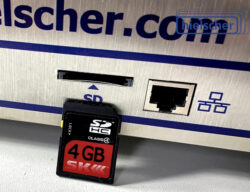
Բոլոր Hielscher միկրապլատֆորմային սոնիկատորները ավտոմատ կերպով գրանցում են կարևոր գործընթացի պարամետրերը, ինչպիսիք են ամպլիտուդան, սոնիկացիայի տևողությունն ու ջերմաստիճանը՝ նշված ամսաթվով և ժամով, որպես CVS ֆայլ ինտեգրված SD-քարտում։ Տվյալների արձանագրումը վերարտադրելիության և որակի վերահսկման համար երբեք այսքան հեշտ չէր։
DIA պրոտեոմիկայի համար օգտագործեք հետեւողական ձեռքբերման պարամետրեր բոլոր նմուշներում եւ հնարավորության դեպքում ներառեք միավորված QC նմուշներ: Վերահսկել նախորդների քանակը, պահպանման ժամանակի կայունությունը եւ կրկնօրինակել փոփոխականությունը:
Այս աշխատանքային հոսքը EV պրոտեոմիկայի լաբորատոր փորձարկված օրինակ է: Այլ նմուշի տեսակների համար օպտիմալացրեք մուտքագրման քանակը, վճարունակ պայմանները, sonication ժամանակը, մարսողության ծավալը եւ LC-MS / MS ներարկման ռազմավարությունը նախքան լիարժեք ուսումնասիրության մասշտաբավորումը:
Ուսումնասիրությունը մանրամասն. EV Shotgun Proteomics PLA2G12A ուսումնասիրության մեջ
P
In the EV preparation workflow, Th17 cells were cultured in medium containing exosome-depleted fetal bovine serum. Culture supernatants were first centrifuged to remove cells, filtered through a 0.22 µm filter, concentrated by ultrafiltration/ultracentrifugation, washed, resuspended in PBS, and quantified by BCA protein assay. This upstream EV preparation ensured that a defined protein-equivalent amount of EV material could be carried into the proteomics workflow.
For shotgun proteomic analysis, the authors used EV samples corresponding to 5 µg protein equivalents. These samples were dried in PCR tubes, and 25 µL methanol was added. The samples were then sonicated for 3 minutes using the UIP400MTP microplate sonicator. Following sonication, the samples were centrifuged at 4°C for 20 minutes at 19,000 × g. After removal of 20 µL supernatant, the samples were centrifuged to dryness. Proteins were then dissolved by sonication in 4 µL trypsin/Lys-C solution at 100 ng/µL in 50 mM ammonium bicarbonate. Digestion was performed for 2 hours at 37°C with shaking at 300 rpm. The digest was acidified with 1 µL of 1.25% trifluoroacetic acid and submitted to nano-flow LC-high-resolution tandem mass spectrometry.
This workflow highlights several useful principles for low-input EV proteomics. First, the input was normalized by protein equivalent, which is important when comparing EVs from different genotypes or treatments. Second, methanol was used before sonication, supporting disruption and extraction while avoiding detergent systems that may complicate LC-MS/MS. Third, the sonication step was short and standardized, which is compatible with parallel sample processing. Fourth, trypsin/Lys-C digestion was performed in a very small volume, reducing dilution and supporting low-input peptide recovery. Finally, direct transition from digestion to acidification and LC-MS/MS minimized unnecessary handling steps.
The downstream LC-MS/MS method used nano-flow reversed-phase separation coupled to a Q-Exactive HF Orbitrap mass spectrometer. Samples were trapped on a C18 pre-column, then separated on a 50 µm inner-diameter analytical column at 200 nL/min and 40°C. The gradient ran from low organic solvent to 35% solvent B over 60 minutes, followed by high-organic washing and re-equilibration. MS acquisition was performed in positive-ion mode using data-independent acquisition with higher-energy collisional dissociation. DIA raw files were analyzed using DIA-NN 1.8 with an in silico predicted spectral library.

High-throughput protein extraction UIP400MTP 96 ջրհորի ափսեի ձայնային սարքով
Հաճախակի տրվող հարցեր
Who benefits most from microplate sonication in shotgun proteomics?
Microplate sonication is especially useful for proteomics laboratories processing multiple samples in parallel, including core facilities, proteome research groups, immunology labs, translational research teams, and life-science laboratories moving toward higher-throughput LC-MS/MS workflows. It is particularly relevant when sample-to-sample reproducibility is critical.
Why use the UIP400MTP instead of a conventional probe sonicator?
Մոխրագույն պրոպ սոնեկտորը սովորաբար մշակվում է նմուշները մեկ անգամ և պահանջում է զգույշ մաքրման նմուշների միջև՝ փոխանցման նվազեցման համար։ Միկրոտախտիկ սոնեկտորի մոդելները՝ UIP400MTP և UIP550MTP, աջակցում են համաժամանակյա սոնիկացիային թերթիկային կամ փոքր ծավալի ձևաչափում, ինչն օգնում է նվազեցնել ձեռքի աշխատանքը, բարելավել համահունչությունը և օպտիմալացնել բազմանմուշային պատրաստումը։ Դրանք նաև թույլ են տալիս հեշտ ինտեգրում ավտոմատացված աշխատանքային հոսքերի մեջ։
Որտե՞ղ է սոնիկացիան տեղավորվում շոթգանի պրոտեոմիկայի աշխատանքային հոսքում։
Սոնիկացիան սովորաբար կիրառվում է նախաճաշային նախապատրաստման փուլում։ Այն կարող է աջակցել խախտմանը, արդյունահանմանը, հոմոգենիզացիային և վերալուծմանը՝ թրիպսինի, Լիս-Կ-ի կամ թրիպսին/Լիս-Կ խառնուրդով ֆերմենտային ածանցումից առաջ։
Additionally, sonication can be also applied during digestion to speed up enzymatic protein digestion significantly. Discover the potential of high-throughput protein digestion using sonication for a fast proteomic workflow!
Is microplate sonication useful for extracellular vesicle proteomics?
Yes. Extracellular vesicles are lipid-rich, membrane-bound particles that can be challenging to process reproducibly. In the referenced PLA2G12A studies, EV samples were treated with methanol, sonicated with the UIP400MTP, dried, digested with trypsin/Lys-C, and analyzed by nano-LC/MS/MS.
What sample types can benefit from microplate sonication?
Միկրոպլեյթերի sonication-ը կարող է օգտակար լինել բջջային լիզատների, օրգանելի ֆրակցիաների, իմունոպրեսիպիտատների, պրոտեինային ագրեգատների, թաղանթով հարուստ նմուշների, արտաքին վեզիկուլների և այլ ցածր ծավալի կենսաբանական պատրաստուկների համար։ Ամեն նմուշի տիպը պետք է օպտիմալացվի sonication-ի ինտենսիվության և ժամանակի, լուծիչի վիճակների, մուտքային քանակի և մարսման ռազմավարության համար։
Ծավալման sonication-ը փոխարինու՞մ է ֆերմենտային մարսումը։
Ոչ։ Sonication-ը օգնում է պատրաստել նմուշը մարսման համար՝ բարելավելով խոցելիությունը, արդյունահանումը կամ կրկնապաշարումը։ Մասնիկային մարսումը մնում է անհրաժեշտ՝ peptides-ները ստանալու համար bottom-up shotgun պրոտեոմիկայի համար։
Կարդացեք ավելին պրոտեոմիկ workflows-ներում ծավալայինորեն խթանված պրոտեինային մարսման մասին։
UIP400MTP-ն համատեղելի՞ է ցածր մուտքային պրոտեոմիկայի հետ։
Yes, the microplate format is well suited to small-volume workflows where sample conservation and consistent processing are important. In the published EV workflow, the proteomics preparation was performed with 5 µg protein-equivalent EV input.
Can microplate sonication improve reproducibility?
Hielscher sonicators support reproducibility by applying standardized sonication conditions across multiple samples. However, other factors such as cell or EV isolation, input normalization, digestion efficiency, LC-MS/MS stability, data processing, and statistical analysis contribute to overall proteomics reproducibility, too.
Does microplate sonication improve protein identification depth?
It may contribute to improved identification depth when sample disruption or resolubilization is a limiting factor. The effect depends on sample type, protein chemistry, cleanup strategy, digestion conditions, and LC-MS/MS method performance.
What should be optimized before using the workflow routinely?
Key parameters include sample input, buffer or solvent composition, plate format, ultrasonic amplitude and duration, drying conditions, digestion volume, enzyme concentration, incubation time, and LC-MS/MS injection amount. Pilot testing is recommended before applying the workflow to a full experimental set.
Can this workflow be used with DIA proteomics?
Yes. The referenced EV workflow used data-independent acquisition followed by DIA-NN analysis. Microplate sonication is part of the upstream sample-preparation process and can be integrated with DIA, DDA, or targeted proteomics methods.
What quality-control metrics should be monitored?
Recommended QC metrics include peptide yield, number of identified peptides and protein groups, missed-cleavage rate, peptide length distribution, chromatographic peak shape, retention-time stability, replicate coefficient of variation, carry-over, and separation of biological groups by PCA or related methods.
What is the main advantage of integrating the microplate sonicator models UIP400MTP or UIP550MTP into proteomics sample preparation?
Մետսագույն առավելությունը ստանդարտացված, զուգահեռ մշակումն է փոքր ծավալի նմուշների puhul: Սա օգնում է լաբորատորիաներին նվազեցնել ձեռնարկային փոփոխականությունը և ավելի անկայուն կերպով պատրաստել բարդ կենսաբանական նմուշներ աղացման, LC-MS/MS ձեռքբերման և քանակական պրոտեոմիկայի վերլուծության համար:
Հիլշերի միկրոփլեյթի սոնիկատորները հնարավոր է անխափան ինտեգրվել ավտոմատացված աշխատանքային հոսքերի մեջ:
Գրականություն / Հղումներ
- FactSheet UIP400MTP Multi-well Plate Sonicator – Non-Contact Sonicator – Hielscher Ultrasonics
- FactSheet UIP550MTP Multi-well Plate Sonicator – Non-Contact Sonicator – Hielscher Ultrasonics
- Mochizuki-Ono C., Taketomi Y., Irie A., Kano K. et al. (2026): PLA2G12A-driven extracellular vesicle-lipid signaling amplifies pathogenic T cell responses in inflammatory diseases. Cell Reports 45, 2026.
- Mochizuki, Chika; Taketomi, Yoshitaka; Irie, Atsushi; Kano, Kuniyuki; Nagasaki, Yuki; Miki, Yoshimi; Ono, Takashi; Nishito, Yasumasa; Nakajima, Takahiro; Tomabechi, Yuri; Hanada, Kazuharu; Shirouzu, Mikako; Watanabe, Takashi; Hata, Kousuke; Izumi, Yoshihiro; Bamba, Takeshi; Chun, Jerold; Kudo, Kai; Kotani, Ai; Murakami, Makoto (2024): Secreted phospholipase PLA2G12A-driven lysophospholipid signaling via lipolytic modification of extracellular vesicles facilitates pathogenic Th17 differentiation. BioRxiv 2024.
- Lischnig A., Bergqvist M., Ochiya T., Lässer C. (2023): Corrigendum for “Quantitative Proteomics Identifies Proteins Enriched in Large and Small Extracellular Vesicles”. Molecular & Cellular Proteomics, 22; 2023.
- Lauren E. Cruchley-Fuge, Martin R. Jones, Ossama Edbali, Gavin R. Lloyd, Ralf J. M. Weber, Andrew D. Southam, Mark R. Viant (2024): Automated extraction of adherent cell lines from 24-well and 96-well plates for multi-omics analysis using the Hielscher UIP400MTP sonicator and Beckman Coulter i7 liquid handling workstation. Metabomeeting 2024, University of Liverpool, 26-28th November 2024.
- Cosenza-Contreras M, Seredynska A, Vogele D, Pinter N, Brombacher E, Cueto RF, Dinh TJ, Bernhard P, Rogg M, Liu J, Willems P, Stael S, Huesgen PF, Kuehn EW, Kreutz C, Schell C, Schilling O. (2024): TermineR: Extracting information on endogenous proteolytic processing from shotgun proteomics data. Proteomics. 2024.

Hielscher Ultrasonics-ը արտադրում է բարձր արդյունավետության ուլտրաձայնային հոմոգենիզատորներ լաբորատորիա դեպի արդյունաբերական չափս.