Ուլտրաձայնային Ավելանրմել Ինչպես Խորը Փորձաքարեր՝ Ճշգրիտ Հատվածներով
Hielscher sonicators are efficient milling equipment for high-efficiency particle size reduction, nano-dispersion, and emulsification through controlled, high-intensity ultrasonic cavitation. Engineered for both research and industrial scale, these systems reliably break down agglomerates, refine powders, and create homogeneous suspensions across pharmaceuticals, cosmetics, nanomaterials, and specialty chemicals.
From Coarse Powder to Uniform Micro- and Nanoparticles
Hielscher probe-type sonicators deliver powerful, precisely controllable wet-milling and fine grinding – without beads, balls, or other milling media. Produce homogeneous, high-solid slurries with narrow particle size distributions while shortening processing time and reducing energy demand.
By leveraging precise amplitude control and advanced acoustic wave propagation, the sonicators achieve uniform results with minimal thermal impact, preserving sensitive compounds while maximizing throughput and reproducibility. Discover how ultrasonic milling can streamline your formulation workflow and elevate product performance.
Who Should Use Ultrasonic Wet-Milling?
- Manufacturers requiring controlled particle reduction to micron or nanometer size
- Producers of pigments, inks, paints, and high-performance coatings
- Ceramic, mineral, cement, and metal-oxide processors
- Pharmaceutical and cosmetic formulators developing fine suspensions
- Battery, catalyst, and advanced-material manufacturers
- Companies processing highly concentrated or viscous slurries
- Laboratories developing scalable particle-size reduction processes
- Արտադրողները, ովքեր ցանկանում են նեղ, միատարր մասնիկների չափի բաշխում
- Գործողություններ, որոնք ցանկանում են խուսափել մանրացման բլոկների կամ գնդիկների աղտոտումից
- Արտադրողները, ովքեր ձգտում են նվազեցնել մանրացման ժամանակը, էներգիայի սպառումը և մաքրման պահանջները
Պատմեք մեզ ձեր նյութի, սոլիդ լիցքավորման և մասնիկների չափի թիրախի մասին: Մեր սոնիկացիայի մասնագետների թիմը ձեզ կառաջարկի սոնիկացիայի կարգավորումներ մասնիկների բարելավված մանրացման համար:

Ա industrielle 16,000 վտ սոնիկատոր UIP16000hdT Պիգմենտների և նանոմասնիկների խոնավ մանրացման համար
Բարեփոխված մասնիկների չափի կրճատում էներգիայի ուլտրաձայնի հետ
Reducing particles to the micron or nanometer range can transform a formulation. Finer particles can improve reactivity, stability, surface area, optical properties, and final-product performance. Yet conventional ball, bead, and media mills may introduce wear particles, require laborious media separation, and struggle to provide consistent treatment at high solids concentrations. Ultrasonic wet-milling offers a clean, controllable alternative.
Հյելշեր՝ պրոբ տիպի սոնիկատորները բարձր ինտենսիվության ուլտրաձայնն ուղիղ փոխանցում են հեղուկի կամ շլրի մեջ։ Այլանդվող ճնշման ալիքները առաջացնում են акуստիկ կավիտացիա․ միկրոսկոպիկ բմբուլները ձևավորվում ու կործանվում են չափազանց ինտենսիվությամբ, ստեղծելով բարձր արագությամբ հեղուկային ջետեր, սթրոք ալիքներ և հզոր ջլատող ուժեր։ Այս ուժերը արագացնում են կախված մասնիկների բախումն այլմասնիկների հետ։ Արդյունքում առաջացող միջմասնիկային բախումները, կոտրվածքը և մակերեսային erոռոզիան նվազեցնում են ագլոմերատները – և, բավականաչափ ինտենսիվ պայմանների ներքո, հիմնական մասնիկները – միկրո և նանո չափերի։
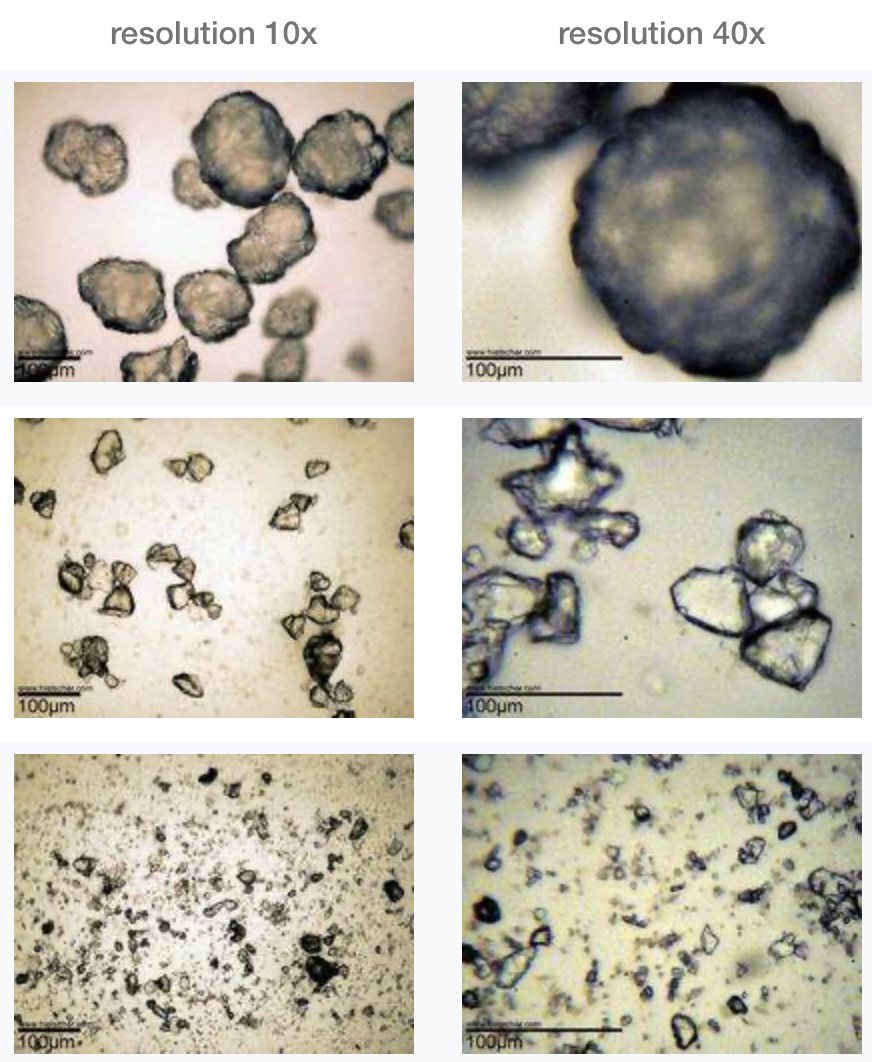
Ուլտրաձայնով մացառված Ալյումինա Տրիհիդրատ
AL(OH)3-ը մատակարարվել է Alcoa World Alumina LLC, Փիթսբուրգ, PA, ԱՄՆ։ AL(OH)3-ը նաև հայտնի է որպես Ալյումին Տրիհիդրօքսիդ ATH շարքի, Bayer Hydrated Alumina, C-30, KB-30, KC-30, KH-30, Hydragyllite կամ Gibbsite։ Այն ունի Մոհսի’ խելունակությունը 2.5-ից 3.5։

Ուլտրաձայնային հոսքով ռեակտորներ՝ նանոմասնիկների լուծույթների արդյունաբերական ներկառուցված արտադրության համար:
Ճշգրիտ, կրկնվող և միատարր մասնիկների չափերի բաշխում
Ultrasonic milling is highly adjustable. Operators can control amplitude, energy input, pressure, temperature, residence time, and flow rate to match the material and the target particle size. This makes the process suitable for everything from gentle deagglomeration to intensive fine grinding. Recirculation and inline flow-cell configurations expose the slurry uniformly to the cavitation zone, supporting reproducible results and a narrow, homogeneous particle size distribution.
This level of control is valuable for pigments, inks, coatings, ceramics, metal oxides, minerals, catalysts, pharmaceuticals, and other advanced materials where oversize particles or a broad distribution can compromise quality. Process parameters established in the laboratory can be transferred to pilot and industrial production, enabling systematic development and scale-up.
High-Solid Processing Without Milling Media
Because particle reduction is driven by cavitation and collisions between the particles themselves, no beads, pearls, or grinding balls are required. Eliminating milling media avoids a potential source of contamination and removes the need to purchase, clean, replace, and separate media from the finished slurry. The simple wetted geometry also facilitates cleaning and product changeover.
Hielscher sonicators can process highly concentrated and viscous slurries. A high solids loading means less liquid to handle and, in many cases, less downstream concentration or drying. It can also strengthen the inter-particle milling effect by increasing the frequency of particle collisions. This combination makes ultrasonic milling especially attractive for concentrated masterbatches and production-scale suspensions.
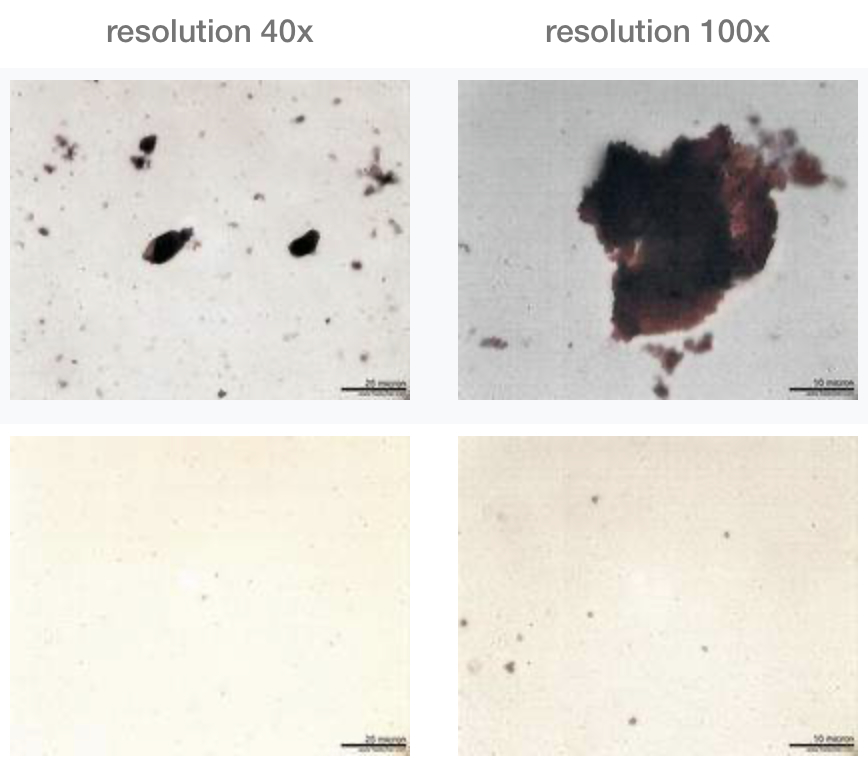
Միկրոսկոպի պատկերներ, որոնք ցույց են տալիս յուղային մագենտ գույնների ուլտրաձայնային միլմինգի ընթացքը
Examples: Wet-Milling of Nano-Particles with Power Ultrasound
Ultrasonic milling is especially suited to process micron-size and nano-size materials, such as ceramics, alumina trihydrate, barium sulphate, calcium carbonate and metal oxides. The tables below show microscopic images of the milling of alumina trihydrate (from 150 micron down to 10 micron), ceramics (from 30 micron down to 2 micron) and sodium carbonate (from 70 micron down to 3 micron). The microscopic images on this page show you the progress of ultrasonic milling at the examples of dental ceramics, magenta pigments, sodium carbonate and hydrated alumina.
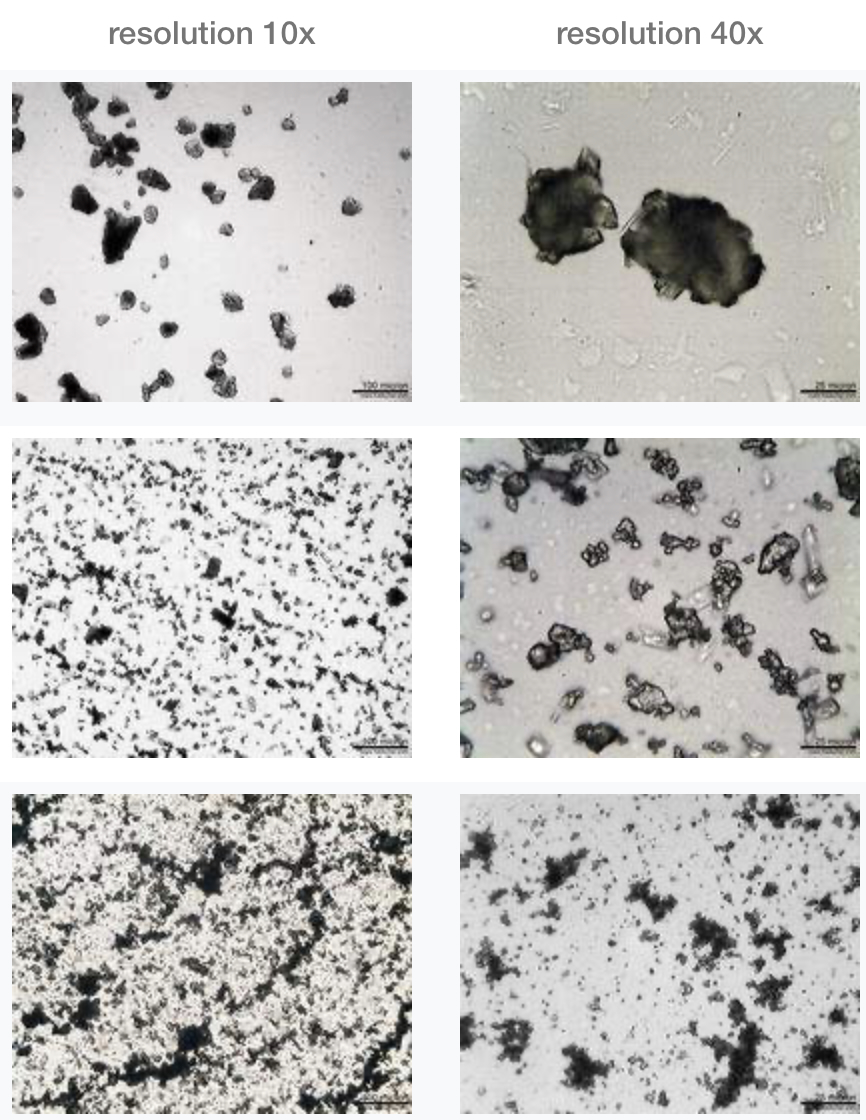
Microscope images showing the progress of ultrasonic milling of Sodium Carbonate (Na2CO3) in isopropanol.

Գրինդոմետրի վրա հնչող կավիճի ներկը ցույց է տալիս գունանյութերի կատարյալ միատեսակ ապաագլոմերացիա և մասնիկների չափի բաշխում

Ուլտրաձայնային ցրումը ապահովում է մասնիկների չափսերի արդյունավետ կրճատում և ածխածնի սև գունանյութերի միասնական բաշխում ուլտրամանուշակագույն թանաքով:
More Output from Every Processing Step
Ultrasonic energy is delivered directly into the slurry, where the particle-size reduction occurs. Rapid cavitational forces can shorten milling cycles, while the efficient conversion of electrical energy into mechanical motion can reduce energy demand compared with conventional milling equipment. Continuous inline processing further supports high throughput, consistent quality, and integration into existing production lines.
For manufacturers seeking smaller particles, tighter distributions, cleaner processing, and efficient scale-up, Hielscher probe-type sonicators turn wet-milling into a precisely engineered process – from laboratory trials to continuous industrial production.
Continuous Operation for High-Throughput
 Ultrasonic homogenizers are very easy to install and to operate. There are two parts only in contact with the material to be milled: the titanium sonotrode and the stainless steel flow cell. Due to the simple design of the ultrasonic flow cell, the units can be cleaned quickly. As Hielscher ultrasonic devices have a very high efficiency in the conversion of electrical into mechanical energy generally less power is needed for the ultrasonic milling than for conventional milling equipment.
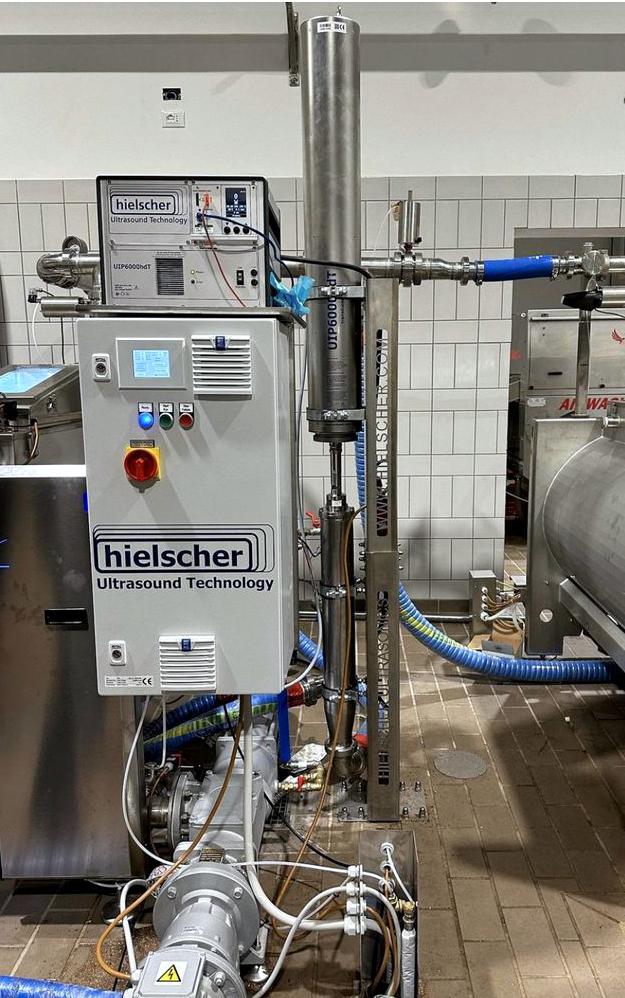 Industrial sonicator UIP6000hdT (6kW) for simultaneous pigment dispersion and microbial sterilization of water-borne paint and coating formulations [/caption]The particle milling effect is based on intense ultrasonic cavitation. When sonicating liquids at high intensities, the sound waves that propagate into the liquid media result in alternating high-pressure (compression) and low-pressure (rarefaction) cycles, with rates depending on the frequency. During the low pressure cycle, high-intensity ultrasonic waves create small vacuum bubbles or voids in the liquid. When the bubbles attain a volume at which they can no longer absorb energy, they collapse violently during a high pressure cycle. This phenomenon is termed cavitation.
Կավիտացիոն փուչիկների պայթումը հանգեցնում է միկրո տուրբուլենցիայի և մինչև 1000 կմ/ժ արագության միկրո շիթերի: Խոշոր մասնիկները ենթակա են մակերևույթի էրոզիայի (կավիտացիոն փլուզման միջոցով շրջապատող հեղուկում) կամ մասնիկների չափի կրճատման (միջմասնիկների բախման միջոցով տրոհման կամ մակերեսի վրա ձևավորված կավիտացիոն փուչիկների փլուզման հետևանքով): Սա հանգեցնում է դիֆուզիայի, զանգվածի փոխանցման գործընթացների և պինդ փուլային ռեակցիաների կտրուկ արագացման՝ բյուրեղների չափի և կառուցվածքի փոփոխության պատճառով:
Աուլտրաձայնային պրոցեսორներ և հոսքային բջիջներ փոշիների պաշարման և խոնավ աղացման համար հասանելի են լաբորատոր և արտադրական մակարդակին: Արդյունաբերական համակարգերը հեշտությամբ կարելի է վերափոխել ինտեգրված աշխատանքի համար: Գիտահետազոտական և այս գործընթացի փորձարկման, ինչպես նաև բազմաթիվ սոնոխիմիական գործընթացների համար մենք խորհուրդ ենք տալիս մեր լաբորատոր սարքավորումները կամ UIP1000hd-ը.

Նանոադամանդները կարող են արդյունավետ և հուսալիորեն ցրվել՝ օգտագործելով Hielscher ուլտրաձայնային սարքերը:
Հաճախակի տրվող հարցեր գերճշգրիտ հեղուկ-մանրացման մասին
Ի՞նչ է գերճշգրիտ հեղուկ-մանրացումը
Գերճշգրիտ հեղուկ-մանրացումը մասնիկների չափի նվազեցման գործընթաց է, որի ընթացքում բարձր հզորության ուլտրաձայնը կիրառվում է հեղուկ սլյուրի վրա։ Ակուստիկ կավիտացիան առաջացնում ինտենսիվ շերտային ուժեր, հարվածային ալիքներ և միջմասնիկային բախումներ, որոնք կոտրում են ագլոմերատները և նվազեցնում պինդ մասնիկները Միկրո կամ նանոմետր չափերի։
Ինչպե՞ս probe-տիպի սոնիկատորը նվազեցնում է մասնիկների չափը
Ուլտրաձայնային probe-ը կամ sonotrode-ը փոխանցում է բարձր ինտենսիվության ուլտրաձայնական ալիքները անմիջապես սլուրի մեջ: Կավիտացիոն պղպջակները ձևավորվում և անկում են ունենում, ստեղծելով բարձր արագությամբ հեղուկային հոսքեր, որոնք արագացնում են մասնիկների բախումը միմյանց հետ: Այս բախումները առաջացնում են մասնիկների կոտրում, մակերեսային սպիրտահանում և արդյունավետ դեագլոմերացիա.
Կարող է ուլտրաձայնային խոնավ ջնջումը արտադրել նանոմասնիկներ?
Այո: Hielscher probe-տիպի sonicators-ը կարելի է օգտագործել վերահսկվող միկրոնացման և նանո-չափավորման համար: Հասանելի մասնիկների չափը կախված է նյութից, սկզբնական մասնիկների չափից, սլուրի ֆորմուլայից, պինդերի խտությունից, մշակման ինտենսիվությունից, θερաստիճանից, ճնշումից և սոնիկացման ժամանակից.
Որ նյութերն են մշակելի ուլտրաձայնային ջնջման միջոցով?
Ուլտրաձայնային թաց աղացումը հարմար է գունանյութերի, կարողավորների, սերամիկայի, մետաղական օքսիդների, հանքանյութերի, ցեմենտի, կատալիզատորների, մարտկոցային նյութերի, դեղագործական միջոցների, կոսմետիկայի և առաջադեմ նանոնյութերի համար։ Այն կարող է մշակել մասնիկներ, որոնք սuspացված են ջրում, լուծիչներում, յուղերում, սոսինձներում և այլ համատեղելի հեղուկ միջավայրերում։
Արդյոք ուլտրաձայնային աղացման համար անհրաժեշտ են աղացած խոշորացնելու գնդիկներ կամ գնդիկներ?
Ոչ։ Ուլտրաձայնային մասնիկների չափի կրճատման համար անհրաժեշտ չեն ավանդական աղացման միջավայրեր։ Քավիտացիայով առաջացած մասնիկների բախումները ապահովում են աղացման ազդեցություն։ Գնդիկների և խոշորացողների բացառումը նվազեցնում է միջավայրի հետ կապված աղտոտման վտանգը և վերացնում միջավայրի տարանջատման, լվացման, փոխարինման և հեռացման անհրաժեշտությունը։
Կարո՞ղ են Hielscher ունիկատորները մշակել բարձր ամրության սլյուրիններ?
Yes. Hielscher ultrasonic processors can handle highly concentrated and viscous suspensions. High solids loading reduces the volume of liquid that must be processed and can intensify inter-particle collisions, making ultrasonic milling attractive for concentrated slurries and masterbatch production.
Does ultrasonic milling produce a narrow particle-size distribution?
Uniform exposure to the ultrasonic cavitation zone supports a narrow and homogeneous particle-size distribution. Recirculation and continuous inline processing help ensure consistent treatment of the entire slurry while reducing the number of oversized or insufficiently processed particles.
Which ultrasonic milling parameters can be controlled?
Important parameters include ultrasonic amplitude, energy input, pressure, temperature, flow rate, residence time, and solids concentration. Precise control allows the process to be adjusted for gentle deagglomeration, intensive fine grinding, or reproducible nano-dispersion.
Is ultrasonic wet-milling energy-efficient?
Ultrasonic energy is transferred directly into the slurry where particle-size reduction occurs. Rapid cavitational forces can shorten processing cycles and reduce energy demand compared with some conventional milling methods. Actual energy consumption depends on the material, target particle size, throughput, and process configuration.
Can ultrasonic milling be operated continuously?
Yes. Hielscher sonicators can be integrated with flow-cell reactors for continuous inline wet-milling. Inline processing enables controlled residence time, consistent product quality, high throughput, and straightforward integration into existing industrial production lines.
Can an ultrasonic milling process be scaled up?
Ultrasonic milling can be developed with a laboratory sonicator and transferred to pilot or industrial equipment using defined process parameters and specific energy input. Hielscher offers probe-type sonicators for small-scale testing, process development, and continuous commercial production.
How do I select the right Hielscher sonicator?
Sonicator ընտրությունը կախված է նյութից, slurry ծավալից, պինդ նյութերի բեռնումից, մածուցիկությունից, մեկնարկային մասնիկների չափից, պահանջվող վերջնական չափից եւ ցանկալի թողունակությունից: Ֆրեզերային փորձարկումը կարող է օգնել որոշել օպտիմալ ամպլիտուդը, էներգիայի պահանջը, զոնդի երկրաչափությունը եւ խմբաքանակի կամ ներգծային կոնֆիգուրացիան:
Իմացեք ավելին Hielscher գործընթացի լաբորատորիայի մասին ձեր իրագործելիության թեստերի եւ գործընթացի օպտիմալացման համար:
Գրականություն / Հղումներ
- Almir Draganović, Antranik Karamanoukian, Peter Ulriksen, Stefan Larsson (2020): Dispersion of microfine cement grout with ultrasound and conventional laboratory dissolvers. Construction and Building Materials, Volume 251, 2020.
- I. Fasaki, K. Siamos, M. Arin, P. Lommens, I. Van Driessche, S.C. Hopkins, B.A. Glowacki, I. Arabatzis (2012): Ultrasound assisted preparation of stable water-based nanocrystalline TiO2 suspensions for photocatalytic applications of inkjet-printed films. Applied Catalysis A: General, Volumes 411–412, 2012. 60-69.
- Badgujar, N.P.; Bhoge, Y.E.; Deshpande, T.D.; Bhanvase, B.A.; Gogate, P.R.; Sonawane, S.H.; Kulkarni, R.D. (2015): Ultrasound assisted organic pigment dispersion: advantages of ultrasound method over conventional method. Pigment ; Resin Technology, Vol. 44 No. 4, 2015. 214-223.
- Bhagawat, L.I., Patil, V.S., Kale, B.B., Sonawane, S.H., Bhanvase, B.A., Pinjari, D.V. and Ashokkumar, M. (2016): Sonoprocessing of LiFePO4 nanoparticles and nanocomposites for cathode material in lithium ion batteries. Polymer Composites 37, 2026. 1874-1880.
- Anastasia V. Tyurnina, Iakovos Tzanakis, Justin Morton, Jiawei Mi, Kyriakos Porfyrakis, Barbara M. Maciejewska, Nicole Grobert, Dmitry G. Eskin 2020): Ultrasonic exfoliation of graphene in water: A key parameter study. Carbon, Vol. 168, 2020.
- Brad W. Zeiger; Kenneth S. Suslick (2011): Sonofragmentation of Molecular Crystals. J. Am. Chem. Soc. 2011, 133, 37, 14530–14533.
UIP1000hd
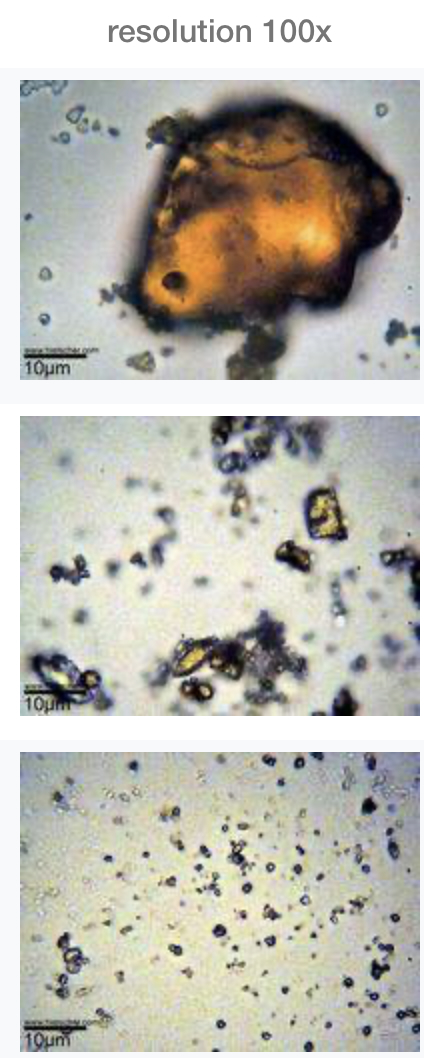
Միկրոսկոպի պատկերներ, որոնք ցույց են տալիս ատամնային սերամիկայի հուլտրաձայնային աղացման առաջընթացը