अल्ट्रासोनिक फैलाव द्वारा नैनो-स्नेहक में सुधार
स्निग्धक सूत्रीकरण में नैनो-उल्लेखों का समेकन हाल के वर्षों में ट्रिबोलॉजी में सबसे महत्वपूर्ण प्रगति में से एक का प्रतिनिधित्व करता है। हालांकि, शोधकर्ता और प्रक्रिया इंजीनियर एक लगातार चुनौती का सामना करते हैं: चिपचिपे बेस ऑयल में नैनोस्केल कणों का समरूप वितरण प्राप्त करना बिना उनकी संरचनात्मक अखंडता को नुकसान पहुँचाए। पारंपरिक मिश्रण विधियाँ अक्सर समूहों को प्रभावी ढंग से तोड़ने में असफल रहती हैं, जिसके परिणामस्वरूप उत्पाद प्रदर्शन असंगत और भंडारण स्थिरता सीमित होती है।
समाधान: स्निग्धक सूत्रीकरण में अल्ट्रासोनिक्स नैनो-उल्लेख वितरण
High-power ultrasound is the superior solution to these dispersion challenges. By utilizing the principles of acoustic cavitation, ultrasonic equipment creates alternating high-pressure and low-pressure cycles within liquid media. During the low-pressure cycle, small vacuum bubbles form in the liquid. When these bubbles reach maximum volume and cannot absorb more energy, they collapse violently during the high-pressure cycle. This collapse generates localized extreme conditions – temperatures reaching approximately 5000 Kelvin and pressures exceeding 1000 atmospheres – which effectively deagglomerate nanoparticle clusters and ensure uniform distribution throughout the lubricant matrix.
प्रोसेस इंजीनियरों के लिए, इसका मतलब है उस स्नेहक के बीच का अंतर जो हफ़्तों में अलग होकर बस जाता है और वह जो पूरे घटक की सेवा जीवन के दौरान अपना प्रदर्शन बनाए रखता है।

अल्ट्रासोनिक डिस्परसर UIP2000hdT औद्योगिक स्नेहक उत्पादन के लिए
केस स्टडी: कंडक्टिव ग्रीस में नाइट्रोजन-डोप्ड बांस जैसी कार्बन नैनोट्यूब्स
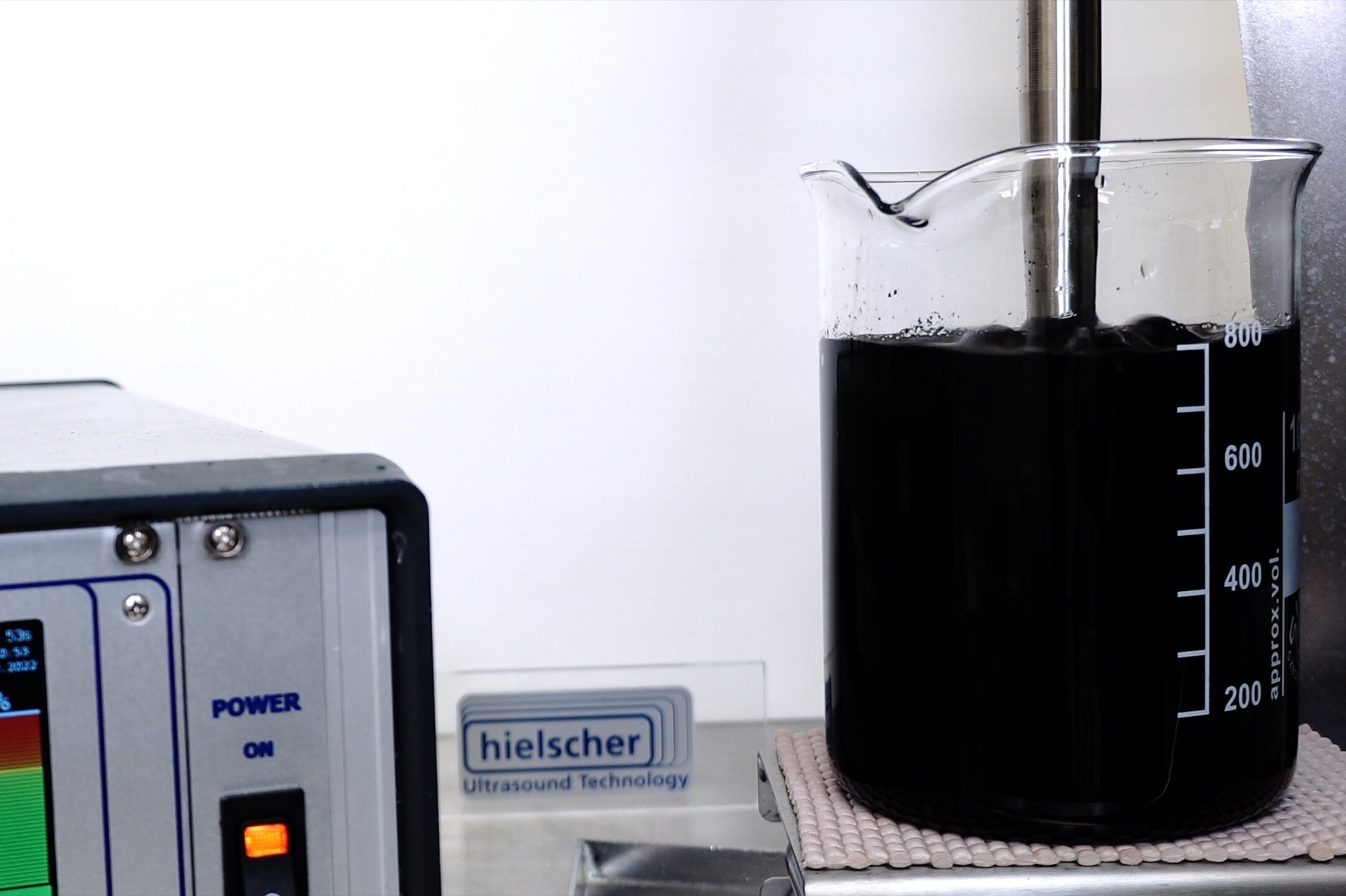 A compelling example of ultrasonic technology’s effectiveness in lubricant production comes from research published in the Journal of Materials Research and Technology (2019). The study, titled “Application of nitrogen doped bamboo-like carbon nanotube for development of electrically conductive lubricants,” demonstrates how Hielscher UIP1000hdT probe-type homogenizer equipment (340 W, 2 min processing time) enabled the production of homogeneous, stable, and electrically conductive bearing greases.
शोधकर्ताओं ने ग्रीस के लिए चालक योजक के रूप में बांस के आकार के कार्बन नैनोट्यूब्स (BCNTs) का उपयोग किया। नैनोट्यूब की साइडवॉल्स की ग्रेफाइटिक संरचना में नाइट्रोजन के सम्मिलन के कारण असाधारण इलेक्ट्रॉनिक और संरचनात्मक गुण विकसित हुए, जिससे उत्कृष्ट अवशोषण व्यवहार और विद्युत चालकता हुई। कार्बन नैनोट्यूब्स उल्लेखनीय रूप से विद्युत् चालक नैनो-संरचित सामग्री हैं, और उनके इलेक्ट्रॉनिक गुणों को डोपिंग तकनीकों के माध्यम से नाइट्रोजन परमाणुओं को सम्मिलित करके विशेष रूप से समायोजित किया जा सकता है।
परिणाम अल्ट्रासोनिक डिस्पर्शन की शक्ति को उजागर करते हैं:
यह केस स्टडी तकनीकी प्रमाण के रूप में कार्य करती है: जब सही नैनоматेरियल सही अल्ट्रासोनिक ऊर्जा से मिलता है, तो परिणामस्वरूप स्नेहक प्रदर्शन मापदंडों को प्राप्त करता है जिन्हें पारंपरिक मिश्रण विधियों के जरिए पहले असंभव माना गया था।

अल्ट्रासोनिक homogenizer UIP1500hdT फ्लो रिएक्टर के साथ, जो सोनिकेशन के दौरान प्रक्रिया के तापमान को नियंत्रित करने के लिए कूलिंग जैकेट से सुसज्जित है।

तैयारी के 7 दिनों के बाद PTFE नैनोलुब्रिकेंट्स (ए: बेस ऑयल, बी: 1 घंटा अल्ट्रासोनिकेशन के साथ PTFE नैनोलुब्रिकेंट, C: 30 मिनट के साथ PTFE नैनोलुब्रिकेंट)।
(अध्ययन और चित्र: © कुमार एट अल।
स्नेहकों में अल्ट्रासोनिक नैनो-डिस्पर्शन की प्रमुख विशेषता
अल्ट्रासोनिक डिस्पर्शन दृष्टिकोण असाधारण परिणाम देता है जो इसके औद्योगिक क्षमता को सत्यापित करता है:
- न्यूनतम योजक आवश्यकताएं: बीसीएनटी की अपेक्षाकृत छोटी मात्रा, विशेष रूप से 1.5 डब्ल्यूटी%, 14 एमएस से अधिक ग्रीस की अच्छी विद्युत चालकता प्राप्त करने के लिए पर्याप्त हैं। नैनोट्यूब युक्त नमूने स्थिर माप में 7 से 18.5 एमएस तक की अच्छी विद्युत चालकता प्रदर्शित करते हैं।
- ऑपरेशन के दौरान उन्नत प्रदर्शन: वास्तविक बॉल बेयरिंग ऑपरेशन के दौरान विद्युत चालकता माप और भी उच्च मूल्यों को प्रकट करता है, जिसमें अधिकतम 31.5 एमएस 3% बीसीएनटी फॉर्मूलेशन के साथ दर्ज किया गया है। स्थिर अवस्था माप की तुलना में प्रत्येक मामले में चालकता बढ़ जाती है, यह दर्शाता है कि ऑपरेशन के दौरान यांत्रिक तनाव प्रवाहकीय मार्गों में और सुधार करता है।
- सुपीरियर घर्षण प्रदर्शन: कुशल घर्षण विशेषताओं को 1.5 wt% BCNT लोड किए गए नमूनों के साथ प्राप्त किया जाता है, जो 6.1 और 5.1 Nmm के घर्षण टोक़ मान दिखाते हैं। यह दर्शाता है कि इष्टतम योजक एकाग्रता यांत्रिक प्रदर्शन के साथ चालकता को संतुलित करती है।
- बेहतर थर्मल स्थिरता: उच्च चिपचिपाहट सिलिकॉन तेल (5000 मिमी²/सेकेंड) और गाढ़ेपन के रूप में धूमिल सिलिका को जोड़ने से ड्रॉपिंग पॉइंट 150 डिग्री सेल्सियस से ऊपर बढ़ जाता है, जो उच्च तापमान अनुप्रयोगों में एक महत्वपूर्ण सीमा को संबोधित करता है।
- सर्वोत्तम सूत्रीकरण: 3% BCNT और 1.0% कोलाइडल SiO₂-युक्त PDMS बेस-ऑयल 50 mm/s चिपचिपाहट के साथ बॉल बेयरिंग लोड करने के लिए अच्छी तरह से अनुकूल साबित हुआ, यांत्रिक मजबूती के साथ चालकता का संयोजन।
अल्ट्रासोनिक्स: औद्योगिक स्केल-अप एडवांटेज
 While laboratory-scale development using the Hielscher UIP1000hdT demonstrates proof of concept, the true value for industrial applications lies in linear scalability. Hielscher sonicators offer a unique advantage through their linear scale-up capability, enabling seamless transition from R&D benchtop processing to inline production of large volumes.
औद्योगिक कार्यान्वयन के लिए, प्रक्रिया इंजीनियर 4kW मॉडल UIP4000hdT, 6kW सोनिकेटर UIP6000hdT या विशेष प्रवाह कोशिकाओं से सुसज्जित 16kW शक्तिशाली UIP16000hdT का उपयोग कर सकते हैं। यह रैखिक स्केल-अप दृष्टिकोण यह सुनिश्चित करता है कि प्रयोगशाला पैमाने पर विकसित फॉर्मूलेशन उत्पादन पैमाने पर निर्मित होने पर समान फैलाव गुणवत्ता और कण वितरण विशेषताओं को बनाए रखें। अल्ट्रासोनिक प्रसंस्करण के माध्यम से प्राप्त स्थिरता बैच-टू-बैच परिवर्तनशीलता को समाप्त करती है जो पारंपरिक मिश्रण विधियों को प्रभावित करती है, विशेष रूप से एयरोस्पेस, ऑटोमोटिव और सटीक मशीनरी क्षेत्रों में उच्च प्रदर्शन स्नेहक अनुप्रयोगों के लिए महत्वपूर्ण है।
स्नेहक नवाचार के लिए अल्ट्रासोनिकेशन क्यों मायने रखता है
अल्ट्रासोनिक नैनो-एडिटिव फैलाव के फायदे सरल मिश्रण दक्षता से परे हैं। प्रौद्योगिकी सक्षम करती है:
- उन्नत योजक लोडिंग: नैनो-एडिटिव्स की उच्च सांद्रता को बिना जमाव के शामिल किया जा सकता है, जिससे प्रदर्शन लाभ अधिकतम होते हैं।
- बेहतर शेल्फ स्थिरता: समान रूप से मिश्रित वितरण लंबी अवधि के भंडारण में तलछट और चरण पृथक्करण को रोकता है।
- सुसंगत उत्पाद गुणवत्ता: प्रत्येक उत्पादन बैच समान वितरण गुण हासिल करता है, जो उन अनुप्रयोगों के लिए महत्वपूर्ण है जहां सख्त गुणवत्ता नियंत्रण की आवश्यकता होती है।
- कम प्रसंस्करण समय: अल्ट्रासोनिक कैविटेशन मिनटों में वितरण प्राप्त करता है, जबकि पारंपरिक विधियों को इसके लिए घंटों की आवश्यकता होती है।
- निर्माणों में विविधता: यह तकनीक विभिन्न बेस ऑयल, गाढ़ा करने वाले एजेंट और एडिटिव प्रकारों में काम करती है, जिससे सूत्रीकरण विकास में लचीलापन मिलता है।
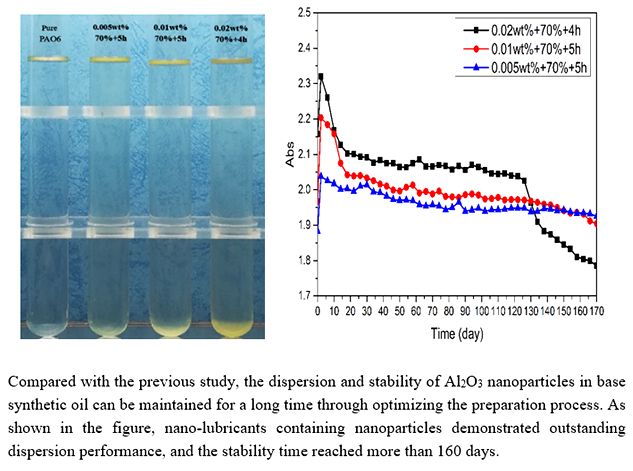
अल्ट्रासोनिक प्रोब-प्रकार विसरक उच्च-प्रदर्शन बायोलुब्रिकेंट बनाता है।
(अध्ययन और चित्र: लियू एट अल., 2020)
अल्ट्रासोनिक वितरण के साथ अपने नैनो-लुब्रिकेंट उत्पादन को बढ़ाएं
The integration of ultrasonic technology into lubricant production processes represents a paradigm shift in how nano-additives are incorporated into lubricant formulations. As demonstrated by the successful development of electrically conductive greases using nitrogen-doped bamboo-like carbon nanotubes, high-energy ultrasonication delivers homogeneous, stable dispersions with exceptional performance characteristics. With Hielscher’s linear scale-up capability from bench-top sonicator UIP1000hdT through to industrial inline sonicator models such the UIP4000hdT, UIP6000hdT and UIP16000hdT with flow cells, researchers and process engineers can confidently transition from R&D discovery to commercial production, ensuring that the innovation achieved in the lab performs identically in the factory.
स्नेहक प्रौद्योगिकी का भविष्य सिर्फ नए नैनो-एडिटिव्स विकसित करने में नहीं है, बल्कि उन डिस्ट्रीब्यूशन तकनीकों में महारत हासिल करने में है जो उनकी पूरी क्षमता को अनलॉक करती हैं। अल्ट्रासोनिक प्रोसेसिंग वैज्ञानिक खोज और औद्योगिक अनुप्रयोग के बीच पुल प्रदान करता है, जिससे मांग वाले औद्योगिक अनुप्रयोगों के लिए उच्च प्रदर्शन वाले स्नेहकों की अगली पीढ़ी संभव होती है।
नीचे दी गई तालिका आपको हमारे अल्ट्रासोनिकेटर की अनुमानित प्रसंस्करण क्षमता का संकेत देती है:
| बैच वॉल्यूम | प्रवाह दर | अनुशंसित उपकरण |
|---|---|---|
| 1 से 500mL | 10 से 200mL/मिनट | यूपी100एच |
| 10 से 2000mL | 20 से 400mL/मिनट | यूपी200एचटी, UP400St |
| 0.1 से 20L | 0.2 से 4L/मिनट | यूआईपी2000एचडीटी |
| 10 से 100L | 2 से 10 लीटर/मिनट | यूआईपी4000एचडीटी |
| 15 से 150L | 3 से 15 लीटर/मिनट | यूआईपी6000एचडीटी |
| एन.ए. | 10 से 100 लीटर/मिनट | यूआईपी16000एचडीटी |
| एन.ए. | बड़ा | का क्लस्टर यूआईपी16000एचडीटी |
डिजाइन, विनिर्माण और परामर्श – गुणवत्ता जर्मनी में निर्मित
Hielscher अल्ट्रासोनिकेटर अपने उच्चतम गुणवत्ता और डिजाइन मानकों के लिए प्रसिद्ध हैं। मजबूती और आसान संचालन औद्योगिक सुविधाओं में हमारे अल्ट्रासोनिकेटर के सुचारू एकीकरण की अनुमति देता है। किसी न किसी स्थिति और मांग वातावरण आसानी से Hielscher ultrasonicators द्वारा नियंत्रित कर रहे हैं।
Hielscher Ultrasonics एक आईएसओ प्रमाणित कंपनी है और अत्याधुनिक प्रौद्योगिकी और उपयोगकर्ता-मित्रता की विशेषता वाले उच्च प्रदर्शन अल्ट्रासोनिकेटर पर विशेष जोर देती है। बेशक, Hielscher अल्ट्रासोनिकेटर सीई के अनुरूप हैं और उल, सीएसए और RoHs की आवश्यकताओं को पूरा करते हैं।

अल्ट्रासोनिकेटर UIP6000hdT लुब्रिकेंट्स में नैनोमैटेरियल्स के इनलाइन विसर्जन के लिए
अक्सर पूछे जाने वाले प्रश्न
स्नेहकों के प्रकार क्या हैं?
Lubricants are commonly classified as liquid lubricants, semi-solid lubricants, solid lubricants, and gaseous lubricants. Liquid lubricants include mineral oils, synthetic oils, and vegetable oils. Semi-solid lubricants include greases. Solid lubricants include graphite, molybdenum disulfide, PTFE, and boron nitride. Gaseous lubricants, such as air, are used in specialized low-load or high-speed systems.
How can Lubricants be Distinguished?
Lubricants can be distinguished by their physical form, composition, and intended application. In practical maintenance, they are often grouped into four main types: oils, greases, penetrating lubricants, and dry lubricants. Oils and greases are the most commonly used lubricants in daily industrial operations, while penetrating and dry lubricants are used for more specific tasks, such as loosening seized parts or reducing friction where liquid lubricants are unsuitable.
बायोलुब्रिकेंट्स क्या हैं?
Biolubricants are lubricants derived wholly or partly from renewable biological sources, such as vegetable oils, animal fats, or synthetic esters made from bio-based feedstocks. They are designed to provide lubrication while offering improved biodegradability, lower toxicity, and reduced environmental impact compared with many conventional petroleum-based lubricants.
Learn how sonication facilitates the production of biolubricants!
Is PEG used in Lubricants?
Polyethylene glycol (PEG) is used in lubricants, especially in water-soluble and synthetic lubricant formulations.
खूंटी अपने आणविक भार और फॉर्मूलेशन के आधार पर आधार द्रव, स्नेहक योजक, चिपचिपाहट संशोधक, ह्यूमेक्टेंट या घुलनशील एजेंट के रूप में कार्य कर सकता है। इसका उपयोग धातु के तरल पदार्थ, कपड़ा स्नेहक, हाइड्रोलिक तरल पदार्थ, कंप्रेसर स्नेहक, रिलीज एजेंट और विशेष ग्रीस जैसे अनुप्रयोगों में किया जाता है।
इसके फायदे में अच्छी चिकनाई, पानी में घुलनशीलता, कम अस्थिरता, थर्मल स्थिरता और कई एडिटिव्स के साथ संगतता शामिल हैं। हालांकि, खूंटी हर स्नेहक प्रणाली के लिए उपयुक्त नहीं है क्योंकि यह हीड्रोस्कोपिक हो सकता है, कुछ खनिज तेलों के साथ सीमित संगतता हो सकती है, और इसका प्रदर्शन आणविक भार और परिचालन स्थितियों पर दृढ़ता से निर्भर करता है।
स्नेहक किसके लिए उपयोग किया जाता है?
स्नेगक सतहों के बीच घर्षण और घिसाई को कम करने के लिए उपयोग किए जाते हैं जो आपस में गति में होती हैं। ये गर्मी को हटाने, जंग को रोकने, शोर और कंपन को कम करने, रिक्त स्थान को सील करने, संदूषकों को दूर ले जाने, और यांत्रिक प्रणालियों की दक्षता और सेवा जीवन को बढ़ाने में भी मदद करते हैं।
मशीनरी का स्नेहन क्यों महत्वपूर्ण है?
स्नेहन महत्वपूर्ण है क्योंकि यह चलती मशीन भागों के बीच एक सुरक्षात्मक फिल्म बनाता है, जिससे सीधे धातु से धातु संपर्क से बचा जा सके। इससे घर्षण, घिसाई, गर्मी का उत्पादन, ऊर्जा क्षति, और यांत्रिक विफलता का खतरा कम होता है। सही स्नेहन विश्वसनीयता, दक्षता, घटक जीवनकाल, और रखरखाव अंतराल में सुधार करता है।
साहित्य/सन्दर्भ
- László Vanyorek, Dávid Kiss, Ádám Prekob, Béla Fiser, Attila Potyka, Géza Németh, László Kuzsela, Dirk Drees, Attila Trohák, Béla Viskolcz (2019): Application of nitrogen doped bamboo-like carbon nanotube for development of electrically conductive lubricants. Journal of Materials Research and Technology, Volume 8, Issue 3, 2019. 3244-3250.
- Kałużny Jarosł, Waligórski M, Szymański GM, Merkisz J, Różański J, Nowicki M, Al Karawi M, Kempa K. (2020): Reducing friction and engine vibrations with trace amounts of carbon nanotubes in the lubricating oil. Tribology International 2020.
- Mosleh, Mohsen; Atnafu, Neway; Belk, John; Nobles, Orval (2009): Modification of sheet metal forming fluids with dispersed nanoparticles for improved lubrication. Wear 267, 2009. 1220-1225.
- Li J, Du C, Delgado MA, et al. (2026): The application of nanocellulose in eco-friendly lubricants: A review. Friction, 2026.

अल्ट्रासोनिक homogenizer UIP1000hdT, एक 1000 वाट शक्तिशाली sonicator नैनोपार्टिकल विसरण के लिए
- उच्च दक्षता
- अत्याधुनिक तकनीक
- विश्वसनीयता & मजबूती
- समायोज्य, सटीक प्रक्रिया नियंत्रण
- जत्था & इनलाइन
- किसी भी मात्रा के लिए
- बुद्धिमान सॉफ्टवेयर
- स्मार्ट सुविधाएँ (जैसे, प्रोग्राम करने योग्य, डेटा प्रोटोकॉलिंग, रिमोट कंट्रोल)
- संचालित करने में आसान और सुरक्षित
- कम रखरखाव
- सीआईपी (क्लीन-इन-प्लेस)
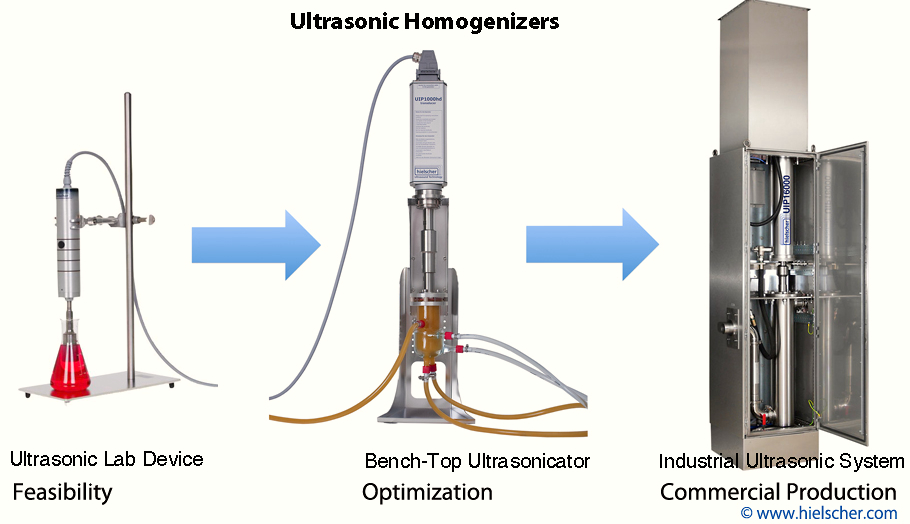
Hielscher Ultrasonics से उच्च प्रदर्शन अल्ट्रासोनिक homogenizers बनाती है प्रयोगशाला तक औद्योगिक आकार।