બાયોલ્યુબ્રિકન્ટ ઉત્પાદન: સોનિકેશન સાથે પ્રક્રિયા તેજ કરવી
લુબ્રિકન્ટ ઉદ્યોગ ફોર્મ્યુલેશન નવીનતાના નિર્ણાયક તબક્કામાં પ્રવેશ કરી રહ્યો છે. જેમ જેમ ઔદ્યોગિક વપરાશકર્તાઓ, ગતિશીલતા ક્ષેત્રો, દરિયાઇ ઓપરેટરો અને પર્યાવરણીય રીતે સંવેદનશીલ એપ્લિકેશન્સ બાયોડિગ્રેડેબલ અને નવીનીકરણીય વિકલ્પો તરફ આગળ વધે છે, લ્યુબ્રિકન્ટ ઉત્પાદકો સ્નિગ્ધતા નિયંત્રણ, ઓક્સિડેટીવ સ્થિરતા, વસ્ત્રોના રક્ષણ અથવા લાંબા ગાળાની સ્ટોરેજ સ્થિરતા સાથે સમાધાન કર્યા વિના ઉચ્ચ-પ્રદર્શન બાયોલ્યુબ્રિકન્ટ્સ પહોંચાડવા માટે વધતા દબાણ હેઠળ છે. બજાર વિશ્લેષકો બાયોલ્યુબ્રિકન્ટ્સ માટે સતત વૃદ્ધિની જાણ કરે છે, જે પરિવહન અને ઔદ્યોગિક એપ્લિકેશન્સમાં બાયોડિગ્રેડેબલ, લોઅર-એમિશન અને ટકાઉ લુબ્રિકન્ટ સોલ્યુશન્સની માંગ દ્વારા સંચાલિત છે.
બાયોલ્યુબ્રિકન્ટ્સનું અલ્ટ્રાસોનિક ઉત્પાદન: ટકાઉ લુબ્રિકન્ટ્સ માટે પ્રક્રિયા તીવ્રતા
આ પૃષ્ઠભૂમિ વિરુદ્ધ, અલ્ટ્રાસોનિક પ્રોસેસિંગ, જેને સોનિકેશન તરીકે પણ ઓળખવામાં આવે છે, બાયોલ્યુબ્રિકન્ટ ઉત્પાદન માટે બહુમુખી ઉત્પાદન તકનીક તરીકે ઔદ્યોગિક સુસંગતતા પ્રાપ્ત કરી રહી છે. હાઇ-પાવર અલ્ટ્રાસાઉન્ડનો ઉપયોગ અલ્ટ્રાસોનિક વિખેરણ, સોનોકેમિકલ ટ્રાન્સએસ્ટરિફિકેશન, પ્રવાહી મિશ્રણ અને માઇક્રોજેલ કણોની તૈયારી માટે થઈ શકે છે, જે ફોર્મ્યુલેટર્સને રાસાયણિક રૂપાંતર અને ભૌતિક ફોર્મ્યુલેશન ગુણવત્તા બંનેને સુધારવા માટે એક મજબૂત સાધન આપે છે. આ સોનિકેશન બાયો-લુબ્રિકેટિંગ તેલ, બાયો-લુબ્રિકેટિંગ ગ્રીસ, પાણી આધારિત બાયોલ્યુબ્રિકન્ટ્સ અને ફૂડ-ગ્રેડ લુબ્રિકન્ટ્સમાં વપરાતી એક અત્યંત કાર્યક્ષમ પ્રોસેસિંગ તકનીક બનાવે છે.

અલ્ટ્રાસોનિક હોમોજિનાઇઝર UIP2000hdT બાયોલ્યુબ્રિકન્ટ્સના ઔદ્યોગિક ઉત્પાદન માટે
શા માટે બાયોલ્યુબ્રિકન્ટ ઉત્પાદકો માટે અલ્ટ્રાસોનિક પ્રોસેસિંગ બાબતો છે
Biolubricants often rely on complex raw material systems: vegetable oils, synthetic esters, bio-based polymers, cellulose derivatives, functional additives, antioxidants, corrosion inhibitors, anti-wear agents, friction modifiers, and water-based or emulsion-type phases. These ingredients can differ significantly in polarity, viscosity, particle size, solubility, and interfacial behavior. Conventional mixers, rotor-stator systems, or long batch stirring may not always provide sufficient energy density to produce fine, stable dispersions or fast interfacial reactions.
Sonication addresses these challenges through acoustic cavitation. When high-intensity ultrasound is introduced into liquids, microscopic cavitation bubbles form, grow, and collapse. This creates localized high shear, intense micro-mixing, turbulence, particle deagglomeration, and reactive zones that can accelerate mass transfer and chemical reactions. In transesterification research, ultrasound has been widely studied as a way to overcome slow reaction kinetics and inefficient contact between oil and alcohol phases.
For lubricant manufacturers, this means ultrasound is not merely a laboratory homogenization method. It is a process intensification technology that can support the production of more stable, more uniform, and more efficient bio-based lubricant formulations.
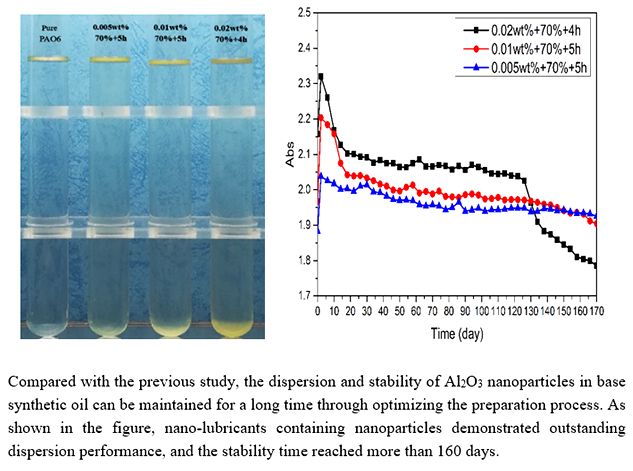
અલ્ટ્રાસોનિક પ્રોબ-પ્રકાર વિખેરનાર ઉચ્ચ-પ્રદર્શન બાયોલ્યુબ્રિકન્ટ્સ બનાવે છે.
(અભ્યાસ અને ચિત્ર: લિયુ એટ અલ., 2020)
બાયોલ્યુબ્રિકન્ટ ફોર્મ્યુલેશનનું અલ્ટ્રાસોનિક પ્રવાહી મિશ્રણ
બાયો-આધારિત લુબ્રિકન્ટ એડિટિવ્સનું અલ્ટ્રાસોનિક વિખેરણ
બાયોલ્યુબ્રિકન્ટ ફોર્મ્યુલેશનમાં મુખ્ય પડકાર એ બાયો-આધારિત ઉમેરણોનો એકરૂપ સમાવેશ છે. કાર્બોક્સિમેથાઇલ સેલ્યુલોઝ, સેલ્યુલોઝ નેનોફાઇબર, બાયોપોલિમર, કુદરતી પેઢા, લિગ્નિન ડેરિવેટિવ્ઝ, બાયો-આધારિત જાડા અને કાર્યાત્મક નેનોપાર્ટિકલ્સ જેવી સામગ્રી સ્નિગ્ધતા, લુબ્રિસિટી, એન્ટિ-વેર પ્રદર્શન, ફિલ્મ રચના અને સસ્પેન્શન સ્થિરતાને મજબૂત રીતે અસર કરી શકે છે. જો કે, આ સામગ્રી ઘણીવાર એકત્ર થાય છે, ધીમે ધીમે હાઇડ્રેટ કરે છે અથવા બિન-સમાન જેલ સ્ટ્રક્ચર્સ બનાવે છે.
અલ્ટ્રાસોનિક વિસરણ ઉત્પાદકોને એલિગંમેટ્સ ઘટાડવામાં અને લ્યુબ્રીકન્ટ મેટ્રિક્સમાં એડિટિવ્સને વધુ એકસરખા રીતે વિતરિત કરવામાં મદદ કરે છે. આ ખાસ કરીને પાણી આધારિત લ્યુબ્રીકન્ટસ, નાનોલ્યુબ્રીકન્ટસ, ગ્રીસ- જેવા સિસ્ટમ્સ અને એમલ્શન આધારિત બાયો લ્યુબ્રીકન્ટ્સ માટે મૂલ્યવાન છે. સેલુલોઝ આધારિત સિસ્ટમ્સ પર તાજેતરના સંશોધન દર્શાવે છે કે સોનિકેશને વિસરણ વર્તન, રિયોલોજી અને નેટવર્ક સ્ટ્રકચરને નોંધપાત્ર અસર કરી શકે છે, જેના કારણે તે સેલુલોઝ સેન્ય જરૂરી ફોર્મ્યુલેશન્સ માટે ઉપયોગી પ્રોસેસિંગ ટૂલ છે.
લ્યુબ્રીકન્ટ ઉત્પાદકો માટે, વધુ સારા વિસરણનો અર્થ થાય છે:
- વિસ્કૉસિટી અને રિયોલોજીકલ વર્તન વધુ સुसંગત થઈ શકે છે
- કમ ડોઝ પર એડિટિવ કાર્યક્ષમતા સુધરી શકે છે
- બંધરાયણ, ફેઝ વિભાજન અથવા તરતાં ઘન પદાર્થોનો ઘટાડો
- ટ્રાયબોલોજીકલ પ્રદર્શન વધુ પુનરૂત્પાદનીય બને છે
- વિસ્તૃત મેકેનિકલ સ્ટિરિંગની તુલનામાં સંક્ષિપ્ત પ્રોસેસિંગ સમય
Carboxymethyl cellulose is especially relevant because it is widely used as a cellulose derivative with useful viscosity, surface, and film-forming properties. In lubricant systems, sonication can help integrate CMC and other biopolymers into stable aqueous or emulsion formulations, supporting the development of environmentally improved lubricants with controlled flow behavior and enhanced formulation stability.
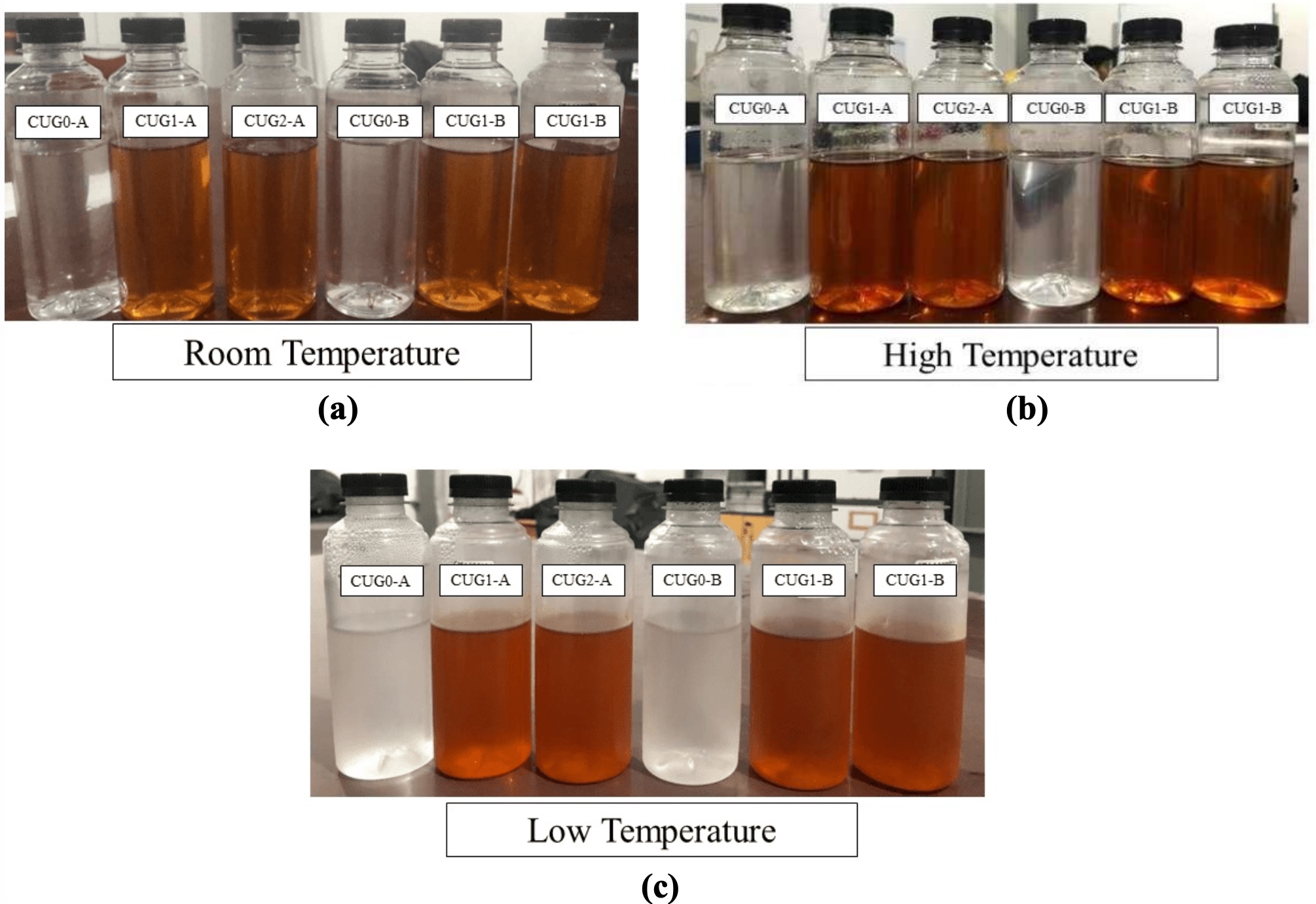
Biolubricants with ultrasonically-dispersed carboxymethyl cellulose. Ultrasonic dispersion produces long-term stable nano-biolubricants
Study and images: ©Rahmadiawan et al., 2022
Sonochemical Transesterification for Diester and Ester-Based Biolubricants
Esters are among the most important base fluids for high-performance biolubricants. They can offer good lubricity, high viscosity index, biodegradability, and favorable low-temperature behavior, depending on the feedstock and molecular structure. Diesters and polyol esters are particularly important for applications such as hydraulic fluids, compressor oils, metalworking fluids, chainsaw oils, marine lubricants, and specialty industrial lubricants.
One promising application of ultrasound is the sonochemical preparation of esters by transesterification. In conventional transesterification, immiscible reactants such as oils and alcohols often require intensive mixing, elevated temperatures, catalysts, and extended reaction times. Ultrasound improves mass transfer by creating fine emulsions between the reactant phases and continuously renewing the interface where the reaction occurs.
Sonication-assisted transesterification is an established technique well proven for advantages such as faster reaction rates, improved phase contact, shorter separation times, high yields, and reduced waste formation under suitable conditions. Lubricant manufacturers use the ultrasonic transesterification method to produce ester-based biolubricant components, including diesters and other functional ester structures.
Ultrasonic transesterification helps manufacturers:
- Improve contact between oil, alcohol, and catalyst phases
- Reduce reaction time by intensifying interfacial mass transfer
- Support lower-temperature or more energy-efficient processing windows
- Improve conversion consistency in batch or continuous production
- Enable compact reactor designs for scalable ester production
બાયોલ્યુબ્રિકન્ટ બેઝ સ્ટોક્સનું ઉત્પાદન કરતી કંપનીઓ માટે, અલ્ટ્રાસાઉન્ડ સ્વચ્છ, વધુ કાર્યક્ષમ ઉત્પાદનને ટેકો આપતી વખતે એસ્ટરિફિકેશન અને ટ્રાન્સએસ્ટરિફિકેશન પ્રક્રિયાઓને તીવ્ર બનાવવા માટે એક માર્ગ પ્રદાન કરે છે.
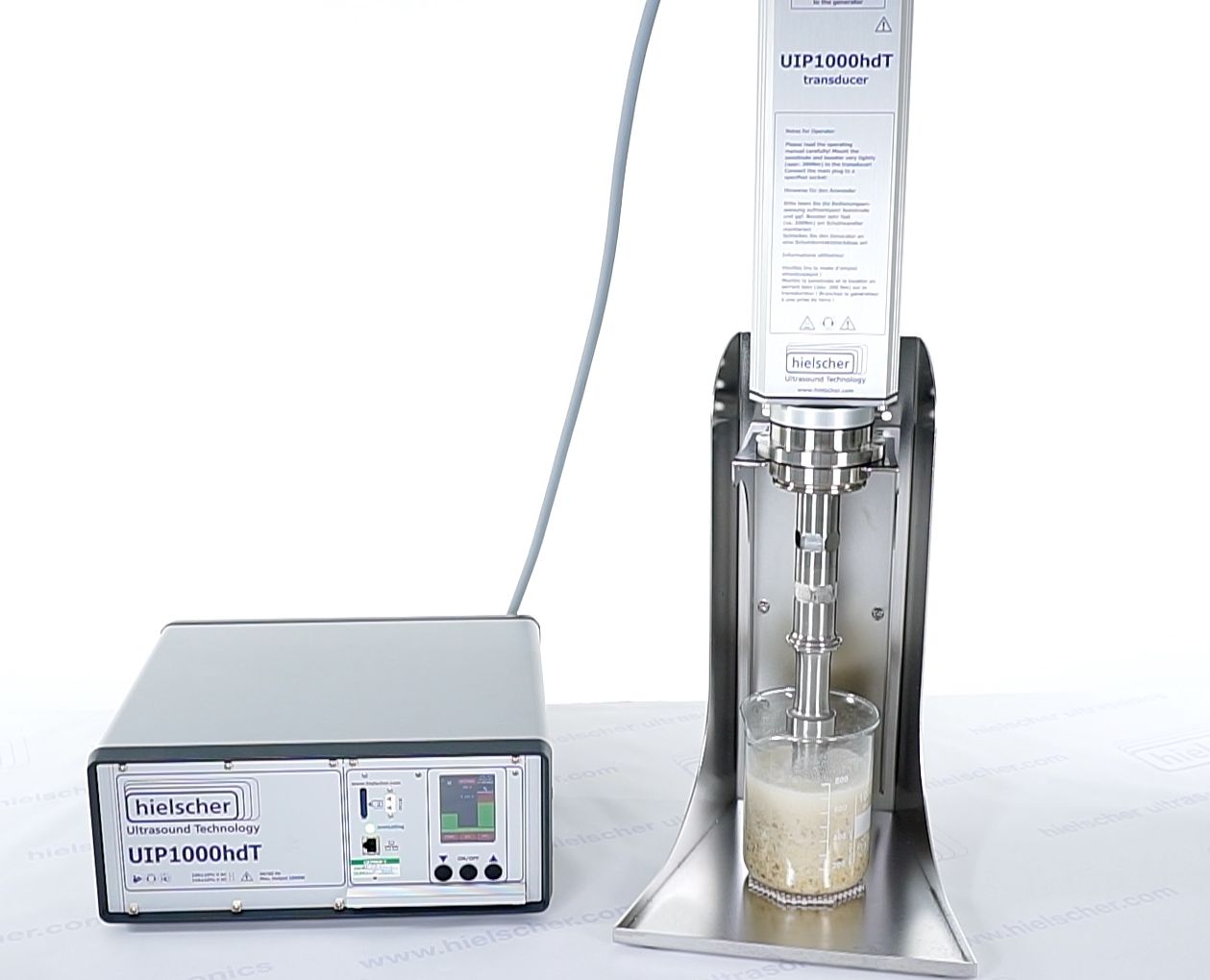
1000 વોટ્સ શક્તિશાળી સોનિકેટર યુઆઇપી 1000hdT
બેન્ચ-ટોપ અને ઉત્પાદન વચ્ચેના અંતરને દૂર કરે છે
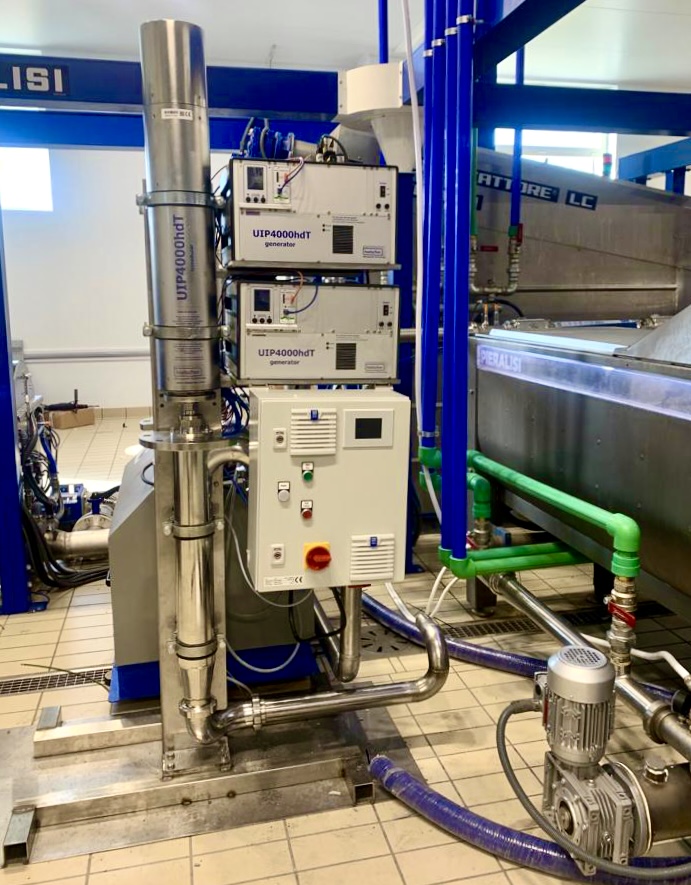
પાવર અલ્ટ્રાસાઉન્ડ – 2x નું ક્લસ્ટર UIP4000hdT સોનિકેટર્સ સતત ઇનલાઇન કામગીરી માટે પ્રવાહ કોષો સાથે
લુબ્રિકન્ટ ફોર્મ્યુલેશન્સનું અલ્ટ્રાસોનિક ઇમલ્સિફિકેશન
 Many modern biolubricants are not simple single-phase oils. They may include water-in-oil emulsions, oil-in-water emulsions, additive concentrates, wax dispersions, polymer-modified systems, or complex multiphase packages. The quality of these emulsions has a direct impact on storage stability, lubricity, cooling performance, corrosion protection, and application behavior.
Ultrasonic emulsification is highly effective because cavitation generates intense local shear forces that break droplets into smaller sizes and create narrow droplet-size distributions. In lubricant manufacturing, this can be used to emulsify bio-based oils, ester phases, water phases, surfactants, polymeric stabilizers, and functional additives into stable formulations.
This is particularly relevant for:
- પાણી આધારિત બાયોલ્યુબ્રિકન્ટ્સ
- મેટલવર્કિંગ પ્રવાહી અને કટીંગ પ્રવાહી
- નવીનીકરણીય ઘટકો સાથે હાઇડ્રોલિક પ્રવાહી
- ઇમલ્શન-પ્રકાર ગ્રીસ અને અર્ધ-નક્કર લુબ્રિકન્ટ્સ
- એડિટિવ સાંદ્રતા અને પૂર્વ-વિખેરણ
- બાયોપોલિમર્સ અથવા સેલ્યુલોઝ ડેરિવેટિવ્ઝ ધરાવતી લુબ્રિકન્ટ સિસ્ટમ્સ
ફાઇન ઇમલ્સિફિકેશન લુબ્રિકન્ટ ફોર્મ્યુલેશનની ભૌતિક સ્થિરતામાં સુધારો કરે છે અને અતિશય સર્ફેક્ટન્ટ લોડિંગની જરૂરિયાતને ઘટાડી શકે છે. ઉત્પાદકો માટે, આ પ્રદર્શન અને ખર્ચના ફાયદા બંને પ્રદાન કરે છે: સુધારેલ સ્થિરતા, વધુ કાર્યક્ષમ ઉમેરણ ઉપયોગ, અને વધુ ફોર્મ્યુલેશન લવચીકતા.
ઇમલ્શન માઇક્રોજેલ કણો માટે સોનિકેશન
Another emerging area is the production of emulsion microgel particles for advanced lubricant formulations. Microgels can act as rheology modifiers, carriers for active ingredients, friction modifiers, or responsive structuring agents. In bio-based lubricant systems, microgel particles may be produced from natural polymers, modified cellulose, polysaccharides, proteins, or other renewable polymer systems.
Ultrasonic processing supports microgel preparation by enabling controlled emulsification, droplet-size reduction, polymer dispersion, and phase structuring. The same cavitation-driven mechanisms that produce fine emulsions can also help create small, uniform precursor droplets or dispersed polymer domains that are subsequently gelled, crosslinked, or stabilized.
Optimize Your Biolubricant Production with Sonication
 One of the most important questions for lubricant manufacturers is whether ultrasonic processing can reliably integrated into production lines. With Hielscher sonicators, the answer is clearly yes. Hielscher high-performance sonicators are engineered for continuous operation, inline processing, and seamless integration into existing production lines, making them a powerful and reliable solution for industrial biolubricant manufacturing.
In a typical industrial setup, the lubricant premix, additive slurry, oil-alcohol reaction mixture, or emulsion feed is pumped through an ultrasonic flow cell, where it is exposed to precisely controlled ultrasonic energy. Key process parameters such as amplitude, pressure, temperature, flow rate, residence time, and specific energy input can be accurately adjusted, monitored, and are automatically documented. This high level of controllability gives lubricant manufacturers the process security required for reproducible formulation quality, validated production protocols, and consistent scale-up from R&D trials to pilot production and full industrial throughput.
For biolubricant producers, this scalability is especially important because formulation requirements are becoming more demanding. Customers expect sustainable products, but they also expect the same or better performance than conventional petroleum-based lubricants. Hielscher sonicators help manufacturers bridge this gap by combining power, reliability, controllability, and linear scalability in one robust ultrasonic platform. These advantages make Hielscher sonicators the preferred choice for companies that need industrial-grade sonication for high-quality bio-based lubricant formulations.
નીચે આપેલ કોષ્ટક તમને અમારા અલ્ટ્રાસોનિકેટર્સની અંદાજિત પ્રોસેસિંગ ક્ષમતાનો સંકેત આપે છે:
| બેચ વોલ્યુમ | પ્રવાહ દર | ભલામણ કરેલ ઉપકરણો |
|---|---|---|
| 1 થી 500 મિલી | 10 થી 200 એમએલ/મિનિટ | UP100H |
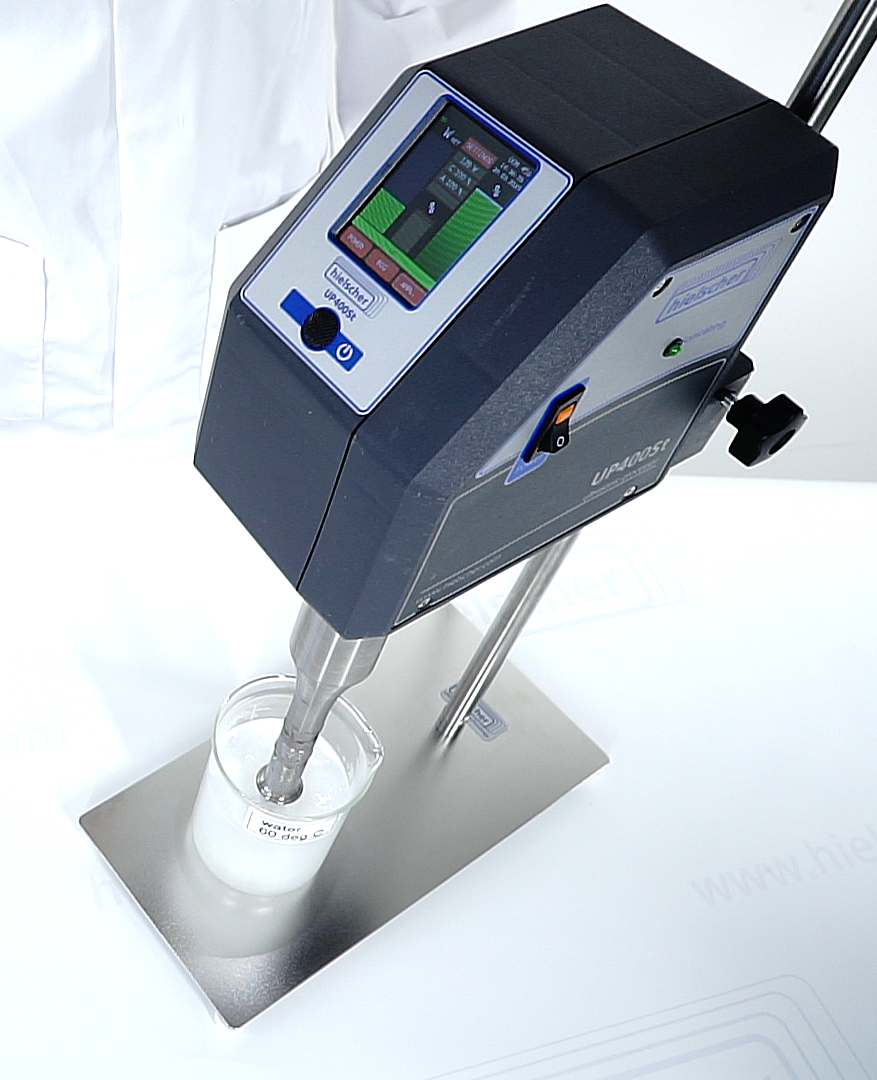
| 10 થી 2000 એમએલ | 20 થી 400 એમએલ/મિનિટ | UP200Ht, UP400St |
| 0.1 થી 20L | 0.2 થી 4L/મિનિટ | UIP2000hdT |
| 10 થી 100 લિ | 2 થી 10L/મિનિટ | UIP4000hdT |
| 15 થી 150 લિ | 3 થી 15L/મિનિટ | UIP6000hdT |
| na | 10 થી 100L/મિનિટ | UIP16000hdT |
| na | મોટા | નું ક્લસ્ટર UIP16000hdT |
ડિઝાઇન, ઉત્પાદન અને કન્સલ્ટિંગ – જર્મનીમાં બનાવેલ ગુણવત્તા
Hielscher ultrasonicators તેમના ઉચ્ચતમ ગુણવત્તા અને ડિઝાઇન ધોરણો માટે જાણીતા છે. મજબૂતાઈ અને સરળ કામગીરી ઔદ્યોગિક સુવિધાઓમાં અમારા અલ્ટ્રાસોનિકેટર્સના સરળ એકીકરણને મંજૂરી આપે છે. ખરબચડી પરિસ્થિતિઓ અને માંગવાળા વાતાવરણને Hielscher અલ્ટ્રાસોનિકેટર્સ દ્વારા સરળતાથી નિયંત્રિત કરવામાં આવે છે.
Hielscher Ultrasonics એ ISO પ્રમાણિત કંપની છે અને ઉચ્ચ-પ્રદર્શન અલ્ટ્રાસોનિકેટર્સ પર વિશેષ ભાર મૂકે છે જેમાં અત્યાધુનિક ટેકનોલોજી અને વપરાશકર્તા-મિત્રતા દર્શાવવામાં આવે છે. અલબત્ત, Hielscher અલ્ટ્રાસોનિકેટર્સ CE અનુરૂપ છે અને UL, CSA અને RoHs ની જરૂરિયાતોને પૂર્ણ કરે છે.

અલ્ટ્રાસોનિકેટર UIP6000hdT લુબ્રિકન્ટ્સમાં નેનોમટિરિયલ્સના ઇનલાઇન વિખેરણ માટે
વારંવાર પૂછાતા પ્રશ્નો
બાયોલ્યુબ્રિકન્ટ્સ શું છે?
Biolubricants are lubricants formulated from renewable or bio-based raw materials, such as vegetable oils, animal fats, synthetic esters, or other biodegradable feedstocks. They are designed to reduce friction, wear, and heat between moving surfaces while offering improved biodegradability, lower toxicity, and a reduced environmental impact compared with many petroleum-based lubricants.
What are the most Common Base Materials of Biolubricant Formulations?
The most common base materials for biolubricants are vegetable oils, synthetic esters, and chemically modified bio-based oils. Frequently used feedstocks include rapeseed oil, soybean oil, sunflower oil, palm oil, castor oil, coconut oil, and jatropha oil. Synthetic esters, such as diesters and polyol esters, are widely used because they offer improved oxidative stability, low-temperature performance, viscosity control, and hydrolytic stability compared with many untreated natural oils.
What Bio-Based Materials are Used as Nano-Additives in Biolubricants?
Bio-based materials used as nano-additives in biolubricants include mainly nanocellulose, especially cellulose nanocrystals and cellulose nanofibers, as well as lignin nanoparticles, chitosan nanoparticles, starch-based nanoparticles, alginate-based particles, protein-based nanoparticles, biochar, and other biomass-derived carbon nanoparticles. Among these, nanocellulose is one of the most studied because it is renewable, biodegradable, mechanically robust, and can improve friction reduction, anti-wear behavior, viscosity modification, and tribofilm formation in vegetable-oil-based and other eco-friendly lubricant systems.
What Conventional Nanomaterials are Used as Additives in Biolubricants?
Carbon-based nanoparticles such as graphene, graphite, carbon nanotubes and carbon dots, Al₂O₃, TiO₂, SiO₂, ZnO, MoS₂, or WS₂ can be used as performance additives in biolubricants.as well as inorganic nanoparticles such as Al₂O₃, are increasingly investigated as functional additives in biolubricants. When finely dispersed, these nano-additives can improve friction reduction, wear protection, load-bearing capacity and formulation stability.
પ્રદર્શન મજબૂત સ્પર્શિત વિથરણ પર ખૂબ નિર્ભર છે. ખોટા વિથરિત નાનોકણો એકત્ર થઈ શકે છે, બેસી શકે છે, અથવા એલ્ટરનેટવાળા વેર વધારી શકે છે. એ જ જગ્યા છે જ્યાં અલ્ટ્રાસોનિક વિથરણ લાગુ હોય છે, કારણ કે સોનિકેશન નાનોકણોને વિથેરિત કરવામાં અને બાયો-આધારિત તેલ, એસ્ટર, એમલ્શન, અથવા પોલિમર ફેરફાર કરેલા લુબ્રિકન્ટ સિસ્ટમોમાં તેમને મર્યાદિત રીતે વિતરિત કરવામાં મદદ કરે છે.
લુબ્રિકન્ટમાં નાનો એડિટિવ્સ વિતરણ વિશે વધુ વાંચો!
બાયો-આધારિત અને બાયોડિગ્રેડેબલ બાયોલુબ્રિકન્ટ્સમાં શું તફાવત છે?
બાયો-આધારિત બાયોલુબ્રિકન્ટનો અર્થ એ છે કે લુબ્રિકન્ટમાં મહત્વપૂર્ણ નવજાત કાર્બન અથવા બાયો-ઉત્પાદિત ઘટક છે.
બાયોડિગ્રેડેબલ બાયોલુબ્રિકન્ટનો અર્થ એ છે કે પૂર્ણ થયેલ ફોર્મ્યુલેશન અથવા તેના ઘટકો બાયોડિગ્રેડેબિલિટી માપદંડોને અનુરૂપ હોય છે, જે ઘણીવાર OECD 301 જેવા ટ્રાયલોનો ઉપયોગ કરીને આકલન કરવામાં આવે છે.
સાહિત્ય / સંદર્ભો
- Arumugam, S., Chengareddy, P., Tamilarasan, A. et al. (2019): RSM and Crow Search Algorithm-Based Optimization of Ultrasonicated Transesterification Process Parameters on Synthesis of Polyol Ester-Based Biolubricant. Arabian Journal for Science and Engineering 44, 2019. 5535–5548.
- László Vanyorek, Dávid Kiss, Ádám Prekob, Béla Fiser, Attila Potyka, Géza Németh, László Kuzsela, Dirk Drees, Attila Trohák, Béla Viskolcz (2019): Application of nitrogen doped bamboo-like carbon nanotube for development of electrically conductive lubricants. Journal of Materials Research and Technology, Volume 8, Issue 3, 2019. 3244-3250.
- Kałużny Jarosł, Waligórski M, Szymański GM, Merkisz J, Różański J, Nowicki M, Al Karawi M, Kempa K. (2020): Reducing friction and engine vibrations with trace amounts of carbon nanotubes in the lubricating oil. Tribology International 2020.
- Mosleh, Mohsen; Atnafu, Neway; Belk, John; Nobles, Orval (2009): Modification of sheet metal forming fluids with dispersed nanoparticles for improved lubrication. Wear 267, 2009. 1220-1225.
- Li J, Du C, Delgado MA, et al. (2026): The application of nanocellulose in eco-friendly lubricants: A review. Friction, 2026.

અલ્ટ્રાસોનિક હોમોજેનાઇઝર UIP1000hdT, 1000 વોટનું શક્તિશાળી સોનિકેટર બાયોલ્યુબ્રિકન્ટ્સની રચના માટે
- ઉચ્ચ કાર્યક્ષમતા
- અદ્યતન ટેકનોલોજી
- વિશ્વસનીયતા & મજબૂતાઈ
- એડજસ્ટેબલ, ચોક્કસ પ્રક્રિયા નિયંત્રણ
- બેચ & ઇનલાઇન
- કોઈપણ વોલ્યુમ માટે
- બુદ્ધિશાળી સોફ્ટવેર
- સ્માર્ટ સુવિધાઓ (દા.ત., પ્રોગ્રામેબલ, ડેટા પ્રોટોકોલિંગ, રિમોટ કંટ્રોલ)
- ચલાવવા માટે સરળ અને સલામત
- ઓછો નિર્વાહ ખર્ચ
- CIP (ક્લીન-ઇન-પ્લેસ)
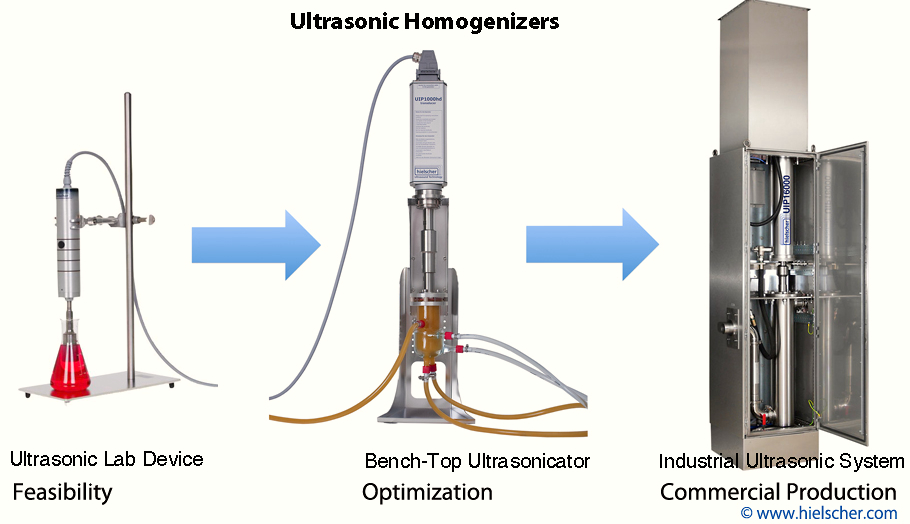
Hielscher Ultrasonics થી ઉચ્ચ-પ્રદર્શન અલ્ટ્રાસોનિક હોમોજેનાઇઝર્સનું ઉત્પાદન કરે છે પ્રયોગશાળા પ્રતિ ઔદ્યોગિક કદ.