Vesi-parafiinivaha-emulsiot: kustannustehokas kynttilöiden valmistus ultraäänitekniikalla
Ultraääniemulgointi on tehokas prosessitekniikka kynttilänvalmistajille, jotka haluavat vähentää parafiinin kulutusta, parantaa koostumuksen hallintaa ja laajentaa tuotantoa tehokkaasti. Sekoittamalla jopa 10 % vettä sulaan parafiinivahaan kynttilänvalmistajat voivat alentaa raaka-ainekustannuksia ja samalla säilyttää teolliseen kynttilänvalmistukseen sopivan homogeenisen vahavaiheen. Hielscherin anturityyppiset ultraäänilaitteet tuottavat korkean intensiteetin kavitaatiota, jota tarvitaan hienojen ja tasalaatuisten vesi-vaha-emulsioiden muodostamiseen. – laboratoriokokeista jatkuvaan tuotantoon.
Parafiinikynttilöiden tuotannon tehostaminen ultraääniemulgoinnin avulla
 Parafiinivaha on edelleen yksi kynttilöiden valmistuksessa yleisimmin käytetyistä raaka-aineista. Vahan hintavaihtelut, kasvava paine katteisiin sekä tarve resurssitehokkaampaan tuotantoon ovat kuitenkin herättäneet suurta kiinnostusta tekniikoita kohtaan, joilla parafiinin käyttöä voidaan vähentää prosessin luotettavuutta vaarantamatta. Ultraääniemulgoinnin avulla vesi voidaan sekoittaa sulaan parafiinivahaan, jolloin muodostuu vakaita vahiemulsioita.
Suuritehoisen ultraäänen avulla hienojakoiset vesipisarat voidaan sisällyttää vahavaiheeseen, jolloin muodostuu vakaa vesi-parafiini-emulsio. Kun parafiinivahaan emulgoidaan jopa 10 % vettä, valmistajat voivat vähentää kynttilää kohti tarvittavan parafiinin määrää, mikä säästää suoraan materiaalikustannuksia. Suurten tuotantomäärien valmistajille jo pieni prosentuaalinen vähennys vahankulutuksessa voi merkitä huomattavia vuotuisia kustannussäästöjä.
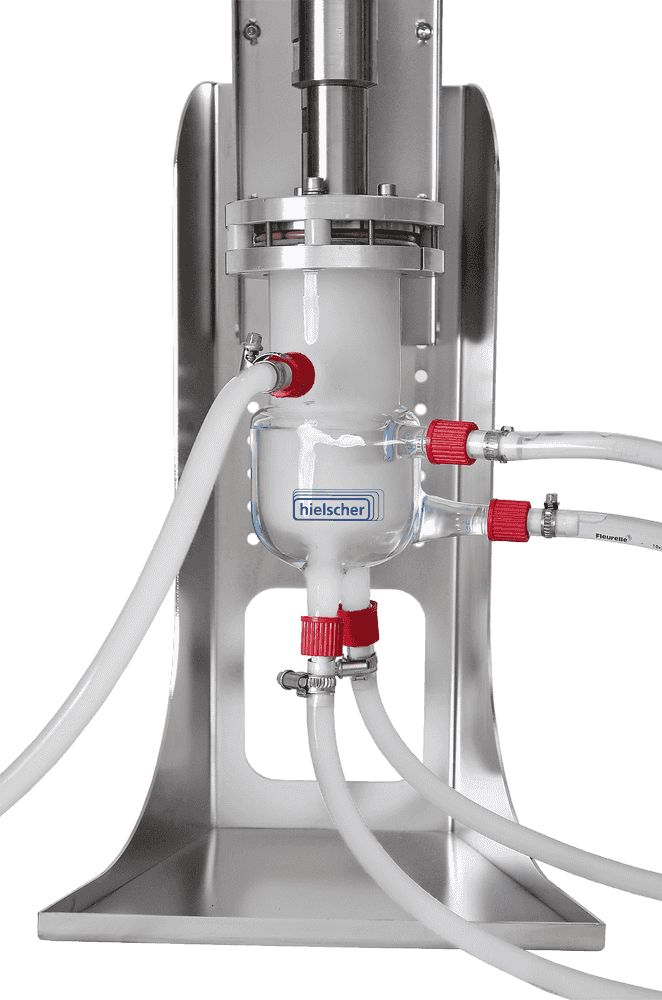
Ultraääniemulgoinnin avulla voidaan valmistaa stabiileja vesi-parafiinivaha-emulsioita
Miksi ultraääniemulgointi sopii erinomaisesti parafiinivahalle
 Vesi ja parafiinivaha eivät sekoitu keskenään luonnollisesti. Perinteisillä sekoitusmenetelmillä on usein vaikeuksia hajottaa vesi hienoksi ja tasaisesti sulaan vahan sekaan, etenkin kun vaaditaan tasalaatuista pisarakokoa, prosessin toistettavuutta ja teollista tuotantokapasiteettia. Ultraääninen emulgointi ratkaisee tämän haasteen akustisen kavitaation avulla.
Ultraäänikäsittelyn aikana korkean intensiteetin ultraääni synnyttää nestemäiseen väliaineeseen mikroskooppisen pieniä kavitaatiokuplia. Niiden romahtaminen tuottaa paikallisia suuria leikkausvoimia, turbulenssia ja voimakasta sekoitusenergiaa. Hielscher kuvailee ultraäänisekoittimien toimintaperiaatetta siten, että ne hyödyntävät akustista kavitaatiota sekoittumattomien nesteiden hajottamiseksi hyvin pieniksi pisaroiksi ja niiden tasaiseksi jakautumiseksi.
Kynttilävahan käsittelyssä tämä tarkoittaa, että vesi voidaan sekoittaa sulaan parafiiniin huomattavasti tehokkaammin kuin monilla roottori-staattori-sekoittimilla tai matalan leikkausvoiman sekoittimilla. Tuloksena syntyvä emulsio voi tarjota seuraavia etuja:
- Hienojen vesipisaroiden jakautuminen sulan vahan faasissa
- Kynttilän koostumuksen yhtenäisyyden parantaminen
- Parafiinin käyttöä vähennettiin korvaamalla osa vahamäärästä vedellä
- Paremmin toistettavat erät hallittavien ultraääniparametrien ansiosta
- Tehokas linjakäsittely jatkuvatoimisiin kynttilänvalmistuslinjoihin
Parafiinin säästö emulgoimalla siihen jopa 10 % vettä
Taloudellinen syy on selvä: parafiinivaha on kallis raaka-aine, kun taas vesi on edullista ja helposti saatavilla. Lisäämällä ultraäänikäsittelyllä jopa 10 % vettä vahamatriisiin kynttilänvalmistajat voivat vähentää parafiinin kulutusta yksikköä kohti.
Esimerkiksi tuotantotilanteessa, jossa käytetään 1 000 kg kynttilävahaseosta, 10 %:n osuuden korvaaminen parafiinivaiheesta emulgoidulla vedellä voi vähentää parafiinin tarvetta jopa 100 kg:lla, riippuen seoksen koostumuksesta ja lopputuotteen vaatimuksista. Teollisessa mittakaavassa tämä voi merkitä merkittäviä säästöjä raaka-aineiden hankinnassa, varastoinnissa ja logistiikassa.
Tärkeintä ei ole pelkästään veden lisääminen, vaan sen asianmukainen emulgointi. Huonosti dispergoitunut vesi voi erottua, aiheuttaa virheitä tai haitata prosessia. Ultraääniemulgointi luo hienon pisarakokorakenteen, jota tarvitaan vakaaseen sekoittumiseen sulan vahan faasiin. Hielscher korostaa erityisesti anturityyppisiä ultraäänilaitteita yhdistettynä ultraäänivirtauskennoihin tehokkaana menetelmänä parafiinivahan emulgointiin, mikä parantaa tehokkuutta, tasalaatuisuutta, skaalautuvuutta ja tasalaatuista laatua.
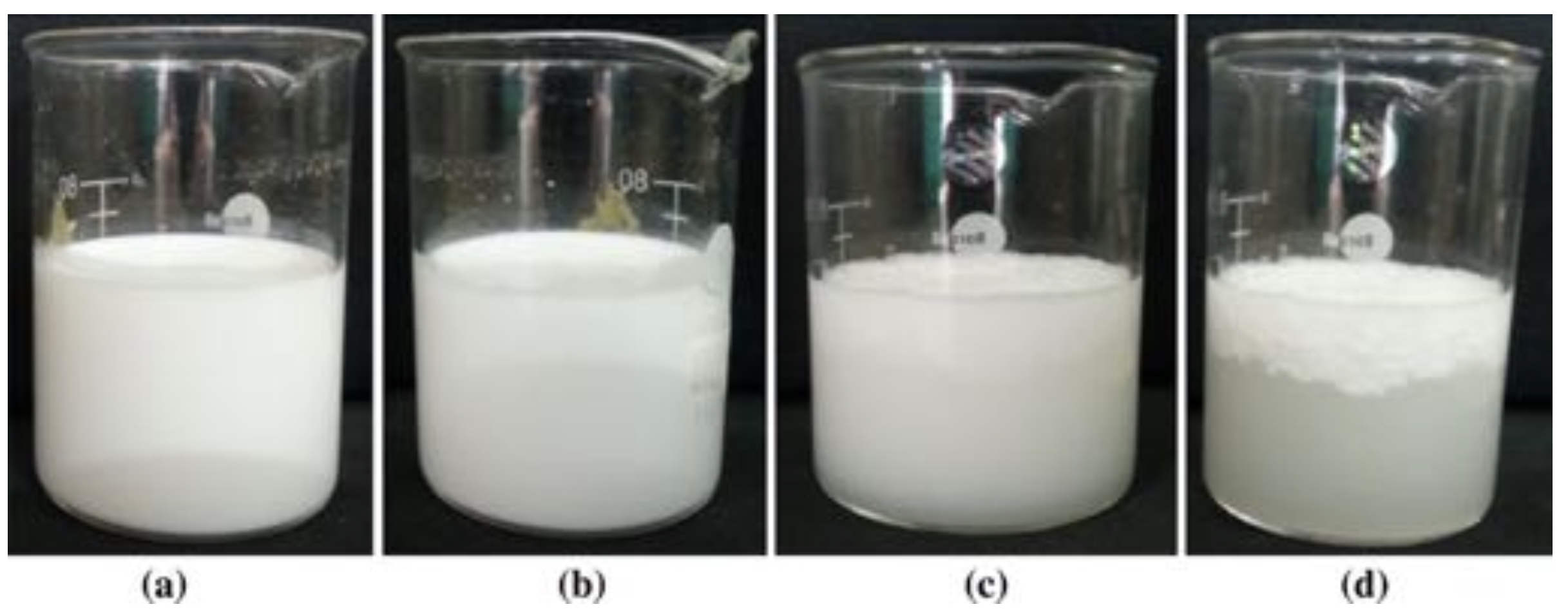
Vertailu (a) ultraäänikäsittelyllä valmistettujen emulsioiden ulkonäöstä 1 minuutin kuluttua, (b) ultraäänikäsittelyllä valmistettujen emulsioiden ulkonäöstä 3 kuukauden kuluttua, (c) emulsioiden inversiopiste-menetelmällä valmistettujen emulsioiden ulkonäöstä 1 minuutin kuluttua ja (d) emulsioiden inversiopiste-menetelmällä valmistettujen emulsioiden ulkonäöstä 30 minuutin kuluttua.
Tutkimus ja kuva: ©Jadhav ym. (2015)
Ultraäänikäsittely pienentää parafiinivahapisaroiden koon 160 nm:iin ja takaa pitkäaikaisen vakauden
Jadhavin ym. (2015) tieteellinen tutkimus osoittaa, että ultraäänellä avustettu emulgointi on tehokas menetelmä vakaiden parafiinivaha-vedessä-nanoemulsioiden valmistamiseksi, sillä se ratkaisee perinteisille emulsioiden inversiomenetelmille tyypillisen epävakauden ongelman. Valmistamalla emulsion, jossa veden ja parafiinin suhde oli 80:20, he optimoivat keskeiset prosessimuuttujat – pinta-aktiivisen aineen pitoisuus, käytetty ultraääniteho ja ultraäänikäsittelyaika. Optimoiduissa prosessiolosuhteissa tutkijat saivat aikaan noin 160,9 nm:n kokoisia parafiinivahapisaroita käyttämällä 10 mg/mL SDS:ää, 40 %:n tehoa, joka vastaa 0,61 W/mL, sekä 15 minuutin ultraäänikäsittelyä. Tutkimus osoittaa, että akustinen kavitaatio hajottaa sulan parafiinin fyysisesti nanokokoisiksi pisaroiksi, kun taas SDS stabiloi nopeasti vastamuodostuneen rajapinnan; DSC- ja FTIR-analyysit vahvistivat, että parafiinivaha ei muuttunut kemiallisesti ultraäänikäsittelyn aikana. Tuloksena saadut pisarat olivat kiinteitä, pallomaisia, SDS:n adsorptiosta johtuen negatiivisesti varautuneita ja stabiileja yli kolmen kuukauden ajan, kun taas emulsiopisteen käänteismenetelmällä valmistetut emulsiot kermaantuivat tai erottuivat 30 minuutin kuluessa. Kaiken kaikkiaan tämän tutkimuksen merkitys on siinä, että se osoittaa, että ultraäänikäsittelyllä voidaan tuottaa hienorakeisia, vakaita ja vähän energiaa kuluttavia parafiinivahan nanoemulsioita, joilla on hallittu pisarakoko, vahva fysikaalinen stabiilius ja selkeä potentiaali skaalautuviin vahapohjaisiin formulaatioihin.
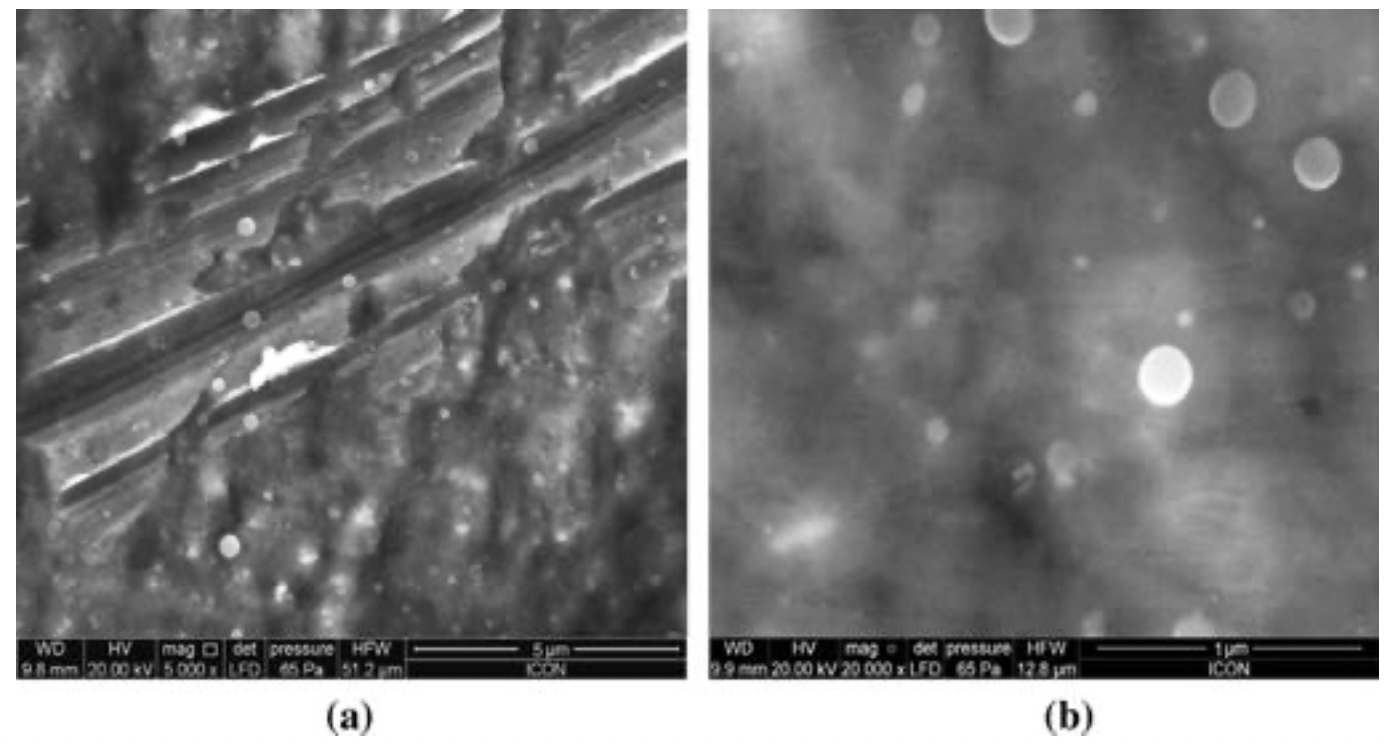
Ultraäänellä valmistetun parafiiniemulsion SEM-kuvat (a) 5000 , (b) 20 000
Tutkimus ja kuva: ©Jadhav ym. (2015)
Hielscher-ultraäänilaitteet vesi-vaha-emulsioille
Hielscher Ultrasonics valmistaa sondityyppisiä ultraäänilaitteita laboratorio-, pilottitason ja teolliseen nesteenkäsittelyyn. Sen ultraäänijärjestelmiä käytetään muun muassa emulgointiin, homogenisointiin, dispergointiin, hiukkaskokojen pienentämiseen, uuttamiseen ja kemialliseen käsittelyyn.
Kynttilöiden valmistuksessa suurin etu on prosessin hallinta. Hielscherin ultraäänilaitteiden avulla käyttäjät voivat määrittää ja toistaa keskeiset ultraäänikäsittelyparametrit, kuten amplitudin, energian syötön, lämpötilan, paineen, virtausnopeuden ja viipymäajan. Tämä on erityisen tärkeää sulan parafiinivahan kohdalla, jossa viskositeetti ja lämpötila vaikuttavat voimakkaasti emulgoinnin laatuun.
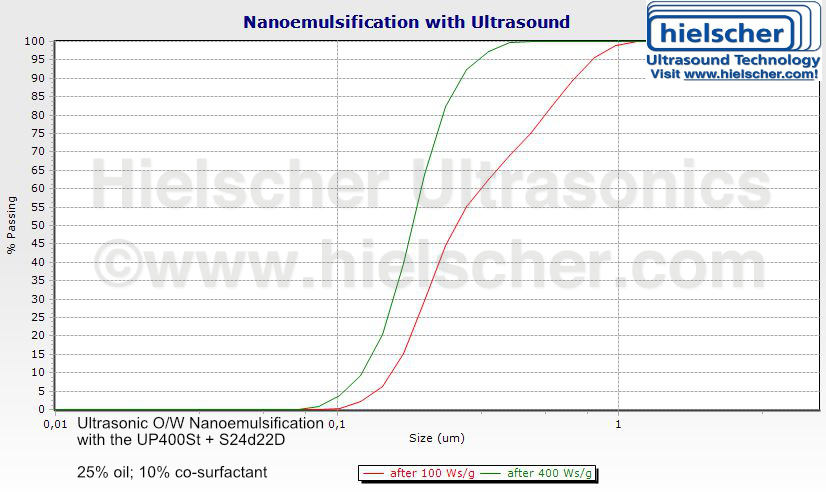
Ultraäänellä valmistettu nanoemulsio
Tyypillisiä toteutusvaihtoehtoja ovat muun muassa:
- Eräkohtainen ultraäänikäsittely tuotekehitykseen, pieniin tuotantoeriin tai erikoiskynttilöihin
- Virtauskammioilla toteutettu inline-ultraäänikäsittely jatkuvaan vahankäsittelyyn
- Paineistettavat reaktorit kavitaatiointensiteetin parantamiseksi ja prosessin hallitsemiseksi
- Alustalle asennetut järjestelmät integroitavaksi olemassa oleviin teollisiin kynttilänvalmistuslinjoihin
Hielscherin teollisuustuotevalikoimaan kuuluu suuritehoisia ultraääniprosessoreita, kuten UIP4000hdT, joka tuottaa jopa 4 kW:n ultraäänitehoa vaativiin teollisiin nesteenkäsittelytehtäviin, kuten homogenisointiin, emulgointiin, dispergointiin ja hiukkasten hienojauhamiseen. Suurempiin tuotantokapasiteetteihin Hielscher tarjoaa järjestelmiä, kuten UIP16000:n, joka on 16 kW:n tehoinen teollinen ultraääniprosessori, joka on suunniteltu suurten volyymien linjakäsittelyyn ja integrointiin tuotantoympäristöihin.
Useiden ultraäänilaitteiden rinnakkaiskäyttö mahdollistaa järjestelmän varmuuden sekä vaiheittaisen laajennuksen kysynnän kasvaessa ja liiketoiminnan laajentuessa.

Ultraääninen emulgointijärjestelmä teolliseen kynttilänvalmistukseen
Teollinen merkitys kynttilänvalmistajille
Kynttiläteollisuus toimii voimakkaan kustannuspaineen alla, erityisesti tealight-kynttilöiden, pylväskynttilöiden, votiivikynttilöiden, astiakynttilöiden ja koristekynttilöiden massatuotannossa. Parafiinivahan hinnanvaihtelut vaikuttavat suoraan kannattavuuteen. Ultraäänellä toteutettu vesi-vaha-emulgointi tarjoaa valmistajille käytännöllisen tavan vähentää vahankulutusta säilyttäen samalla skaalautuvan ja hallittavan tuotantoprosessin.
Teollinen merkitys on erityisen suuri silloin, kun tuottajat tarvitsevat:
- Suurten tuotantomäärien valmistus, jossa vahalaatu pysyy tasaisena
- Pienempi parafiininkulutus kynttilää kohti
- Jatkuva linjakäsittely pelkän eräkohtaisen sekoittamisen sijaan
- Luotettava prosessin siirto R:stä&D tuotantoon
- Emulsion laadun tarkka hallinta
- Integrointi olemassa oleviin sulatus-, annostelu- ja valulinjoihin
Teknologia on houkutteleva myös valmistajille, jotka kehittävät uusia, kustannusoptimoituja kynttiläkoostumuksia. Säätämällä vesipitoisuutta, emulgointiainejärjestelmää, vahan lämpötilaa ja ultraäänienergian syöttöä valmistajat voivat räätälöidä koostumuksen halutun kynttilän muodon, palamiskäyttäytymisen, pinnan viimeistelyn ja tuotantomenetelmän mukaiseksi.
Kuten minkä tahansa kynttilän koostumuksen muutoksen yhteydessä, valmistajien tulisi varmistaa palamiskäyttäytyminen, ulkonäkö, stabiilisuus, turvallisuus, tuoksuyhteensopivuus ja varastointikäyttäytyminen omissa tuotanto-olosuhteissaan. Ultraääniemulgointi tarjoaa kuitenkin tarvittavan prosessointitehon ja toistettavuuden, jotta tällainen koostumuksen kehittäminen on teknisesti toteutettavissa teollisessa mittakaavassa.
Ultraäänikäsittely kilpailuetuna vahiemulsioissa
 Kynttilänvalmistajille ultraääniemulgointi on enemmän kuin pelkkä sekoitusmenetelmä. Se on prosessitehostustekniikka, jonka avulla voidaan alentaa raaka-ainekustannuksia, parantaa koostumusten joustavuutta ja tukea skaalautuvaa tuotantoa.
Hielscherin ultraäänilaitteet on suunniteltu juuri tällaisiin vaativiin nesteenkäsittelytehtäviin. Sulaneen parafiinin laboratoriokokeista teollisen tuotannon jatkuvaan linjassa tapahtuvaan emulgointiin – Hielscherin ultraäänijärjestelmät tarjoavat tarvittavan tehon, hallittavuuden ja skaalautuvuuden vesi-parafiini-kynttilävahaemulsioiden valmistukseen.
Sisällyttämällä parafiinivahaan jopa 10 % vettä ultraäänikavitaation avulla kynttilänvalmistajat voivat vähentää riippuvuuttaan kalliista parafiinista ja samalla säilyttää hallitun, homogeenisen vahakoostumuksen. Teollisessa kynttiläntuotannossa tämä tuo selkeitä taloudellisia ja toiminnallisia etuja: alhaisemmat materiaalikustannukset, toistettavan laadun sekä suoran siirtymän laboratoriomittakaavan koostumuksesta täysimittaiseen tuotantoon.
Alla oleva taulukko antaa sinulle viitteitä ultraäänilaitteidemme likimääräisestä käsittelykapasiteetista:
| Erän tilavuus | Virtausnopeus | Suositellut laitteet |
|---|---|---|
| 1 - 500 ml | 10 - 200 ml / min | UP100H |
| 10 - 2000ml | 20–400 ml/min | UP200Ht, UP400St |
| 0.1 - 20L | 0.2–4 l/min | UIP2000hdT |
| 10-100L | 2 - 10L / min | UIP4000hdT |
| 15-150L | 3 - 15L / min | UIP6000hdT |
| n.a. | 10-100L / min | UIP16000hdT |
| n.a. | suurempi | klusteri UIP16000hdT |
Ultraäänivahaemulsiot: Lineaarinen mittakaavan laajennus laboratoriosta teolliseen tuotantoon
 Yksi Hielscherin ultraääniteknologian suurimmista eduista on lineaarinen skaalautuvuus. Kynttilänvalmistajat voivat aloittaa pienimuotoisilla toteutettavuustesteillä, optimoida vesi-parafiini-koostumuksen ja siirtää prosessiparametrit sitten suurempiin järjestelmiin.
Toisin kuin monissa perinteisissä sekoitustekniikoissa, joissa tuotannon laajentaminen voi vaatia mittavia suunnittelumuutoksia ja epävarmoja säätöjä, ultraäänipohjainen tuotannon laajentaminen perustuu toistettaviin prosessiparametreihin. Kun tarvittava energian syöttö, amplitudi, lämpötila, paine ja viipymäaika (virtausnopeus) ovat tiedossa, prosessia voidaan laajentaa lisäämällä ultraäänitehoa ja tuotantoa tai käyttämällä useita ultraäänilaitteita rinnakkain.
Tämä lähestymistapa on erityisen arvokas kynttilänvalmistajille, koska se vähentää kehitykseen liittyviä riskejä. Laboratoriossa tai pöytämallisella ultraäänilaitteella kehitetty koostumus voidaan validoida pilottilaitteistolla ja siirtää sen jälkeen täysimittaiseen teolliseen tuotantoon. Hielscher huomauttaa, että pöytämallisia homogenisaattoreita voidaan käyttää sovellustutkimukseen, tuotannon laajentamiseen, pilottitutkimuksiin, prosessien optimointiin ja pienempien erien käsittelyyn, kun taas suuritehoisia 4–16 kW:n ultraäänisondit soveltuvat suurten volyymien linjatuotantoon tai eräprosessointiin.
Suurissa tuotantolaitoksissa useiden ultraääniprosessoreiden ryhmittäminen mahdollistaa erittäin suuren tuotantokapasiteetin samalla, kun kussakin reaktorissa säilyvät samat kavitaatio-olosuhteet. Tämä modulaarinen konsepti mahdollistaa luotettavan kapasiteetin laajentamisen ilman, että tuotteen tasalaatuisuus kärsii.
Suunnittelu, valmistus ja konsultointi – Laatu valmistettu Saksassa
Hielscher-ultraääniastiat ovat tunnettuja korkeimmista laatu- ja suunnittelustandardeistaan. Kestävyys ja helppokäyttöisyys mahdollistavat ultraäänilaitteidemme sujuvan integroinnin teollisuuslaitoksiin. Hielscher-ultraäänilaitteet käsittelevät helposti karkeita olosuhteita ja vaativia ympäristöjä.
Hielscher Ultrasonics on ISO-sertifioitu yritys ja painottaa erityisesti korkean suorituskyvyn ultraäänilaitteita, joissa on huipputeknologia ja käyttäjäystävällisyys. Tietenkin, Hielscher-ultraäänilaitteet ovat CE-yhteensopivia ja täyttävät UL: n, CSA: n ja RoHs: n vaatimukset.

Hielscher Ultrasonics valmistaa korkean suorituskyvyn ultraäänihomogenisaattoreita sekoitussovelluksiin, dispersioon, emulgointiin ja uuttamiseen laboratorio-, pilotti- ja teollisessa mittakaavassa.
Usein Kysytyt Kysymykset
Mihin parafiinivahaemulsioita käytetään?
Parafiinivahaemulsioita käytetään hydrofobisina, vettä hylkivinä, suojakerroksen muodostavina ja faasimuutosvalmisteina esimerkiksi tekstiilien viimeistelyssä, paperin ja pakkausten pinnoituksissa, puunsuojauksessa, rakennusmateriaaleissa, kosmetiikassa, kiillotusjärjestelmissä, hallitun vapautumisen järjestelmissä sekä faasimuutukseen perustuvassa lämmönvarastoinnissa.
Mikä on emulsion inversiopistemetodi?
Emulsion inversiopisteen menetelmä on vähän energiaa kuluttava emulgointitekniikka, jossa jatkuva ja dispergoitunut faasi vaihtavat paikkaa veden ja öljyn suhteen muuttuessa. Jadhavin ym. tutkimuksessa (2015) vettä ja SDS-liuosta lisättiin asteittain sulaan parafiinivahaan, ja johtavuusmittaukset osoittivat faasien kääntymisen vesi-öljy-emulsiosta öljy-vesi-emulsioon noin 35 painoprosentin vesisisällössä; tämä menetelmä tuotti kuitenkin epästabiileja parafiinivahaemulsioita, jotka kerääntyivät tai erottuivat 30 minuutin kuluessa.
Miten emulsiota käännepisteen menetelmä toimii?
Emulsion inversiopiste -menetelmä perustuu vesifaasin ja öljyfaasin suhteen asteittaiseen muuttamiseen, kunnes emulsion sisäinen rakenne muuttuu vesi-öljy-emulsiosta öljy-vesi-emulsioksi tai päinvastoin. Parafiinivahan emulgoinnissa vesipitoista pinta-aktiivisen aineen liuosta lisätään hitaasti sulaan parafiinivahaan sekoittaen. Alhaisella vesipitoisuudella vaha on jatkuva faasi ja vesipisarat ovat hajallaan sen sisällä muodostaen vesi-öljy-emulsion. Kun vettä lisätään lisää, järjestelmä saavuttaa kriittisen koostumuksen, jossa pinta-aktiivisen aineen pakkautuminen, rajapinnan kaarevuus, johtavuus ja faasien tilavuustasapaino muuttuvat. Tässä käännekohdassa jatkuva faasi vaihtuu vahasta vedeksi, jolloin muodostuu öljy-vedessä-tyyppinen parafiinivahaemulsio.
Mitkä ovat parafiinivahan vaihtoehdot?
Parafiinivahan teollisia vaihtoehtoja ovat muun muassa soijavaha, mehiläisvaha, palmuvaha, rapsivaha, kookosvaha, steariini, mikrokiteinen vaha, Fischer-Tropsch-synteettiset vahat, polyeteenivahat sekä muut biopohjaiset tai synteettiset vahaseokset. Sopivin korvaava aine riippuu sulamisalueesta, kovuudesta, kiteytymiskäyttäytymisestä, viskositeetista, tuoksuyhteensopivuudesta, palamisprofiilista, kustannuksista, kestävyysvaatimuksista ja käsittelymenetelmästä.
Kirjallisuus / Viitteet
- A.J. Jadhav, C.R. Holkar, S.E. Karekar, D.V. Pinjari, A.B. Pandit (2015): Ultrasound assisted manufacturing of paraffin wax nanoemulsions: Process optimization. Ultrasonics Sonochemistry, Volume 23, 2015. 201-207.
- Alina Lozhechnikova, Hervé Bellanger, Benjamin Michen, Ingo Burgert, Monika Osterberg (2016): Surfactant-free carnauba wax dispersion and its use for layer-by-layer assembled protective surface coatings on wood. Applied Surface Science 2016.
- Noonim, P.; Rajasekaran, B.; Venkatachalam, K. (2022): Structural Characterization and Peroxidation Stability of Palm Oil-Based Oleogel Made with Different Concentrations of Carnauba Wax and Processed with Ultrasonication. Gels 2022, 8, 763.
- korkea hyötysuhde
- Uusinta teknologiaa
- luotettavuus & rotevuus
- säädettävä, tarkka prosessinohjaus
- erä & Inline
- mille tahansa tilavuudelle
- Älykäs ohjelmisto
- älykkäät ominaisuudet (esim. ohjelmoitavat, dataprotokollat, kauko-ohjaus).
- Helppo ja turvallinen käyttää
- vähän huoltoa vaativa
- CIP (puhdas paikan päällä)
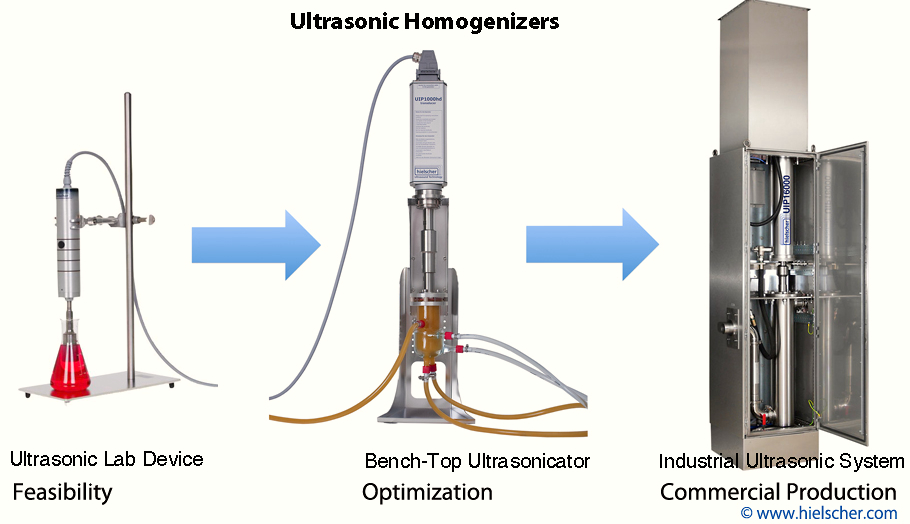
Hielscher Ultrasonics valmistaa korkean suorituskyvyn ultraäänihomogenisaattoreita laboratorio jotta Teollisuuden koko.