Kasutatud katalüsaatori taasaktiveerimine ultraheli abil
Kasutatud katalüsaatorite reaktiveerimine on muutunud oluliseks teemaks jätkusuutlikus keemilises töötlemises, rafineerimistegevuses, naftakeemias, keskkonnakatalüüsis ja ringmajanduse strateegiates. Katalüsaatorid on tõhusate reaktsioonide jaoks hädavajalikud, kuid tööstuslikus kasutuses kaotavad nad järk-järgult oma aktiivsuse koksistumise, metallimürgituse, saastumise, pooride ummistumise, paagutamise, pinna passiivseks muutumise või reaktsiooni kõrvalsaaduste kogunemise tõttu. Kasutatud katalüsaatorite asendamine on kulukas ja ressursimahukas, samas kui nende kõrvaldamine võib tekitada keskkonnakoormust. Kasutatud katalüsaatorite ultraheliregeneratsioon on lihtne, kuid väga tõhus meetod kasutamise käigus passiivseks muutunud, mürgitatud või saastunud katalüsaatorite taasaktiveerimiseks.
Kasutatud katalüsaatori taasaktiveerimine ultraheli abil
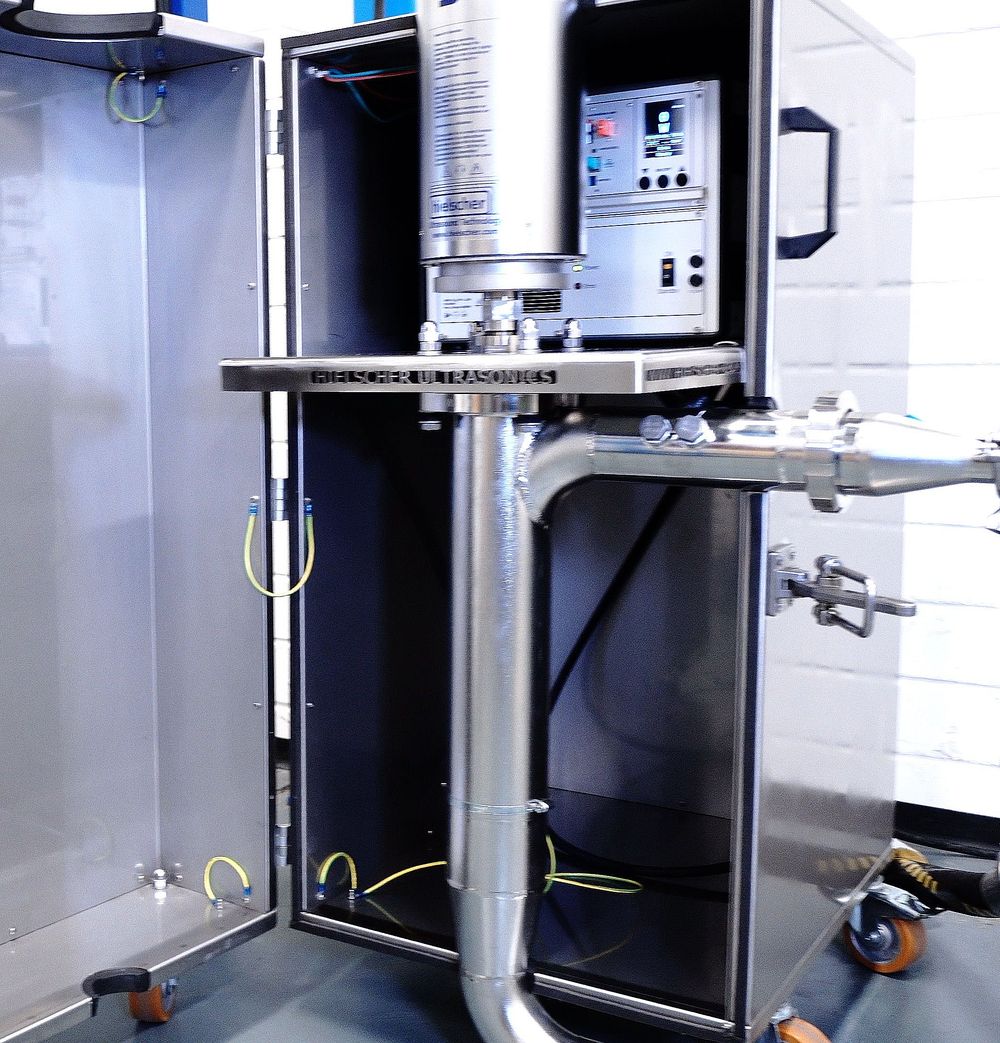 Ultrahelitöötlus, mida tuntakse ka kui ultrakõrgsageduslikku töötlust, pakub teaduslikult asjakohast ja tehniliselt atraktiivset meetodit kasutatud katalüsaatorite regenereerimiseks ja taasaktiveerimiseks. Suure võimsusega ultraheli rakendamisel katalüsaatorisuspensioonidele tekib vedelikukeskkonnas intensiivne akustiline kavitatsioon. Kavitatioonimullide kokkuvarisemine tekitab lokaalseid mikrojette, lööklaineid, nihkejõude ja väga turbulentse mikrosegamist. Need efektid võivad puhastada katalüsaatorite pindu, eemaldada ladestumisi, parandada reagentide juurdepääsu ummistunud pooridele ning toetada keemilist leostamist või oksüdatiivseid regenereerimisprotsesse.
Hiljutised uuringud kasutatud vedelkatalüütilise krakkimise katalüsaatorite kohta on näidanud, et ultraheliga toetatud regenereerimine võib parandada kahjulike metallide eemaldamist, aidates samal ajal säilitada tseoliidi võrestikku ja katalüsaatori osakeste mikrostruktuuri. Uuringutes on kirjeldatud ka ultraheliga tõhustatud metallide, näiteks nikli, taaskasutamist kasutatud katalüsaatoritest, kus ultraheli kiirendab ekstraheerimist akustilise kavitatsiooni füüsikaliste ja keemiliste mõjude kaudu.
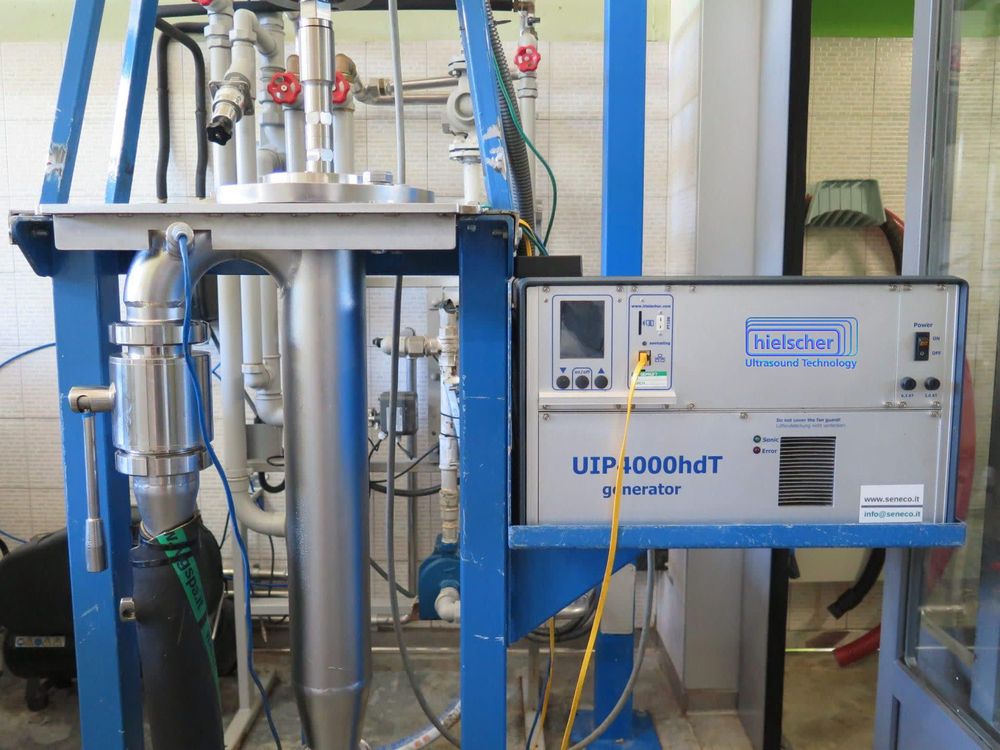
Sisseehitatud ultraheliseade UIP4000hdT kasutatud katalüsaatorite tööstuslikuks taaskasutamiseks
Miks ultraheliravi on tõhus kasutatud katalüsaatori reaktiveerimisel
Ultraheli kasutamise teaduslik tähtsus seisneb selle võimes intensiivistada heterogeenseid tahke-vedel protsesse. Katalüsaatori regenereerimist piiravad sageli puudulik massiülekanne, ummistunud poorid, passiivseks muutunud pinnad ning puhastus- või leostusainete aeglane difusioon katalüsaatori struktuuri. Ultraheli aitab neid piiranguid ületada mehaaniliste ja füüsikalis-keemiliste mehhanismide abil.
Ultrahelitöötluse peamised eelised on järgmised:
Ultraheli tähtsus ei piirdu ainult füüsilise puhastamisega. Sonokeemias võib kavitatsioon tekitada äärmuslikke kohalikke tingimusi ja reaktiivseid keskkondi, mis võivad soodustada oksüdeerimist, pinna modifitseerimist või keemilist ekstraheerimist. Seeläbi võib ultraheli suurendada katalüsaatorite aktiivset pinda, vähendada tahkete dispersioonkatalüsaatorite saastumist ja aidata kaasa puhastamisele katalüsaatorite ringlussevõtu protsesside käigus.
Tööstuslik tähtsus: katalüsaatori puhastamisest kuni funktsionaalse reaktiveerimiseni
Kasutatud katalüsaatori reaktiveerimine on midagi enamat kui lihtsalt hooldustoiming. See on teaduslikult oluline viis katalüsaatori elutsükli jooksul toimivuse parandamiseks. Regeneratsiooniprotsessi läbinud katalüsaator peab olema mitte ainult välimuselt puhas, vaid ta peab taastama ka olulise katalüütilise funktsiooni. Selleks on vaja taastada kättesaadavad aktiivsed kohad, pinna happesus või aluselisus, poorsus, dispersioon ja reaktsioonivõime.
Ultraheliravi on oluline, kuna see mõjutab katalüsaatori regenereerimise mitut olulist etappi:
Pind: See eemaldab passiivkihid ja paljastab aktiivsed kohad.
Poorid: See aitab blokeeritud mesopooride ja mikropoore taas avada.
Osakesed: See hajutab aglomeeraadid ja parandab suspensiooni ühtlust.
Protsess: See tugevdab vedeliku ja tahke aine vahelist kontakti ning parandab keemiliste regenereerimismaterjalide tõhusust.
Jätkusuutlikkus: See toetab taaskasutamist, metalli taaskasutamist ja jäätmete vähendamist.
 Hiljutises uuringus, mis käsitles kasutatud vedelkatalüütilise krakkimise (FCC) katalüsaatorite regenereerimist ultraheli ja oksüdatsiooni abil, teatati, et ultraheli abil toimuvad täiustatud oksüdatsiooniprotsessid suurendasid katalüsaatori happesust ja võimaldasid regenereeritud katalüsaatorit kasutada glütseroolmonostearaadi sünteesis. (vt Anggoro jt, 2026)
Teine uuring näitas, et kastmine lahjendatud väävelhappesse ja sellele järgnev ultraheliga toetatud leostamine väävelhappe ja oksaalhappe segus parandab oluliselt kahjulike metallide eemaldamist kasutatud FCC-katalüsaatorist, hävitamata seejuures zeoliidi Y-võret ega kasutatud katalüsaatori osakeste mikrostruktuuri. Võrreldes tavapärase leostamisega kulub ultraheli abil toimuva leostamise puhul vaid 1/4 ajast, et saavutada peaaegu sama kahjulike metallide eemaldamise tulemus, ning sellel on märkimisväärsed eelised osakeste terviklikkuse säilitamisel. (vt Wang jt, 2021).
Ultraheli kasutamine katalüsaatorite ringlussevõtus ja metallide taaskasutamisel
Kasutatud katalüsaatorid sisaldavad sageli väärtuslikke metalle, nagu nikkel, vanaadium, molübdeen, koobalt, plaatinagrupi metallid või haruldased metallid, sõltuvalt katalüsaatori tüübist ja tööstuslikust rakendusest. Ultrahelitöötlus võib aidata kaasa nii katalüsaatori reaktiveerimisele kui ka ressursside taaskasutusele. Ultraheliga toetatud leostamisel parandab kavitatsioon leostuslahuse tungimist, eemaldab osakeste ümber olevad piirkihid ja paljastab reaktsiooniks uued pinnad.
Seetõttu on ultraheli eriti huvipakkuv järgmiste valdkondade jaoks:
- Rafineerimistehase kasutatud katalüsaatorid
- FCC-katalüsaatorid
- Hüdrogeenimise ja hüdrodesulfureerimise katalüsaatorid
- Fischer-Tropschi katalüsaatorid
- Toetatud metallkatalüsaatorid
- Keskkonnakatalüsaatorid
- Aktiivsüsi ja adsorbendi-katalüsaatori süsteemid
- Metalliga saastunud või ummistunud heterogeensed katalüsaatorid

Sonicator UP400St koos voolukambri seadistusega
Hielscheri ultraheli-seadmete tehnilised eelised kasutatud katalüsaatorite ringlussevõtus
Hielscheri suure võimsusega ultraheliseadmed sobivad hästi kasutatud katalüsaatorite ringlussevõtuks ja reaktiveerimiseks, kuna need suunavad vedel-tahke suspensioonidesse kontrollitud, korratavat ja skaleeritavat ultrahelienergiat. Katalüsaatorite regenereerimisel on protsessi usaldusväärsus hädavajalik: amplituud, sisendvõimsus, viibeaeg, voolukiirus, temperatuur, rõhk ja reaktori geomeetria peavad olema reguleeritavad ja korratavad alates laborikatsetest kuni tööstusliku tootmisvõimsuseni.
Hielscher pakub ultrahelisüsteeme alates kompaktseist laboriseadmetest kuni tööstuslike seadmeteni, sealhulgas sondtüüpi ultraheliseadmeid ja läbivoolu-ultrahelireaktoreid pidevaks töötlemiseks. Hielscheri ultraheliseadmete valik ulatub väikestest laboriseadmetest kuni tööstuslike töötlejateni, nagu 500 W, 1 000 W, 2 000 W, 4 000 W, 6 000 W ja 16 000 W seadmeteni, võimaldades mastaapi suurendamist teostatavusuuringutest kuni tootmistasemelise katalüsaatorite töötlemiseni.
Kasutatud katalüsaatorite ringlussevõtu tehnilised eelised on järgmised:
- Kõrge intensiivsusega sondsonikatsioon tõhusa kavitatsiooni saavutamiseks abrasiivsetes katalüsaatorisuspensioonides
- Läbivoolureaktori variandid pidevateks regenereerimis-, leostamis-, pesemis- või dispersiooniprotsessideks
- Täpne amplituudi reguleerimine, mis tagab protsessi tingimuste korratavuse
- Skaalautuv seadmete arhitektuur alates laboratoorsest sõelumisest kuni tööstusliku katalüsaatorite ringlussevõtuni
- Tugev tööstusdisain nõudlikele keemiatöötlemiskeskkondadele
- Sobivus sonokeemiliste protsessidega, nagu happe leostamine, oksüdatiivne puhastamine, dispersioon ja pinna aktiveerimine
Need omadused muudavad Hielscheri ultraheli-seadmed praktiliseks tehnoloogiaplatvormiks ettevõtetele ja teadusasutustele, kes arendavad kaasaegseid katalüsaatorite regenereerimisprotokolle, olgu eesmärgiks siis katalüütilise aktiivsuse taastamine, väärismetallide tagasisaamine, jäätmete mahu vähendamine või katalüütilise tootmise jätkusuutlikkuse parandamine.

Ultrahelihomogenisaator UIP2000hdT katalüsaatori regenereerimiseks läbivooluprotsessis
Jätkusuutlik tehnoloogia ringmajanduslikule katalüsaatoritööstusele
Kuna tööstusharud liiguvad puhtama tootmise ja ressursitõhususe suunas, on kasutatud katalüsaatorite käitlemisest saamas strateegiline prioriteet. Ultrahelitöötlus toetab seda üleminekut, muutes katalüsaatorite reaktiveerimise kiiremaks, tõhusamaks ja tehniliselt paremini kontrollitavaks. Selle asemel, et käsitleda kasutatud katalüsaatoreid jäätmetena, aitab ultrahelitöötlus neid muuta taaskasutatavateks materjalideks või väärtuslikeks sekundaarsete toorainete allikateks.
Ultraheli tööstuslik tähtsus seisneb selles, et see võimaldab ühendada ühes protsessis mehaanilise aktiveerimise, pindade puhastamise, dispersiooni ja massiülekande intensiivistamise. Tööstuslikele kasutajatele on eelis samuti selge: katalüsaatorite tõhusam taaskasutamine, tooraine tarbimise vähenemine, jäätmete tekke vähenemine ja potentsiaalselt madalamad tegevuskulud.
Kasutage ära ultrahelil põhinevat katalüsaatori regenereerimist
 Kasutatud katalüsaatorite taasaktiveerimine ultraheli abil on katalüsaatorite ringlussevõtu uuenduslik lähenemisviis, millel on suur teaduslik ja tööstuslik potentsiaal. Akustiline kavitatsioon võimaldab eemaldada sadestusi, avada ummistunud poorid, parandada massiülekannet ja intensiivistada keemilisi regenereerimisetappe. Kombineerituna sobivate leostamis-, oksüdeerimis-, pesemis- või termiliste strateegiatega võib ultrahelitöötlus aidata taastada katalüsaatori aktiivsust ja väärtuslikke metalle.
Hielscher pakub skaleeritavate suure võimsusega ultraheliseadmete ja tööstuslike ultrahelivoolureaktorite abil tehnilist alust usaldusväärsete, korratavate ja tõhusate kasutatud katalüsaatorite regenereerimisprotsesside väljatöötamiseks. Kuna katalüsaatorite ringlussevõtt muutub jätkusuutliku keemia ja ringmajandusliku tööstustootmise jaoks üha olulisemaks, on ultrahelitöötlus kujunemas võimsaks vahendiks katalüsaatorite kasutusaja pikendamiseks ja ressursitõhususe parandamiseks.
Allolev tabel annab teile ülevaate meie ultrasonikaatorite ligikaudsest töötlemisvõimsusest:
| Partii maht | Voolukiirus | Soovitatavad seadmed |
|---|---|---|
| 1 kuni 500 ml | 10 kuni 200 ml / min | UP100H |
| 10 kuni 2000 ml | 20 kuni 400 ml / min | UP200Ht, UP400St |
| 0.1 kuni 20L | 0.2 kuni 4L / min | UIP2000hdT |
| 10 kuni 100L | 2 kuni 10L/min | UIP4000hdT |
| 15 kuni 150L | 3 kuni 15L/min | UIP6000hdT |
| mujal liigitamata | 10 kuni 100 L / min | UIP16000hdT |
| mujal liigitamata | Suurem | klaster UIP16000hdT |
Disain, tootmine ja nõustamine – Kvaliteet Valmistatud Saksamaal
Hielscheri ultrasonikaatorid on tuntud oma kõrgeimate kvaliteedi- ja disainistandardite poolest. Vastupidavus ja lihtne kasutamine võimaldavad meie ultrasonikaatorite sujuvat integreerimist tööstusrajatistesse. Hielscheri ultrasonikaatorid saavad kergesti käsitseda karmid tingimused ja nõudlikud keskkonnad.
Hielscher Ultrasonics on ISO sertifitseeritud ettevõte ja paneb erilist rõhku suure jõudlusega ultrasonikaatoritele, millel on tipptasemel tehnoloogia ja kasutajasõbralikkus. Loomulikult on Hielscheri ultrasonikaatorid CE-nõuetele vastavad ja vastavad UL, CSA ja RoHs nõuetele.

Hielscher Ultrasonics toodab suure jõudlusega ultraheli homogenisaatoreid rakenduste segamiseks, hajutamiseks, emulgeerimiseks ja ekstraheerimiseks laboris, piloot- ja tööstuslikus mastaabis.
Korduma kippuvad küsimused
Mis on katalüsaator?
Katalüsaator on aine, mis suurendab keemilise reaktsiooni kiirust, alandades aktiveerimisenergiat, ilma et see reaktsioonis stöökioomeetriliselt tarbitaks. See pakub alternatiivset reaktsiooniteed ja on sageli taaskasutatav.
Mis on kasutatud katalüsaator?
Kasutatud katalüsaator on katalüsaator, mis on pärast kasutamist kaotanud osa või kogu oma katalüütilise aktiivsuse, selektiivsuse või stabiilsuse. Deaktiveerumine võib olla tingitud saastumisest, koksistumise, mürgistumisest, paagutamisest, leostumisest või struktuurilisest lagunemisest.
Mis on kasutatud FCC-katalüsaator?
Kasutatud FCC-katalüsaator on naftatöötlemisel vedelkatalüütilise krakkimise protsessis deaktiveerunud katalüsaator. FCC-katalüsaatorid on tavaliselt tseoliidipõhised materjalid, mida kasutatakse raskete süsivesinike krakkimiseks kergemateks toodeteks, nagu bensiin, olefiinid ja veeldatud naftagaas (LPG). Need muutuvad kasutuskõlbmatuks koksistumise, metallisaaste, hüdrotermilise lagunemise ning happesuse või pindala vähenemise tõttu.
Kuidas katalüsaatorid kuluvad?
Katalüsaatorid ei kulune ära ideaalses stökiomeetrilises mõttes, kuid need võivad töötamise käigus deaktiveeruda või füüsiliselt kaduda. Tüüpilised mehhanismid on järgmised:
- Mürgistus: lisandite pöördumatu adsorptsioon aktiivsete kohtade külge.
- Saastumine/koksistumine: süsinikupõhise aine ladestumine ummistab poorid ja aktiivsed kohad.
- Paagutamine: Kõrged temperatuurid põhjustavad aktiivsete osakeste kokkukleepumist, vähendades seeläbi pindala.
- Leostumine: aktiivsed komponendid lahustuvad reaktsioonikeskkonnas.
- Lahkumine: Mehaaniline hõõrdumine purustab katalüsaatori osakesi, eriti keevkihtides.
- Muundamisetapp: katalüsaatori struktuur muutub vähem aktiivseks vormiks.
Millised on neli katalüsaatoritüüpi?
Neli tavaliselt eristatavat tüüpi on:
Kirjandus / Viited
- Darbandi, M., Moghaddasfar, A., Eynollahi, M. et al. (2025): Sustainable approach with enhanced removal performance of organic pollutant for wastewater treatment by ultrasonically regenerated mesoporous nickel oxide nanoparticles. Int. J. Environ. Sci. Technol. 22, 3495–3504 (2025).
- Anggoro D.D., Buchori L., Rinaldi N., Silviana S., Le Monde B.U., Putra M.F., Zainol, M.M. (2026): Hybrid Ultrasound and Advanced Oxidation Process Regeneration of Spent FCC Catalysts: Optimization and Their Catalytic Performance. Journal of Engineering and Technological Sciences, 58(2), 227–242.
- Xin Pu, Jin-ning Luan, Li Shi (2012): Reuse of Spent FCC Catalyst for Removing Trace Olefins from Aromatics. Bulletin of Korean Chemical Society 2012, Vol. 33, No. 8.
- kõrge kasutegur
- Kaasaegne tehnoloogia
- Usaldusväärsuse & töökindlus
- reguleeritav, täpne protsessi juhtimine
- partii & Inline
- mis tahes mahu jaoks
- Intelligentne tarkvara
- nutikad funktsioonid (nt programmeeritav, andmeprotokollide koostamine, kaugjuhtimine)
- lihtne ja ohutu kasutada
- madal hooldus
- CIP (puhas kohapeal)
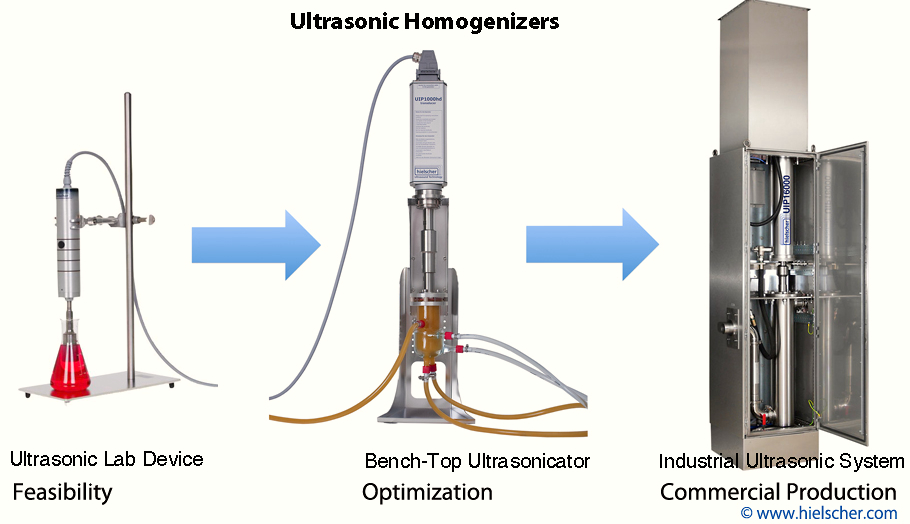
Hielscher Ultrasonics toodab suure jõudlusega ultraheli homogenisaatoreid alates Lab kuni tööstuslik suurus.