Sonication poboljšava hidrataciju i čvrstoću cementa
Ultrazvuk velike snage, također poznat kao sonikacija, privlači pažnju kao praktična tehnologija za intenzifikaciju proizvodnje cementa i morta. Nedavna istraživanja pokazuju da ultrazvučna obrada može poboljšati disperziju čestica, aktivirati dodatne cementne materijale kao što je granulisani trosk iz visokih peći (GBFS), ubrzati hidrataciju, poboljšati strukturu pora i značajno povećati ranu čvrstoću.
Cement i malter sa šljaskom višeg stepena sa ultrazvučnim efektima
U proizvodnji cementa i maltera, jedan od glavnih tehničkih izazova je efikasna upotreba dodatnih cementnih materijala. Granulirana troska iz visokih peći, ili GBFS, široko se koristi za smanjenje sadržaja klinkera i poboljšanje održivosti. Međutim, grube ili aglomerirane čestice šljake često reaguju sporo, ograničavajući rani razvoj čvrstoće. Sonikacija nudi obećavajuće rješenje: koristi visokointenzivnu akustičnu kavitaciju za disperziju aglomerata, fragmentacije čestica i povećanje broja reaktivnih nukleacijskih mjesta unutar cementne matrice.

Industrijski sonikator UIP16000hdT za preradu cementne paste velikog obima
Zašto sonikacija ima značaj za hidrataciju cementa
Prednost sonikacije leži u njenoj sposobnosti da djeluje direktno na sistem čestica prije i tokom rane hidratacije. U cementnoj suspenziji, ultrazvučna kavitacija generira lokalizovane sile smicanja, mikro mlazeve i fluktuacije pritiska. Ovi efekti pomažu u razbijanju aglomerata, disperziji finih čestica i izlaganju svježih mineralnih površina.
For cement and mortar producers, this is important because hydration is highly surface-driven. Better dispersion and smaller reactive particles can increase contact between water, clinker phases and slag particles. This can lead to faster heat release, improved early hardening and a denser microstructure.
In slag-blended systems, sonication is especially relevant because GBFS often requires activation. Ultrasonic particle fragmentation – so-called sonofragmentation – of GBFS particles reduces particle size, particularly the 125–250 μm fraction.
Key Advantages of Sonication in Cement and Mortar Production
Power ultrasound supports industrial cement and mortar production in several ways:
- Improved particle dispersion: Sonaicija pomaže u ravnomjernijem raspršivanju cementa, troske i finih mineralnih čestica u pasti ili malterskoj smjesi.
- Smanjena aglomeracija: Ultrazvučna obrada može razbiti klastere čestica i može spriječiti ponovnu aglomeraciju tokom miješanja.
- Rafiniranje zrna: Grublje čestice troske mogu se fragmentirati u finije frakcije, povećavajući raspoloživu površinu.
- Više mjesta za nukleaciju: Fragmentirane GBFS čestice mogu djelovati kao centra za nukleaciju hidratacionih proizvoda u cementnoj matrici.
- Ubrzana hidratacija: Bolja disperzija i izložene površine mogu povećati kumulativno oslobađanje toplote i ranu očvršćavanje.
- Veća rana čvrstoća: Cementne paste sa sonarno obrađenom troskom mogu pokazati značajan porast tlačne i savojne čvrstoće već nakon dva dana.
- Poboljšana mikrostruktura: Sonikacija može povećati pokazatelje nanoporoze i modificirati strukturu pora, posebno u rasponu pora od 2–10 nm.

Ultrazvučni disperzer UIP2000hdT za industrijsku proizvodnju cementnih pasti

Utjecaj ultrazvučne obrade (PUS) na brzinu ultrazvučnog pulsa hidratantnih cementnih pasta
Brže očvršćavanje i rana čvrstoća u predgotovljenom betonu uz upotrebu ultrazvuka visokog intenziteta
Studija “Utjecaj ultrazvuka na fluidnost i vezivanje portland cementnih pasta” Ch. Rößler istražuje portland cementne paste zasnovane na CEM I 42.5 R, omjer vode i cementa (w/c) 0,37 i 0,1% polakrilatnog superplastifikatora. Studija je koristila Hielscher UIP1000hd sonikator u prolaznom režimu kako bi se procijenilo može li ultrazvuk visokog intenziteta ubrzati hidrataciju, poboljšati fluidnost, skratiti vrijeme očvršćavanja i povećati ranu čvrstoću.
Rezultati pokazuju da snažni ultrazvuk (PUS) ubrzava glavni period hidratacije. Kriva temperature pokazuje raniji vrhunac hidratacije, dok slike mikrostrukture nakon pet sati pokazuju veće C-S-H faze u pasti tretiranoj ultrazvukom nego u referentnoj.
Ključne prednosti postignute:
- Veća fluidnost: propadanje se povećalo sa 122 mm u referentnoj pasti na 158 mm nakon PUS tretmana.
- Brže stvrdnjavanje: početno stvrdnjavanje skraćeno je sa 5 h 15 min na 3 h 45 min, a konačno stvrdnjavanje sa 6 h 45 min na 4 h 30 min.
- Ubrzano očvršćavanje: brzina ultrazvučnog impulsa ukazivala je na otprilike 2 sata brže očvršćavanje.
- Veća rana čvrstoća: Mortarske prizme proizvedene od PUS-tretirane cementne paste pokazale su povećanu čvrstoću pri pritisku tokom prvih 24 sata.
- Potencijal uštede u procesu: Autori su procijenili da bi unos energije od približno 10 kWh/m³ cementne paste mogao ubrzati fiksiranje i ranu čvrstoću za oko dva sata, sa naznačenim troškom od ≤ 1 Euro/m³ betona.
- Smanjena potražnja za smjesom: Zbog povećanja fluidnosti PUS-a, autori su zaključili da se doza superplastifikatora potencijalno može smanjiti.
Ovi rezultati su posebno relevantni za proizvodnju prefabrikovanog betona, gdje brže stvrdnjavanje i rana čvrstoća mogu smanjiti vrijeme oplate, potrebu za zagrijavanjem i vrijeme proizvodnog ciklusa.
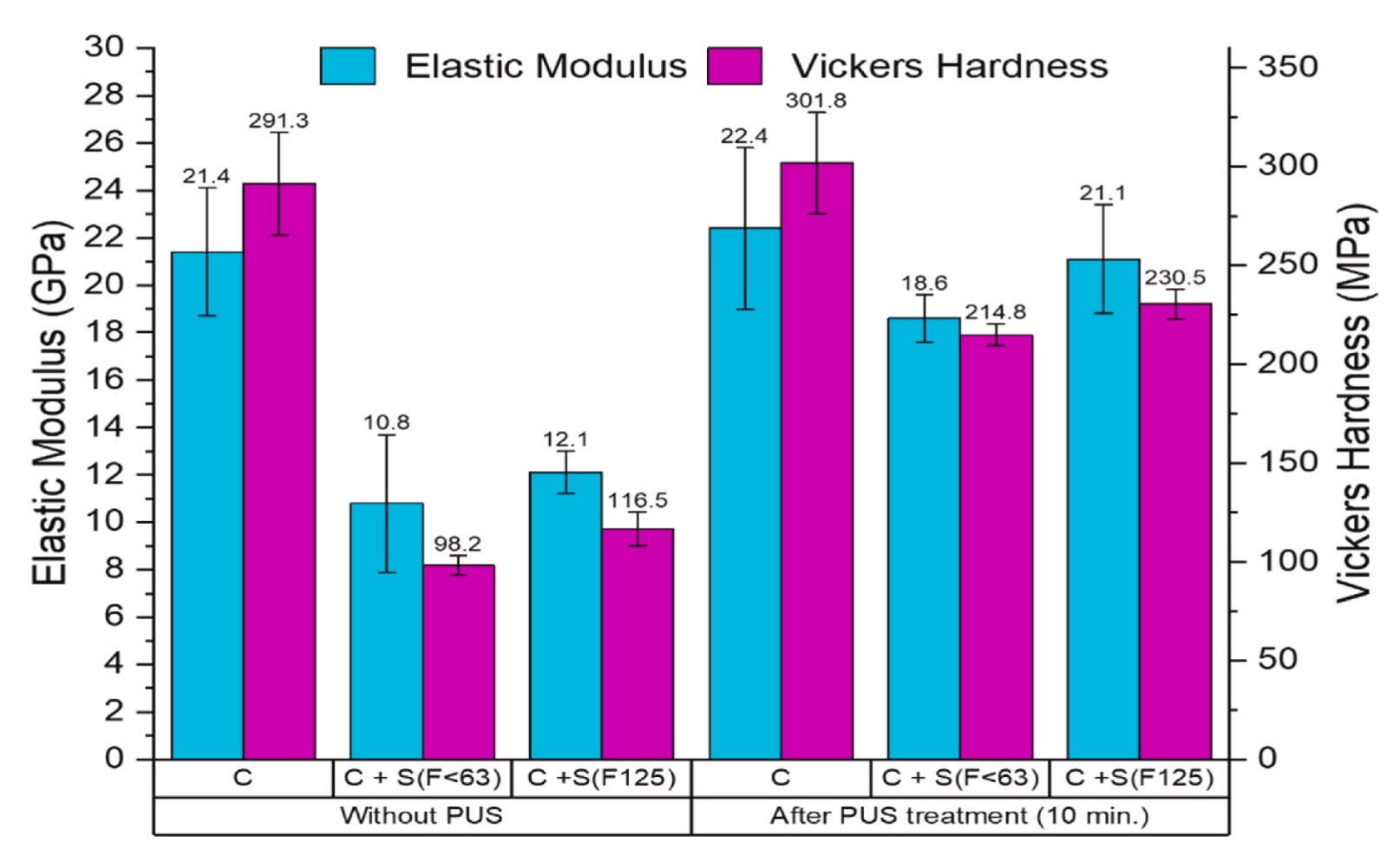
Vickerova tvrdoća i elastični modul C + S pasta pripremljenih konvencionalno i uz upotrebu Power Ultrasound nakon 28 d.
Grafikoni i studija: ©Lisowski i dr. 2024.
Jača rana čvrstoća u GBFS-miješanoj cementnoj pasti
Jedan od najvažnijih nalaza za industrijske primjene cementa i maltera je poboljšanje čvrstoće u ranoj dobi. Prema Lisowski i saradnicima (2024), pulsni ultrazvučni tretman cementnih pasti koje sadrže 20% taloženog GBFS-a dao je znatno veću čvrstoću nakon dva dana. Prijavljeni porasti dostigli su do 132% u tlačnoj čvrstoći i 58% u savojnoj čvrstoći.
Ovo je veoma relevantno za prefabrikovani beton, suhi malter, popravne maltere, ljepila za pločice i druge cementne proizvode gdje je rano vađenje kalupa, rana čvrstoća na rukovanje ili brz napredak gradnje ekonomski važni.
Povećanje čvrstoće bilo je u korelaciji s povećanjem kumulativne topline očvršćavanja, što sugerira da sonikacija ne poboljšava samo fizičku disperziju, već i intenzivira ranu hidrataciju. U praktičnom smislu, to znači da ultrazvuk velike snage može pomoći proizvođačima da efikasnije koriste šljaku bez žrtvovanja rane performanse.
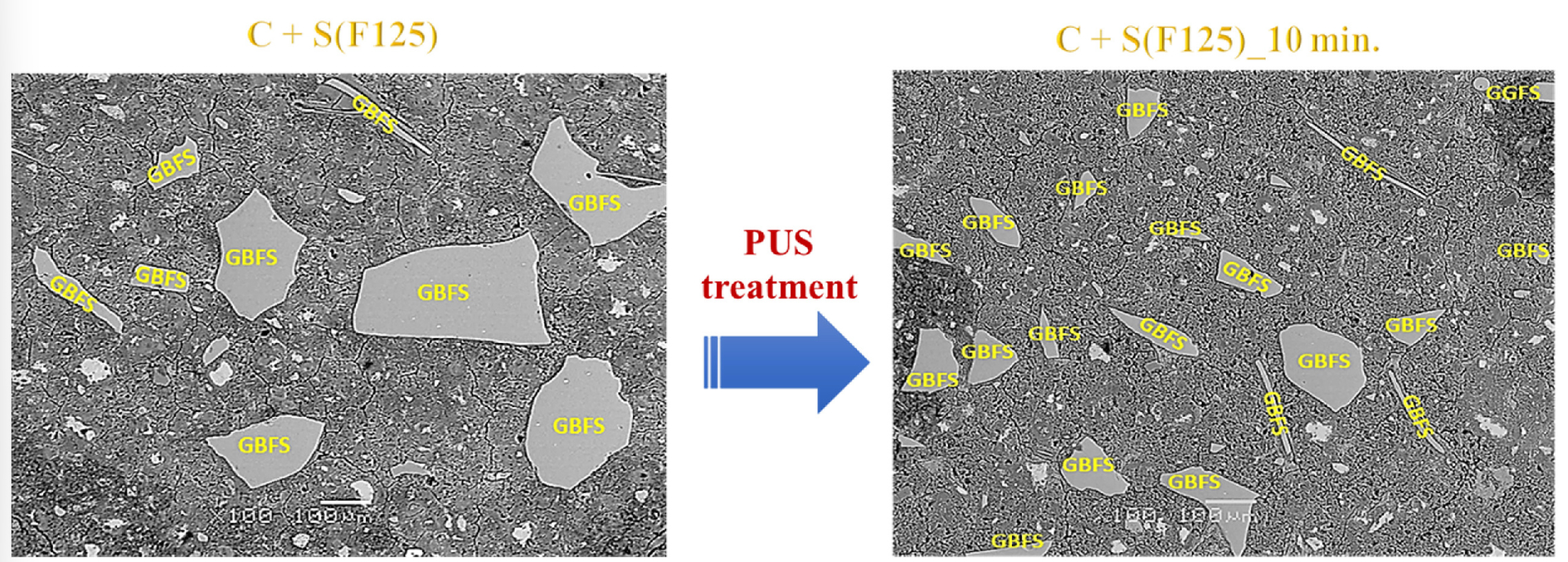
SEM slike uzorka paste Cement-GBFS C + S koji upoređuju efekat bez i sa ultrazvukom velike snage nakon 28 dana.
Slike i studija: ©Lisowski et al. 2024.
Sonofragmentacija čini krupnije frakcije šljake korisnijim
 Posebno vrijedan rezultat je efektivna aktivacija relativno grubih frakcija GBFS-a. Studija je pokazala da frakcija šljake 125–250 μm daje najbolju čvrstoću u ranoj fazi i nakon 28 dana kada se kombinuje sa separacijom taložene šljake i tretmanom ultrazvukom snage.
Ovo je industrijski značajno jer mljevenje šljake na vrlo fine veličine zahtijeva mnogo energije. Ako sonikacija poboljša reaktivnost grubljih ili taloženih GBFS frakcija, proizvođači mogu smanjiti potrebu za mljevenjem, poboljšati efikasnost sirovina i bolje iskoristiti sekundarne materijalne tokove.
Naučite kako ultrazvučna disperzija olakšava proizvodnju mortova ojačanih nano-česticama!
Industrijska relevantnost: Ultrazvuk visoke snage za efikasnu proizvodnju cementa i morta
Za industrijske proizvođače cementa i morta, sonikacija nudi nekoliko strateških prednosti. Može se integrirati kao korak intenziviranja procesa tokom pripreme suspenzije, aktivacije veziva, disperzije aditiva ili miješanja morta visokih performansi. Tehnologija je posebno atraktivna za proizvode koji zavise od fino raspoređenih čestica, brze hidratacije i optimizirane upotrebe dodatnih cementnih materijala.
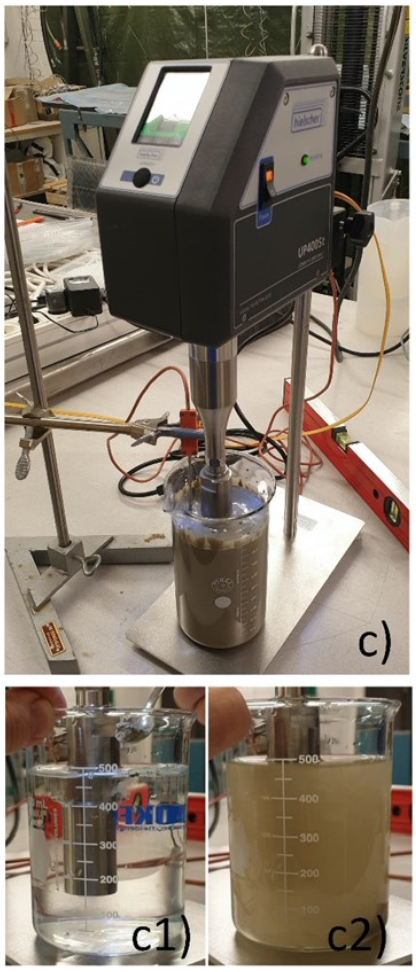
Sonikator tipa sonde UP400St za mikro-finu disperziju cementne fuge
(Studija i slika: ©Draganović et al., 2020)
- Veću ranu čvrstoću bez povećanja sadržaja klinkera
- Bolju aktivaciju GBFS-a i drugih dodatnih cementnih materijala
- Poboljšana upotreba grubih ili taloženih frakcija šljake
- Smanjena aglomeracija u cementnim suspenzijama
- Konzistentnije ponašanje hidratacije i očvršćavanja
- Potencijalno smanjenje intenziteta mljevenja za odabrane tokove šljake
- Poboljšane performanse formulacija cementa sa niskim sadržajem klinkera i niskougljičnog cementa
Zbog toga je sonikacija izuzetno relevantna za proizvodnju održivog cementa, cementa za trosku, visokoperformansnih maltera, predgotovljenih elemenata, materijala za popravke i specijalnih građevinskih proizvoda.
Sonikacija kao alat za tehnologiju niskougljičnog cementa
The cement industry is under pressure to reduce CO₂ emissions, and lowering the clinker factor is one of the most direct routes. However, higher replacement levels with GBFS, fly ash, calcined clay or other supplementary cementitious materials can slow down early strength development. Power ultrasound may help overcome this bottleneck by improving dispersion, activating particles and accelerating early hydration.
Sonication can make slag-blended cement pastes more reactive and mechanically stronger, especially when the process is optimized for particle size fraction and treatment time. That combination is highly relevant for industrial-scale binder engineering.
Hielscher Sonicators for Enhanced Cement Hydration, Strength and Slag Reactivity
 Hielscher inline sonicatori su moćan alat za poboljšanje hidratacije cementa i čvrstoće, posebno u cementnim sistemima miješanim sa troskom.
Za industrijsku deaglomeraciju i disperziju cementa, Hielscher visokoučinkoviti sonicatori pružaju intenzivne kavitacione sile potrebne za razbijanje aglomerata cementa, troske i mineralnog punila u fino dispergirane čestice, poboljšavajući vlaženje čestica, aktivaciju površine i homogenost u cementnim suspenzijama. Hielscher sistemi su dostupni od stolnih i pilot skala do robustnih sistema za proizvodnju velike propusnosti, uključujući visokoenergetske inline sonicatori za kontinuiranu obradu cementne žbuke i mineralnih suspenzija. Ovo omogućava direktno skaliranje razvoja procesa sa R&D na punu industrijsku propusnost. Eliminisanjem ili smanjenjem potrebe za brusnim medijima, ultrazvučna deaglomeracija pojednostavljuje procesiranje, minimizira rizike od kontaminacije i smanjuje napor čišćenja, dok istovremeno pruža ponovljiv kvalitet disperzije. Za proizvođače cementa i maltera, Hielscher sonikatori stoga nude praktičan put ka ujednačenijim sistemima veziva, poboljšanoj kinetici hidratacije, boljoj upotrebi GBFS-a i drugih dodatnih cementnih materijala, te formulacijama sa višim performansama sa niskim sadržajem klinkera.
Tabela ispod daje vam naznaku približnog kapaciteta obrade naših ultrazvučnih sistema snage:
| Batch Volume | Flow Rate | Preporučeni uređaji |
|---|---|---|
| 50mL do 20L | 0.1 do 2L/min | UIP1000hdT |
| 0.1 do 20L | 0.2 do 4L/min | UIP2000hdT |
| 10 do 100L | 2 do 10 l/min | UIP4000hdT |
| 15 do 150L | 3 do 15 l/min | UIP6000hdT |
| N / A | 10 do 100L/min | UIP16000hdT |
| N / A | veći | klaster of UIP16000hdT |
Dizajn, proizvodnja i konsalting – Kvaliteta Made in Germany
Hielscher ultrasonicatori su poznati po najvišoj kvaliteti i standardima dizajna. Robusnost i jednostavan rad omogućavaju nesmetanu integraciju naših ultrazvučnih aparata u industrijske objekte. Hielscher ultrasonikatori lako se nose sa teškim uslovima i zahtevnim okruženjima.
Hielscher Ultrasonics je ISO sertifikovana kompanija i stavlja poseban naglasak na ultrazvučne aparate visokih performansi koji se odlikuju najsavremenijom tehnologijom i lakoćom korišćenja. Naravno, Hielscher ultrasonikatori su usklađeni sa CE i ispunjavaju zahtjeve UL, CSA i RoH.

Hielscher Ultrasonics proizvodi ultrazvučne homogenizatore visokih performansi za primjene miješanja, disperzije, emulgiranja i ekstrakcije u laboratorijskim, pilotskim i industrijskim razmjerima.
Često Postavljena Pitanja
Šta je C-S-H nukleacija u betonu?
C-S-H nukleacija je početno formiranje hidrata kalcij-silikata na površinama čestica tokom hidracije cementa. C-S-H je glavni proizvod hidracije koji formira čvrstoću u Portland cementnim sistemima, a njegova nukleacija kontroliše rani razvoj mikrostrukture, čvrstoće i vezanja.
Šta je klinker u cementu?
Klinker je sinterovani međuproizvod koji se proizvodi zagrijavanjem kreča, gline i drugih sirovina u cementnoj peći na visoku temperaturu. Sastoji se uglavnom od faza kalcijum-silikat i kalcijum-aluminat, koje se melju sa gipsom kako bi se proizveo Portland cement.
Šta je granulirani trosk od visoke peći?
Granulirani trosk od visoke peći (GBFS) je staklasti nusproizvod proizvodnje željeza, nastao brzim hlađenjem rastopljenog troska iz visoke peći vodom ili zrakom. Kada se fino samelje, djeluje kao latentni hidraulički dodatni cementni materijal koji reaguje u cementnim sistemima kako bi formirao dodatni C-S-H i poboljšao trajnost i dugoročnu čvrstoću.
Literatura / Reference
- Peters S., Stöckigt M., Rößler C. (2009): Influence of power-ultrasound on the fluidity and setting of Portland cement pastes. In: Proceedings of the 17th International Conference on Building Materials (ibausil). Vol 1. Weimar, Germany; 2009. 259-264.
- Paweł Lisowski, Daria Jóźwiak-Niedźwiedzka, Magdalena Osial, Kamil Bochenek, Piotr Denis, Michał A. Glinicki (2024): Power ultrasound-assisted enhancement of granulated blast furnace slag reactivity in cement paste. Cement and Concrete Composites, Volume 154, 2024.
- Peters, S.; Kraus, M.; Rößler, Christiane; Ludwig, H.-M. (2011): Workability of cement suspensions Using power ultrasound to improve cement suspension workability. Betonwerk und Fertigteil-Technik/Concrete Plant and Precast Technology. 77, 2011. 26-33.
- Almir Draganović, Antranik Karamanoukian, Peter Ulriksen, Stefan Larsson (2022): Ultrasonic dispersion of hard dispersed ultrafine milled cement-based grout for water sealing of fractured hard rock. Construction and Building Materials, Volume 317, 2022.
- Almir Draganović, Antranik Karamanoukian, Peter Ulriksen, Stefan Larsson (2020): Dispersion of microfine cement grout with ultrasound and conventional laboratory dissolvers. Construction and Building Materials, Volume 251, 2020.

Obrada cementne paste pomoću Hielscher sonikatora u kontinuiranom protočnom procesu.
- visoka efikasnost
- najsavremenija tehnologija
- pouzdanost & robusnost
- podesiva, precizna kontrola procesa
- serija & U redu
- za bilo koju zapreminu
- inteligentni softver
- pametne funkcije (npr. programabilno, protokoliranje podataka, daljinski upravljač)
- jednostavan i siguran za rad
- nisko održavanje
- CIP (čišćenje na mjestu)
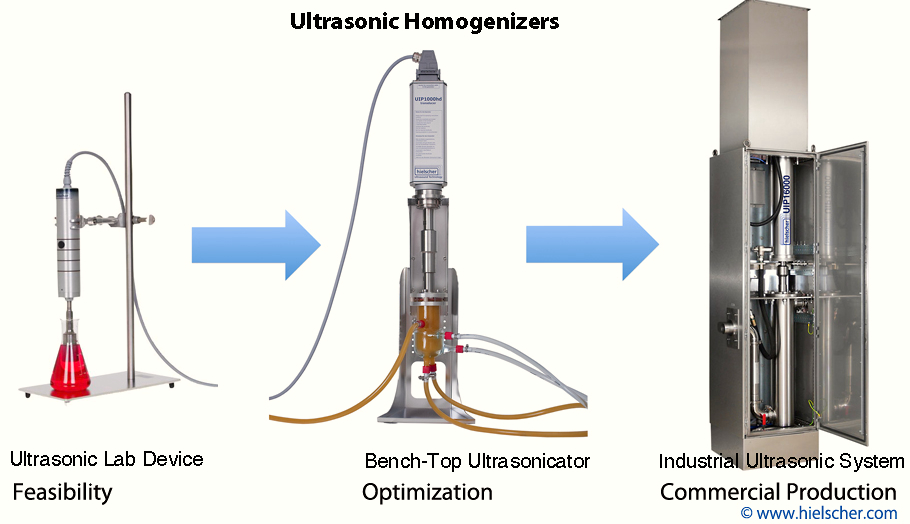
Hielscher Ultrasonics proizvodi ultrazvučne homogenizatore visokih performansi lab to industrijska veličina.