Реактивиране на изхабен катализатор чрез ултразвукова обработка
Реактивирането на изхабени катализатори се превърна във важна тема в областта на устойчивите химически процеси, рафинирането, нефтохимията, екологичната катализа и стратегиите за кръгова икономика. Катализаторите са от съществено значение за ефективните реакции, но при промишлено използване те постепенно губят активността си поради отлагане на кокс, метално отравяне, замърсяване, запушване на порите, синтероване, пасивиране на повърхността или натрупване на странични продукти от реакцията. Замяната на изхабените катализатори е скъпа и изисква много ресурси, докато изхвърлянето им може да създаде екологични проблеми. Ултразвуковата регенерация на изхабени катализатори е проста, но високо ефективна техника за реактивиране на катализатори, които са били пасивирани, отровени или замърсени по време на употреба.
Реактивиране на изхабен катализатор чрез ултразвукова обработка
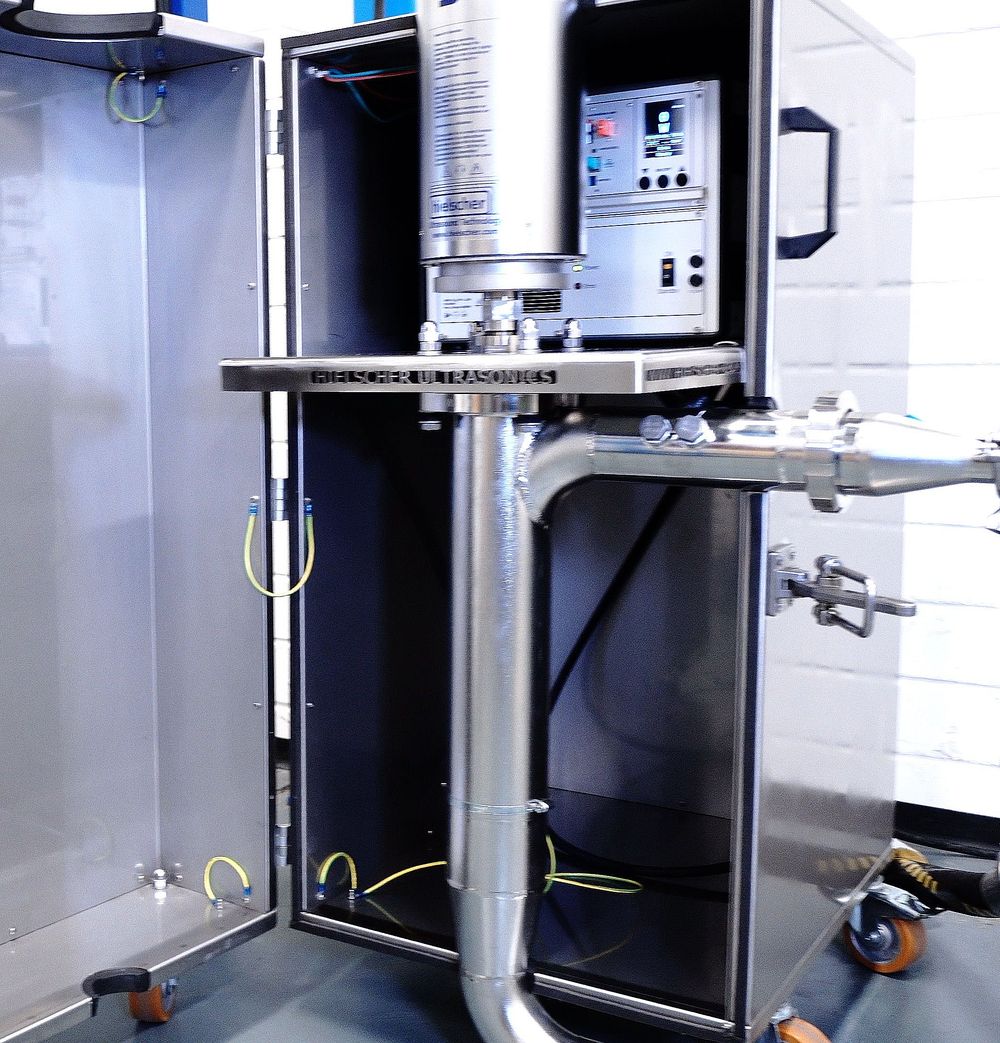 Ултразвуковата обработка, известна още като соникация, представлява научно обоснован и технически привлекателен метод за регенериране и реактивиране на изхабени катализатори. При прилагането на ултразвук с висока мощност върху суспензии от катализатори в течната среда се генерира интензивна акустична кавитация. Разпадането на кавитационните мехурчета води до образуването на локализирани микроструи, ударни вълни, срязващи сили и силно турбулентно микросмесване. Тези ефекти могат да почистят повърхностите на катализаторите, да отстранят отлаганията, да подобрят достъпа на реагентите до запушените пори и да подпомогнат процесите на химическо излугване или окислителна регенерация.
Последните изследвания върху изхабени катализатори за флуидно каталитично крекиране показаха, че регенерацията с помощта на ултразвук може да подобри отстраняването на вредни метали, като същевременно спомага за запазването на зеолитовата структура и микроструктурата на катализаторните частици. Проучванията също така отчитат подобрено чрез ултразвук извличане на метали като никел от изхабени катализатори, като ултразвуковата обработка ускорява екстракцията чрез физичните и химичните ефекти на акустичната кавитация.
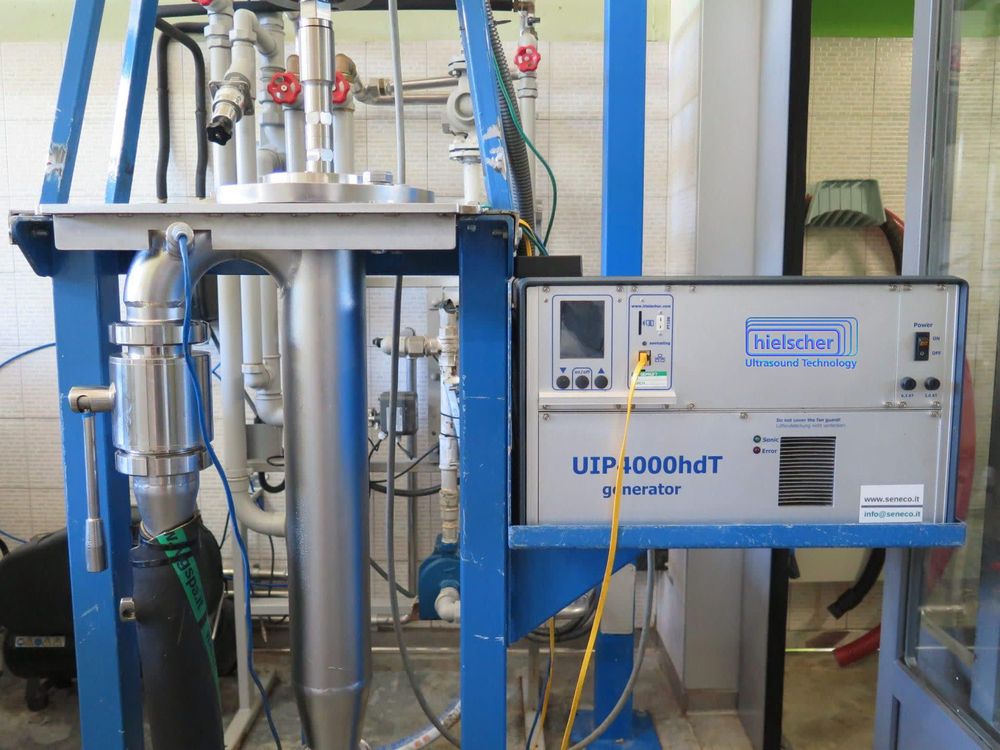
Вграден ултразвуков апарат UIP4000hdT за промишленото рециклиране на отработени катализатори
Защо ултразвуковото третиране е ефективно за реактивирането на изхабени катализатори
Научното значение на ултразвуковата обработка се състои в способността ѝ да ускорява хетерогенни процеси между твърди и течни фази. Регенерацията на катализаторите често се ограничава от слаб масов пренос, запушени пори, пасивирани повърхности и бавна дифузия на почистващи или извличащи вещества в структурата на катализатора. Ултразвукът преодолява тези ограничения чрез механични и физикохимични механизми.
Сред основните предимства на ултразвуковата обработка са:
Приложението на ултразвука не се ограничава само до физическото почистване. В сонохимията кавитацията може да създаде екстремни локални условия и реактивни среди, които могат да подпомогнат процесите на окисление, модифициране на повърхността или химическа екстракция. По този начин ултразвукът може да увеличи активната повърхност на катализаторите, да намали наслагването върху твърдите дисперсни катализатори и да допринесе за почистването по време на процесите на рециклиране на катализаторите.
Приложение в промишлеността: от почистване на катализатори до функционална реактивация
Реактивирането на изхабения катализатор е нещо повече от обикновена операция по поддръжка. Това е научно значим подход за подобряване на експлоатационните характеристики на катализатора през целия му жизнен цикъл. Регенерираният катализатор трябва не само да изглежда чист, но и да възстанови значителна част от каталитичната си функция. Това изисква възстановяване на достъпните активни центрове, повърхностната киселинност или основност, порьозността, дисперсията и реакционната ефективност.
Ултразвуковото третиране е важно, тъй като въздейства на няколко ключови нива от процеса на регенерация на катализатора:
Повърхност: Той отстранява пасивиращите слоеве и разкрива активните центрове.
Пори: То подпомага отварянето на запушените мезопори и микропори.
Частици: Той разпръсква агломератите и подобрява хомогенността на суспензията.
Процес: Той засилва контакта между течността и твърдата фаза и подобрява ефективността на средствата за химична регенерация.
Устойчивост: Той подпомага повторното използване, оползотворяването на метали и намаляването на отпадъците.
 В неотдавнашно проучване относно регенерацията чрез ултразвук и окисление на отработени катализатори от процеса на флуидно каталитично крекиране (FCC) се посочва, че усъвършенстваните окислителни процеси, подпомагани от ултразвук, са повишили киселинността на катализатора и са позволили регенерираният катализатор да бъде използван при синтеза на глицерол моностеарат. (вж. Anggoro и др., 2026)
Друго проучване показа, че потапянето в разредена сярна киселина и последващото излугване с помощта на ултразвук в смес от сярна и оксалова киселина значително подобрява отстраняването на вредни метали от отработения FCC катализатор, без да се разрушава решетката на зеолита Y и микроструктурата на частиците на отработения катализатор. В сравнение с конвенционалното излугване, излугването с помощта на ултразвук изисква само 1/4 от времето, за да се постигне почти същият ефект на отстраняване на вредните метали, и има значителни предимства по отношение на запазването на целостта на частиците. (вж. Wang et al, 2021).
Ултразвукова обработка при рециклирането на катализатори и извличането на метали
Използваните катализатори често съдържат ценни метали като никел, ванадий, молибден, кобалт, метали от платиновата група или редки метали, в зависимост от типа на катализатора и промишленото приложение. Ултразвуковата обработка може да подпомогне както реактивирането на катализатора, така и възстановяването на ресурсите. При излугването с помощта на ултразвук кавитацията подобрява проникването на излужващия разтвор, премахва граничните слоеве около частиците и разкрива нови повърхности за реакция.
Това прави ултразвуковото изследване особено интересно за:
- Използвани катализатори от нефтопреработвателни заводи
- Катализатори FCC
- Катализатори за хидроочистване и хидродесулфуризация
- Катализатори на Фишер-Тропш
- Метални катализатори на носител
- Екологични катализатори
- Активен въглен и системи от адсорбенти и катализатори
- Хетерогенни катализатори, замърсени с метал или облепени

Соникатор UP400ST с настройка на поточна клетка
Технически предимства на ултразвуковите апарати на Hielscher за рециклиране на отработени катализатори
Високомощните ултразвукови апарати на Hielscher са изключително подходящи за рециклиране и реактивиране на отработени катализатори, тъй като осигуряват контролирана, възпроизводима и мащабируема ултразвукова енергия в течно-твърди суспензии. За регенерацията на катализатори надеждността на процеса е от съществено значение: амплитудата, входната мощност, времето на престой, дебитът, температурата, налягането и геометрията на реактора трябва да бъдат регулируеми и възпроизводими както при лабораторни изпитвания, така и при промишлено производство.
Hielscher предлага ултразвукови системи – от компактни лабораторни устройства до промишлени агрегати, включително соникатори със сонда и ултразвукови реактори с проточно действие за непрекъсната обработка. Соникаторите на Hielscher варират от малки лабораторни устройства до промишлени процесори с мощност 500 W, 1 000 W, 2 000 W, 4 000 W, 6 000 W и 16 000 W, което позволява мащабиране от тестове за осъществимост до обработка на катализатори на производствено ниво.
Техническите предимства на рециклирането на отработени катализатори включват:
- Ултразвукова обработка с висока интензивност за ефективна кавитация в абразивни катализаторни суспензии
- Варианти на реактори с проточно действие за непрекъснати процеси на регенерация, извличане, промиване или диспергиране
- Прецизен контрол на амплитудата за възпроизводими условия на процеса
- Мащабируема архитектура на оборудването – от лабораторно проучване до рециклиране на промишлени катализатори
- Здрав промишлен дизайн, подходящ за изискващи условия при химическата преработка
- Съвместимост със сонохимични процеси като излугване с киселина, окислително почистване, диспергиране и повърхностна активация
Тези характеристики превръщат ултразвуковите апарати на Hielscher в практична технологична платформа за компании и изследователски институции, разработващи съвременни протоколи за регенерация на катализатори, независимо дали целта е възстановяване на каталитичната активност, извличане на ценни метали, намаляване на обема на отпадъците или подобряване на устойчивостта на каталитичното производство.

Ултразвуков хомогенизатор UIP2000hdT за регенерация на катализатора в процес с непрекъснат поток
Устойчива технология за икономиката на катализаторите в кръговия модел
С преминаването на промишлеността към по-чисто производство и ефективно използване на ресурсите управлението на отработените катализатори се превръща в стратегически приоритет. Ултразвуковата обработка подпомага този преход, като прави реактивирането на катализаторите по-бързо, по-ефективно и по-лесно контролируемо от техническа гледна точка. Вместо да се третират отработените катализатори като отпадъци, ултразвуковата обработка спомага за превръщането им в материали за многократна употреба или ценни източници на вторични суровини.
Промишленото значение на ултразвуковата обработка се състои в способността ѝ да съчетава механична активация, почистване на повърхности, дисперсия и ускоряване на масообмена в един процес. За промишлените потребители предимството е също толкова очевидно: по-ефективно повторно използване на катализаторите, намален разход на суровини, по-малко генериране на отпадъци и потенциално по-ниски експлоатационни разходи.
Възползвайте се от ултразвуковата регенерация на катализатора
 Реактивирането на отработени катализатори чрез ултразвукова обработка е съвременен подход към рециклирането на катализатори с голям научен и промишлен потенциал. Акустичната кавитация позволява отстраняването на отлагания, отварянето на запушени пори, подобряването на масообмена и ускоряването на етапите на химическата регенерация. В комбинация с подходящи стратегии за излугване, окисляване, промиване или термична обработка, ултразвуковата обработка може да допринесе за възстановяването на активността на катализатора и извличането на ценни метали.
С помощта на мащабируеми ултразвукови апарати с висока мощност и промишлени ултразвукови поточни реактори компанията Hielscher осигурява техническата основа за разработването на надеждни, възпроизводими и ефективни процеси за регенерация на отработени катализатори. Тъй като рециклирането на катализатори придобива все по-голямо значение за устойчивата химия и кръговата промишлена продукция, ултразвуковата обработка се очертава като мощен инструмент за удължаване на експлоатационния срок на катализаторите и подобряване на ефективността на използване на ресурсите.
Таблицата по-долу ви дава представа за приблизителния капацитет на обработка на нашите ултразвукови апарати:
| Обем на партидата | Дебит | Препоръчителни устройства |
|---|---|---|
| 1 до 500 мл | 10 до 200 мл/мин | UP100H |
| 10 до 2000 мл | 20 до 400 мл/мин | UP200Ht, UP400St |
| 0.1 до 20L | 0.2 до 4 л/мин | UIP2000hdT |
| 10 до 100L | 2 до 10 л/мин | UIP4000hdT |
| 15 до 150L | 3 до 15 л/мин | UIP6000hdT |
| Н.А. | 10 до 100 л/мин | UIP16000hdT |
| Н.А. | Голям | Клъстер от UIP16000hdT |
Проектиране, производство и консултиране – Качество, произведено в Германия
Ултразвуковите апарати Hielscher са добре известни със своите най-високи стандарти за качество и дизайн. Здравината и лесната работа позволяват безпроблемното интегриране на нашите ултразвукови апарати в промишлени съоръжения. Тежките условия и взискателните условия се справят лесно с ултразвуковите апарати на Hielscher.
Hielscher Ultrasonics е сертифицирана по ISO компания и поставя специален акцент върху високопроизводителните ултразвукови уреди, отличаващи се с най-съвременна технология и удобство за потребителя. Разбира се, ултразвуковите апарати на Hielscher са съвместими с CE и отговарят на изискванията на UL, CSA и RoHs.

Hielscher Ultrasonics произвежда високоефективни ултразвукови хомогенизатори за смесване, дисперсия, емулгиране и екстракция в лабораторен, пилотен и индустриален мащаб.
Често задавани въпроси
Какво е катализатор?
Катализаторът е вещество, което ускорява скоростта на химичната реакция чрез намаляване на активационната енергия, без да се изразходва стехиометрично в реакцията. Той осигурява алтернативен реакционен път и често може да се използва повторно.
Какво представлява изхабеният катализатор?
Изхабеният катализатор е катализатор, който след употреба е загубил част или цялата си каталитична активност, селективност или стабилност. Деактивирането може да бъде причинено от замърсяване, отлагане на кокс, отровяване, синтероване, излугване или структурна деградация.
Какво представлява изхабен FCC катализатор?
Изхабеният FCC катализатор е деактивиран катализатор от процеса на флуидно каталитично крекиране при рафинирането на нефт. FCC катализаторите обикновено са материали на базата на зеолит, използвани за крекинг на тежки въглеводороди до по-леки продукти като бензин, олефини и втечнен нефтен газ (LPG). Те се изчерпват поради образуването на кокс, замърсяване с метали, хидротермална деградация и загуба на киселинност или повърхност.
Как се изразходват катализаторите?
Катализаторите не се изразходват в идеалния стехиометричен смисъл, но могат да бъдат деактивирани или физически загубени по време на работа. Сред често срещаните механизми са:
- Отравяне: необратимо адсорбиране на примеси върху активните центрове.
- Наслагване/коксуване: отлагането на въглероден материал запушва порите и активните центрове.
- Синтероване: Високите температури водят до агломерация на активните частици, което намалява повърхностната площ.
- Излугване: активните компоненти се разтварят в реакционната среда.
- Отпадане: Механичното износване раздробява частиците на катализатора, особено във флуидизираните легла.
- Фаза на трансформация: структурата на катализатора се променя и придобива по-малко активна форма.
Кои са четирите вида катализатори?
Четирите най-често разграничавани вида са:
Литература / Препратки
- Darbandi, M., Moghaddasfar, A., Eynollahi, M. et al. (2025): Sustainable approach with enhanced removal performance of organic pollutant for wastewater treatment by ultrasonically regenerated mesoporous nickel oxide nanoparticles. Int. J. Environ. Sci. Technol. 22, 3495–3504 (2025).
- Anggoro D.D., Buchori L., Rinaldi N., Silviana S., Le Monde B.U., Putra M.F., Zainol, M.M. (2026): Hybrid Ultrasound and Advanced Oxidation Process Regeneration of Spent FCC Catalysts: Optimization and Their Catalytic Performance. Journal of Engineering and Technological Sciences, 58(2), 227–242.
- Xin Pu, Jin-ning Luan, Li Shi (2012): Reuse of Spent FCC Catalyst for Removing Trace Olefins from Aromatics. Bulletin of Korean Chemical Society 2012, Vol. 33, No. 8.
- висока ефективност
- Най-съвременна технология
- надеждност & Стабилност
- регулируемо, прецизно управление на процеса
- партида & Вградени
- за всеки обем
- Интелигентен софтуер
- интелигентни функции (напр. програмируеми, протоколиране на данни, дистанционно управление)
- лесен и безопасен за работа
- ниска поддръжка
- CIP (почистване на място)
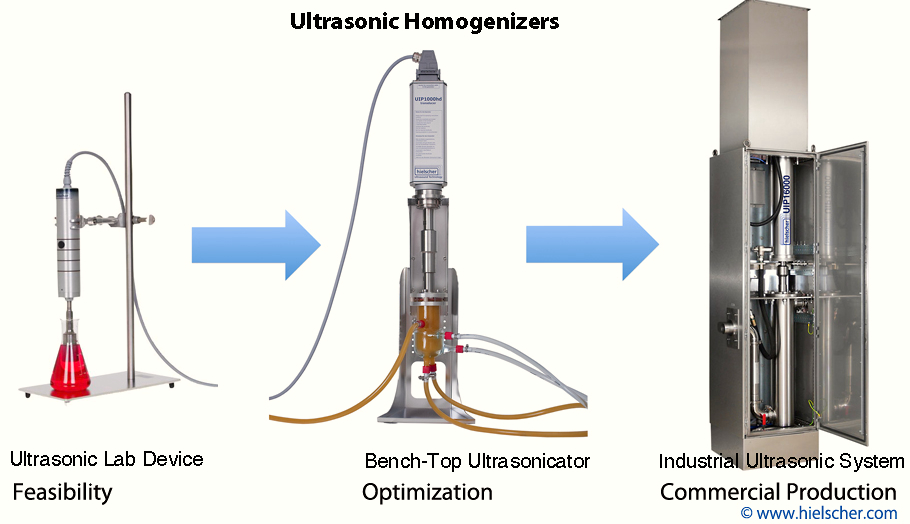
Hielscher Ultrasonics произвежда високоефективни ултразвукови хомогенизатори от лаборатория да индустриален размер.