Хімічні реактори з підвищеною ефективністю завдяки ультразвуковому впливу – Типи, конструкції та механізми
Хімічні реактори є основою промислової хімії, синтезу матеріалів, виробництва тонкої хімії, фармацевтичного виробництва та екологічної переробки. У міру того, як промисловість прагне до швидших, екологічніших та енергоефективніших процесів, ультразвукова обробка, також відома як ультразвукова технологія, стає дедалі актуальнішим методом інтенсифікації реакторів. Технологія ультразвукових реакторів змінює обличчя хімічної переробки, покращуючи перемішування, масообмін, кінетику реакцій та гетерогенний каталіз у періодичних та безперервних реакторних системах.
Як ультразвукова обробка покращує роботу хімічних реакторів
Завдяки застосуванню потужного ультразвуку в хімічному реакторі інженери можуть створювати ультразвукове коливальне змішування потоків та акустичну кавітацію всередині реакційного середовища. Ці механізми покращують контакт між реагентами, прискорюють масообмін і можуть підвищити швидкість реакції, селективність та вихід. Ультразвукова обробка особливо ефективна в системах «тверде тіло — рідина», таких як гетерогенний каталіз, та в системах «рідина — рідина», таких як емульгування, екстракція та двофазні реакції. Вона рідше застосовується в газо-рідинних сумішах, оскільки акустична кавітація генерується менш ефективно в рідинах із високим вмістом газу.
У сучасних ультразвукових реакторах рідини перемішуються за допомогою ультразвукових коливань та кавітації, як правило, з амплітудами в діапазоні від 10 до 200 мкм. Це забезпечує потужні мікроскопічні ефекти перемішування, яких важко досягти лише за допомогою звичайного механічного перемішування.
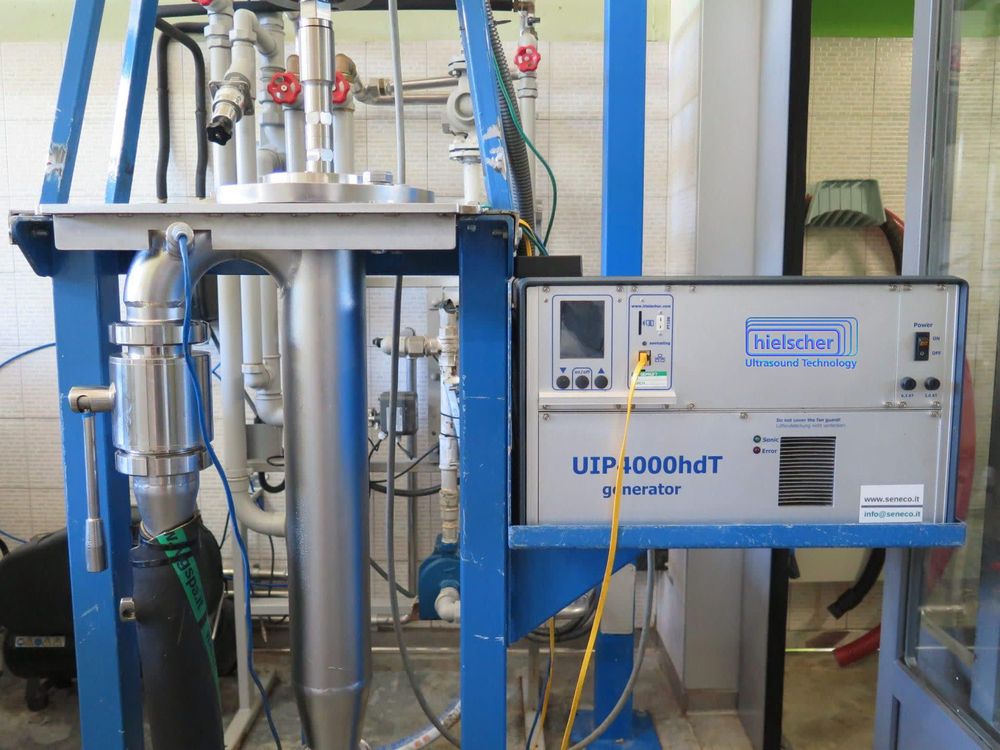
Вбудований ультразвуковий пристрій UIP4000hdT з проточною коміркою для інтенсифікації хімічних реакцій
Чому ультразвукова обробка підвищує ефективність хімічних реакторів
Промислова значимість ультразвукової обробки полягає в її здатності впливати на хімічні та фізичні явища перенесення речовин на мікро- та мезорівні. На відміну від звичайного перемішування, ультразвук не просто переміщує об’єм рідини. Він генерує хвилі тиску, коливальні рухи, кавітаційні бульбашки та локалізовані зони високої енергії.
Коли бульбашки акустичної кавітації утворюються, зростають і руйнуються, вони створюють інтенсивні мікросередовища. Ці явища можуть спричиняти:
- високі локальні зсувні зусилля
- мікрострумені поблизу твердих поверхонь
- ударні хвилі
- швидке мікрозмішування
- покращене розподілення частинок
- покращений міжфазний контакт
- прискорений перенос маси та тепла
- ефекти очищення поверхні та активації каталізатора
Ці явища роблять ультразвукову обробку надзвичайно цінною для інтенсифікації технологічних процесів, особливо коли реакції обмежуються дифузією, недостатнім контактом між фазами, забрудненням каталізатора або недостатнім перемішуванням.
Ультразвукова обробка в реакторах періодичної дії
Реактори періодичної дії широко використовуються в лабораторіях, пілотних установках та на підприємствах з виробництва спеціальних хімічних речовин. Вони відрізняються гнучкістю, прості в експлуатації та підходять для скринінгу реакцій, синтезу невеликих обсягів і виробництва високоцінних продуктів.
Застосування ультразвуку в реакторах періодичної дії дозволяє значно поліпшити перемішування та рівномірність реакції. Ультразвукові датчики, проточні комірки або зовнішні перетворювачі можуть подавати акустичну енергію безпосередньо в реакційне середовище.
У системах періодичної дії ультразвукова обробка особливо корисна для:
- гетерогенний каталіз
- Синтез наночастинок
- контроль кристалізації
- емульгування
- Видобуток
- Полімеризації
- розчинення та диспергування твердих речовин
У реакціях «тверде тіло — рідина» ультразвук може запобігати агломерації частинок та покращувати доступ до каталітичних або реакційних поверхонь. У системах «рідина — рідина» ультразвукова обробка дозволяє утворювати дрібні емульсії та збільшувати площу межі розділу між незмішуваними фазами, що часто прискорює реакції.
Проточні реактори для безперервної сонохімічної обробки
Проточні реактори є одними з найважливіших конструкцій для промислового ультразвукового оброблення. Замість обробки фіксованого об’єму рідини реакційна суміш безперервно проходить через камеру ультразвукового реактора.
Ця конструкція є надзвичайно привабливою для масштабування, оскільки дозволяє інженерам точніше регулювати час перебування, швидкість потоку, температуру, тиск та потужність ультразвукової енергії. Проточні ультразвукові реактори часто застосовуються в тих випадках, коли необхідні стабільна якість продукції та безперервний режим роботи.
До основних переваг проточних реакторів з ультразвуковим обробленням належать:
- можливість безперервного виробництва
- підвищення відтворюваності процесу
- кращий контроль температури
- контрольований розподіл часу перебування
- простіша інтеграція в промислові технологічні лінії
- масштабована архітектура реактора
У цих системах ультразвукове змішування за допомогою коливального потоку може посилити радіальне та осьове змішування, зменшити градієнти концентрації та покращити взаємодію реагентів. Це особливо важливо в процесах, де ефективність реакції залежить від швидкого контакту фаз або швидкої дисперсії.
Ультразвукова вставна проточна комірка MultiPhaseCavitator
 MultiPhaseCavitator Insert-MPC48 — це спеціалізована вставка для ультразвукових реакторів з проточною коміркою компанії Hielscher, призначена для інтенсифікації процесів «рідина-рідина» та «рідина-газ» безпосередньо в зоні ультразвукової кавітації. Вводячи другу рідку або газову фазу через 48 тонких канюль у основний потік рідини, MultiPhaseCavitator утворює дуже дрібні краплі або газові бульбашки з великою питомою площею межі розділу. Це робить його особливо ефективним для ультразвукової емульгування, де незмішувані фази диспергуються у дрібні емульсії, а також для каталітичних газових реакцій, де введена газова фаза швидко диспергується та вступає в тісний контакт з рідкою фазою, розчиненими реагентами або суспендованими каталізаторами. Утворені в результаті кавітаційний зсув, мікрозмішування та посилений масообмін можуть покращити кінетику реакції, контакт на межі фаз та ефективність процесу як у безперервному, так і в періодичному потоковому режимі роботи.

Звуковий апарат UIP2000hdT з реактором для періодичних хімічних процесів
Конструкції хімічних реакторів та переваги ультразвукової обробки
| Тип реактора | Типове застосування | Основні ефекти ультразвукового впливу | Технічна значущість |
|---|---|---|---|
| Реактори для суспензій | Гетерогенний каталіз із використанням суспендованих твердих частинок каталізатора в рідкій фазі; застосовується в гідруванні, окисненні, переробці біомаси, процесах типу Фішера-Тропша, фотокаталізі та очищенні стічних вод. | Ультразвукова обробка сприяє покращенню дисперсії каталізатора, деагломерації частинок, зменшенню прикордонного шару, оновленню поверхні, масообміну між рідиною та твердим тілом, очищенню поверхні каталізатора та зменшенню утворення нагару. | Це має особливе значення, оскільки ефективність багатьох каталітичних реакцій у суспензійній фазі залежить від того, наскільки ефективно реагенти досягають активних центрів. Акустична кавітація посилює контакт на межі розділу «каталізатор — рідина» і може покращити кінетику реакції. |
| Реактори з безперервним перемішуванням (CSTR) | Безперервні реакції в рідкій фазі, емульгування, каталітичні реакції, осадження, кристалізація, реакції полімерів та суспензії «тверде-рідина». | Ультразвук сприяє мікроперемішуванню, суспендуванню частинок, емульгуванню, диспергуванню та локальному введенню енергії. Його можна поєднувати з механічним перемішуванням для поліпшення як макро-, так і мікроперемішування. | Ультразвукові CSTR доцільно застосовувати в тих випадках, коли звичайні робочі колеса не можуть повністю усунути мертві зони, недостатню дисперсію або локальні обмеження масообміну. Ультразвук сприяє створенню більш рівномірних умов реакції та підвищенню інтенсивності технологічного процесу. |
| Реактори з нерухомим шаром | Стаціонарні каталітичні шари, що використовуються в процесах гідрування, окислення, екологічного каталізу, нафтохімічної переробки та гетерогенного каталізу в рідкій фазі. | Ультразвукова обробка може покращити змочування каталізатора, рух рідини через шаровий шар, зменшення прикордонного шару, очищення поверхні, запобігання забрудненню та масообмін у каталітичних центрах. | Ефективність реакторів із нерухомим шаром часто обмежується утворенням каналів, недостатнім змочуванням, опором дифузії та утворенням відкладень. Інтенсифікація процесу за допомогою ультразвуку може покращити використання каталізатора та рівномірність реакції. |
| Реактори з псевдозрідженим шаром | Динамічні шари зважених частинок, що використовуються в каталізі, обробці частинок, нанесенні покриттів, полімеризації, сушінні та реакціях «тверде-рідина». | Ультразвукове збудження може покращити дисперсію частинок, зменшити агломерацію, посилити контакт між рідиною та твердою фазою, стабілізувати суспензії та покращити доступність поверхні каталізатора. | Ультразвукова обробка є особливо ефективною в псевдозріджених шарах з рідинно-твердою сумішшю, де кавітація може ефективно генеруватися. У системах із високим вмістом газу кавітація є менш ефективною, тому ультразвук більше підходить для застосування в реакторах на рідинній основі. |
| Мембранні реактори | Інтегровані системи «реакція-сепарація», що використовуються для селективного вилучення продукту, дозування реагентів, каталітичних мембранних процесів та реакцій із фільтраційною підтримкою. | Ультразвук дозволяє зменшити забруднення мембрани, підвищити потік пермеату, покращити очищення поверхні, зменшити концентраційну поляризацію та покращити перемішування поблизу межі розділу мембрани. | Ультразвукова обробка поєднує інженерію реакцій із наукою про розділення. Вона є особливо цінною в тих випадках, коли ефективність мембранного реактора обмежується забрудненням, опором масообміну або слабким взаємозв’язком між реакцією та розділенням. |
Механізми підвищення ефективності ультразвукового реактора
Переваги ультразвукової обробки в хімічних реакторах зумовлені кількома взаємопов’язаними механізмами.
- Акустична кавітація є найважливішим механізмом. Вона полягає у утворенні, зростанні та руйнуванні мікроскопічних бульбашок у рідині, що піддається впливу ультразвуку високої інтенсивності. Руйнування бульбашок супроводжується локальним вивільненням енергії та виникненням сильних механічних сил.
- Акустичний потік створює рівномірний рух рідини, що викликається ультразвуковими хвилями. Це покращує перемішування та транспортування в зонах, де механічне перемішування може бути недостатнім.
- Змішування за допомогою коливального потоку відбувається, коли ультразвукові коливання викликають швидкий рух рідини вперед-назад. У реакторних системах амплітуди приблизно від 10 до 200 мкм можуть забезпечувати високоефективне перемішування та покращений масообмін.
- Мікроструменеві ефекти та ударні хвилі виникають поблизу кавітаційних бульбашок, що руйнуються, особливо біля твердих поверхонь. Ці ефекти можуть очищати поверхні каталізаторів, руйнувати прикордонні шари та покращувати доступ рідини до активних центрів.
- Збільшення площі міжфазного контакту має особливе значення в системах «рідина-рідина». Ультразвук дозволяє утворювати дрібні краплі та стабільні дисперсії, збільшуючи площу, доступну для реакції або масообміну.
У сукупності ці механізми роблять ультразвукову обробку потужним інструментом для підвищення ефективності хімічних реакторів.
Практичне значення проектування сонохімічних реакторів
Промислове значення ультразвукових реакторів виходить за межі лише прискорення процесу змішування. Ультразвукова обробка дає змогу регулювати умови реакції в масштабах, яких звичайне обладнання не може легко досягти.
У хімічній інженерії багато обмежень, пов’язаних з роботою реакторів, зумовлені не стільки внутрішніми швидкостями реакції, скільки явищами перенесення. Реагенти можуть не досягати каталітичних центрів достатньо швидко. Незмішувані рідини можуть мати недостатню площу контакту. Тверді речовини можуть агломеруватися. Мембрани можуть забруднюватися. Поверхні каталізаторів можуть закупорюватися.
Ультразвукова обробка дозволяє подолати ці обмеження шляхом безпосереднього поліпшення фізичних умов усередині реактора. Це робить її актуальною для низки пріоритетних напрямків у наукових дослідженнях та промисловості:
- екологічніша хімічна обробка
- зниження енергоспоживання та попиту на розчинники
- підвищення ефективності каталізатора
- вища селективність реакції
- прискорення розробки процесів
- безперервне виробництво
- удосконалені модульні реакторні системи
- синтез сучасних матеріалів
- стале перероблення біомаси та потоків відходів
Для науковців ультразвукова обробка є контрольованим методом дослідження взаємозв’язку між вхідною акустичною енергією, кавітаційними процесами, посиленням перенесення речовин та хімічними характеристиками. Для промисловості вона відкриває практичний шлях до створення компактних, ефективних та масштабованих реакторних систем.

Ультразвуковий гомогенізатор UIP2000hdT для хімічних реакцій у потоковому реакторі
Переваги ультразвукової обробки в хімічних реакторах
Впровадження ультразвуку в конструкцію реактора надає низку експлуатаційних та наукових переваг:
- прискорення швидкості реакції завдяки покращенню масообміну
- краще перемішування в багатофазних системах
- посилене розсіювання твердих частинок і крапель
- підвищення ефективності використання каталізатора
- обмеження, пов’язані зі зниженою дифузією
- очищення поверхонь каталізатора та мембрани
- підвищення відтворюваності процесу в потокових системах
- можливе зниження температури, тиску або часу реакції
- сумісність із періодичним та безперервним режимами роботи
- велике значення для гетерогенного каталізу та двофазних реакцій
Ці переваги роблять технологію ультразвукових реакторів особливо привабливою для галузі тонкої хімії, спеціалізованих хімічних речовин, каталізу, наноматеріалів, «зеленої» хімії та інтенсифікації технологічних процесів.

Ультразвукова скляна проточна комірка
Підвищіть ефективність роботи вашого хімічного реактора за допомогою ультразвукових приладів Hielscher!
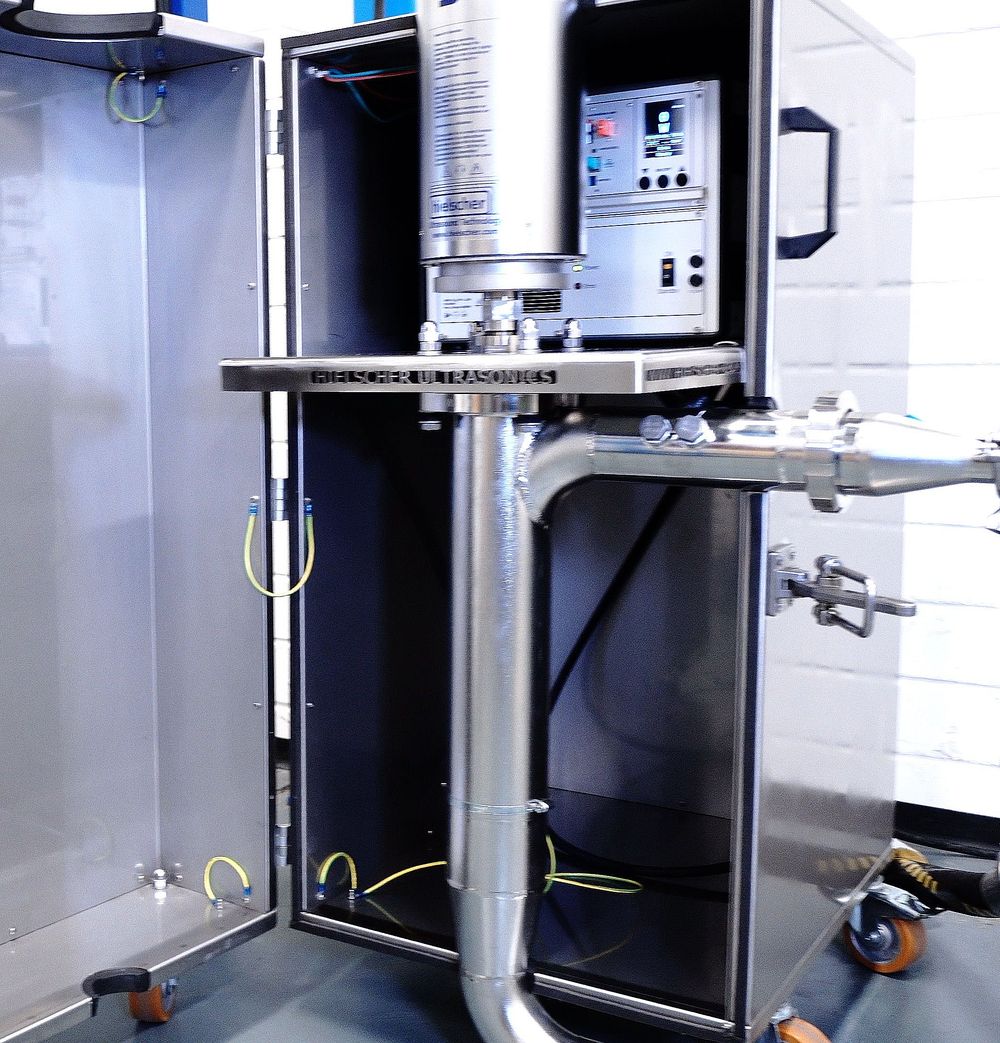 Ультразвукові апарати Hielscher чудово підходять для індивідуальної інтеграції в хімічні реактори, оскільки представлені у вигляді надійних потужних ультразвукових систем з адаптивними сонотродами, проточними комірками, вставками для реакторів та аксесуарами, призначеними для конкретних технологічних процесів. Залежно від конфігурації реакції ультразвукові процесори Hielscher можна встановлювати в реакторах періодичної дії, реакторах із безперервним перемішуванням, потокових реакторах, контурах рециркуляції, системах під тиском, а також на пілотних або промислових установках. Ця гнучкість дозволяє застосовувати ультразвук саме там, де кавітація є найефективнішою: на межі розділу «рідина-тверда речовина», «рідина-рідина» або «рідина-газ». Компанія Hielscher Ultrasonics також пропонує різні типи ультразвукових реакторів періодичної та потокової дії, що забезпечують контрольовану сонохімічну обробку, емульгування, диспергування, активацію каталізаторів, очищення поверхонь, інтенсифікацію масообміну та прискорення реакцій. Завдяки точному регулюванню амплітуди, вхідної потужності, температури, тиску, витрати та часу перебування, ультразвукові апарати Hielscher можна адаптувати до конкретних вимог лабораторних досліджень, розробки технологічних процесів, масштабування та промислового хімічного виробництва.
Наведена нижче таблиця дає уявлення про приблизну потужність обробки наших ультразвукових апаратів:
| Об'єм партії | Витрата | Рекомендовані пристрої |
|---|---|---|
| Від 1 до 500 мл | Від 10 до 200 мл/хв | UP100H |
| Від 10 до 2000 мл | Від 20 до 400 мл/хв | UP200Ht, UP400St |
| 0від 1 до 20 л | 0від .2 до 4 л/хв | UIP2000HDT |
| Від 10 до 100 л | Від 2 до 10 л/хв | UIP4000HDT |
| Від 15 до 150 л | Від 3 до 15 л/хв | UIP6000HDT |
| Н.А. | Від 10 до 100 л/хв | UIP16000HDT |
| Н.А. | Більше | кластер UIP16000HDT |
Проектування, виробництво та консалтинг – Якість зроблено в Німеччині
Ультразвукові апарати Hielscher добре відомі своїми найвищими стандартами якості та дизайну. Надійність і простота експлуатації дозволяють плавно інтегрувати наші ультразвукові апарати в промислові об'єкти. З важкими умовами та вимогливими умовами легко справляються ультразвукові апарати Hielscher.
Hielscher Ultrasonics є сертифікованою компанією ISO і приділяє особливу увагу високопродуктивним ультразвуковим апаратам, які відрізняються найсучаснішими технологіями та зручністю для використання. Звичайно, ультразвукові апарати Hielscher відповідають вимогам CE та відповідають вимогам UL, CSA та RoHs.

Ультразвуковий гомогенізатор UIP1500hdT з потоковим реактором, оснащеним охолоджувальною сорочкою для регулювання температури процесу під час ультразвукової обробки.
Поширені запитання
Що таке хімічні реактори?
Хімічні реактори — це спеціально сконструйовані ємності або системи, в яких хімічні реакції відбуваються в контрольованих умовах, таких як температура, тиск, перемішування, час перебування та концентрація реагентів. Їхнє призначення полягає в перетворенні сировини на необхідні продукти з визначеним виходом, селективністю та ефективністю процесу.
Які існують основні типи хімічних реакторів?
До основних типів хімічних реакторів належать реактори періодичної дії, реактори з безперервним перемішуванням, реактори з прохідним потоком, реактори з нерухомим шаром, реактори з псевдозрідженим шаром, реактори для суспензій, мембранні реактори, а також фотохімічні та електрохімічні реактори. Кожен тип реактора відрізняється характером потоку, режимом перемішування, характеристиками тепло- та масообміну, а також придатністю для гомогенних або гетерогенних реакцій.
У чому полягає різниця між реактором з псевдозрідженим шаром і реактором з нерухомим шаром?
У реакторі з нерухомим шаром тверді частинки каталізатора залишаються нерухомими, тоді як реагенти протікають крізь наповнений каталізатором шар. У реакторі з псевдозрідженим шаром рідина, що рухається вгору, піднімає та переміщує тверді частинки, створюючи динамічний шар із інтенсивним перемішуванням, покращеним теплообміном та кращим контактом між частинками та рідиною. Реактори з нерухомим шаром є простішими та механічно стабільнішими, тоді як реактори з псевдозрідженим шаром забезпечують вищу ефективність перемішування та теплообміну, але вимагають більш складного регулювання потоку.
Що таке каталітичний шар?
Каталітичний шар — це об’єм твердих частинок каталізатора, розміщених усередині реактора. Він забезпечує активну поверхню, на якій відбуваються хімічні реакції. Каталітичні шари можуть бути стаціонарними, як у реакторах із фіксованим шаром, або динамічно підвішеними, як у реакторах із псевдозрідженим шаром. Їхні робочі характеристики залежать від активності каталізатора, розміру частинок, пористості, площі поверхні, розподілу потоку, теплообміну та масообміну.
Література / Список літератури
- Yu, Hang Gao, Jing; Zhong, Qili; Guo, Yahui; Xie, Yunfei; Yao, Weirong; Zhou, Weibiao (2018): Acoustic pressure and temperature distribution in a novel continuous ultrasonic tank reactor: a simulation study. IOP Conference Series: Materials Science and Engineering 2018.
- Francisco J. Navarro-Brull; Andrew R. Teixeira; Jisong Zhang; Roberto Gómez; Klavs F. Jensen (2018): Reduction of Dispersion in Ultrasonically-Enhanced Micropacked Beds. Industrial & Engineering Chemistry Research 57, 1; 2018. 122–128.
- M. Ajmal, S. Rusli, G. Fieg (2016): Modeling and experimental validation of hydrodynamics in an ultrasonic batch reactor. Ultrasonics Sonochemistry, Volume 28, 2016. 218-229.
- L. Castrillón, E. Marañón, Y. Fernández-Nava, P. Ormaechea, G. Quiroga (2013): Thermophilic co-digestion of cattle manure and food waste supplemented with crude glycerin in induced bed reactor (IBR). Bioresource Technology, Volume 136, 2013. 73-77.
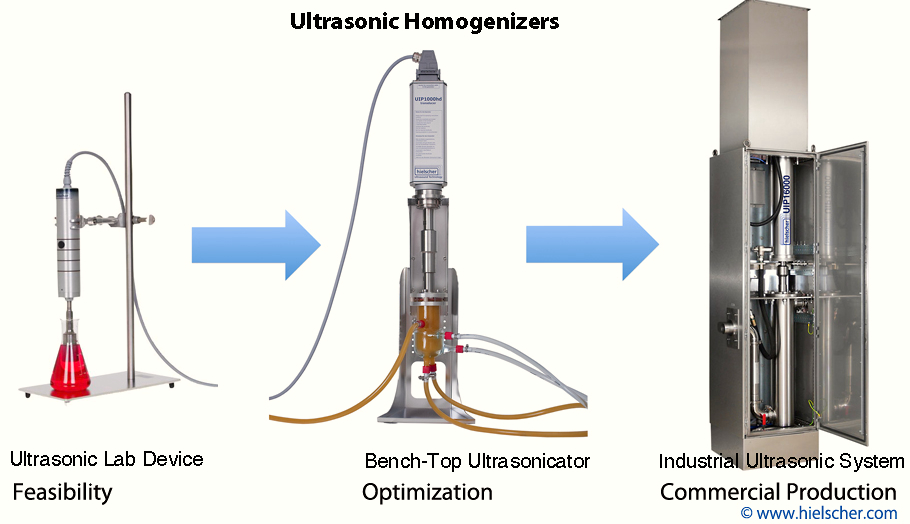
Hielscher Ultrasonics виробляє високоефективні ультразвукові гомогенізатори з Лабораторії до промислові розміри.