Химические реакторы с усовершенствованной ультразвуковой обработкой – Типы, конструкции и механизмы
Химические реакторы являются основой промышленной химии, синтеза материалов, производства тонкой химии, фармацевтики и очистки окружающей среды. По мере того как промышленность стремится к более быстрым, экологичным и энергоэффективным процессам, ультразвуковая обработка, также известная как ультразвуковая обработка, становится всё более востребованным методом интенсификации реакций. Технология ультразвуковых реакторов преобразует химическую переработку за счет улучшения перемешивания, массопереноса, кинетики реакций и гетерогенного катализа в периодических и непрерывных реакторных системах.
Как ультразвуковая обработка повышает эффективность химических реакторов
Путем воздействия мощного ультразвука на химический реактор инженеры могут вызвать ультразвуковое колебательное перемешивание потока и акустическую кавитацию внутри реакционной среды. Эти механизмы улучшают контакт между реагентами, ускоряют массообмен и могут повысить скорость реакции, селективность и выход продукта. Ультразвуковая обработка особенно эффективна в системах «твердое тело–жидкость», таких как гетерогенный катализ, и в системах «жидкость–жидкость», таких как эмульгирование, экстракция и двухфазные реакции. В газожидкостных смесях она используется реже, поскольку в жидкостях с высоким содержанием газа акустическая кавитация возникает менее эффективно.
В современных ультразвуковых реакторах жидкости перемешиваются под действием ультразвуковых колебаний и кавитации, причем амплитуда колебаний обычно составляет от 10 до 200 мкм. Это позволяет добиться мощного эффекта микроскопического перемешивания, который трудно обеспечить с помощью одного лишь традиционного механического перемешивания.
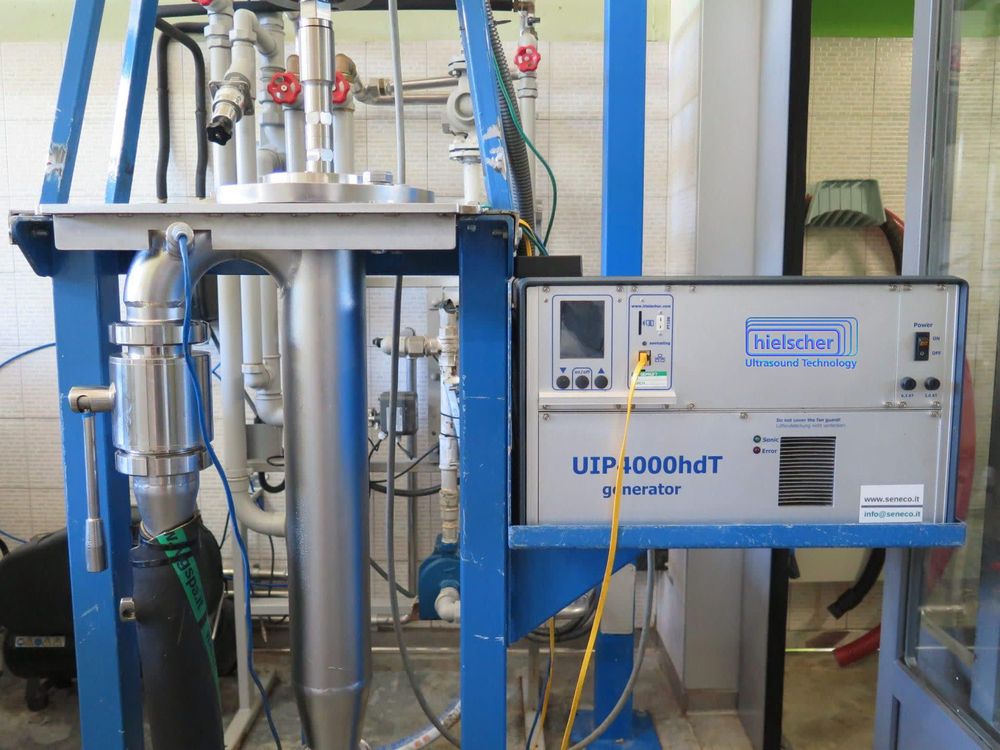
Встроенный ультразвуковой аппарат UIP4000hdT с проточной ячейкой для усиления химических реакций
Почему ультразвуковая обработка повышает эффективность химических реакторов
Промышленная значимость ультразвуковой обработки заключается в её способности влиять на химические и физические явления переноса на микро- и мезоуровне. В отличие от традиционного перемешивания ультразвук не просто перемещает объём жидкости. Он генерирует волны давления, колебательные движения, кавитационные пузырьки и локализованные зоны высокой энергии.
Когда пузырьки акустической кавитации образуются, растут и разрушаются, они создают условия с интенсивными микросредами. Эти явления могут приводить к:
- высокие локальные сдвиговые силы
- микроструи вблизи твердых поверхностей
- ударные волны
- быстрое микросмешивание
- улучшенное распределение частиц
- улучшенный межфазный контакт
- ускоренный перенос массы и тепла
- эффекты очистки поверхности и активации катализатора
Эти явления делают ультразвуковую обработку чрезвычайно ценным методом для интенсификации технологических процессов, особенно в тех случаях, когда ход реакций ограничивается диффузией, недостаточным контактом между фазами, загрязнением катализатора или недостаточным перемешиванием.
Ультразвуковая обработка в реакторах периодического действия
Периодические реакторы широко используются в лабораториях, на пилотных установках и в производстве специальных химических веществ. Они отличаются универсальностью, просты в эксплуатации и подходят для скрининга реакций, синтеза небольших объемов и производства высокоценных продуктов.
Применение ультразвукового воздействия в реакторах периодического действия позволяет значительно улучшить перемешивание и равномерность реакции. Ультразвуковые зонды, проточные ячейки или внешне установленные преобразователи могут подавать акустическую энергию непосредственно в реакционную среду.
В системах периодического действия ультразвуковая обработка особенно полезна для:
- гетерогенный катализ
- Синтез наночастиц
- управление кристаллизацией
- эмульгирование
- Извлечение
- полимеризация
- растворение и диспергирование твердых веществ
В реакциях «твердое тело — жидкость» ультразвук может предотвращать агломерацию частиц и улучшать доступ к каталитическим или реакционным поверхностям. В системах «жидкость — жидкость» ультразвуковая обработка позволяет создавать мелкодисперсные эмульсии и увеличивать площадь межфазной поверхности между несмешивающимися фазами, что зачастую приводит к ускорению реакции.
Проточные реакторы для непрерывной сонохимической обработки
Проточные реакторы относятся к числу наиболее важных конструкций для промышленного ультразвукового обработки. Вместо обработки фиксированного объема жидкости реакционная смесь непрерывно проходит через камеру ультразвукового реактора.
Данная конструкция представляет большой интерес с точки зрения масштабирования, поскольку позволяет инженерам более точно регулировать время пребывания, расход, температуру, давление и мощность ультразвукового излучения. Проточные сонохимические реакторы часто используются в тех случаях, когда требуется стабильное качество продукции и непрерывный режим работы.
К основным преимуществам проточных реакторов с ультразвуковым воздействием относятся:
- возможность непрерывного производства
- повышение воспроизводимости процесса
- более точный контроль температуры
- управляемое распределение времени пребывания
- более простая интеграция в промышленные технологические линии
- масштабируемая архитектура реактора
В таких системах ультразвуковое смешивание с колебательным потоком позволяет усилить радиальное и осевое перемешивание, уменьшить градиенты концентрации и улучшить взаимодействие реагентов. Это особенно ценно в процессах, где эффективность реакции зависит от быстрого контакта фаз или быстрой дисперсии.
Ультразвуковая вставка для проточной ячейки MultiPhaseCavitator
 MultiPhaseCavitator Insert-MPC48 — это специализированная вставка для ультразвуковых проточных реакторов Hielscher, предназначенная для интенсификации процессов «жидкость-жидкость» и «жидкость-газ» непосредственно в зоне ультразвуковой кавитации. Впрыскивая вторую жидкую или газовую фазу через 48 тонких канюль в основной поток жидкости, MultiPhaseCavitator создает очень мелкие капли или пузырьки газа с большой удельной площадью межфазного контакта. Это делает его особенно эффективным для ультразвуковой эмульгирования, при котором несмешивающиеся фазы диспергируются в мелкие эмульсии, а также для каталитических газовых реакций, при которых впрыснутая газовая фаза быстро диспергируется и вступает в тесный контакт с жидкой фазой, растворенными реагентами или взвешенными катализаторами. Результирующее кавитационное сдвиговое воздействие, микросмешивание и усиленный массообмен могут улучшить кинетику реакции, контакт на границе фаз и эффективность процесса как в непрерывном, так и в периодическом проточном режиме.

Ультразвуковой аппарат UIP2000hdT с реактором периодического действия для химических процессов
Конструкции химических реакторов и преимущества ультразвуковой обработки
| Тип реактора | Типичная область применения | Основные эффекты ультразвуковой обработки | Техническая значимость |
|---|---|---|---|
| Реакторы для суспензионных процессов | Гетерогенный катализ с использованием взвешенных твердых частиц катализатора в жидкой фазе; применяется в гидрировании, окислении, переработке биомассы, процессах типа Фишера-Тропша, фотокатализе и очистке сточных вод. | Ультразвуковая обработка способствует улучшению дисперсии катализатора, деагломерации частиц, уменьшению толщины пограничного слоя, обновлению поверхности, массообмену между жидкостью и твердым телом, очистке поверхности катализатора и снижению степени загрязнения. | Это особенно актуально, поскольку эффективность многих каталитических реакций в суспензионной фазе зависит от того, насколько эффективно реагенты достигают активных центров. Акустическая кавитация усиливает контакт на границе раздела «катализатор—жидкость» и может улучшить кинетику реакции. |
| Реакторы с непрерывным перемешиванием (CSTR) | Непрерывные жидкофазные реакции, эмульгирование, каталитические реакции, осаждение, кристаллизация, реакции полимеров и твердо-жидкие суспензии. | Ультразвук способствует микроперемешиванию, суспендированию частиц, эмульгированию, диспергированию и локальному притоку энергии. Его можно сочетать с механическим перемешиванием для улучшения как макро-, так и микроперемешивания. | Ультразвуковые CSTR находят применение в тех случаях, когда обычные рабочие колеса не позволяют полностью устранить мертвые зоны, неэффективное распределение или локальные ограничения массообмена. Ультразвук способствует созданию более однородных условий реакции и повышению интенсивности технологического процесса. |
| Реакторы с неподвижным слоем | Стационарные каталитические слои, используемые в процессах гидрирования, окисления, экологического катализа, нефтехимической переработки и гетерогенного катализа в жидкой фазе. | Ультразвуковая обработка может улучшить смачивание катализатора, движение жидкости через слой, уменьшить толщину пограничного слоя, очистить поверхность, снизить степень загрязнения и улучшить массоперенос к каталитическим центрам. | Эффективность реакторов с неподвижным слоем зачастую ограничивается образованием каналов, плохим смачиванием, сопротивлением диффузии и образованием отложений. Интенсификация процесса с помощью ультразвука позволяет повысить степень использования катализатора и равномерность реакции. |
| Реакторы с псевдоожиженным слоем | Динамические слои взвешенных частиц, используемые в катализе, обработке частиц, нанесении покрытий, полимеризации, сушке и реакциях «твердое тело — жидкость». | Ультразвуковое воздействие может улучшить диспергирование частиц, уменьшить агломерацию, усилить контакт между жидкостью и твердым веществом, стабилизировать суспензии и повысить доступность поверхности катализатора. | Ультразвуковая обработка особенно эффективна в жидко-твердых псевдоожиженных слоях, где кавитация может эффективно генерироваться. В системах с высоким содержанием газа кавитация менее эффективна, в связи с чем ультразвук более подходит для применения в реакторах на жидкой основе. |
| Мембранные реакторы | Интегрированные системы «реакция-сепарация», используемые для селективного извлечения продукта, дозирования реагентов, каталитических мембранных процессов и реакций с фильтрационной поддержкой. | Ультразвук позволяет уменьшить загрязнение мембраны, повысить поток пермеата, улучшить очистку поверхности, снизить концентрационную поляризацию и улучшить перемешивание вблизи границы раздела мембраны. | Ультразвуковая обработка связывает инженерию реакций с наукой о сепарации. Она особенно ценна в тех случаях, когда эффективность мембранного реактора ограничивается загрязнением, сопротивлением массопереносу или слабой взаимосвязью между реакцией и сепарацией. |
Механизмы повышения эффективности ультразвукового реактора
Преимущества применения ультразвука в химических реакторах обусловлены несколькими взаимосвязанными механизмами.
- Акустическая кавитация является наиболее важным механизмом. Она заключается в образовании, росте и разрушении микроскопических пузырьков в жидкости, подвергаемой воздействию высокоинтенсивного ультразвука. При разрушении пузырьков происходит локальное выделение энергии и возникают сильные механические силы.
- Акустический поток создает равномерное движение жидкости под действием ультразвуковых волн. Это способствует улучшению перемешивания и транспортировки в зонах, где механическое перемешивание может быть недостаточным.
- Смешивание с помощью колебательного потока происходит, когда ультразвуковые колебания вызывают быстрое возвратно-поступательное движение жидкости. В реакторных системах амплитуды колебаний в диапазоне примерно от 10 до 200 мкм могут обеспечивать высокоэффективное перемешивание и улучшение массообмена.
- Микроструйное воздействие и ударные волны возникают вблизи разрушающихся кавитационных пузырьков, особенно рядом с твердыми поверхностями. Эти явления могут очищать поверхности катализаторов, разрушать пограничные слои и улучшать доступ жидкости к активным центрам.
- Увеличение площади межфазного контакта имеет особое значение в системах «жидкость-жидкость». Ультразвук позволяет создавать мелкие капли и стабильные дисперсии, увеличивая площадь, доступную для реакции или массообмена.
В совокупности эти механизмы делают ультразвуковую обработку мощным инструментом для повышения эффективности химических реакторов.
Практическое значение проектирования сонохимических реакторов
Промышленное значение ультразвуковых реакторов выходит за рамки простого ускорения перемешивания. Ультразвуковая обработка позволяет регулировать условия реакции в масштабах, недостижимых для традиционного оборудования.
В химической технологии многие ограничения, связанные с работой реакторов, обусловлены не столько собственными скоростями реакций, сколько явлениями переноса. Реагенты могут не достигать каталитических центров достаточно быстро. У несмешивающихся жидкостей площадь контакта может быть недостаточной. Твердые вещества могут агломерироваться. Мембраны могут загрязняться. Поверхности катализаторов могут забиваться.
Ультразвуковая обработка позволяет преодолеть эти ограничения за счет непосредственного улучшения физических условий внутри реактора. Благодаря этому она имеет важное значение для ряда приоритетных направлений в научных исследованиях и промышленности:
- более экологичная химическая обработка
- снижение потребления энергии и растворителей
- повышение эффективности катализатора
- более высокая селективность реакции
- ускорение разработки процессов
- непрерывное производство
- усовершенствованные модульные реакторные системы
- синтез современных материалов
- экологически рациональное переработка биомассы и потоков отходов
Для ученых ультразвуковая обработка представляет собой контролируемый метод изучения взаимосвязи между подаваемой акустической энергией, кавитационными процессами, усилением переноса и химическими характеристиками. Для промышленности она открывает практический путь к созданию компактных, эффективных и масштабируемых реакторных систем.

Ультразвуковой гомогенизатор UIP2000hdT для химических реакций в проточных реакторах
Преимущества ультразвуковой обработки в химических реакторах
Внедрение ультразвука в конструкцию реактора дает ряд эксплуатационных и научных преимуществ:
- ускорение скорости реакций за счет улучшения массообмена
- улучшение перемешивания в многофазных системах
- усиленная дисперсия твердых частиц и капель
- повышение эффективности использования катализатора
- ограничения, связанные с пониженной диффузией
- более чистые поверхности катализатора и мембраны
- повышение воспроизводимости процесса в потоковых системах
- возможное снижение температуры, давления или времени реакции
- совместимость с периодическим и непрерывным режимами работы
- большое значение для гетерогенного катализа и двухфазных реакций
Благодаря этим преимуществам технология ультразвуковых реакторов представляет особый интерес для производства тонкодисперсных химических веществ, специальных химических веществ, катализа, наноматериалов, «зеленой» химии и интенсификации технологических процессов.

Ультразвуковая стеклянная проточная ячейка
Повысьте эффективность работы вашего химического реактора с помощью ультразвуковых аппаратов Hielscher!
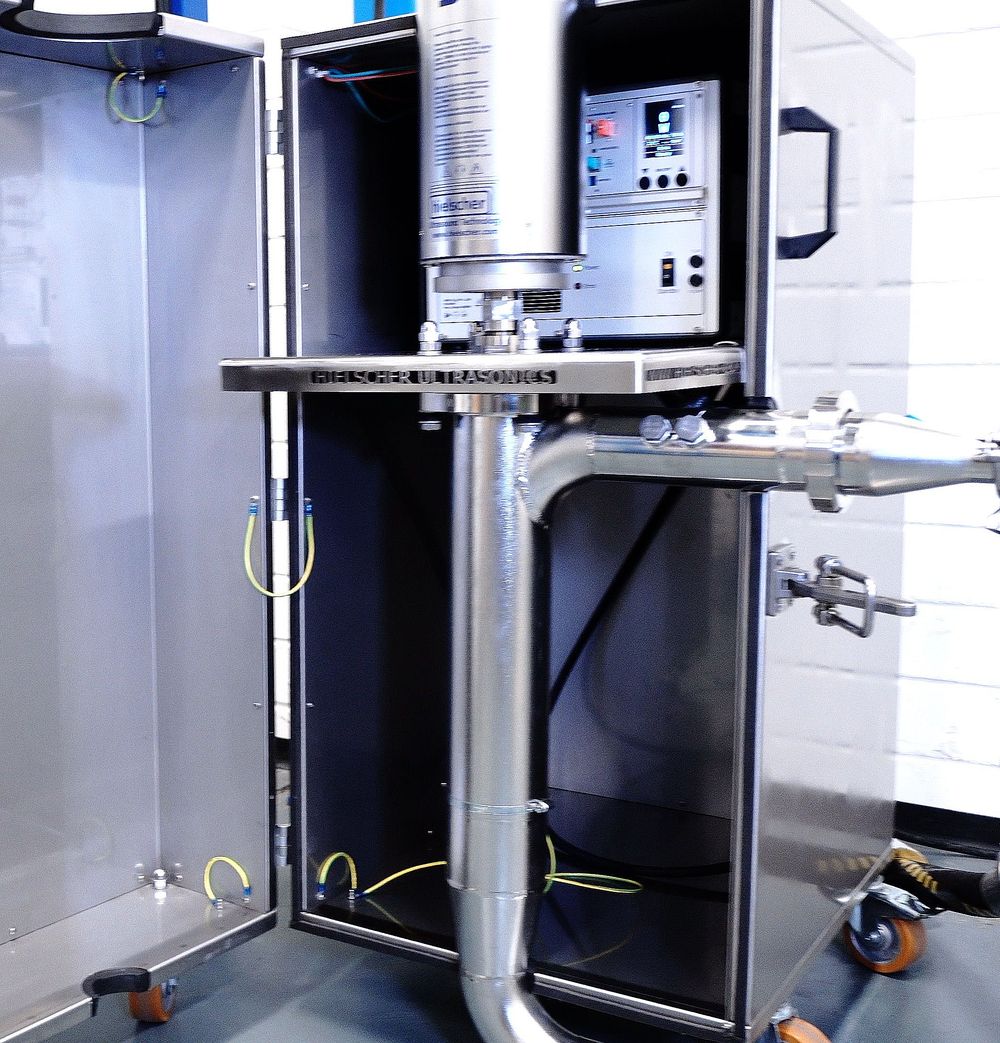 Ультразвуковые устройства Hielscher отлично подходят для индивидуальной интеграции в химические реакторы, поскольку представляют собой надежные ультразвуковые системы высокой мощности, оснащенные адаптируемыми сонотродами, проточными ячейками, вставками для реакторов и специальными аксессуарами для конкретных технологических процессов. В зависимости от конфигурации реактора ультразвуковые процессоры Hielscher могут устанавливаться в реакторы периодического действия, реакторы с непрерывным перемешиванием, поточные реакторы, рециркуляционные контуры, системы под давлением, а также на пилотных или промышленных установках. Такая гибкость позволяет применять ультразвук именно там, где кавитация наиболее эффективна: на границе раздела жидкость-твердое тело, жидкость-жидкость или жидкость-газ. Компания Hielscher Ultrasonics также предлагает различные типы ультразвуковых реакторов периодического и поточных типов, обеспечивающих контролируемую сонохимическую обработку, эмульгирование, диспергирование, активацию катализаторов, очистку поверхностей, интенсификацию массопереноса и ускорение реакций. Благодаря точному регулированию амплитуды, потребляемой мощности, температуры, давления, расхода и времени пребывания, ультразвуковые аппараты Hielscher можно адаптировать к конкретным требованиям лабораторных исследований, разработки технологических процессов, масштабирования и промышленного производства химической продукции.
В таблице ниже приведена примерная производительность обработки наших ультразвуковых аппаратов:
| Объем партии | Расход | Рекомендуемые устройства |
|---|---|---|
| от 1 до 500 мл | От 10 до 200 мл/мин | УП100Ч |
| от 10 до 2000 мл | от 20 до 400 мл/мин | УП200Хт, УП400Ст |
| 0.1 до 20 л | 0от 0,2 до 4 л/мин | УИП2000HDT |
| От 10 до 100 л | От 2 до 10 л/мин | УИП4000HDT |
| От 15 до 150 л | От 3 до 15 л/мин | УИП6000HDT |
| н.а. | От 10 до 100 л/мин | УИП16000HDT |
| н.а. | больше | Кластер УИП16000HDT |
Проектирование, производство и консалтинг – Качество «Сделано в Германии»
Ультразвуковые аппараты Hielscher хорошо известны своими высочайшими стандартами качества и дизайна. Надежность и простота в эксплуатации позволяют без проблем интегрировать наши ультразвуковые аппараты в промышленные объекты. Ультразвуковые аппараты Hielscher легко справляются с суровыми условиями и требовательными условиями окружающей среды.
Hielscher Ultrasonics является компанией, сертифицированной по стандарту ISO, и уделяет особое внимание высокопроизводительным ультразвуковым аппаратам, отличающимся самыми современными технологиями и удобством в использовании. Конечно, ультразвуковые аппараты Hielscher соответствуют требованиям CE и соответствуют требованиям UL, CSA и RoHs.

Ультразвуковой гомогенизатор UIP1500hdT с проточным реактором, оснащенным охлаждающей рубашкой для регулирования температуры процесса во время ультразвуковой обработки.
Часто задаваемые вопросы
Что такое химические реакторы?
Химические реакторы представляют собой специально сконструированные сосуды или системы, в которых химические реакции протекают в контролируемых условиях, таких как температура, давление, перемешивание, время пребывания и концентрация реагентов. Их назначение заключается в преобразовании сырья в желаемые продукты с заданным выходом, селективностью и эффективностью процесса.
Каковы основные типы химических реакторов?
К основным типам химических реакторов относятся реакторы периодического действия, реакторы с непрерывным перемешиванием, реакторы с продольным потоком, реакторы с неподвижным слоем, реакторы с псевдоожиженным слоем, реакторы с суспензией, мембранные реакторы, а также фотохимические или электрохимические реакторы. Каждый тип реактора отличается характером течения, режимом перемешивания, характеристиками тепло- и массопереноса, а также пригодностью для гомогенных или гетерогенных реакций.
В чём заключается разница между реактором с псевдоожиженным слоем и реактором с неподвижным слоем?
В реакторе с неподвижным слоем твердые частицы катализатора остаются неподвижными, в то время как реагенты протекают через насыпной слой катализатора. В реакторе с кипящим слоем восходящий поток флюида поднимает и перемещает твердые частицы, создавая динамический слой с интенсивным перемешиванием, улучшенной теплопередачей и более эффективным контактом между частицами и флюидом. Стационарные слои проще и механически стабильнее, тогда как кипящие слои обеспечивают более высокую эффективность перемешивания и теплопередачи, но требуют более сложного управления потоком.
Что такое катализаторный слой?
Каталитический слой — это ограниченный объём твердых частиц катализатора, размещённых внутри реактора. Он обеспечивает активную поверхность, на которой протекают химические реакции. Слои катализатора могут быть стационарными, как в реакторах с фиксированным слоем, или динамически взвешенными, как в реакторах с кипящим слоем. Их рабочие характеристики зависят от активности катализатора, размера частиц, пористости, площади поверхности, распределения потока, теплообмена и массообмена.
Литература / Литература
- Yu, Hang Gao, Jing; Zhong, Qili; Guo, Yahui; Xie, Yunfei; Yao, Weirong; Zhou, Weibiao (2018): Acoustic pressure and temperature distribution in a novel continuous ultrasonic tank reactor: a simulation study. IOP Conference Series: Materials Science and Engineering 2018.
- Francisco J. Navarro-Brull; Andrew R. Teixeira; Jisong Zhang; Roberto Gómez; Klavs F. Jensen (2018): Reduction of Dispersion in Ultrasonically-Enhanced Micropacked Beds. Industrial & Engineering Chemistry Research 57, 1; 2018. 122–128.
- M. Ajmal, S. Rusli, G. Fieg (2016): Modeling and experimental validation of hydrodynamics in an ultrasonic batch reactor. Ultrasonics Sonochemistry, Volume 28, 2016. 218-229.
- L. Castrillón, E. Marañón, Y. Fernández-Nava, P. Ormaechea, G. Quiroga (2013): Thermophilic co-digestion of cattle manure and food waste supplemented with crude glycerin in induced bed reactor (IBR). Bioresource Technology, Volume 136, 2013. 73-77.
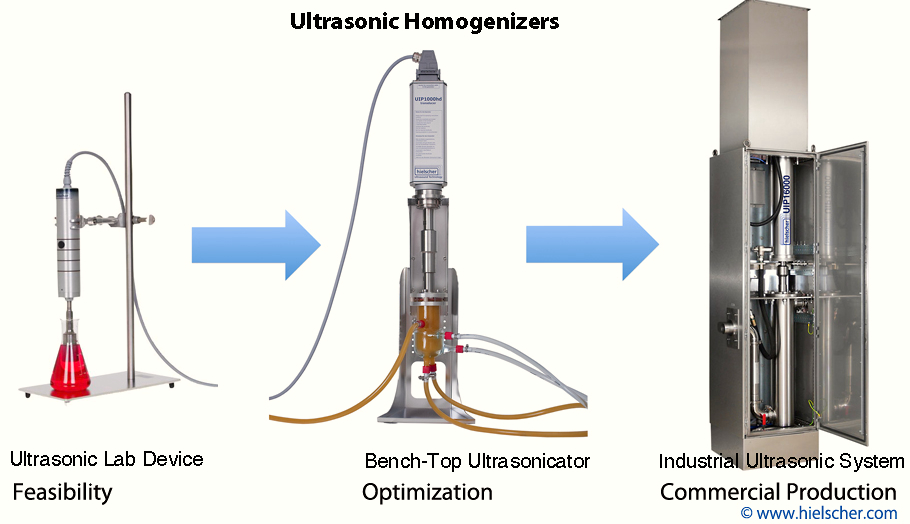
Hielscher Ultrasonics производит высокопроизводительные ультразвуковые гомогенизаторы от лаборатория Кому промышленного размера.