Reactivación de un catalizador agotado mediante sonicación
La reactivación de catalizadores agotados se ha convertido en un tema importante en los procesos químicos sostenibles, las operaciones de refinería, la petroquímica, la catálisis medioambiental y las estrategias de economía circular. Los catalizadores son esenciales para que las reacciones sean eficientes, pero durante su uso industrial pierden actividad gradualmente debido a la deposición de coque, el envenenamiento por metales, la acumulación de residuos, la obstrucción de poros, la sinterización, la pasivación de la superficie o la acumulación de subproductos de la reacción. La sustitución de los catalizadores agotados resulta costosa y consume muchos recursos, mientras que su eliminación puede suponer una carga para el medio ambiente. La regeneración ultrasónica de catalizadores agotados es una técnica sencilla, pero altamente eficaz, para reactivar los catalizadores que se han pasivado, envenenado o ensuciado durante su uso.
Reactivación de un catalizador agotado mediante sonicación
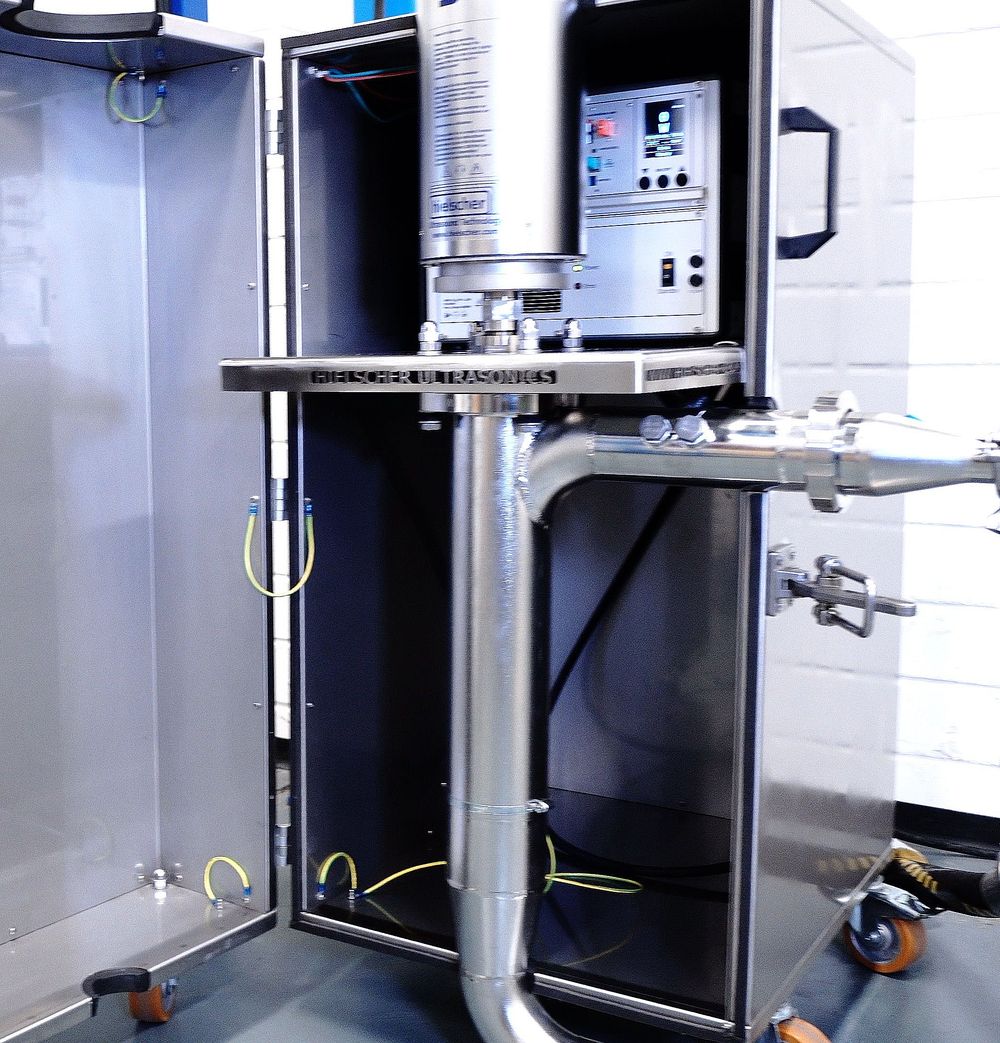 La sonicación, también conocida como tratamiento ultrasónico, ofrece un método científicamente relevante y técnicamente atractivo para regenerar y reactivar catalizadores agotados. Al aplicar ultrasonidos de alta potencia a suspensiones de catalizadores, se genera una intensa cavitación acústica en el medio líquido. El colapso de las burbujas de cavitación produce microchorros localizados, ondas de choque, fuerzas de cizallamiento y una micromezcla altamente turbulenta. Estos efectos pueden limpiar las superficies de los catalizadores, desprender depósitos, mejorar el acceso de los reactivos a los poros obstruidos y favorecer los procesos de lixiviación química o de regeneración oxidativa.
Investigaciones recientes sobre catalizadores de craqueo catalítico fluido usados han demostrado que la regeneración asistida por ultrasonidos puede mejorar la eliminación de metales nocivos, al tiempo que contribuye a preservar la estructura de la zeolita y la microestructura de las partículas del catalizador. Los estudios también han puesto de manifiesto una mayor recuperación de metales, como el níquel, a partir de catalizadores usados gracias al uso de ultrasonidos, ya que la sonicación acelera la extracción mediante los efectos físicos y químicos de la cavitación acústica.
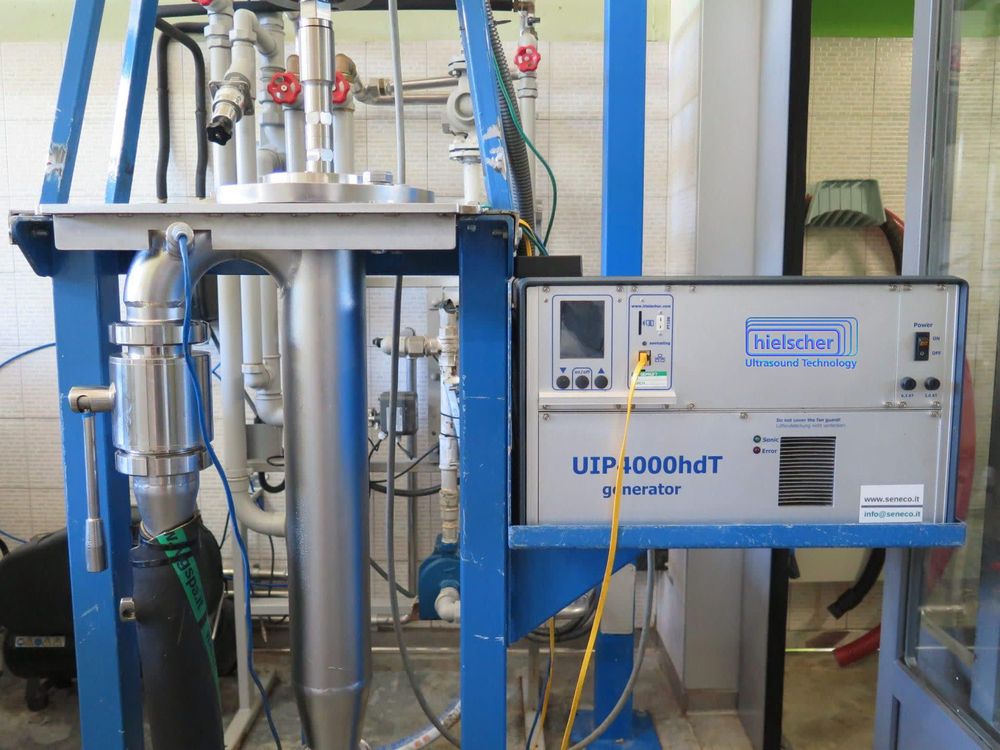
Sonicador en línea UIP4000hdT para la regeneración industrial de catalizadores usados
Por qué la sonicación es eficaz para la reactivación de catalizadores usados
La importancia científica de la sonicación radica en su capacidad para intensificar los procesos heterogéneos sólido-líquido. La regeneración de los catalizadores suele verse limitada por una transferencia de masa deficiente, poros obstruidos, superficies pasivadas y una difusión lenta de los agentes de limpieza o lixiviación hacia el interior de la estructura del catalizador. Los ultrasonidos superan estas limitaciones mediante mecanismos mecánicos y fisicoquímicos.
Entre las principales ventajas de la sonicación se incluyen:
La importancia de los ultrasonidos no se limita a la limpieza física. En la sonoquímica, la cavitación puede generar condiciones locales extremas y entornos reactivos, lo que puede facilitar los procesos de oxidación, modificación de superficies o extracción química. De este modo, los ultrasonidos pueden aumentar la superficie activa de los catalizadores, reducir la acumulación de residuos en los catalizadores sólidos dispersos y contribuir a la limpieza durante los procesos de reciclaje de catalizadores.
Relevancia industrial: de la limpieza de catalizadores a la reactivación funcional
La reactivación de un catalizador agotado es algo más que una simple operación de mantenimiento. Se trata de una vía de gran relevancia científica para mejorar el rendimiento a lo largo del ciclo de vida del catalizador. Un catalizador regenerado no solo debe parecer limpio, sino que debe recuperar una función catalítica significativa. Para ello es necesario restaurar los sitios activos accesibles, la acidez o basicidad superficial, la porosidad, la dispersión y el rendimiento de la reacción.
El tratamiento ultrasónico es relevante porque actúa en varios niveles críticos de la regeneración del catalizador:
Superficie: Elimina las capas de pasivación y deja al descubierto los sitios activos.
Poros: Favorece la reapertura de los mesoporos y microporos obstruidos.
Partículas: Descompone los aglomerados y mejora la homogeneidad de la suspensión.
Proceso: Intensifica el contacto entre el líquido y el sólido y mejora la eficacia de los medios de regeneración química.
Sostenibilidad: Favorece la reutilización, la recuperación de metales y la reducción de residuos.
 Un estudio reciente sobre la regeneración mediante ultrasonidos y oxidación de catalizadores usados de craqueo catalítico fluido (FCC) reveló que los procesos de oxidación avanzados asistidos por ultrasonidos aumentaban la acidez del catalizador y permitían utilizar el catalizador regenerado en la síntesis de monoestearato de glicerol. (véase Anggoro et al., 2026)
Otro estudio demostró que la inmersión en ácido sulfúrico diluido y la posterior lixiviación asistida por ultrasonidos en una mezcla de ácido sulfúrico y ácido oxálico mejora significativamente la eliminación de metales nocivos en el catalizador FCC usado, sin destruir la estructura de la zeolita Y ni la microestructura de las partículas del catalizador usado. En comparación con la lixiviación convencional, la lixiviación asistida por ultrasonidos solo necesita una cuarta parte del tiempo para lograr prácticamente el mismo efecto de eliminación de metales nocivos y presenta ventajas superiores a la hora de conservar la integridad de las partículas. (véase Wang et al., 2021).
La sonicación en el reciclaje de catalizadores y la recuperación de metales
Los catalizadores usados suelen contener metales valiosos como el níquel, el vanadio, el molibdeno, el cobalto, los metales del grupo del platino o metales raros, dependiendo del tipo de catalizador y de la aplicación industrial. La sonicación puede facilitar tanto la reactivación del catalizador como la recuperación de recursos. En la lixiviación asistida por ultrasonidos, la cavitación mejora la penetración de la solución de lixiviación, elimina las capas límite alrededor de las partículas y deja al descubierto nuevas superficies para la reacción.
Esto hace que la ecografía resulte especialmente interesante para:
- Catalizadores usados de refinería
- Catalizadores FCC
- Catalizadores de hidrotratamiento e hidrodesulfuración
- Catalizadores Fischer-Tropsch
- Catalizadores metálicos sobre soporte
- Catalizadores medioambientales
- Carbón activado y sistemas de catalizadores adsorbentes
- Catalizadores heterogéneos contaminados con metales o con depósitos

Sonicator UP400ST con configuración de celda de flujo
Ventajas técnicas de los sonicadores Hielscher para el reciclaje de catalizadores usados
Los sonicadores de alta potencia de Hielscher son muy adecuados para el reciclaje y la reactivación de catalizadores usados, ya que aportan energía ultrasónica controlada, reproducible y escalable a las suspensiones líquido-sólido. Para la regeneración de catalizadores, la fiabilidad del proceso es esencial: la amplitud, la potencia de entrada, el tiempo de residencia, el caudal, la temperatura, la presión y la geometría del reactor deben ser ajustables y reproducibles, tanto en ensayos de laboratorio como a escala industrial.
Hielscher ofrece sistemas ultrasónicos que abarcan desde dispositivos compactos de laboratorio hasta unidades industriales, incluyendo sonicadores de sonda y reactores ultrasónicos de flujo continuo para el procesamiento continuo. La gama de sonicadores de Hielscher abarca desde pequeñas unidades de laboratorio hasta procesadores industriales de 500 W, 1.000 W, 2.000 W, 4.000 W, 6.000 W y 16.000 W, lo que permite ampliar la escala desde las pruebas de viabilidad hasta el tratamiento de catalizadores a nivel de producción.
En cuanto al reciclaje de catalizadores usados, las ventajas técnicas son las siguientes:
- Sonicación con sonda de alta intensidad para una cavitación eficaz en suspensiones de catalizadores abrasivos
- Opciones de reactores de flujo continuo para procesos de regeneración, lixiviación, lavado o dispersión continuos
- Control preciso de la amplitud para garantizar condiciones de proceso reproducibles
- Arquitectura de equipos escalable, desde el cribado en laboratorio hasta el reciclaje industrial de catalizadores
- Diseño industrial resistente para entornos exigentes de procesamiento químico
- Compatibilidad con procesos sonoquímicos como la lixiviación ácida, la limpieza oxidativa, la dispersión y la activación superficial
Estas características convierten a los sonicadores de Hielscher en una plataforma tecnológica práctica para empresas e instituciones de investigación que desarrollan protocolos avanzados de regeneración de catalizadores, ya sea con el objetivo de restablecer la actividad catalítica, recuperar metales valiosos, reducir el volumen de residuos o mejorar la sostenibilidad de la producción catalítica.

Homogeneizador ultrasónico UIP2000hdT para la regeneración del catalizador en un proceso de flujo continuo
Una tecnología sostenible para la economía circular de los catalizadores
A medida que las industrias avanzan hacia una producción más limpia y una mayor eficiencia en el uso de los recursos, la gestión de los catalizadores usados se está convirtiendo en una prioridad estratégica. La sonicación contribuye a esta transición al hacer que la reactivación de los catalizadores sea más rápida, más eficiente y más controlable desde el punto de vista técnico. En lugar de tratar los catalizadores usados como residuos, el procesamiento ultrasónico ayuda a transformarlos en materiales reutilizables o en valiosas fuentes de materias primas secundarias.
La relevancia industrial de la sonicación radica en su capacidad para combinar la activación mecánica, la limpieza de superficies, la dispersión y la intensificación de la transferencia de masa en un único proceso. Para los usuarios industriales, la ventaja es igualmente evidente: una mejor reutilización de los catalizadores, un menor consumo de materias primas, una menor generación de residuos y, potencialmente, unos costes operativos más bajos.
Aprovecha las ventajas de la regeneración ultrasónica de catalizadores
 La reactivación de catalizadores usados mediante sonicación es un método avanzado para el reciclaje de catalizadores con un gran potencial científico e industrial. La cavitación acústica permite eliminar los depósitos, reabrir los poros obstruidos, mejorar la transferencia de masa e intensificar las etapas de regeneración química. Cuando se combina con estrategias adecuadas de lixiviación, oxidación, lavado o tratamiento térmico, el tratamiento ultrasónico puede contribuir a restaurar la actividad del catalizador y a recuperar metales valiosos.
Con sonicadores de alta potencia y reactores de flujo ultrasónicos industriales escalables, Hielscher proporciona la base técnica para desarrollar procesos de regeneración de catalizadores usados que sean fiables, reproducibles y eficientes. A medida que el reciclaje de catalizadores cobra cada vez más importancia para la química sostenible y la producción industrial circular, la sonicación se está convirtiendo en una potente herramienta para prolongar la vida útil de los catalizadores y mejorar la eficiencia en el uso de los recursos.
En la siguiente tabla encontrará algunas indicaciones sobre la capacidad de procesamiento aproximada de nuestros sonicadores:
| Volumen del lote | Tasa de flujo | Dispositivos recomendados |
|---|---|---|
| 1 a 500 mL | 10 a 200 mL/min. | UP100H |
| 10 a 2000 mL | 20 a 400 mL/min. | UP200Ht, UP400St |
| 0,1 a 20 L | 0,2 a 4 L/min | UIP2000hdT |
| 10 a 100 L | 2 a 10 L/min | UIP4000hdT |
| 15 a 150L | De 3 a 15 l/min | UIP6000hdT |
| n.a. | 10 a 100 L/min | UIP16000hdT |
| n.a. | mayor | Grupo de UIP16000hdT |
Diseño, fabricación y consultoría – Calidad Made in Germany
Los ultrasonidos de Hielscher son conocidos por sus elevados estándares de calidad y diseño. Su robustez y fácil manejo permiten una integración sin problemas de nuestros ultrasonidos en las instalaciones industriales. Los ultrasonidos de Hielscher soportan sin problemas las condiciones más duras y los entornos más exigentes.
Hielscher Ultrasonics es una empresa con certificación ISO y pone especial énfasis en los ultrasonidos de alto rendimiento con tecnología punta y facilidad de uso. Por supuesto, los ultrasonidos de Hielscher cumplen la normativa CE y los requisitos de UL, CSA y RoHs.

Hielscher Ultrasonics fabrica homogeneizadores ultrasónicos de alto rendimiento para aplicaciones de mezcla, dispersión, emulsificación y extracción a escala de laboratorio, piloto e industrial.
Preguntas frecuentes
¿Qué es un catalizador?
Un catalizador es una sustancia que aumenta la velocidad de una reacción química al reducir la energía de activación, sin consumirse estequiométricamente en la reacción. Proporciona una vía de reacción alternativa y, a menudo, puede reutilizarse.
¿Qué es un catalizador usado?
Un catalizador agotado es aquel que ha perdido parte o la totalidad de su actividad catalítica, selectividad o estabilidad tras su uso. La desactivación puede deberse a la acumulación de residuos, la deposición de coque, el envenenamiento, la sinterización, la lixiviación o la degradación estructural.
¿Qué es un catalizador de la FCC agotado?
Un catalizador FCC agotado es un catalizador desactivado procedente del proceso de craqueo catalítico fluido en el refinado del petróleo. Los catalizadores FCC suelen ser materiales a base de zeolita que se utilizan para craquear hidrocarburos pesados en productos más ligeros, como gasolina, olefinas y GLP. Se agotan debido a la formación de coque, la contaminación por metales, la degradación hidrotérmica y la pérdida de acidez o de superficie específica.
¿Cómo se consumen los catalizadores?
Los catalizadores no se consumen en el sentido estequiométrico ideal, pero pueden desactivarse o perderse físicamente durante el funcionamiento. Entre los mecanismos más comunes se encuentran:
- Envenenamiento: adsorción irreversible de impurezas en los sitios activos.
- Acumulación de residuos/formación de coque: La acumulación de material carbonoso obstruye los poros y los sitios activos.
- Sinterización: Las altas temperaturas provocan que las partículas activas se aglomeren, lo que reduce la superficie.
- Lixiviación: Los componentes activos se disuelven en el medio de reacción.
- Abandono: La abrasión mecánica rompe las partículas del catalizador, especialmente en los lechos fluidizados.
- Fase de transformación: la estructura del catalizador se transforma en una forma menos activa.
¿Cuáles son los cuatro tipos de catalizadores?
Los cuatro tipos que suelen distinguirse son:
Literatura / Referencias
- Darbandi, M., Moghaddasfar, A., Eynollahi, M. et al. (2025): Sustainable approach with enhanced removal performance of organic pollutant for wastewater treatment by ultrasonically regenerated mesoporous nickel oxide nanoparticles. Int. J. Environ. Sci. Technol. 22, 3495–3504 (2025).
- Anggoro D.D., Buchori L., Rinaldi N., Silviana S., Le Monde B.U., Putra M.F., Zainol, M.M. (2026): Hybrid Ultrasound and Advanced Oxidation Process Regeneration of Spent FCC Catalysts: Optimization and Their Catalytic Performance. Journal of Engineering and Technological Sciences, 58(2), 227–242.
- Xin Pu, Jin-ning Luan, Li Shi (2012): Reuse of Spent FCC Catalyst for Removing Trace Olefins from Aromatics. Bulletin of Korean Chemical Society 2012, Vol. 33, No. 8.
- elevada eficiencia
- Tecnología punta
- fiabilidad & robustez
- control de procesos preciso y ajustable
- lote & en línea
- para cualquier volumen
- software inteligente
- funciones inteligentes (por ejemplo, programables, protocolo de datos, control remoto)
- Manejo sencillo y seguro
- Bajo mantenimiento
- CIP (limpieza in situ)
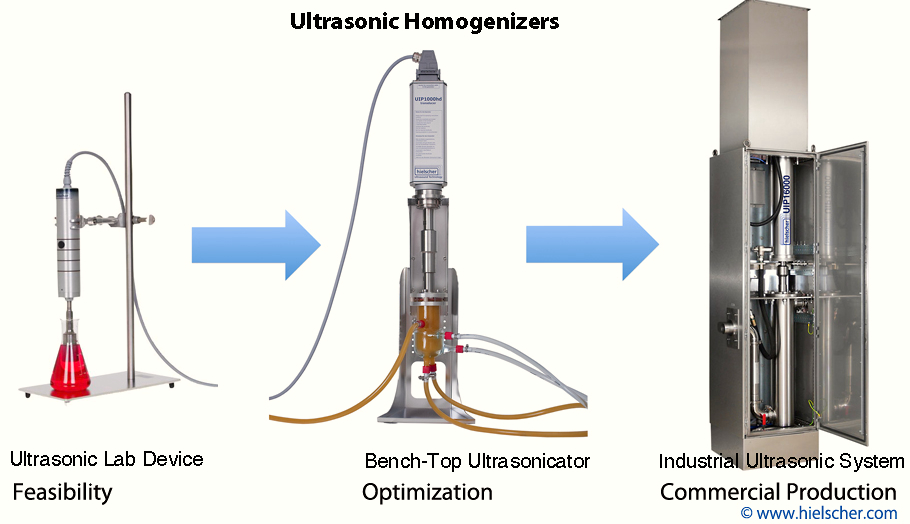
Hielscher Ultrasonics fabrica homogeneizadores ultrasónicos de alto rendimiento de laboratorio a tamaño industrial.