Phản ứng Sabatier được hỗ trợ bằng sóng siêu âm: Chuyển hóa CO₂ thành hydrocacbon một cách hiệu quả
Siêu âm công suất cao mang lại một phương pháp sáng tạo để tăng cường phản ứng Sabatier bằng cách thúc đẩy quá trình hydro hóa CO₂ thông qua hiện tượng xâm thực âm thanh. Điều này cho phép chuyển hóa hiệu quả khí carbon dioxide thành metan và các hydrocacbon có chuỗi carbon dài hơn trong điều kiện ôn hòa, chẳng hạn như nhiệt độ và áp suất môi trường. Do đó, quá trình chuyển hóa CO₂ được hỗ trợ bằng siêu âm là một phương pháp đầy hứa hẹn cho sản xuất nhiên liệu bền vững, sử dụng carbon và lưu trữ năng lượng tái tạo.
Siêu âm công suất mở ra những hướng đi mới cho việc tận dụng khí carbon dioxide
Việc chuyển hóa khí carbon dioxide thành các hydrocacbon có giá trị đang trở thành một trong những thách thức công nghệ quan trọng nhất trong quá trình chuyển đổi sang nền kinh tế carbon tuần hoàn. Thay vì chỉ coi CO₂ là một vấn đề phát thải, các quy trình hóa học tiên tiến ngày càng hướng đến việc sử dụng nó làm nguyên liệu carbon để sản xuất nhiên liệu tổng hợp, metan, etylen, etan và các hợp chất giàu năng lượng khác.
Một phương pháp đặc biệt hứa hẹn là phản ứng Sabatier được hỗ trợ bằng sóng siêu âm, còn được gọi là quy trình sono-Sabatier. Bằng cách áp dụng sóng siêu âm công suất cao vào môi trường lỏng chứa CO₂, môi trường phản ứng có thể được tăng cường mà không cần phụ thuộc hoàn toàn vào các hệ thống xúc tác truyền thống ở nhiệt độ và áp suất cao.
Phản ứng Sabatier cổ điển mô tả quá trình hydro hóa khí carbon dioxide thành metan và nước. Phản ứng này đang thu hút sự quan tâm trở lại nhờ vai trò quan trọng của nó trong các lĩnh vực chuyển đổi điện thành khí (power-to-gas), sản xuất khí tự nhiên tổng hợp, lưu trữ năng lượng tái tạo và thậm chí cả các ứng dụng trong không gian.

sonicator UIP2000hdT tăng cường quá trình truyền khối và thúc đẩy các phản ứng hóa học
Tại sao quá trình siêu âm lại quan trọng trong quá trình chuyển hóa CO₂
Quá trình siêu âm truyền năng lượng vào chất lỏng thông qua hiện tượng xâm thực âm thanh. Trong quá trình xâm thực âm thanh, các bọt khí siêu nhỏ hình thành, phát triển và vỡ tan một cách dữ dội. Những hiện tượng vỡ bọt cục bộ này tạo ra các vi môi trường cực đoan với nhiệt độ, áp suất, độ nhiễu loạn và sự hình thành các gốc tự do ở mức rất cao trong thời gian ngắn, trong khi phần lớn chất lỏng vẫn duy trì ở điều kiện tương đối ôn hòa.
Trong bối cảnh giảm thiểu CO₂, điều này có nghĩa là siêu âm công suất cao có thể kích hoạt các phản ứng hóa học vốn khó xảy ra trong điều kiện môi trường thông thường. Các nghiên cứu thực nghiệm về quá trình chuyển hóa CO₂ bằng siêu âm đã chỉ ra rằng khi áp dụng sóng siêu âm vào nước bão hòa CO₂, dung dịch natri clorua và nước biển tổng hợp, có thể tạo ra các hydrocacbon như metan, etilen và etan, cùng với lượng đáng kể khí carbon monoxide, chất này sau đó có thể được chuyển hóa thành metan.
Điều này có ý nghĩa thực tiễn trong công nghiệp vì nó mở ra một chiến lược tăng cường hiệu suất quá trình: thay vì chỉ tăng nhiệt độ, áp suất hoặc độ phức tạp của chất xúc tác, sóng siêu âm có thể cải thiện điều kiện phản ứng thông qua việc cung cấp năng lượng vật lý.
Những ưu điểm chính của phản ứng Sabatier được hỗ trợ bằng sóng siêu âm
Quy trình Sono-Sabatier mang lại một số ưu điểm khiến nó trở nên rất hấp dẫn đối với các công nghệ ứng dụng CO₂ trong tương lai:
- Điều kiện vận hành nhẹ: Siêu âm công suất cao có thể giúp chuyển hóa CO₂ ở nhiệt độ phòng và áp suất khí quyển, từ đó giảm bớt sự cần thiết phải thực hiện các quá trình nhiệt tiêu tốn nhiều năng lượng.
- Tiềm năng phản ứng không cần chất xúc tác: Các nghiên cứu về chuyển hóa CO₂ bằng phương pháp siêu âm đã chứng minh rằng hydrocacbon có thể được hình thành dưới tác động của sóng siêu âm ngay cả khi không sử dụng chất xúc tác thông thường, giúp đơn giản hóa thiết kế quy trình và giảm chi phí liên quan đến chất xúc tác.
- Quá trình hình thành các hydrocacbon có giá trị: Mêtan là sản phẩm mục tiêu chính, nhưng cũng có thể sản xuất được etylen và etan, từ đó mở rộng chuỗi giá trị tiềm năng vượt ra ngoài phạm vi khí tự nhiên tổng hợp.
- Tích hợp với hydro: Việc thay thế môi trường khí trơ bằng hydro phân tử có thể cải thiện đáng kể quá trình Sono-Sabatier, từ đó tăng lượng hydro sẵn có cho quá trình hydro hóa và metan hóa CO₂.
- Khả năng kết hợp với phản ứng chuyển hóa nước-khí ngược: Sự hình thành khí carbon monoxide cho thấy các phản ứng chuyển hóa khí nước ngược có thể xảy ra dưới tác động của sóng siêu âm. CO sau đó có thể đóng vai trò là chất trung gian cho quá trình hydro hóa tiếp theo để tạo thành metan hoặc các hydrocacbon có chuỗi dài hơn.
- Các quy trình tiềm năng theo kiểu Fischer-Tropsch: Trong các hệ thống giàu hydro, khí carbon monoxide và hydro có thể tham gia vào các phản ứng hóa học kiểu Fischer-Tropsch, góp phần tạo ra các hydrocacbon bậc cao như ethylene và ethane. Phản ứng hóa học Fischer-Tropsch truyền thống được biết đến rộng rãi như một phương pháp chuyển hóa khí tổng hợp CO/H₂ thành hydrocacbon.
- Năng suất được cải thiện trong môi trường mặn: Hàm lượng muối cao hơn, ví dụ như trong nước biển hoặc nước biển tổng hợp, có thể thúc đẩy quá trình Sono-Sabatier. Thông tin được cung cấp cho thấy rằng các điều kiện tương tự như nước biển có thể làm tăng sản lượng hydrocacbon khoảng 40%.
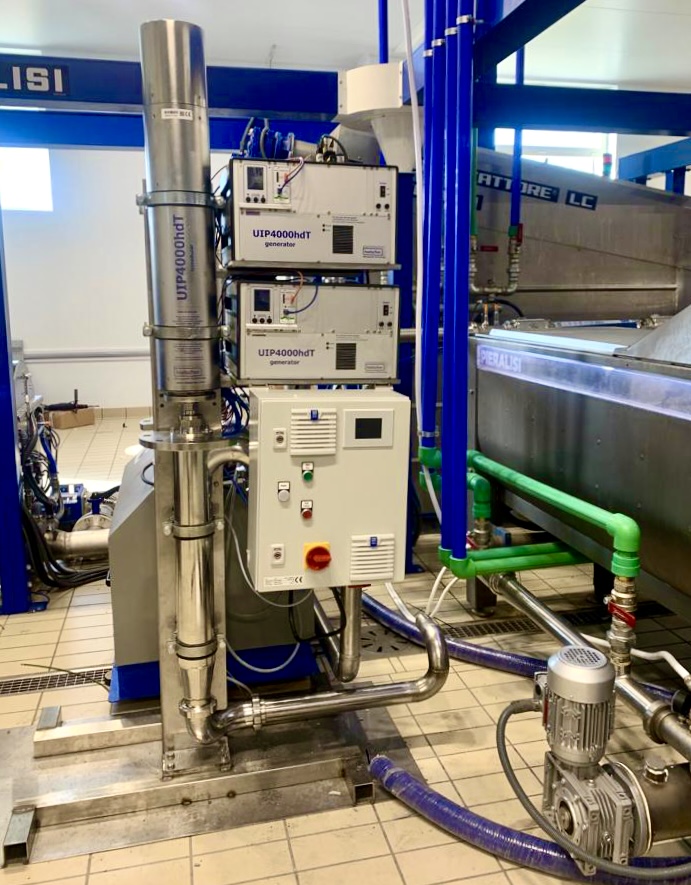
Siêu âm điện – 2 lần Máy siêu âm UIP4000hdT với các buồng dòng chảy để vận hành liên tục theo kiểu tích hợp
Nước biển như một môi trường phản ứng chức năng
Một khía cạnh đặc biệt hấp dẫn của phản ứng Sabatier được hỗ trợ bằng sóng siêu âm là tác động có lợi của nước chứa muối. Trong nước tinh khiết bão hòa CO₂, dung dịch natri clorua và nước biển tổng hợp, sóng siêu âm có thể kích hoạt quá trình chuyển hóa CO₂ thành metan, etylen, etan và monoxit cacbon.
Việc sử dụng dung dịch muối có vai trò quan trọng đối với khả năng mở rộng quy mô công nghiệp. Nước biển dồi dào, rẻ tiền và có sẵn trên toàn cầu. Nếu môi trường muối có thể cải thiện quá trình hình thành hydrocacbon, quy trình này có thể trở nên đặc biệt hấp dẫn đối với các khu công nghiệp ven biển, các trung tâm năng lượng tái tạo ngoài khơi và các hệ thống thu giữ và sử dụng carbon nằm gần các nguồn nước biển.
Trên thực tế, điều này có nghĩa là quy trình Sono-Sabatier có thể được nghiên cứu như một phần của các hệ thống tích hợp kết hợp:
- CO₂ thu hồi từ các dòng khí thải công nghiệp hoặc qua phương pháp thu hồi trực tiếp từ không khí,
- hydro từ quá trình điện phân,
- nước biển hoặc nước muối làm môi trường phản ứng,
- siêu âm công suất cao với tư cách là công nghệ tăng cường quy trình,
- quá trình tách khí ở giai đoạn hạ lưu và nâng cấp hydrocacbon.
Tầm quan trọng đối với ngành công nghiệp: Chuyển hóa CO₂ thành nhiên liệu tổng hợp và nguyên liệu hóa học
Việc chuyển hóa CO₂ thành hydrocacbon một cách hiệu quả không chỉ là mục tiêu trong phòng thí nghiệm. Điều này có mối liên hệ trực tiếp với tương lai của nhiên liệu tái tạo, khí tự nhiên tổng hợp, sản xuất hóa chất và lưu trữ năng lượng.
Mêtan được sản xuất từ CO₂ và hydro tái tạo có thể được sử dụng làm khí tự nhiên tổng hợp. Một ưu điểm của mêtan tổng hợp là nó có khả năng tận dụng cơ sở hạ tầng khí đốt hiện có, bao gồm các cơ sở lưu trữ, đường ống dẫn khí và thiết bị công nghiệp chạy bằng khí đốt.
Ethylene và ethane càng làm tăng thêm tầm quan trọng của quá trình này trong lĩnh vực công nghiệp. Ethylene là một trong những hóa chất nền tảng quan trọng nhất trong ngành hóa dầu, trong khi ethane có thể được sử dụng làm nhiên liệu hoặc làm nguyên liệu đầu vào cho quá trình phân hủy bằng hơi nước. Do đó, một quy trình sonochemical không chỉ tạo ra metan mà còn tạo ra các hydrocacbon C₂ có thể trở nên có giá trị đối với cả sản xuất nhiên liệu lẫn tổng hợp hóa học.
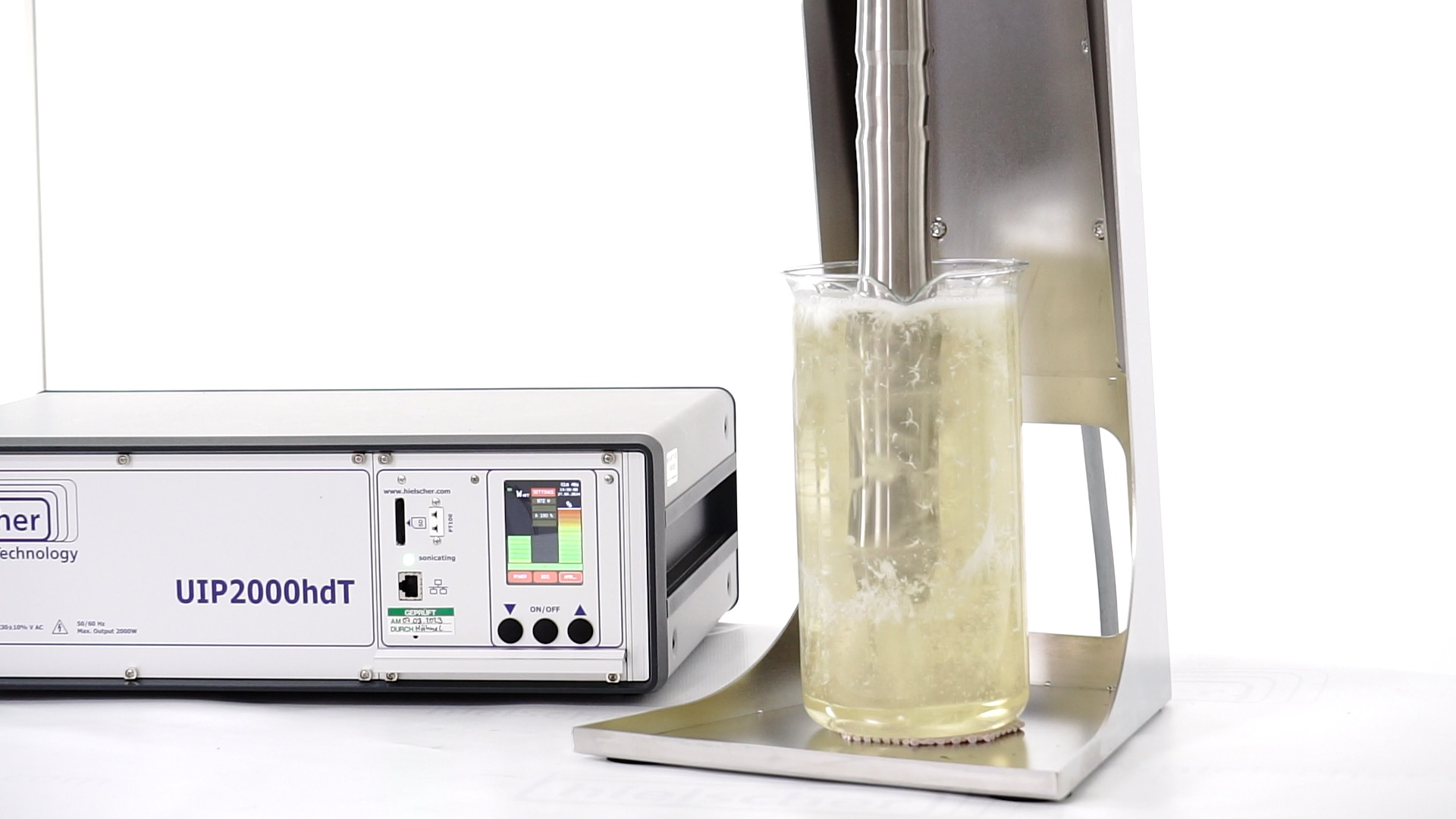
Hiện tượng xâm thực âm thanh trên thiết bị Sonicator UIP2000hdT
Phản ứng Sabatier được hỗ trợ bằng sóng siêu âm đặc biệt có ý nghĩa đối với các ngành cần các phân tử chứa carbon nhưng mong muốn giảm sự phụ thuộc vào carbon từ nhiên liệu hóa thạch. Các ngành này bao gồm:
- quy trình chuyển đổi điện thành khí và sản xuất metan từ nguồn năng lượng tái tạo,
- thu hồi và sử dụng carbon,
- sản xuất nhiên liệu tổng hợp,
- sản xuất hóa chất xanh,
- các quy trình công nghiệp hàng hải và ven biển,
- sản xuất nhiên liệu phi tập trung,
- cơ sở hạ tầng cho nền kinh tế hydro.

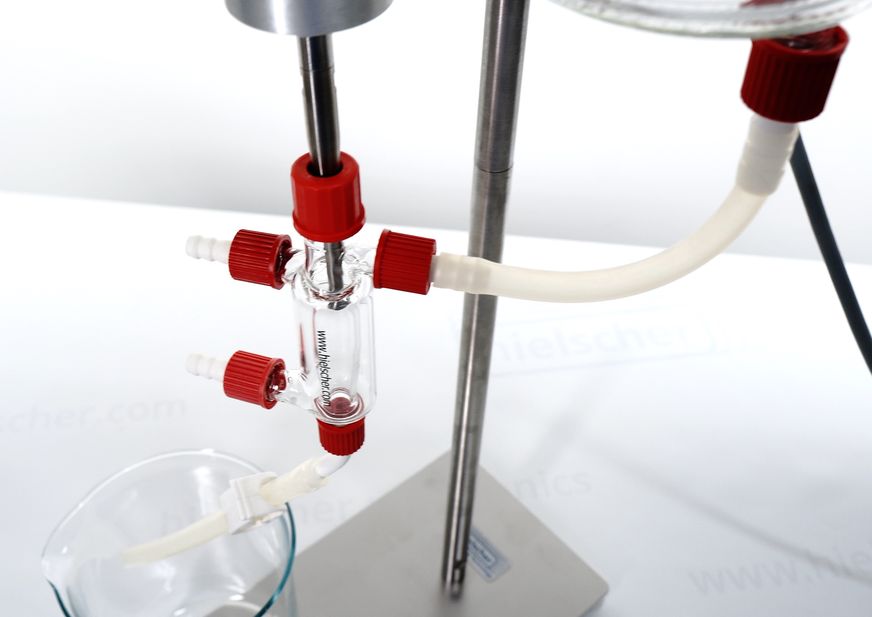
Sonicator UIP2000hdT với lò phản ứng tế bào dòng chảy có áp suất
Siêu âm giúp nâng cao hiệu quả quy trình như thế nào
Lợi ích chính của siêu âm không phải là thay thế hóa học, mà là tăng cường hiệu quả của hóa học. Trong các hệ thống siêu âm hóa học, hiện tượng xâm thực giúp cải thiện quá trình truyền khối, sự tiếp xúc giữa khí và chất lỏng cũng như mật độ năng lượng cục bộ. Điều này có ý nghĩa rất quan trọng đối với quá trình hydro hóa CO₂, bởi vì quá trình này liên quan đến các chất khí có độ hòa tan hạn chế trong môi trường nước.
Siêu âm công suất cao giúp khắc phục một số điểm nghẽn:
- Nó giúp tăng cường sự phân tán của CO₂ và hydro trong pha lỏng.
- Nó làm tăng diện tích bề mặt tiếp xúc giữa các bọt khí và môi trường phản ứng.
- Quá trình này tạo ra các vùng năng lượng cao cục bộ, nơi quá trình kích hoạt CO₂ diễn ra thuận lợi hơn.
- Nó thúc đẩy quá trình hình thành các gốc tự do và các chất trung gian.
- Nó có thể hỗ trợ các phản ứng liên tiếp như phản ứng tạo CO và phản ứng methan hóa.
Sự kết hợp này khiến công nghệ siêu âm trở thành một lựa chọn hấp dẫn cho các thiết kế bình phản ứng nhỏ gọn và có hiệu suất cao, đặc biệt là trong những trường hợp mà các bình phản ứng nhiệt truyền thống tiêu tốn quá nhiều năng lượng, hoạt động quá chậm hoặc quá phụ thuộc vào các vật liệu xúc tác đắt tiền.
Cầu nối giữa quá trình methan hóa CO₂ và tổng hợp hydrocacbon
Phương pháp Sono-Sabatier đặc biệt thú vị vì nó có thể kết nối một số loại phản ứng quan trọng. Mục tiêu chính là quá trình methan hóa CO₂, nhưng sự hình thành khí carbon monoxide cho thấy sự đóng góp của phản ứng chuyển hóa nước-khí ngược. Trong môi trường giàu hydro, hỗn hợp CO/H₂ thu được có thể tương tự như khí tổng hợp (syngas), vốn là cơ sở cho quá trình tổng hợp hydrocacbon Fischer-Tropsch.
Tìm hiểu thêm về phương pháp tổng hợp bằng sóng siêu âm các chất xúc tác Fischer-Tropsch!
Điều này mở ra cơ hội cho một danh mục sản phẩm đa dạng hơn. Thay vì chỉ xem quá trình chuyển hóa CO₂ là sản xuất metan, phương pháp siêu âm có thể hỗ trợ quá trình hình thành các hydrocacbon C₁ và C₂, và có thể, thông qua việc tối ưu hóa quy trình hơn nữa, tạo ra các sản phẩm carbon có giá trị cao hơn.
Sonication như một phương pháp tăng cường quy trình trong việc tận dụng CO₂
 Phản ứng Sabatier được hỗ trợ bằng sóng siêu âm vẫn là một công nghệ mới nổi, nhưng những ưu điểm của nó là rất rõ ràng. Công nghệ này mở ra một phương pháp để chuyển hóa CO₂ thành các hydrocacbon hữu ích trong điều kiện phản ứng ôn hòa, có thể tận dụng lợi thế của quá trình vận hành giàu hydro, và có khả năng đạt được năng suất cao hơn trong môi trường chứa muối như nước biển.
Đối với ngành công nghiệp, giá trị mang lại là rất lớn: CO₂ có thể được chuyển hóa từ một dòng chất thải thành nguyên liệu thô để sản xuất metan và các hydrocacbon khác. Khi được vận hành bằng điện từ nguồn năng lượng tái tạo và kết hợp với hydro xanh, quy trình Sono-Sabatier có thể góp phần vào việc sản xuất nhiên liệu bền vững, tái chế carbon và lưu trữ năng lượng dài hạn.

MultiSonoLò phản ứng – Lò phản ứng dòng chảy siêu âm công nghiệp
Các thiết bị siêu âm công suất cao để tăng cường phản ứng Sabatier
Phản ứng Sabatier được hỗ trợ bằng siêu âm là một phương pháp sáng tạo trong việc khử CO₂ và tổng hợp hydrocacbon. Bằng cách sử dụng siêu âm công suất cao, nước bão hòa CO₂ và các dung dịch muối có thể được kích hoạt trong điều kiện ôn hòa, tạo ra các chất trung gian như metan, etylen, etan và monoxit cacbon. Việc bổ sung hydro phân tử giúp tăng cường đáng kể hiệu quả của quá trình, trong khi việc tăng hàm lượng muối có thể cải thiện thêm năng suất hydrocacbon.
Trong bối cảnh các ngành công nghiệp đang tìm kiếm những phương pháp có khả năng mở rộng quy mô để chuyển đổi CO₂ thành nhiên liệu và nguyên liệu hóa học, công nghệ siêu âm mở ra một hướng đi đầy hứa hẹn. Công nghệ này kết hợp giữa việc tăng cường quy trình, điều kiện phản ứng ôn hòa và khả năng tương thích với hydro tái tạo – ba đặc điểm có thể biến quy trình Sono-Sabatier thành một công nghệ quan trọng cho việc sử dụng carbon trong tương lai.
Cách chọn máy siêu âm phù hợp nhất cho bình phản ứng hóa học của bạn!
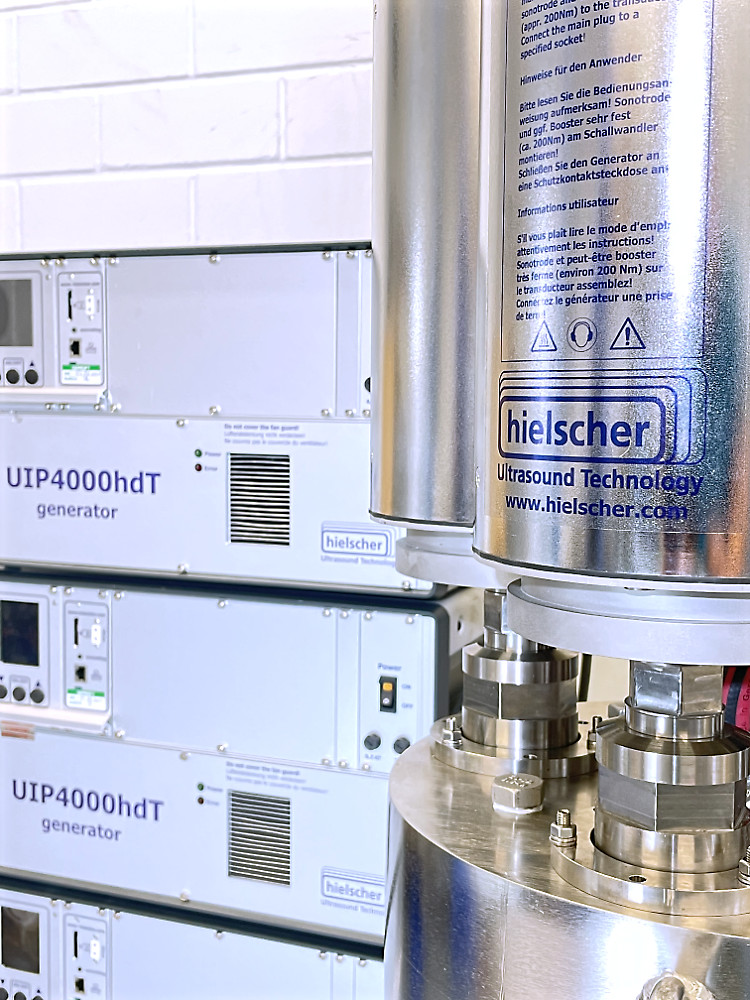 Các thiết bị tạo sóng siêu âm Hielscher và các buồng phản ứng dòng chảy siêu âm cung cấp một nền tảng vững chắc để tăng cường phản ứng Sabatier bằng cách đưa sóng siêu âm công suất cao trực tiếp vào các dòng chất lỏng hoặc hỗn hợp bùn chứa CO₂/H₂. Trong quy trình sono-Sabatier, buồng dòng chảy siêu âm đóng vai trò như một vùng xâm thực được kiểm soát, nơi sự phân tán khí, chuyển khối lượng giữa các bề mặt, độ ẩm của chất xúc tác và kích hoạt phản ứng cục bộ được tăng cường đáng kể. Điều này khiến các hệ thống siêu âm Hielscher phù hợp để tích hợp vào các lò phản ứng tầng bùn, nơi các hạt chất xúc tác lơ lửng có thể liên tục tiếp xúc với hiện tượng xâm thực mạnh, cũng như vào các mô hình lò phản ứng tầng sôi, nơi sóng siêu âm có thể hỗ trợ tiếp xúc khí–lỏng–rắn, quá trình trộn và động học phản ứng. Ngoài ra, các tế bào dòng chảy siêu âm có thể được lắp đặt ở phía thượng lưu của các phản ứng viên màng để phân tán trước CO₂ và hydro, kích hoạt môi trường phản ứng, tạo ra các chất trung gian phản ứng, hoặc cải thiện sự đồng nhất của nguyên liệu trước khi bơm hydro có chọn lọc, tách sản phẩm hoặc dịch chuyển cân bằng ở giai đoạn màng. Do đó, các thiết bị siêu âm Hielscher có thể hoạt động như các đơn vị tăng cường quy trình mô-đun cho phát triển trong phòng thí nghiệm, tối ưu hóa quy mô thí điểm và quá trình chuyển đổi CO₂ thành hydrocacbon trong công nghiệp.
Bảng dưới đây cung cấp cho bạn một dấu hiệu về khả năng xử lý gần đúng của ultrasonicators của chúng tôi:
| Khối lượng hàng loạt | Tốc độ dòng chảy | Thiết bị được đề xuất |
|---|---|---|
| 10 đến 2000mL | 20 đến 400ml / phút | UP200Ht, UP400ST |
| 0.1 đến 20L | 0.2 đến 4L / phút | UIP2000hdT |
| 10 đến 100L | 2 đến 10L / phút | UIP4000hdt |
| 15 đến 150L | 3 đến 15L / phút | UIP6000hdT |
| N.A. | 10 đến 100L / phút | UIP16000hdT |
| N.A. | Lớn | Cụm UIP16000hdT |
Thiết kế, sản xuất và tư vấn – Chất lượng Sản xuất tại Đức
Hielscher ultrasonicators nổi tiếng với chất lượng cao nhất và tiêu chuẩn thiết kế của họ. Mạnh mẽ và hoạt động dễ dàng cho phép tích hợp trơn tru của ultrasonicators của chúng tôi vào các cơ sở công nghiệp. Điều kiện khắc nghiệt và môi trường đòi hỏi dễ dàng được xử lý bởi Hielscher ultrasonicators.
Hielscher Ultrasonics là một công ty được chứng nhận ISO và đặc biệt nhấn mạnh vào ultrasonicators hiệu suất cao có công nghệ tiên tiến và thân thiện với người dùng. Tất nhiên, Hielscher ultrasonicators là CE tuân thủ và đáp ứng các yêu cầu của UL, CSA và RoHs.
Các câu hỏi thường gặp
Hydrocacbon là gì?
Hydrocacbon là các hợp chất hóa học hữu cơ chỉ bao gồm các nguyên tử cacbon và hydro. Chúng tạo nên cơ sở cấu trúc của nhiên liệu hóa thạch, nhiều loại nhiên liệu tổng hợp và vô số nguyên liệu hóa học được sử dụng trong hóa học hữu cơ công nghiệp.
Các loại hydrocacbon là gì?
Các loại hydrocacbon chính bao gồm hydrocacbon aliphatic, hydrocacbon vòng và hydrocacbon thơm. Hydrocacbon aliphatic bao gồm các ankan bão hòa, chỉ chứa các liên kết đơn giữa các nguyên tử cacbon, và các alken và alkin không bão hòa, chứa các liên kết đôi hoặc liên kết ba. Hydrocacbon vòng chứa các nguyên tử cacbon được sắp xếp theo cấu trúc vòng, trong khi hydrocacbon thơm chứa các hệ thống vòng liên hợp ổn định như benzen. Hydrocacbon cũng có thể được phân loại thành bão hòa hoặc không bão hòa tùy thuộc vào việc chúng chỉ chứa liên kết đơn hay liên kết đa.
Hydrocacbon được dùng để làm gì?
Hydrocacbon chủ yếu được sử dụng làm nhiên liệu, nguyên liệu hóa học, dung môi, chất bôi trơn, sáp, và nguyên liệu thô để sản xuất nhựa, polyme, nhựa tổng hợp, cao su tổng hợp, chất tẩy rửa và hóa chất chuyên dụng. Mêtan, etan, propan, xăng, dầu diesel, nhiên liệu máy bay, etylen, benzen và sáp parafin đều là các sản phẩm hydrocacbon quan trọng trong công nghiệp.
Tại sao sóng siêu âm tần số thấp lại có hiệu quả hơn trong lĩnh vực hóa học siêu âm?
Siêu âm tần số thấp có hiệu quả cao hơn trong lĩnh vực hóa học siêu âm vì nó tạo ra các bong bóng xâm thực lớn hơn, vỡ sụp một cách dữ dội hơn. Các vụ nổ bong bóng mạnh mẽ này tạo ra nhiệt độ cao cục bộ, áp suất cao, sóng xung kích, các tia phun vi mô, hiện tượng nhiễu loạn và sự hình thành các gốc tự do, từ đó thúc đẩy mạnh mẽ các phản ứng hóa học, quá trình truyền khối, quá trình nhũ hóa, sự phá vỡ hạt và quá trình hoạt hóa bề mặt.
Sự khác biệt giữa siêu âm tần số thấp và siêu âm tần số cao là gì?
Sự khác biệt chính giữa siêu âm tần số thấp và siêu âm tần số cao nằm ở cường độ và đặc tính của hiện tượng cavitation. Siêu âm tần số thấp, thường ở khoảng 20 đến 30 kHz, tạo ra hiện tượng cavitation mạnh và do đó được ứng dụng rộng rãi trong các lĩnh vực như hóa học siêu âm, phân tán, nhũ hóa, chiết xuất, khử khí và đồng nhất hóa bằng siêu âm. Siêu âm tần số cao tạo ra các hiện tượng cavitation nhỏ hơn, ít dữ dội hơn và phù hợp hơn cho các ứng dụng chẩn đoán hoặc phân tích như hình ảnh y tế, nơi sự lan truyền sóng được kiểm soát và độ phân giải không gian cao quan trọng hơn so với việc tăng cường các quá trình cơ học hoặc hóa học.
Văn học / Tài liệu tham khảo
- Md Hujjatul Islam, Odne S. Burheim, Jean-Yves Hihn, Bruno.G. Pollet (2021): Sonochemical conversion of CO2 into hydrocarbons: The Sabatier reaction at ambient conditions. Ultrasonics Sonochemistry, Volume 73, 2021.
- Atlaskina, M.; Markin, Z.; Smorodin, K.; Kryuchkov, S.; Tsivkovsky, N.; Petukhov, A.; Atlaskin, A.; Kazarina, O.; Vorotyntsev, A.; Vorotyntsev, I. (2025): Optimized CO2 cycloaddition to epichlorohydrin catalyzed by ionic liquid with microwave and ultrasonic irradiation. International Journal of Technology, vol. 16, no. 2, 2025. 378-394.
- Quang Thang Trinh, Nicholas Golio, Yuran Cheng, Haotian Cha, Kin Un Tai, Lingxi Ouyang, Jun Zhao, Tuan Sang Tran, Tuan-Khoa Nguyen, Jun Zhang, Hongjie An, Zuojun Wei, Francois Jerome, Prince Nana Amaniampong, Nam-Trung Nguyen (2025): Sonochemistry and sonocatalysis: current progress, existing limitations, and future opportunities in green and sustainable chemistry. Green Chemistry, Issue 18, 2025.
- Marina Cortés-Reyes;Ibrahim Azaoum; Sergio Molina-Ramírez; Concepción Herrera; M. Ángeles Larrubia; Luis J. Alemany (2021): NiGa Unsupported Catalyst for CO2 Hydrogenation at Atmospheric Pressure. Tentative Reaction Pathways. Industrial & Engineering Chemistry Research 2021, 60, 51, 18891–18899.

Bình phản ứng dòng chảy siêu âm có vỏ bọc và có thể chịu áp suất cho quá trình mano-thermo-sonication
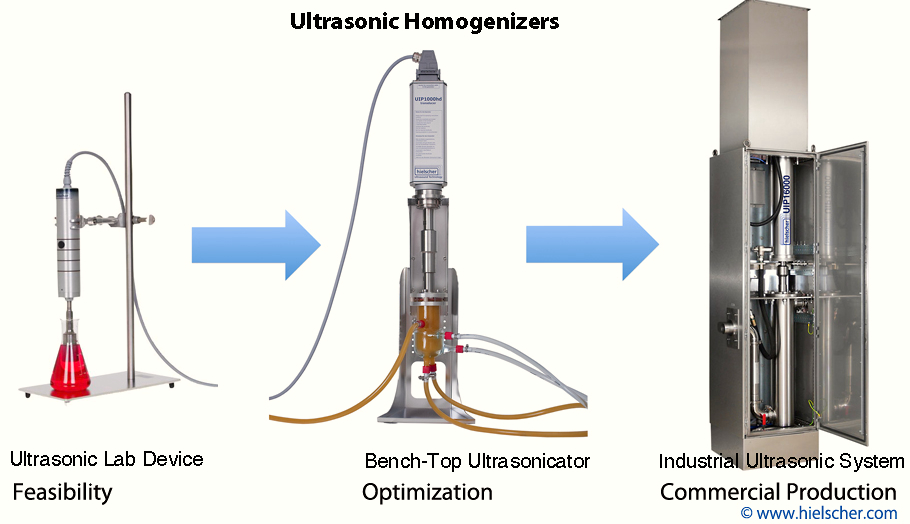
Hielscher Ultrasonics sản xuất homogenizers siêu âm hiệu suất cao từ phòng thí nghiệm đến quy mô công nghiệp.