Izmantotā katalizatora reaktivizācija, izmantojot ultraskaņas apstrādi
Izlietoto katalizatoru reaktivizācija ir kļuvusi par svarīgu tēmu ilgtspējīgā ķīmiskajā pārstrādē, naftas pārstrādes rūpnīcu darbībā, naftas ķīmijā, vides katalīzē un aprites ekonomikas stratēģijās. Katalizatori ir būtiski efektīvām reakcijām, taču rūpnieciskas lietošanas laikā tie pakāpeniski zaudē aktivitāti koksa nogulšņu veidošanās, metālu saindēšanās, piesārņojuma, poru aizsprostošanās, aglomerācijas, virsmas pasivizācijas vai reakcijas blakusproduktu uzkrāšanās dēļ. Izlietoto katalizatoru nomaiņa ir dārga un resursu ietilpīga, savukārt to apglabāšana var radīt slogu videi. Izlietoto katalizatoru reģenerācija ar ultraskaņu ir vienkārša, taču ļoti efektīva metode, lai atjaunotu to katalizatoru aktivitāti, kuri lietošanas laikā ir pasivizējušies, saindējušies vai nosēdušies.
Izmantotā katalizatora reaktivizācija, izmantojot ultraskaņas apstrādi
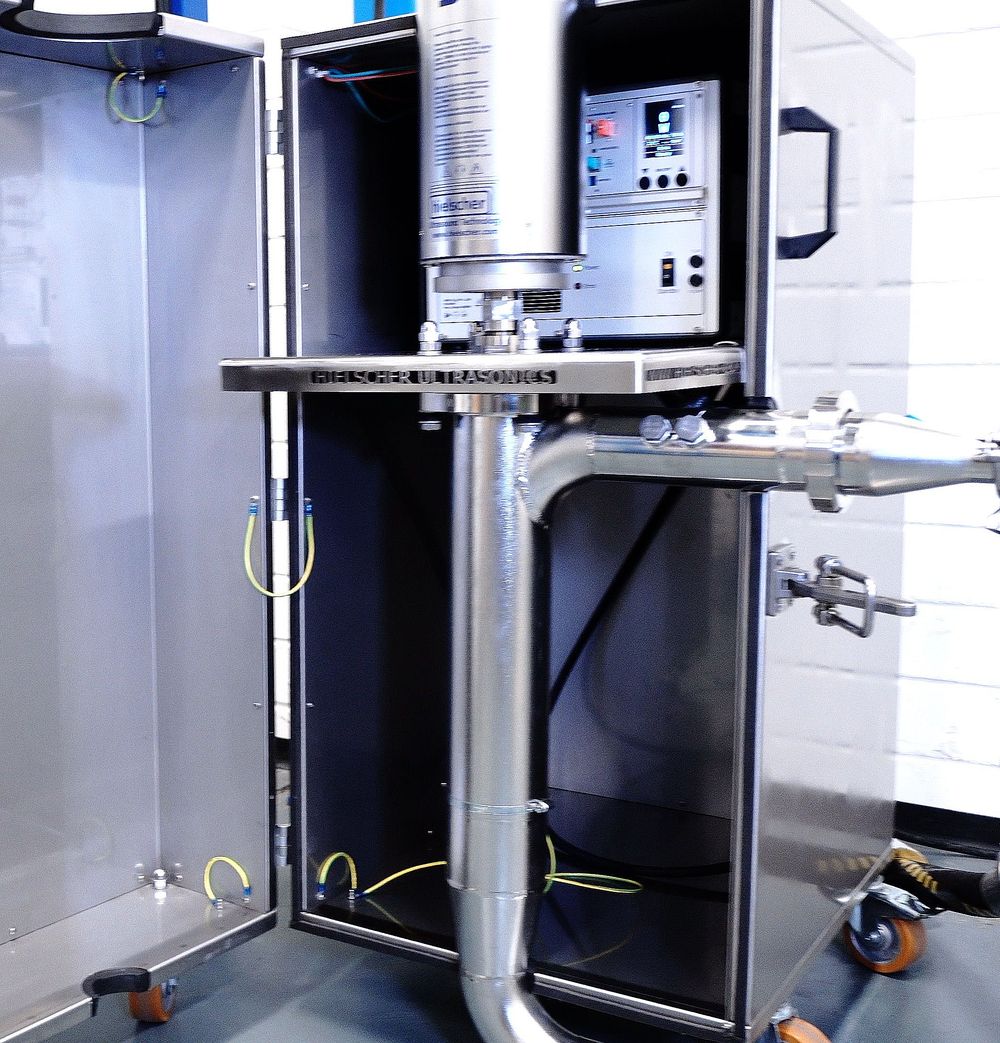 Ultraskaņas apstrāde, kas pazīstama arī kā ultraskaņas terapija, piedāvā zinātniski pamatotu un tehniski pievilcīgu metodi izlietoto katalizatoru reģenerācijai un reaktivizācijai. Pielietojot lieljaudas ultraskaņu katalizatoru suspensijām, šķidrajā vidē rodas intensīva akustiskā kavitācija. Kavitācijas burbuļu sabrukums rada lokalizētus mikrostrūklas, triecienviļņus, šķērsspēkus un ļoti turbulentu mikrosajaukšanu. Šie efekti var attīrīt katalizatora virsmas, atbrīvot nogulsnes, uzlabot reaģentu piekļuvi bloķētajām porām un veicināt ķīmiskās izskalošanas vai oksidatīvās reģenerācijas procesus.
Nesen veiktie pētījumi par izlietotiem šķidruma katalītiskās krekinga katalizatoriem liecina, ka ar ultraskaņas palīdzību veikta reģenerācija var uzlabot kaitīgo metālu izdalīšanu, vienlaikus palīdzot saglabāt zeolīta struktūru un katalizatora daļiņu mikrostruktūru. Pētījumos ir ziņots arī par ultraskaņas palīdzību uzlabotu tādu metālu kā niķeļa reģenerāciju no izlietotajiem katalizatoriem, kur ultraskaņas apstrāde paātrina ekstrakciju, izmantojot akustiskās kavitācijas fizikālos un ķīmiskos efektus.
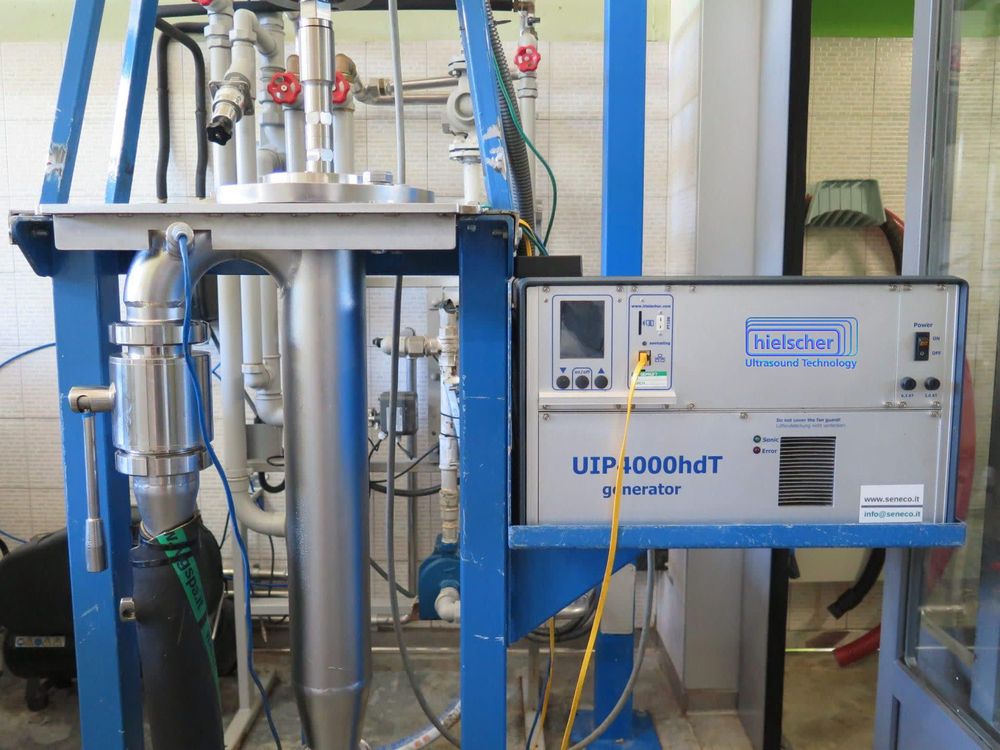
Iebūvētais ultraskaņas ģenerators UIP4000hdT izlietoto katalizatoru rūpnieciskai pārstrādei
Kāpēc ultraskaņas apstrāde ir efektīva izlietoto katalizatoru reaktivācijai
Ultraskaņas izmantošanas zinātniskā nozīme slēpjas tās spējā pastiprināt heterogēnus cietvielu un šķidrumu mijiedarbības procesus. Katalizatora reģenerāciju bieži ierobežo vāja masas pārnese, aizsērējušas poras, pasivizētas virsmas un tīrīšanas vai izskalošanas līdzekļu lēnā difūzija katalizatora struktūrā. Ultraskaņa novērš šos ierobežojumus, izmantojot mehāniskus un fizikāli ķīmiskus mehānismus.
Galvenās ultraskaņas apstrādes priekšrocības ir šādas:
Ultraskaņas nozīme neaprobežojas tikai ar fizisko tīrīšanu. Sonohimijā kavitācija var radīt ārkārtēji ekstremālus lokālos apstākļus un reaktīvas vides, kas var veicināt oksidēšanu, virsmas modifikāciju vai ķīmiskās ekstrakcijas posmus. Tādējādi ultraskaņa var palielināt katalizatoru aktīvo virsmu, samazināt cietu disperģētu katalizatoru nosēdumu veidošanos un veicināt tīrīšanu katalizatoru pārstrādes procesos.
Nozīme rūpniecībā: no katalizatora attīrīšanas līdz funkcionālajai reaktivācijai
Izlietotā katalizatora reaktivācija ir kas vairāk nekā vienkārši apkopes darbs. Tas ir zinātniski nozīmīgs veids, kā uzlabot katalizatora darbības rādītājus visā tā ekspluatācijas ciklā. Reģenerētajam katalizatoram ir jābūt ne tikai vizuāli tīram, bet tam ir jāatgūst arī nozīmīga katalītiskā funkcija. Tas prasa atjaunot pieejamos aktīvos centrus, virsmas skābumu vai bāziskumu, porainību, dispersiju un reakcijas efektivitāti.
Ultraskaņas apstrāde ir nozīmīga, jo tā iedarbojas vairākos katalizatora reģenerācijas kritiskajos posmos:
Virsma: Tas noņem pasivizācijas slāņus un atklāj aktīvās vietas.
Poras: Tas veicina bloķēto mezoporu un mikroporu atvēršanos.
Daļiņas: Tas izkliedē aglomerātus un uzlabo suspensijas viendabīgumu.
Process: Tas pastiprina šķidruma un cietvielas saskari un uzlabo ķīmisko reģenerācijas materiālu efektivitāti.
Ilgtspēja: Tas veicina atkārtotu izmantošanu, metāla reģenerāciju un atkritumu daudzuma samazināšanu.
 Nesen veiktajā pētījumā par izlietoto šķidruma katalītiskās krekinga (FCC) katalizatoru reģenerāciju, izmantojot ultraskaņu un oksidāciju, tika ziņots, ka ar ultraskaņu atbalstīti uzlaboti oksidācijas procesi palielināja katalizatora skābumu un ļāva reģenerēto katalizatoru izmantot glicerīna monostearāta sintēzē. (sk. Anggoro et al., 2026)
Vēl viens pētījums parādīja, ka iegremdēšana atšķaidītā sērskābē un turpmāka ultraskaņas palīdzībā veikta izskalošana sērskābes un skābeņskābes maisījumā ievērojami uzlabo kaitīgo metālu izdalīšanos no izlietotā FCC katalizatora, nesabojājot zeolīta Y struktūru un izlietotā katalizatora daļiņu mikrostruktūru. Salīdzinājumā ar tradicionālo izskalošanu ultraskaņas palīdzībā veiktajai izskalošanai ir nepieciešama tikai 1/4 daļa laika, lai sasniegtu gandrīz tādu pašu kaitīgo metālu noņemšanas efektu, un tai ir ievērojamas priekšrocības daļiņu integritātes saglabāšanā (sk. Wang et al., 2021).
Ultraskaņas izmantošana katalizatoru pārstrādē un metālu reģenerācijā
Izlietotajos katalizatoros bieži vien ir vērtīgi metāli, piemēram, niķelis, vanādijs, molibdēns, kobalts, platīna grupas metāli vai reti metāli, atkarībā no katalizatora veida un rūpnieciskās pielietojamības. Ultraskaņas apstrāde var veicināt gan katalizatora reaktivizāciju, gan resursu reģenerāciju. Ultraskaņas palīdzībā veiktajā izskalošanā kavitācija uzlabo izskalošanas šķīduma iekļūšanu, noņem robežslāņus ap daļiņām un atklāj jaunas virsmas reakcijai.
Tāpēc ultraskaņa ir īpaši interesanta:
- Naftas pārstrādes rūpnīcā izmantotie katalizatori
- FCC katalizatori
- Hidroapstrādes un hidrodesulfurizācijas katalizatori
- Fišera-Tropša katalizatori
- Metāla katalizatori uz nesējvielas
- Vides katalizatori
- Aktīvā ogle un adsorbenta-katalizatora sistēmas
- Ar metālu piesārņoti vai nosēdumiem pārklāti heterogēnie katalizatori

Sonicator UP400St ar plūsmas šūnas iestatīšanu
Hielscher ultraskaņas iekārtu tehniskās priekšrocības izlietoto katalizatoru pārstrādē
Hielscher lieljaudas ultraskaņas iekārtas ir īpaši piemērotas izlietoto katalizatoru pārstrādei un reaktivācijai, jo tās nodrošina kontrolētu, reproducējamu un mērogojamu ultraskaņas enerģijas pievadi šķidruma un cietvielu suspensijās. Katalizatoru reģenerācijai būtiska nozīme ir procesa uzticamībai: amplitūda, jauda, uzturēšanās laiks, plūsmas ātrums, temperatūra, spiediens un reaktora ģeometrija ir jāvar regulēt un jābūt reproducējamiem gan laboratorijas apstākļos, gan rūpnieciskā ražošanā.
Hielscher piedāvā ultraskaņas sistēmas — sākot no kompaktiem laboratorijas aparātiem līdz rūpnieciskām iekārtām, tostarp zondes tipa ultraskaņas ģeneratorus un caurplūdes ultraskaņas reaktorus nepārtrauktai apstrādei. Hielscher ultraskaņas ģeneratoru klāsts ietver gan mazus laboratorijas aparātus, gan rūpnieciskas iekārtas, piemēram, 500 W, 1 000 W, 2 000 W, 4 000 W, 6 000 W un 16 000 W ierīcēm, kas ļauj paplašināt darbību no realizējamības pārbaudēm līdz katalizatoru apstrādei ražošanas līmenī.
Izmantoto katalizatoru pārstrādei raksturīgās tehniskās priekšrocības ir šādas:
- Augstas intensitātes ultraskaņas apstrāde ar zondi efektīvai kavitācijai abrazīvos katalizatoru šķidros maisījumos
- Plūsmas caurplūdes reaktoru varianti nepārtrauktiem reģenerācijas, izskalošanas, mazgāšanas vai disperģēšanas procesiem
- Precīza amplitūdas kontrole, lai nodrošinātu atkārtojamus procesa apstākļus
- Mērogojama iekārtu arhitektūra — no laboratorijas skrīninga līdz rūpnieciskai katalizatoru pārstrādei
- Izturīgs rūpnieciskais dizains, kas piemērots prasīgām ķīmiskās pārstrādes vidēm
- Savietojamība ar sonohimiskajiem procesiem, piemēram, skābes izskalošanu, oksidatīvo attīrīšanu, dispersiju un virsmas aktivizēšanu
Šīs īpašības padara Hielscher ultraskaņas iekārtas par praktisku tehnoloģisko platformu uzņēmumiem un pētniecības iestādēm, kas izstrādā modernus katalizatoru reģenerācijas protokolus, neatkarīgi no tā, vai mērķis ir atjaunot katalītisko aktivitāti, atgūt vērtīgos metālus, samazināt atkritumu apjomu vai uzlabot katalītiskās ražošanas ilgtspējību.

Ultraskaņas homogenizators UIP2000hdT katalizatora reģenerācijai caurplūdes procesā
Ilgtspējīga tehnoloģija aprites ekonomikas katalizatoru nozarē
Tā kā rūpniecības nozares virzās uz videi draudzīgāku ražošanu un resursu efektivitāti, izlietoto katalizatoru apsaimniekošana kļūst par stratēģisku prioritāti. Ultraskaņas apstrāde atbalsta šo pāreju, padarot katalizatoru reaktivizāciju ātrāku, efektīvāku un tehniski labāk kontrolējamu. Tā vietā, lai izlietotos katalizatorus uzskatītu par atkritumiem, ultraskaņas apstrāde palīdz tos pārvērst par atkārtoti izmantojamiem materiāliem vai vērtīgiem sekundāro izejvielu avotiem.
Ultraskaņas izmantošanas nozīme rūpniecībā slēpjas tās spējā vienā procesā apvienot mehānisko aktivizēšanu, virsmas tīrīšanu, dispersiju un masas pārneses intensifikāciju. Rūpnieciskajiem lietotājiem priekšrocības ir tikpat acīmredzamas: uzlabota katalizatora atkārtota izmantošana, samazināts izejvielu patēriņš, mazāks atkritumu daudzums un potenciāli zemākas ekspluatācijas izmaksas.
Izmantojiet ultraskaņas katalizatora reģenerācijas priekšrocības
 Izlietoto katalizatoru reaktivizācija, izmantojot ultraskaņas apstrādi, ir progresīva pieeja katalizatoru pārstrādei ar lielu zinātnisko un rūpniecisko potenciālu. Akustiskā kavitācija ļauj noņemt nogulsnes, atvērt aizsprostotus porus, uzlabot masas pārnesi un pastiprināt ķīmiskās reģenerācijas posmus. Kombinācijā ar piemērotām izskalošanas, oksidācijas, mazgāšanas vai termiskām metodēm ultraskaņas apstrāde var palīdzēt atjaunot katalizatora aktivitāti un atgūt vērtīgos metālus.
Piedāvājot mērogojamus lieljaudas ultraskaņas ģeneratorus un rūpnieciskos ultraskaņas plūsmas reaktorus, uzņēmums „Hielscher“ nodrošina tehnisko pamatu uzticamu, reproducējamu un efektīvu izlietoto katalizatoru reģenerācijas procesu izstrādei. Tā kā katalizatoru pārstrāde kļūst arvien svarīgāka ilgtspējīgai ķīmijai un aprites ekonomikas principiem atbilstošai rūpnieciskajai ražošanai, ultraskaņas apstrāde kļūst par spēcīgu instrumentu katalizatoru kalpošanas laika pagarināšanai un resursu izmantošanas efektivitātes uzlabošanai.
Zemāk redzamajā tabulā ir sniegta norāde par mūsu ultrasonikatoru aptuveno apstrādes jaudu:
| Partijas apjoms | Plūsmas ātrums | Ieteicamās ierīces |
|---|---|---|
| 1 līdz 500 ml | 10 līdz 200 ml/min | UP100H |
| 10 līdz 2000 ml | 20 līdz 400 ml/min | UP200Ht, UP400St |
| 0.1 līdz 20L | 02 līdz 4 l/min | UIP2000hdT |
| 10 līdz 100L | 2 līdz 10L/min | UIP4000hdT |
| 15 līdz 150L | 3 līdz 15L/min | UIP6000hdT |
| n.p. | 10 līdz 100L/min | UIP16000hdT |
| n.p. | Lielāku | kopa UIP16000hdT |
Projektēšana, ražošana un konsultācijas – Kvalitāte ražots Vācijā
Hielscher ultrasonikatori ir labi pazīstami ar saviem augstākajiem kvalitātes un dizaina standartiem. Robustums un viegla darbība ļauj vienmērīgi integrēt mūsu ultrasonikatorus rūpnieciskajās iekārtās. Hielscher ultrasonikatori viegli apstrādā neapstrādātus apstākļus un prasīgu vidi.
Hielscher Ultrasonics ir ISO sertificēts uzņēmums un īpašu uzsvaru liek uz augstas veiktspējas ultrasonikatoriem, kas piedāvā vismodernākās tehnoloģijas un lietotājdraudzīgumu. Protams, Hielscher ultrasonikatori atbilst CE prasībām un atbilst UL, CSA un RoHs prasībām.

Hielscher Ultrasonics ražo augstas veiktspējas ultraskaņas homogenizatorus sajaukšanas lietojumiem, dispersijai, emulgācijai un ekstrakcijai laboratorijā, izmēģinājuma un rūpnieciskā mērogā.
Biežāk uzdotie jautājumi
Kas ir katalizators?
Katalizators ir viela, kas paātrina ķīmiskās reakcijas norisi, samazinot aktivācijas enerģiju, un kas reakcijas laikā netiek patērēta stehiometriski. Tas nodrošina alternatīvu reakcijas gaitu un bieži vien to var izmantot atkārtoti.
Kas ir izlietots katalizators?
Izlietotais katalizators ir katalizators, kas pēc lietošanas ir zaudējis daļu vai visu savu katalītisko aktivitāti, selektivitāti vai stabilitāti. Deaktivācija var rasties piesārņojuma, koksa nogulšņu veidošanās, saindēšanās, aglomerācijas, izskalošanās vai struktūras sabrukuma dēļ.
Kas ir izlietots FCC katalizators?
Izlietotais FCC katalizators ir deaktivēts katalizators, kas iegūts no šķidrās katalītiskās krekinga procesa naftas pārstrādē. FCC katalizatori parasti ir uz zeolīta bāzes veidoti materiāli, ko izmanto smago ogļūdeņražu krekingam, lai iegūtu vieglākus produktus, piemēram, benzīnu, olefīnus un sašķidrināto naftas gāzi (LPG). Tie kļūst izlietoti koksnes veidošanās, metālu piesārņojuma, hidrotermiskās degradācijas, kā arī skābuma vai virsmas laukuma zuduma dēļ.
Kā tiek patērēti katalizatori?
Katalizatori netiek patērēti ideālā stehiometriskā nozīmē, taču to darbības laikā tie var tikt deaktivēti vai fiziski zaudēti. Bieži sastopamie mehānismi ietver:
- Intoksikācija: piesārņotāju neatgriezeniska adsorbcija uz aktīvajām vietām.
- Nogulšņu veidošanās/koksa veidošanās: oglekļa saturoša viela, nogulsnējoties, aizsprosto poras un aktīvās vietas.
- Sinterēšana: Augstas temperatūras dēļ aktīvās daļiņas salipst kopā, samazinot virsmas laukumu.
- Izskalošanās: aktīvās sastāvdaļas izšķīst reakcijas vidē.
- Darbinieku dabiskā atlase: Mehāniska berze sadala katalizatora daļiņas, it īpaši cirkulācijas slāņos.
- Pārveidošanas fāze: katalizatora struktūra pārveidojas par mazāk aktīvu formu.
Kādi ir četri katalizatoru veidi?
Četri visbiežāk izšķirtie veidi ir:
Literatūra / Atsauces
- Darbandi, M., Moghaddasfar, A., Eynollahi, M. et al. (2025): Sustainable approach with enhanced removal performance of organic pollutant for wastewater treatment by ultrasonically regenerated mesoporous nickel oxide nanoparticles. Int. J. Environ. Sci. Technol. 22, 3495–3504 (2025).
- Anggoro D.D., Buchori L., Rinaldi N., Silviana S., Le Monde B.U., Putra M.F., Zainol, M.M. (2026): Hybrid Ultrasound and Advanced Oxidation Process Regeneration of Spent FCC Catalysts: Optimization and Their Catalytic Performance. Journal of Engineering and Technological Sciences, 58(2), 227–242.
- Xin Pu, Jin-ning Luan, Li Shi (2012): Reuse of Spent FCC Catalyst for Removing Trace Olefins from Aromatics. Bulletin of Korean Chemical Society 2012, Vol. 33, No. 8.
- augsta efektivitāte
- vismodernākās tehnoloģijas
- uzticamība & Stabilitāti
- regulējama, precīza procesa vadība
- Partijas & Iekļautās
- jebkuram sējumam
- inteliģenta programmatūra
- viedās funkcijas (piemēram, programmējamas, datu protokolēšana, tālvadība).
- viegli un droši lietojams
- zema apkope
- CIP (tīrā vietā)
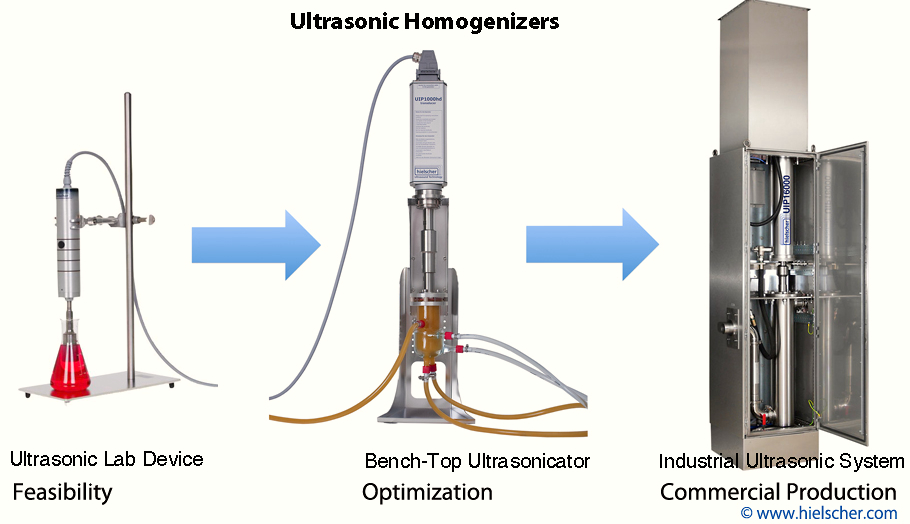
Hielscher Ultrasonics ražo augstas veiktspējas ultraskaņas homogenizatorus no Lab līdz rūpnieciskais izmērs.