Reaktivacija iskorištenog katalizatora pomoću sonikacije
The reactivation of spent catalysts has become an important topic in sustainable chemical processing, refinery operations, petrochemistry, environmental catalysis, and circular-economy strategies. Catalysts are essential for efficient reactions, but during industrial use they gradually lose activity due to coke deposition, metal poisoning, fouling, pore blockage, sintering, surface passivation, or the accumulation of reaction by-products. Replacing spent catalysts is costly and resource-intensive, while disposal can create environmental burdens. Ultrasonic regeneration of spent catalysts is a simple yet highly efficient technique for reactivating catalysts that have been passivated, poisoned, or fouled during use.
Reaktivacija iskorištenog katalizatora pomoću sonikacije
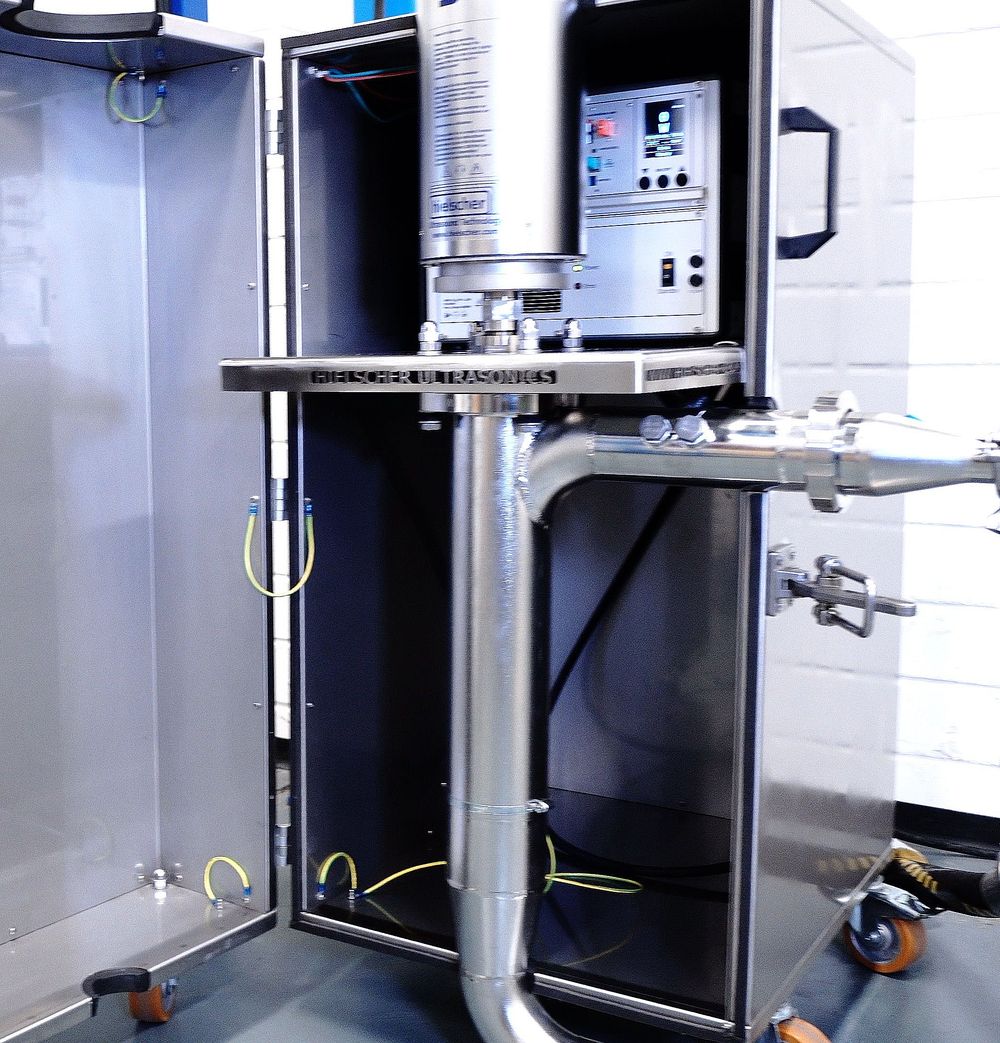 Sonication, also known as ultrasonic treatment, offers a scientifically relevant and technically attractive method for regenerating and reactivating spent catalysts. By applying high-power ultrasound to catalyst suspensions, intense acoustic cavitation is generated in the liquid medium. The collapse of cavitation bubbles produces localized microjets, shockwaves, shear forces, and highly turbulent micro-mixing. These effects can clean catalyst surfaces, dislodge deposits, improve reagent access to blocked pores, and support chemical leaching or oxidative regeneration processes.
Nedavna istraživanja katalizatora za katalitički kraking s iskorištenom tekućinom pokazala su da ultrazvučna regeneracija može poboljšati uklanjanje štetnih metala, istovremeno pomažući u očuvanju zeolitnog okvira i mikrostrukture katalizatorskih čestica. Studije su također izvijestile o ultrazvučnim oporavku metala poput nikla iz istrošenih katalizatora, pri čemu sonikacija ubrzava ekstrakciju kroz fizičke i kemijske učinke akustične kavitacije.
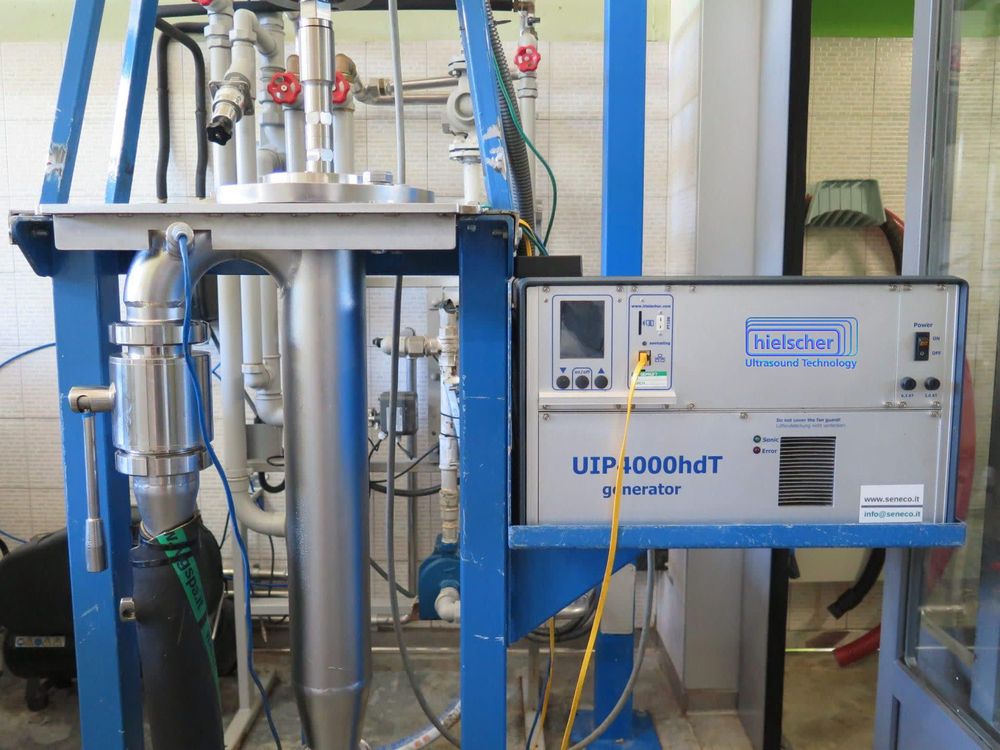
Inline sonicator UIP4000hdT za industrijsku regeneraciju potrošenih katalizatora
Zašto je sonikacija učinkovita za reaktivaciju potrošenog katalizatora
Znanstvena važnost sonikacije leži u njezinoj sposobnosti da intenzivira heterogene procese kruto-tekućina. Regeneracija katalizatora često je ograničena lošim prijenosom mase, začepljenim porama, pasiviziranim površinama i sporom difuzijom sredstava za čišćenje ili luženje u strukturi katalizatora. Ultrazvuk rješava ta ograničenja kroz mehaničke i fizikalno-kemijske mehanizme.
Ključne prednosti sonikacije uključuju:
Važnost ultrazvuka nije ograničena samo na fizičko čišćenje. U sonokemiji, kavitacija može stvoriti ekstremne lokalne uvjete i reaktivna okruženja, što može pomoći u oksidaciji, modifikaciji površine ili kemijskim ekstrakcijskim koracima. Time ultrazvuk može povećati aktivnu površinu katalizatora, smanjiti taloženje čvrstih dispergiranih katalizatora i pridonijeti čišćenju tijekom procesa recikliranja katalizatora.
Industrijska relevantnost: Od čišćenja katalizatora do funkcionalne reaktivacije
Reaktivacija potrošenog katalizatora nije samo operacija održavanja. To je znanstveno značajan put za poboljšanje performansi tijekom životnog ciklusa katalizatora. Regenerirani katalizator ne smije samo izgledati čisto; mora povratiti značajnu katalitičku funkciju. To zahtijeva obnovu dostupnih aktivnih mjesta, površinske kiselosti ili baznosti, poroznosti, disperzije i reakcijskih performansi.
Ultrazvučni tretman je relevantan jer djeluje na nekoliko kritičnih razina katalizatorske regeneracije:
Površina: Uklanja pasivirajuće slojeve i izlaže aktivna mjesta.
Pore: Podržava ponovno otvaranje začepljenih mezopora i mikropora.
Čestice: Raspršuje aglomerate i poboljšava homogenost suspenzije.
Proces: Intenzivira kontakt tekućina i čvrsta tvar i poboljšava učinkovitost kemijskih regeneracijskih medija.
Održivost: Podržava ponovnu upotrebu, oporavak metala i minimizaciju otpada.
 Nedavna studija o ultrazvučnoj i oksidacijskoj regeneraciji istrošenih katalizatora Fluidnog katalitičkog pucanja (FCC) izvijestila je da su procesi napredne oksidacije potpomognuti ultrazvukom povećali kiselost katalizatora i omogućili da se regenerirani katalizator koristi u sintezi glicerol monostearata. (usp. Anggoro i sur., 2026)
Another study demonstrated the immersion in dilute sulfuric acid and subsequent ultrasonically-assisted leaching in a mixture of sulfuric acid and oxalic acid improves the removal of harmful metals in spent FCC catalyst significantly without destroying the zeolite Y framework and the microstructure of spent catalyst particle. Compared with conventional leaching, ultrasonic assisted leaching only needs 1/4 of the time to achieve much the same harmful metal removal effect and has superior advantages in retaining the integrity of particles. (cf. Wang et al, 2021).
Sonication in Catalyst Recycling and Metal Recovery
Istrošeni katalizatori često sadrže vrijedne metale poput nikla, vanada, molibdena, kobalta, metala iz platinaste skupine ili rijetkih metala, ovisno o vrsti katalizatora i industrijskoj primjeni. Sonication može podržavati i reaktivaciju katalizatora i oporavak resursa. Kod ultrazvučno potpomognutog luženja, kavitacija poboljšava prodiranje otopine za ispiranje, uklanja granične slojeve oko čestica i izlaže svježe površine za reakciju.
To čini ultrazvuk posebno zanimljivim za:
- Katalizatore iskorištene iz rafinerije
- FCC katalizatore
- Hidroobradu i katalizatore za hidrodesulfurizaciju
- Fischer-Tropsch katalizatori
- Katalizatore podržanih metala
- Katalizatore iz okoliša
- Sustave aktivnog ugljena i adsorbent-katalizatora
- Heterogeni katalizatori kontaminirani metalima ili zaprljani

Sonikator UP400St s postavkom protočnih ćelija
Tehnički Prednosti Hielscher Sonicatora za recikliranje potrošenih katalizatora
Hielscher high-power sonicators are well suited for the recycling and reactivation of spent catalysts because they deliver controlled, reproducible, and scalable ultrasonic energy into liquid-solid suspensions. For catalyst regeneration, process reliability is essential: amplitude, power input, residence time, flow rate, temperature, pressure, and reactor geometry must be adjustable and reproducible from laboratory trials to industrial throughput.
Hielscher nudi ultrazvučne sustave od kompaktnih laboratorijskih uređaja do industrijskih jedinica, uključujući sonikatore s sondom i ultrazvučne reaktore s protokom za kontinuiranu obradu. Hielscherovi sonikatori kreću se od malih laboratorijskih jedinica do industrijskih procesora poput uređaja od 500 W, 1.000 W, 2.000 W, 4.000 W, 6.000 W i 16.000 W, omogućujući skaliranje od testiranja izvedivosti do obrade katalizatora na razini proizvodnje.
Za recikliranje iskorištenih katalizatora, tehničke prednosti uključuju:
- Ultrazvučna sonikacija visoke intenzitete za učinkovitu kavitaciju u abrazivnim suspenzijama katalizatora
- Opcije reaktora s protokom za kontinuiranu regeneraciju, luženje, pranje ili procese disperzije
- Precizna kontrola amplitude za ponovljive uvjete procesa
- Skalabilna arhitektura opreme od laboratorijskog testiranja do industrijskog recikliranja katalizatora
- Robustan industrijski dizajn za zahtjevna okruženja kemijske obrade
- Kompatibilnost sa sonokemijskim procesima poput kiselinskog luženja, oksidativnog čišćenja, disperzije i aktivacije površine
Ove značajke čine Hielscher sonikatore praktičnom tehnološkom platformom za tvrtke i istraživačke institucije koje razvijaju napredne protokole regeneracije katalizatora, bilo da je cilj obnoviti katalitičku aktivnost, oporaviti vrijedne metale, smanjiti volumen otpada ili poboljšati održivost proizvodnje katalizatora.

Ultrazvučni homogenizator UIP2000hdT za regeneraciju katalizatora u procesu protoka
Održiva tehnologija za kružnu katalizatorsku ekonomiju
Kako industrije prelaze na čišću proizvodnju i učinkovitost resursa, upravljanje potrošenim katalizatorima postaje strateški prioritet. Sonication podržava ovu tranziciju čineći reaktivaciju katalizatora bržom, učinkovitijom i tehnički lakšom za upravljanje. Umjesto da se iskorišteni katalizatori tretiraju kao otpad, ultrazvučna obrada pomaže u njihovoj transformaciji u višekratne materijale ili vrijedne sekundarne izvore sirovina.
Industrijska relevantnost sonikacije leži u njenoj sposobnosti da u jednom procesu kombinira mehaničku aktivaciju, čišćenje površine, disperziju i intenziviranje prijenosa tvari. Za industrijske korisnike prednost je jednako jasna: poboljšana ponovna upotreba katalizatora, smanjena potrošnja sirovina, manja produkcija otpada i potencijalno niži operativni troškovi.
Iskoristite prednosti ultrazvučne regeneracije katalizatora
 Reaktivacija iskorištenih katalizatora pomoću sonikacije napredan je pristup recikliranju katalizatora s jakim znanstvenim i industrijskim potencijalom. Akustična kavitacija omogućuje uklanjanje naslaga, ponovno otvaranje začepljenih pora, poboljšanje prijenosa tvari i intenziviranje koraka kemijske regeneracije. Kada se kombinira s odgovarajućim strategijama izluživanja, oksidacije, pranja ili termičke obrade, ultrazvučni tretman može doprinijeti obnavljanju aktivnosti katalizatora i povratu vrijednih metala.
Uz skalabilne sonikatore velike snage i industrijske ultrazvučne reaktore protoka, Hielscher pruža tehničku osnovu za razvoj pouzdanih, ponovljivih i učinkovitih procesa regeneracije potrošenih katalizatora. Kako recikliranje katalizatora postaje sve važnije za održivu kemiju i kružnu industrijsku proizvodnju, sonikacija se pojavljuje kao moćan alat za produljenje vijeka trajanja katalizatora i poboljšanje učinkovitosti resursa.
Donja tablica daje vam naznaku približnog kapaciteta obrade naših ultrazvučnih uređaja:
| Volumen serije | Protok | Preporučeni uređaji |
|---|---|---|
| 1 do 500 ml | 10 do 200 ml/min | UP100H |
| 10 do 2000 ml | 20 do 400 ml/min | UP200Ht, UP400St |
| 0.1 do 20L | 0.2 do 4L/min | UIP2000hdT |
| 10 do 100l | 2 do 10L/min | UIP4000hdT |
| 15 do 150L | 3 do 15L/min | UIP6000hdT |
| na | 10 do 100L/min | UIP16000hdT |
| na | veći | klaster od UIP16000hdT |
Projektiranje, proizvodnja i savjetovanje – Kvaliteta Proizvedeno u Njemačkoj
Hielscher ultrasonicators su poznati po svojim najvišim standardima kvalitete i dizajna. Robusnost i jednostavan rad omogućuju glatku integraciju naših ultrazvučnih uređaja u industrijske objekte. Teški uvjeti i zahtjevna okruženja lako se nose s Hielscher ultrasonicators.
Hielscher Ultrasonics je ISO certificirana tvrtka i stavlja poseban naglasak na ultrazvučne uređaje visokih performansi koji sadrže najsuvremeniju tehnologiju i jednostavnu su za korištenje. Naravno, Hielscher ultrasonicators sukladni su CE i ispunjavaju zahtjeve UL, CSA i RoHs.

Hielscher Ultrasonics proizvodi visokoučinkovite ultrazvučne homogenizatore za aplikacije miješanja, disperziju, emulzifikaciju i ekstrakciju u laboratorijskim, pilotskim i industrijskim razmjerima.
Često postavljana pitanja
Što je katalizator?
Katalizator je tvar koja povećava brzinu kemijske reakcije snižavanjem energije aktivacije, a da pri tome nije stehiometrijski potrošen u reakciji. Pruža alternativni put reakcije i često se može ponovno koristiti.
Što je potrošeni katalizator?
Iscrpljeni katalizator je katalizator koji je izgubio dio ili svu svoju katalitičku aktivnost, selektivnost ili stabilnost nakon upotrebe. Dezaktivacija može nastati zbog zaprljanja, taloženja ugljena, trovanja, sinteriranja, ispiranja ili strukturnog propadanja.
Što je iscrpljeni FCC katalizator?
Iscrpljeni FCC katalizator je dezaktivirani katalizator iz procesa fluidnog katalitičkog krakiranja u rafiniranju nafte. FCC katalizatori su obično materijali na bazi zeolita koji se koriste za krakiranje teških ugljikovodika u lakše proizvode poput benzina, olefina i LPG-a. Postaju iscrpljeni zbog nastajanja ugljena, kontaminacije metalima, hidrotermalnog propadanja i gubitka kiselosti ili površine.
Kako se katalizatori troše?
Katalizatori se ne troše u idealnom stehiometrijskom smislu, ali se mogu deaktivirati ili fizički izgubiti tijekom rada. Uobičajeni mehanizmi uključuju:
- Zatrovanje: ireverzibilna adsorpcija nečistoća na aktivna mjesta.
- Zagađenje/uhljikohidratacija: nakasnjenje ugljikohidratnog materijala blokira pore i aktivna mjesta.
- Sintranje: visoke temperature uzrokuju aglomeraciju aktivnih čestica, smanjujući površinsku površinu.
- Ispranje: aktivne komponente se otapaju u reakcijskom mediju.
- Habanje: mehaničko trošenje razbija čestice katalizatora, posebno u fluidiranim slojevima.
- Fazna transformacija: struktura katalizatora se mijenja u manje aktivan oblik.
Koje su četiri vrste katalizatora?
Četiri najčešće istaknute vrste su:
Literatura / Reference
- Darbandi, M., Moghaddasfar, A., Eynollahi, M. et al. (2025): Sustainable approach with enhanced removal performance of organic pollutant for wastewater treatment by ultrasonically regenerated mesoporous nickel oxide nanoparticles. Int. J. Environ. Sci. Technol. 22, 3495–3504 (2025).
- Anggoro D.D., Buchori L., Rinaldi N., Silviana S., Le Monde B.U., Putra M.F., Zainol, M.M. (2026): Hybrid Ultrasound and Advanced Oxidation Process Regeneration of Spent FCC Catalysts: Optimization and Their Catalytic Performance. Journal of Engineering and Technological Sciences, 58(2), 227–242.
- Xin Pu, Jin-ning Luan, Li Shi (2012): Reuse of Spent FCC Catalyst for Removing Trace Olefins from Aromatics. Bulletin of Korean Chemical Society 2012, Vol. 33, No. 8.
- visoka efikasnost
- Najnovija tehnologija
- pouzdanost & robusnost
- podesiva, precizna kontrola procesa
- serija & u redu
- za bilo koji volumen
- inteligentni softver
- pametne značajke (npr. programabilno, protokoliranje podataka, daljinsko upravljanje)
- jednostavan i siguran za rukovanje
- slabo održavanje
- CIP (čišćenje na mjestu)
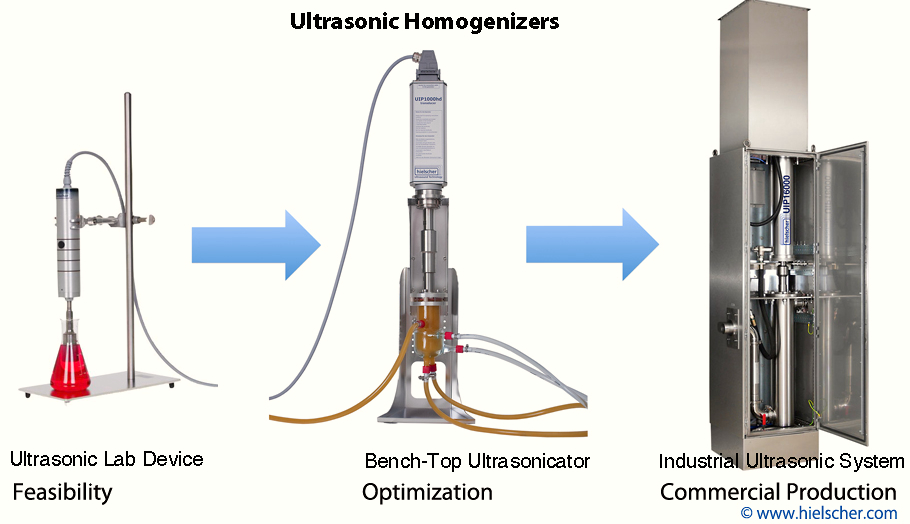
Hielscher Ultrasonics proizvodi ultrazvučne homogenizatore visokih performansi od laboratorija do industrijska veličina.