ملاتهای سیمان تقویتشده با نانو با پراکندگی اولتراسونیک
ملاتهای سیمان تقویتشده با نانومواد - پراکندگی و بازگروهبندی بهتر با سونیکاسیون سیمان تقویتشده با نانو&سونیکاسیون اولتراسونیک پراکندگی، لایهلایه شدن و بازگروهبندی گرافن، نانولولههای کربنی و نانومواد را در خمیرها و ملاتهای سیمان بهبود میبخشد. سونیکاتورهای هایلشر امکان فرمولهسازی سیمان با عملکرد بالا را از تحقیق و توسعه تا تولید صنعتی فراهم میکنند.
ملاتهای سیمان تقویتشده با نانومواد – پراکندگی و بازگروهبندی بهتر با سونیکاسیون
Nano-reinforced cement mortars and cement pastes offer a powerful route toward high-performance construction materials. By incorporating nanomaterials such as graphene, graphene oxide, carbon nanotubes (CNTs), nano-silica, nano-clays or other functional fillers, cementitious materials can be engineered for improved mechanical strength, crack resistance, durability, electrical conductivity, reduced permeability and enhanced long-term performance.
مشکل: پتانسیل کامل نانومواد در سیستمهای سیمان تنها زمانی حاصل میشود که ذرات بهطور یکنواخت پراکنده شوند. صفحات گرافن، بستههای CNT و دیگر نانو افزودنیها به دلیل نیروهای واندروال قوی، انرژی سطحی بالا و درهمتنیدگی تمایل به تشکیل توده دارند. همزدن معمولی، میکسینگ روتور-استاتور یا مخلوطسازی ساده پودر اغلب قادر به شکستن کافی این تودهها نیستند. نتیجه، توزیع ضعیف، نقاط ضعیف در ماتریس ملات، استفاده ناکارآمد از نانومواد گرانقیمت و خواص نامنسجم ماده است.
راه حل: سونیکاتورهای نوع پروب هایلشر، راهحلی کارآمد، مقیاسپذیر و صنعتی برای پراکندگی، لایهلایه کردن، ازهمگسیختگی و درهمآمیختگی عملکردی نانومواد در خمیرهای سیمان، فرمولبندیهای ملات و سوسپانسیونهای پیشماده ارائه میدهند. هایلشر پردازشگرهای اولتراسونیک برای پردازش مایعات از کارهای امکانسنجی آزمایشگاهی تا تولید مداوم صنعتی توسعه و تولید میکند و پرتفوی آن برای مقیاسبندی از سیستمهای فشرده آزمایشگاهی تا تجهیزات صنعتی با توان بالا طراحی شده است.

سونیکاتور صنعتی UIP16000hdT برای پراکندگی با توان بالا از نانومواد در خمیرهای سیمان
اهمیت پراکندگی نانومواد در ملاتهای سیمانی
Nanomaterials can significantly improve cementitious composites because they interact with the cement matrix at a very small length scale. Properly dispersed graphene, CNTs and other nanofillers can act as nucleation sites, bridge microcracks, refine pore structures and improve load transfer within the hardened matrix.
In practice, performance depends less on the nominal amount of nanomaterial added and more on the quality of dispersion. A small amount of well-dispersed graphene or CNTs may outperform a larger amount of poorly dispersed material. Agglomerates behave like defects rather than reinforcement. They reduce workability, create stress concentrations and limit the effective surface area of the additive.
Ultrasonic dispersion addresses this central formulation challenge. High-intensity ultrasound introduces strong localized shear forces, micro-mixing, shockwaves and liquid micro-jets through acoustic cavitation. These effects separate bundled nanomaterials, wet particle surfaces and distribute them evenly throughout the liquid phase before they are incorporated into cement powder, paste or mortar.
واجزدایی اولتراسوندی گرافن، CNTها و نانو افزودنیها
نانوصفحات گرافن، اکسید گرافن، گرافن اکسید کاهیده و نانولولههای کربنی بهویژه برای مواد سیمانی پیشرفته جذاب هستند. آنها میتوانند به مقاومت کششی، مقاومت خمشی، سختی شکست، رسانایی الکتریکی، رفتار حرارتی و دوام کمک کنند. در عین حال، آنها جزو دشوارترین افزودنیها برای پراکندگی هستند.
کاویتاسیون اولتراسوندی به غلبه بر نیروهای جاذبه بین ساختارهای نانومقیاس کمک میکند. در یک مایع سونیکه شده، حبابهای کاویتاسیون در حال فروپاشی انرژی موضعی شدیدی ایجاد میکنند. این میتواند خوشههای ذرات را از هم جدا کند، دستههای CNT را جدا کند، مواد لایهای را لایهلایه کند و توزیع نانوپرکنندهها را بهبود بخشد.
Key ultrasonic effects in nano-reinforced mortar production include:
- Deagglomeration: Breaking down clusters of graphene, CNTs, nano-silica or hybrid additives into smaller, more uniform particle distributions.
- پراکندگی: Homogeneously distributing nanomaterials in water, plasticizer solutions, admixture blends or cementitious slurries.
- Exfoliation: Separating layered materials such as graphite, graphene nanoplatelets or clays into thinner sheets with higher active surface area.
- Wetting and activation: Improving liquid contact with nanomaterial surfaces for better interaction with cement hydrates and admixtures.
- Entangling and network formation: Supporting the formation of distributed CNT or graphene networks that can enhance crack-bridging, conductivity and structural functionality.
- تکرارپذیری: Creating controlled process conditions for consistent formulations from lab trials to production scale.
Advantages of Ultrasonic Dispersion in Cement Pastes and Mortars
The economic and technical value of sonication is particularly strong in high-performance cement production. Nanomaterials are often expensive, and their benefit depends on using them efficiently. When sonication improves dispersion quality, formulators can often reduce overdosing, increase reproducibility and obtain stronger performance per kilogram of additive.
For producers of advanced mortars, repair materials, precast components, 3D-printable cementitious materials or specialty construction chemicals, ultrasonic processing can support:
- Higher compressive, flexural and tensile performance through improved nanofiller distribution.
- مقاومت و سختی بهتر در برابر ترک به دلیل تقویت میکروکارآمدتر.
- نفوذپذیری کمتر و دوام بهبود یافته با تصفیه ساختار حفرهها.
- کیفیت مواد یکنواختتر از دستهای به دسته دیگر.
- بهبود بهرهوری از مواد گرانقیمت مانند گرافن، CNTها و سایر نانو افزودنیها.
- غربالگری سریعتر فرمولاسیون و بهینهسازی فرآیند.
- تولید قابل ارتقاء از توسعه آزمایشگاهی تا فرآیند صنعتی پیوسته.
- کنترل بهتر پارامترهای فرآیند مانند دامنه، میزان انرژی ورودی، نرخ جریان، دما و زمان ماندگاری.
Hielscher ultrasonicators are designed for measurable and reproducible energy transfer into liquids, suspensions and slurries. The same core sonication mechanism can be used across power classes, allowing customers to develop process parameters at small scale and then transfer them into larger bench-top, pilot or industrial systems.
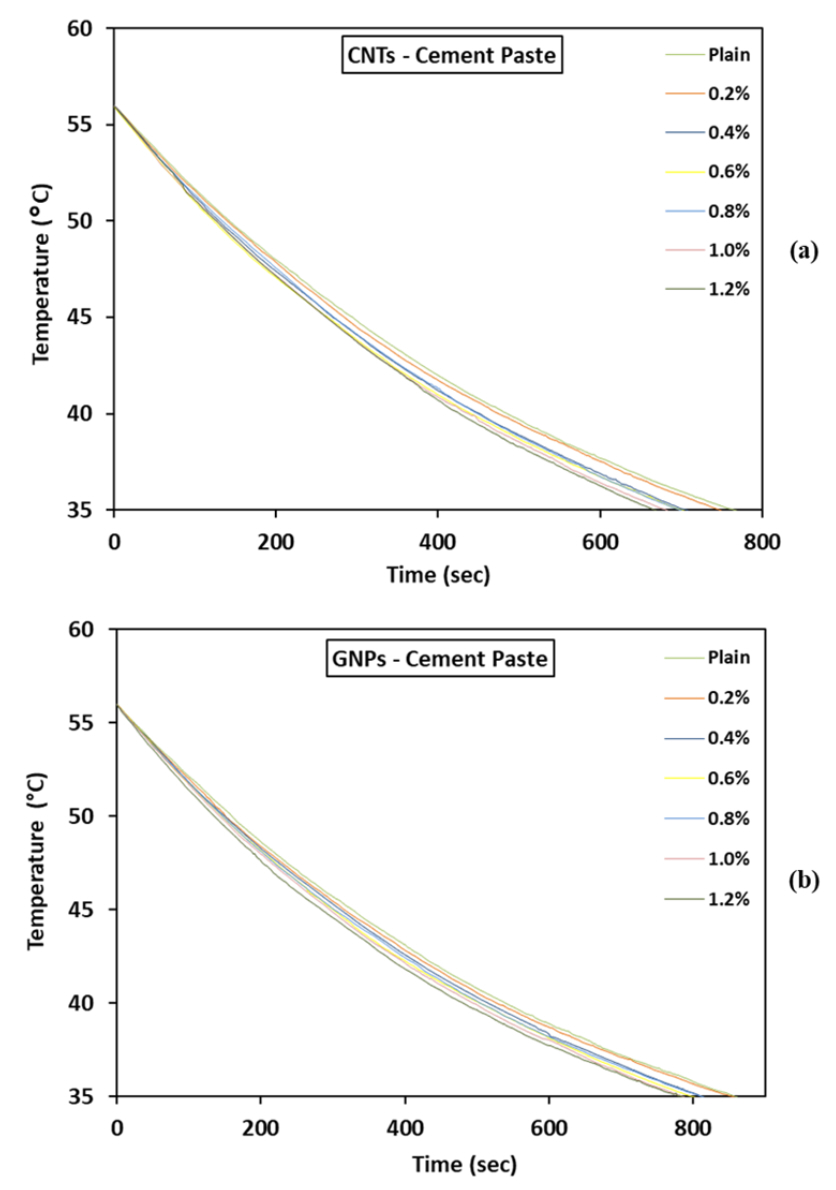
Infrared thermographs of nano-modified cement paste reinforced with (a) CNTs and (b) GNPs. CNT and graphene were dispersed with sonicator UP400S.
Study and graphs: ©Farmaki et al., 2025
Sonication Before Cement Addition: The Preferred Process Route
For many nano-reinforced cement formulations, the most effective approach is to disperse the nanomaterial in the liquid phase first. This may be water, superplasticizer solution, surfactant-containing dispersant, polymer admixture, silica sol or another liquid component of the mortar formulation.
A typical ultrasonic process route is:
- Add graphene, CNTs or other nanomaterials to the liquid phase.
- Pre-wet the powder or nanofiller under moderate mixing.
- Apply high-intensity ultrasonication to deagglomerate and disperse the material.
- Control temperature if required.
- Add the sonicated nanodispersion to cement, sand and other mortar components.
- Mix to the final paste or mortar consistency.
این مسیر کنترل بهتری نسبت به اختلاط خشک نانوذرات در پودر سیمان فراهم میکند. همچنین احتمال اینکه نانومواد از پیش جدا شده، مرطوب و به طور یکنواخت قبل از آغاز هیدراسیون و گیرش توزیع شده باشند را افزایش میدهد.

پروب نوع فراصوت UP400St برای پراکندگی دوغاب سیمان ریز ریز
(مطالعه و تصویر: ©دراگانوویچ و همکاران، 2020)
مزایای اقتصادی برای تولید سیمان با عملکرد بالا
نانو افزودنیها میتوانند گران باشند و استفاده از آنها باید با بهبودهای قابل اندازهگیری در عملکرد توجیه شود. پخش نامناسب مواد باعث هدررفت ماده میشود. گرافن یا CNTهای انباشته شده هزینه فرمولاسیون را افزایش میدهند بدون آنکه مقاومت مورد انتظار را ارائه دهند. در مقابل، پخش اولتراسوند استفاده مؤثر از نانو مواد را بهبود میبخشد.
مزایای اقتصادی شامل:
- کاهش ضایعات افزودنی: بخش بیشتری از نانو مواد به عملکرد کمک میکند به جای اینکه در تودهها گیر کند.
- کاهش ریسک فرمولاسیون: Consistent dispersion reduces failed batches and unstable test results.
- Faster R&D cycles: فرمولاسیونها میتوانند با پارامترهای سونوگرافی کنترلشده مورد بررسی قرار گیرند.
- بهبود مقیاسپذیری: پارامترهای فرآیند میتوانند از آزمایشهای امکانسنجی به تجهیزات صنعتی منتقل شوند.
- محصولات با ارزش بالاتر: ملاتهای قویتر، بادوامتر و کاربردیتر از کاربردهای ممتاز پشتیبانی میکنند.
- پتانسیل تولید پیوسته: سونوگرافی خطی امکان پردازش با بازده بالا برای تولید تجاری را فراهم میکند.
برای تولیدکنندگان، ارزش اصلی تنها کیفیت بهتر پراکندگی نیست. بلکه توانایی تبدیل سیمان تقویتشده با نانو از یک مفهوم آزمایشگاهی به یک فرآیند تولید کنترلشده و مقیاسپذیر است.
از فرمولاسیون آزمایشگاهی تا تولید صنعتی سیمان
A major advantage of Hielscher ultrasonic technology is the practical scale-up path. Nano-reinforced cement formulations can be developed at bench-top scale and then transferred to larger systems without changing the fundamental processing principle. Instead of reinventing the dispersion process for production, manufacturers can scale ultrasonic power, flow-cell geometry, residence time and reactor configuration.
This reduces technical risk. It also shortens the path from successful mortar samples to commercial high-performance cement products.
یک روند توسعه مقیاس معمول شامل موارد زیر است:
- تعریف عملکرد مورد نظر ملات و سیستم نانومواد.
- غربالگری افزودنیهای گرافن، CNT، نانو سیلیکا یا ترکیبی.
- تعیین شدت و انرژی سونیکاسیون مورد نیاز.
- بهینهسازی محیط پراکندگی، افزودنیها و کنترل دما.
- تولید دستههای آزمایشی با سیستمهای UIP1000hdT یا UIP2000hdT.
- اعتبارسنجی خواص ملات مانند مقاومت، کارایی و دوام.
- انتقال فرآیند به خوشههای UIP6000hdT یا UIP16000hdT برای تولید.
- ادغام سونیکاسیون خطی در تولید مداوم.
High-Performance Cement Needs High-Quality Dispersion
The future of cement technology is not based only on new binder chemistry. It also depends on better control of microstructure, functional additives and processing. Nanomaterials such as graphene and CNTs can help produce stronger, tougher, smarter and more durable cementitious materials. But this requires reliable dispersion.
Hielscher ultrasonicators give cement producers, construction chemical manufacturers and research institutes a scalable tool for nano-additive processing. From early-stage formulation to high-throughput inline production, sonication improves the dispersion, exfoliation, deagglomeration and functional structuring of nanomaterials in cement pastes and mortars.
For high-performance cement production, ultrasonic processing offers a clear advantage: better material performance, more efficient use of expensive nano-additives and a direct route from laboratory success to industrial manufacturing.
جدول زیر به شما نشانه ای از ظرفیت پردازش تقریبی مافوق صوت ما می دهد:
| حجم دسته ای | نرخ جریان | دستگاه های توصیه شده |
|---|---|---|
| 10 تا 2000 میلی لیتر | 20 تا 400 میلی لیتر در دقیقه | UP400St |
| 0.1 تا 20 لیتر | 0.2 تا 4 لیتر در دقیقه | UIP2000hdT |
| 10 تا 100 لیتر | 2 تا 10 لیتر در دقیقه | UIP4000hdT |
| 15 تا 150 لیتر | 3 تا 15 لیتر در دقیقه | UIP6000hdT |
| ن.ا. | 10 تا 100 لیتر در دقیقه | UIP16000hdT |
| ن.ا. | بزرگتر | خوشه ای از UIP16000hdT |
Hielscher Sonicators for Research, Feasibility Testing and Production
هلشر پردازندههای اولتراسوند را در کلاسهای قدرت آزمایشگاهی، رومیزی، پایلوت و صنعتی ارائه میدهد. این امر برای توسعهدهندگان سیمان و ملات ضروری است زیرا فرمولاسیونهای تقویتشده با نانو اغلب باید از چند مرحله عبور کنند: غربالگری اولیه مواد، توسعه پارامترهای پراکندگی، آزمایش ملات، دستههای پایلوت و تولید صنعتی.
پورتفولیوی هلشر حول پردازش اولتراسوند مقیاسپذیر ساخته شده است، با سیستمهایی برای توسعه آزمایشگاهی، آزمایشهای پایلوت و رومیزی، عملیات سنگین صنعتی و تولید مداوم خطی با استفاده از سلولهای جریان و راکتورها.
UIP1000hdT و UIP2000hdT برای تحقیقات رومیزی و آزمایشهای امکانسنجی
دستگاههای UIP1000hdT و UIP2000hdT پردازندههای اولتراسوند قوی رومیزی برای توسعه فرمولاسیون، مطالعات امکانسنجی و پردازش در مقیاس متوسط هستند. این دستگاهها برای توسعه فرمولاسیونهای سیمان تقویتشده با نانو بسیار مناسب هستند، جایی که پژوهشگران نیاز دارند نوع نانومواد، غلظت، شیمی محلولکننده، شدت سونیکاسیون، زمان پردازش و کنترل دما را آزمایش کنند.
این سیستمها برای موارد زیر ایدئال هستند:
- پراکندگی گرافن و نانولولههای کربنی در آب یا محلولهای افزودنی.
- آزمایش امکانسنجی خمیرهای سیمان تقویتشده با نانو.
- بهینهسازی ورودی انرژی سونیکاسیون.
- آمادهسازی دستههای آزمایشی تکرارشونده.
- توسعه فرمولاسیونهای ملات با عملکرد بالا.
- پردازش پیوسته در مقیاس کوچک با تنظیمات سلول جریان.
- اعتبارسنجی مقیاس قبل از تولید صنعتی.
برای R&D teams, the UIP1000hdT and UIP2000hdT provide the process intensity required for demanding nanomaterials while keeping the setup practical for laboratory, technical center and pilot environments.

خوشههای UIP6000hdT و UIP16000hdT برای تولید با توان بالا
 برای تولید در مقیاس تجاری افزودنیهای سیمانی تقویتشده با نانو، نانوپراکندگیها یا اجزای ملات با عملکرد بالا، اولتراسونیکهای صنعتی Hielscher مانند UIP6000hdT و UIP16000hdT میتوانند در قالب خوشههایی برای پردازش مداوم با توان بالا پیکربندی شوند.
خوشههای واحدهای UIP6000hdT یا UIP16000hdT به تولیدکنندگان امکان میدهند ظرفیت پردازش را افزایش دهند در حالی که ورودی انرژی اولتراسوند کنترل شده حفظ میشود. این رویکرد مدولار به ویژه زمانی مفید است که حجم تولید از مقیاس پایلوت به تولید تمام مقیاس افزایش یابد.
پیکربندیهای صنعتی از موارد زیر پشتیبانی میکنند:
- پراکنش پیوسته و خطی گرافن، CNTها و نانو افزودنیها.
- پردازش با توان بالا پراکندگیهای اصلی نانومواد.
- Integration into cement admixture or dry-mix mortar production lines.
- Parallel ultrasonic reactor operation for increased capacity.
- Robust 24/7 production environments.
- Process control and monitoring for consistent product quality.
Hielscher industrial systems are positioned for demanding continuous operation, and high-power units are available up to 16 kW per device.

Hielscher مافوق صوت تولید کننده هموژنایزرهای مافوق صوت با کارایی بالا برای مخلوط کردن برنامه های کاربردی، پراکندگی، امولسیون و استخراج در آزمایشگاه، خلبان و مقیاس صنعتی.
پرسش و پاسخهای متداول
Why is Cement and Mortar Reinforced with Nanomaterials?
 سیمان و ملات با نانومواد تقویت میشوند تا عملکرد مکانیکی، دوام و عملکرد کاربردی آنها در سطح ریزساختاری بهبود یابد. نانومواد مانند گرافن، نانولولههای کربنی، نانوذرات سیلیکا، نانوخاکهای رس و نانوذرات اکسید فلزی میتوانند منافذ نانومقیاس را پر کنند، مکانهای هستهزایی برای محصولات هیدراتاسیون سیمان فراهم کنند و تراکم بستهبندی ماتریس سختشده را بهبود بخشند.
Because of their high specific surface area and high aspect ratio, nanomaterials can enhance load transfer, bridge microcracks, and delay crack propagation. This can increase compressive strength, flexural strength, tensile resistance, fracture toughness, and abrasion resistance.
Nanomaterials also modify the pore structure of cementitious materials. A denser and more refined pore network reduces permeability, water uptake, chloride ingress, carbonation, and chemical attack. This improves durability and extends service life.
Some nanomaterials add functional properties beyond mechanical reinforcement. Graphene and carbon nanotubes can improve electrical and thermal conductivity, enabling self-sensing cement, structural health monitoring, anti-static materials, electromagnetic shielding, or smart infrastructure applications.
از نظر عملی، تقویت نانو به تولیدکنندگان سیمان و ملات اجازه میدهد تا مواد با عملکرد بالاتر و با کارایی بیشتر نسبت به چسباننده، دوام بهتر و عملکرد اضافی تولید کنند. نیاز کلیدی، پراکندگی همگن است، زیرا نانومواد خوشهای به جای تقویت، به عنوان نقص عمل میکنند.
واکنش حرارتی خمیر سیمان چگونه با کیفیت سیمان مرتبط است؟
وقتی سیمان با آب واکنش میدهد، واکنشهای هیدراسیون گرما تولید میکنند. ترموگرافی مادون قرمز تغییر دمای سطح خمیر را در طول زمان ثبت میکند، بنابراین منحنی حرارتی حاصل به عنوان یک اثر انگشت عملی از سیستم سیمان عمل میکند. تحقیقات اخیر نشان دادهاند که ترموگرافی IR میتواند منحنیهای هیدراسیون را دنبال کند و زمانهای گیرش را با همبستگی قوی با کالریمتری ایزوترمال پیشبینی کند، در حالی که برای استفاده میدانی سازگارتر و غیرتهاجمیتر است.
برای کیفیت سیمان، مرتبطترین پارامترها عبارتند از:
- آغاز هیدراسیون: نشان میدهد که چقدر سریع چسب پس از اضافه کردن آب شروع به واکنش میکند.
- نرخ افزایش دما: نشاندهنده سینتیک هیدراسیون و واکنشپذیری اولیه است.
- دمای اوج: شدت آزادسازی حرارت را منعکس می کند و می تواند تفاوت هایی در ریزکاری سیمان، ترکیب فاز کلینکر، مواد سیمانی مکمل یا دوز مخلوط را نشان دهد.
- زمان تا اوج حرارتی: مربوط به زمان تثبیت و توسعه مقاومت اولیه.
- یکنواختی حرارتی در سراسر نمونه: اختلاط ضعیف، جداسازی، آگلومراها، توزیع نامنظم آب یا پراکندگی افزایشی نامتوازن را نشان می دهد.
- مقایسه بین دسته ها: امکان شناسایی انحرافات در کیفیت سیمان، سازگاری مخلوط، نسبت آب به سیمان یا خطاهای فرمولاسیون را فراهم می کند.
در کنترل کیفیت، ترموگرافی مادون قرمز به ویژه مفید است زیرا غیرمخرب، بدون تماس و از نظر بصری شهودی است.
لایه برداری اولتراسونیک نانومواد چیست؟
علاوه بر پراکندگی ساده، میتوان از امواج صوتی برای جدا کردن لایههای نانومواد استفاده کرد. این موضوع به ویژه برای نانومواد لایهای مانند گرافیت، صفحات نانویی گرافن، انبوه اکسید گرافن یا نانو رسها اهمیت دارد. جدا کردن لایهها سطح فعال را افزایش داده و میتواند اثر تقویتکننده ماده را در ماتریسهای سیمانی بهبود بخشد.
For cement applications, exfoliated graphene platelets provide better interaction with hydration products and a stronger influence on microstructure development. This is relevant for:
- Graphene-enhanced cement pastes
- Graphene oxide modified mortars
- Nano-clay reinforced cementitious materials
- Hybrid graphene-CNT systems
- Conductive cement composites
- High-strength and ultra-high-performance cementitious composites
Learn more about ultrasonic graphene exfoliation!
What is the Advantage of Ultrasonic CNT Distribution and Entangling
 Carbon nanotubes are highly effective nano-reinforcements, but their dispersion is challenging because CNTs naturally form bundles and tangled agglomerates. Ultrasonic processing can separate bundles and distribute CNTs throughout the liquid phase. When properly controlled, sonication can help create a functional nanotube network in the mortar matrix rather than isolated clumps.
This is important for both mechanical and functional cement applications. A distributed CNT network can contribute to crack bridging, electrical conductivity, piezoresistive sensing behavior and smart cementitious materials. For example, CNT-modified mortar may be used in structural health monitoring, self-sensing concrete, conductive repair materials or advanced precast components.
The aim is not merely to “mix in” CNTs, but to engineer their position and interaction within the cement matrix. Ultrasonic dispersion gives formulators a practical tool to tune this structure.
Read more about ultrasonic CNT dispersion!
ادبیات / منابع
- Dalla, Panagiota T., Ilias K. Tragazikis, George Trakakis, Costas Galiotis, Konstantinos G. Dassios, Theodore E. Matikas (2021): Multifunctional Cement Mortars Enhanced with Graphene Nanoplatelets and Carbon Nanotubes. Sensors 21, no. 3: 933.
- Ilias Κ. Tragazikis, Konstantinos G. Dassios, Panagiota T. Dalla, Dimitrios A. Exarchos, Theodore E. Matikas (2019): Acoustic emission investigation of the effect of graphene on the fracture behavior of cement mortars. Engineering Fracture Mechanics, Volume 210, 2019. 444-451.
- Bibi, U., Bahrami, A., Shabbir, F., Imran, M., Nasir, M. A., Ahmad, A. (2023): Graphene-Based Strain Sensing of Cementitious Composites with Natural and Recycled Sands. Sensors, 23(16), 2023. 7175.
- Farmaki, S. G., Dalla, P. T., Exarchos, D. A., Dassios, K. G., & Matikas, T. E. (2025): Thermal and Electrical Properties of Cement-Based Materials Reinforced with Nano-Inclusions. Nanomanufacturing, 5(3), 13; 2025.
- راندمان بالا
- تکنولوژی روز
- قابلیت اطمینان & نیرومندی
- کنترل فرآیند قابل تنظیم و دقیق
- دسته & درون خطی
- برای هر حجمی
- نرم افزار هوشمند
- ویژگی های هوشمند (به عنوان مثال، قابل برنامه ریزی، پروتکل داده ها، کنترل از راه دور)
- آسان و ایمن برای کار
- تعمیر و نگهداری کم
- CIP (تمیز کردن در محل)
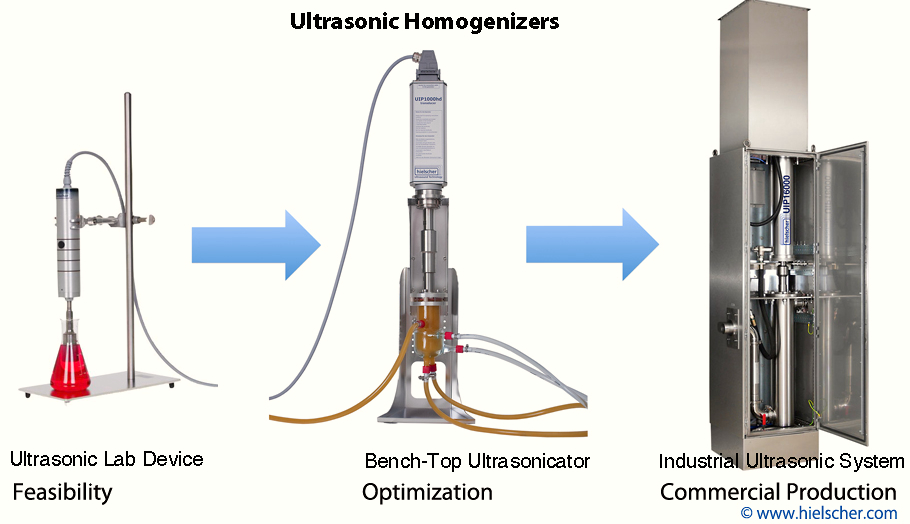
Hielscher مافوق صوت تولید کننده هموژنایزرهای مافوق صوت با کارایی بالا از ازمایشگاه ها تا اندازه صنعتی.