Ultraheli-dispersiooniga täiustatud nanomäärdeained
Nano-lisandite lisamine määrdeainete koostistesse on üks viimaste aastate olulisemaid edusamme triboloogias. Siiski seisavad teadlased ja protsessinsenerid silmitsi püsiva väljakutsega: saavutada nanomõõtmeliste osakeste ühtlane jaotumine viskoossetes baasõlides, kahjustamata nende struktuurilist terviklikkust. Traditsioonilised segamismeetodid ei suuda sageli aglomeeraate tõhusalt lagundada, mille tulemuseks on toote ebajärjekindel toimivus ja piiratud säilivusaeg.
Lahendus: ultraheli abil saavutatav nano-lisandite dispersioon määrdeaine koostises
Suure võimsusega ultraheli on parim lahendus nendele dispersiooniprobleemidele. Akustilise kavitatsiooni põhimõtteid kasutades tekitab ultraheli seadmestik vedelikes keskkondades vahelduvaid kõrge ja madala rõhu tsükleid. Madalrõhu tsükli ajal tekivad vedelikus väikesed vaakummullid. Kui need mullid saavutavad maksimaalse mahu ja ei suuda enam energiat neelata, kukuvad nad kõrgrõhu tsükli ajal ägedalt kokku. See kokkuvarisemine tekitab lokaalselt äärmuslikke tingimusi – temperatuurid, mis ulatuvad ligikaudu 5000 kelvinini, ja rõhud, mis ületavad 1000 atmosfääri – mis hajutavad tõhusalt nanokübemeid ja tagavad nende ühtlase jaotumise kogu määrdeaine maatriksis.
Protsessitehnikute jaoks tähendab see vahet määrdeaine vahel, mis settib ja eraldub mõne nädala jooksul, ning sellise vahel, mis säilitab oma toimivusomadused kogu komponendi kasutusaja jooksul.

Ultrahelidisperser UIP2000hdT määrdeainete tööstuslikuks tootmiseks
Juhtumiuuring: lämmastikuga legeeritud bambuselaadsed süsiniknanotorud juhtivates määrdeainetes
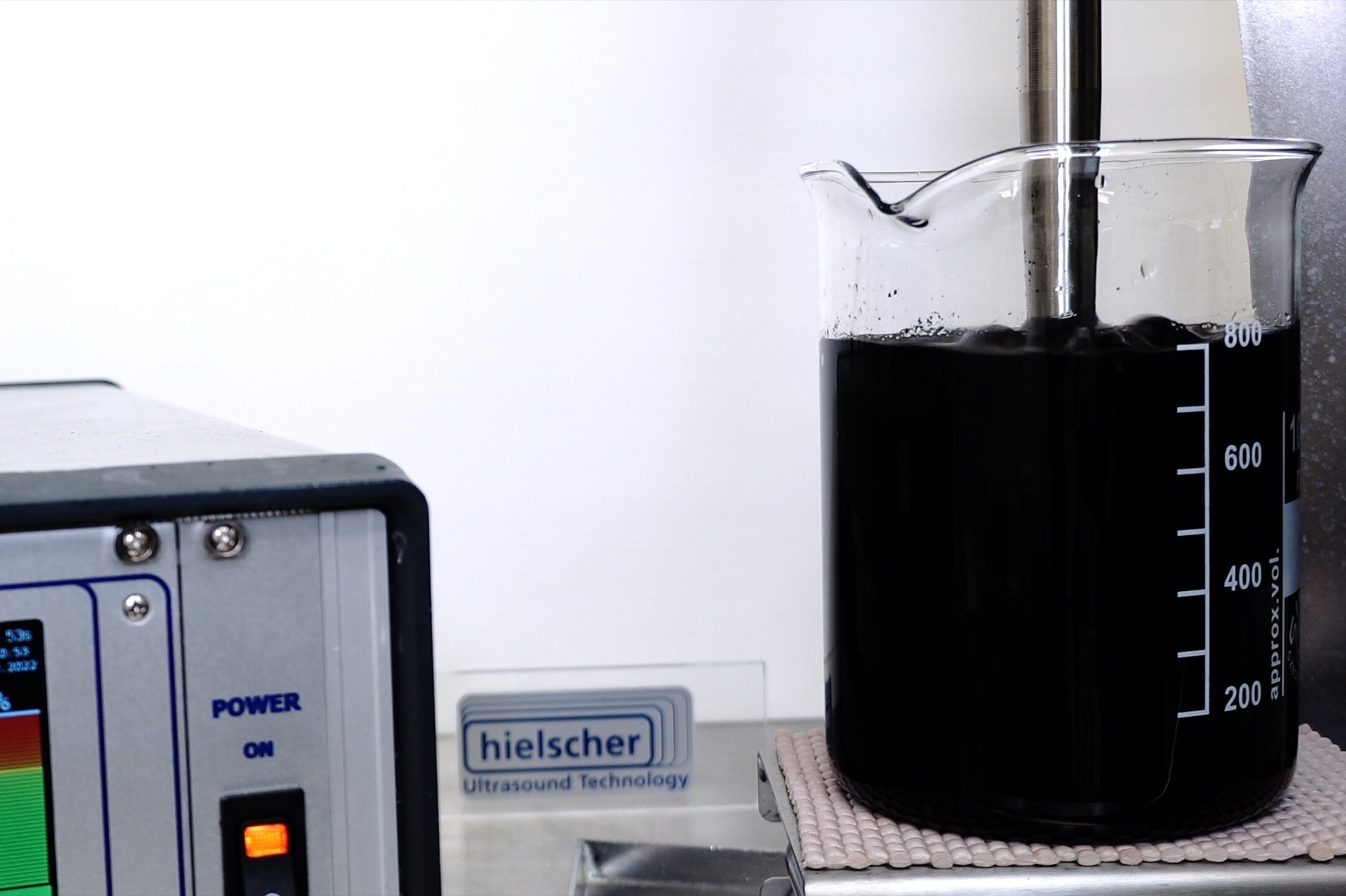 Veenev näide ultrahelitehnoloogia tõhususest määrdeainete tootmisel pärineb ajakirjas „Journal of Materials Research and Technology“ (2019) avaldatud uurimusest. Uurimus, mille pealkiri on “Lämmastikuga legeeritud bambuselaadsete süsiniknanotorude kasutamine elektrit juhtivate määrdeainete väljatöötamisel,” näitab, kuidas Hielscher UIP1000hdT sondtüüpi homogenisaator (340 W, töötlemisaeg 2 minutit) võimaldas toota homogeenseid, stabiilseid ja elektrit juhtivaid laagrimäärdeid.
Teadlased kasutasid bambusekujulisi süsiniknanotorusid (BCNT) määrdeainete juhtivate lisanditena. Tänu lämmastiku lisandumisele nanotorude seinte grafiitstruktuuri tekkisid erakordsed elektrilised ja struktuurilised omadused, mis tagasid suurepärase adsorptsioonivõime ja elektrijuhtivuse. Süsiniknanotorud on silmapaistvad elektrit juhtivad nanostruktuurilised materjalid, mille elektrilisi omadusi saab spetsiifiliselt reguleerida, lisades lämmastiku aatomeid legeerimistehnikate abil.
Tulemused rõhutavad ultrahelidispersiooni tõhusust:
Käesolev juhtumiuuring on tehniline kontseptsiooni tõestus: kui õige nanomaterjal kohtub õige ultrahelienergiaga, saavutab sellest saadud määrdeaine tulemusnäitajad, mida varem peeti tavapäraste segamismeetoditega saavutamatuks.

Ultraheli homogenisaator UIP1500hdT koos voolureaktoriga, mis on varustatud jahutusmantliga protsessi temperatuuri reguleerimiseks ultrahelitöötluse ajal.

PTFE nanolubrikantid pärast 7-päevast valmistamist (A: baasõli, B: PTFE nanolubricant koos 1 h ultraheliga, C: PTFE nanolubricant 30 min. ultraheliga).
(Uuring ja pilt: © Kumar et al., 2013)
Määrdeainetes kasutatava ultrahelilise nanodispersiooni peamine omadus
Ultrahelidispersiooni meetod annab erakordseid tulemusi, mis kinnitavad selle tööstuslikku potentsiaali:
- Minimaalsed lisaainete nõuded: Suhteliselt väikesed BCNT-kogused, täpsemalt 1,5 massiprotsenti, on piisavad, et saavutada määrdeainete hea elektrijuhtivus, mis ületab 14 mS. Nanotorusid sisaldavad proovid näitavad staatilistes mõõtmistes head elektrijuhtivust vahemikus 7–18,5 mS.
- Parem töökindlus: Elektrijuhtivuse mõõtmised kuullaagri tegeliku töö käigus näitavad veelgi kõrgemaid väärtusi, kusjuures 3% BCNT-sisaldusega koostise puhul registreeriti maksimumväärtuseks 31,5 mS. Juhtivus suureneb igal juhul võrreldes seisukorra mõõtmistega, mis viitab sellele, et töötamise ajal tekkiv mehaaniline koormus parandab juhtivuskanaleid veelgi.
- Suurepärane hõõrdumisvõime: Tõhusad hõõrdumisomadused saavutatakse 1,5 massiprotsendilise BCNT-sisaldusega proovide puhul, mille hõõrdumismomendi väärtused on 6,1 ja 5,1 Nmm. See näitab, et optimaalne lisandi kontsentratsioon tagab juhtivuse ja mehaaniliste omaduste vahelise tasakaalu.
- Parem termiline stabiilsus: Kõrge viskoossusega silikoonõli (5000 mm²/s) ja piimjas ränidioksiidi lisamine paksendajatena tõstab tilkumispunkti üle 150 °C, kõrvaldades sellega kriitilise piirangu kõrgtemperatuursetes rakendustes.
- Optimeeritud koostised: 3% BCNT-d ja 1,0% kolloidset SiO₂ sisaldav PDMS-baasõli viskoossusega 50 mm/s osutus sobivaks kuullaagrite täitmiseks, ühendades endas elektrijuhtivuse ja mehaanilise vastupidavuse.
Ultraheli: tööstusliku mastaabis laiendamise eelis
 Kuigi Hielscher UIP1000hdT-seadme abil laboratoorses mastaabis läbi viidud arendustöö tõestab kontseptsiooni toimivust, peitub tööstusliku rakenduse tõeline väärtus just lineaarses mastaapsusvõimes. Hielscheri ultraheli-seadmed pakuvad ainulaadset eelist tänu oma lineaarsele mastaapsusvõimele, mis võimaldab sujuvat üleminekut R&D-tüüpi laua peal toimuv töötlemine kuni suurte koguste jooksva tootmiseni.
Tööstuslikuks rakendamiseks võivad protsessiinsenerid kasutada 4 kW mudelit UIP4000hdT, 6 kW sonikaatorit UIP6000hdT või 16 kW võimsat UIP16000hdT, mis on varustatud spetsiaalsete voolukambritega. See lineaarne mastaapimise lähenemisviis tagab, et laboratoorsel tasandil välja töötatud koostised säilitavad tootmismastaabis valmistamisel identse dispersiooni kvaliteedi ja osakeste jaotuse omadused. Ultrahelitöötlemise abil saavutatud ühtlus kõrvaldab partiidevahelise varieeruvuse, mis on tavapäraste segamismeetodite puhul tavaline probleem ning on eriti oluline kõrge jõudlusega määrdeainete rakenduste puhul lennundus-, autotööstuse ja täppismasinate sektorites.
Miks ultraheli on määrdeainete uuenduste seisukohalt oluline
Ultraheli abil saavutatava nano-lisandite dispersiooni eelised ulatuvad kaugemale lihtsast segamise efektiivsusest. See tehnoloogia võimaldab:
- Suurendatud lisandite sisaldus: Nano-lisandeid saab lisada suuremas kontsentratsioonis ilma, et need aglomeeruksid, mis võimaldab saavutada maksimaalseid jõudlusega seotud eeliseid.
- Parem säilivus: Homogeensed dispersioonid takistavad pikaajalise ladustamise ajal sadestumist ja faaside eraldumist.
- Toote püsiv kvaliteet: Iga tootepartii saavutab ühesugused dispersiooninäitajad, mis on äärmiselt olulised rakenduste puhul, kus nõutakse ranget kvaliteedikontrolli.
- Vähendatud töötlemisaeg: Ultrahelikavitatsooni abil saavutatakse dispersioon mõne minuti jooksul, mitte tundide jooksul, nagu on vaja traditsiooniliste meetodite puhul.
- Mitmekülgsus erinevates koostistes: See tehnoloogia sobib kasutamiseks mitmesuguste baasõlide, paksendajate ja lisaainetüüpidega, pakkudes paindlikkust koostiste väljatöötamisel.
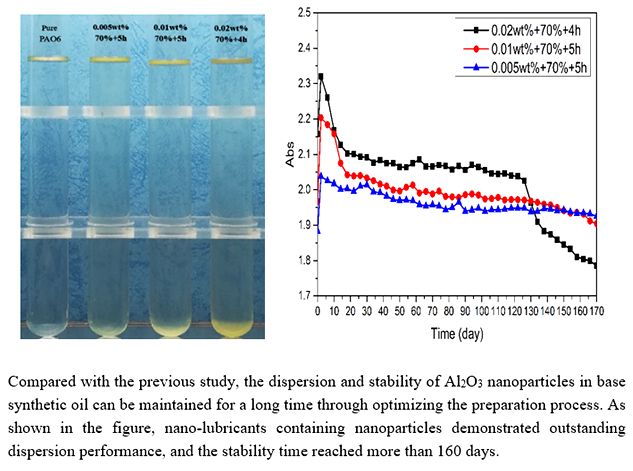
Ultrahelianduriga disperser võimaldab toota kõrge jõudlusega biolubrikante.
(Uuring ja pilt: Liu jt., 2020)
Tõhustage oma nanomäärdeainete tootmist ultraheli-dispersiooni abil
Ultrahelitehnoloogia integreerimine määrdeainete tootmisprotsessidesse tähistab paradigma muutust selles, kuidas nano-lisandeid lisatakse määrdeainete koostistesse. Nagu on näidanud lämmastikuga legeeritud bambuselaadsete süsiniknanotorude kasutamisel elektrit juhtivate määrdeainete edukas arendamine, tagab kõrge energiaga ultrahelitöötlus homogeensed ja stabiilsed dispersioonid, millel on erakordsed toimivusomadused. Tänu Hielscheri lineaarsele mastaapsusvõimele, mis ulatub laua-ultraheliseadmest UIP1000hdT-st kuni tööstuslike inline-ultraheliseadmete mudeliteni, nagu UIP4000hdT, UIP6000hdT ja UIP16000hdT voolukambritega, saavad teadlased ja protsessiinsenerid kindlalt üle minna R&Alates avastusest kuni tööstusliku tootmiseni, tagades, et laboris saavutatud innovatsioon toimib tehases täpselt samamoodi.
Määrdeainetehnoloogia tulevik ei seisne mitte ainult uute nano-lisandite väljatöötamises, vaid ka nende täieliku potentsiaali avamiseks vajalike dispersioonimeetodite valdamises. Ultrahelitöötlus loob silla teaduslike avastuste ja tööstusliku rakendamise vahel, võimaldades luua järgmise põlvkonna kõrge jõudlusega määrdeaineid nõudlike tööstusrakenduste jaoks.
Allolev tabel annab teile ülevaate meie ultrasonikaatorite ligikaudsest töötlemisvõimsusest:
| Partii maht | Voolukiirus | Soovitatavad seadmed |
|---|---|---|
| 1 kuni 500 ml | 10 kuni 200 ml / min | UP100H |
| 10 kuni 2000 ml | 20 kuni 400 ml / min | UP200Ht, UP400St |
| 0.1 kuni 20L | 0.2 kuni 4L / min | UIP2000hdT |
| 10 kuni 100L | 2 kuni 10L/min | UIP4000hdT |
| 15 kuni 150L | 3 kuni 15L/min | UIP6000hdT |
| mujal liigitamata | 10 kuni 100 L / min | UIP16000hdT |
| mujal liigitamata | Suurem | klaster UIP16000hdT |
Disain, tootmine ja nõustamine – Kvaliteet Valmistatud Saksamaal
Hielscheri ultrasonikaatorid on tuntud oma kõrgeimate kvaliteedi- ja disainistandardite poolest. Vastupidavus ja lihtne kasutamine võimaldavad meie ultrasonikaatorite sujuvat integreerimist tööstusrajatistesse. Hielscheri ultrasonikaatorid saavad kergesti käsitseda karmid tingimused ja nõudlikud keskkonnad.
Hielscher Ultrasonics on ISO sertifitseeritud ettevõte ja paneb erilist rõhku suure jõudlusega ultrasonikaatoritele, millel on tipptasemel tehnoloogia ja kasutajasõbralikkus. Loomulikult on Hielscheri ultrasonikaatorid CE-nõuetele vastavad ja vastavad UL, CSA ja RoHs nõuetele.

Ultrasonikaator UIP6000hdT nanomaterjalide dispersiooniks määrdeainetes
Korduma kippuvad küsimused
Millised on määrdeainete liigid?
Määrdeaineid liigitatakse tavaliselt vedelateks, pooltahketeks, tahketeks ja gaasilisteks määrdeaineteks. Vedelate määrdeainete hulka kuuluvad mineraalõlid, sünteetilised õlid ja taimeõlid. Pooltahkete määrdeainete hulka kuuluvad määrded. Tahkete määrdeainete hulka kuuluvad grafiit, molübdeendisulfiid, PTFE ja boornitriid. Gaasilisi määrdeaineid, nagu õhk, kasutatakse spetsiaalsetes madala koormuse või suure kiirusega süsteemides.
Kuidas saab määrdeaineid eristada?
Määrdeaineid võib eristada nende füüsilise oleku, koostise ja kasutusotstarbe järgi. Praktilises hooldustöös jagatakse need sageli neljaks peamiseks tüübiks: õlid, määrded, läbitungivad määrdeained ja kuivmäärdeained. Õlid ja määrded on igapäevases tööstustegevuses kõige levinumad määrdeained, samas kui läbitungivaid ja kuivmäärdeaineid kasutatakse spetsiifilisemate ülesannete jaoks, näiteks kinni jäänud osade lahtimurdmiseks või hõõrdumise vähendamiseks kohtades, kus vedelad määrdeained ei sobi.
Mis on biolubrikandid?
Biomäärdeained on määrdeained, mis on täielikult või osaliselt saadud taastuvatest bioloogilistest allikatest, nagu taimeõlid, loomsed rasvad või biopõhistest toorainetest valmistatud sünteetilised estrid. Need on loodud määrimiseks, pakkudes samal ajal paremat biolagunevust, madalamat mürgisust ja väiksemat keskkonnamõju võrreldes paljude tavapäraste naftapõhiste määrdeainetega.
Uuri, kuidas ultrahelihäälestamine hõlbustab biolubrikantide tootmist!
Kas PEG-i kasutatakse määrdeainetes?
Polüetüleenglükooli (PEG) kasutatakse määrdeainetes, eriti vees lahustuvates ja sünteetilistes määrdeainete koostistes.
PEG võib sõltuvalt oma molekulmassist ja koostisest toimida baasvedelikuna, määrdeaine lisandina, viskoossuse modifitseerijana, niisutajana või lahustamisainena. Seda kasutatakse näiteks metallitöötlusvedelikes, tekstiilimäärdeainetes, hüdraulikavedelikes, kompressorimäärdeainetes, eraldusainetes ja erimäärdeainetes.
Selle eeliste hulka kuuluvad hea määrimisvõime, vees lahustuvus, madal lenduvus, termiline stabiilsus ja ühilduvus paljude lisanditega. Siiski ei sobi PEG igasse määrdesüsteemi, kuna see võib olla hügroskoopne, selle ühilduvus mõnede mineraalõlidega võib olla piiratud ning selle toimivus sõltub tugevalt molekulmassist ja kasutustingimustest.
Milleks määrdeaineid kasutatakse?
Määrdeaineid kasutatakse suhtelises liikumises olevate pindade vahelise hõõrdumise ja kulumise vähendamiseks. Need aitavad ka soojust ära juhtida, ennetada korrosiooni, vähendada müra ja vibratsiooni, tihendada vahekaugusi, eemaldada saasteaineid ning parandada mehaaniliste süsteemide tõhusust ja kasutusiga.
Miks on masinate määrimine oluline?
Määrimine on oluline, kuna see moodustab liikuvate masinaosade vahele kaitsva kihi, mis takistab metalli otsest kokkupuudet metalliga. See vähendab hõõrdumist, kulumist, soojuse teket, energiakadusid ja mehaanilise rikke ohtu. Nõuetekohane määrimine parandab töökindlust, tõhusust, komponentide kasutusiga ja hooldusintervalle.
Kirjandus / Viited
- László Vanyorek, Dávid Kiss, Ádám Prekob, Béla Fiser, Attila Potyka, Géza Németh, László Kuzsela, Dirk Drees, Attila Trohák, Béla Viskolcz (2019): Application of nitrogen doped bamboo-like carbon nanotube for development of electrically conductive lubricants. Journal of Materials Research and Technology, Volume 8, Issue 3, 2019. 3244-3250.
- Kałużny Jarosł, Waligórski M, Szymański GM, Merkisz J, Różański J, Nowicki M, Al Karawi M, Kempa K. (2020): Reducing friction and engine vibrations with trace amounts of carbon nanotubes in the lubricating oil. Tribology International 2020.
- Mosleh, Mohsen; Atnafu, Neway; Belk, John; Nobles, Orval (2009): Modification of sheet metal forming fluids with dispersed nanoparticles for improved lubrication. Wear 267, 2009. 1220-1225.
- Li J, Du C, Delgado MA, et al. (2026): The application of nanocellulose in eco-friendly lubricants: A review. Friction, 2026.

Ultraheli homogenisaator UIP1000hdT, 1000 vatti võimas sonikaator nanopartiklite dispersiooniks
- kõrge kasutegur
- Kaasaegne tehnoloogia
- Usaldusväärsuse & töökindlus
- reguleeritav, täpne protsessi juhtimine
- partii & Inline
- mis tahes mahu jaoks
- Intelligentne tarkvara
- nutikad funktsioonid (nt programmeeritav, andmeprotokollide koostamine, kaugjuhtimine)
- lihtne ja ohutu kasutada
- madal hooldus
- CIP (puhas kohapeal)
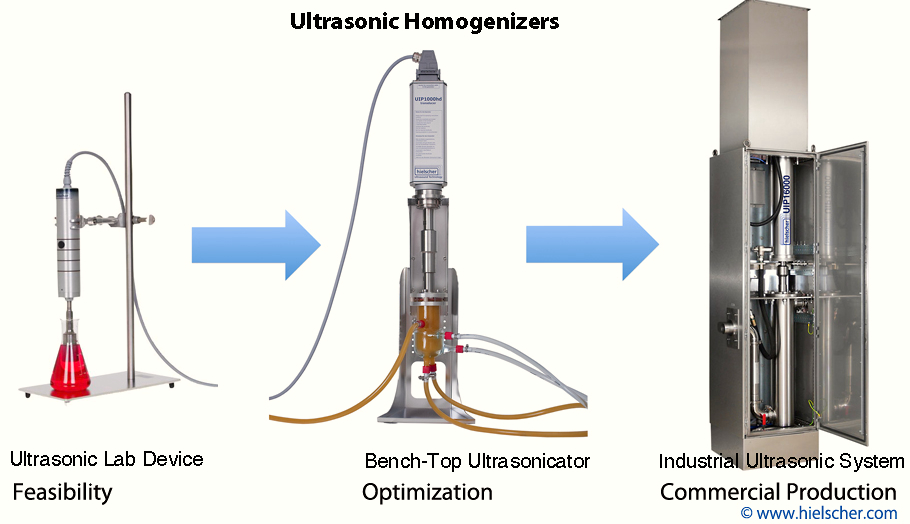
Hielscher Ultrasonics toodab suure jõudlusega ultraheli homogenisaatoreid alates Lab kuni tööstuslik suurus.