Nhũ tương nước trong sáp paraffin: Sản xuất nến tiết kiệm chi phí nhờ công nghệ siêu âm
Quá trình nhũ hóa bằng sóng siêu âm là một công nghệ chế biến hiệu quả dành cho các nhà sản xuất nến mong muốn giảm lượng parafin tiêu thụ, cải thiện khả năng kiểm soát công thức và mở rộng quy mô sản xuất một cách hiệu quả. Bằng cách phân tán tối đa 10% nước vào sáp paraffin nóng chảy, các nhà sản xuất nến có thể giảm chi phí nguyên liệu thô đồng thời duy trì pha sáp đồng nhất, phù hợp cho sản xuất nến công nghiệp. Các thiết bị siêu âm dạng đầu dò của Hielscher cung cấp hiện tượng xâm thực cường độ cao cần thiết để tạo ra các nhũ tương nước trong sáp mịn và đồng nhất. – từ các thử nghiệm trong phòng thí nghiệm đến quy mô sản xuất liên tục.
Nâng cao chất lượng sản xuất nến parafin nhờ quá trình nhũ hóa bằng sóng siêu âm
 Sáp paraffin vẫn là một trong những nguyên liệu thô được sử dụng rộng rãi nhất trong sản xuất nến. Tuy nhiên, giá sáp biến động, áp lực ngày càng tăng lên biên lợi nhuận và nhu cầu về quy trình sản xuất tiết kiệm tài nguyên hơn đã khơi dậy sự quan tâm mạnh mẽ đối với các công nghệ giúp giảm lượng sáp paraffin sử dụng mà không làm ảnh hưởng đến độ tin cậy của quy trình. Quá trình nhũ hóa bằng sóng siêu âm cho phép trộn nước vào sáp paraffin nóng chảy, tạo ra các nhũ tương sáp ổn định.
Bằng cách sử dụng sóng siêu âm công suất cao, các giọt nước được phân tán mịn có thể được hòa trộn vào pha sáp, tạo ra một nhũ tương nước trong parafin ổn định. Khi nhũ hóa tối đa 10% nước vào sáp paraffin, các nhà sản xuất có thể giảm lượng sáp paraffin cần thiết cho mỗi cây nến, từ đó mang lại hiệu quả tiết kiệm nguyên liệu trực tiếp. Đối với các nhà sản xuất quy mô lớn, ngay cả việc giảm một tỷ lệ nhỏ trong lượng sáp tiêu thụ cũng có thể mang lại khoản tiết kiệm chi phí đáng kể hàng năm.
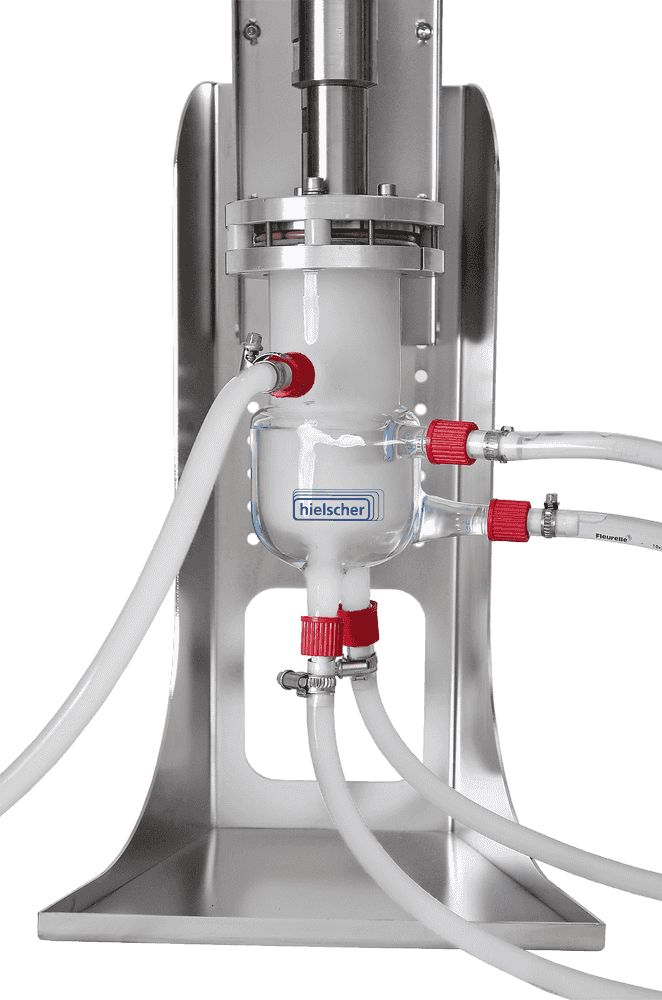
Quá trình nhũ hóa bằng sóng siêu âm cho phép sản xuất các nhũ tương nước trong sáp paraffin có tính ổn định cao
Tại sao quá trình nhũ hóa bằng sóng siêu âm lại là phương pháp lý tưởng cho sáp parafin
 Nước và sáp parafin vốn không hòa tan vào nhau. Các phương pháp trộn truyền thống thường gặp khó khăn trong việc phân tán nước một cách mịn màng và đồng đều vào sáp nóng chảy, đặc biệt khi cần đảm bảo kích thước giọt ổn định, khả năng lặp lại quy trình và năng suất công nghiệp. Quá trình nhũ hóa bằng sóng siêu âm giải quyết thách thức này thông qua hiện tượng xâm thực âm thanh.
Trong quá trình siêu âm, sóng siêu âm cường độ cao tạo ra các bọt xâm thực vi mô trong môi trường lỏng. Sự vỡ tan của các bọt này tạo ra lực cắt cục bộ cao, hiện tượng nhiễu loạn và năng lượng trộn mạnh mẽ. Hielscher mô tả các thiết bị nhũ hóa siêu âm là sử dụng hiện tượng xâm thực âm thanh để phân tách các chất lỏng không hòa tan thành các giọt cực nhỏ và phân bố chúng một cách đồng đều.
Đối với quá trình chế biến sáp nến, điều này có nghĩa là nước có thể được phân tán vào parafin nóng chảy hiệu quả hơn nhiều so với khi sử dụng nhiều loại máy trộn rotor-stator hoặc máy khuấy có độ cắt thấp. Hỗn hợp nhũ tương thu được có thể mang lại:
- Sự phân bố các giọt nước siêu mịn trong pha sáp nóng chảy
- Tính đồng nhất được cải thiện trong công thức sản xuất nến
- Giảm lượng parafin sử dụng bằng cách thay thế một phần thể tích sáp bằng nước
- Các mẻ sản phẩm có độ tái hiện cao hơn nhờ các thông số siêu âm có thể điều chỉnh được
- Xử lý liên tục hiệu quả cho các dây chuyền sản xuất nến liên tục
Tiết kiệm parafin bằng cách nhũ hóa tối đa 10% nước
Yếu tố kinh tế rất rõ ràng: sáp parafin là nguyên liệu cơ bản có chi phí cao, trong khi nước lại rẻ và dễ dàng tìm thấy. Bằng cách sử dụng sóng siêu âm để hòa trộn tối đa 10% nước vào ma trận sáp, các nhà sản xuất nến có thể giảm lượng sáp parafin tiêu thụ trên mỗi đơn vị sản phẩm.
Ví dụ, trong một quy trình sản xuất sử dụng 1.000 kg công thức sáp nến, việc thay thế 10% pha parafin bằng nước nhũ hóa có thể giúp giảm nhu cầu sử dụng parafin tới 100 kg, tùy thuộc vào thiết kế công thức và thông số kỹ thuật của sản phẩm cuối cùng. Ở quy mô công nghiệp, điều này có thể mang lại khoản tiết kiệm đáng kể về chi phí mua nguyên liệu, lưu trữ và logistics.
Điểm mấu chốt không chỉ đơn thuần là thêm nước, mà là phải nhũ hóa nước một cách đúng cách. Nước phân tán không đều có thể bị tách lớp, gây ra khuyết tật hoặc ảnh hưởng đến quá trình chế biến. Quá trình nhũ hóa bằng sóng siêu âm tạo ra cấu trúc giọt nhỏ mịn cần thiết để hòa trộn ổn định vào pha sáp nóng chảy. Hielscher đặc biệt nhấn mạnh việc sử dụng các thiết bị siêu âm dạng đầu dò kết hợp với buồng dòng chảy siêu âm như một phương pháp hiệu quả để nhũ hóa sáp parafin, giúp nâng cao hiệu suất, tính đồng nhất, khả năng mở rộng quy mô và đảm bảo chất lượng ổn định.
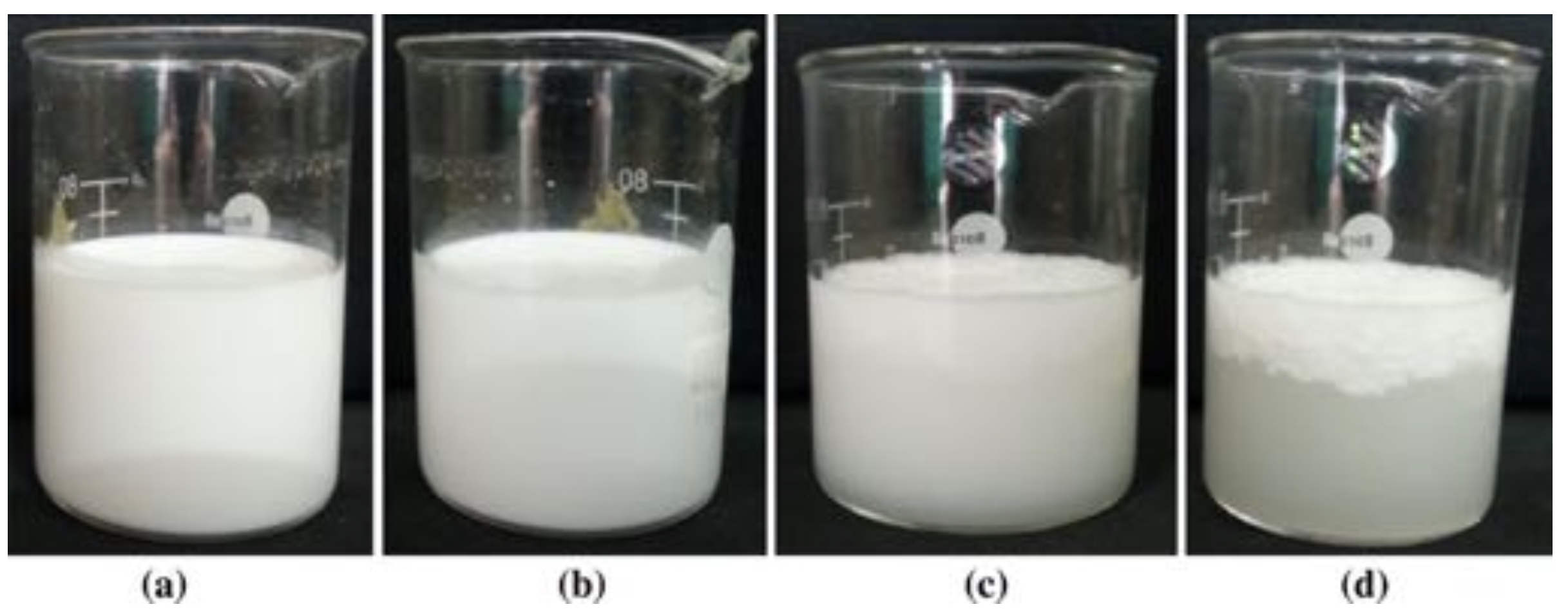
So sánh hình thức bên ngoài của các nhũ tương được điều chế bằng (a) siêu âm, sau 1 phút; (b) siêu âm, sau 3 tháng; (c) phương pháp điểm đảo ngược nhũ tương, sau 1 phút; (d) phương pháp điểm đảo ngược nhũ tương, sau 30 phút.
Nghiên cứu và hình ảnh: ©Jadhav và cộng sự (2015)
Quá trình xử lý bằng sóng siêu âm giúp giảm kích thước các giọt sáp parafin xuống còn 160nm và duy trì độ ổn định trong thời gian dài
Nghiên cứu khoa học của Jadhav và cộng sự (2015) đã chứng minh rằng quá trình nhũ hóa hỗ trợ bằng sóng siêu âm là một phương pháp hiệu quả để sản xuất các nano-nhũ tương parafin trong nước ổn định, khắc phục được tình trạng không ổn định thường gặp ở các phương pháp đảo nhũ tương truyền thống. Bằng cách chuẩn bị một hỗn hợp nhũ tương với tỷ lệ nước/paraffin là 80:20, các tác giả đã tối ưu hóa các thông số quá trình chính – nồng độ chất hoạt động bề mặt, công suất siêu âm được áp dụng và thời gian siêu âm. Trong điều kiện quy trình được tối ưu hóa, các nhà nghiên cứu đã thu được các giọt sáp paraffin có kích thước khoảng 160,9 nm bằng cách sử dụng SDS nồng độ 10 mg/mL, công suất áp dụng 40% (tương ứng với 0,61 W/mL) và thời gian siêu âm 15 phút. Nghiên cứu này cho thấy hiện tượng xâm thực âm thanh làm phá vỡ vật lý parafin nóng chảy thành các giọt có kích thước nano, trong khi SDS nhanh chóng ổn định bề mặt tiếp xúc mới hình thành; DSC và FTIR đã xác nhận rằng sáp parafin không bị biến đổi hóa học trong quá trình siêu âm. Các giọt thu được ở trạng thái rắn, hình cầu, mang điện tích âm do sự hấp phụ của SDS và ổn định trong hơn ba tháng, trong khi các nhũ tương được chuẩn bị bằng phương pháp điểm đảo ngược nhũ tương bị tách lớp hoặc phân tách trong vòng 30 phút. Nhìn chung, bước tiến này nằm ở việc chứng minh rằng xử lý bằng sóng siêu âm có thể tạo ra các nanoemulsion sáp paraffin mịn, ổn định, tiêu tốn ít năng lượng với kích thước giọt được kiểm soát, độ ổn định vật lý cao và tiềm năng rõ ràng cho các công thức dựa trên sáp có thể mở rộng quy mô.
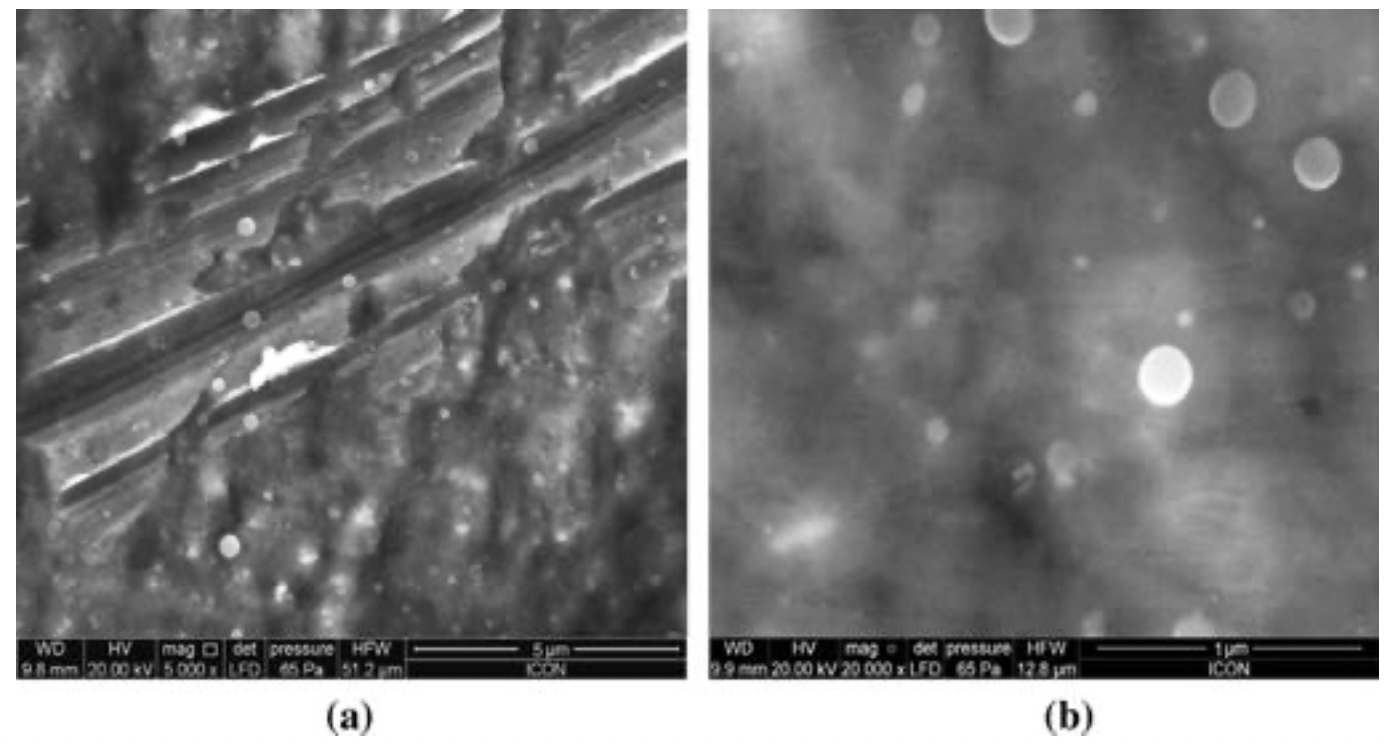
Hình ảnh SEM của nhũ tương sáp parafin được điều chế bằng sóng siêu âm ở (a) 5000, (b) 20.000
Nghiên cứu và hình ảnh: ©Jadhav và cộng sự (2015)
Máy siêu âm Hielscher dành cho nhũ tương nước trong sáp
Hielscher Ultrasonics sản xuất các thiết bị siêu âm dạng đầu dò dành cho xử lý chất lỏng trong phòng thí nghiệm, quy mô thử nghiệm và công nghiệp. Các hệ thống siêu âm của công ty được ứng dụng trong các lĩnh vực như tạo nhũ tương, đồng nhất hóa, phân tán, giảm kích thước hạt, chiết xuất và xử lý hóa học.
Đối với sản xuất nến, ưu điểm chính nằm ở khả năng kiểm soát quy trình. Các thiết bị siêu âm Hielscher cho phép người vận hành xác định và tái tạo các thông số siêu âm quan trọng, bao gồm biên độ, công suất đầu vào, nhiệt độ, áp suất, lưu lượng và thời gian lưu. Điều này đặc biệt quan trọng đối với sáp paraffin nóng chảy, nơi độ nhớt và nhiệt độ có ảnh hưởng lớn đến chất lượng quá trình nhũ hóa.
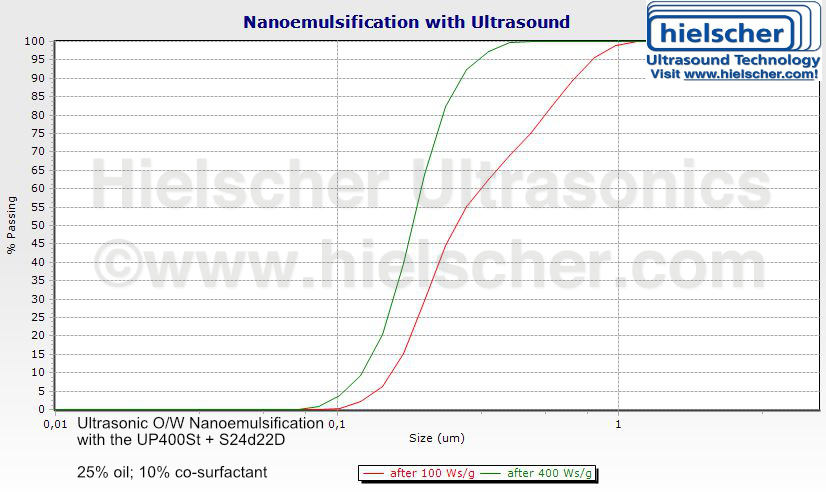
Nhũ tương nano được sản xuất bằng phương pháp siêu âm
Các phương án triển khai điển hình bao gồm:
- Sonication theo lô dành cho phát triển công thức, các lô sản xuất quy mô nhỏ hoặc nến đặc biệt
- Sonication trực tiếp kết hợp với buồng dòng chảy để xử lý sáp liên tục
- Lò phản ứng có thể tạo áp suất nhằm nâng cao cường độ hiện tượng xâm thực và kiểm soát quá trình xử lý
- Hệ thống lắp trên khung trượt để tích hợp vào các dây chuyền sản xuất nến công nghiệp hiện có
Dòng sản phẩm công nghiệp của Hielscher bao gồm các bộ xử lý siêu âm công suất cao như UIP4000hdT, cung cấp công suất siêu âm lên đến 4 kW cho các tác vụ xử lý chất lỏng công nghiệp đòi hỏi khắt khe, bao gồm đồng nhất hóa, nhũ hóa, phân tán và nghiền mịn hạt. Đối với các công suất sản xuất lớn hơn, Hielscher cung cấp các hệ thống như UIP16000 – một máy xử lý siêu âm công nghiệp công suất 16 kW được thiết kế dành cho xử lý liên tục với khối lượng lớn và tích hợp vào các môi trường sản xuất.
Việc kết nối song song nhiều thiết bị siêu âm giúp đảm bảo tính dự phòng và cho phép mở rộng quy mô theo từng giai đoạn khi nhu cầu tăng lên và hoạt động kinh doanh mở rộng.

Hệ thống nhũ hóa bằng sóng siêu âm dành cho sản xuất nến công nghiệp
Tầm quan trọng đối với ngành công nghiệp đối với các nhà sản xuất nến
Ngành công nghiệp nến đang phải đối mặt với áp lực chi phí rất lớn, đặc biệt là trong sản xuất hàng loạt các loại nến tealight, nến trụ, nến cúng, nến trong lọ và nến trang trí. Sự biến động giá sáp parafin ảnh hưởng trực tiếp đến lợi nhuận. Quá trình nhũ hóa nước trong sáp bằng sóng siêu âm mang lại cho các nhà sản xuất một giải pháp thiết thực để giảm lượng sáp tiêu thụ đồng thời duy trì quy trình sản xuất có thể mở rộng và kiểm soát được.
Tính ứng dụng trong công nghiệp đặc biệt rõ rệt trong những trường hợp mà các nhà sản xuất cần:
- Sản xuất quy mô lớn với chất lượng sáp ổn định
- Mức tiêu thụ parafin trên mỗi cây nến thấp hơn
- Xử lý liên tục theo dòng thay vì chỉ trộn theo lô
- Chuyển đổi quy trình đáng tin cậy từ R&D đến sản xuất
- Kiểm soát chính xác chất lượng nhũ tương
- Tích hợp vào các dây chuyền nấu chảy, định lượng và đúc hiện có
Công nghệ này cũng rất hấp dẫn đối với các nhà sản xuất đang phát triển các công thức nến mới với chi phí được tối ưu hóa. Bằng cách điều chỉnh hàm lượng nước, hệ thống chất nhũ hóa, nhiệt độ sáp và lượng năng lượng siêu âm đầu vào, các nhà sản xuất có thể điều chỉnh công thức sao cho phù hợp với hình dạng nến, đặc tính cháy, bề mặt hoàn thiện và phương pháp sản xuất mà họ mong muốn.
Giống như bất kỳ sự thay đổi nào trong công thức nến, các nhà sản xuất cần kiểm chứng hiệu suất cháy, hình thức, độ ổn định, tính an toàn, khả năng tương thích mùi hương và đặc tính bảo quản trong điều kiện sản xuất cụ thể của mình. Tuy nhiên, quá trình nhũ hóa bằng sóng siêu âm mang lại cường độ xử lý và tính lặp lại cần thiết để việc phát triển công thức như vậy trở nên khả thi về mặt kỹ thuật ở quy mô công nghiệp.
Công nghệ xử lý bằng sóng siêu âm như một lợi thế cạnh tranh trong sản xuất nhũ tương sáp
 Đối với các nhà sản xuất nến, quá trình nhũ hóa bằng sóng siêu âm không chỉ đơn thuần là một phương pháp trộn. Đây là một công nghệ tăng cường quy trình sản xuất, có khả năng giảm chi phí nguyên liệu, nâng cao tính linh hoạt trong công thức và hỗ trợ sản xuất có thể mở rộng quy mô.
Các thiết bị siêu âm Hielscher được thiết kế dành riêng cho loại công việc xử lý chất lỏng đòi hỏi khắt khe như thế này. Từ các thử nghiệm trong phòng thí nghiệm với parafin nóng chảy cho đến quá trình nhũ hóa liên tục trong dây chuyền sản xuất công nghiệp, các hệ thống siêu âm Hielscher cung cấp công suất, khả năng điều khiển và khả năng mở rộng quy mô cần thiết cho các nhũ tương sáp nến dạng “nước trong parafin”.
Bằng cách kết hợp tối đa 10% nước vào sáp parafin thông qua hiện tượng xâm thực siêu âm, các nhà sản xuất nến có thể giảm sự phụ thuộc vào sáp parafin đắt tiền đồng thời duy trì công thức sáp đồng nhất và được kiểm soát chặt chẽ. Đối với sản xuất nến công nghiệp, điều này mang lại lợi thế rõ rệt về mặt kinh tế và vận hành: chi phí nguyên liệu thấp hơn, chất lượng ổn định và khả năng chuyển đổi trực tiếp từ công thức thử nghiệm quy mô phòng thí nghiệm sang sản xuất quy mô lớn.
Bảng dưới đây cung cấp cho bạn một dấu hiệu về khả năng xử lý gần đúng của ultrasonicators của chúng tôi:
| Khối lượng hàng loạt | Tốc độ dòng chảy | Thiết bị được đề xuất |
|---|---|---|
| 1 đến 500mL | 10 đến 200ml / phút | UP100H |
| 10 đến 2000mL | 20 đến 400ml / phút | UP200Ht, UP400ST |
| 0.1 đến 20L | 0.2 đến 4L / phút | UIP2000hdT |
| 10 đến 100L | 2 đến 10L / phút | UIP4000hdt |
| 15 đến 150L | 3 đến 15L / phút | UIP6000hdT |
| N.A. | 10 đến 100L / phút | UIP16000hdT |
| N.A. | Lớn | Cụm UIP16000hdT |
Dung dịch sáp siêu âm: Mở rộng quy mô tuyến tính từ phòng thí nghiệm sang sản xuất công nghiệp
 Một trong những ưu điểm chính của công nghệ siêu âm Hielscher là khả năng mở rộng quy mô tuyến tính. Các nhà sản xuất nến có thể bắt đầu bằng các thử nghiệm khả thi quy mô nhỏ, tối ưu hóa công thức nước trong parafin, và sau đó chuyển các thông số quy trình sang các hệ thống quy mô lớn hơn.
Khác với nhiều công nghệ trộn truyền thống, trong đó việc mở rộng quy mô có thể đòi hỏi phải thiết kế lại lớn và các điều chỉnh không chắc chắn, việc mở rộng quy mô bằng siêu âm dựa trên các thông số quy trình có thể tái tạo. Khi đã xác định được các thông số cụ thể cần thiết như công suất đầu vào, biên độ, nhiệt độ, áp suất và thời gian lưu (tốc độ dòng chảy), quy trình có thể được mở rộng quy mô bằng cách tăng công suất siêu âm và công suất xử lý, hoặc bằng cách vận hành nhiều thiết bị siêu âm song song.
Cách tiếp cận này đặc biệt có giá trị đối với các nhà sản xuất nến vì nó giúp giảm thiểu rủi ro trong quá trình phát triển. Một công thức được phát triển trên máy siêu âm trong phòng thí nghiệm hoặc máy siêu âm để bàn có thể được kiểm chứng trên thiết bị thí điểm và sau đó chuyển sang sản xuất công nghiệp quy mô lớn. Hielscher lưu ý rằng các máy đồng nhất để bàn có thể được sử dụng cho nghiên cứu ứng dụng, công tác mở rộng quy mô, các nghiên cứu thí điểm, tối ưu hóa quy trình và xử lý theo lô nhỏ, trong khi các đầu dò siêu âm công suất cao từ 4 đến 16 kW có sẵn cho xử lý liên tục hoặc theo lô với khối lượng lớn.
Đối với các nhà máy sản xuất quy mô lớn, việc kết hợp nhiều bộ xử lý siêu âm thành cụm giúp đạt được công suất xử lý rất cao đồng thời duy trì các điều kiện tạo bọt khí đồng nhất trong từng bình phản ứng. Khái niệm mô-đun này hỗ trợ việc mở rộng công suất một cách đáng tin cậy mà không làm ảnh hưởng đến tính đồng nhất của sản phẩm.
Thiết kế, sản xuất và tư vấn – Chất lượng Sản xuất tại Đức
Hielscher ultrasonicators nổi tiếng với chất lượng cao nhất và tiêu chuẩn thiết kế của họ. Mạnh mẽ và hoạt động dễ dàng cho phép tích hợp trơn tru của ultrasonicators của chúng tôi vào các cơ sở công nghiệp. Điều kiện khắc nghiệt và môi trường đòi hỏi dễ dàng được xử lý bởi Hielscher ultrasonicators.
Hielscher Ultrasonics là một công ty được chứng nhận ISO và đặc biệt nhấn mạnh vào ultrasonicators hiệu suất cao có công nghệ tiên tiến và thân thiện với người dùng. Tất nhiên, Hielscher ultrasonicators là CE tuân thủ và đáp ứng các yêu cầu của UL, CSA và RoHs.

Hielscher Ultrasonics sản xuất homogenizers siêu âm hiệu suất cao cho các ứng dụng trộn, phân tán, nhũ tương hóa và khai thác trên phòng thí nghiệm, thí điểm và quy mô công nghiệp.
Các câu hỏi thường gặp
Dung dịch nhũ tương sáp paraffin được dùng để làm gì?
Các nhũ tương sáp parafin được sử dụng như các chế phẩm có tính kỵ nước, chống thấm nước, tạo lớp màng chắn và thay đổi pha trong các ứng dụng như hoàn thiện dệt may, lớp phủ giấy và bao bì, bảo vệ gỗ, vật liệu xây dựng, mỹ phẩm, hệ thống đánh bóng, hệ thống giải phóng có kiểm soát và lưu trữ nhiệt bằng cơ chế thay đổi pha.
Phương pháp điểm đảo ngược nhũ tương là gì?
Phương pháp điểm đảo ngược nhũ tương là một kỹ thuật tạo nhũ tương tiêu tốn ít năng lượng, trong đó pha liên tục và pha phân tán đảo ngược vị trí khi tỷ lệ nước/dầu thay đổi. Trong nghiên cứu của Jadhav và cộng sự (2015), nước và dung dịch SDS được thêm dần vào sáp paraffin nóng chảy, và các phép đo độ dẫn điện cho thấy sự đảo ngược pha từ nước trong dầu sang dầu trong nước khi tỷ lệ nước đạt khoảng 35% theo trọng lượng; tuy nhiên, phương pháp này tạo ra các nhũ tương sáp parafin không ổn định, bị tách lớp hoặc phân tách trong vòng 30 phút.
Cơ chế hoạt động của phương pháp điểm đảo ngược nhũ tương là gì?
Phương pháp Điểm đảo ngược nhũ tương hoạt động bằng cách thay đổi dần tỷ lệ giữa pha nước và pha dầu cho đến khi nhũ tương chuyển đổi cấu trúc bên trong từ dạng “nước trong dầu” sang dạng “dầu trong nước”, hoặc ngược lại. Trong quá trình tạo nhũ tương từ sáp parafin, dung dịch chất hoạt động bề mặt trong nước được thêm từ từ vào sáp parafin nóng chảy trong khi khuấy đều. Khi hàm lượng nước thấp, sáp là pha liên tục và các giọt nước phân tán bên trong nó, tạo thành nhũ tương nước trong dầu. Khi thêm nhiều nước hơn, hệ thống đạt đến thành phần tới hạn, tại đó sự phân bố chất hoạt động bề mặt, độ cong bề mặt, độ dẫn điện và cân bằng thể tích pha thay đổi. Tại điểm đảo ngược này, pha liên tục chuyển từ sáp sang nước, tạo ra nhũ tương sáp parafin dạng dầu trong nước.
Có những lựa chọn thay thế nào cho sáp parafin?
Các chất thay thế công nghiệp cho sáp parafin bao gồm sáp đậu nành, sáp ong, sáp cọ, sáp hạt cải dầu, sáp dừa, stearin, sáp vi tinh thể, sáp tổng hợp Fischer-Tropsch, sáp polyethylene và các hỗn hợp sáp có nguồn gốc sinh học hoặc tổng hợp khác. Loại sáp thay thế phù hợp nhất phụ thuộc vào phạm vi nhiệt độ nóng chảy, độ cứng, tính chất kết tinh, độ nhớt, khả năng tương thích với hương liệu, đặc tính cháy, chi phí, các yêu cầu về tính bền vững và phương pháp chế biến.
Văn học / Tài liệu tham khảo
- A.J. Jadhav, C.R. Holkar, S.E. Karekar, D.V. Pinjari, A.B. Pandit (2015): Ultrasound assisted manufacturing of paraffin wax nanoemulsions: Process optimization. Ultrasonics Sonochemistry, Volume 23, 2015. 201-207.
- Alina Lozhechnikova, Hervé Bellanger, Benjamin Michen, Ingo Burgert, Monika Osterberg (2016): Surfactant-free carnauba wax dispersion and its use for layer-by-layer assembled protective surface coatings on wood. Applied Surface Science 2016.
- Noonim, P.; Rajasekaran, B.; Venkatachalam, K. (2022): Structural Characterization and Peroxidation Stability of Palm Oil-Based Oleogel Made with Different Concentrations of Carnauba Wax and Processed with Ultrasonication. Gels 2022, 8, 763.
- Hiệu quả cao
- Công nghệ tiên tiến
- Độ tin cậy & Mạnh mẽ
- Điều chỉnh, kiểm soát quá trình chính xác
- mẻ & Inline
- cho bất kỳ khối lượng nào
- Phần mềm thông minh
- Tính năng thông minh (ví dụ: có thể lập trình, ghi nhật ký dữ liệu, điều khiển từ xa)
- Dễ dàng và an toàn để vận hành
- bảo trì thấp
- CIP (sạch tại chỗ)
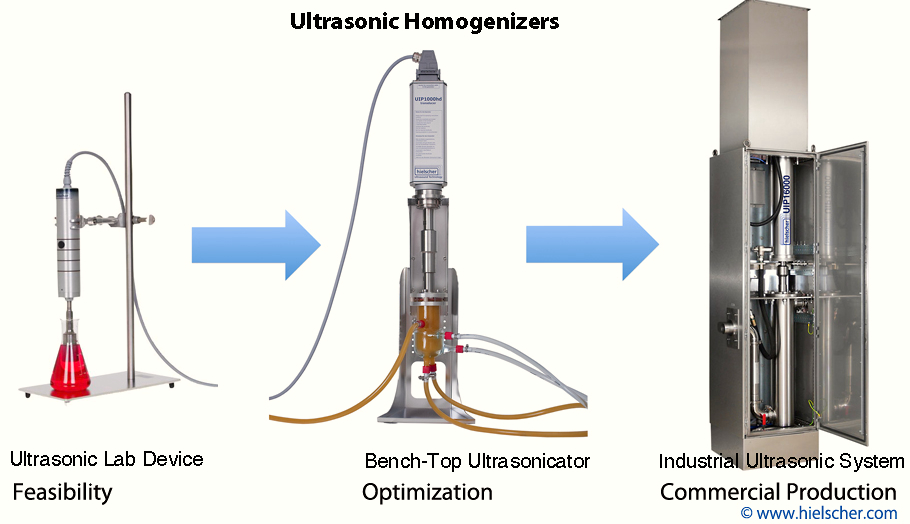
Hielscher Ultrasonics sản xuất homogenizers siêu âm hiệu suất cao từ phòng thí nghiệm đến quy mô công nghiệp.