Реактивация отработанного катализатора с помощью ультразвуковой обработки
Регенерация отработанных катализаторов стала важной темой в области экологически устойчивой химической переработки, нефтеперерабатывающей промышленности, нефтехимии, экологического катализа и стратегий циркулярной экономики. Катализаторы необходимы для эффективного протекания реакций, однако в процессе промышленного использования они постепенно теряют активность из-за отложения кокса, отравки металлами, загрязнения, закупорки пор, спекания, пассивации поверхности или накопления побочных продуктов реакции. Замена отработанных катализаторов сопряжена с высокими затратами и потреблением ресурсов, а их утилизация может создавать нагрузку на окружающую среду. Ультразвуковая регенерация отработанных катализаторов — это простой, но высокоэффективный метод восстановления активности катализаторов, подвергшихся пассивации, отравлению или загрязнению в процессе эксплуатации.
Реактивация отработанного катализатора с помощью ультразвуковой обработки
 Ультразвуковая обработка, также известная как ультразвуковое воздействие, представляет собой научно обоснованный и технически привлекательный метод регенерации и реактивации отработанных катализаторов. При воздействии высокомощного ультразвука на суспензии катализаторов в жидкой среде возникает интенсивная акустическая кавитация. Разрушение кавитационных пузырьков приводит к образованию локализованных микроструй, ударных волн, сдвиговых сил и высокотурбулентного микросмешивания. Эти эффекты позволяют очищать поверхности катализаторов, удалять отложения, улучшать доступ реагентов к заблокированным порам, а также способствовать процессам химического выщелачивания или окислительной регенерации.
Недавние исследования отработанных катализаторов жидкостного каталитического крекинга показали, что регенерация с использованием ультразвука позволяет повысить эффективность удаления вредных металлов, одновременно способствуя сохранению каркаса цеолита и микроструктуры частиц катализатора. В ходе исследований также было отмечено, что ультразвук способствует извлечению таких металлов, как никель, из отработанных катализаторов, причем ультразвуковая обработка ускоряет процесс экстракции за счет физических и химических эффектов акустической кавитации.
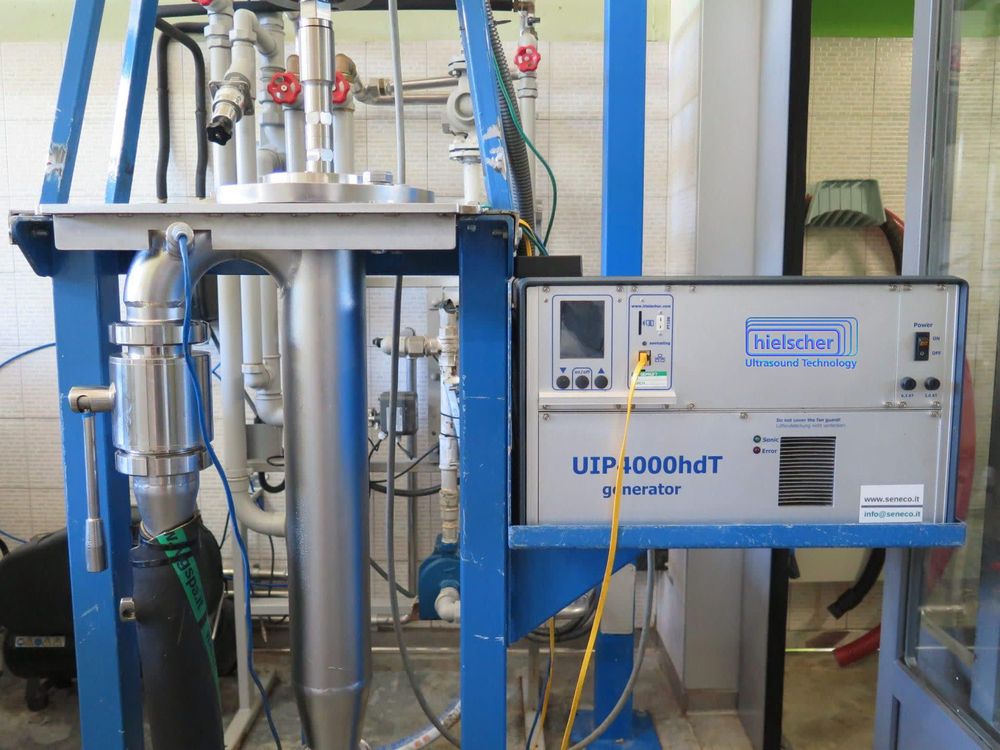
Встроенный ультразвуковой аппарат UIP4000hdT для промышленной переработки отработанных катализаторов
Почему ультразвуковая обработка эффективна для реактивации отработанного катализатора
Научная значимость ультразвуковой обработки заключается в её способности усиливать гетерогенные процессы в системе «твердое тело—жидкость». Регенерация катализатора зачастую ограничивается недостаточным массообменом, закупоркой пор, пассивацией поверхностей и медленной диффузией очищающих или выщелачивающих веществ в структуру катализатора. Ультразвук позволяет преодолеть эти ограничения за счёт механических и физико-химических механизмов.
К основным преимуществам ультразвуковой обработки относятся:
Значение ультразвука не ограничивается лишь физической очисткой. В сонохимии кавитация способна создавать экстремальные локальные условия и реактивные среды, что может способствовать процессам окисления, модификации поверхности или химической экстракции. Таким образом, ультразвук позволяет увеличить активную поверхность катализаторов, уменьшить загрязнение твердых дисперсных катализаторов и способствовать очистке в процессах рециркуляции катализаторов.
Практическое значение для промышленности: от очистки катализатора до восстановления его функциональности
Регенерация отработанного катализатора — это не просто операция по техническому обслуживанию. Это научно обоснованный способ повышения эффективности катализатора на протяжении всего срока его службы. Регенерированный катализатор должен не только выглядеть чистым, но и восстановить значимую каталитическую активность. Для этого необходимо восстановить доступные активные центры, поверхностную кислотность или щелочность, пористость, дисперсию и реакционную способность.
Ультразвуковая обработка имеет важное значение, поскольку она воздействует на нескольких ключевых уровнях регенерации катализатора:
Поверхность: Он удаляет пассивирующие слои и обнажает активные центры.
Поры: Он способствует восстановлению проходимости заблокированных мезопор и микропор.
Частицы: Он рассеивает агломераты и повышает однородность суспензии.
Процесс: Он усиливает контакт жидкости с твердым веществом и повышает эффективность химической регенерации рабочих сред.
Экологичность: Это способствует повторному использованию, извлечению металлов и сокращению объема отходов.
 В недавнем исследовании, посвящённом регенерации отработанных катализаторов жидкостного каталитического крекинга (FCC) с помощью ультразвука и окислительных процессов, было отмечено, что усовершенствованные окислительные процессы, проводимые под действием ультразвука, повышают кислотность катализатора и позволяют использовать регенерированный катализатор для синтеза моностеарата глицерина. (см. Anggoro et al, 2026)
В другом исследовании было продемонстрировано, что погружение в разбавленную серную кислоту с последующим выщелачиванием под воздействием ультразвука в смеси серной и щавелевой кислот значительно улучшает удаление вредных металлов из отработанного катализатора FCC без разрушения каркаса цеолита Y и микроструктуры частиц отработанного катализатора. По сравнению с традиционным выщелачиванием ультразвуковое выщелачивание требует всего 1/4 времени для достижения практически такого же эффекта удаления вредных металлов и обладает значительными преимуществами в плане сохранения целостности частиц (см. Wang et al., 2021).
Использование ультразвука в процессах регенерации катализаторов и извлечения металлов
Отработанные катализаторы часто содержат ценные металлы, такие как никель, ванадий, молибден, кобальт, металлы платиновой группы или редкие металлы, в зависимости от типа катализатора и области промышленного применения. Ультразвуковая обработка может способствовать как реактивации катализатора, так и извлечению ресурсов. При выщелачивании с использованием ультразвука кавитация улучшает проникновение выщелачивающего раствора, удаляет пограничные слои вокруг частиц и обнажает свежие поверхности для реакции.
Благодаря этому ультразвуковое исследование представляет особый интерес для:
- Отработанные катализаторы нефтеперерабатывающих заводов
- Катализаторы FCC
- Катализаторы гидроочистки и гидродесульфуризации
- Катализаторы Фишера-Тропша
- Металлические катализаторы на носителе
- Экологические катализаторы
- Активированный уголь и системы «адсорбент-катализатор»
- Гетерогенные катализаторы, загрязнённые металлами или покрытые нагаром

Ультразвуковой аппарат UP400ST с установкой проточной кюветы
Технические преимущества ультразвуковых аппаратов Hielscher для рециркуляции отработанных катализаторов
Высокомощные ультразвуковые устройства компании Hielscher отлично подходят для рециркуляции и регенерации отработанных катализаторов, поскольку обеспечивают контролируемую, воспроизводимую и масштабируемую подачу ультразвуковой энергии в жидко-твердые суспензии. Для регенерации катализаторов крайне важна надёжность процесса: амплитуда, потребляемая мощность, время пребывания, расход, температура, давление и геометрия реактора должны быть регулируемыми и воспроизводимыми как в лабораторных условиях, так и при промышленных объёмах производства.
Компания Hielscher предлагает ультразвуковые системы — от компактных лабораторных приборов до промышленных установок, включая соникаторы зондового типа и проточные ультразвуковые реакторы для непрерывной обработки. Ассортимент соникаторов Hielscher варьируется от небольших лабораторных устройств до промышленных установок мощностью 500 Вт, 1 000 Вт, 2 000 Вт, 4 000 Вт, 6 000 Вт и 16 000 Вт, что позволяет масштабировать процесс от проверочных испытаний до обработки катализаторов на производственном уровне.
К техническим преимуществам переработки отработанного катализатора относятся:
- Высокоинтенсивное ультразвуковое воздействие с помощью зонда для обеспечения эффективной кавитации в суспензиях абразивных катализаторов
- Варианты проточных реакторов для непрерывных процессов регенерации, выщелачивания, промывки или диспергирования
- Точное регулирование амплитуды для обеспечения воспроизводимости условий технологического процесса
- Масштабируемая архитектура оборудования — от лабораторного скрининга до промышленной регенерации катализаторов
- Надежная промышленная конструкция, предназначенная для эксплуатации в сложных условиях химической промышленности
- Совместимость с сонохимическими процессами, такими как кислотное выщелачивание, окислительная очистка, диспергирование и активация поверхности
Благодаря этим особенностям ультразвуковые аппараты Hielscher представляют собой практичную технологическую платформу для компаний и научно-исследовательских институтов, занимающихся разработкой передовых протоколов регенерации катализаторов, независимо от того, ставится ли цель восстановления каталитической активности, извлечения ценных металлов, сокращения объема отходов или повышения экологической устойчивости каталитического производства.

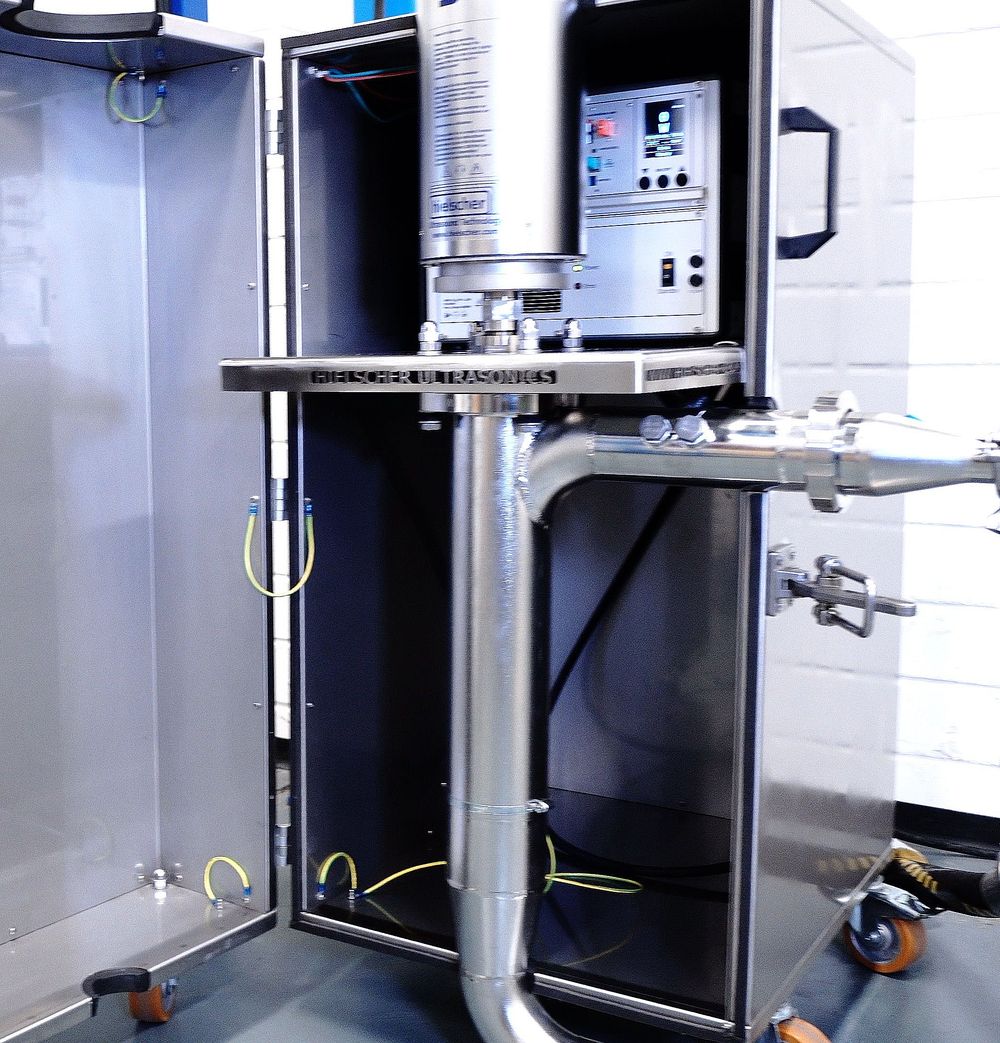
Ультразвуковой гомогенизатор UIP2000hdT для регенерации катализатора в потоковом процессе
Устойчивая технология для экономики с замкнутым циклом использования катализаторов
По мере того как промышленные отрасли переходят к более экологичному производству и рациональному использованию ресурсов, управление отработанными катализаторами становится стратегическим приоритетом. Ультразвуковая обработка способствует этому переходу, делая реактивацию катализаторов более быстрой, эффективной и технически контролируемой. Вместо того чтобы рассматривать отработанные катализаторы как отходы, ультразвуковая обработка помогает преобразовать их в материалы, пригодные для повторного использования, или в ценные источники вторичного сырья.
Промышленная значимость ультразвуковой обработки заключается в её способности объединять в одном процессе механическую активацию, очистку поверхностей, диспергирование и интенсификацию массопереноса. Для промышленных пользователей преимущества столь же очевидны: повышение эффективности повторного использования катализаторов, снижение потребления сырья, сокращение объёма отходов и потенциальное снижение эксплуатационных затрат.
Воспользуйтесь преимуществами ультразвуковой регенерации катализатора
 Реактивация отработанных катализаторов с помощью ультразвуковой обработки представляет собой передовой подход к рециркуляции катализаторов, обладающий значительным научным и промышленным потенциалом. Акустическая кавитация позволяет удалять отложения, восстанавливать проходимость заблокированных пор, улучшать массообмен и ускорять этапы химической регенерации. В сочетании с подходящими методами выщелачивания, окисления, промывки или термической обработки ультразвуковая обработка может способствовать восстановлению активности катализатора и извлечению ценных металлов.
Благодаря масштабируемым высокомощным ультразвуковым устройствам и промышленным ультразвуковым проточным реакторам компания Hielscher создает техническую основу для разработки надежных, воспроизводимых и эффективных процессов регенерации отработанных катализаторов. Поскольку вторичное использование катализаторов приобретает все большее значение для устойчивой химии и циркулярного промышленного производства, ультразвуковая обработка становится мощным инструментом для продления срока службы катализаторов и повышения эффективности использования ресурсов.
В таблице ниже приведена примерная производительность обработки наших ультразвуковых аппаратов:
| Объем партии | Расход | Рекомендуемые устройства |
|---|---|---|
| от 1 до 500 мл | От 10 до 200 мл/мин | УП100Ч |
| от 10 до 2000 мл | от 20 до 400 мл/мин | УП200Хт, УП400Ст |
| 0.1 до 20 л | 0от 0,2 до 4 л/мин | УИП2000HDT |
| От 10 до 100 л | От 2 до 10 л/мин | УИП4000HDT |
| От 15 до 150 л | От 3 до 15 л/мин | УИП6000HDT |
| н.а. | От 10 до 100 л/мин | УИП16000HDT |
| н.а. | больше | Кластер УИП16000HDT |
Проектирование, производство и консалтинг – Качество «Сделано в Германии»
Ультразвуковые аппараты Hielscher хорошо известны своими высочайшими стандартами качества и дизайна. Надежность и простота в эксплуатации позволяют без проблем интегрировать наши ультразвуковые аппараты в промышленные объекты. Ультразвуковые аппараты Hielscher легко справляются с суровыми условиями и требовательными условиями окружающей среды.
Hielscher Ultrasonics является компанией, сертифицированной по стандарту ISO, и уделяет особое внимание высокопроизводительным ультразвуковым аппаратам, отличающимся самыми современными технологиями и удобством в использовании. Конечно, ультразвуковые аппараты Hielscher соответствуют требованиям CE и соответствуют требованиям UL, CSA и RoHs.

Hielscher Ultrasonics производит высокопроизводительные ультразвуковые гомогенизаторы для смешивания, диспергирования, эмульгирования и экстракции в лабораторном, пилотном и промышленном масштабе.
Часто задаваемые вопросы
Что такое катализатор?
Катализатор — это вещество, которое ускоряет ход химической реакции за счёт снижения энергии активации, при этом не расходуясь в реакции в стехиометрических пропорциях. Он обеспечивает альтернативный путь протекания реакции и зачастую может использоваться повторно.
Что такое отработанный катализатор?
Отработанный катализатор — это катализатор, утративший после использования часть или всю свою каталитическую активность, селективность или стабильность. Деактивация может быть вызвана загрязнением, отложением кокса, отравлением, спеканием, выщелачиванием или разрушением структуры.
Что такое отработанный катализатор FCC?
Отработанный катализатор FCC — это деактивированный катализатор, использовавшийся в процессе флюидного каталитического крекинга при нефтепереработке. Катализаторы FCC, как правило, представляют собой материалы на основе цеолитов, используемые для крекинга тяжелых углеводородов с получением более легких продуктов, таких как бензин, олефины и сжиженный нефтяной газ (LPG). Они выходят из строя вследствие образования кокса, загрязнения металлами, гидротермальной деградации, а также потери кислотности или площади поверхности.
Как расходуются катализаторы?
Катализаторы не расходуются в идеальном стехиометрическом смысле, однако в процессе эксплуатации они могут деактивироваться или физически теряться. К числу распространенных механизмов относятся:
- Отравление: необратимая адсорбция примесей на активных центрах.
- Осаждение/коксование: Осаждение углеродистых веществ приводит к закупорке пор и активных центров.
- Спекание: Высокие температуры приводят к агломерации активных частиц, что уменьшает площадь поверхности.
- Выщелачивание: активные компоненты растворяются в реакционной среде.
- Естественная убыль: Механическое истирание приводит к разрушению частиц катализатора, особенно в псевдоожиженных слоях.
- Этап преобразования: структура катализатора преобразуется в менее активную форму.
Какие существуют четыре типа катализаторов?
К четырём наиболее распространённым типам относятся:
Литература / Литература
- Darbandi, M., Moghaddasfar, A., Eynollahi, M. et al. (2025): Sustainable approach with enhanced removal performance of organic pollutant for wastewater treatment by ultrasonically regenerated mesoporous nickel oxide nanoparticles. Int. J. Environ. Sci. Technol. 22, 3495–3504 (2025).
- Anggoro D.D., Buchori L., Rinaldi N., Silviana S., Le Monde B.U., Putra M.F., Zainol, M.M. (2026): Hybrid Ultrasound and Advanced Oxidation Process Regeneration of Spent FCC Catalysts: Optimization and Their Catalytic Performance. Journal of Engineering and Technological Sciences, 58(2), 227–242.
- Xin Pu, Jin-ning Luan, Li Shi (2012): Reuse of Spent FCC Catalyst for Removing Trace Olefins from Aromatics. Bulletin of Korean Chemical Society 2012, Vol. 33, No. 8.
- Высокая эффективность
- Современные технологии
- надёжность & робастность
- Регулируемое, точное управление процессом
- партия & встроенный
- для любого объема
- Интеллектуальное программное обеспечение
- интеллектуальные функции (например, программируемые, протоколирование данных, дистанционное управление)
- Простота и безопасность в эксплуатации
- Низкие эксплуатационные расходы
- CIP (безразборная мойка)
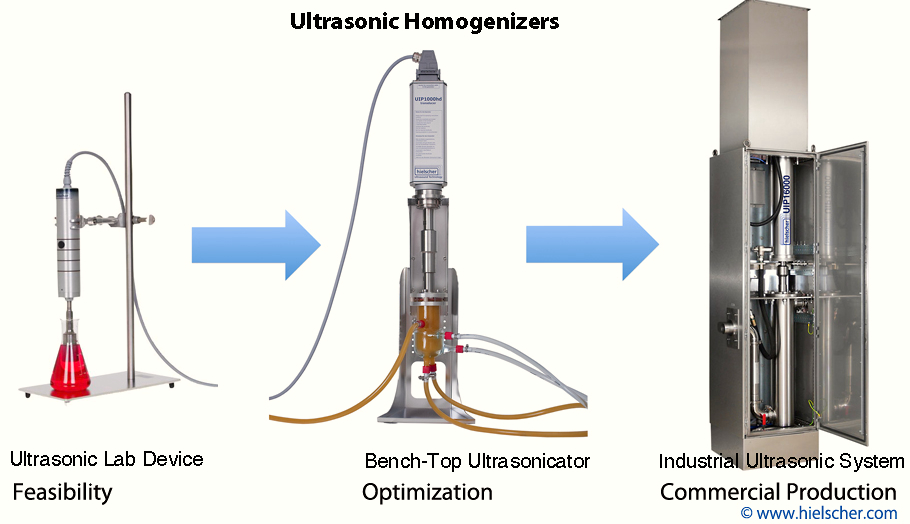
Hielscher Ultrasonics производит высокопроизводительные ультразвуковые гомогенизаторы от лаборатория Кому промышленного размера.