სონო-ოზონაცია: სონოქიმიისა და ოზონაციის სინერგია მოწინავე ოქსიდაციისთვის
Sono-Ozonation is an advanced oxidation process that combines ultrasound with ozonation in a single treatment system. While both technologies are effective on their own, their simultaneous application often produces a stronger effect than either method alone. This synergy is particularly valuable in environmental applications, where persistent organic pollutants, microorganisms, colorants, pharmaceuticals, pesticides, industrial chemicals, and other contaminants must be degraded efficiently. By integrating acoustic cavitation with ozone chemistry, sono-ozonation enhances radical generation, improves mass transfer, and accelerates oxidative reactions in liquid media.
How Does Sonication Improve Ozonation?
The principle of sono-ozonation is based on the interaction between ultrasonic cavitation and ozone decomposition. When high-intensity ultrasound is introduced into a liquid, alternating compression and rarefaction cycles generate microscopic cavitation bubbles. These bubbles grow and violently collapse, producing localized hot spots with extremely high temperatures and pressures for very short periods of time. Under these extreme conditions, water molecules can dissociate into highly reactive hydroxyl radicals. These radicals are among the most powerful non-selective oxidants in aqueous systems and are able to attack a broad range of organic compounds.
მიიღეთ პროცედურული რეკომენდაცია
გვითხარით თქვენი სამიზნე შედეგი, ნაკადის სიჩქარე ან სურათების მოცულობა და სასურველი დამუშავების რეჟიმი. ჩვენ დაგეხმარებით აირჩიოთ სწორი სონიკატორი და კონფიგურაცია თქვენი მოწინავე ჟანგვის პროცესისთვის.
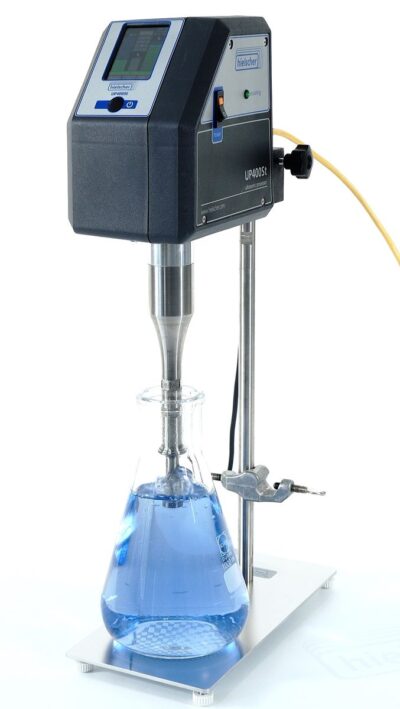
ზონდის ტიპის sonicator UP400St
ულტრაბგერითი დახმარებით ოზონაციის უპირატესობები
Ozone is also a strong oxidizing agent and is widely used for water and wastewater treatment. It can react directly with certain contaminants or decompose in water to form secondary oxidants such as hydroxyl radicals. However, ozonation can be limited by gas-liquid mass transfer, ozone solubility, and the selectivity of direct ozone reactions. Ultrasound helps overcome these limitations. Cavitation improves the dispersion of ozone gas in the liquid, reduces bubble size, renews the gas-liquid interface, and promotes turbulent micro-mixing. As a result, ozone dissolves more effectively and decomposes more readily into reactive radical species.
The combined effect is a more efficient oxidative environment. In sono-ozonation, ozone molecules may enter cavitation bubbles or concentrate near bubble interfaces, where they are exposed to intense thermal and mechanical conditions during collapse. This accelerates ozone decomposition and increases the formation of hydroxyl radicals and other reactive oxygen species. The process therefore improves the degradation rate of organic pollutants and can reduce treatment time compared with conventional ozonation. In many applications, sono-ozonation also improves mineralization, meaning that organic molecules are not only transformed into intermediate compounds but are further oxidized toward carbon dioxide, water, and inorganic ions.
One of the most important advantages of sono-ozonation is its ability to treat compounds that are resistant to conventional oxidation. Many environmental contaminants, including dyes, phenolic compounds, endocrine-disrupting chemicals, pharmaceutical residues, and surfactants, can be difficult to remove completely. Ozone may react selectively with electron-rich groups, while ultrasound-induced radicals can attack less selective molecular sites. The combination expands the range of oxidation pathways and improves the probability of contaminant breakdown. This makes sono-ozonation attractive for wastewater treatment, drinking water polishing, leachate treatment, process water recycling, and remediation of contaminated aqueous streams.
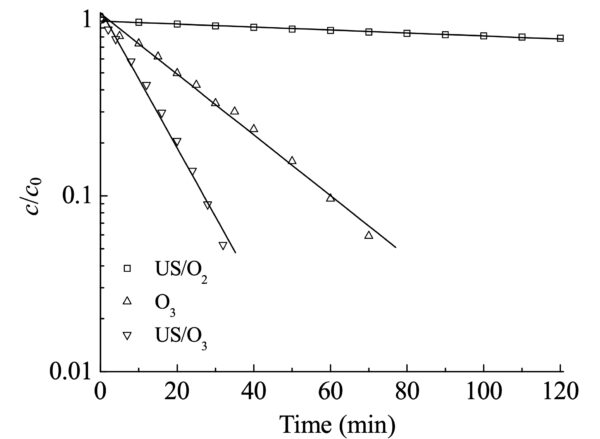
პირველი რიგის დეგრადაცია p-ნიტროფენოლის გამო O2, ოზონაცია და სონოლიზური ოზონაცია. O3 გაზის ნაკადი 40 მლ/წთ, pH=3, T=298 K. საწყისი p-nitrophenol კონცენტრაცია იყო 50 მგ/ლ. გადამყვანის ულტრაბგერითი ენერგიის გამომუშავება იყო 125 ვტ.
გრაფიკული და შესწავლა: ©Xu et al., 2005
სონო-ოზონაციის აპლიკაციები
Sono-Ozonation is highly relevant for microbial inactivation. Ultrasound can physically disrupt microbial cells through shear forces, microjets, shock waves, and localized pressure changes. Ozone, meanwhile, oxidizes cell walls, membranes, enzymes, and genetic material. When both methods are applied together, the antimicrobial effect can be enhanced. Cavitation may weaken or damage cell structures, allowing ozone and radical species to attack more effectively. This combined action can improve disinfection performance against bacteria, fungi, algae, and other microorganisms. For applications where microbial control and organic contaminant degradation are both required, sono-ozonation offers a powerful multifunctional treatment approach.
ქიმიური დეგრადაციისა და ანტიმიკრობული აქტივობის გარდა, სონო-ოზონირებას შეუძლია გააუმჯობესოს დამუშავებული სითხეების ფიზიკოქიმიური თვისებები. ულტრაბგერითი კავიტაცია ზრდის შერევის ინტენსივობას, ხელს უწყობს დეგაზაციას და გაზის დისპერსიას და აძლიერებს კონტაქტს ოქსიდანტებსა და დამაბინძურებლებს შორის. ამ ეფექტებს შეუძლიათ ხელი შეუწყონ ფერის, სუნის, ქიმიური ჟანგბადის მოთხოვნილების, სიმღვრივეს და გარკვეული ცეცხლგამძლე ორგანული ფრაქციების შემცირებას. ზოგიერთ პროცესში, სონო-ოზონირებას ასევე შეუძლია გააუმჯობესოს ქვედა დინების დამუშავება მუდმივი ნივთიერებების უფრო ბიოდეგრადირებად ნაერთებად გადაქცევით, რითაც გაზრდის ბიოლოგიური დამუშავების ნაბიჯების ეფექტურობას.
დახურული რეაქტორები ეფექტური დამუშავებისა და მარტივი მასშტაბირებისთვის
 A practical advantage of sono-ozonation is that it can be implemented in closed reactor systems. Hielscher probe-type sonicators are particularly suitable for this type of integration because they deliver high-intensity ultrasound directly into the liquid through a titanium sonotrode. The probe can be mounted into a closed vessel or flow-through reactor using appropriate ports, flanges, or fittings. At the same time, ozone can be introduced through a gas inlet, diffuser, sparger, or recirculation loop. This allows ultrasound and ozone to act simultaneously within the same reaction volume.
Such a setup is straightforward and scalable. The closed reactor contains the liquid to be treated, while the ultrasonic probe transfers acoustic energy directly into the medium. Ozone flows continuously or intermittently through the reactor, depending on the process requirements. The ultrasound improves ozone dispersion and contact with the liquid phase, while the closed configuration helps contain ozone safely and enables controlled off-gas handling. Excess ozone can be directed to an ozone destructor or suitable exhaust treatment system. Important operating parameters include ultrasonic amplitude, power input, treatment time, ozone concentration, gas flow rate, temperature, pressure, pH, and reactor geometry.
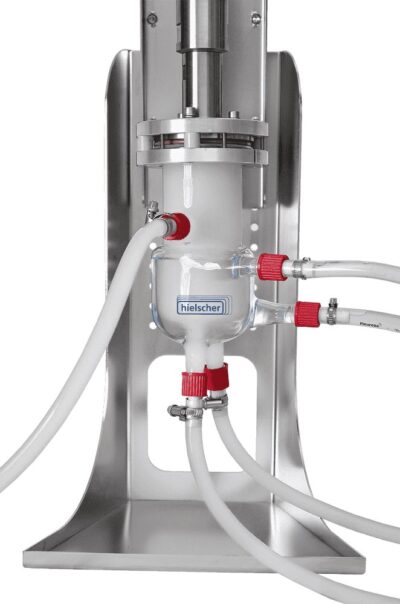
سونიკატორი UIP1000hdT ხაზის რეაქტორთან სونو-ოზონაციისთვის
ჰილსჩერის სონიკატორები ოზონაციისა და მოწინავე ოქსიდაციისთვის
ჰილსჩერისprobe ტიპის სონიკატორებს შეუძლიათ გამოყენება ბატჩური ან უწყვეტი სონო-ოზონაციის პროცესებისთვის. ლაბორატორიული განვითარების პერიოდში კომფორტული ულტრაბგერითი მოწყობილობები საშუალებას აძლევს მკვლევარებს შეაფასონ რეაქციის კინეტიკა, დაბინძურების დაშლა და მიკრობული შემცირება კონტროლირებადი პირობების ქვეშ. პილოტური და ინდუსტრიული ოპერაციისთვის უფრო მძლავრი ულტრაბგერითი სისტემები შეიძლება ინტეგრირდეს დიდ ავზებში ან უწყვეტი ნაკადის რეაქტორთან. ვინაიდან probe სონიკაცია ეფექტურად შეიყვანებს ენერგიას სითხეში, ის კარგად მოერგება პროცესის ინტენსიფიკაციას, სადაც საჭიროაა ძლიერი კავიტაცია და საიმედო გამეორებადობა.
სონო-ოზონაცია წარმოადგენს უაღრესად ეფექტურ სინერგიულ მეთოდს, რომელიც აერთიანებს ოზონის ქიმიურ დაჟანგვის ძალას ულტრაბგერის ფიზიკურ და სონოქიმიურ ეფექტებთან. პროცესი ზრდის რადიკალურ წარმოქმნას, აუმჯობესებს აირ-თხევადი მასის გადაცემას, აჩქარებს დამაბინძურებლების დეგრადაციას და აძლიერებს ანტიმიკრობულ აქტივობას. მისი თავსებადობა დახურულ რეაქტორებთან და Hielscher ზონდის ტიპის სონიკატორების პირდაპირი ინტეგრაცია სონო-ოზონაციას პრაქტიკულ და მრავალმხრივ მიდგომად აქცევს გარემოს დამუშავების, წყლის გაწმენდის, ჩამდინარე წყლების აღდგენისა და ჟანგვის მოწინავე აპლიკაციებისთვის.
ქვემოთ მოყვანილი ცხრილი გვიჩვენებს ჩვენი ულტრაბგერითი აპარატების სავარაუდო დამუშავების შესაძლებლობებს:
| სურათების მოცულობა | Დინების სიჩქარე | რეკომენდებული მოწყობილობები |
|---|---|---|
| 0.5-დან 1.5მლ-მდე | na | VialTweeter |
| 1-დან 500 მლ-მდე | 10-დან 200 მლ/წთ-მდე | UP100H |
| 10-დან 2000 მლ-მდე | 20-დან 400 მლ/წთ-მდე | UP200Ht, UP400 ქ |
| 0.1-დან 20ლ-მდე | 0.2-დან 4ლ/წთ-მდე | UIP2000hdT |
| 10-დან 100 ლ-მდე | 2-დან 10ლ/წთ-მდე | UIP4000hdT |
| 15-დან 150 ლ-მდე | 3-დან 15 ლ/წთ-მდე | UIP6000hdT |
| na | 10-დან 100ლ/წთ-მდე | UIP16000hdT |
| na | უფრო დიდი | კასეტური UIP16000hdT |
დიზაინი, წარმოება და კონსულტაცია – ხარისხი დამზადებულია გერმანიაში
Hielscher ულტრაბგერითები ცნობილია მათი უმაღლესი ხარისხისა და დიზაინის სტანდარტებით. გამძლეობა და მარტივი მუშაობა საშუალებას იძლევა ჩვენი ულტრაბგერითი აპარატების გლუვი ინტეგრაცია სამრეწველო ობიექტებში. უხეში პირობები და მომთხოვნი გარემო ადვილად უმკლავდება Hielscher ულტრაბგერითებს.
Hielscher Ultrasonics არის ISO სერთიფიცირებული კომპანია და განსაკუთრებული აქცენტი კეთდება მაღალი ხარისხის ულტრაბგერაზე, რომელიც აღჭურვილია უახლესი ტექნოლოგიით და მომხმარებლის კეთილგანწყობით. რა თქმა უნდა, Hielscher ულტრაბგერითები შეესაბამება CE და აკმაყოფილებს UL, CSA და RoHs მოთხოვნებს.

Hielscher Ultrasonics აწარმოებს მაღალი ხარისხის ულტრაბგერითი ჰომოგენიზატორების შერევას აპლიკაციების, დისპერსიის, ემულსიფიკაციისა და ექსტრაქციისთვის ლაბორატორიულ, საპილოტე და სამრეწველო მასშტაბებზე.
ხშირად დასმული შეკითხვები
რა არის გაფართოებული ჟანგვის პროცესი (AOP)?
გავლენიანი ოქსიდაციის პროცესი (AOP) არის ქიმიური მკურნალობის მეთოდი, რომელიც წარმოშობს მაღალრეაქტიულ ჟანგბადოვან სახეობებს, განსაკუთრებით ჰიდროქსილის რადიკალებს, რათა ოქსიდაცია გაუკეთოს და განადგუროს გამძლე ორგანული მავნებლები წყალში, საწყის წყლებში, ჰაერში ან პროცესის სითხეებში.
რა არის ოზონაცია?
ოზონაცია არის ოქსიდაციის პროცესი, რომლის დროსაც ოზონის გაზი შეჰყავთ სითხის ან გაზის ნაკადში, რათა რეაგირება მოახდინოს მავნებლებთან, მიკროორგანიზმებთან, სუნის შემადგენლებთან ან საღებავებთან. იგი მოქმედებს პირდაპირი ოზონის ოქსიდაციის გზით ან ირიბად, რადიკალური სახეობების ფორმირების გზით.
რა არის ოზონი?
Ozone is a triatomic form of oxygen with the chemical formula O₃. It is a highly reactive, unstable oxidizing gas that decomposes to oxygen and reactive oxygen species, making it useful for disinfection, deodorization, and contaminant degradation.
ლიტერატურა / ლიტერატურა
- Moretti, A., E. Gover, G. Bisson, C. Comuzzi, D. Goi, M. Marino (2026): Evaluating Low-Frequency Ultrasound as a Pretreatment to Improve Ozonation Antimicrobial Efficacy in Urban Wastewater Treatment. Water Environment Research 98, no. 3: e70322.
- Rossi, G., Mainardis, M., Aneggi, E. et al. (2021): Combined ultrasound-ozone treatment for reutilization of primary effluent – a preliminary study. Environmental Science and Pollution Research 28, 2021. 700–710.
- Xu XW, Shi HX, Wang DH. (2005): Ozonation with ultrasonic enhancement of p-nitrophenol wastewater. J Zhejiang Univ Sci B. 2005 May;6(5):319-323.
- მაღალი ეფექტურობის
- უახლესი ტექნოლოგია
- საიმედოობა & სიმტკიცე
- რეგულირებადი, ზუსტი პროცესის კონტროლი
- პარტია & ხაზში
- ნებისმიერი მოცულობისთვის
- ინტელექტუალური პროგრამული უზრუნველყოფა
- ჭკვიანი ფუნქციები (მაგ., პროგრამირებადი, მონაცემთა პროტოკოლირება, დისტანციური მართვა)
- მარტივი და უსაფრთხო ფუნქციონირება
- დაბალი მოვლა
- CIP (სუფთა ადგილზე)
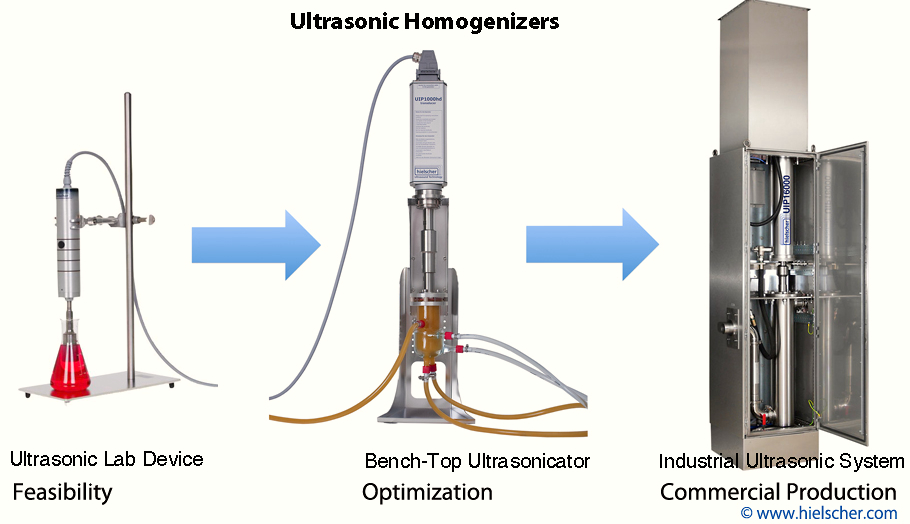
Hielscher Ultrasonics აწარმოებს მაღალი ხარისხის ულტრაბგერითი ჰომოგენიზატორებისგან ლაბორატორია რომ სამრეწველო ზომა.