Բիոլուբրիկանտների արտադրություն՝ գործընթացի ուժեղացում սոնիկացիայի միջոցով
The lubricant industry is entering a decisive phase of formulation innovation. As industrial users, mobility sectors, marine operators, and environmentally sensitive applications move toward biodegradable and renewable alternatives, lubricant manufacturers are under increasing pressure to deliver high-performance biolubricants without compromising viscosity control, oxidative stability, wear protection, or long-term storage stability. Market analysts report continued growth for biolubricants, driven by demand for biodegradable, lower-emission and sustainable lubricant solutions across transportation and industrial applications.
Ultrasonic Production of Biolubricants: Process Intensification for Sustainable Lubricants
Against this backdrop, ultrasonic processing, also known as sonication, is gaining industrial relevance as a versatile production technology for biolubricant manufacturing. High-power ultrasound can be used for ultrasonic dispersion, sonochemical transesterification, emulsification, and microgel particle preparation, giving formulators a robust tool to improve both chemical conversion and physical formulation quality. This makes sonication a highly efficient processing technique used in bio-lubricating oils, bio-lubricating greases, water-based biolubricants and food-grade lubricants.

Ուլտրաձայնային համասեռացնող UIP2000hdT for industrial production of biolubricants
Ինչու է ուլտրաձայնային մշակումը կարևոր բիոլուբրիկանտների արտադրողների համար
Բիոլուբրիկանտները հաճախ կախված են բարդ հումքի համակարգերից՝ բանջարեղենային յուղեր, սինթետիկ էստերներ, կենսաբազային պոլիմերներ, բջջանյութի արտանեկույթներ, ֆունկցիոնալ հավելումներ, հակաօքսիդանտներ, կոռոզիայի կանխարգելիչներ, պայմանագրային միջոցներ, խզման ակտիվացման ուղղողներ և ջրային կամ էմուլսիա տեսակի փուլեր: Այս բաղադրիչները կարող են զգալիորեն տարբերվել полярամուտից, ճաքեցվածությունից, մասնիկների չափսից, լուծՄանությունից և միջնային վարքից: Պարարտիչ ավանդական խառնիչները, ռոտոր-ստատոր համակարգերը կամ երկար խմբային խառնումը միշտ չէ, որ ապահովում են բավարար էներգիայի խտություն մանր, կայուն դիսպերսիաների կամ արագ միջերեսային ռեակցիաների արտադրության համար:
Sonication addresses these challenges through acoustic cavitation. When high-intensity ultrasound is introduced into liquids, microscopic cavitation bubbles form, grow, and collapse. This creates localized high shear, intense micro-mixing, turbulence, particle deagglomeration, and reactive zones that can accelerate mass transfer and chemical reactions. In transesterification research, ultrasound has been widely studied as a way to overcome slow reaction kinetics and inefficient contact between oil and alcohol phases.
For lubricant manufacturers, this means ultrasound is not merely a laboratory homogenization method. It is a process intensification technology that can support the production of more stable, more uniform, and more efficient bio-based lubricant formulations.
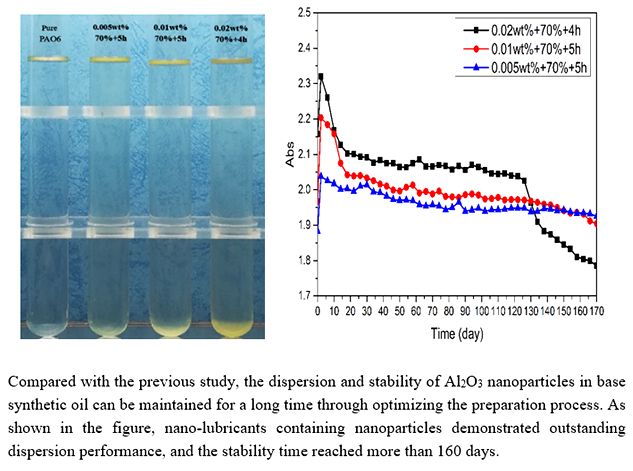
Աուլտրաձայնայինprobe-տիպ դիսպերսորը ստեղծում է բարձր արդյունավետությամբ բիոէխտանյութեր։
(Ուսումնասիրություն և նկար՝ Liu և այլք, 2020)
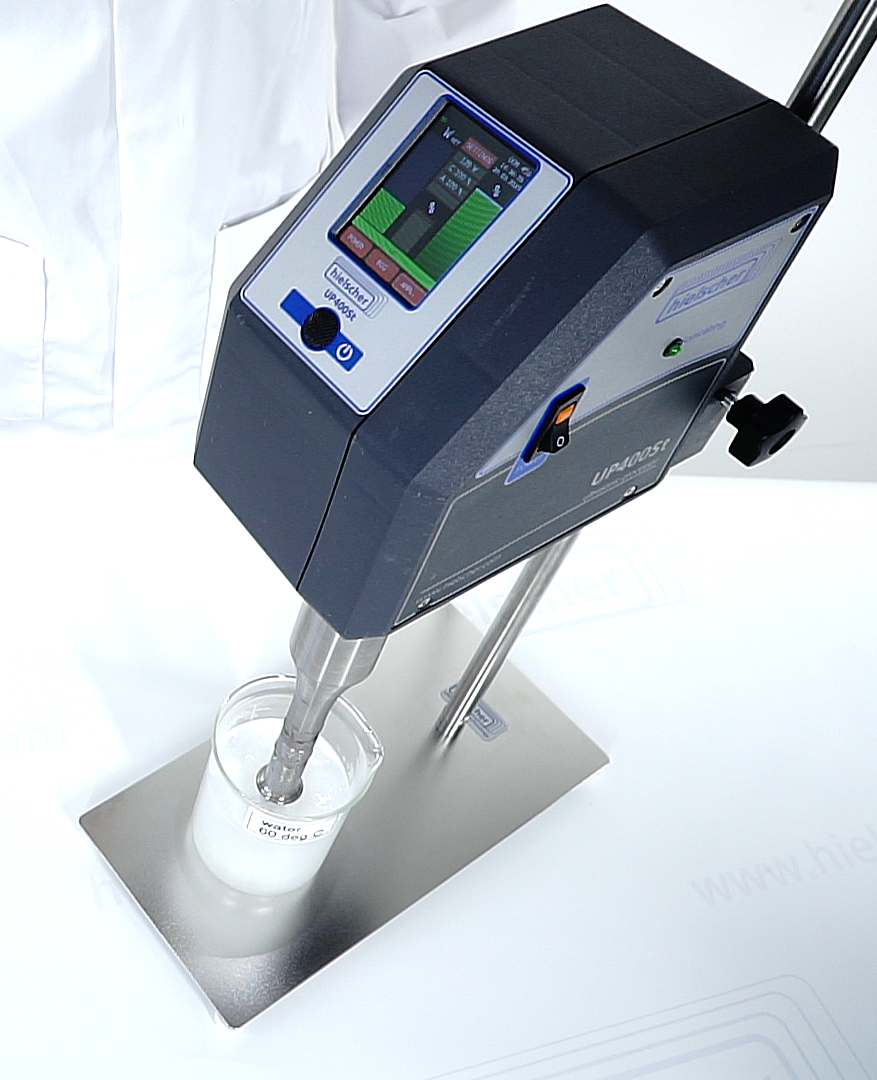
Բիոէխտանյութի ձևակերպումների աուլտրաձայնային էմուլսիфикация
Բիալյուտացնող հավելանյութերի աուլտրաձայնային դիսպերսիա
Բիոէխտանյութի ձևակերպման հիմնական խնդիրներից մեկն է բիալյուտացնող հավելանյութերի համաչափ ներծծումը։ Նյութերը, ինչպիսիք են կատբոքսիմեթիլ ցելյուլոզը, ցելյուլոզային նանոֆիբրերը, բիոպոլիմերները, բնական գումարումները, լիգինային դյուրացուցիչները, բիալյուտացնող խտանյութերը և ֆունկցիոնալ նանոմասնիկները կարող են ուժեղորեն ազդել հակահակողունակության, խոնավության, զգայունության, ֆիլմի ձևավորման և կախնելու կայունության վրա։ Այնուամենայնիվ, այդ նյութերը հաճախ հակված են կլանվել, դանդաղ հիդրատացվել կամ ոչ միասնական ժելային կառույց ստեղծել։
Ալտրաձայնային ցրելը օգնում է արտադրողներին նվազեցնել ագլոմերատները և հավելումները ավելի հավասարաչափ տարածել սոսնձանյութի մատրիցում: Սա հատկապես արժեքավոր է ջրային հիմքով սոսնձանյութերի, նանոսոսնձանյութերի, գրիսային համակարգերի և էմուլսիոն-հիմնված բիոսոսնձանյութերի համար: Վերջերս անցկացված հետազոտությունները սելյուլոզի հիմքով համակարգերի վրա ցույց են տալիս, որ սոնիկացիան կարող է նշանակալի ազդեցություն ունենալ ցրման վարքագծի, ռեոլոգիայի և ցանցային կառուցվածքի վրա, ինչը այն դարձնում է օգտակար գործընթացային գործիք սելյուլոզ պարունակող բաղադրատոմսերը կարգավորելու համար.
Սոսնձանյութի արտադրողների համար ավելի լավ ցրվելը կարող է արտացոլվել հետևյալ կերպ.
- Մեքենանման և ռեոլոգիական վարքագծի ավելի հուսալի համաչափություն
- Թմբուկների արդյունավետության բարձրացում ավելի ցածր չափաբաժինների դեպքում
- Նվազեցված նստվածքավորում, փուլերի բաժանում կամ լողացող կոշտ մասնիկների տարածում
- Տրիբոլոգիական կատարողականի ավելի վերարտադրելի ցուցանիշներ
- Կարճացված գործընթացային ժամանակներ երկարատև մեխանիկական խառնելու հետ համեմատ
Կարբոքսիմեթիլցելյուլոզը հատկապես կարևոր է, քանի որ լայնորեն օգտագործվում է որպես ցելյուլոզայի դերենջիվ՝ օգտակար մածուցիկություն, մակերեսային և ֆիլմ ձևավորող հատկություններով: Հարավային համակարգերում սոնիկացիան կարող է օգնել ինտեգրել ԿՄԿ-ն և այլ բիոմոլեկուլներ կայուն ջրային կամ էմուլսիա ձևաչափերի մեջ, աջակցելով շրջակա միջավայրը բարելավող սառնարանի յուղերի զարգացմանը՝ վերահսկվող հոսքի վարքագծով և բարձրացված ձևաչափի կայունությամբ:
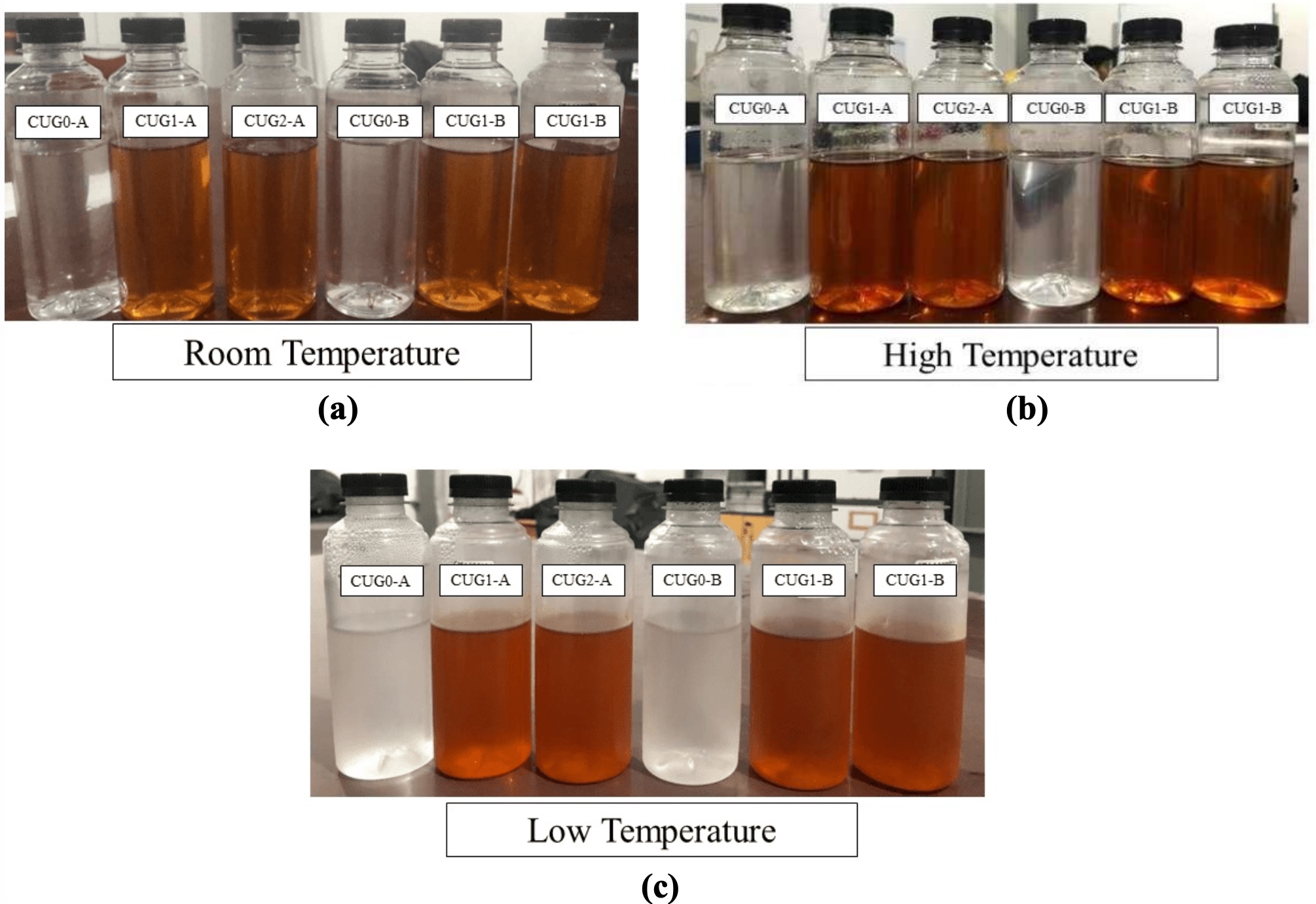
Բիոլուբրիկանտներ՝ բարձրաձայն սոնիկացիայով ցրված կարբոքսիմեթիլցելյուլոզով: Սոնիկային ցրումըproduces երկարաժամկետ կայուն նանո-բիոլուբրիկանտներ
Ուսումնասիրություն և պատկերներ: ©Rahmadiawan et al., 2022
Սոնոքիմիական տրանսէսթերիֆիկացում դիեսթերային և էսթերային հիմքով բիոլուբրիկանտների համար
Esters are among the most important base fluids for high-performance biolubricants. They can offer good lubricity, high viscosity index, biodegradability, and favorable low-temperature behavior, depending on the feedstock and molecular structure. Diesters and polyol esters are particularly important for applications such as hydraulic fluids, compressor oils, metalworking fluids, chainsaw oils, marine lubricants, and specialty industrial lubricants.
One promising application of ultrasound is the sonochemical preparation of esters by transesterification. In conventional transesterification, immiscible reactants such as oils and alcohols often require intensive mixing, elevated temperatures, catalysts, and extended reaction times. Ultrasound improves mass transfer by creating fine emulsions between the reactant phases and continuously renewing the interface where the reaction occurs.
Sonication-assisted transesterification is an established technique well proven for advantages such as faster reaction rates, improved phase contact, shorter separation times, high yields, and reduced waste formation under suitable conditions. Lubricant manufacturers use the ultrasonic transesterification method to produce ester-based biolubricant components, including diesters and other functional ester structures.
Ultrasonic transesterification helps manufacturers:
- Improve contact between oil, alcohol, and catalyst phases
- Reduce reaction time by intensifying interfacial mass transfer
- Support lower-temperature or more energy-efficient processing windows
- Improve conversion consistency in batch or continuous production
- Enable compact reactor designs for scalable ester production
Բիոլոգիական քսայուղերի հիմքային նյութ արտադրող ընկերությունների համար ուլտրաձայնը ճանապարհ է բացում էստերացման և տրանսեսթերացման գործընթացները խորացնելու համար՝ աջակցելով ավելի մաքուր և արդյունավետ արտադրությանը,
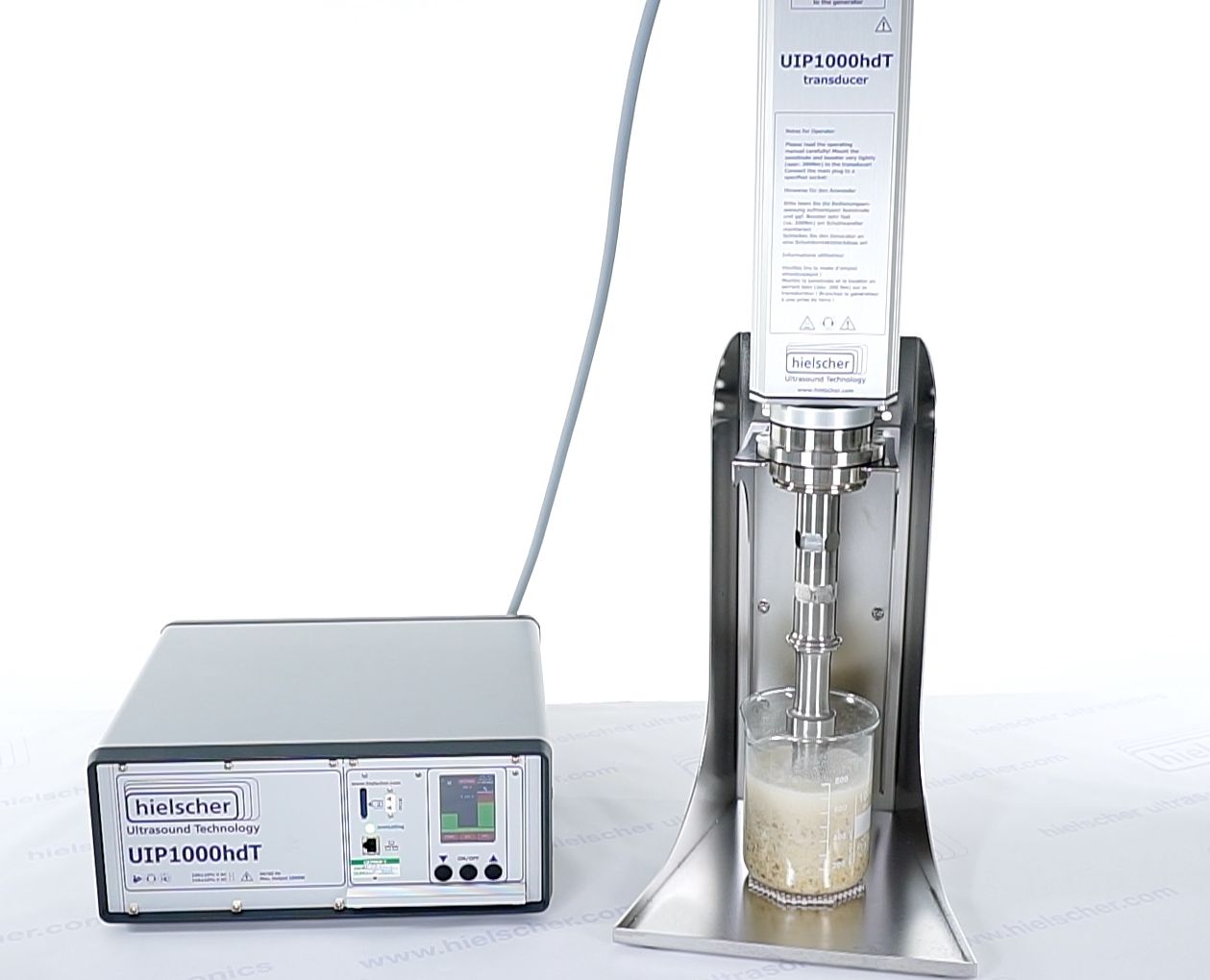
1000 վատ ուժեղ Sonicator UIP1000hdT
միավորում է սեղանադիր և արտադրական գործընթացները
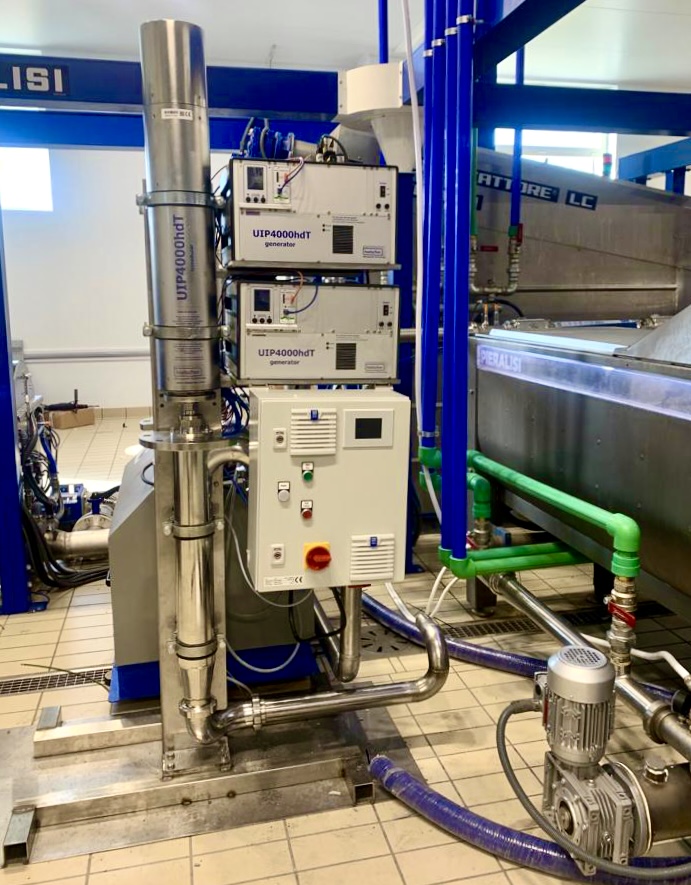
ուժային ուլտրաձայնային – Կլաստեր 2x UIP4000hdT սոնիկատորներ հոսքի բջիջներով շարունակական ինտեգրացված գործողության համար
Քսայուղային կազմատեսակների ուլտրաձայնային էմուլգացում
 Many modern biolubricants are not simple single-phase oils. They may include water-in-oil emulsions, oil-in-water emulsions, additive concentrates, wax dispersions, polymer-modified systems, or complex multiphase packages. The quality of these emulsions has a direct impact on storage stability, lubricity, cooling performance, corrosion protection, and application behavior.
Ultrasonic emulsification is highly effective because cavitation generates intense local shear forces that break droplets into smaller sizes and create narrow droplet-size distributions. In lubricant manufacturing, this can be used to emulsify bio-based oils, ester phases, water phases, surfactants, polymeric stabilizers, and functional additives into stable formulations.
This is particularly relevant for:
- Ջրի հիմքով կենսաբացացուցիչներ
- Ոսկորագործական հեղուկներ և հատման հեղուկներ
- Հիդրավլիկ հեղուկներ՝ վերականգնվող բաղադրիչներով
- Էմուլսիա տեսակ ապարեղենային ճարպեր և կիսախիտ լուբրիկանտներ
- Ավելացուցիչ կոնցենտրատներ և նախահաղորդումներ
- Լուբրիկանտային համակարգեր, որոնք պարունակում են բիոպոլիմերներ կամցելյուլոզայի եռակցումներ
Բարակ էմուլգացում բարելավում է լուբրիկանտային ձևակերպումների ֆիզիկական կայունությունը և կարող է նվազեցնել ավելորդ սրսկիչի պահանջարկը։ Արտադրողների համար սա առաջարկում է և՛ կատարողականության, և՛ ծախսերի առավելություններ՝ լավացված կայունություն, ավելորդ հավելումների արդյունավետ օգտագործում և մեծացված ձևակերպման ճկունություն։
Էմուլսիայով միկրոգելի մասնիկների սոնիկացիա
Another emerging area is the production of emulsion microgel particles for advanced lubricant formulations. Microgels can act as rheology modifiers, carriers for active ingredients, friction modifiers, or responsive structuring agents. In bio-based lubricant systems, microgel particles may be produced from natural polymers, modified cellulose, polysaccharides, proteins, or other renewable polymer systems.
Ultrasonic processing supports microgel preparation by enabling controlled emulsification, droplet-size reduction, polymer dispersion, and phase structuring. The same cavitation-driven mechanisms that produce fine emulsions can also help create small, uniform precursor droplets or dispersed polymer domains that are subsequently gelled, crosslinked, or stabilized.
Optimize Your Biolubricant Production with Sonication
 One of the most important questions for lubricant manufacturers is whether ultrasonic processing can reliably integrated into production lines. With Hielscher sonicators, the answer is clearly yes. Hielscher high-performance sonicators are engineered for continuous operation, inline processing, and seamless integration into existing production lines, making them a powerful and reliable solution for industrial biolubricant manufacturing.
In a typical industrial setup, the lubricant premix, additive slurry, oil-alcohol reaction mixture, or emulsion feed is pumped through an ultrasonic flow cell, where it is exposed to precisely controlled ultrasonic energy. Key process parameters such as amplitude, pressure, temperature, flow rate, residence time, and specific energy input can be accurately adjusted, monitored, and are automatically documented. This high level of controllability gives lubricant manufacturers the process security required for reproducible formulation quality, validated production protocols, and consistent scale-up from R&D trials to pilot production and full industrial throughput.
For biolubricant producers, this scalability is especially important because formulation requirements are becoming more demanding. Customers expect sustainable products, but they also expect the same or better performance than conventional petroleum-based lubricants. Hielscher sonicators help manufacturers bridge this gap by combining power, reliability, controllability, and linear scalability in one robust ultrasonic platform. These advantages make Hielscher sonicators the preferred choice for companies that need industrial-grade sonication for high-quality bio-based lubricant formulations.
Ստորև բերված աղյուսակը ցույց է տալիս մեր ուլտրաձայնային սարքերի մոտավոր մշակման հզորությունը.
| Խմբաքանակի ծավալը | Հոսքի արագություն | Առաջարկվող սարքեր |
|---|---|---|
| 1-ից 500 մլ | 10-ից 200 մլ / րոպե | UP100H |
| 10-ից 2000 մլ | 20-ից 400 մլ / րոպե | UP200Ht, UP400 Փ |
| 0.1-ից 20լ | 0.2-ից 4լ/րոպե | UIP2000hdT |
| 10-ից 100 լ | 2-ից 10 լ / րոպե | UIP4000hdT |
| 15-ից 150 լ | 3-ից 15 լ / րոպե | UIP6000hdT |
| ԱԺ | 10-ից 100 լ / րոպե | UIP16000hdT |
| ԱԺ | ավելի մեծ | կլաստերի UIP16000hdT |
Դիզայն, արտադրություն և խորհրդատվություն – Որակյալ Արտադրված է Գերմանիայում
Hielscher ուլտրաձայնային սարքերը հայտնի են իրենց բարձր որակի և դիզայնի չափանիշներով: Հզորությունը և հեշտ շահագործումը թույլ են տալիս մեր ուլտրաձայնային սարքերի սահուն ինտեգրումը արդյունաբերական օբյեկտներում: Կոպիտ պայմանները և պահանջկոտ միջավայրերը հեշտությամբ կառավարվում են Hielscher ուլտրաձայնային սարքերի կողմից:
Hielscher Ultrasonics-ը ISO սերտիֆիկացված ընկերություն է և հատուկ շեշտադրում է կատարում բարձր արդյունավետության ուլտրաձայնային սարքերի վրա, որոնք բնութագրվում են ժամանակակից տեխնոլոգիաներով և օգտագործողների համար հարմարավետությամբ: Իհարկե, Hielscher ուլտրաձայնային սարքերը համապատասխանում են ԵԽ-ին և համապատասխանում են UL, CSA և RoH-ների պահանջներին:

Ուլտրաձայնային սարք UIP6000hdT Քսուքների մեջ նանոնյութերի ներգծային ցրման համար
Հաճախակի տրվող հարցեր
Ի՞նչ են կենսաքսանյութերը
Biolubricants are lubricants formulated from renewable or bio-based raw materials, such as vegetable oils, animal fats, synthetic esters, or other biodegradable feedstocks. They are designed to reduce friction, wear, and heat between moving surfaces while offering improved biodegradability, lower toxicity, and a reduced environmental impact compared with many petroleum-based lubricants.
What are the most Common Base Materials of Biolubricant Formulations?
The most common base materials for biolubricants are vegetable oils, synthetic esters, and chemically modified bio-based oils. Frequently used feedstocks include rapeseed oil, soybean oil, sunflower oil, palm oil, castor oil, coconut oil, and jatropha oil. Synthetic esters, such as diesters and polyol esters, are widely used because they offer improved oxidative stability, low-temperature performance, viscosity control, and hydrolytic stability compared with many untreated natural oils.
What Bio-Based Materials are Used as Nano-Additives in Biolubricants?
Bio-based materials used as nano-additives in biolubricants include mainly nanocellulose, especially cellulose nanocrystals and cellulose nanofibers, as well as lignin nanoparticles, chitosan nanoparticles, starch-based nanoparticles, alginate-based particles, protein-based nanoparticles, biochar, and other biomass-derived carbon nanoparticles. Among these, nanocellulose is one of the most studied because it is renewable, biodegradable, mechanically robust, and can improve friction reduction, anti-wear behavior, viscosity modification, and tribofilm formation in vegetable-oil-based and other eco-friendly lubricant systems.
What Conventional Nanomaterials are Used as Additives in Biolubricants?
Carbon-based nanoparticles such as graphene, graphite, carbon nanotubes and carbon dots, Al₂O₃, TiO₂, SiO₂, ZnO, MoS₂, or WS₂ can be used as performance additives in biolubricants.as well as inorganic nanoparticles such as Al₂O₃, are increasingly investigated as functional additives in biolubricants. When finely dispersed, these nano-additives can improve friction reduction, wear protection, load-bearing capacity and formulation stability.
Աշխատունակությունը մեծապես կախված է կայուն ցրվածությունից: Վատ ցրված нанոնկատաղներ կարող են ագլոմերացվել, նստվածք ձևավորել կամ նույնիսկ մեծացնել քայքայիչ աղտոտումը: Եվ հենց այստեղ է, որ արդյունավետ է ուլտրաձայնային ցրման գործընթացը, քանի որ սոնիկացիան օգնում է ապագլոմերացնել нанոնկատաղները և դրանք հավասարաչափ բաժանել կենսահոսիչների, էստերների, էմուլսիաների կամ պոլիմերափոխված խառնիչ համակարգերում.
Կարդացեք ավելին նանոհավելանյութերը լուբրիկանտներում ցրելու մասին!
Ինչ է տարբերությունը կենսահոսիչ և բիօփայհարմարվող կենսահոսիչների միջև?
Կենսահոսիչ նշանակում է, որ լուբրիկանտը պարունակում է նշանակալի թարմացվող ածխածնային կամ կենսագործված նյութերի մասնիկ:
Բիօպայհարմարվող կենսահոսիչ նշանակում է, որ ավարտված պատրաստուկը կամ դրա բաղադրիչները համապատասխանում են բիոպայհարմարվելիության չափանիշներին, հաճախ գնահատվում են OECD 301-ի նման փորձարկումներով.
Գրականություն / Հղումներ
- Arumugam, S., Chengareddy, P., Tamilarasan, A. et al. (2019): RSM and Crow Search Algorithm-Based Optimization of Ultrasonicated Transesterification Process Parameters on Synthesis of Polyol Ester-Based Biolubricant. Arabian Journal for Science and Engineering 44, 2019. 5535–5548.
- László Vanyorek, Dávid Kiss, Ádám Prekob, Béla Fiser, Attila Potyka, Géza Németh, László Kuzsela, Dirk Drees, Attila Trohák, Béla Viskolcz (2019): Application of nitrogen doped bamboo-like carbon nanotube for development of electrically conductive lubricants. Journal of Materials Research and Technology, Volume 8, Issue 3, 2019. 3244-3250.
- Kałużny Jarosł, Waligórski M, Szymański GM, Merkisz J, Różański J, Nowicki M, Al Karawi M, Kempa K. (2020): Reducing friction and engine vibrations with trace amounts of carbon nanotubes in the lubricating oil. Tribology International 2020.
- Mosleh, Mohsen; Atnafu, Neway; Belk, John; Nobles, Orval (2009): Modification of sheet metal forming fluids with dispersed nanoparticles for improved lubrication. Wear 267, 2009. 1220-1225.
- Li J, Du C, Delgado MA, et al. (2026): The application of nanocellulose in eco-friendly lubricants: A review. Friction, 2026.

Ուլտրաձայնային հոմոգենիզատոր UIP1000hdT, 1000 վտ հզորությամբ հզոր ձայնային սարք for the formulation of biolubricants
- բարձր արդյունավետություն
- գերժամանակակից տեխնոլոգիա
- հուսալիություն & ամրություն
- կարգավորելի, ճշգրիտ գործընթացի վերահսկում
- խմբաքանակ & ներդիր
- ցանկացած ծավալի համար
- խելացի ծրագրակազմ
- խելացի գործառույթներ (օրինակ՝ ծրագրավորվող, տվյալների արձանագրություն, հեռակառավարում)
- հեշտ և անվտանգ գործելու համար
- ցածր սպասարկում
- CIP (մաքուր տեղում)
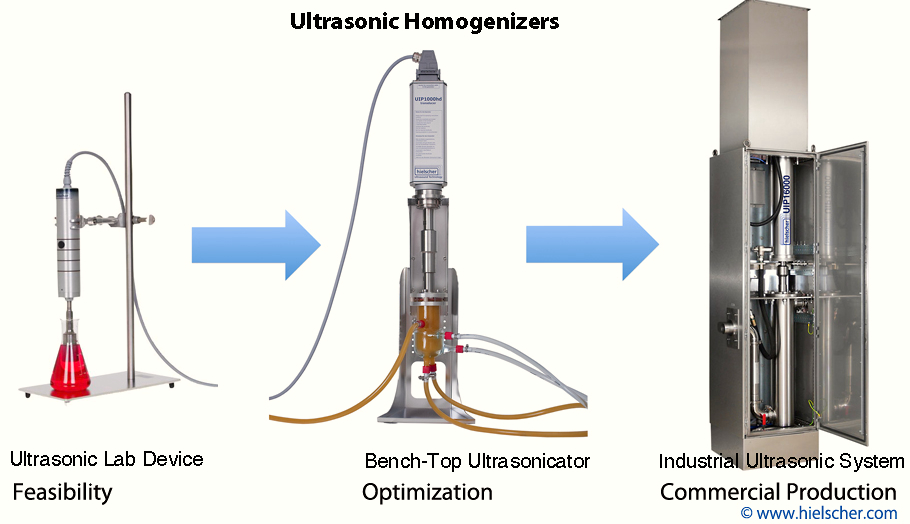
Hielscher Ultrasonics-ը արտադրում է բարձր արդյունավետության ուլտրաձայնային հոմոգենիզատորներ լաբորատորիա դեպի արդյունաբերական չափս.