Ուլտրաձայնային ցրմամբ բարելավված նանո-քսանյութերը
The integration of nano-additives into lubricant formulations represents one of the most significant advancements in tribology over recent years. However, researchers and process engineers face a persistent challenge: achieving homogeneous dispersion of nanoscale particles within viscous base oils without degrading their structural integrity. Traditional mixing methods often fail to break down agglomerates effectively, resulting in inconsistent product performance and limited shelf stability.
The Solution: Ultrasonics Nano-Additive Dispersion in Lubricant Formulation
High-power ultrasound is the superior solution to these dispersion challenges. By utilizing the principles of acoustic cavitation, ultrasonic equipment creates alternating high-pressure and low-pressure cycles within liquid media. During the low-pressure cycle, small vacuum bubbles form in the liquid. When these bubbles reach maximum volume and cannot absorb more energy, they collapse violently during the high-pressure cycle. This collapse generates localized extreme conditions – temperatures reaching approximately 5000 Kelvin and pressures exceeding 1000 atmospheres – which effectively deagglomerate nanoparticle clusters and ensure uniform distribution throughout the lubricant matrix.
Գործընթացների ինժեներների համար սա նշանակում է տարբերություն այն լուբրիկանտի միջև, որը նստում և բաժանվում է շաբաթների ընթացքում, և այն լուբրիկանտի միջև, որը պահպանում է իր աշխատանքային պրոֆիլը բաղադրիչի ամբողջ սպասարկման կյանքում։

Ուլտրաձայնային դիսպերսեր UIP2000hdT լուբրիկանտների արդյունաբերական արտադրության համար
Կոշտացնող ուսումնասիրություն՝ Նիտրոգենով դոպավորված բամբուկային նմանածածկած ածխածնային նանոդեղեր հաղորդիչ ճարպերում
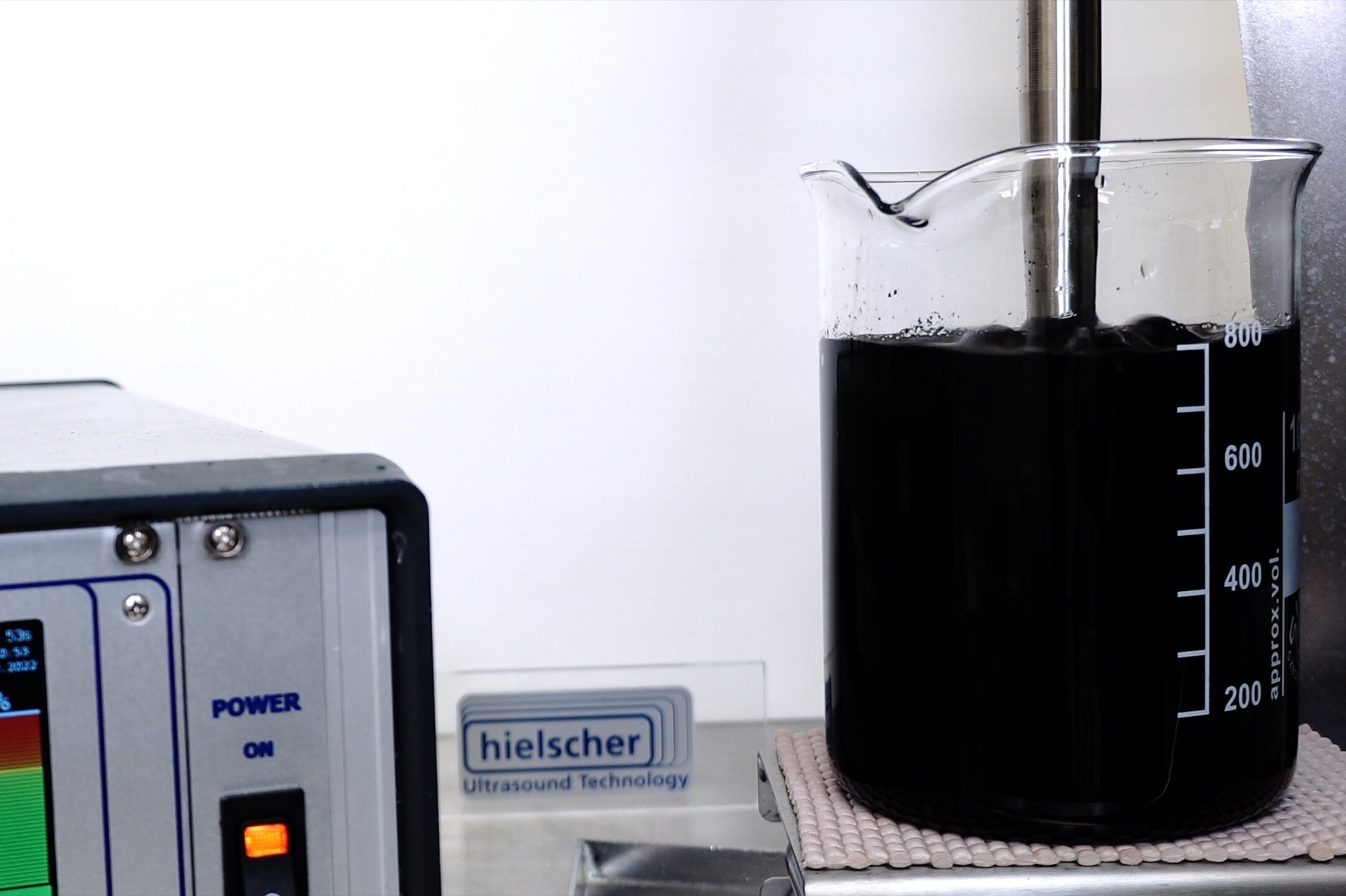 A compelling example of ultrasonic technology’s effectiveness in lubricant production comes from research published in the Journal of Materials Research and Technology (2019). The study, titled “Application of nitrogen doped bamboo-like carbon nanotube for development of electrically conductive lubricants,” demonstrates how Hielscher UIP1000hdT probe-type homogenizer equipment (340 W, 2 min processing time) enabled the production of homogeneous, stable, and electrically conductive bearing greases.
Հետազոտողները օգտագործել են բամբուկի ձև ունեցող ածխածնային նանոթուբեր (BCNT-ներ) որպես հաղորդիչ հավելանյութեր խոզանակների համար։ Նանոթուբերի կողային պատերի գրաֆիտային կառուցվածքում ազոտի ներմուծման շնորհիվ զարգացել են արտասովոր էլեկտրոնային և կառուցվածքային հատկություններ, ինչը հանգեցրել է գերազանց ձուլման վարքագծին և էլեկտրական հաղորդականությանը։ Ածխածնային նանոթուբերը նշանավոր են էլեկտրական հաղորդիչ նանոկայարացված նյութեր, և դրանց էլեկտրոնային հատկությունները կարելի է հատուկ կարգավորել ազոտի ատոմների ներառմամբ՝ դոպինգ տեխնիկաների միջոցով։
Եզրակացությունները շեշտում են ուլտրաձայնային գործողության ուժը՝
This case study serves as a technical proof of concept: when the right nanomaterial meets the right ultrasonic energy, the resulting lubricant achieves performance metrics that were previously considered unattainable through conventional mixing methods.

Ուլտրաձայնային հոմոգենիզատոր UIP1500hdT Հոսող ռեակտորով, որը ապահովված է սառցման ժակետով՝ սոնացիայի ընթացքում գործընթացի ջերմաստիճանը վերահսկելու համար.

PTFE նանոլուբրիկանտներ 7 օր պատրաստվելուց հետո (A. բազային յուղ, B. PTFE նանոլյուբրիկանտ 1 ժամ ուլտրաձայնային լուծույթով, C. PTFE նանոլյուբրիկանտ 30 րոպե ուլտրաձայնային լուծույթով):
(Ուսումնասիրություն և նկար՝ © Kumar et al., 2013)
Key Feature of Ultrasonic Nano-Dispersion in Lubricants
The ultrasonic dispersion approach yields exceptional results that validates its industrial potential:
- Minimal additive requirements: Relatively small amounts of BCNTs, specifically 1.5 wt%, are sufficient to achieve good electrical conductivity of greases exceeding 14 mS. The nanotube-containing samples demonstrate good electrical conductivity ranging from 7 to 18.5 mS in stationary measurements.
- Enhanced performance during operation: Electrical conductivity measurements during actual ball bearing operation reveal even higher values, with a maximum of 31.5 mS recorded with the 3% BCNT formulation. The conductivity increases in each case compared to stationary state measurements, indicating that mechanical stress during operation further improves conductive pathways.
- Superior friction performance: Efficient friction characteristics are achieved with the 1.5 wt% BCNT loaded samples, showing friction torque values of 6.1 and 5.1 Nmm. This demonstrates that optimal additive concentration balances conductivity with mechanical performance.
- Improved thermal stability: The addition of high viscosity silicone oil (5000 mm²/s) and fumed silica as thickeners increases the dropping point to above 150°C, addressing a critical limitation in high-temperature applications.
- Optimized formulations: The 3% BCNT and 1.0% colloidal SiO₂-containing PDMS base-oil with 50 mm/s viscosity proved well-suited for loading of ball bearings, combining conductivity with mechanical robustness.
Ultrasonics: The Industrial Scale-Up Advantage
 While laboratory-scale development using the Hielscher UIP1000hdT demonstrates proof of concept, the true value for industrial applications lies in linear scalability. Hielscher sonicators offer a unique advantage through their linear scale-up capability, enabling seamless transition from R&D benchtop processing to inline production of large volumes.
For industrial implementation, process engineers can utilize the 4kW model UIP4000hdT, the 6kW sonicator UIP6000hdT or the 16kW powerful UIP16000hdT equipped with specialized flow cells. This linear scale-up approach ensures that formulations developed at laboratory scale maintain identical dispersion quality and particle distribution characteristics when manufactured at production scale. The consistency achieved through ultrasonic processing eliminates the batch-to-batch variability that plagues conventional mixing methods, particularly critical for high-performance lubricant applications in aerospace, automotive, and precision machinery sectors.
Why Ultrasonication Matters for Lubricant Innovation
The advantages of ultrasonic nano-additive dispersion extend beyond simple mixing efficiency. The technology enables:
- Enhanced additive loading: Նանոավելացուցիչների ավելի բարձր խտությունները կարող են ընդգրկվել առանց ագլոմերացիայի, առավելագույնի հասցնելով աշխատանքի արդյունավետությունը։
- Բարելավված պահեստավորման կայունություն՝ Հոմոգեն բաշխումները կանխում են նստվածքը և փուլային բաժանումը երկար պահեստավորման ժամանակահատվածների ընթացքում։
- Մշտական ապրանքանիշի որակ՝ Մ hver արտադրական չափաբաժին հասնում է նույն բաշխման հատկանիշներին, ինչը կարևոր է այն կիրառությունների համար, որտեղ պահանջվում է խիստ որակային վերահսկողություն։
- Կրճատված վերամշակման ժամանակը. Ուլտրաձայնային կավիտացիան ապահովում է բաշխում մի քանի րոպեներում՝ այն ժամերով, որոնք անհրաժեշտ են ավանդական մեթոդներով։
- Բազմակողմանիություն տարբեր բանաձևերում՝ Տեխնոլոգիան գործում է տարբեր հիմքային յուղերի, հաստացուցիչների և հավելումների տեսակների հետ, ապահովելով ճկունություն բանաձևերի մշակման գործում։
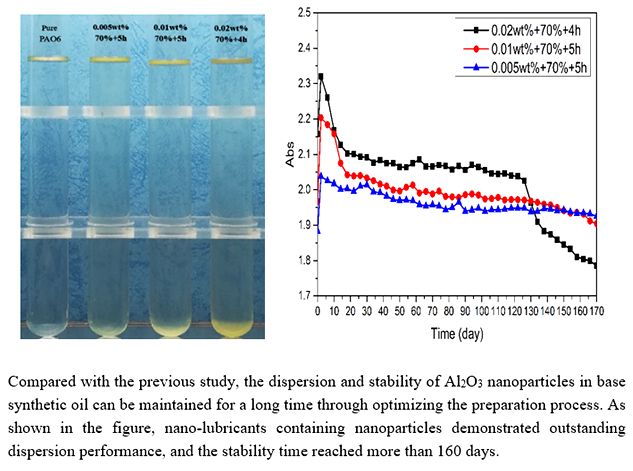
Աուլտրաձայնայինprobe-տիպ դիսպերսորը ստեղծում է բարձր արդյունավետությամբ բիոէխտանյութեր։
(Ուսումնասիրություն և նկար՝ Liu և այլք, 2020)
Բարձրացրեք ձեր նանո-սպասազանման արտադրությունը՝ ուլտրաձայնային բաշխման միջոցով
The integration of ultrasonic technology into lubricant production processes represents a paradigm shift in how nano-additives are incorporated into lubricant formulations. As demonstrated by the successful development of electrically conductive greases using nitrogen-doped bamboo-like carbon nanotubes, high-energy ultrasonication delivers homogeneous, stable dispersions with exceptional performance characteristics. With Hielscher’s linear scale-up capability from bench-top sonicator UIP1000hdT through to industrial inline sonicator models such the UIP4000hdT, UIP6000hdT and UIP16000hdT with flow cells, researchers and process engineers can confidently transition from R&D discovery to commercial production, ensuring that the innovation achieved in the lab performs identically in the factory.
Լուբրիկանտ թכנולוגիայի ապագան չի սահմանափակվում միայն նոր նանո-ավելացուցիչների մշակումով, այլ ներառում է նաև հանդերձումների տեխնիկաների յուրացման մեջ, որոնք բացահայտում են դրանց ամբողջ ներուժը։ Ուլտրաձայնային վերամշակումը հանդիսանում է գիտական հայտնագործության և արդյունաբերական կիրառման միջև կամուրջ, հնարավորություն տալով հաջորդ սերնդի բարձր կատարողականությամբ լուբրիկանտների արտադրությունը պահանջկոտ արդյունաբերական կիրառությունների համար։
Ստորև բերված աղյուսակը ցույց է տալիս մեր ուլտրաձայնային սարքերի մոտավոր մշակման հզորությունը.
| Խմբաքանակի ծավալը | Հոսքի արագություն | Առաջարկվող սարքեր |
|---|---|---|
| 1-ից 500 մլ | 10-ից 200 մլ / րոպե | UP100H |
| 10-ից 2000 մլ | 20-ից 400 մլ / րոպե | UP200Ht, UP400 Փ |
| 0.1-ից 20լ | 0.2-ից 4լ/րոպե | UIP2000hdT |
| 10-ից 100 լ | 2-ից 10 լ / րոպե | UIP4000hdT |
| 15-ից 150 լ | 3-ից 15 լ / րոպե | UIP6000hdT |
| ԱԺ | 10-ից 100 լ / րոպե | UIP16000hdT |
| ԱԺ | ավելի մեծ | կլաստերի UIP16000hdT |
Դիզայն, արտադրություն և խորհրդատվություն – Որակյալ Արտադրված է Գերմանիայում
Hielscher ուլտրաձայնային սարքերը հայտնի են իրենց բարձր որակի և դիզայնի չափանիշներով: Հզորությունը և հեշտ շահագործումը թույլ են տալիս մեր ուլտրաձայնային սարքերի սահուն ինտեգրումը արդյունաբերական օբյեկտներում: Կոպիտ պայմանները և պահանջկոտ միջավայրերը հեշտությամբ կառավարվում են Hielscher ուլտրաձայնային սարքերի կողմից:
Hielscher Ultrasonics-ը ISO սերտիֆիկացված ընկերություն է և հատուկ շեշտադրում է կատարում բարձր արդյունավետության ուլտրաձայնային սարքերի վրա, որոնք բնութագրվում են ժամանակակից տեխնոլոգիաներով և օգտագործողների համար հարմարավետությամբ: Իհարկե, Hielscher ուլտրաձայնային սարքերը համապատասխանում են ԵԽ-ին և համապատասխանում են UL, CSA և RoH-ների պահանջներին:

Ուլտրաձայնային սարք UIP6000hdT Քսուքների մեջ նանոնյութերի ներգծային ցրման համար
Հաճախակի տրվող հարցեր
Տարբեր տեսակի լուբրիկանտները որոնք են?
Lubricants are commonly classified as liquid lubricants, semi-solid lubricants, solid lubricants, and gaseous lubricants. Liquid lubricants include mineral oils, synthetic oils, and vegetable oils. Semi-solid lubricants include greases. Solid lubricants include graphite, molybdenum disulfide, PTFE, and boron nitride. Gaseous lubricants, such as air, are used in specialized low-load or high-speed systems.
How can Lubricants be Distinguished?
Lubricants can be distinguished by their physical form, composition, and intended application. In practical maintenance, they are often grouped into four main types: oils, greases, penetrating lubricants, and dry lubricants. Oils and greases are the most commonly used lubricants in daily industrial operations, while penetrating and dry lubricants are used for more specific tasks, such as loosening seized parts or reducing friction where liquid lubricants are unsuitable.
Ի՞նչ են կենսաքսանյութերը
Biolubricants are lubricants derived wholly or partly from renewable biological sources, such as vegetable oils, animal fats, or synthetic esters made from bio-based feedstocks. They are designed to provide lubrication while offering improved biodegradability, lower toxicity, and reduced environmental impact compared with many conventional petroleum-based lubricants.
Learn how sonication facilitates the production of biolubricants!
Is PEG used in Lubricants?
Polyethylene glycol (PEG) is used in lubricants, especially in water-soluble and synthetic lubricant formulations.
PEG can function as a base fluid, lubricant additive, viscosity modifier, humectant, or solubilizing agent, depending on its molecular weight and formulation. It is used in applications such as metalworking fluids, textile lubricants, hydraulic fluids, compressor lubricants, release agents, and specialty greases.
Its advantages include good lubricity, water solubility, low volatility, thermal stability, and compatibility with many additives. However, PEG is not suitable for every lubricant system because it can be hygroscopic, may have limited compatibility with some mineral oils, and its performance depends strongly on molecular weight and operating conditions.
What are Lubricants used for?
Lubricants are used to reduce friction and wear between surfaces in relative motion. They also help remove heat, prevent corrosion, reduce noise and vibration, seal clearances, carry away contaminants, and improve the efficiency and service life of mechanical systems.
Why is Lubrication of Machinery Important?
Lubrication is important because it forms a protective film between moving machine parts, preventing direct metal-to-metal contact. This reduces friction, wear, heat generation, energy losses, and the risk of mechanical failure. Proper lubrication improves reliability, efficiency, component lifetime, and maintenance intervals.
Գրականություն / Հղումներ
- László Vanyorek, Dávid Kiss, Ádám Prekob, Béla Fiser, Attila Potyka, Géza Németh, László Kuzsela, Dirk Drees, Attila Trohák, Béla Viskolcz (2019): Application of nitrogen doped bamboo-like carbon nanotube for development of electrically conductive lubricants. Journal of Materials Research and Technology, Volume 8, Issue 3, 2019. 3244-3250.
- Kałużny Jarosł, Waligórski M, Szymański GM, Merkisz J, Różański J, Nowicki M, Al Karawi M, Kempa K. (2020): Reducing friction and engine vibrations with trace amounts of carbon nanotubes in the lubricating oil. Tribology International 2020.
- Mosleh, Mohsen; Atnafu, Neway; Belk, John; Nobles, Orval (2009): Modification of sheet metal forming fluids with dispersed nanoparticles for improved lubrication. Wear 267, 2009. 1220-1225.
- Li J, Du C, Delgado MA, et al. (2026): The application of nanocellulose in eco-friendly lubricants: A review. Friction, 2026.

Ուլտրաձայնային հոմոգենիզատոր UIP1000hdT, 1000 վտ հզորությամբ հզոր ձայնային սարք for nanoparticle dispersion
- բարձր արդյունավետություն
- գերժամանակակից տեխնոլոգիա
- հուսալիություն & ամրություն
- կարգավորելի, ճշգրիտ գործընթացի վերահսկում
- խմբաքանակ & ներդիր
- ցանկացած ծավալի համար
- խելացի ծրագրակազմ
- խելացի գործառույթներ (օրինակ՝ ծրագրավորվող, տվյալների արձանագրություն, հեռակառավարում)
- հեշտ և անվտանգ գործելու համար
- ցածր սպասարկում
- CIP (մաքուր տեղում)
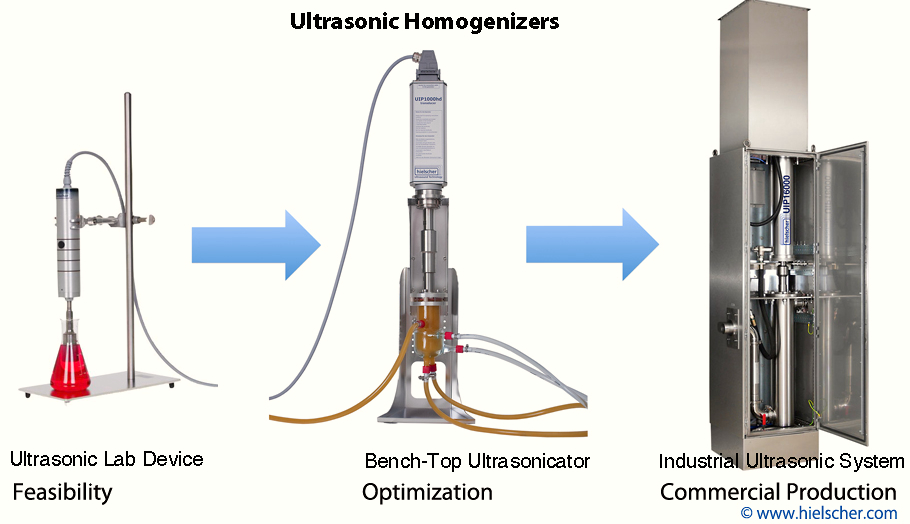
Hielscher Ultrasonics-ը արտադրում է բարձր արդյունավետության ուլտրաձայնային հոմոգենիզատորներ լաբորատորիա դեպի արդյունաբերական չափս.