Ուլտրաձայնային դիester սինթեզ բարձրորակ կենսաքսանյութերի արտադրության համար
The shift from petroleum-derived lubricants to renewable, biodegradable and high-performance ester-based lubricants is accelerating across industrial sectors. Lubricant manufacturers are under increasing pressure to reduce environmental impact while maintaining demanding performance criteria such as high viscosity index, low volatility, good lubricity, thermal stability and reliable low-temperature behavior. In this context, ultrasonic transesterification offers a powerful process intensification strategy for the synthesis of ester-based raw materials used in modern biolubricant formulations.
Ultrasonic Transesterification of Diesters for Biolubricants
Բուսական յուղերի եւ ճարպերի ուլտրաձայնային transesterification կայուն տեխնիկա է, որը զգալիորեն բարելավում է ester եկամտաբերությունը, նվազեցնում է մշակման սահմանափակումները եւ դարձնում transesterification ուղին ավելի գրավիչ է արդյունաբերական քսանյութի արտադրության համար: Hielscher զոնդի տիպի sonicators օգտագործվում են արդյունավետ էսթերային սինթեզի համար inline արտադրության մեջ վերահսկվող գործընթացի պայմաններում:

3x UIP1000hdT sonicators for transesterification of oils to esters and polyols
Biolubricant Synthesis by Transesterification
 Vegetable oils are attractive feedstocks for biolubricants because they are renewable, biodegradable and possess good lubricity. However, untreated vegetable oils often suffer from limited oxidative stability and poor low-temperature properties. A common strategy to overcome these drawbacks is the conversion of vegetable oil-derived methyl esters into polyol esters, such as pentaerythritol esters, by transesterification.
In the study “RSM and Crow Search Algorithm-Based Optimization of Ultrasonicated Transesterification Process Parameters on Synthesis of Polyol Ester-Based Biolubricant” by Arumugam et al., rapeseed oil was first converted into rapeseed oil methyl ester. In a second step, this methyl ester was reacted with pentaerythritol in the presence of p-toluenesulfonic acid catalyst and xylene as solvent. The target product was a pentaerythritol ester suitable as a biolubricant base oil. This reaction is highly relevant to lubricant manufacturers because polyol esters are widely used as synthetic lubricant base stocks for compressor oils, hydraulic fluids, refrigeration oils and other high-performance lubricant applications.
The main challenge in conventional transesterification is that the reaction is frequently limited by poor mass transfer between the reactants. Methyl esters, polyols and catalysts do not always form an ideal homogeneous reaction system. Conventional stirring can require long reaction times, high temperature and elevated energy input, while still producing moderate yields. This is where ultrasonic processing provides a decisive advantage.
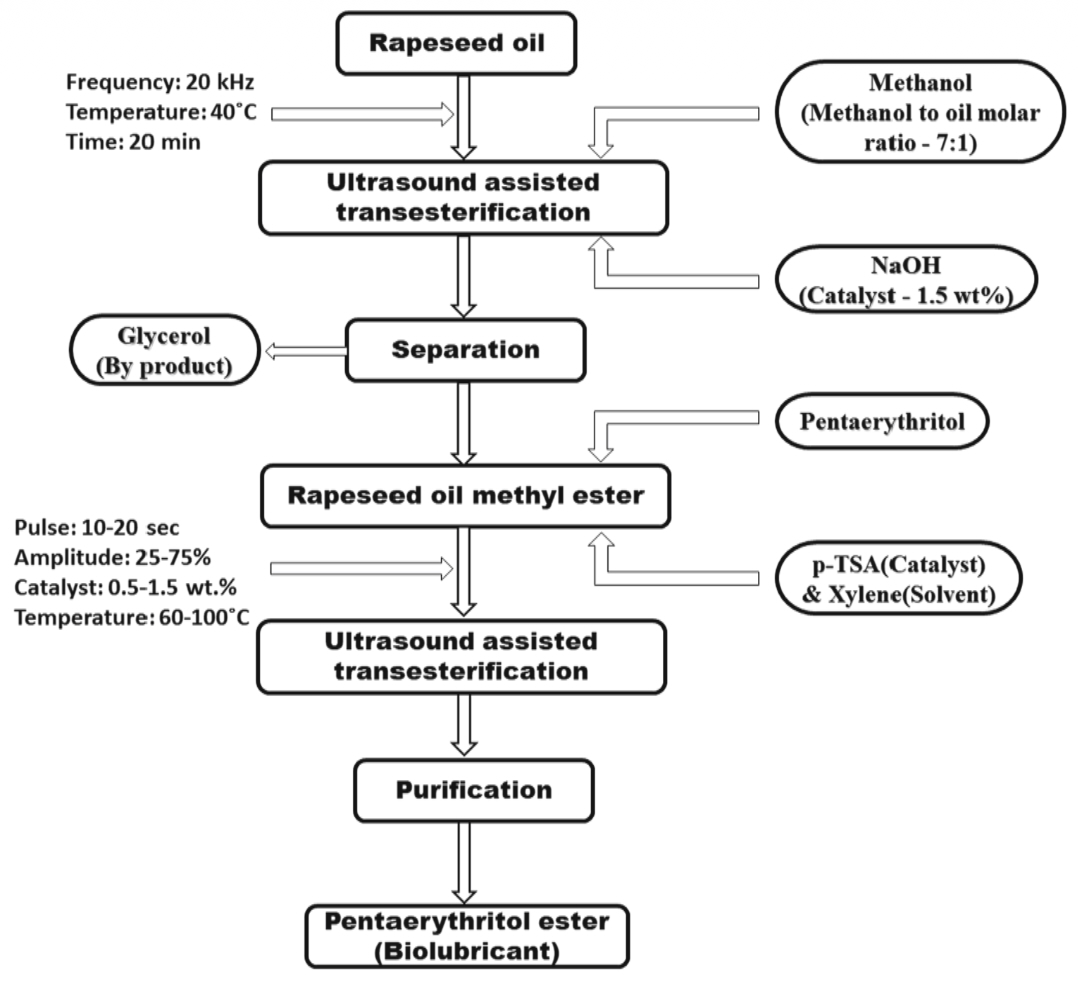
Flow chart of ultrasonic-transesterification process of pentaerythritol ester
Study and graphic: ©Arumugam et al,.2019
How Ultrasonic Transesterification Intensifies Ester Synthesis
Ուլտրաձայնային տրանսեստերիфикацияը օգտագործում է բարձր ուժգնությամբ ուլտրաձայն՝ հեղուկ ռեակցիոն միջավայրում ակուստիկ կավիտացիա ստեղծելու համար։ Կավիտացիան ստեղծում է միկրոսկոպիկ բուդիկներ, որոնք աճում և բռնկվում են ուժգնորեն։ Սա արտադրում է ինտենսիվ տեղային շեր ուժեր, միկրոձետեր, ակուստիկ հոսք և միկրո-էմուլգացիա։
Էստերի սինթեզի համար այս ազդեցությունները շատ արժեքավոր են, քանի որ դրանք՝
- կրճատում են կաթիլի չափը և բարելավում փուլի շփումը
- ավելացնում են միջերեսային տարածքը անխառն կամ վատ խառնվող ռեակտիվների միջև
- խթանում են կատալիզատորի հասանելիությունը
- Արագացնել զանգվածի փոխանցումը
- բարելավում են ռեակցիայի կինետիկան
- աջակցում են ավելի բարձր էստերի եկամտաբերությանը օպտիմալացված պայմաններում
The study explains that cavitation-induced turbulence and micro-emulsions overcome the mass-transfer limitations of conventional transesterification. As a result, the reactants are more effectively dispersed and the catalytic reaction proceeds faster and more completely.
Study Results: Higher Ester Yield with Ultrasound
The study optimized the ultrasound-assisted process using response surface methodology and a crow search algorithm. The investigated process variables were ultrasonic pulse, ultrasonic amplitude, catalyst concentration and reaction temperature.
The optimized ultrasonic process conditions were:
Sonicator system: Hielscher UP400St probe-type sonicator
Ultrasonic pulse: 15 seconds
Ուլտրաձայնային առատություն. 60%
Catalyst concentration: 1.5 wt.%
Ռեակցիայի ջերմաստիճանը. 100°C
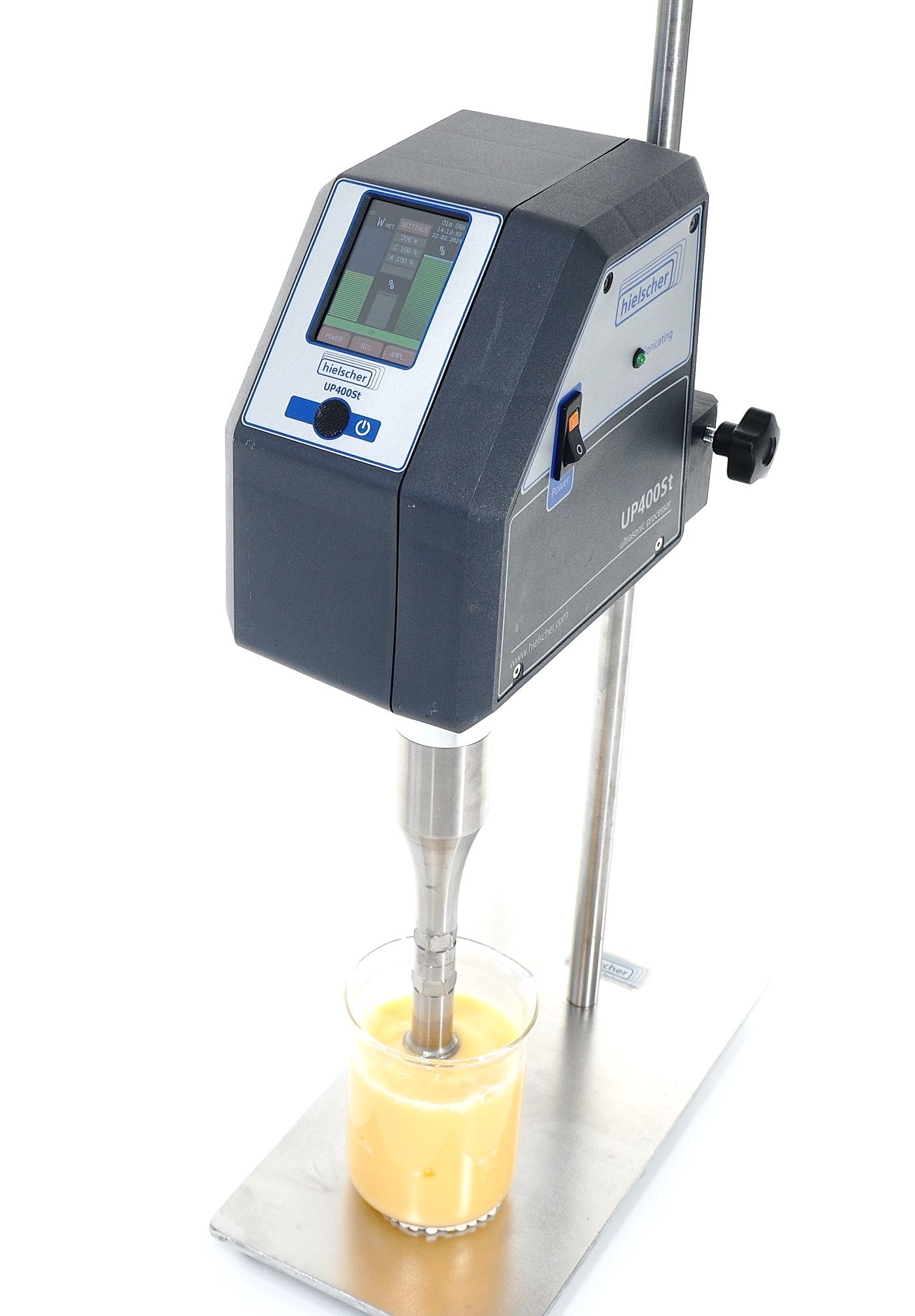 Under these optimized conditions, the ultrasound-assisted transesterification achieved a pentaerythritol ester yield of approximately 81.4%. By comparison, the conventional transesterification route produced only about 47% yield under the conditions evaluated in the study. This means that ultrasonic processing increased the ester yield by more than 70% relative to the conventional route.
For lubricant manufacturers, this is a highly relevant result. A higher yield means better utilization of raw materials, reduced side streams, improved process economics and potentially lower production cost per kilogram of ester base oil.
Իրացեք ուլտրաձայնային մշակման մասին ավելի լավ էմուլսիաների համար։
Confirmation of Ester Formation
The study by Arumugam et al. (2019) confirmed the formation of pentaerythritol ester by FTIR spectroscopy and gas chromatography. FTIR analysis showed characteristic ester carbonyl and ester C–O peaks, while additional peaks supported the presence of the pentaerythrityl group. Gas chromatography further confirmed the product composition, including monoester, diester, triester and tetraester fractions.
Բիոլուբրիկանտի արտադրության համար այս վերլուծական հաստատումը կարևոր է, քանի որ լուբրիկանտի արդյունավետությունը մեծապես կախված է էստերի բաղադրությունից: Կառավարելի ուլտրաձայնային տրանսեսթերֆիկացման միջոցով ցանկալի էստերային կառուցվածքների ձևավորման կարողությունը արտադրողներին տրամադրում է գործնական գործիք բազային նավթի որակը և գործընթացի հուսալիությունը բարելավելու համար.
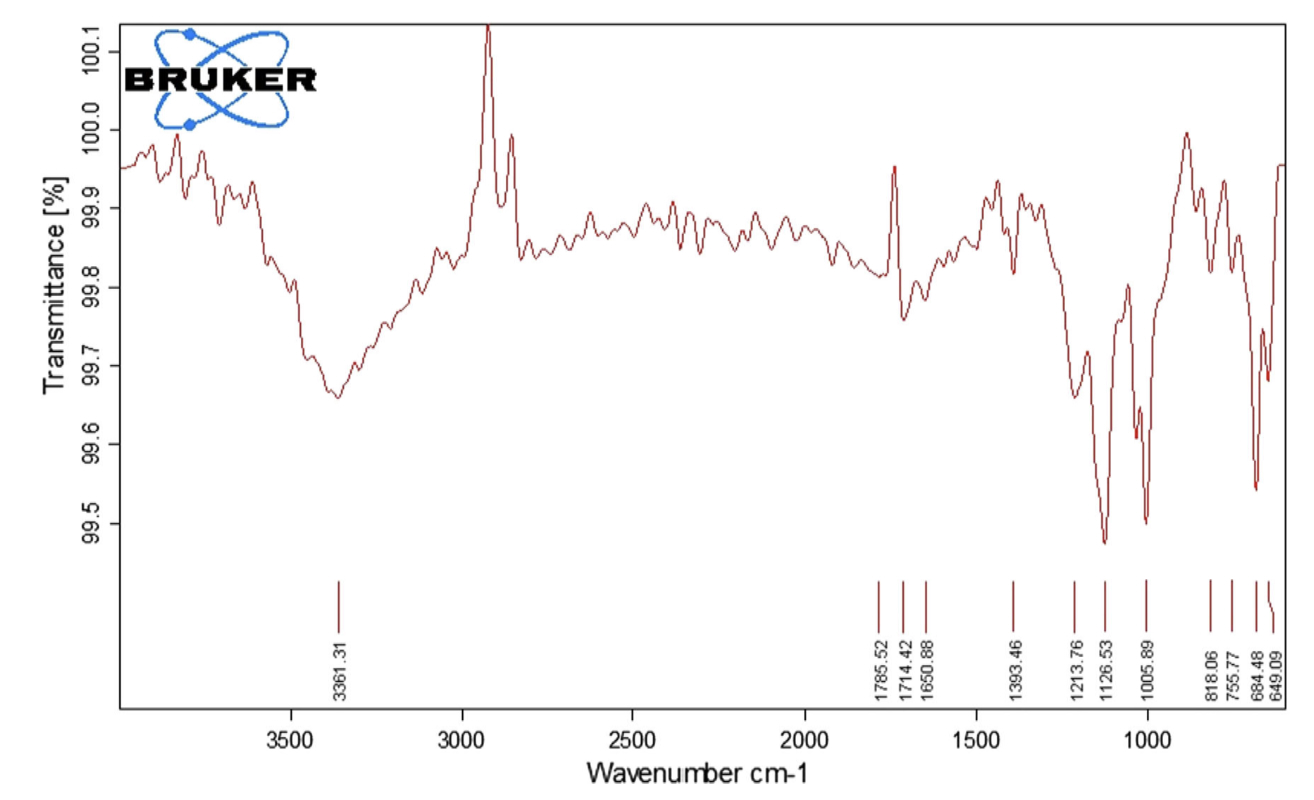
Ուլտրաձայնային տրանսեսթերֆիկացված պենտաերիտրիտոլ էստերի FTIR սպեկտրը
Ուսումնասիրություն և գրաֆիկա՝ ©Arumugam et al., 2019
Հիելշեր սոնիկատորների առավելությունները լուբրիկանտ արտադրողների համար
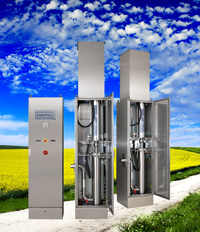 Hielscher offers a complete range of sonicators from R&D թյուրավորիչներից մինչև ամբողջապես արդյունաբերական ուլտրաձայնային համակարգեր։ Սա թույլ է տալիս մշակել պրոցեսը լաբորատոր լծակի վրա և այնուհետև փոխանցել պիլոտային և արտադրական մասշտաբներ՝ օգտագործելով նույն հիմնական ուլտրաձայնային սկզբունքները։
Բոլոր 200 վտ-ից բարձր հզորությամբ սոնիկատորները ունեն թվային վերահսկում, ծրագրավորվող կարգավորումներ, հեռակառավարում բրաուզերի միջոցով, ավտոմատացված տվյալների արձանագրում, կապիչների միջոցով ջերմաստիճանային և ճնշման սենսորներ և շատ ավելին՝ առավելագույն օգտագործողի հարմարավետության և կրկնվող արդյունքների համար։
Արդյունաբերական քսանյութի արտադրության համար Hielscher- ի տեսականին ներառում է կոմպակտ լաբորատոր sonicators իրագործելիության ուսումնասիրությունների համար, գործընթացի օպտիմալացման փորձնական մասշտաբի համակարգեր եւ արդյունաբերական ուլտրաձայնային պրոցեսորներ, ինչպիսիք են UIP500hdT, UIP1000hdT, UIP1500hdT, UIP2000hdT, UIP4000hdT, UIP16000hdT եւ ավելի մեծ բազմաբնակարան կայաններ շարունակական բարձր ծավալի մշակման համար:
Flow-through ռեակտորները թույլ են տալիս վերահսկվող բնակության ժամանակը, ճնշումը ավելի ինտենսիվ cavitation, ջերմաստիճանի կառավարման եւ inline ինտեգրումը գոյություն ունեցող esterification կամ transesterification արտադրական հոսքագծերի.
Hielscher ուլտրաձայնային պրոցեսորները առաջարկում են կարեւոր առավելություններ էսթերային եւ biolubricant սինթեզի համար:
- Ճշգրիտ ամպլիտուդի վերահսկողություն վերարտադրելի cavitation ինտենսիվության համար
- կարգավորելի իմպուլսային օպտիմալացնել էներգիայի մուտքագրումը եւ ջերմային կառավարումը
- Բարձր հզորության պրոբային սոնիկացիա՝ գործողության միջավայրը անմիջական և արդյունավետ էներգիայի փոխանցման համար
- Բաշխված և շարունակական հոսքի գործողություն՝ ճկուն պրոցեսի զարգացման համար
- Արդյունաբերական մասշտաբելիություն լաբորատոր փորձարկումներից մինչև բարձր հոսք ունեցող արտադրություն
- Պահպանողական սարքերի նախագծում՝ պահանջկոտ քիմիական մշակման միջավայրերի համար
Ստորև բերված աղյուսակը ցույց է տալիս մեր ուլտրաձայնային սարքերի մոտավոր մշակման հզորությունը.
| Խմբաքանակի ծավալը | Հոսքի արագություն | Առաջարկվող սարքեր |
|---|---|---|
| 1-ից 500 մլ | 10-ից 200 մլ / րոպե | UP100H |
| 10-ից 2000 մլ | 20-ից 400 մլ / րոպե | UP200Ht, UP400 Փ |
| 0.1-ից 20լ | 0.2-ից 4լ/րոպե | UIP2000hdT |
| 10-ից 100 լ | 2-ից 10 լ / րոպե | UIP4000hdT |
| 15-ից 150 լ | 3-ից 15 լ / րոպե | UIP6000hdT |
| ԱԺ | 10-ից 100 լ / րոպե | UIP16000hdT |
| ԱԺ | ավելի մեծ | կլաստերի UIP16000hdT |
Ultrasonic Diester Synthesis as a Manufacturing Strategy
The process principle of ultrasonic transesterification of oils and fats is directly relevant to ultrasonic diester synthesis and broader ester-based biolubricant production. Diesters are important synthetic lubricant base stocks due to their favorable viscosity-temperature behavior, lubricity and low-temperature properties. Like other esterification and transesterification reactions, diester synthesis often benefits from improved reactant contact, faster mass transfer and more effective catalyst utilization.
Ուլտրաձայնային վերլուծումը, հետևապես, գործնական ինտենսիվացման միջոց է արտադրողների համար, որոնք արտադրում են էստերներ նորոգվող հումքերից, յուղային թթուների մեթիլ էստերներից, ալկոհոլներից, պոլիոլներից կամ այլ էստեր նախադարձներից: Ջերմությունից և մեխանիկական խառնուրդից միայն կախված լինելու փոխարեն, ուլտրաձայնը միկրոկարակցային մակարդակում առաջացնում է կավիտացիայով ղեկավարվող խառնուրդ, որտեղ իրականում տեղի են ունենում բազմաթիվ ռեակցիոն սահմանափակումներ.
Ծրագրային ինժեներների համար սա նշանակում է, որ ուլտրաձայնային ռեակտորները կարող են օգտագործվել՝ բարելավելու համար:
- ռեակցիայի արագությունը
- էստերի բերքատվությունը
- կատալիզատորի արդյունավետությունը
- փուլային դիսպերսիա/լի>
- մասից մասին կայունություն
- պրոցեսի համառոտություն
- էներգետիկ արդյունավետություն երկարատև հանդիսավոր մշակման համեմատ

Ուլտրաձայնային ट्रանսեսթերֆիկացիան առաջին 1.5 րոպեում հասնում է մոտավորապես 75% փոխարկման և մոտ 6 րոպե հետո հասնում է մոտավորապես 90% փոխարկման մակարդակի.
Ավանդական մեթոդը ցույց է տալիս շատ ավելի դանդաղ փոխակերպման մակարդակ՝ 8 րոպե անց հասնելով ընդամենը մոտ 40% փոխակերպման։
Ուսումնասիրություն և գրաֆիկ: ©Fayyazi et al., 2014
Հետազոտարանային ուսումնասիրությունից մինչև արդյունաբերական բիոլուբրիկանտի արտադրություն
Ուլտրաձայնային աջակցությամբ տրանսէստերացման մեթոդը հարմար է լուբրիկանտների համար էստերների արտադրության՝ ինչպես օրինակ պենտաերիթրիտոլի էստերների վրա հիմնված բիոլուբրիկանտների, բարձր yield-ով և նվազեցված ռեակցիայի ծանրությամբ համեմատած սովորական ճանապարհի հետ։ Arumugam և ուրիշները (2019) հաղորդեցին yield-ի 47%-ից դեպի մոտավորապես 81.4% աճ, ինչը վառորեն ցույց է տալիս ուլտրաձայնային գործընթացի ինտենսիվացման առևտրային կարևորությունը։
For lubricant manufacturers, the implications are straightforward: ultrasonic transesterification can help convert renewable feedstocks into high-value ester base oils more efficiently. With Hielscher sonicators, the same technology platform used in laboratory optimization can be scaled to continuous industrial operation. This makes ultrasonic processing not only a research tool, but a viable manufacturing strategy for next-generation biolubricants.
By integrating Hielscher ultrasonic reactors into ester synthesis lines, manufacturers can intensify transesterification, improve yields and develop more sustainable lubricant base stocks from vegetable oil-derived raw materials. As demand for biodegradable and renewable lubricants continues to grow, ultrasonic diester and polyol ester synthesis offers a strong route toward cleaner, more efficient and commercially competitive biolubricant production.

Hielscher Ultrasonics-ը արտադրում է բարձր արդյունավետության ուլտրաձայնային հոմոգենիզատորներ՝ լաբորատոր, փորձնական և արդյունաբերական մասշտաբով կիրառական կիրառությունների խառնուրդի, ցրման, էմուլսացման և արդյունահանման համար:
Հաճախակի տրվող հարցեր
What are Esters?
Esters are organic compounds formed by the reaction of an alcohol with a carboxylic acid, typically with the elimination of water. Chemically, they contain the functional group –COO–, in which a carbonyl carbon is bonded to an alkoxy group. Esters occur naturally in fats, oils, waxes, and many plant-derived substances, and they can also be synthesized for controlled chemical and performance properties.
What is an Ester-Based Lubricant?
Էսթերային հիմքով քսանյութ է, որի հիմնական բազային հեղուկը բաղկացած է էսթերային մոլեկուլներից, այլ ոչ թե հանքային յուղից կամ նավթից ստացված այլ բազային պաշարներից։ Սինթետիկ էսթերները օգտագործվում են քսանյութերում ինչպես բարձր, այնպես էլ ցածր ջերմաստիճանի դիմումների համար, քանի որ դրանք համատեղում են ուժեղ յուղայնություն, լավ մածուցիկության ջերմաստիճանի վարքագիծ, բարձր վճարունակություն, ցածր անկայունություն եւ բարենպաստ հավելումների համատեղելիություն: Նրանց ցածր թունավորությունը եւ գերազանց կենսաքայելիությունը դրանք հատկապես արժեքավոր են դարձնում կոմպրեսորների, շղթաների, առանցքակալների, հիդրավլիկ համակարգերի, մետաղամշակման հեղուկների եւ շրջակա միջավայրի համար զգայուն ծրագրերի պատրաստի քսանյութերում:
Ինչո՞ւ են էսթերները օգտագործվում կենսաքսանյութերում?
Esters are used in biolubricants because they can be produced from renewable fatty acids, vegetable oils, or other bio-based feedstocks while offering high lubricity, good biodegradability, low toxicity, and strong surface affinity. Compared with untreated vegetable oils, synthetic esters can provide improved oxidative stability, hydrolytic stability, low-temperature flow, viscosity control, and thermal performance. This makes them suitable for high-performance biolubricants where environmental compatibility and technical reliability are both required.
Learn more about ultrasonic biolubricant manufacturing!
What are Polyolesters?
Polyolesters are synthetic esters formed by reacting polyhydric alcohols, such as neopentyl glycol, trimethylolpropane, or pentaerythritol, with fatty acids or other carboxylic acids. Because their molecular structure contains multiple ester groups and no unstable hydrogen atoms on the central alcohol structure, polyolesters usually exhibit excellent thermal stability, oxidative resistance, low volatility, high lubricity, and good viscosity-temperature behavior. They are widely used as premium base fluids in biodegradable lubricants, aviation lubricants, compressor oils, hydraulic fluids, and other demanding lubricant applications.
Learn more about ultrasonic polyol synthesis!
Գրականություն / Հղումներ
- Arumugam, S., Chengareddy, P., Tamilarasan, A. et al. (2019): RSM and Crow Search Algorithm-Based Optimization of Ultrasonicated Transesterification Process Parameters on Synthesis of Polyol Ester-Based Biolubricant. Arabian Journal for Science and Engineering 44, 2019. 5535–5548.
- Nicolas A. Patience, Federico Galli, Marco G. Rigamonti, Dalma Schieppati, Daria C. Boffito (2019): Ultrasonic Intensification To Produce Diester Biolubricants. Industrial & Engineering Chemistry Research 58, 19; 2019. 7957–7963.
- Abdullah, C. S. ; Baluch, N.; Mohtar S. (2015): Ascendancy of ultrasonic reactor for micro biodiesel production. Jurnal Teknologi (Sciences ; Engineering) 77:5; 2015. 155-161.
- Ali Gholami, Fathollah Pourfayaz, Akbar Maleki (2021): Techno-economic assessment of biodiesel production from canola oil through ultrasonic cavitation. Energy Reports, Volume 7, 2021. 266-277.
- բարձր արդյունավետություն
- գերժամանակակից տեխնոլոգիա
- հուսալիություն & ամրություն
- կարգավորելի, ճշգրիտ գործընթացի վերահսկում
- խմբաքանակ & ներդիր
- ցանկացած ծավալի համար
- խելացի ծրագրակազմ
- խելացի գործառույթներ (օրինակ՝ ծրագրավորվող, տվյալների արձանագրություն, հեռակառավարում)
- հեշտ և անվտանգ գործելու համար
- ցածր սպասարկում
- CIP (մաքուր տեղում)
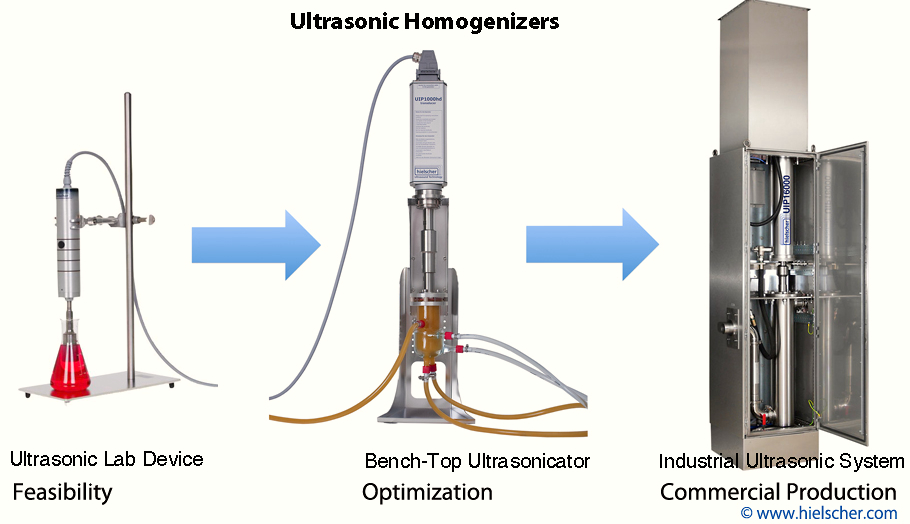
Hielscher Ultrasonics-ը արտադրում է բարձր արդյունավետության ուլտրաձայնային հոմոգենիզատորներ լաբորատորիա դեպի արդյունաբերական չափս.