સોનિકેશન સુપ્રમોલેક્યુલર કેમિસ્ટ્રીમાં નવા માર્ગ ખોલે છે
સુપ્રામોલેક્યુલર રસાયણશાસ્ત્ર નબળા, પુનઃપ્રાપ્ય ક્રિયાઓ પર આધાર રાખે છે: હાઇડ્રોજન બોન્ડિંગ, π–π સ્ટેકિંગ, વાન ડેર વાલ્સ શક્તિઓ, સોલ્વોફોબિક અસર અને કપલ.recognition. આ ક્રિયાઓ અણુઓને ફાઇબર, રોકડ્સ, જેલ્સ, જથ્થાબંધ અને સુપ્રામોલેક્યુલર પોલિમર્સ જેવી મોટી રચનાઓમાં પોતે સંગઠિત થવા દે છે. રસાયણવિદો અને રસાયણ ઈજનેરો માટે, પડકાર માત્ર આવા માળખાઓ બનાવવાનો નથી, પરંતુ કયો માળખો બને છે, તે કેટલાં ઝડપથી બને છે અને તે કિનેટિકલી ફસાયેલા રહે છે કે થર્મોડાયનેમિકલી સૌથી સ્થિર સ્થિતિ સુધી પહોંચે છે તેને નિયંત્રિત કરવાનો છે.
રસાયણશાસ્તરમાં અલ્ટ્રાસોનિક અસર: સોનિકેશન સુપ્રામોલેક્યુલર સ્વઅસેમ્બલીને નિયંત્રિત કરે છે
A scientific study by Wehner et al. (2020) published in Nature Communications demonstrates that ultrasonication can be used as a powerful external stimulus to control self-assembly pathways in supramolecular chemistry. The researchers investigated a racemic mixture of chiral perylene bisimide molecules and showed that sonication could guide the formation of distinct supramolecular polymorphs. Depending on the ultrasonic conditions, the system produced different self-assembled structures, including kinetically controlled conglomerates and a thermodynamically stable racemic supramolecular polymer. The study explicitly used a Hielscher UP50H ultrasonic processor for ultrasonication, operated at 30 kHz, 50 W and 100% amplitude.
આ પરિણામ આધુનિક સામગ્રી રસાયણશાસ્ત્ર માટે ખૂબ સુસંગત છે કારણ કે તે બતાવે છે કે અલ્ટ્રાસાઉન્ડ માત્ર મિશ્રણ અથવા વિખેરણ સાધન નથી. સારી રીતે વ્યાખ્યાયિત પરિસ્થિતિઓ હેઠળ, સોનિકેશન મોલેક્યુલર પાથવે નિયંત્રણ માટે પ્રક્રિયા પરિમાણ તરીકે કાર્ય કરી શકે છે.

સુપરમોલેક્યુલર પોલિમરના સઘન સંશ્લેષણ માટે અલ્ટ્રાસોનિક યુપી 200 એસટી સાથે અલ્ટ્રાસોનિકલી એક્ઝિટેડ રિએક્ટર.
શા માટે રસાયણશાસ્ત્રમાં અલ્ટ્રાસોનિક ઇફેક્ટ્સ મેટર
 Ultrasonic effects in chemistry are mainly caused by acoustic cavitation. When high-intensity ultrasound is introduced into a liquid, alternating pressure cycles generate microscopic cavitation bubbles. Their growth and collapse produce localized high-energy conditions, intense micro-streaming, strong shear gradients and efficient mass transfer. In chemical and materials processes, these effects can influence nucleation, aggregation, particle formation, dispersion, crystallization and self-assembly.
સુપરમોલેક્યુલર રસાયણશાસ્ત્રમાં, આ ખાસ કરીને મૂલ્યવાન છે કારણ કે ઘણી સિસ્ટમો પાથવે-આધારિત છે. એક જ અણુ ઊર્જા ઇનપુટ, તાપમાન, સાંદ્રતા, દ્રાવક રચના અને સમયના ક્રમ અને તીવ્રતાના આધારે વિવિધ પોલિમોર્ફમાં ભેગા થઈ શકે છે. સોનિકેશન બિલ્ડિંગ બ્લોકની પરમાણુ રચનાને બદલ્યા વિના સિસ્ટમમાં યાંત્રિક energyર્જા દાખલ કરવા માટે એક નિયંત્રિત માર્ગ પ્રદાન કરે છે.
રાસાયણિક ઇજનેરો માટે, આ એક નિર્ણાયક ફાયદો છે: અલ્ટ્રાસાઉન્ડ પેરામીટરાઇઝ્ડ કરી શકાય છે. કંપનવિસ્તાર, પાવર, સોનોટ્રોડ અને રિએક્ટર ભૂમિતિ, તાપમાન, નિવાસ સમય, દબાણ અને પ્રવાહ દરને સમાયોજિત કરી શકાય છે, મોનિટર કરી શકાય છે અને શક્યતા પરીક્ષણોથી મોટા પ્રોસેસિંગ વોલ્યુમમાં સ્થાનાંતરિત કરી શકાય છે.
સ્વ-એસેમ્બલી નિયંત્રણ માટેના સાધન તરીકે સોનિકેશન
આ અભ્યાસમાં બે એનેન્ટિઓમેરિક પેરિલિન બાયસિમાઇડ પરમાણુઓના રેસેમિક મિશ્રણની સ્વ-એસેમ્બલીની તપાસ કરવામાં આવી હતી. યોગ્ય બાહ્ય ઉત્તેજનાની ગેરહાજરીમાં, આવી સિસ્ટમો પસંદગીના એકત્રીકરણ માર્ગને અનુસરી શકે છે અથવા મેટાસ્ટેબલ સ્થિતિમાં ફસાઈ શકે છે. નિયંત્રિત અલ્ટ્રાસોનિકેશન લાગુ કરીને, સંશોધકો વિવિધ સુપરમોલેક્યુલર પરિણામોને ઍક્સેસ કરવામાં સક્ષમ હતા.
મુખ્ય શોધ સીધી પરંતુ શક્તિશાળી છે: સોનિકેશને સ્વ-એસેમ્બલી માર્ગ બદલ્યો. ચોક્કસ તાપમાન અને સાંદ્રતા પર, પાવર અલ્ટ્રાસાઉન્ડ એક એકંદર સ્થિતિમાંથી બીજામાં રૂપાંતરણને પ્રોત્સાહન આપે છે. ગતિશીલ સોનિકેશન પરિસ્થિતિઓ હેઠળ, સિસ્ટમે સુપરમોલેક્યુલર સમૂહની રચના કરી. થર્મોડાયનેમિક સોનિકેશન પરિસ્થિતિઓ હેઠળ, તે એક અલગ મોર્ફોલોજી અને ઉચ્ચ સ્થિરતા સાથે રેસેમિક સુપરમોલેક્યુલર પોલિમરની રચના કરે છે.
વૈજ્ઞાનિક અસર હોમોચિરલ અથવા હેટરોચિરલ એકત્રીકરણ પ્રભુત્વ ધરાવે છે કે કેમ તે પ્રભાવિત કરવાની ક્ષમતામાં રહેલી છે. ઔદ્યોગિક અસર વ્યાપક ખ્યાલમાં રહેલી છે: સોનિકેશન પરમાણુ સંગઠનને ચલાવવામાં મદદ કરી શકે છે, માત્ર પ્રક્રિયાને વેગ આપવો જ નહીં.
આ માટે સંબંધિત છે:
- સુપરમોલેક્યુલર પોલિમર્સ અને કાર્યાત્મક કાર્બનિક સામગ્રી
- ચિરલ એકત્રીકરણ અને રેસમેટ રિઝોલ્યુશન સંશોધન
- સ્ફટિકીકરણ અને પોલિમોર્ફ સ્ક્રીનિંગ
- નેનોફાઇબર, નેનોરોડ અને ડાઇ એકંદર રચના
- ફોર્મ્યુલેશન વિકાસ અને અદ્યતન સામગ્રી પ્રક્રિયા
- અલ્ટ્રાસાઉન્ડ-સહાયિત રાસાયણિક પ્રક્રિયાઓનું સ્કેલ-અપ

સોનોકેમિકલલી ઉન્નત પ્રતિક્રિયાઓ માટે 16,000 વોટ અલ્ટ્રાસાઉન્ડ પાવર સાથે ઔદ્યોગિક રિએક્ટર.
સુપરમોલેક્યુલર કેમિસ્ટ્રીમાં હિલ્સચર સોનિકેટર્સની ભૂમિકા
 For the experimental work, ultrasonication was carried out with the Hielscher UP50H, a compact laboratory ultrasonic processor. The UP50H is a 50 W, 30 kHz probe-type sonicator designed for small laboratory samples and is used in chemical, biological, medical and analytical laboratories. Hielscher describes the UP50H as suitable for handheld or stand-mounted operation and for tasks such as dispersing, dissolving, emulsifying and homogenizing small sample volumes.
આ અભ્યાસમાં, યુપી 50 એચ સુપરમોલેક્યુલર એકત્રીકરણના પરિવર્તનને ટ્રિગર કરવા અને માર્ગદર્શન આપવા માટે જરૂરી અલ્ટ્રાસોનિક energyર્જા પ્રદાન કરે છે. આ રસાયણશાસ્ત્રીઓ માટે એક મહત્વપૂર્ણ વ્યવહારુ મુદ્દો દર્શાવે છે: નાના-વોલ્યુમ લેબોરેટરી સોનિકેશન પ્રક્રિયા વિંડોઝને જાહેર કરી શકે છે જે એકલા હલાવવા, ગરમ કરવા અથવા નિષ્ક્રિય વૃદ્ધત્વ દ્વારા ઓળખવા માટે અન્યથા મુશ્કેલ છે.
સુપરમોલેક્યુલર રસાયણશાસ્ત્ર માટે, યુપી 50 એચ જેવા પ્રોબ-ટાઇપ સોનિકેટરનો ઉપયોગ માત્ર નમૂનાની તૈયારી માટે જ નહીં, પરંતુ સક્રિય પ્રાયોગિક ચલ તરીકે પણ થઈ શકે છે. સોનિકેશન તાપમાન અને સમયગાળામાં ફેરફાર કરીને, સંશોધકો ગતિશીલ અને થર્મોડાયનેમિક શાસનની તપાસ કરી શકે છે, એકત્રીકરણ માર્ગોની સ્ક્રીન કરી શકે છે અને મેટાસ્ટેબલ અથવા સ્થિર પોલિમોર્ફને ઓળખી શકે છે.
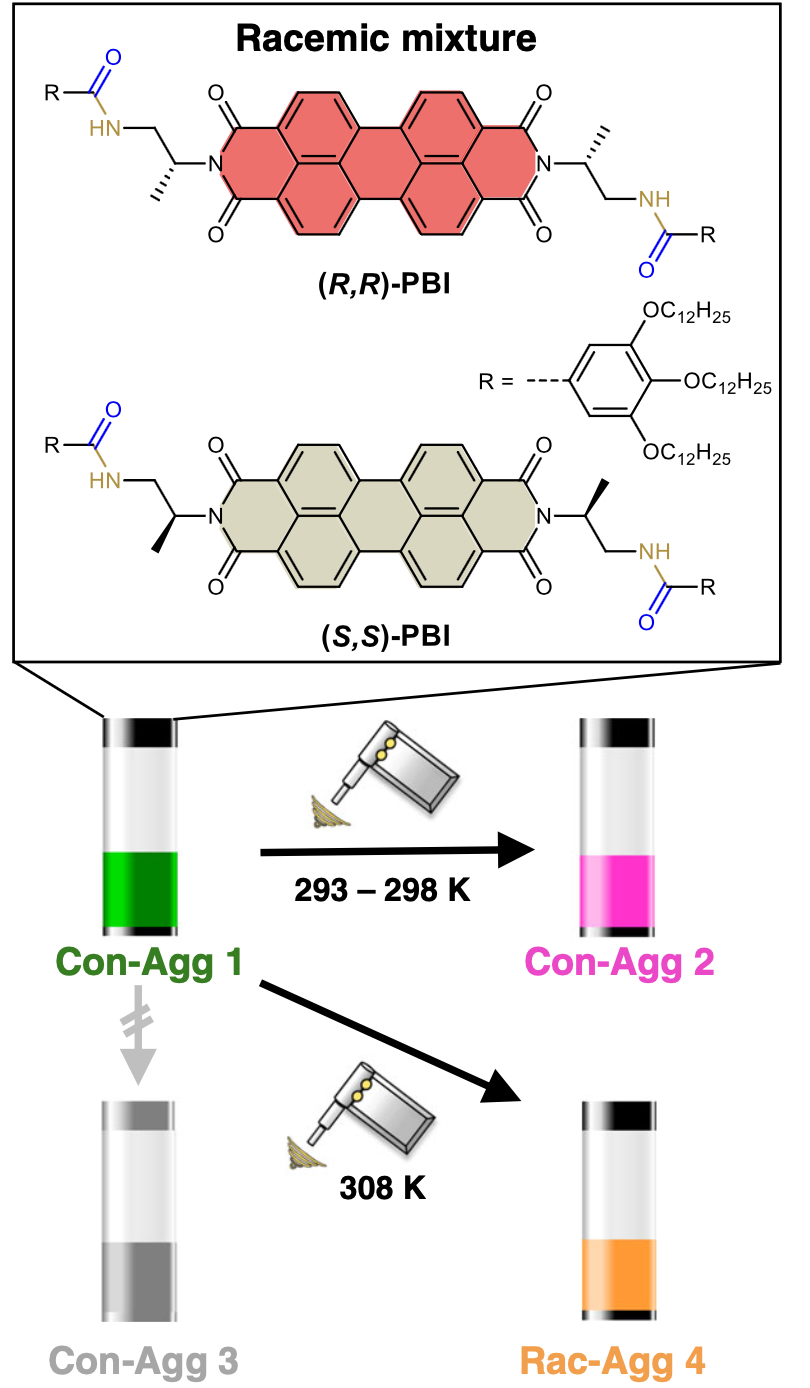
(આર, આર) - અને (એસ, એસ) -પીબીઆઈના રેસેમિક મિશ્રણનો સ્પેક્ટ્રોસ્કોપિક અભ્યાસ. (આર, આર) અને (એસ, એસ) -પીબીઆઈના રાસાયણિક માળખા અને (આર, આર)- અને (એસ, એસ)-પીબીઆઈ કોન-એગ 1 અને કોન-એગ 2 અને રેસેમિક સુપરમોલેક્યુલર પોલિમર રેક-એગ 4 માં સમૂહમાં છે.
અભ્યાસ અને યોજના: વેહનર ©એટ અલ., 2020
લેબોરેટરી ડિસ્કવરીથી સ્કેલેબલ અલ્ટ્રાસોનિક પ્રોસેસિંગ સુધી
A major advantage of Hielscher sonicators is the availability of ultrasonic equipment across the full development chain: from compact laboratory devices to bench-top systems and industrial ultrasonic processors. Hielscher offers ultrasonicators and probes for liquid processing from lab scale to production scale, with applications including chemical processing, particle size reduction, extraction, dispersing and homogenization.
આ મહત્વનું છે કારણ કે ઘણા આશાસ્પદ સોનોકેમિકલ અથવા સુપરમોલેક્યુલર તારણો પ્રયોગશાળાથી આગળ વધવામાં નિષ્ફળ જાય છે જ્યારે પ્રક્રિયાને મોટા પાયે ફરીથી ઉત્પન્ન કરી શકાતી નથી. અલ્ટ્રાસોનિક પ્રક્રિયા વિકાસ માટે હિલ્શરનો અભિગમ નિયંત્રિત પરિમાણો અને સ્કેલેબલ સાધનો રૂપરેખાંકનો પર આધારિત છે. એકવાર અસરકારક અલ્ટ્રાસોનિક પ્રક્રિયા વિંડો ઓળખવામાં આવે છે, પછી પ્રક્રિયાને સંબંધિત ઊર્જા ઇનપુટ અને પ્રોસેસિંગ શરતોને જાળવીને મોટી અલ્ટ્રાસોનિક સિસ્ટમોમાં સ્થાનાંતરિત કરી શકાય છે.
ઔદ્યોગિક વપરાશકર્તાઓ માટે, આનો અર્થ એ છે કે સોનિકેશનને માત્ર સંશોધન પદ્ધતિ તરીકે જ નહીં પરંતુ પ્રક્રિયા તકનીક તરીકે પણ ગણી શકાય છે.
સતત રાસાયણિક પ્રક્રિયા માટે ઇનલાઇન સોનિકેશન
Batch sonication is useful for laboratory screening and small-volume optimization. However, chemical production often requires continuous operation, reproducibility and defined residence times. Hielscher ultrasonic systems support inline sonication, where liquids are pumped through an ultrasonic flow cell or reactor and exposed to the cavitation field under controlled conditions.
Inline sonication can be operated in single-pass mode or in recirculation mode, allowing the liquid to pass once or multiple times through the ultrasonic treatment zone. Hielscher states that its ultrasonic processors are available for both batch and continuous inline processing, from lab and bench-top units to full industrial scale.
સુપ્રામોલેક્યુલર કેમિસ્ટ્રી અને રાસાયણિક ઈજનેરી માટે, ઈનલાઇન સોનેકેશન ઘણા લાભ આપે છે:
- કેવિટેશન ઝોનમાં નિયંત્રિત નિવાસ સમય
- અનિયંત્રિત બેચ એલાજેશનની તુલનામાં સુધારેલી પુનરુત્પાદકતા
- ફ્લો સેલો અને બાહ્ય ઠંડક દ્વારા વધુ સારી ગરમી વ્યવસ્થાપન
- મોટા પ્રમાણ માટે સતત પ્રક્રિયા
- હાલના રાસાયણિક ઉત્પાદન લાઇનમાં સરળ ઇન્ટિગ્રેશન
- ફ્લો રેટ,એંપ્લિટ્યુડ અને રિએકટર રૂપરેખા समાયોજीत કરીને સારવારની પરિમાણને સ્કેલ કરી શકાય છે
પાથવેઢી આધારિત કેમિસ્ટ્રીમાં, aceste પેરામિટર્સ અગત્યના હોઈ શકે છે. જો સુપ્રામોલેક્યુલર સિસ્ટમ શોર્ટ, તીવ્ર સોનેકેશનની તુલનામાં લાંબી, નમ્ર સોનેકેશન પર અલગ રીતે પ્રતિક્રિયા આપે છે, તો ઈનલાઇન પ્રોસેસિંગ એ એક એન્જિનિયરિંગ ફ્રેમવર્ક પ્રદાન કરે છે જે તે એક્સપોઝરને નિર્દિષ્ટ અને પુનરુત્પાદિત કરે છે.
લિનિયર સ્કેલ-અપ: સોનેકેમિકલ સ્ક્રિનિંગથી પ્રોડક્શન સુધી
 Hielscher ultrasonic technology is designed for scale-up from laboratory testing to industrial processing. For large systems, process parameters such as amplitude, pressure and temperature can be optimized in smaller setups and then transferred to higher-throughput equipment. Hielscher describes ultrasonic process efficiency as linearly scalable after the optimal parameter configuration has been identified.
આ રેખીય સ્કેલ-અપ ક્ષમતા ખાસ કરીને સંવેદનશીલ સુપરમોલેક્યુલર સિસ્ટમ્સ સાથે કામ કરતા રસાયણશાસ્ત્રીઓ અને પ્રક્રિયા ઇજનેરો માટે મહત્વપૂર્ણ છે. સ્વ-એસેમ્બલ સામગ્રી ઘણીવાર સાંકડી પ્રક્રિયા વિંડો પર આધાર રાખે છે. મિશ્રણની તીવ્રતા, રહેઠાણનો સમય, તાપમાન પ્રોફાઇલ અથવા energyર્જા ઘનતામાં ફેરફાર ઉત્પાદન મોર્ફોલોજીમાં ફેરફાર કરી શકે છે. સ્કેલેબલ અલ્ટ્રાસોનિક સિસ્ટમ્સ વ્યાખ્યાયિત સોનિકેશન શરતોને સાચવીને આ જોખમને ઘટાડવામાં મદદ કરે છે કારણ કે પ્રક્રિયા મિલિલિટરથી લિટર અને છેવટે, ઉત્પાદન-સ્કેલ પ્રવાહ દરો તરફ જાય છે.
હિલશર ઉચ્ચ-થ્રુપુટ ઇનલાઇન સોનિકેશન માટે મલ્ટિસોનોરિએક્ટર જેવા industrialદ્યોગિક ઇનલાઇન રિએક્ટર પણ પ્રદાન કરે છે. આ સિસ્ટમો એકરૂપતા, મિશ્રણ, વિખેર, નિષ્કર્ષણ અને સોનોકેમિકલ પ્રતિક્રિયાઓ સહિતના કાર્યક્રમો માટે રચાયેલ છે.
અલ્ટ્રાસોનિક રીતે સંશ્લેષિત સુપ્રામોલેક્યુલર પોલિમોર્ફ્સનું વૈજ્ઞાનિક અને ઔદ્યોગિક મહત્વ
અલ્ટ્રાસાઉન્ડ-નિયંત્રિત સુપ્રામોલેક્યુલર પોલિમોર્ફિઝમ પર અભ્યાસ મહત્વપૂર્ણ છે કારણ કે તે દર્શાવે છે કે કેમિકલી અલ્ટ્રાસોનિક પ્રભાવનો ઉપયોગ કરીને એક જ મોલેક્યુલર સિસ્ટમમાંથી વિવિધસામગ્રી સ્ટેટ્સ સુધી પહોંચવું શક્ય છે. મોલેક્યુલને બદલીને નહીં પરંતુ પ્રક્રિયા શરતોને researchers દ્વારા બદલી હતી. આ જ એવા સમયમાં sonication ઔદ્યોગિક કેમિસ્ટ્રી માટે આકર્ષક બને છે: તે વધારાના સંશ્લેષણ પગલાંએ બદલે પ્રક્રિયા તીવ્રતા દ્વારા પરિણામોમાં સુધારો કરી શકે છે.
For scientific research, the findings contribute to a deeper understanding of chiral self-assembly, kinetic trapping, thermodynamic control and supramolecular energy landscapes. For industry, the same principles may support improved screening of polymorphs, faster development of functional materials, better control over aggregate morphology and more reproducible processing of advanced chemical systems.
In practical terms, sonication may help chemists and chemical engineers:
- accelerate self-assembly transformations
- promote otherwise inaccessible aggregation pathways
- improve reproducibility in pathway-dependent systems
- reduce reliance on long equilibration times
- screen kinetic and thermodynamic product states
- transfer promising lab results into inline processes
Ultrasonic Processing as an Enabling Technology
પાવર અલ્ટ્રાસાઉન્ડ એ સુપરમોલેક્યુલર રસાયણશાસ્ત્ર માટે એક સક્ષમ તકનીક છે. એકોસ્ટિક energyર્જાના નિયંત્રિત ઇનપુટ જટિલ સિસ્ટમોના પરમાણુ સંગઠનને પ્રભાવિત કરી શકે છે અને માળખાની ઍક્સેસ બનાવી શકે છે જે એકલા પરંપરાગત હલાવટ અથવા થર્મલ ટ્રીટમેન્ટ દ્વારા મેળવવા માટે મુશ્કેલ છે.
હિલશર યુપી 50 એચ સાથે, ટાંકવામાં આવેલ અભ્યાસ મૂળભૂત સુપરમોલેક્યુલર સંશોધન માટે ચોક્કસ પ્રયોગશાળા સોનિકેશનનું મૂલ્ય દર્શાવે છે. હિલ્શરના મોટા બેન્ચ-ટોપ અને ઔદ્યોગિક સોનિકેટર્સ સાથે, સમાન તકનીકી પ્લેટફોર્મને પ્રક્રિયા ઑપ્ટિમાઇઝેશન, ઇનલાઇન ટ્રીટમેન્ટ અને રેખીય સ્કેલ-અપ તરફ વિસ્તૃત કરી શકાય છે.
રસાયણશાસ્ત્રીઓ માટે, આ સ્વ-એસેમ્બલી અને પોલિમોર્ફ નિયંત્રણમાં નવા પ્રાયોગિક માર્ગો ખોલે છે. રાસાયણિક ઇજનેરો માટે, તે રસાયણશાસ્ત્રમાં અલ્ટ્રાસોનિક અસરોને વિશ્વસનીય ઉત્પાદન વ્યૂહરચનાઓમાં અનુવાદિત કરવા માટે સ્કેલેબલ પ્રક્રિયા સાધન પ્રદાન કરે છે.
નીચે આપેલ કોષ્ટક તમને અમારા અલ્ટ્રાસોનિકેટર્સની અંદાજિત પ્રોસેસિંગ ક્ષમતાનો સંકેત આપે છે:
| બેચ વોલ્યુમ | પ્રવાહ દર | ભલામણ કરેલ ઉપકરણો |
|---|---|---|
| 05 થી 1.5 એમએલ | na | VialTweeter |
| 1 થી 500 મિલી | 10 થી 200 એમએલ/મિનિટ | UP100H |
| 10 થી 2000 એમએલ | 20 થી 400 એમએલ/મિનિટ | UP200Ht, UP400St |
| 0.1 થી 20L | 0.2 થી 4L/મિનિટ | UIP2000hdT |
| 10 થી 100 લિ | 2 થી 10L/મિનિટ | UIP4000hdT |
| 15 થી 150 લિ | 3 થી 15L/મિનિટ | UIP6000hdT |
| na | 10 થી 100L/મિનિટ | UIP16000hdT |
| na | મોટા | નું ક્લસ્ટર UIP16000hdT |
ડિઝાઇન, ઉત્પાદન અને કન્સલ્ટિંગ – જર્મનીમાં બનાવેલ ગુણવત્તા
 Hielscher ultrasonicators તેમના ઉચ્ચતમ ગુણવત્તા અને ડિઝાઇન ધોરણો માટે જાણીતા છે. મજબૂતાઈ અને સરળ કામગીરી ઔદ્યોગિક સુવિધાઓમાં અમારા અલ્ટ્રાસોનિકેટર્સના સરળ એકીકરણને મંજૂરી આપે છે. ખરબચડી પરિસ્થિતિઓ અને માંગવાળા વાતાવરણને Hielscher અલ્ટ્રાસોનિકેટર્સ દ્વારા સરળતાથી નિયંત્રિત કરવામાં આવે છે.
Hielscher Ultrasonics એ ISO પ્રમાણિત કંપની છે અને ઉચ્ચ-પ્રદર્શન અલ્ટ્રાસોનિકેટર્સ પર વિશેષ ભાર મૂકે છે જેમાં અત્યાધુનિક ટેકનોલોજી અને વપરાશકર્તા-મિત્રતા દર્શાવવામાં આવે છે. અલબત્ત, Hielscher અલ્ટ્રાસોનિકેટર્સ CE અનુરૂપ છે અને UL, CSA અને RoHs ની જરૂરિયાતોને પૂર્ણ કરે છે.

વારંવાર પૂછાતા પ્રશ્નો
સુપ્રમોલેક્યુલર કેમિસ્ટ્રી શું છે?
સુપ્રમોલેક્યુલર કેમિસ્ટ્રી એ કેમિસ્ટ્રીનું ક્ષેત્ર છે જે એવા ორგანიზ્ડ મોલેક્યુલર સિસ્ટમ્સનું અભ્યાસ કરે છે જે નોન-કેવેલેન્ટ ઈન્ટરએક્શન્સ જેમ કે હાઇડ્રોજન બોન્ડિંગ, પાઈ–પાઈ સ્ટેકિંગ, ઇલેક્ટ્રોસ્ટેટિક ઈન્ટરએક્શન્સ, મેટલ કોર્ડિનેશન, વાન દેર વાલ્સ ફોર્સ અને હાઇડ્રોફોબિક અસરોથી રચાય છે. તે ધ્યાન આપે છે કે મોલેક્યુલે કેવી રીતે માન્ય, બંધાય છે અને કુદરતી રીતે મોટા કાર્યાત્મક આર્કિટેક્ચર્સમાં સ્વયં-અસેમ્બલ થાય છે, પણ સંગ્રહિત કેવેલેન્ટ બોન્ડ બનાવ્યા વગર.
સુપ્રમોલેક્યુલર પોલિમર્સ શું છે?
Supramolecular polymers are polymer-like structures in which monomer units are connected by reversible non-covalent interactions instead of covalent bonds. Because these interactions can break and reform, supramolecular polymers often show dynamic, stimuli-responsive and self-healing behavior, making them important for advanced materials, nanotechnology and functional soft matter.
What are Racemats?
Racemats, or racemic mixtures, are mixtures that contain equal amounts of two enantiomers of a chiral compound. Since the two enantiomers rotate plane-polarized light in opposite directions to the same extent, a racemate is usually optically inactive overall.
What means Racemic?
રેસેમિક એટલે કે નમૂનામાં એક ચિરલ અણુના બંને એનાન્ટિઓમરિક સ્વરૂપો 1:1 પ્રમાણમાં છ, તેથી રેસેમિક સામગ્રીમાં કોઈ નેટ ઓપ્ટિકલ રોટેશન નથી, ભલે વ્યક્તિગત અણુઓ ચિરલ હોય.
એનાન્ટિઓમેરિક અણુ શું છે?
એનાન્ટિઓમેરિક અણુ એ ચિરલ અણુની જોડીમાંનું એક સભ્ય છે જે એકબીજાના મિરર ઈમેજ છે અને જે ઝડપથી પડોળી શકાતાં નથી. એનાન્ટિઓમર્સના અણુ બંધારણ અને જોડાણ સમાન હોય છે, પણ તેમનો ત્રિઆયામિક বিন્યાસ ભિન્ન હોય છે, જે ચિરલ પર્યાવરણોમાં જેમકે એન્ઝાઇમ્સ, રિસેપ્ટર્સ અથવા અસામમિત સ્વયં-એકત્રિત સિસ્ટમોમાં વિવિધ વર્તન પણ સર્જી શકે છે.
સાહિત્ય / સંદર્ભો
- Wehner, M., Röhr, M.I.S., Stepanenko, V. et al. (2020): Control of self-assembly pathways toward conglomerate and racemic supramolecular polymers. Nature Communications 11, 5460 (2020).
- Rutgeerts LAJ, Soultan AH, Subramani R, Toprakhisar B, Ramon H, Paderes MC , De Borggraeve WM, Patterson J (2019): Robust scalable synthesis of a bis-urea derivative forming thixotropic and cytocompatible supramolecular hydrogels. Chem Commun (Camb). 2019 Jun 20;55(51):7323-7326.
- Subhankar Paul and Sailendra Mahanta (2015): Preparation and Characterization of Self-Assembled Graphene Oxide Supramolecular Structures. Journal of Medical and Bioengineering, Vol. 4, No. 6, pp. 480-483, December 2015.
- F. Portone, M. Amorini, M. Montanari, R. Pinalli, A. Pedrini, R.V erucchi, R. Brighenti, E. Dalcanale (2023): Molecular Auxetic Polymer of Intrinsic Microporosity via Conformational Switching of a Cavitand Crosslinker. Advanced Functional Materials 2023, 33, 2307605.

અલ્ટ્રાસોનિકેટર UIP6000hdT ભીના રસાયણોના ઇનલાઇન વિક્ષેપ માટે
- ઉચ્ચ કાર્યક્ષમતા
- અદ્યતન ટેકનોલોજી
- વિશ્વસનીયતા & મજબૂતાઈ
- એડજસ્ટેબલ, ચોક્કસ પ્રક્રિયા નિયંત્રણ
- બેચ & ઇનલાઇન
- કોઈપણ વોલ્યુમ માટે
- બુદ્ધિશાળી સોફ્ટવેર
- સ્માર્ટ સુવિધાઓ (દા.ત., પ્રોગ્રામેબલ, ડેટા પ્રોટોકોલિંગ, રિમોટ કંટ્રોલ)
- ચલાવવા માટે સરળ અને સલામત
- ઓછો નિર્વાહ ખર્ચ
- CIP (ક્લીન-ઇન-પ્લેસ)
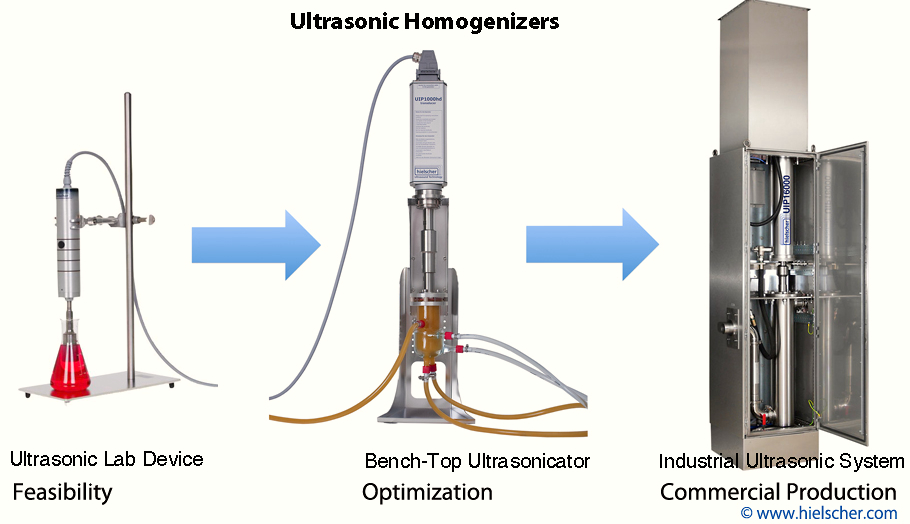
Hielscher Ultrasonics થી ઉચ્ચ-પ્રદર્શન અલ્ટ્રાસોનિક હોમોજેનાઇઝર્સનું ઉત્પાદન કરે છે પ્રયોગશાળા પ્રતિ ઔદ્યોગિક કદ.