آزمون عملی فرسایش کاویتاسیون پوششهای برنزی دریایی
آزمایش فرسایش کاویتاسیون زمانی مفیدترین است که یک قرار گرفتن در معرض کنترلشده آزمایشگاهی را به یک مشکل مهندسی واقعی متصل کند. یک مثال عملی، ارزیابی پوششهای برنزی مقاوم در برابر کاویتاسیون برای قطعات دریایی مانند سکانها و ملخهای کشتی است. این قطعات در مناطقی عمل میکنند که نوسانات فشار محلی میتواند حبابهای بخار تولید کند که در نزدیکی سطح فرو میریزند و بارهای ضربهای با شدت بالا و مکرر ایجاد میکنند. با گذشت زمان، این موضوع باعث ایجاد سوراخشدن، آسیب خستگی، خرابی پوشش و از دست رفتن ماده میشود.
آزمایش فرسایش کاویتاسیون پوششهای برنزی
در مطالعه Hauer و همکاران، پوشش های برنزی تولید شده از پاشش سرد، اسپری گرم، اسپری HVOF و اسپری قوسی با برنز آلومینیوم نیکل ریخته گری شده و فولاد کشتی سازی مقایسه شدند. سؤال اصلی ساده بود: کدام فرآیند پوشش می تواند سطحی برنزی ایجاد کند که به اندازه کافی در معرض کاویتاسیون برای خدمت دریایی باقی بماند؟ برای پاسخ به این سؤال، پژوهشگران از آزمایش فرسایش کاویتاسیون مبتنی بر ASTM G32-16 با دستگاه ارتعاشی استفاده کردند، از جمله سیستم ارتعاشی اولتراسونیک Hielscher UIP1000hdT به عنوان سیستم آزمایش.

Sonicator UIP1000hdT (1000W, 20kHz) راهاندازی تست فرسایش کاویتاسیون
کنترل دقیق شرایط آزمایش و ثبت خودکار داده ها
دستگاه سونیکاتور UIP1000hdT برای این نوع آزمایش مناسب است زیرا امواج فراصوت با شدت بالا و فرکانس پایین را در محدوده مورد استفاده برای آزمایش فرسایش حفره ای ارائه می دهد. راه اندازی تست فرسایش حفره ای با استفاده از دستگاه سونیکاتور 1000 وات در 20 کیلوهرتز کار می کند و امکان نظارت دقیق فرآیند، کنترل دامنه، اندازه گیری دما و پروتکل بندی خودکار داده های آزمایش را فراهم می کند. این توابع مهم هستند زیرا شدت کاویتاسیون به شدت به دامنه، دمای مایع، فشار مایع، هندسه سونوترود و فاصله بین سونوترود و نمونه بستگی دارد.
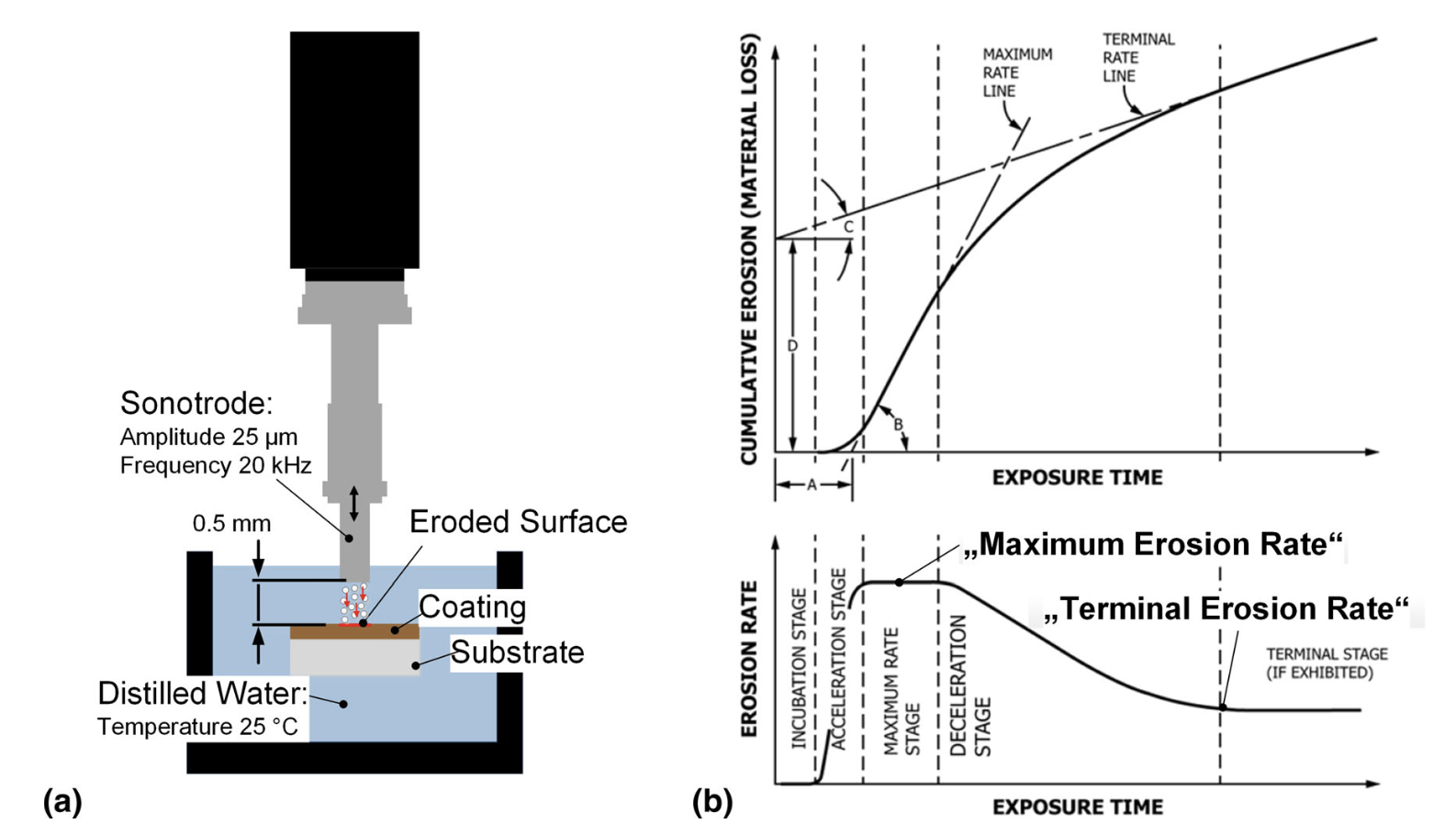
(الف) آزمون فرسایش کاویتاسیون مطابق با ASTM G32-16 با استفاده از سونیکاتور UIP1000hd (روش غیرمستقیم). تمام پارامترهای آزمون مقادیر اسمی هستند؛ تلورانسها در استاندارد ذکر شدهاند.
(ب) مراحل نموداری در منحنی فرسایش-زمان و پارامترهای مشخصه در رویه آزمون.
تصاویر و مطالعه: ©Hauer و همکاران، 2021.
آزمون فرسایش کاویتاسیون اولتراسونیک پوششهای برنزی
برای مثال پوشش برنز دریایی، آزمایش در آرایش غیر مستقیم ASTM G32 انجام شد. در این پیکربندی، نمونه به بوق ارتعاشی متصل نیست. در عوض، سونوترود اولتراسونیک کاویتاسیون را در آب مقطر ایجاد می کند و نمونه پوشش داده شده در زیر سونوترود در یک شکاف مشخص ثابت می شود. هاوئر و همکاران از فاصله 0.5 میلی متری بین نمونه و سونوترود، فرکانس 20 کیلوهرتز و دامنه پیک به پیک 50 میکرومتر استفاده کرد. مایع آزمایش آب مقطر بود که تقریباً در دمای اتاق حدود 25 درجه سانتیگراد نگهداری می شد.
آماده سازی نمونه یک مرحله حیاتی است. قبل از قرار گرفتن در معرض حفره، سطوح پوشش داده شده به صورت گام به گام آسیاب شده و به یک ساینده الماس ریز زیر 4 میکرومتر صیقل داده شدند. این امر تأثیر ذرات به هم چسبیده یا بی نظمی های سطحی را کاهش می دهد که در غیر این صورت می توانند فوراً جدا شوند و منحنی فرسایش را مخدوش کنند. هدف این نیست که پوشش خوب به نظر برسد، بلکه ایجاد یک شرایط شروع تکرارپذیر است به طوری که از دست دادن جرم اندازه گیری شده منعکس کننده مقاومت حفره ای به جای آماده سازی ضعیف سطح باشد.

ارتفاع قابل تنظیم سلول test برای تست فرسایش حفره (ASTM G32-16)
روش آزمایش فرسایش حفره ای اولتراسونیک و نتایج آن
روش آزمون عملی ساده است. ابتدا هر نمونه تمیز، خشک و بر روی یک ترازوی دقیق وزن می شود. سپس در سلول آزمایشی زیر sonotrode BS4d22 دستگاه سونیکاتور UIP1000hdT با شکاف 0.5 میلی متری با دقت و به طور تکراری نصب می شود. دستگاه سونیکاتور در دامنه و فرکانس تعریف شده کار می کند، در حالی که دمای مایع برای جلوگیری از گرمایش از تغییر شدت کاویتاسیون کنترل می شود. پس از یک فاصله زمانی مشخص، نمونه برداشته، تمیز، خشک شده و دوباره وزن می شود. این توالی در فواصل نوردهی در حال افزایش و وابسته به مواد تکرار می شود تا زمانی که منحنی فرسایش کامل به دست آید.
اندازه گیری خام از دست دادن جرم است. برای مقایسه مهندسی، این افت جرم با استفاده از چگالی مواد به افت حجم تبدیل می شود. سپس اتلاف حجم بر مساحت سطح در معرض تقسیم می شود تا میانگین عمق فرسایش مشخص شود. از روی منحنی فرسایش-عمق، محقق می تواند پارامترهای مشخصه فرسایش مانند حداکثر نرخ فرسایش، نرخ فرسایش انتهایی و میانگین عمق فرسایش را محاسبه کند. Hielscher همچنین خاطرنشان می کند که فرسایش را می توان به صورت جرم، حجم یا عمق نفوذ در هر زمان یا به ازای انرژی اولتراسونیک تحویلی، بسته به پروتکل انتخابی گزارش کرد.
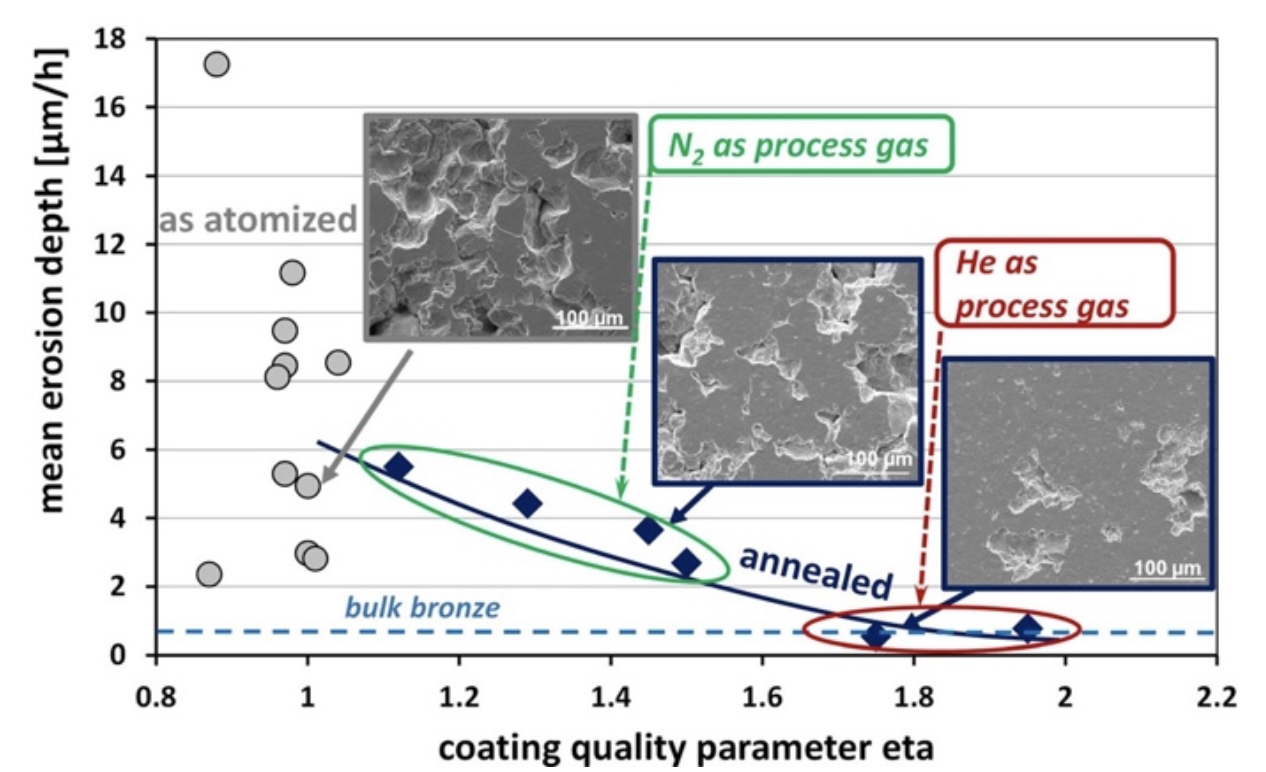
میانگین عمق فرسایش به عنوان تابعی از پارامترهای کیفیت پوشش تنظیم شده n. بازپخت پودری و در نتیجه کاهش استحکام پودر، رسیدن به کیفیت پوشش بالا را امکان پذیر می کند. درج ها آسیب سطحی را نشان می دهند که پس از یک زمان آزمایش کاویتاسیون 100 دقیقه به دست آمده است.
نمودارها و مطالعه: ©Hauer et al., 2021.
یک درس مهم از مطالعه Hauer این است که نرخ فرسایش اولیه می تواند گمراه کننده باشد. پوششهای پاشیده شده از نظر حرارتی و جنبشی اغلب از دست دادن مواد اولیه بالایی را نشان میدهند و به دنبال آن نرخ فرسایش پایینتر و پایدارتری را نشان میدهند. به همین دلیل، هاوئر و همکاران. از نرخ فرسایش انتهایی به عنوان شاخصی برای عملکرد بلندمدت پوشش استفاده کرد. در مقایسه 120 دقیقه ای آنها، نرخ فرسایش نهایی عمدتاً از نیمه دوم آزمایش، بالای 60 دقیقه ارزیابی شد تا رفتار تثبیت شده را بهتر نشان دهد.
نتایج آزمایش نشان می دهد که چرا یک دستگاه کاویتاسیون ارتعاشی کنترل شده ارزشمند است. برنز آلومینیوم نیکل ریخته گری نرخ فرسایش نهایی حدود 0.40 میکرومتر در ساعت را به دست آورد. برنز گرم اسپری شده به 0.57 میکرومتر در ساعت نزدیک به مرجع ریخته گری رسید. یک پوشش بهینه پاشیده شده با قوس بر روی فولاد کشتی سازی به حدود 1.02 میکرومتر در ساعت رسید، در حالی که یک پوشش HVOF بهینه شده به حدود 1.74 میکرومتر در ساعت رسید. حتی زمانی که این پوششها به طور کامل با برنز پروانه ریختهگری شده مطابقت نداشتند، به طرز چشمگیری بهتر از فولاد کشتیسازی بودند. این مطالعه گزارش میدهد که پوششهای پاشیده شده با قوس و HVOF به ترتیب حدود 26 برابر و 16 برابر مقاومت حفرهای بهتری نسبت به فولاد VL-A دارند.

نوک قابل تعویض برای ASTM G32 – تست فرسایش کاویتاسیون
از دستگاه سونیکاتور به عنوان دستگاه ارتعاشی برای آزمایشات فرسایش حفره ای خود استفاده کنید
 نتیجه عملی این است که آزمایش فرسایش حفره ای با دستگاه سونیکاتور UIP1000hdT به عنوان دستگاه ارتعاشی می تواند بیش از رتبه بندی مواد انجام دهد. این نشان می دهد که چگونه فرآیند پوشش، ریزساختار، محتوای اکسید، تخلخل، پیوند رابط و پس از درمان بر رفتار فرسایش واقعی تأثیر می گذارد. هاوئر و همکاران به این نتیجه رسیدند که HVOF و پاشش قوس الکتریکی میتواند یک سازش قوی عملکرد-هزینه برای بهبود سطوح سکان فولادی ارائه دهد، در حالی که پاشش سرد و گرم هنگامی که مقاومت حفرهای نزدیک به برنز آلومینیوم نیکل حجیم مورد نیاز است ترجیح داده میشود.
برای آزمایشگاهها و توسعهدهندگان پوشش، کلید دستیابی به نتایج قابل تکرار کنترل دقیق پارامترهای آزمایش است: دامنه سونوتروود، فرکانس، فاصله سونوتروود تا نمونه، دمای مایع، شیمی مایع، آمادهسازی نمونه، فواصل وزنی و محاسبه نرخ فرسایش. با تعریف این شرایط، دستگاه Hielscher UIP1000hdT روشی عملی و تکرارپذیر برای تبدیل کاویتاسیون اولتراسونیک به دادههای کمی عملکرد پوشش فراهم میکند.

کاربرگ نمونه برای تست فرسایش کاویتاسیون
میتوانید دستورالعملهای مربوط به آزمونهای فرسایش کاویتاسیون را اینجا پیدا کنید!
راهاندازی آزمون فرسایش کاویتاسیون ASTM G32
سونیکاتورهای UIP500hdT، UIP1000hdT، UIP15000hdT و UIP2000hdT برای آزمایش ASTM G32 مناسب هستند. ما میتوانیم هر یک از این واحدها را با دقت فراهم کنیم پروتکل اندازه گیری دامنه از نظر دامنه مکانیکی در نوک سونوتروود. ما توصیه میکنیم از هر یک از این دستگاهها با یک سونوتروود BS4d22 (قطر 22 میلیمتر) و پایه ST2 استفاده کنید.
| فراصوت | قدرت اولتراسوند | فرکانس |
|---|---|---|
| UIP500hdT | 500 وات | 20 کیلوهرتز |
| UIP1000hdT | 1000W | 20 کیلوهرتز |
| UIP1500hdT | 1500 وات | 20 کیلوهرتز |
| UIP2000hdT | 2000W | 20 کیلوهرتز |

ASTM G32 -16 15.9mm Sonotrode با نوک قابل تعویض
طراحی، ساخت و مشاوره – کیفیت ساخت آلمان
مافوق صوت Hielscher به خوبی برای بالاترین کیفیت و استانداردهای طراحی خود را شناخته شده. استحکام و بهره برداری آسان اجازه می دهد تا ادغام صاف از ultrasonicators ما به امکانات صنعتی. شرایط خشن و محیط های خواستار به راحتی توسط مافوق صوت Hielscher رسیده.
Hielscher اولتراسونیک یک شرکت دارای گواهینامه ISO است و تاکید ویژه ای بر مافوق صوت با کارایی بالا با ویژگی های دولت از هنر فن آوری و کاربر پسند قرار داده است. البته، مافوق صوت Hielscher مطابق با CE و دیدار با الزامات UL، CSA و RoHs.

فرسایش کاویتاسیون روی سطح تیتانیوم
پرسش و پاسخهای متداول
ASTM G32-16 چیست؟
ASTM G32-16 یک روش آزمایشی استاندارد ASTM International برای اندازهگیری فرسایش کاویتاسیون با استفاده از یک دستگاه ارتعاشی است. در مطالعه مرجع، این روش به صورت غیرمستقیم با یک سونوترود 20 کیلوهرتزی، دامنه اوج تا اوج 50 میکرومتر و فاصله نمونه تا سونوترود 0.5 میلیمتر اعمال شد.
پوششهای برنجی چیستند؟
پوششهای برنزی، لایههای سطحی آلیاژی مبتنی بر مس هستند، مانند برنزی آلومینیوم-نیکل یا برنزی آلومینیوم-منگنز، که به یک بستر با فرآیندهایی مانند اسپری سرد، اسپری گرم، اسپری HVOF یا اسپری قوسی اعمال میشوند. از آنها برای بهبود مقاومت در برابر سایش، خوردگی و فرسایش کاویتی، بهویژه در اجزای دریایی، استفاده میشود.
آزمایش فرسایش کاویتی برای چه استفاده میشود؟
آزمایش فرسایش کاویتی برای سنجش میزان مقاومت یک ماده یا پوشش در برابر آسیب ناشی از فروپاشی حبابهای کاویتی استفاده میشود. این آزمایش میزان از دست رفتن ماده را در طول زمان اندازهگیری میکند، آن را به عمق فرسایش تبدیل میکند و پارامترهایی مانند نرخ فرسایش حداکثر و نرخ فرسایش نهایی را برای مقایسه مواد و انتخاب فرآیند ارزیابی میکند.
آیا دستگاه های ارتعاشی اولتراسونیک برای سایر روش های آزمایش استفاده می شود؟
بله. فراتر از ASTM G32-16، دستگاههای ارتعاشی اولتراسونیک (سونیکاتورها) میتوانند از مطالعات مقایسهای در مورد کاویتاسیون-خوردگی یا دوام پوشش پشتیبانی کنند.
کشف کنید که چگونه از آزمایش فرسایش حفره ای برای پوشش های برنز دریایی استفاده می شود!
علاوه بر این، ارتعاش اولتراسونیک برای تست خستگی محوری، به ویژه در رژیم خستگی با چرخه بسیار بالا، استفاده می شود. یک نمونه تنظیم شده به رزونانس طولی – معمولاً نزدیک به 20 کیلوهرتز - تحت کشش چرخه ای قرار می گیرد – فشرده سازی
کشف کنید که چگونه از ارتعاشات اولتراسونیک برای آزمایش خستگی محوری نمونه ها استفاده می شود!
ادبیات / منابع
- Hielscher Cavitation Erosion Test Protocol – ASTM G32
- Hauer, Michél; Gärtner, Frank; Krebs, Sebastian; Klassen, Thomas; Watanabe, Makoto; Kuroda, Seiji; Krömmer, Werner; Henkel, Knuth-Michael (2021): Process Selection for the Fabrication of Cavitation Erosion-Resistant Bronze Coatings by Thermal and Kinetic Spraying in Maritime Applications. Journal of Thermal Spray Technology 30, 2021.
- Bolewski, Łukasz; Szkodo, Marek; Kmieć, Mateusz (2017): Cavitation erosion degradation of Belzona® coatings. Advances in Materials Science. 17, 2017.
- Kmieć, Mateusz; Karpiński, Bartłomiej; Szkodo, Marek (2016): Cavitation Erosion of P110 Steel in Different Drilling Muds. Advances in Materials Science. 16, 2016.
- Müller, Saskia; Fischper, Maurice; Mottyll, Stephan; Skoda, Romuald; Hussong, Jeanette (2014): Analysis of the cavitating flow induced by an ultrasonic horn – Experimental investigation on the influence of actuation phase, amplitude and geometrical boundary conditions. EPJ Web of Conferences 67, 2014.
- راندمان بالا
- تکنولوژی روز
- قابلیت اطمینان & نیرومندی
- کنترل فرآیند قابل تنظیم و دقیق
- دسته & درون خطی
- برای هر حجمی
- نرم افزار هوشمند
- ویژگی های هوشمند (به عنوان مثال، قابل برنامه ریزی، پروتکل داده ها، کنترل از راه دور)
- آسان و ایمن برای کار
- تعمیر و نگهداری کم
- CIP (تمیز کردن در محل)
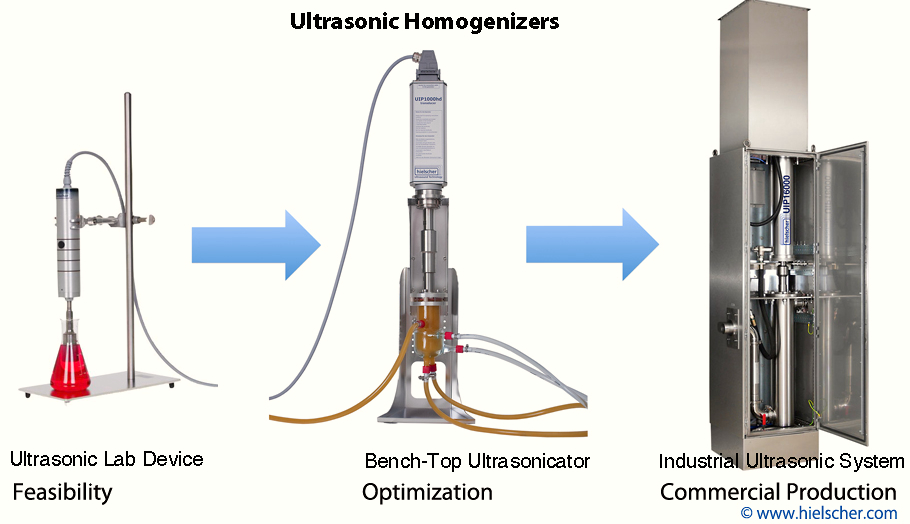
Hielscher مافوق صوت تولید کننده هموژنایزرهای مافوق صوت با کارایی بالا از ازمایشگاه ها تا اندازه صنعتی.