Sonikasiya ilə Gücləndirilmiş Kimyəvi Reaktorlar – Növlər, Dizaynlar və Mexanizmlər
Kimyəvi reaktorlar sənaye kimyası, material sintezi, incə kimyəvi istehsalı, dərman istehsalı və ətraf mühitin emalının əsasını təşkil edir. Sənayelər daha sürətli, təmiz və enerji səmərəli proseslər axtardıqca, sonikasiya, həmçinin ultrasəs emalı kimi tanınan, reaktorların intensivləşdirilməsi üçün getdikcə daha vacib bir üsula çevrilib. Ultrasəs reaktor texnologiyası partiya və fasiləsiz reaktor sistemlərində qarışdırma, kütlə ötürülməsi, reaksiya kinetikası və heterogen katalizin yaxşılaşdırılması ilə kimyəvi emalı yenidən formalaşdırır.
Sonikasiya Kimyəvi Reaktorları Necə Yaxşılaşdırır
By introducing high-power ultrasound into a chemical reactor, engineers can generate ultrasonic oscillatory flow mixing and acoustic cavitation inside the reaction medium. These mechanisms improve contact between reactants, accelerate mass transfer and can enhance reaction rates, selectivity and yield. Sonication is especially effective in solid-liquid systems, such as heterogeneous catalysis, and liquid-liquid systems, such as emulsification, extraction and biphasic reactions. It is used less frequently in gas-liquid mixtures because acoustic cavitation is generated less efficiently in liquids with high gas contents.
Müasir sonokimyəvi reaktor dizaynında, mayelər ultrasəs titrəməsi və kavitasiya ilə qarışdırılır, adətən 10-dan 200 µm-ə qədər amplitudlardan istifadə olunur. Bu, adi mexaniki qarışdırma ilə əldə edilməsi çətin olan güclü mikroskopik qarışdırma effektlərini mümkün edir.
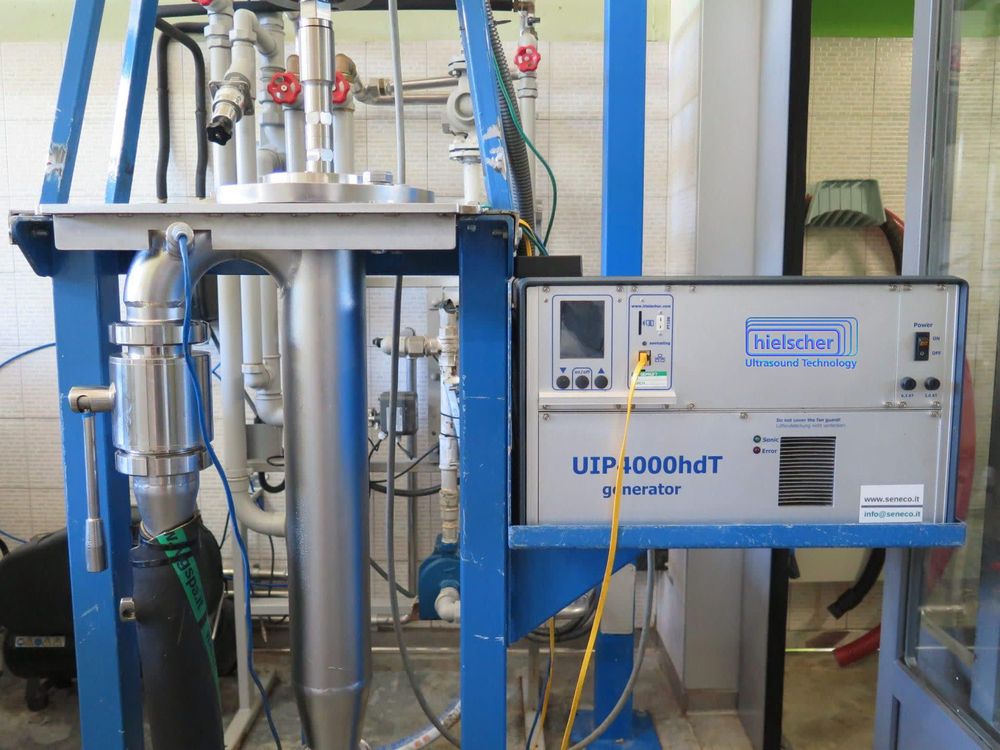
Inline sonikator UIP4000hdT gücləndirilmiş kimyəvi reaksiyalar üçün axın hüceyrəsi ilə
Niyə Sonikasiya Kimyəvi Reaktorları Gücləndirir
Soniğin sənayedə əhəmiyyəti onun kimyəvi və fiziki nəqliyyat hadisələrinə mikro və meso miqyasda təsir göstərə bilmə qabiliyyətindədir. Ənənəvi qarışdırmadan fərqli olaraq, ultrasəs yalnız bulk mayeni hərəkət etdirmir. O, təzyiq dalğaları, osilyasiya hərəkəti, kavitasiya köpükləri və yerli yüksək enerji zonaları yaradır.
Akustik kavitasiya köpükləri əmələ gəldikdə, böyüdükdə və çöktükdə intensiv mikro-mühitlər yaradırlar. Bu hadisələr aşağıdakıları istehsal edə bilər:
- yüksək lokal kəsim qüvvələri
- bərk səthlər yaxınlığında mikrojetlər
- şok dalğaları
- sürətli mikro-qarışdırma
- təkmilləşdirilmiş hissəcik dispersiyası
- yaxşılaşdırılmış interfeys təması
- sürətləndirilmiş kütlə və istilik ötürülməsi
- səthin təmizlənməsi və katalizator aktivləşdirmə təsirləri
Bu hadisələr sonikasiyanı prosesin intensivləşdirilməsi üçün çox dəyərli edir, xüsusən də reaksiyalar diffuziya, zəif faza təması, katalizatorun çirklənməsi və ya kifayət qədər qarışıq olmaması ilə məhdudlaşdırıldıqda.
Partiyalı reaktorlarda sonikasiya
Partiyalı reaktorlar laboratoriyalarda, pilot istehsal sahələrində və xüsusi kimya məhsullarının istehsalında geniş istifadə olunur. Onlar elastikdir, işlətməsi asandır və reaksiya sınaqları, kiçik həcmli sintez və yüksək dəyərli məhsullar üçün uyğundur.
Partiyalı reaktorlarda sonikasiya tətbiq olunduqda, qarışma və reaksiya bərabərliyini əhəmiyyətli dərəcədə yaxşılaşdıra bilər. Ultrasonik prob, axın hüceyrələri və ya xaricdən quraşdırılmış transdüserlər akustik enerjini birbaşa reaksiya mühitinə daxil edə bilər.
Partiyalı sistemlərdə sonikasiya xüsusilə faydalıdır:
- heterojen kataliz
- nanohissəciklərin sintezi
- Kristallaşmanın idarə olunması
- emulsifikasiya
- Çıxarma
- polimerləşmə
- Qatı maddələrin həll olunması və dispersiyası
Bərk-maye reaksiyalarda, ultrasəs hissəciklərin birləşməsinin qarşısını ala və katalitik və ya reaktiv səthlərə giriş imkanı verə bilər. Maye-maye sistemlərdə sonikasiya incə emulsiyalar yarada və qarışmayan fazalar arasında səth sahəsini artıra bilər, bu da tez-tez daha sürətli reaksiya sürətlərinə səbəb olur.
Davamlı Sonokimyəvi Emal üçün Axınlı Reaktorlar
Axınlı reaktorlar sənaye sonikasiyası üçün ən vacib dizaynlardan biridir. Sabit həcmdə mayeni emal etmək əvəzinə, reaksiya qarışığı ultrasəs reaktor kamerasından davamlı olaraq keçir.
Bu dizayn miqyaslaşdırma üçün xüsusilə cəlbedicidir, çünki mühəndislərə qalma müddətini, axın sürətini, temperaturu, təzyiqi və ultrasəs enerjisi girişini daha dəqiq idarə etməyə imkan verir. Axınlı sonokimyəvi reaktorlar adətən ardıcıl məhsul keyfiyyəti və fasiləsiz əməliyyat tələb olunduqda istifadə olunur.
Sonikasiyalanmış axınlı reaktorların əsas üstünlüklərinə daxildir:
- davamlı istehsal qabiliyyəti
- prosesin təkrarolunmasının yaxşılaşdırılması
- temperature nəzarətinin yaxşılaşdırılması
- nəzarət olunan qalma müddəti paylanması
- sənaye proses xətlərinə asan inteqrasiya
- miqyaslana bilən reaktor arxitekturası
Bu sistemlərdə ultrasəs salınımlı axın qarışığı radial və ox yönümlü qarışığı gücləndirə, konsentrasiya qradientlərini azalda və reaktantların qarşılıqlı təsirini yaxşılaşdıra bilər. Bu, xüsusilə reaksiya performansının sürətli faza təması və ya sürətli dispersiyadan asılı olduğu proseslərdə dəyərlidir.
Ultrasəs Axın-Hüceyrə Daxil Edici ÇoxFazaKavitator
 M
M

Sonicator UIP2000hdT kimyəvi toplu reaktor ilə
Kimyəvi Reaktorların Dizaynları və Sonikasiyanın Üstünlükləri
| Reaktor Növü | Tipik Tətbiq | Əsas Sonikasiya Effektləri | Texniki Əhəmiyyət |
|---|---|---|---|
| Sluj Reaktorları | Maye fazada süspansiyon halında olan möhkəm katalizator hissəcikləri ilə qeyri-homogen kataliz; hidrogenləşdirmə, oksidləşmə, biomassa çevrilməsi, Fisher-Tropsch tipli proseslər, fotokataliz və tullantı suyun təmizlənməsində istifadə olunur. | Sonikasiya katalizatorun dispersiyasını, hissəciklərin birləşməsinin pozulmasını, sərhəd təbəqə azalmasını, səthin yenilənməsini, maye-möhkəm kütlə ötürülməsini, katalizator səthinin təmizlənməsini və çirklənmənin azaldılmasını yaxşılaşdırır. | Xüsusilə vacibdir, çünki bir çox şlam fazalı katalitik reaksiyalar reaktantların aktiv sahələrə nə qədər effektiv çatmasından asılıdır. Akustik kavitasiya katalizator-maye interfeysində təması artırır və reaksiyanın kinetikasını yaxşılaşdıra bilər. |
| Davamlı Qarışdırılan Tank Reaktorları (CSTRs) | Davamlı maye faza reaksiyaları, emulsifikasiya, katalitik reaksiyalar, çökmə, kristallaşma, polimer reaksiyaları və bərk-maye süspansiyaları. | Ultrasəs mikro-qarışdırma, hissəcik süspansiyası, emulsifikasiya, dispersiya və yerli enerji girişini gücləndirir. O, həm makro, həm də mikroqarışdırmanı yaxşılaşdırmaq üçün mexaniki qarışdırma ilə birləşdirilə bilər. | Sonikasiya olunmuş CSTR-lər adi impellerlərin ölü zonaları, zəif dispersiyası və ya yerli kütlə ötürmə məhdudiyyətlərini tam aradan qaldıra bilməməsi halında faydalıdır. Ultrasəs daha bərabər reaksiya şəraitini və prosesin gücləndirilməsini yaxşılaşdırır. |
| Sabit Yataqlı Reaktorlar | Hidrogenləşmə, oksidləşmə, ətraf mühit katalizizi, neft-kimyəvi emal və maye fazalı heterogen katalizdə istifadə olunan stasionar katalizator yataqları. | Sonikasiya katalizatorun islanmasını, yataqda mayenin hərəkətini, sərhəd qatının azaldılmasını, səthin təmizlənməsini, çirklənmənin azaldılmasını və kütlənin katalitik sahələrə ötürülməsini yaxşılaşdıra bilər. | Sabit yataq performansı tez-tez kanallaşdırma ilə məhdudlaşdırılır, zəif islanma, diffuziya müqaviməti və çöküntü əmələ gəlməsi. Ultrasəs prosesinin intensivləşdirilməsi katalizatordan istifadəni və reaksiya vahidliyini yaxşılaşdıra bilər. |
| Fluidized Bed Reaktorlar | Kataliz, hissəcik emalı, örtük, polimerləşmə, qurutma və bərk-maye reaksiyalarında istifadə olunan asılmış hissəciklərin dinamik yataqları. | Ultrasəs həyəcanlandırma hissəcik dispersiyasını yaxşılaşdıra, aglomerasiyanı azalda, maye-bərk təmasda təması gücləndirə, süspansiyaları sabitləşdirə və katalizator səthinə çıxışı yaxşılaşdıra bilər. | Sonikasiya xüsusilə maye-bərk maye yataqlarda effektivdir, burada kavitasiya effektiv şəkildə yaradıla bilər. Qazla zəngin sistemlərdə kavitasiya daha az effektiv olur, bu da ultrasəsi maye əsaslı reaktor tətbiqləri üçün daha uyğun edir. |
| Membran Reaktorları | Seçici məhsulun çıxarılması, reaktant dozası, katalitik membran prosesləri və filtrasiya ilə dəstəklənən reaksiyalar üçün istifadə olunan inteqrasiya olunmuş reaksiya-ayırma sistemləri. | Ultrasəs membran çirklənməsini azalda, permeat axınını yaxşılaşdıra, səth təmizlənməsini artıraraq konsentrasiya polarizasiyasını azalda və membran interfeysinin yaxınlığında qarışmanı yaxşılaşdıra bilər. | Sonikasiya reaksiya mühəndisliyini ayrılma elmi ilə birləşdirir. Bu, xüsusilə çirklənmə, kütlə ötürmə müqaviməti və ya zəif reaksiya-ayırma əlaqəsi membran reaktor performansını məhdudlaşdırdıqda qiymətlidir. |
Ultrasonik Reaktorun Gücləndirilməsinin Mexanizmləri
Kimyəvi reaktorlarda sonikasiyanın üstünlükləri bir neçə qarşılıqlı təsir edən mexanizmlərə əsaslanır.
- Akustik kavitasiya ən vacib mexanizmdir. Bu, yüksək intensivlikli ultrasəsə məruz qalan mayedə mikroskopik qabarcıqların yaranması, böyüməsi və çökməsini əhatə edir. Qabarcığın çöküşü lokal enerji sərbəst buraxılması və güclü mexaniki qüvvələr yaradır.
- Akustik axın, ultrasəs dalğaları tərəfindən yaradılan sabit maye hərəkətidir. Bu, mexaniki qarışdırmanın zəif ola biləcəyi zonalarda qarışdırma və nəqli yaxşılaşdırır.
- Titrəyən axın qarışdırması, ultrasəs titrəməsi mayenin sürətli irəli-geri hərəkətinə səbəb olduqda baş verir. Reaktor sistemlərində təxminən 10-dan 200 µm-ə qədər amplitudalar çox təsirli qarışdırma və yaxşılaşdırılmış kütlə viqası təmin edə bilər.
- Mikrojetlər və şok dalğaları, xüsusilə bərk səthlərə yaxın yerlərdə, qabarcıqlı boşalma zamanı yaranır. Bu effektlər katalizator səthlərini təmizləyə, sərhəd laylarını poza və mayenin aktiv sahələrə çatmasını yaxşılaşdıra bilər.
- Səth sahəsinin artırılması xüsusilə maye-maye sistemlərində vacibdir. Ultrason incə damcılar və sabit dispersiyaların yaranmasını təmin edə bilər, bu da reaksiya və ya kütlə ötürülməsi üçün mövcud sahəni artırır.
Bütün bu mexanizmlər sonikasiyanı kimyəvi reaktorun intensivləşdirilməsi üçün güclü bir vasitə edir.
Sonokimyəvi Reaktor Dizaynının Sənaye Əhəmiyyəti
Sonikasiya edilmiş reaktorların sənayedə əhəmiyyəti sürətli qarışdırmadan kənara çıxır. Sonikasiya adi avadanlıqların çətinliklə çata biləcəyi ölçülərdə reaksiya mühitlərini manipulyasiya etməyə imkan verir.
Kimya mühəndisliyində, bir çox reaktor məhdudiyyətləri daxili reaksiyanın sürətindən çox nəqliyyat hadisələrindən qaynaqlanır. Reaktantlar katalitik sahələrə kifayət qədər tez çatmaya bilər. Qarışmayan mayelərin kifayət qədər təmas sahəsi olmaya bilər. Qatı maddələr topalaşa bilər. Membranlar çirklənə bilər. Katalizator səthləri bloklana bilər.
Sonikasiyanın bu məhdudiyyətləri aradan qaldırması, reaktorun içərisində fiziki şərtləri birbaşa yaxşılaşdırması ilə həyata keçirilir. Bu, onu bir sıra tədqiqat və sənaye prioritetləri üçün uyğun edir:
- daha ekoloji kimyəvi emal
- daha aşağı enerji və həlledici tələbi
- katalizator səmərəliliyinin yaxşılaşdırılması
- daha yüksək reaksiyanın seçiciliyi
- prosesin daha sürətli inkişafı
- davamlı istehsal
- intensivləşdirilmiş modul reaktor sistemləri
- inkişaf etmiş materialların sintezi
- biokütlə və tullantı axınlarının davamlı çevrilməsi
Tədqiqatçılar üçün sonikasiyaya məruz qalma akustik enerji girişi, kavitasiya davranışı, nəqliyyatın artırılması və kimyəvi performans arasındakı əlaqəni öyrənmək üçün nəzarətli bir üsul təqdim edir. Sənaye üçün isə o, kompakt, səmərəli və miqyaslana bilən reaktor sistemlərinə praktiki bir yol təklif edir.

Ultrasəs homogenizatoru UIP2000hdT axın-reaktorunda kimyəvi reaksiyalar üçün
Kimyəvi Reaktorlarda Sonikasiyanın Üstünlükləri
Reaktor dizaynına ultrasəsin inteqrasiyası bir neçə əməliyyat və elmi üstünlük təqdim edir:
- yaxşılaşdırılmış kütlə ötürülməsi vasitəsilə reaksiyanın sürətinin artırılması
- çoxfazalı sistemlərdə daha yaxşı qarışdırma
- bərk maddələr və damcıların yaxşı dispersiyası
- katalizatorun istifadəsinin yaxşılaşdırılması
- diffuziya məhdudiyyətlərinin azaldılması
- təmizlənmiş katalizator və membran səthləri
- axın sistemlərində prosesin təkrarlanabilirliyinin yaxşılaşdırılması
- temperatur, təzyiq və ya reaksiyanın müddətinin potensial azaldılması
- partiya və davamlı əməliyyatla uyğunluq
- heterogen kataliz və ikifazlı reaksiyalar üçün güclü əhəmiyyət
Bu faydalar ultrasəs reaktor texnologiyasını incə kimyəvi maddələr, xüsusi kimyəvi maddələr, kataliz, nanomateriallar, yaşıl kimya və proses intensivləşdirmə üçün xüsusilə cəlbedici edir.

Ultrasonik Şüşə Akış Hüceyrəsi
Kimyəvi reaktorunuzu Hielscher Sonikatorlarla intensivləşdirin!
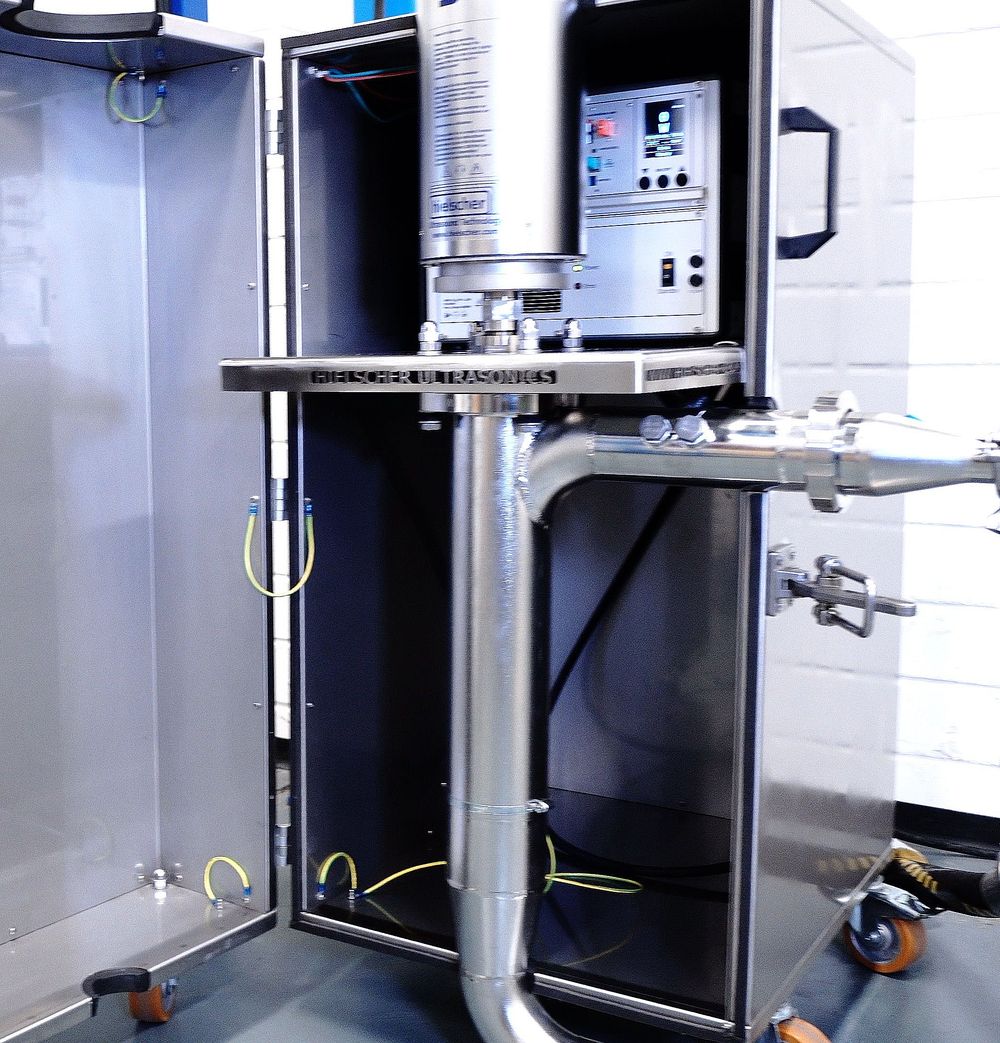 Hielscher sonicators are well suited for customized integration into chemical reactors because they are available as robust, high-power ultrasonic systems with adaptable sonotrodes, flow cells, reactor inserts, and process-specific accessories. Depending on the reaction setup, Hielscher ultrasonic processors can be installed in batch reactors, continuously stirred tank reactors, inline flow reactors, recirculation loops, pressurized systems, and pilot or production-scale plants. This flexibility allows ultrasound to be applied exactly where cavitation is most effective: at the liquid-solid, liquid-liquid, or liquid-gas interface. Hielscher Ultrasonics also offers various types of ultrasonic batch and inline reactors, enabling controlled sonochemical processing, emulsification, dispersion, catalyst activation, surface cleaning, mass-transfer intensification, and reaction acceleration. With precise control of amplitude, power input, temperature, pressure, flow rate, and residence time, Hielscher sonicators can be tailored to the specific requirements of laboratory research, process development, scale-up, and industrial chemical production.
Aşağıdakı cədvəl ultrasəs cihazlarımızın təxmini emal qabiliyyətinin göstəricisini verir:
| Partiya Həcmi | Axın | Tövsiyə olunan Cihazlar |
|---|---|---|
| 1 ilə 500 ml | 10-200 ml/dəq | UP100H |
| 10 ilə 2000 ml | 20 - 400 ml/dəq | UP200Ht, UP400St |
| 0.1 - 20L | 0.2 ilə 4L/dəq | UIP2000hdT |
| 10-100 l | 2 ilə 10 L / dəq | UIP4000hdT |
| 15-150 l | 3 ilə 15 L/dəq | UIP6000hdT |
| na | 10-100 l/dəq | UIP16000hdT |
| na | daha böyük | klaster UIP16000hdT |
Dizayn, İstehsalat və Konsaltinq – Keyfiyyətli Almaniya istehsalı
Hielscher ultrasəs cihazları ən yüksək keyfiyyət və dizayn standartları ilə tanınır. Sağlamlıq və asan əməliyyat ultrasəs aparatlarımızın sənaye obyektlərinə rahat inteqrasiyasına imkan verir. Kobud şərtlər və tələbkar mühitlər Hielscher ultrasəs cihazları tərəfindən asanlıqla idarə olunur.
Hielscher Ultrasonics, ISO sertifikatlı bir şirkətdir və ən müasir texnologiya və istifadəçi dostu olan yüksək performanslı ultrasəs cihazlarına xüsusi diqqət yetirir. Əlbəttə ki, Hielscher ultrasəs cihazları CE-yə uyğundur və UL, CSA və RoHs tələblərinə cavab verir.

Ultrasonik homojenizator UIP1500hdT Sonikasiya zamanı proses temperaturunu idarə etmək üçün soyutma örtüklü axın reaktoru ilə.
Tez-tez soruşulan suallar
Kimyəvi reaktorlar nədir?
Kimyəvi reaktorlar kimyəvi reaksiyaların temperatur kimi idarə olunan şəraitdə həyata keçirildiyi mühəndislik qabları və ya sistemlərdir, təzyiq, qarışma, qalma vaxtı və reaktant konsentrasiyası. Onların məqsədi xammalı müəyyən məhsuldarlıq, seçicilik və proses səmərəliliyi ilə istənilən məhsullara çevirməkdir.
Kimyəvi Reaktorların Əsas Növləri Hansılardır?
Kimyəvi reaktorların əsas növlərinə lot reaktorları, davamlı qarışdırılan tank reaktorları, fitilə axan reaktorlar, sabit yataqlı reaktorlar, mayeləşdirilmiş yataqlı reaktorlar, şlam reaktorları, membran reaktorları və fotokimyəvi ya da elektrokimyəvi reaktorlar daxildir. Hər bir reaktor növü axın davranışı, qarışdırma rejimi, istilik və kütlə ötürmə xüsusiyyətləri və homojen və ya qeyri-homojen reaksiyalar üçün uyğunluq üzrə fərqlənir.
Mayeləşdirilmiş yataqlı reaktor ilə sabit yataqlı reaktor arasındakı fərq nədir?
Sabit yataqlı reaktorda, bərk katalizator hissəcikləri sabit qalır, reaktivlər isə dolu katalizator yatağından axır. Sıvılaşdırılmış yataqlı reaktorda isə yuxarı axan maye bərk hissəcikləri asıltdırır və hərəkət etdirir, bu, güclü qarışım, yaxşılaşmış istilik ötürməsi və daha yaxşı hissəcik-maye əlaqəsi ilə dinamik yataq yaradır. Sabit yataqlar daha sadə və mexaniki olaraq sabitdir, sıvılaşdırılmış yataqlar isə daha yüksək qarışım və istilik ötürmə effektivliyi təmin edir, lakin daha mürəkkəb axın nəzarəti tələb edir.
Katalizator Yatağı nədir?
Katalizator yatağı, reaktor daxilində yerləşdirilmiş, müəyyən edilmiş həcmli bərk katalizator hissəcikləridir. Bu, kimyəvi reaksiyaların baş verdiyi aktiv səthi təmin edir. Katalizator yataqları sabit ola bilər, məsələn, sabit yataqlı reaktorlarda, və ya dinamik olaraq asılı vəziyyətdə ola bilər, məsələn, mayeləşdirilmiş yataqlı reaktorlarda. Onların işləmə qabiliyyəti katalizator fəaliyyəti, hissəcik ölçüsü, porozluq, səth sahəsi, axın paylanması, istilik ötürülməsi və kütlə ötürülməsindən asılıdır.
Ədəbiyyat / İstinadlar
- Yu, Hang Gao, Jing; Zhong, Qili; Guo, Yahui; Xie, Yunfei; Yao, Weirong; Zhou, Weibiao (2018): Acoustic pressure and temperature distribution in a novel continuous ultrasonic tank reactor: a simulation study. IOP Conference Series: Materials Science and Engineering 2018.
- Francisco J. Navarro-Brull; Andrew R. Teixeira; Jisong Zhang; Roberto Gómez; Klavs F. Jensen (2018): Reduction of Dispersion in Ultrasonically-Enhanced Micropacked Beds. Industrial & Engineering Chemistry Research 57, 1; 2018. 122–128.
- M. Ajmal, S. Rusli, G. Fieg (2016): Modeling and experimental validation of hydrodynamics in an ultrasonic batch reactor. Ultrasonics Sonochemistry, Volume 28, 2016. 218-229.
- L. Castrillón, E. Marañón, Y. Fernández-Nava, P. Ormaechea, G. Quiroga (2013): Thermophilic co-digestion of cattle manure and food waste supplemented with crude glycerin in induced bed reactor (IBR). Bioresource Technology, Volume 136, 2013. 73-77.
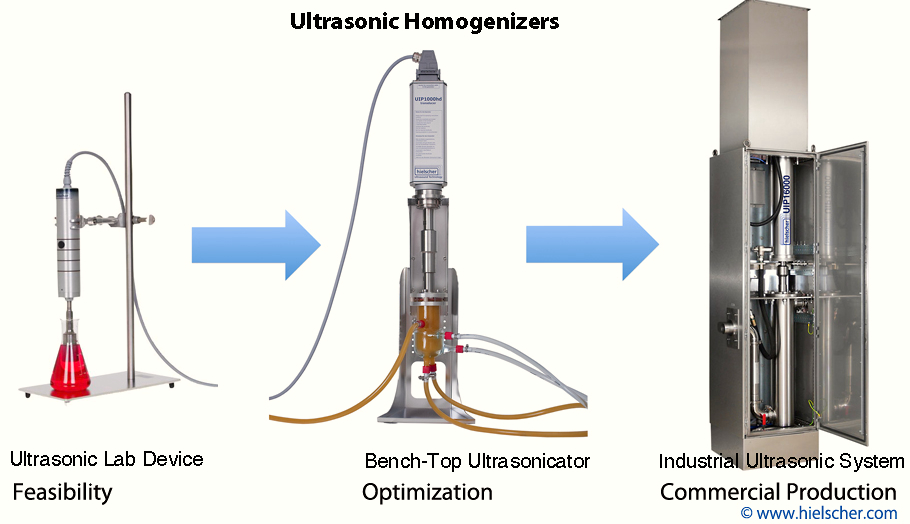
Hielscher Ultrasonics yüksək performanslı ultrasəs homogenizatorları istehsal edir laboratoriya üçün sənaye ölçüsü.