Marine dizel-biodizel: Efikasno mešanje goriva za bezbednost snabdevanja i održivost
As the marine industry faces rising pressure from fuel volatility, stricter environmental expectations, and the urgent need for practical decarbonization strategies, marine diesel-biodiesel blends are gaining attention as a realistic and scalable solution. When these blends are produced using ultrasonic homogenization, their performance and stability can be significantly improved. The result is a more uniform, reliable fuel that supports both operational efficiency and sustainability goals.
Марине оператери данас се крећу тешким енергетским пејзажом. Несташице горива, нестабилни ланци снабдевања и флуктуирајуће цене фосилних горива присиљавају власнике бродова, прерађиваче горива и оператере мотора да траже алтернативе које су доступне и компатибилне са постојећом инфраструктуром. У том контексту, биодизел-дизел мешавине за морске апликације нуде велику предност. Они омогућавају конвенционални бродски дизел да се делимично замени са обновљивим компонентама горива, смањујући зависност од чистих нафтних горива, истовремено стварајући флексибилнији и отпорнији стратегију горива.
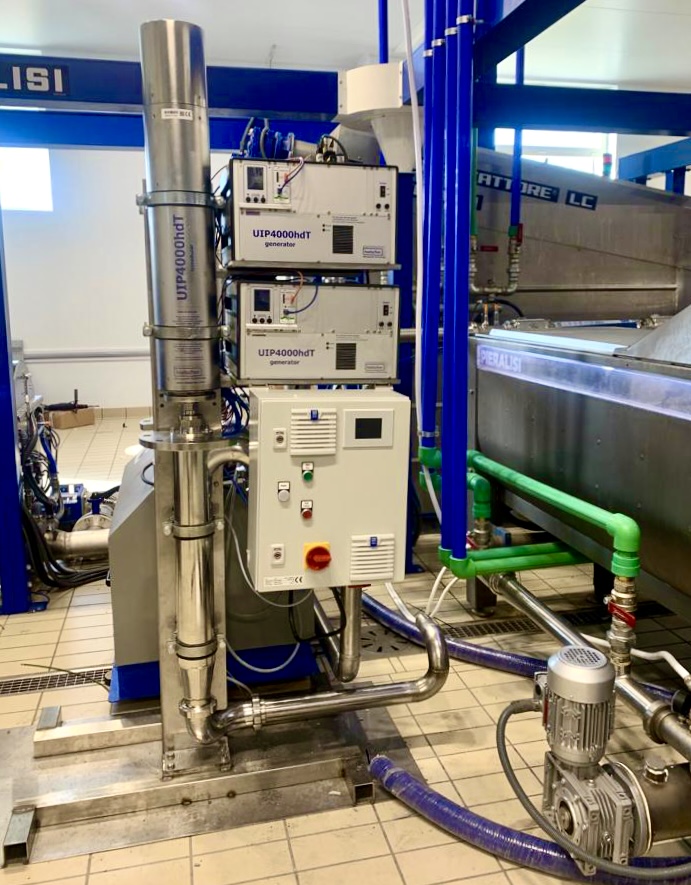
Инсталација 2k UIP4000hdT за 8000 вати моћне ултразвучне хомогенизације
Зашто су хомогене смеше горива важне у морским апликацијама
 Један од главних изазова код мешавина биодизела је постизање стабилне и хомогене мешавине. Разлике у вискозности, густини и молекуларном понашању између биодизела и дизела могу утицати на квалитет мешавине, посебно када се користе конвенционалне методе мешања. Ту ултразвучно мешање постаје изузетно релевантно.
Ултразвучна хомогенизација користи високоинтензивне звучне таласе за стварање интензивног микропримешања и кавитације у течности. Овај процес распршује и меша компоненте горива много ефикасније него што то сама конвенционална индурација може. У мешавинама поморских дизел-бiodizel горива, ултразвучна хомогенизација помаже у производњи финије, униформније смеже са побољшаном конзистенцијом кроз цело гориво. Боље хомогенизована смеша доприноси предвидивијем понашању сагоревања, побољшаном квалитету горива и већој стабилности при складиштењу.
Ултразвучно мешање побољшава стабилност и перформансе горива
 The advantages of ultrasonic blending for marine diesel-biodiesel fuels are especially important in demanding marine environments. Ships rely on dependable fuel performance, and any inconsistency in blend quality can create operational concerns. Ultrasonically homogenized fuel blends help reduce phase separation risks and improve the overall quality of the final fuel. This makes ultrasonic processing an attractive technology for fuel preparation, fuel upgrading, and on-site blending applications.
Из техничке и економске перспективе, ултразвучна хомогенизација се такође издваја јер је то веома ефикасан процес. То може интензивирати мешање, побољшати униформност, и побољшати квалитет горива у релативно кратком времену обраде. То га чини убедљивом опцијом за произвођаче бродских горива и индустријских корисника који желе да оптимизирају перформансе мешања уз одржавање поузданости процеса.

Биодизел-дизел мешавине нуде стратешку вредност током несташице горива
Још један разлог морски дизел-биодизел мешавине постају све релевантнији је глобална потреба да се побољша безбедност горива. У време несташице горива, мешање дизела са биодизелом може помоћи у проширењу расположивих ресурса горива и смањењу ослањања на ограничене залихе фосилних горива. Биодизел се може произвести из низа обновљивих сировина, укључујући биљна уља, отпадна уља и животињске масти, што проширује базу горива и подржава регионалну диверзификацију горива. За поморски сектор, ово може да се преведе у већу флексибилност снабдевања и смањену изложеност поремећајима на конвенционалним тржиштима бродских горива.
Еколошка прихватљивост и одрживост преобликују бродска горива
Environmental friendliness is another major driver behind the growing interest in biodiesel blends. Biodiesel is widely recognized as a renewable fuel component with the potential to lower the overall carbon footprint of fuel use. When blended with marine diesel, it can contribute to a cleaner combustion profile and support emissions reduction efforts. For companies seeking practical ways to improve their environmental performance without completely replacing engines or fuel systems, marine diesel-biodiesel blends provide a feasible transition pathway.
Одрживост у поморској индустрији више није нише тема. Она је сада стратешки захтев. Оператери су под све већим притиском да смање емисију гасова са ефектом стаклене баште, побољшају ефикасност ресурса и усвоје чистије енергетске праксе. Ултразвучно хомогенизоване мешавине биодизела и дизела добро се уклапају у ову транзицију јер комбинују познат рад конвенционалног дизела са еколошким предностима интеграције обновљивог горива. Овај приступ подржава постепену модернизацију уместо наглог промене система.

Hielscher UIP6000hdT кластер који се састоји од до 12 сонатора. Ова контејнерска конфигурација омогућава састављање 72kW снажног инлајн соничког система за високоперформансну инлајн обраду горива.
Кључне предности ултразвучно хомогенизованих мешавина морског дизела и биодизела
Вредност ултразвучног мешања може се сумарно приказати у неколико кључних тачака:
- побољшана хомогеност мешавина морског дизела и биодизела
- побољшана стабилност мешавине и смањен ризик од раздвајања
- конзистентнији квалитет горива за складиштење и сагоревање
- боља употреба обновљивих компоненти биодизела
- већа флексибилност горива током недостатка снабдевања
- подршка чистијим и одрживијим поморским операцијама
Индустријско мешање горива са скалабилним сонicator системима
 For industrial fuel blending, powerful ultrasonic processors such as the UIP2000hdT, UIP4000hdT, and UIP6000hdT are suitable examples of scalable equipment for the homogenization of diesel-biodiesel blends. These industrial sonicator models can be integrated into continuous flow-through processes and help manufacturers produce uniform, stable fuel blends with high reproducibility.
Their industrial relevance lies not only in individual performance, but also in scalability. Clusters of parallel installed sonicators enable processors to handle virtually any required production capacity. This modular approach allows fuel producers to scale blending output according to demand while maintaining consistent blend quality. As a result, ultrasonic fuel blending can be adapted efficiently from medium-scale production to high-volume industrial operations.
For manufacturers seeking reliable process intensification, parallel ultrasonic installations offer a practical route to combine flexibility, throughput, and product consistency. This makes ultrasonic homogenization particularly attractive for companies that need stable fuel blends in large volumes without sacrificing process control.
Стратегија горива у будућности за поморску индустрију
 Поморској индустрији су потребна решења која су практична, скалабилна и компатибилна са тренутним моторима и логистиком горива. Ултразвучно хомогенизоване морске мешавине дизел-биодизел одговарају на ову потребу комбиновањем интеграције обновљивих горива са напредном технологијом мешања. Они јачају стабилност горива, побољшавају употребљивост и помажу бродарским компанијама да одговоре на два критична изазова одједном: обезбеђивање снабдевања горивом и смањење утицаја на животну средину.
Kako tržišta goriva ostaju neizvesna, a očekivanja održivosti nastavljaju da rastu, ultrazvučno mešanje se pojavljuje kao veoma efikasan metod za proizvodnju goriva sledeće generacije za pomorsku industriju. Za pomorske operatore, prerađivače goriva i kompanije fokusirane na održivost, kombinacija biodizel-dizel mešavina i ultrazvučne homogenizacije predstavlja više od tehničkog poboljšanja. To je strateški pristup usmeren ka čistijoj, otpornijoj i resursno efikasnijoj upotrebi pomorske energije.

16.000 vati sonikator za mešanje goriva kao što su biodizel-mešavine bunker ulja i vodena goriva.
Sonikatori za inline mešanje goriva
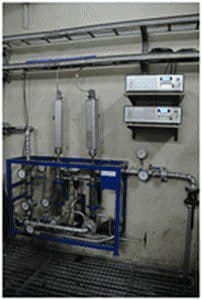 For continuous fuel blending, industrial ultrasonic processors such as the Hielscher UIP2000hdT, UIP4000hdT, and UIP6000hdT are powerful examples of scalable sonication technology for the production of stable diesel-biodiesel blends. These systems are designed for inline operation, allowing fuel streams to be processed continuously with high uniformity and reproducible blend quality. A key advantage of Hielscher sonicators is their combination of high ultrasonic intensity, robust industrial design, precise process control, and easy scalability. They can be integrated into industrial production lines and adapted to specific throughput requirements, making them highly suitable for demanding fuel blending applications. Since Hielscher ultrasonic systems are modular, clusters of parallel installed sonicators enable the processing of virtually any volume of stable fuel blends, from medium-scale production to large industrial capacities. This parallelization concept allows manufacturers to increase throughput without compromising homogenization performance. In addition, Hielscher sonicators are valued for their efficiency, reliability, continuous 24/7 operability, and consistent blending results, which makes them an excellent choice for fuel producers seeking a flexible and economically attractive solution for continuous biodiesel-diesel blending.

Табела у наставку даје вам индикацију приближних капацитета обраде наших ултразвучних апарата:
| Батцх Волуме | Проток | Препоручени уређаји |
|---|---|---|
| 10 до 2000 мл | 20 до 400 мл/мин | УП200Хт, УП400Ст |
| 0.1 до 20Л | 0.2 до 4Л/мин | УИП2000хдТ |
| 10 до 100 л | 2 до 10 л/мин | УИП4000хдТ |
| 15 до 150Л | 3 до 15 л/мин | УИП6000хдТ |
| на | 10 до 100 л/мин | УИП16000хдТ |
| на | већи | кластер оф УИП16000хдТ |
Дизајн, производња и консалтинг – Квалитет Маде ин Германи
Хиелсцхер ултрасоникатори су познати по свом највишем квалитету и стандардима дизајна. Робусност и једноставан рад омогућавају несметану интеграцију наших ултразвучних апарата у индустријске објекте. Хиелсцхер ултрасоникатори се лако носе са тешким условима и захтевним окружењима.
Хиелсцхер Ултрасоницс је ИСО сертификована компанија и ставља посебан нагласак на ултрасоникаторе високих перформанси са најсавременијом технологијом и једноставношћу за коришћење. Наравно, Хиелсцхер ултрасоникатори су усаглашени са ЦЕ и испуњавају захтеве УЛ, ЦСА и РоХ.

Хиелсцхер Ултрасоницс производи ултразвучне хомогенизаторе високих перформанси за апликације за мешање, дисперзију, емулзификацију и екстракцију у лабораторијским, пилотским и индустријским размерама.
Често постављана питања
Шта је морнарички дизел?
Морнарички дизел (МДО) је морнаричко гориво на бази дестилата које се користи у дизел моторима бродова. Лакији је и чистији од тешких остатних морнаричких горива, генерално има нижу вискозност и формулисан је да подржи поуздано паљење и сагоревање у морнаричким применама. Дестилатна морнаричка горива као што су морнарички дизел и морнарички гасојл део су снабдевања турбинским горивом које се користи за доставу морским путем.
Да ли је морнарички дизел исто што и турбинско гориво?
Морски дизел није баш исто што и бункер гориво. “Бункер гориво” је шири термин за гориво које се снабдева бродовима и обухвата како остатна горива тако и дестилована горива. Морски дизел је стога једна врста бункер горива, али не све бункер гориво је морски дизел; тешко ложиво уље и морско уљно гориво такође су бункер горива.
Kako brodska goriva mogu biti zelenija?
Brodska goriva mogu biti zelenija smanjenjem emisije sumpora i čestica, povećanjem učešća obnovljivih i niskougljičnih goriva, kao što su biogoriva, i procenom goriva na osnovu životnog ciklusa stakleničkih gasova od proizvodnje do upotrebe na brodu. U praksi, zelenija brodska goriva postižu se čistijim formulacijama goriva, mešanjem fosilnih brodskih goriva sa održivim biokomponentama i usvajanjem alternativnih brodskih goriva koja smanjuju emisije i poboljšavaju ukupne performanse održivosti.
Прочитајте више о ултразвучној емулзификацији Aqua-Fuels!
Литература / Референце
- D. Christopher Selvam, Yuvarajan Devarajan, T. Raja (2026): Biodiesel and alcohol-biodiesel blends in marine diesel engines: Fuel properties, engine behavior, environmental impacts, and operational challenges.
Marine Pollution Bulletin, Volume 224, 2026. - Abdullah, C. S. ; Baluch, N.; Mohtar S. (2015): Ascendancy of ultrasonic reactor for micro biodiesel production. Jurnal Teknologi (Sciences ; Engineering) 77:5; 2015. 155-161.
- Ali Gholami, Fathollah Pourfayaz, Akbar Maleki (2021): Techno-economic assessment of biodiesel production from canola oil through ultrasonic cavitation. Energy Reports, Volume 7, 2021. 266-277.
- Wu, P., Yang, Y., Colucci, J.A. and Grulke, E.A. (2007): Effect of Ultrasonication on Droplet Size in Biodiesel Mixtures. Journal of the American Oil Chemists’ Society, 84: 877-884.
- висока ефикасност
- најсавременија технологија
- поузданост & робусност
- подесива, прецизна контрола процеса
- батцх & у реду
- за било коју запремину
- интелигентни софтвер
- pametne funkcije (npr. Programabilno, protokoliranje podataka, daljinski upravljač)
- једноставан и сигуран за рад
- минимално одржавање
- ЦИП (чишћење на месту)
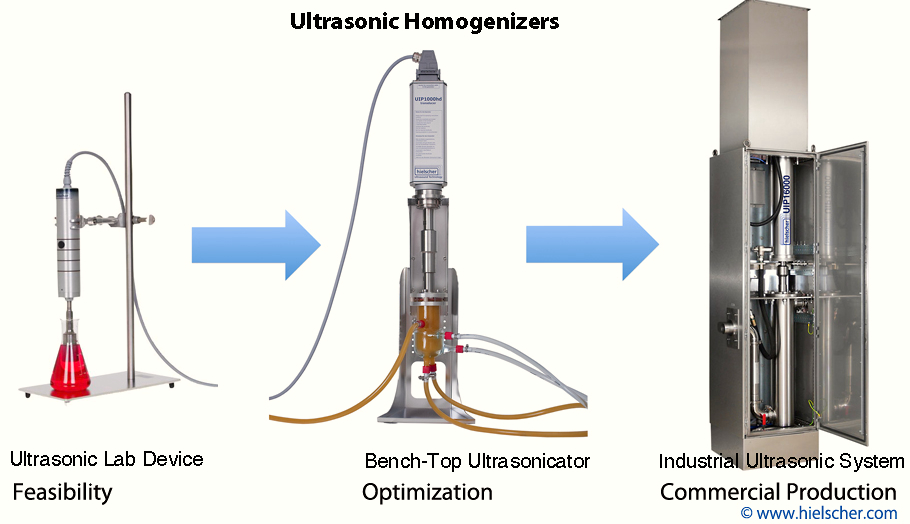
Хиелсцхер Ултрасоницс производи ултразвучне хомогенизаторе високих перформанси од лаб до индустријска величина.