Ar ultraskaņu atbalstīta Sabatjē reakcija: efektīva CO₂ pārvēršana ogļūdeņražos
Jaudīgais ultraskaņas lauks piedāvā novatorisku veidu, kā pastiprināt Sabatjē reakciju, veicinot CO₂ hidrogenēšanu ar akustiskās kavitācijas palīdzību. Tas ļauj efektīvi pārvērst oglekļa dioksīdu metānā un augstākajos ogļūdeņražos maigos apstākļos, piemēram, istabas temperatūrā un spiedienā. Tādējādi ultraskaņas palīdzībā notiekošā CO₂ pārveidošana ir daudzsološa pieeja ilgtspējīgai degvielas ražošanai, oglekļa izmantošanai un atjaunojamās enerģijas uzglabāšanai.
Jaudīgais ultraskaņas aparāts paver jaunas iespējas oglekļa dioksīda izmantošanai
Oglekļa dioksīda pārvēršana vērtīgos ogļūdeņražos kļūst par vienu no svarīgākajiem tehnoloģiskajiem izaicinājumiem pārejā uz aprites tipa oglekļa ekonomiku. Tā vietā, lai CO₂ uzskatītu tikai par emisiju problēmu, modernie ķīmiskie procesi arvien vairāk vērsti uz to, lai izmantotu to kā oglekļa izejvielu sintētisko degvielu, metāna, etilēna, etāna un citu enerģētiski bagātu savienojumu ražošanai.
Viens no īpaši daudzsološajiem risinājumiem ir ultraskaņas palīdzībā notiekošā Sabatjē reakcija, kas pazīstama arī kā sono-Sabatjē process. Pielietojot lieljaudas ultraskaņu CO₂ saturošās šķidrās vidēs, reakcijas vidi var intensificēt, nepaļaujoties vienīgi uz tradicionālajām augsttemperatūras un augstspiediena katalītiskajām sistēmām.
Klasiskā Sabatier reakcija apraksta oglekļa dioksīda hidrogenēšanu, kuras rezultātā rodas metāns un ūdens. Šai reakcijai atkal tiek pievērsta pastiprināta uzmanība, jo tai ir nozīmīga loma „power-to-gas” procesā, sintētiskās dabasgāzes ražošanā, atjaunojamās enerģijas uzglabāšanā un pat kosmosa lietojumos.

sonikators UIP2000hdT palielina masas pārnesi un pastiprina ķīmiskās reakcijas
Kāpēc ultraskaņas apstrāde ir svarīga CO₂ pārveidošanā
Ultraskaņas apstrāde ievada enerģiju šķidrumos, izmantojot akustisko kavitāciju. Kavitācijas laikā veidojas mikroskopiski burbuļi, kas strauji aug un pēkšņi sabrūk. Šie lokālie sabrukuma procesi rada ekstremālas mikroapstākļus ar ļoti augstām īslaicīgām temperatūrām, spiedieniem, turbulenci un radikāļu veidošanos, kamēr šķidruma galvenā masa var palikt salīdzinoši mierīgos apstākļos.
Saistībā ar CO₂ samazināšanu tas nozīmē, ka jaudīgs ultraskaņas lauks var aktivizēt ķīmiskos procesus, kurus citādi apstākļos ir grūti panākt. Eksperimentālie pētījumi par sonokīmisko CO₂ pārveidošanu ir parādījuši, ka ultraskaņa, kas tiek pielietota uz ar CO₂ piesātinātu ūdeni, nātrija hlorīda šķīdumu un sintētisko jūras ūdeni, var radīt ogļūdeņražus, piemēram, metānu, etilēnu un etānu, kā arī ievērojamus oglekļa monoksīda daudzumus, kurus vēlāk var pārvērst metānā.
Tam ir nozīme rūpniecībā, jo tas norāda uz procesa intensifikācijas stratēģiju: tā vietā, lai palielinātu tikai temperatūru, spiedienu vai katalizatora sarežģītību, ultraskaņa var uzlabot reakcijas apstākļus, pievadot fizisko enerģiju.
Ultraskaņas palīdzībā notiekošās Sabatier reakcijas galvenās priekšrocības
Sono-Sabatier procesam ir vairākas priekšrocības, kas to padara ļoti pievilcīgu nākotnes CO₂ izmantošanas tehnoloģijām:
- Viegli ekspluatācijas apstākļi: Jaudīgais ultraskaņas viļņu lauks var nodrošināt CO₂ pārveidošanu istabas temperatūrā un atmosfēras spiedienā, tādējādi samazinot nepieciešamību pēc energoietilpīgiem termiskiem procesiem.
- Reakcijas iespējamība bez katalizatora: Pētījumi par CO₂ pārveidošanu ar ultraskaņas palīdzību ir parādījuši, ka ogļūdeņraži var veidoties ultraskaņas ietekmē pat bez tradicionālo katalizatoru izmantošanas, tādējādi vienkāršojot procesa projektēšanu un samazinot ar katalizatoriem saistītās izmaksas.
- Vērtīgu ogļūdeņražu veidošanās: Metāns ir galvenais mērķa produkts, taču var ražot arī etilēnu un etānu, tādējādi paplašinot potenciālo vērtības ķēdi ārpus sintētiskās dabasgāzes jomas.
- Integrācija ar ūdeņradi: Inertās gāzes atmosfēras aizstāšana ar molekulāro ūdeņradi var ievērojami uzlabot Sono-Sabatier procesu, palielinot ūdeņraža pieejamību CO₂ hidrogenēšanai un metanizācijai.
- Iespējamā savienošana ar apgriezto ūdens-gāzes pārveides reakciju: Oglekļa monoksīda veidošanās liecina, ka ultraskaņas iedarbības apstākļos var notikt apgrieztās ūdens-gāzes pārveides reakcijas. CO šajā gadījumā var darboties kā starpprodukts turpmākai hidrogenēšanai, veidojot metānu vai augstākos ogļūdeņražus.
- Iespējamie Fischer-Tropsch tipa procesi: Sistēmās ar augstu ūdeņraža saturu oglekļa monoksīds un ūdeņradis var iesaistīties Fišera–Tropša tipa ķīmiskajās reakcijās, veicinot augstāku ogļūdeņražu, piemēram, etilēna un etāna, veidošanos. Tradicionālā Fišera–Tropša reakcija ir plaši pazīstama kā process, kurā no CO/H₂ sintēzes gāzes tiek iegūti ogļūdeņraži.
- Uzlabota ražība sāļā vidē: Palielināts sāls saturs, piemēram, jūras ūdenī vai sintētiskajā jūras ūdenī, var veicināt Sono-Sabatier procesa norisi. Sniegtā informācija liecina, ka jūras ūdenim līdzīgi apstākļi var palielināt ogļūdeņražu iznākumu aptuveni par 40 %.
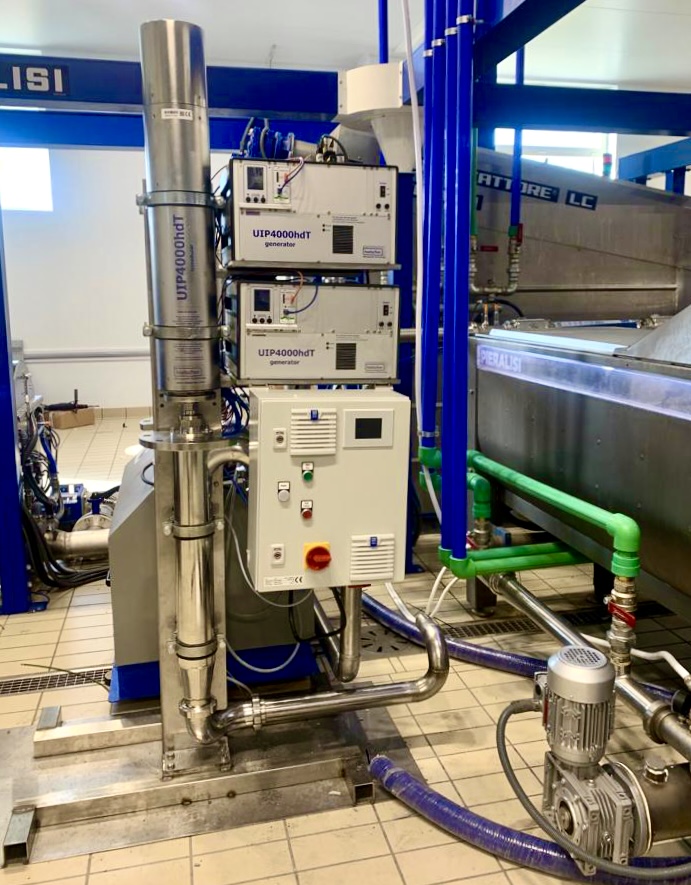
jaudas ultraskaņa – 2x UIP4000hdT ultraskaņas iekārtas ar plūsmas kamerām nepārtrauktai darbībai iekārtas plūsmā
Jūras ūdens kā funkcionāla reakcijas vide
Īpaši pārliecinošs ultraskaņas palīdzībā notiekošās Sabatier reakcijas aspekts ir sāls saturoša ūdens labvēlīgā ietekme. CO₂ piesātinātā tīrā ūdenī, nātrija hlorīda šķīdumā un sintētiskajā jūras ūdenī ultraskaņa var izraisīt CO₂ pārvēršanos metānā, etilēnā, etānā un oglekļa monoksīdā.
Sālsūdens šķīdumu izmantošana ir svarīga rūpnieciskās mērogojamības nodrošināšanai. Jūras ūdens ir pieejams lielos daudzumos, tas ir lēts un pieejams visā pasaulē. Ja sālsūdens vides spēj uzlabot ogļūdeņražu veidošanos, šis process var kļūt īpaši pievilcīgs piekrastes rūpniecības objektiem, atjaunojamās enerģijas centriem atklātā jūrā un oglekļa uztveršanas un izmantošanas sistēmām, kas atrodas jūras ūdens resursu tuvumā.
Praktiski tas nozīmē, ka sono-Sabatier procesu varētu pētīt kā daļu no integrētām sistēmām, kurās apvienoti:
- no rūpnieciskajām izplūdes plūsmām uztvertais CO₂ vai tieši no gaisa uztvertais CO₂,
- atjaunojamais ūdeņradis, kas iegūts elektrolīzes ceļā,
- jūras ūdens vai sālsūdens kā reakcijas vide,
- jaudīgais ultraskaņas izmantošana kā procesa intensifikācijas tehnoloģija,
- gāzes atdalīšana turpmākajos procesos un ogļūdeņražu bagātināšana.
Nozīme rūpniecībā: CO₂ pārvēršana sintētiskās degvielās un ķīmiskās izejvielās
Efektīva CO₂ pārvēršana ogļūdeņražos nav tikai laboratorijas mērķis. Tā ir tieši saistīta ar atjaunojamo degvielu, sintētiskās dabasgāzes, ķīmiskās ražošanas un enerģijas uzglabāšanas nākotni.
No CO₂ un atjaunojamā ūdeņraža ražotais metāns var kalpot kā sintētiskā dabasgāze. Viena no sintētiskā metāna priekšrocībām ir tā, ka to potenciāli var izmantot esošajā gāzes infrastruktūrā, tostarp uzglabāšanas iekārtās, cauruļvados un ar gāzi darbināmās rūpnieciskās iekārtās.
Etilēns un etāns piešķir šim procesam papildu nozīmi rūpniecībā. Etilēns ir viena no svarīgākajām platformas ķīmiskajām vielām naftas ķīmijas rūpniecībā, savukārt etānu var izmantot kā degvielu vai kā izejvielu tvaika krekinga procesā. Tādēļ sonohimiskais process, kurā veidojas ne tikai metāns, bet arī C₂ ogļūdeņraži, varētu kļūt vērtīgs gan degvielas ražošanā, gan ķīmiskajā sintēzē.
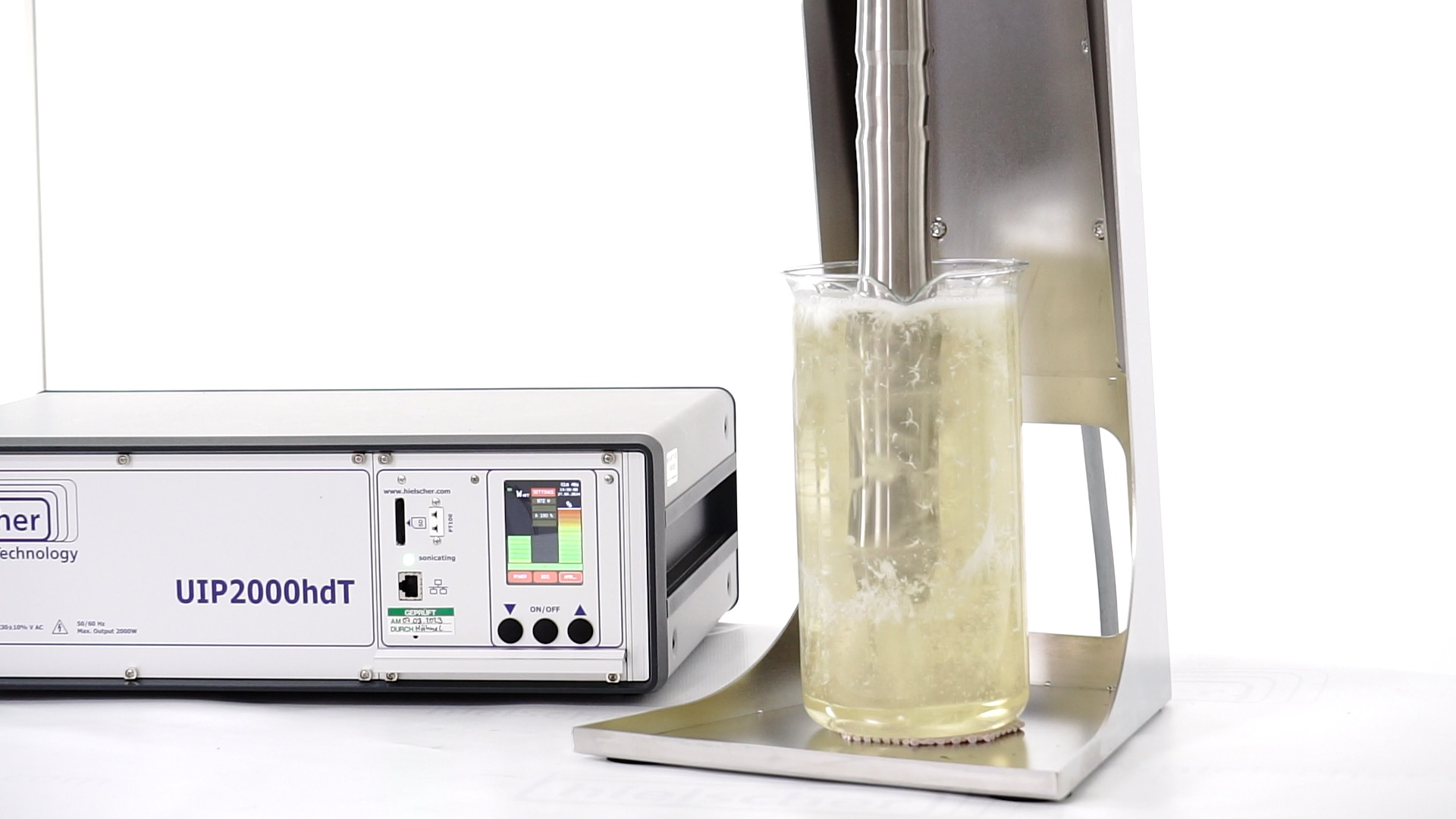
Akustiskā kavitācija iekārtā „Sonicator UIP2000hdT”
Ar ultraskaņas palīdzību veiktā Sabatier reakcija ir īpaši nozīmīga nozarēm, kurām nepieciešamas oglekļa molekulas, bet kuras vēlas samazināt atkarību no fosilā oglekļa. Tās ietver:
- „power-to-gas” un atjaunojamā metāna ražošana,
- oglekļa uztveršana un izmantošana,
- sintētiskās degvielas ražošana,
- zaļās ķīmijas ražošana,
- jūras un piekrastes rūpnieciskie procesi,
- decentralizēta degvielas ražošana,
- ūdeņraža ekonomikas infrastruktūra.

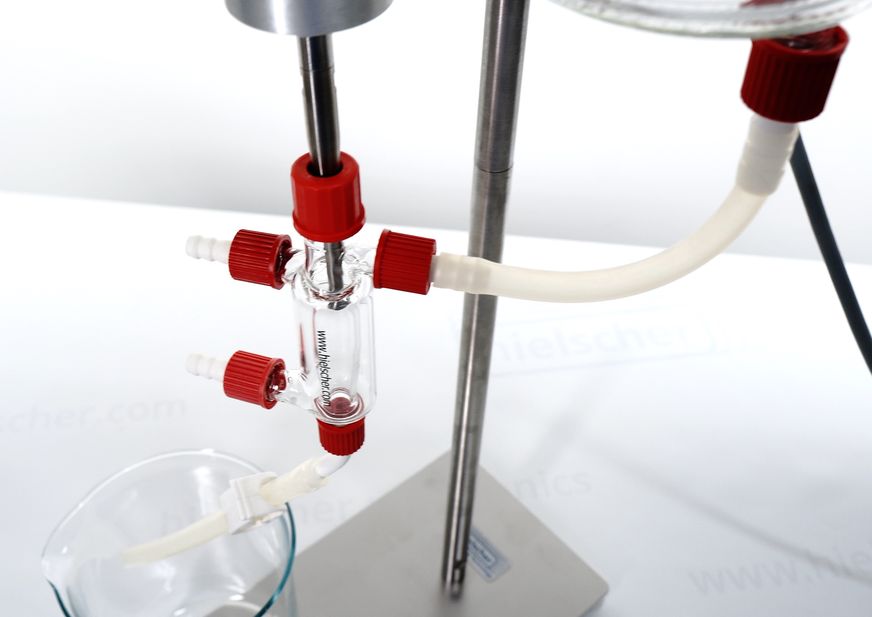
Sonicator UIP2000hdT ar spiedošu plūsmas šūnu reaktoru
Kā ultraskaņa uzlabo procesa efektivitāti
Ultraskaņas galvenā priekšrocība nav tajā, ka tā aizstāj ķīmiju, bet gan tajā, ka tā to pastiprina. Sonokīmiskajās sistēmās kavitācija uzlabo masas pārnesi, gāzes un šķidruma saskari, kā arī lokālo enerģijas blīvumu. Tas ir ļoti svarīgi CO₂ hidrogenēšanas procesā, jo tajā tiek izmantotas gāzes, kuru šķīdība ūdens vidē ir ierobežota.
Spēcīgais ultraskaņas signāls palīdz pārvarēt vairākus šķēršļus:
- Tas uzlabo CO₂ un ūdeņraža izkliedēšanos šķidrā fāzē.
- Tas palielina gāzes burbuļu un reakcijas vides saskares virsmu.
- Tādējādi rodas lokalizētas augstas enerģijas zonas, kurās CO₂ aktivācija kļūst labvēlīgāka.
- Tas veicina radikāļu un starpproduktu veidošanos.
- Tas var nodrošināt secīgas reakcijas, piemēram, CO veidošanos un metanizāciju.
Šī kombinācija padara ultraskaņas apstrādi pievilcīgu kompaktiem un intensificētiem reaktoru risinājumiem, jo īpaši gadījumos, kad tradicionālie termiskie reaktori patērē pārāk daudz enerģijas, darbojas pārāk lēni vai ir pārāk atkarīgi no dārgiem katalizatoru materiāliem.
Tiltu starp CO₂ metanizāciju un ogļūdeņražu sintēzi
Sono-Sabatier process ir īpaši interesants, jo tas var apvienot vairākus svarīgus reakciju veidus. Galvenais mērķis ir CO₂ metanizācija, taču oglekļa monoksīda veidošanās liecina par apgriezto ūdens-gāzes pārveides reakcijas līdzdalību. Vides, kurās ir daudz ūdeņraža, rezultātā iegūtais CO/H₂ maisījums var līdzināties sintēzes gāzei, kas ir Fischer-Tropsch ogļūdeņražu sintēzes pamatā.
Uzziniet vairāk par Fišera–Tropša katalizatoru ultraskaņas sintēzi!
Tas paver iespējas plašākam produktu klāstam. Tā vietā, lai CO₂ pārveidošanu uzskatītu tikai par metāna ražošanu, ultraskaņas apstrāde varētu veicināt C₁ un C₂ ogļūdeņražu veidošanos un, iespējams, turpmāk optimizējot procesu, arī augstākas pievienotās vērtības oglekļa produktu ražošanu.
Ultraskaņas apstrāde kā procesa intensifikācijas metode CO₂ izmantošanā
 Ar ultraskaņu atbalstītā Sabatier reakcija joprojām ir jauna tehnoloģija, taču tās priekšrocības ir acīmredzamas. Tā piedāvā veidu, kā maigos apstākļos pārvērst CO₂ par noderīgiem ogļūdeņražiem, var izmantot ūdeņraža bagātu darbības vidi un var sasniegt augstākus iznākumus sāļās vidēs, piemēram, jūras ūdenī.
Rūpniecībai šī priekšrocība ir ievērojama: CO₂ var pārvērst no atkritumu plūsmas par izejvielu metāna un citu ogļūdeņražu ražošanai. Ja sono-Sabatier process tiek darbināts ar atjaunojamo elektroenerģiju un apvienots ar zaļo ūdeņradi, tas varētu veicināt ilgtspējīgu degvielas ražošanu, oglekļa pārstrādi un ilgtermiņa enerģijas uzglabāšanu.

MultiSonoReactor – Rūpnieciskais ultraskaņas plūsmas reaktors
Jaudīgi ultraskaņas ģeneratori Sabatier reakcijas uzlabošanai
Ar ultraskaņu atbalstītā Sabatier reakcija ir novatoriska pieeja CO₂ reducēšanai un ogļūdeņražu sintēzei. Izmantojot jaudīgu ultraskaņu, ar CO₂ piesātinātu ūdeni un sāls šķīdumus var aktivizēt maigos apstākļos, ražojot metānu, etilēnu, etānu un oglekļa monoksīdu kā starpproduktus. Molekulārā ūdeņraža pievienošana ievērojami uzlabo procesu, savukārt palielināts sāls saturs var vēl vairāk paaugstināt ogļūdeņražu iznākumu.
Tā kā rūpniecības nozares meklē mērogojamus risinājumus, kā pārvērst CO₂ degvielās un ķīmiskās izejvielās, ultraskaņas apstrāde piedāvā daudzsološu risinājumu. Tā apvieno procesa intensifikāciju, maigus reakcijas apstākļus un saderību ar atjaunojamo ūdeņradi – trīs iezīmes, kas varētu padarīt Sono-Sabatier procesu par nozīmīgu tehnoloģiju oglekļa izmantošanai nākotnē.
Kā izvēlēties labāko ultraskaņas iekārtu savam ķīmiskajam reaktoram!
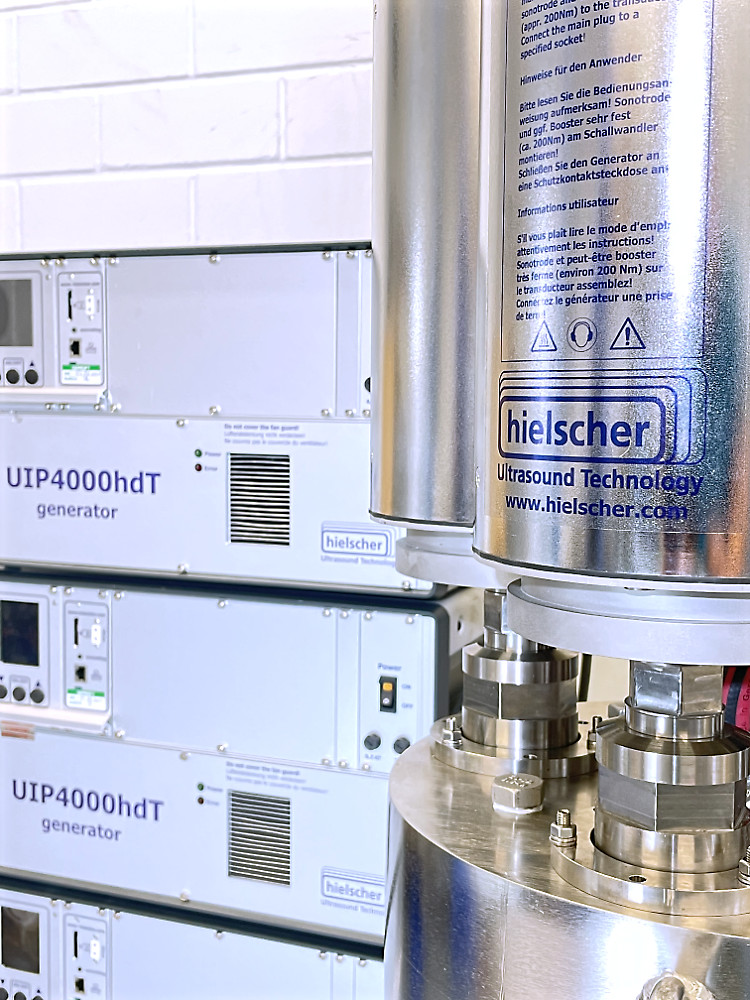 Hielscher ultraskaņas ģeneratori un ultraskaņas plūsmas kameras nodrošina stabilu platformu Sabatier reakcijas pastiprināšanai, ievadot lieljaudas ultraskaņu tieši CO₂/H₂ saturošās šķidruma vai suspensijas plūsmās. Sono-Sabatier procesā ultraskaņas plūsmas kamera darbojas kā kontrolēta kavitācijas zona, kurā ievērojami tiek uzlabota gāzes dispersija, masas pārnese starp fāzēm, katalizatora mitrināšana un lokālā reakcijas aktivizēšana. Tādējādi Hielscher ultraskaņas sistēmas ir piemērotas integrācijai šķidruma-cieta viela slāņa reaktoros, kur suspendētās katalizatora daļiņas var nepārtraukti pakļaut intensīvai kavitācijai, kā arī fluidizētā slāņa reaktoru koncepcijās, kur ultraskaņa var veicināt gāzes–šķidruma–cietas vielas kontaktu, sajaukšanos un reakcijas kinētiku. Alternatīvi ultraskaņas plūsmas kameras var uzstādīt pirms membrānu reaktoriem, lai iepriekš disperģētu CO₂ un ūdeņradi, aktivizētu reakcijas vidi, radītu reaģējošus starpproduktus vai uzlabotu izejvielas homogenizāciju pirms selektīvas ūdeņraža dozēšanas, produkta atdalīšanas vai līdzsvara nobīdes membrānu posmā. Tādējādi Hielscher ultraskaņas iekārtas var darboties kā modulāras procesa intensifikācijas vienības laboratorijas izstrādei, optimizācijai eksperimentālā mērogā un rūpnieciskai CO₂ pārvēršanai ogļūdeņražos.
Zemāk redzamajā tabulā ir sniegta norāde par mūsu ultrasonikatoru aptuveno apstrādes jaudu:
| Partijas apjoms | Plūsmas ātrums | Ieteicamās ierīces |
|---|---|---|
| 10 līdz 2000 ml | 20 līdz 400 ml/min | UP200Ht, UP400St |
| 0.1 līdz 20L | 02 līdz 4 l/min | UIP2000hdT |
| 10 līdz 100L | 2 līdz 10L/min | UIP4000hdT |
| 15 līdz 150L | 3 līdz 15L/min | UIP6000hdT |
| n.p. | 10 līdz 100L/min | UIP16000hdT |
| n.p. | Lielāku | kopa UIP16000hdT |
Projektēšana, ražošana un konsultācijas – Kvalitāte ražots Vācijā
Hielscher ultrasonikatori ir labi pazīstami ar saviem augstākajiem kvalitātes un dizaina standartiem. Robustums un viegla darbība ļauj vienmērīgi integrēt mūsu ultrasonikatorus rūpnieciskajās iekārtās. Hielscher ultrasonikatori viegli apstrādā neapstrādātus apstākļus un prasīgu vidi.
Hielscher Ultrasonics ir ISO sertificēts uzņēmums un īpašu uzsvaru liek uz augstas veiktspējas ultrasonikatoriem, kas piedāvā vismodernākās tehnoloģijas un lietotājdraudzīgumu. Protams, Hielscher ultrasonikatori atbilst CE prasībām un atbilst UL, CSA un RoHs prasībām.
Biežāk uzdotie jautājumi
Kas ir ogļūdeņraži?
Ogļūdeņraži ir organiskie ķīmiskie savienojumi, kas sastāv vienīgi no oglekļa un ūdeņraža atomiem. Tie veido fosilo degvielu, daudzu sintētisko degvielu un neskaitāmu ķīmisko izejvielu, kuras izmanto rūpnieciskajā organiskajā ķīmijā, strukturālo pamatu.
Kādi ir ogļūdeņražu veidi?
Galvenie ogļūdeņražu veidi ir alifātiskie, cikliskie un aromātiskie ogļūdeņraži. Alifātiskajiem ogļūdeņražiem pieder piesātinātie alkāni, kuros ir tikai vienkāršas oglekļa–oglekļa saites, kā arī nepiesātinātie alkēni un alkīni, kuros ir dubultās vai trīskāršās saites. Cikliskajos ogļūdeņražos oglekļa atomi ir sakārtoti gredzenveida struktūrās, savukārt aromātiskajos ogļūdeņražos ir stabilas konjugētas gredzenu sistēmas, piemēram, benzols. Ogļūdeņražus var iedalīt arī kā piesātinātos vai nepiesātinātos atkarībā no tā, vai tie satur tikai vienkāršas saites vai daudzkāršas saites.
Kādiem nolūkiem izmanto ogļūdeņražus?
Ogļūdeņraži galvenokārt tiek izmantoti kā degvielas, ķīmiskās izejvielas, šķīdinātāji, smērvielas, vaski, kā arī kā izejvielas plastmasas, polimēru, sveķu, sintētiskās gumijas, mazgāšanas līdzekļu un speciālo ķīmisko vielu ražošanai. Metāns, etāns, propāns, benzīns, dīzeļdegviela, reaktīvo dzinēju degviela, etilēns, benzols un parafīna vaski ir rūpniecībā nozīmīgi ogļūdeņražu produkti.
Kāpēc zemas frekvences ultraskaņa ir efektīvāka sonohimijā?
Zemfrekvences ultraskaņa sonohimijā ir efektīvāka, jo tā rada lielākus kavitācijas burbuļus, kas sabrūk daudz straujāk. Šīs intensīvās burbuļu implozijas rada lokālas augstas temperatūras, augstu spiedienu, triecienviļņus, mikrostrūklas, turbulenci un radikāļu veidošanos, kas ievērojami pastiprina ķīmiskās reakcijas, masas pārnesi, emulgēšanu, daļiņu sadalīšanos un virsmas aktivizēšanu.
Kāda ir atšķirība starp zemas frekvences un augstas frekvences ultraskaņu?
Galvenā atšķirība starp zemas un augstas frekvences ultraskaņu ir kavitācijas intensitāte un raksturs. Zemas frekvences ultraskaņa, parasti apmēram 20–30 kHz, rada spēcīgu kavitāciju un tādēļ tiek plaši izmantota sonohimijā, dispersijā, emulgēšanā, ekstrakcijā, degazācijā un ultraskaņas homogenizācijā. Augstfrekvences ultraskaņa rada mazākus, mazāk intensīvus kavitācijas procesus un ir piemērotāka diagnostiskām vai analītiskām lietojumprogrammām, piemēram, medicīniskajai attēlveidošanai, kur kontrolēta viļņu izplatīšanās un augsta telpiskā izšķirtspēja ir svarīgāka nekā mehānisko vai ķīmisko procesu intensifikācija.
Literatūra / Atsauces
- Md Hujjatul Islam, Odne S. Burheim, Jean-Yves Hihn, Bruno.G. Pollet (2021): Sonochemical conversion of CO2 into hydrocarbons: The Sabatier reaction at ambient conditions. Ultrasonics Sonochemistry, Volume 73, 2021.
- Atlaskina, M.; Markin, Z.; Smorodin, K.; Kryuchkov, S.; Tsivkovsky, N.; Petukhov, A.; Atlaskin, A.; Kazarina, O.; Vorotyntsev, A.; Vorotyntsev, I. (2025): Optimized CO2 cycloaddition to epichlorohydrin catalyzed by ionic liquid with microwave and ultrasonic irradiation. International Journal of Technology, vol. 16, no. 2, 2025. 378-394.
- Quang Thang Trinh, Nicholas Golio, Yuran Cheng, Haotian Cha, Kin Un Tai, Lingxi Ouyang, Jun Zhao, Tuan Sang Tran, Tuan-Khoa Nguyen, Jun Zhang, Hongjie An, Zuojun Wei, Francois Jerome, Prince Nana Amaniampong, Nam-Trung Nguyen (2025): Sonochemistry and sonocatalysis: current progress, existing limitations, and future opportunities in green and sustainable chemistry. Green Chemistry, Issue 18, 2025.
- Marina Cortés-Reyes;Ibrahim Azaoum; Sergio Molina-Ramírez; Concepción Herrera; M. Ángeles Larrubia; Luis J. Alemany (2021): NiGa Unsupported Catalyst for CO2 Hydrogenation at Atmospheric Pressure. Tentative Reaction Pathways. Industrial & Engineering Chemistry Research 2021, 60, 51, 18891–18899.

Ultraskaņas plūsmas kameras reaktori ar apvalku un hermētisku spiedienu, kas paredzēti mane-termosonizācijai
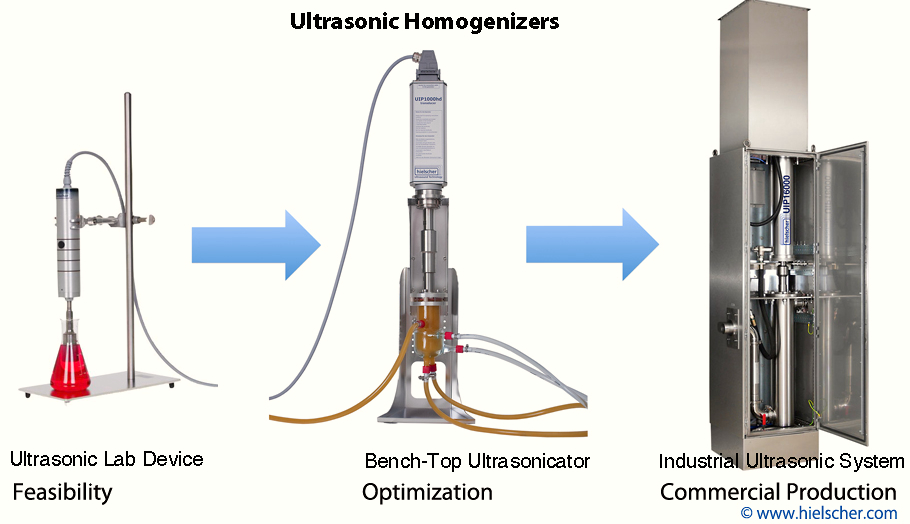
Hielscher Ultrasonics ražo augstas veiktspējas ultraskaņas homogenizatorus no Lab līdz rūpnieciskais izmērs.