כורי מיטה קבועה מוגברים באולטרה-סאונד
שימוש באולטרסאונד יכול לשפר תגובות קטליטיות במתקני תגובה בעלי מיטה קבועה, בעיקר על ידי הגברת העברת המסה סביב ובתוך מיטת הקטליזטור הארוזה. בנוסף, השימוש באולטרסאונד מסיר שכבות פסיבציה ושכבות זיהום ממשטח הקטליזטור, ובכך מחדש את פעילות הקטליזטור באופן רציף.
כיצד טיפול באולטרסאונד משפר את הקטליזה במיטה קבועה
בכור בעל מיטה קבועה, חלקיקי הזרז נשארים נייחים בעוד שמגיבים נוזליים, גזיים או רב-פאזיים זורמים דרך המיטה. ביצועי התגובה מוגבלים לעתים קרובות על ידי העברת מסה חיצונית, דיפוזיה בנקבוביות, תופעת התעלות, הצטברות משקעים וגרדיאנטים של העברת חום. אולטרסאונד יכול להפחית מספר מגבלות אלה על ידי יצירת קוויטציה אקוסטית, זרימה מיקרוסקופית, כוחות גזירה ותנודות לחץ.

Sonicator UIP2000hdT משולב בכור בעל מיטה קבועה
ההשפעות העיקריות של תגובות במיטה קבועה המוגברות באמצעות אולטרסאונד
- שיפור בהעברת מסה חיצונית: מיקרו-זרימה אולטראסונית מצמצמת את שכבת הגבול הסטטית סביב חלקיקי הזרז, ומאפשרת לחומרים המגיבים להגיע לאתרים הפעילים ביעילות רבה יותר.
- נגישות משופרת לנקבוביות: תנודות הלחץ ותנועת הנוזל הנגרמות על ידי קוויטציה יכולות לשפר את חדירת החומרים המגיבים לתוך נקבוביות הזרז ואת הוצאת התוצרים מהנקבוביות.
- הפחתת הצטברות משקעים ופססיבציה: שימוש באולטרסאונד יכול לסייע בהסרת משקעים, סרטי פולימר, חומרי גלם לקוק או שכבות פסיבציה אחרות ממשטחי הזרזים, ובכך לשמור על הפעילות הקטליטית לאורך זמן רב יותר.
- הפחתת תופעת התעלות במיטות צפופות: במחקרים על מיטות ארוזות זעירות, הוכח כי אולטרסאונד משנה את התנהגות הזרימה ומפחית את הפיזור, ובכך מסייע לכור להתקרב להתנהגות זרימה פקקית אידיאלית יותר.
- העברת חום משופרת: זרימה אקוסטית וטורבולנציה משפרות את פיזור החום המקומי, ובכך מצמצמות את הופעתם של מוקדים חמים או אזורים קרים במיטת הזרז.
- שיעור המרה ותפוקה גבוהים יותר: באמצעות שיפור העברת המסה ונגישות הזרז, טיפול באולטרסאונד יכול להגביר את קצב התגובה, את שיעור ההמרה ואת תפוקת המוצר, במיוחד כאשר התגובה מוגבלת על ידי תהליכי הובלה ולא מוגבלת אך ורק על ידי גורמים קינטיים.
שיפור במגע בין הנוזל למוצק: אולטרסאונד תורם להרטבה טובה יותר של חלקיקי הזרז, דבר המועיל במיוחד במערכות בעלות מיטה מטפטפת, המוזנות בתערובת נוזלית, או במערכות בעלות מיטה קבועה בשלב נוזלי.
כיצד משפרת הסוניקציה את תהליך הקטליזה במיטה קבועה?
המנגנון העיקרי הוא קוויטציה אקוסטית: גלי קול אולטראסוניים יוצרים בועות מיקרוסקופיות המתרחבות ומתמוטטות באלימות. התמוטטותן יוצרת גזירה מקומית, מיקרו-סילונים, גלי הלם וערבוב אינטנסיבי. בסמוך למשטחי הזרזים, תופעות אלו יכולות לנקות, להפעיל ולרענן את הממשק בין המוצק לנוזל. סקירות בנושא סונו-קטליזה מתארות זאת כסינרגיה בין אולטרסאונד לזרזים מוצקים, הכוללת העברת חום משופרת, העברת מסה ותופעות מקומיות על משטחי הזרזים.
השימוש בסוניקציה מועיל ביותר כאשר התגובה במיטה קבועה סובלת מ:
- דיפוזיה איטית לתוך נקבוביות הזרז,
- הרטבה לקויה של חלקיקי הזרז,
- הצטברות של חומר בתוך הנקבוביות,
- היווצרות משקעים או פסיבציה של פני השטח,
- קינטיקה המוגבלת על ידי העברת מסה,
- חלוקה לא נכונה של זרימה רב-שלבית,
- זרימה דרך המיטה הצפופה.
זרזי מיטה קבועים
מיטות קבועות (הנקראות לעתים גם מיטה ארוזה) עמוסות בדרך כלל בכדורי זרז, שהם בדרך כלל גרגירים בקוטר של 1-5 מ"מ. ניתן להעמיס אותם לתוך הכור בצורה של מיטת יחיד, כפגזים נפרדים, או בצינורות. הזרזים מבוססים בעיקר על מתכות כגון ניקל, נחושת, אוסמיום, פלטינה ורודיום.
ההשפעות של אולטרסאונד עוצמתי על תגובות כימיות הטרוגניות ידועות היטב, והן נמצאות בשימוש נרחב בתהליכים קטליטיים תעשייתיים. גם תגובות קטליטיות במתקן תגובה בעל מיטה קבועה נהנות מטיפול באולטרסאונד. הקרנת אולטראסאונד על זרז המיטה הקבועה יוצרת משטחים בעלי תגובתיות גבוהה, מגבירה את העברת המסה בין השלב הנוזלי (חומרי התגובה) לזרז, ומסירה ציפויים פסיביים (כגון שכבות תחמוצת) מהמשטח.
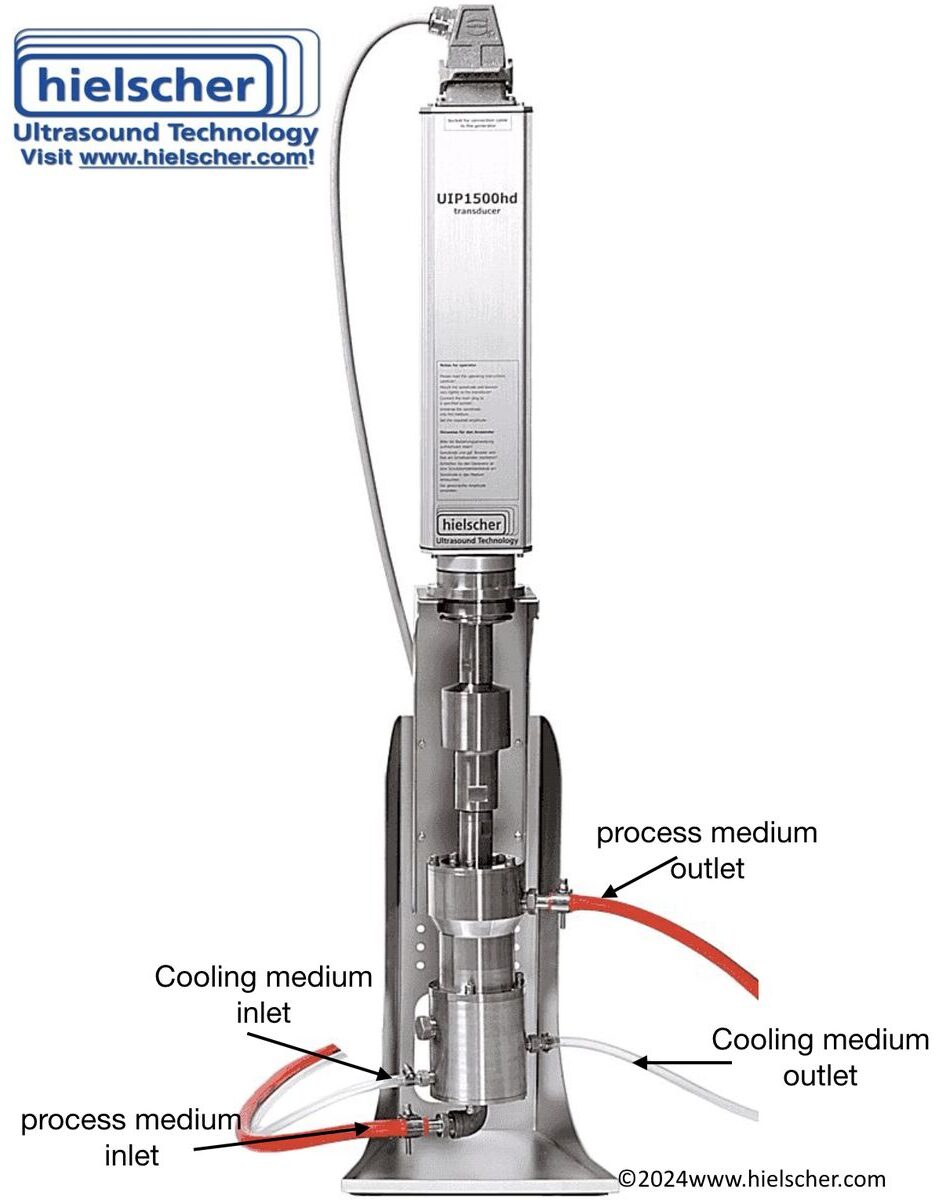
מכשיר Sonicator UIP1500hdT עם תא זרימה להפעלה מחדש ולמיחזור של זרזים משומשים
- יעילות משופרת
- תגובתיות מוגברת
- עלייה בשיעור ההמרה
- תשואה גבוהה יותר
- מיחזור זרז
התעצמות קולית של תגובות קטליטיות;
ערבוב ותסיסה על-קוליים משפרים את המגע בין חלקיקי המגיב והזרז, יוצרים משטחים תגובתיים מאוד ויוזמים ו/או מגבירים את התגובה הכימית.
הכנת זרז אולטראסוני יכולה לגרום לשינויים בהתנהגות ההתגבשות, בפיזור / דילוג ובתכונות פני השטח. יתר על כן, המאפיינים של זרזים שנוצרו מראש יכולים להיות מושפעים על ידי הסרת שכבות פני שטח פסיביות, פיזור טוב יותר, הגדלת העברת המסה.
דוגמאות לתגובות שעברו שיפור באמצעות אולטרסאונד
- טיפול מקדים אולטראסוני של זרז Ni לתגובות הידרוגנציה
- זרז רני ני עם חומצה טרטרית גורם לאננטיוסלקטיביות גבוהה מאוד
- זרזים מסוג פישר-טרופש שנוצרו באמצעות אולטרסאונד
- זרזי אבקה אמורפיים שטופלו באופן סונוכימי לתגובתיות מוגברת
- סונו-סינתזה של אבקות מתכת אמורפיות
שחזור זרז קולי
זרזים מוצקים במתקני תגובה בעלי מיטה קבועה משמשים בדרך כלל בצורת חרוזים כדוריים, גרגרים, מוצרי אקסטרוזיה או חלקיקים גליליים. במהלך התגובות הכימיות, משטח הזרז עלול לעבור תהליך פסיבציה עקב הצטברות שכבת זיהום, מה שמביא לאובדן הדרגתי של הפעילות הקטליטית ו/או הסלקטיביות לאורך זמן.
משך הזמן של אובדן הפעילות של זרז משתנה במידה ניכרת. לדוגמה, אובדן הפעילות של זרז פיצוח עשוי להתרחש תוך שניות ספורות, בעוד שזרז ברזל המשמש בסינתזה של אמוניה עשוי להישאר פעיל במשך 5–10 שנים. עם זאת, אובדן הפעילות של הזרז נצפה כמעט בכל התהליכים הקטליטיים. אף על פי שייתכנו מנגנוני אובדן פעילות שונים – לרבות התכלות כימית, מכנית ותרמית – הצטברות משקעים היא אחת הסיבות הנפוצות ביותר להתדרדרות ביצועי הזרז.
"התלכלכות" מתייחסת לשקיעה פיזית של חומרים משלב הנוזל על פני השטח של הזרז ובתוך נקבוביותיו. משקעים אלה חוסמים את האתרים התגובתיים, מגבילים את הנגישות לנקבוביות ומפחיתים את המגע בין החומרים המגיבים לבין פני השטח הפעילים של הזרז. זיהום הזרז על ידי קוק או משקעים פחמניים הוא לרוב תהליך מהיר; עם זאת, במקרים רבים ניתן להפוך אותו באופן חלקי או מלא באמצעות התחדשות אולטראסונית.
קביטציה אולטראסונית היא שיטה יעילה להסרת שכבות זיהום פסיביות ממשטחי זרזים. במהלך הטיפול באולטרסאונד, גלי קול בעוצמה גבוהה יוצרים בועות קוויטציה במדיום נוזלי. התפוצצותן מייצרת כוחות גזירה מקומיים, סילוני מיקרו, גלי הלם וערבוב מיקרו אינטנסיבי. השפעות אלו מסייעות לנתק שאריות זיהום ממשטח הזרז, לפתוח מחדש נקבוביות חסומות, ולשקם את הגישה לאתרים הפעילים.
שחזור זרזים באמצעות אולטרסאונד מתבצע בדרך כלל על ידי פיזור חלקיקי הזרז בנוזל, כגון מים מותפלים או ממס מתאים, וחשיפת התמיסה לטיפול מבוקר באולטרסאונד. תהליך זה יכול להסיר שאריות זיהום מחומרי זרז שונים, כולל זרזי פלטינה/סיבי סיליקה, זרזי ניקל וזרזי מתכת אחרים הנתמכים על מצע. כתוצאה מכך, טיפול באולטרסאונד יכול לתרום להתחדשות הזרז, להארכת חיי הזרז ולשיפור הקיימות של התהליך.
לחצו כאן כדי ללמוד עוד על התחדשות קטליזטורים משומשים באמצעות אולטרסאונד!
מכשירים אולטראסוניים המיועדים לשילוב בתגובות כימיות
 Hielscher Ultrasonics מציעה מעבדים קוליים שונים וריאציות לשילוב של אולטרסאונד כוח לתוך כורים קבועים. מערכות קוליות שונות זמינות להתקנה בכורים קבועים. עבור סוגי כורים מורכבים יותר, אנו מציעים אולטרסאונד מותאם אישית פתרונות.
גלו כיצד השימוש באולטרסאונד משפר תגובות כימיות במבנים שונים של כורים!
כדי לבחון את השפעות הטיפול באולטרסאונד על התגובה הכימית שלכם, אתם מוזמנים לבקר במעבדת התהליכים האולטרסאונדית ובמרכז הטכני שלנו בטלטו!
צרו קשר עוד היום! אנו שמחים לדון איתך בהתעצמות האולטרסונית של התהליך הכימי שלך!
הטבלה שלהלן מספקת אינדיקציה לגבי קיבולת העיבוד המשוערת של מכשירי הסוניקציה של Hielscher:

מערכת זרימה קולית
- הידרוגנציה
- אלצילציה
- ציאנציה
- אתריפיקציה
- אסטריפיקציה
- פילמור
- אלילציה
- ברומינציה
(למשל זרזי זיגלר-נטע, מטלוקנים)
ספרות / מקורות
- Francisco J. Navarro-Brull; Andrew R. Teixeira; Jisong Zhang; Roberto Gómez; Klavs F. Jensen (2018): Reduction of Dispersion in Ultrasonically-Enhanced Micropacked Beds. Industrial & Engineering Chemistry Research 57, 1; 2018. 122–128.
- Yasuo Tanaka (2002): A dual purpose packed-bed reactor for biogas scrubbing and methane-dependent water quality improvement applying to a wastewater treatment system consisting of UASB reactor and trickling filter. Bioresource Technology, Volume 84, Issue 1, 2002. 21-28.
- Argyle, M.D.; Bartholomew, C.H. (2015): Heterogeneous Catalyst Deactivation and Regeneration: A Review. Catalysts 2015, 5, 145-269.
- Oza, R.; Patel, S. (2012): Recovery of Nickel from Spent Ni/Al2O3 Catalysts using Acid Leaching, Chelation and Ultrasonication. Research Journal of Recent Sciences Vol. 1; 2012. 434-443.
- Sana, S.; Rajanna, K.Ch.; Reddy, K.R.; Bhooshan, M.; Venkateswarlu, M.; Kumar, M.S.; Uppalaiah, K. (2012): Ultrasonically Assisted Regioselective Nitration of Aromatic Compounds in Presence of Certain Group V and VI Metal Salts. Green and Sustainable Chemistry, 2012, 2, 97-111.
- Suslick, K. S.; Skrabalak, S. E. (2008): “Sonocatalysis” In: Handbook of Heterogeneous Catalysis, vol. 4; Ertl, G.; Knözinger, H.; Schüth, F.; Weitkamp, J., (Eds.). Wiley-VCH: Weinheim, 2008. 2006-2017.
עובדות שכדאי לדעת
מהי קביטציה קולית?
קביטציה אולטראסונית היא תהליך של היווצרות, צמיחה והתמוטטות אלימה של בועות אדים או גז מיקרוסקופיות בנוזל החשוף לגלי קול בעוצמה גבוהה. במהלך התמוטטות הבועות, עלולים להיווצר תנאים מקומיים קיצוניים למשך זמן קצר מאוד, לרבות טמפרטורה גבוהה, לחץ גבוה, גלי הלם, סילוני מיקרו וכוחות גזירה עזים.
מהי סונוכימיה?
סונוכימיה היא השימוש בתופעות הקוויטציה האולטראסוניות הללו כדי ליזום, להאיץ או לשנות תהליכים כימיים ופיזיקו-כימיים. היא רלוונטית במיוחד במערכות בשלב נוזלי, שכן הקוויטציה משפרת את הערבוב, העברת המסה, יצירת תחליבים, פיזור חלקיקים, ניקוי משטח הזרז ובמקרים מסוימים – היווצרות רדיקלים. כתוצאה מכך, הסונוכימיה משמשת להגברת תגובות כגון קטליזה הטרוגנית, חמצון, מיצוי, פולימריזציה, התגבשות וסינתזה של ננו-חומרים.
מהי תגובה קטליטית הטרוגנית?
בכימיה, קטליזה הטרוגנית מתייחסת לסוג התגובה הקטליטית שבה שלבי הזרז והמגיבים שונים זה מזה. בהקשר של כימיה הטרוגנית, הפאזה משמשת לא רק להבחנה בין מוצק, נוזל וגז, אלא היא מתייחסת גם לנוזלים בלתי ניתנים להפרעה, כגון נפט ומים.
במהלך תגובה הטרוגנית, מגיב אחד או יותר עוברים שינוי כימי בממשק, למשל על פני השטח של זרז מוצק.
קצב התגובה תלוי בריכוז המגיבים, גודל החלקיקים, הטמפרטורה, הזרז וגורמים נוספים.
ריכוז מגיבים: באופן כללי, עלייה בריכוז של מגיב מגבירה את קצב התגובה עקב הממשק הגדול יותר ובכך מעבר פאזה גדול יותר בין חלקיקי מגיבים.
גודל חלקיקים: כאשר אחד המגיבים הוא חלקיק מוצק, לא ניתן להציג אותו במשוואת הקצב, מכיוון שמשוואת הקצב מראה רק ריכוזים ולמוצקים לא יכול להיות ריכוז מכיוון שהם בפאזה אחרת. עם זאת, גודל החלקיקים של המוצק משפיע על קצב התגובה בשל שטח הפנים הזמין להעברת פאזה.
טמפרטורת תגובה: הטמפרטורה קשורה לקבוע הקצב באמצעות משוואת ארניוס: k = Ae-EA/RT
כאשר Ea היא אנרגיית ההפעלה, R היא קבוע הגז האוניברסלי ו-T היא הטמפרטורה המוחלטת בקלבין. A הוא גורם ארניוס (תדירות). e-EA/RT נותן את מספר החלקיקים מתחת לעקומה שיש להם אנרגיה גדולה יותר מאנרגיית ההפעלה, Ea.
זרז: ברוב המקרים, תגובות מתרחשות מהר יותר עם זרז כי הם דורשים פחות אנרגיית שפעול. זרזים הטרוגניים מספקים משטח תבנית שבו מתרחשת תגובה, בעוד זרזים הומוגניים יוצרים תוצרי ביניים המשחררים את הזרז במהלך השלב הבא של המנגנון.
גורמים נוספים: גורמים אחרים כגון אור יכולים להשפיע על תגובות מסוימות (פוטוכימיה).
מהם סוגי השבתת הקטליזטור?
- הרעלת זרז הוא המונח לכימיסורפציה חזקה של מינים באתרים קטליטיים החוסמים אתרים לתגובה קטליטית. הרעלה יכולה להיות הפיכה או בלתי הפיכה.
- פולינג מתייחס לפירוק מכני של הזרז, שבו מינים משלב הנוזל שוקעים על פני השטח הקטליטיים ובנקבוביות הזרז.
- התפרקות תרמית וסינטור גורמים לאובדן שטח הפנים הקטליטי, אזור התמיכה ותגובות תומכות פאזה פעילות.
- היווצרות אדים פירושה צורת פירוק כימית, שבה פאזת הגז מגיבה עם שלב הזרז ליצירת תרכובות נדיפות.
- תגובות אדים-מוצק ומוצק-מוצק גורמות לנטרול כימי של הזרז. אדים, תמיכה או מקדם מגיבים עם הזרז כך שנוצר שלב לא פעיל.
- שחיקה או ריסוק של חלקיקי הזרז גורמת לאובדן חומר קטליטי עקב שחיקה מכנית. שטח הפנים הפנימי של הזרז הולך לאיבוד עקב ריסוק מכני של חלקיק הזרז.
קראו עוד על האופן שבו טיפול באולטרסאונד יכול להחזיר לפעילות זרזים משומשים!
מהי תחליף נוקלאופילי?
תחליף נוקלאופילי הוא סוג בסיסי של תגובות בכימיה האורגנית (והא-אורגנית), שבו נוקלאופיל יוצר קשר סלקטיבי בצורת בסיס לואיס (כתורם זוג אלקטרונים) עם קומפלקס אורגני, או תוקף את המטען החיובי או החיובי-חלקי (+) של אטום או קבוצת אטומים, כדי להחליף קבוצה עוזבת. האטום החיובי או החיובי חלקית, המשמש כמקבל זוג אלקטרונים, מכונה אלקטרופיל. הישות המולקולרית הכוללת של האלקטרופיל והקבוצה העוזבת מכונה בדרך כלל "הסובסטרט".
ניתן לראות את ההחלפה הנוקלאופילית כשני מסלולים שונים – ה- SN1 ו- SN2 תגובה. איזו צורה של מנגנון תגובה – sN1 או SN2 – מתרחש, הוא תלוי במבנה של תרכובות כימיות, סוג של נוקלאופיל ואת ממס.