הפעלה מחדש של זרז משומש באמצעות טיפול קולי
הפעלה מחדש של זרזים משומשים הפכה לנושא חשוב בתחומי העיבוד הכימי בר-קיימא, פעולות בתי זיקוק, פטרוכימיה, קטליזה סביבתית ואסטרטגיות של כלכלה מעגלית. זרזים חיוניים לתגובות יעילות, אך במהלך השימוש התעשייתי הם מאבדים בהדרגה את פעילותם עקב הצטברות קוקס, הרעלת מתכות, זיהום, חסימת נקבוביות, סינטור, פסיבציה של פני השטח או הצטברות תוצרי לוואי של התגובה. החלפת זרזים משומשים היא יקרה ודורשת משאבים רבים, בעוד שסילוקם עלול ליצור נטל סביבתי. התחדשות אולטראסונית של זרזים משומשים היא טכניקה פשוטה אך יעילה ביותר להפעלה מחדש של זרזים שעברו פסיבציה, הרעלה או הצטברות מזהמים במהלך השימוש.
הפעלה מחדש של זרז משומש באמצעות טיפול קולי
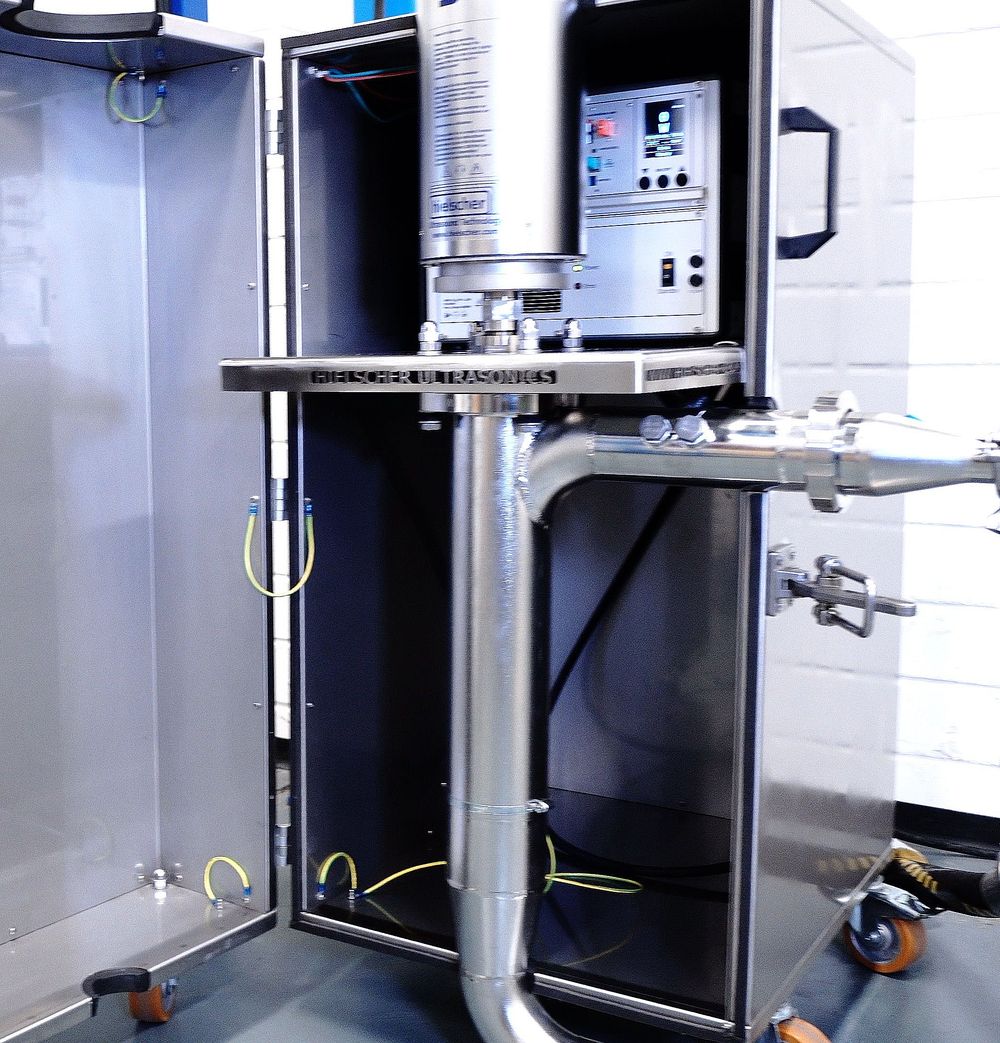 סוניקציה, הידועה גם כטיפול אולטראסוני, מציעה שיטה בעלת רלוונטיות מדעית ואטרקטיבית מבחינה טכנית לחידוש ולהפעלה מחדש של זרזים משומשים. באמצעות החלת אולטראסאונד בעוצמה גבוהה על תמיסות זרזים, נוצרת קוויטציה אקוסטית עזה במדיום הנוזלי. התמוטטות בועות הקוויטציה מייצרת מיקרו-סילונים מקומיים, גלי הלם, כוחות גזירה וערבוב מיקרו-טורבולנטי בעוצמה גבוהה. השפעות אלו יכולות לנקות את משטחי הזרזים, להסיר משקעים, לשפר את גישת החומרים הכימיים לנקבוביות חסומות, ולתמוך בתהליכי שטיפה כימית או התחדשות חמצונית.
מחקרים אחרונים בנושא זרזים משומשים לתהליך פיצוח קטליטי נוזלי הראו כי התחדשות בסיוע אולטרה-סוני יכולה לשפר את הסרת המתכות המזיקות, תוך שהיא תורמת לשימור מבנה הזאוליט והמיקרו-מבנה של חלקיקי הזרז. מחקרים דיווחו גם על התאוששות משופרת באמצעות אולטרסאונד של מתכות כגון ניקל ממזרזים משומשים, כאשר הטיפול באולטרסאונד מאיץ את החילוץ באמצעות ההשפעות הפיזיקליות והכימיות של קוויטציה אקוסטית.
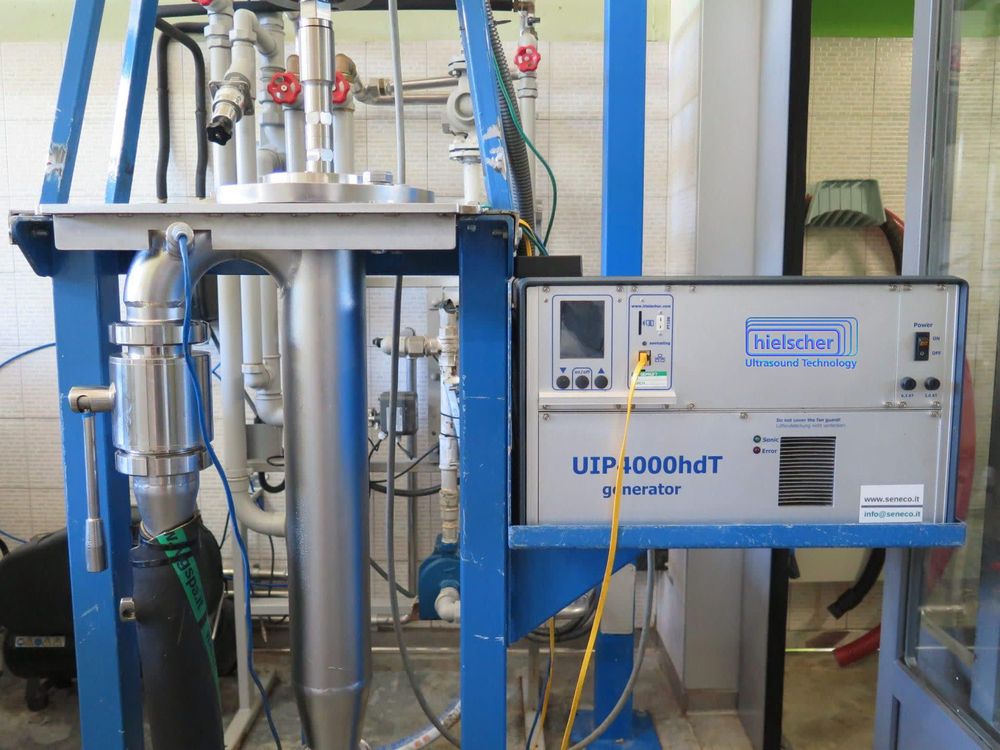
מכשיר סוניקציה מובנה UIP4000hdT לצורך התחדשות תעשייתית של זרזים משומשים
מדוע השימוש באולטרסאונד יעיל להפעלה מחדש של זרזים משומשים
החשיבות המדעית של השימוש באולטרסאונד טמונה ביכולתו להגביר תהליכים הטרוגניים בין חומר מוצק לנוזל. התחדשות הזרז מוגבלת לעתים קרובות עקב העברת מסה לקויה, נקבוביות חסומות, משטחים שעברו פסיבציה, ודיפוזיה איטית של חומרי ניקוי או שטיפה לתוך מבנה הזרז. האולטרסאונד מתגבר על מגבלות אלו באמצעות מנגנונים מכניים ופיזיקו-כימיים.
היתרונות העיקריים של טיפול באולטרסאונד כוללים:
השימוש באולטרסאונד אינו מוגבל לניקוי פיזי בלבד. בתחום הסונוכימיה, תופעת הקוויטציה יכולה ליצור תנאים מקומיים קיצוניים וסביבות תגובתיות, אשר עשויים לסייע בתהליכי חמצון, שינוי פני שטח או מיצוי כימי. לפיכך, טכנולוגיית האולטרסאונד יכולה להגדיל את שטח הפנים הפעיל של זרזים, להפחית את הצטברות המזהמים על זרזים מוצקים מפוזרים ולתרום לניקוי במהלך תהליכי מיחזור הזרזים.
הרלוונטיות התעשייתית: מניקוי זרזים ועד להפעלה מחדש של תפקודם
הפעלה מחדש של זרז משומש היא יותר מסתם פעולת תחזוקה. זוהי שיטה בעלת חשיבות מדעית לשיפור ביצועי מחזור החיים של הזרז. זרז שעבר התחדשות לא רק חייב להיראות נקי; עליו לשחזר את תפקודו הקטליטי באופן משמעותי. לשם כך נדרשת השבת האתרים הפעילים הנגישים, החומציות או הבסיסיות של פני השטח, הנקבוביות, הפיזור וביצועי התגובה.
הטיפול האולטראסוני רלוונטי משום שהוא פועל בכמה שלבים קריטיים בתהליך התחדשות הזרז:
משטח: הוא מסיר שכבות פסיבציה וחושף אתרים פעילים.
נקבוביות: הוא תורם לפתיחה מחדש של נקבוביות בינוניות ונקבוביות זעירות שנחסמו.
חלקיקים: הוא מפרק גושים ומשפר את אחידות התמיסה.
תהליך: הוא מעצים את המגע בין הנוזל למוצק ומשפר את היעילות של חומרי ההתחדשות הכימיים.
קיימות: השיטה תומכת בשימוש חוזר, בהפקת מתכות ובצמצום הפסולת.
 מחקר שנערך לאחרונה בנושא התחדשות באמצעות אולטרסאונד וחמצון של זרזים משומשים מתהליך פיצוח קטליטי נוזלי (FCC) דיווח כי תהליכי חמצון מתקדמים בסיוע אולטרסאונד הגבירו את חומציות הזרז ואפשרו להשתמש בזרז המחודש בסינתזה של מונוסטיראט גליצרול. (ראו: Anggoro et al, 2026)
מחקר נוסף הוכיח כי השרייה בחומצה גופרתית מדוללת, ולאחר מכן שטיפה בסיוע אולטראסוני בתערובת של חומצה גופרתית וחומצה אוקסלית, משפרת באופן משמעותי את הסרת המתכות המזיקות מזרז FCC משומש, מבלי לפגוע במבנה הזאוליט Y ובמיקרו-מבנה של חלקיקי הזרז המשומש. בהשוואה לשטיפה קונבנציונלית, השטיפה בסיוע אולטראסוניק דורשת רק רבע מהזמן כדי להשיג אפקט הסרה דומה של מתכות מזיקות, ויש לה יתרונות בולטים בשמירה על שלמות החלקיקים. (ראו: Wang et al, 2021).
שימוש באולטרסאונד במיחזור זרזים ובהפקת מתכות
זרזים משומשים מכילים לעתים קרובות מתכות יקרות כגון ניקל, ונדיום, מוליבדן, קובלט, מתכות מקבוצת הפלטינה או מתכות נדירות, בהתאם לסוג הזרז וליישום התעשייתי. טיפול באולטרסאונד יכול לתמוך הן בהפעלה מחדש של הזרז והן בהשבת משאבים. בתהליך שטיפה בסיוע אולטראסוני, הקוויטציה משפרת את חדירת תמיסת השטיפה, מסירה שכבות גבול סביב החלקיקים וחושפת משטחים חדשים לתגובה.
לכן, בדיקת האולטרסאונד מעניינת במיוחד עבור:
- זרזים משומשים מבתי זיקוק
- זרזים מסוג FCC
- זרזים לטיפול הידרוגני ולגופרית הידרוגנית
- זרזי פישר-טרופש
- זרזים מתכתיים נתמכים
- זרזים סביבתיים
- פחם פעיל ומערכות של חומרים סופחים-זרזים
- זרזים הטרוגניים המזוהמים במתכת או שהצטברו עליהם משקעים

סוניק UP400St עם מערך תא זרימה
יתרונות טכניים של מכשירי הסוניקציה של Hielscher למחזור זרזים משומשים
המכשירים הקוליים בעלי ההספק הגבוה של Hielscher מתאימים היטב למחזור ולהפעלה מחדש של זרזים משומשים, שכן הם מספקים אנרגיה קולית מבוקרת, ניתנת לשחזור וניתנת להרחבה לתוך תמיסות נוזל-מוצק. לצורך התחדשות זרזים, אמינות התהליך היא חיונית: יש לאפשר כוונון ושחזור של המשרעת, צריכת ההספק, זמן השהייה, קצב הזרימה, הטמפרטורה, הלחץ וגיאומטריית הכור – החל מניסויים במעבדה ועד לתפוקה תעשייתית.
חברת Hielscher מציעה מערכות אולטראסוניות, החל ממכשירים קומפקטיים למעבדה ועד ליחידות תעשייתיות, לרבות מכשירי סוניקציה מסוג בדיקה (probe-type) וכורים אולטראסוניים עם זרימה רציפה לעיבוד רציף. מכשירי הסוניקציה של Hielscher נעים מיחידות מעבדה קטנות ועד למעבדים תעשייתיים בהספקים של 500 וואט, 1,000 וואט, 2,000 וואט, 4,000 וואט, 6,000 וואט ו-16,000 וואט, המאפשרים הרחבה מבדיקות היתכנות ועד לטיפול בקטליזטורים ברמת ייצור.
היתרונות הטכניים של מיחזור זרזים משומשים כוללים:
- אולטרסאונד בעוצמה גבוהה באמצעות בדיקה ליצירת קוויטציה יעילה בתערובות זרזים שוחקות
- אפשרויות של כורים עם זרימה רציפה לתהליכי התחדשות, שטיפה, שטיפה או פיזור רציפים
- בקרה מדויקת על המשרעת, להבטחת תנאי תהליך ניתנים לשחזור
- ארכיטקטורת ציוד הניתנת להרחבה, החל מבדיקות מעבדה ועד למיחזור זרזים תעשייתיים
- עיצוב תעשייתי עמיד לסביבות עיבוד כימי תובעניות
- תאימות לתהליכים סונוכימיים כגון שטיפה בחומצה, ניקוי חמצוני, פיזור והפעלת משטחים
תכונות אלו הופכות את מכשירי הסוניקציה של Hielscher לפלטפורמה טכנולוגית מעשית עבור חברות ומוסדות מחקר המפתחים פרוטוקולים מתקדמים להתחדשות זרזים, בין אם המטרה היא לשקם את הפעילות הקטליטית, להפיק מתכות יקרות, לצמצם את נפח הפסולת או לשפר את הקיימות של הייצור הקטליטי.

מכשיר הומוגניזציה קולי UIP2000hdT לצורך התחדשות זרז בתהליך זרימה רציפה
טכנולוגיה בת-קיימא לכלכלת זרזים מעגלית
עם התקדמות התעשיות לעבר ייצור נקי יותר ושימוש יעיל יותר במשאבים, הטיפול בקטליזטורים משומשים הופך לעדיפות אסטרטגית. השימוש באולטרסאונד תומך במעבר זה בכך שהוא הופך את תהליך הפעלתם מחדש של הקטליזטורים למהיר יותר, יעיל יותר וניתן לשליטה טכנית רבה יותר. במקום להתייחס לקטליזטורים משומשים כאל פסולת, העיבוד האולטרסוני מסייע בהפיכתם לחומרים הניתנים לשימוש חוזר או למקורות חשובים של חומרי גלם משניים.
הרלוונטיות התעשייתית של השימוש באולטרסאונד טמונה ביכולתו לשלב בין הפעלה מכנית, ניקוי משטחים, פיזור והגברת העברת המסה בתהליך אחד. עבור המשתמשים התעשייתיים, היתרון ברור לא פחות: שיפור בשימוש חוזר בקטליזטורים, הפחתת צריכת חומרי הגלם, הפחתת ייצור הפסולת, ופוטנציאל להוזלת עלויות התפעול.
נצלו את היתרונות של התחדשות זרז באמצעות אולטרה-סאונד
 הפעלה מחדש של זרזים משומשים באמצעות סוניקציה היא גישה מתקדמת למיחזור זרזים, בעלת פוטנציאל מדעי ותעשייתי רב. קביטציה אקוסטית מאפשרת הסרת משקעים, פתיחה מחדש של נקבוביות חסומות, שיפור העברת המסה והעצמת שלבי ההתחדשות הכימית. בשילוב עם אסטרטגיות מתאימות של שטיפה, חמצון, שטיפה או טיפול תרמי, טיפול אולטראסוני יכול לתרום לשיקום פעילות הזרז ולהשבת מתכות יקרות ערך.
באמצעות מכשירי סוניקציה בעלי הספק גבוה הניתנים להרחבה וכורים תעשייתיים מבוססי זרימה אולטראסונית, מספקת חברת Hielscher את הבסיס הטכני לפיתוח תהליכי התחדשות של זרזים משומשים, שהם אמינים, ניתנים לשחזור ויעילים. ככל שמיחזור זרזים הופך לחשוב יותר ויותר עבור כימיה בת-קיימא וייצור תעשייתי מעגלי, הסוניקציה מתגלה ככלי רב-עוצמה להארכת חיי הזרז ולשיפור היעילות במשאבים.
הטבלה הבאה נותנת לך אינדיקציה ליכולת העיבוד המשוערת של האולטרסאונד שלנו:
| נפח אצווה | קצב זרימה | מכשירים מומלצים |
|---|---|---|
| 1 עד 500 מ"ל | 10 עד 200 מ"ל/דקה | UP100H |
| 10 עד 2000 מ"ל | 20 עד 400 מ"ל/דקה | UP200Ht, UP400ST |
| 00.1 עד 20 ליטר | 00.2 עד 4L/דקה | UIP2000hdT |
| 10 עד 100 ליטר | 2 עד 10 ליטר/דקה | UIP4000hdT |
| 15 עד 150 ליטר | 3 עד 15 ליטר/דקה | UIP6000hdT |
| נ.א. | 10 עד 100 ליטר/דקה | UIP16000hdT |
| נ.א. | גדול | אשכול של UIP16000hdT |
תכנון, ייצור וייעוץ – איכות תוצרת גרמניה
Hielscher ultrasonicators ידועים באיכות הגבוהה ביותר שלהם סטנדרטים עיצוב. חוסן ותפעול קל מאפשרים שילוב חלק של האולטרסאונד שלנו במתקנים תעשייתיים. תנאים קשים וסביבות תובעניות מטופלים בקלות על ידי אולטרסוניקטורים Hielscher.
Hielscher Ultrasonics היא חברה מוסמכת ISO לשים דגש מיוחד על ultrasonicators ביצועים גבוהים שמציעות טכנולוגיה חדישה וידידותיות למשתמש. כמובן, Hielscher ultrasonicators הם תואמי CE ולעמוד בדרישות של UL, CSA ו RoHs.

Hielscher Ultrasonics מייצרת הומוגנייזרים קוליים בעלי ביצועים גבוהים לערבוב יישומים, פיזור, תחליב וחילוץ בקנה מידה מעבדתי, פיילוט ותעשייתי.
שאלות נפוצות
מהו "קטליסט"?
זרז הוא חומר המגביר את קצב התגובה הכימית על ידי הפחתת אנרגיית ההפעלה, מבלי להישרף באופן סטויכיומטרי בתגובה. הוא מספק מסלול תגובה חלופי ולעתים קרובות ניתן לעשות בו שימוש חוזר.
מהו זרז משומש?
זרז משומש הוא זרז שאיבד חלק או את כל פעילותו הקטליטית, סלקטיביותו או יציבותו לאחר השימוש. אובדן הפעילות עשוי לנבוע מהצטברות מזהמים, משקיעת קוק, הרעלה, סינטור, שטיפה או התדרדרות מבנית.
מהו זרז FCC משומש?
זרז FCC משומש הוא זרז שנוטרל מתהליך הפיצוח הקטליטי הנוזלי (FCC) בזיקוק נפט. זרזי FCC הם בדרך כלל חומרים על בסיס זאוליט המשמשים לפיצוח פחמימנים כבדים למוצרים קלים יותר כגון בנזין, אולפינים וגז פחמימני מעובה (LPG). הם הופכים למיושנים עקב היווצרות קוק, זיהום מתכתי, התכלות הידרותרמית ואובדן חומציות או שטח פנים.
כיצד מתכלים זרזים?
זרזים אינם מתכלים במובן הסטויכיומטרי האידיאלי, אך הם עלולים להתיישן או להיאבד פיזית במהלך הפעולה. המנגנונים הנפוצים כוללים:
- זיהום: ספיחה בלתי הפיכה של זיהומים על אתרים פעילים.
- הצטברות משקעים/היווצרות קוקס: הצטברות של חומר פחמני חוסמת את הנקבוביות ואת האתרים הפעילים.
- סינטור: טמפרטורות גבוהות גורמות לחלקיקים הפעילים להתאגד, ובכך מצמצמות את שטח הפנים.
- שטיפה: המרכיבים הפעילים מתמוססים לתוך מדיום התגובה.
- תחלופה: שחיקה מכנית גורמת לפירוק חלקיקי הזרז, במיוחד במיטות נוזליות.
- שלב ההמרה: מבנה הזרז משתנה לצורה פחות פעילה.
מהם ארבעת סוגי הזרזים?
ארבעת הסוגים המקובלים הם:
ספרות / מקורות
- Darbandi, M., Moghaddasfar, A., Eynollahi, M. et al. (2025): Sustainable approach with enhanced removal performance of organic pollutant for wastewater treatment by ultrasonically regenerated mesoporous nickel oxide nanoparticles. Int. J. Environ. Sci. Technol. 22, 3495–3504 (2025).
- Anggoro D.D., Buchori L., Rinaldi N., Silviana S., Le Monde B.U., Putra M.F., Zainol, M.M. (2026): Hybrid Ultrasound and Advanced Oxidation Process Regeneration of Spent FCC Catalysts: Optimization and Their Catalytic Performance. Journal of Engineering and Technological Sciences, 58(2), 227–242.
- Xin Pu, Jin-ning Luan, Li Shi (2012): Reuse of Spent FCC Catalyst for Removing Trace Olefins from Aromatics. Bulletin of Korean Chemical Society 2012, Vol. 33, No. 8.
- יעילות גבוהה
- טכנולוגיה חדישה
- מהימנות & חוסן
- בקרת תהליך מתכווננת ומדויקת
- אצווה & מוטבעים
- עבור כל אמצעי אחסון
- תוכנה חכמה
- תכונות חכמות (לדוגמה, תכנות, פרוטוקול נתונים, שליטה מרחוק)
- קל ובטוח לתפעול
- תחזוקה נמוכה
- CIP (נקי במקום)
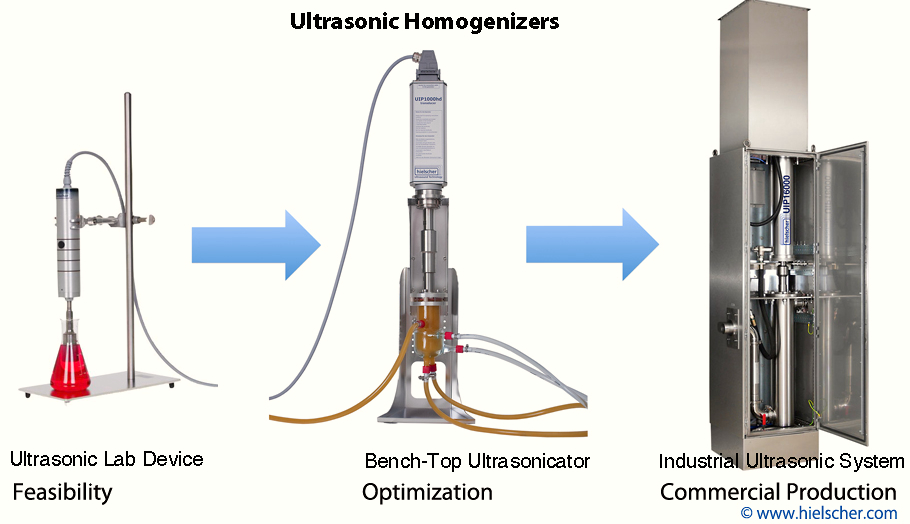
Hielscher Ultrasonics מייצרת הומוגנייזרים קוליים בעלי ביצועים גבוהים מ המעבדה ל גודל תעשייתי.