Ultrazvuková syntéza diesterov na výrobu vysokoúčinných biomazív
V rôznych priemyselných odvetviach sa zrýchľuje prechod od mazív na báze ropy k obnoviteľným, biologicky rozložiteľným a vysoko výkonným mazivám na báze esterov. Výrobcovia mazív čelia rastúcemu tlaku na znižovanie dopadu na životné prostredie pri súčasnom zachovaní náročných výkonnostných kritérií, ako sú vysoký viskozitný index, nízka prchavosť, dobrá mazivosť, tepelná stabilita a spoľahlivé správanie pri nízkych teplotách. V tejto súvislosti ponúka ultrazvuková transesterifikácia účinnú stratégiu intenzifikácie procesu pri syntéze surovín na báze esterov, ktoré sa používajú v moderných receptúrach biomazív.
Ultrazvuková transesterifikácia diesterov pre biomazivá
Ultrazvuková transesterifikácia rastlinných olejov a tukov je udržateľná technika, ktorá výrazne zvyšuje výťažok esterov, obmedzuje prekážky spracovania a robí transesterifikáciu atraktívnejšou metódou pre priemyselnú výrobu mazív. Ultrazvukové zariadenia typu sondy spoločnosti Hielscher sa používajú na efektívnu syntézu esterov v priebežnej výrobe za kontrolovaných procesných podmienok.

3 sonikátory typu UIP1000hdT na transesterifikáciu olejov na estery a polyoly
Syntéza biologických mazív transesterifikáciou
 Rastlinné oleje sú atraktívnymi surovinami pre výrobu biomazív, pretože sú obnoviteľné, biologicky rozložiteľné a vyznačujú sa dobrými mazacími vlastnosťami. Neupravené rastlinné oleje však často trpia obmedzenou oxidačnou stabilitou a nepriaznivými vlastnosťami pri nízkych teplotách. Bežnou stratégiou na prekonanie týchto nevýhod je premena metylesterov získaných z rastlinných olejov na polyolové estery, ako sú napríklad estery pentaerytritolu, prostredníctvom transesterifikácie.
V štúdii “Optimalizácia parametrov procesu transesterifikácie pomocou ultrazvuku na základe algoritmov RSM a Crow Search pri syntéze biomaščiva na báze polyolesterov” Podľa Arumugama a kol. bol repkový olej najskôr premenený na metylester repkového oleja. V druhom kroku bol tento metylester podrobený reakcii s pentaerytritolom v prítomnosti katalyzátora kyseliny p-toluénsulfónovej a xylénu ako rozpúšťadla. Cieľovým produktom bol ester pentaerytritolu vhodný ako základný olej pre biomazivá. Táto reakcia má veľký význam pre výrobcov mazív, pretože estery polyolov sa široko používajú ako syntetické základné oleje pre kompresorové oleje, hydraulické kvapaliny, chladiace oleje a iné vysokovýkonné mazivá.
Hlavnou výzvou pri konvenčnej transesterifikácii je skutočnosť, že reakcia je často obmedzovaná nedostatočným prenosom hmoty medzi reaktantmi. Metylestery, polyoly a katalyzátory nie vždy tvoria ideálny homogénny reakčný systém. Konvenčné miešanie môže vyžadovať dlhé reakčné časy, vysokú teplotu a zvýšený príkon energie, pričom výťažky sú aj tak len stredné. Práve v tomto smere poskytuje ultrazvukové spracovanie rozhodujúcu výhodu.
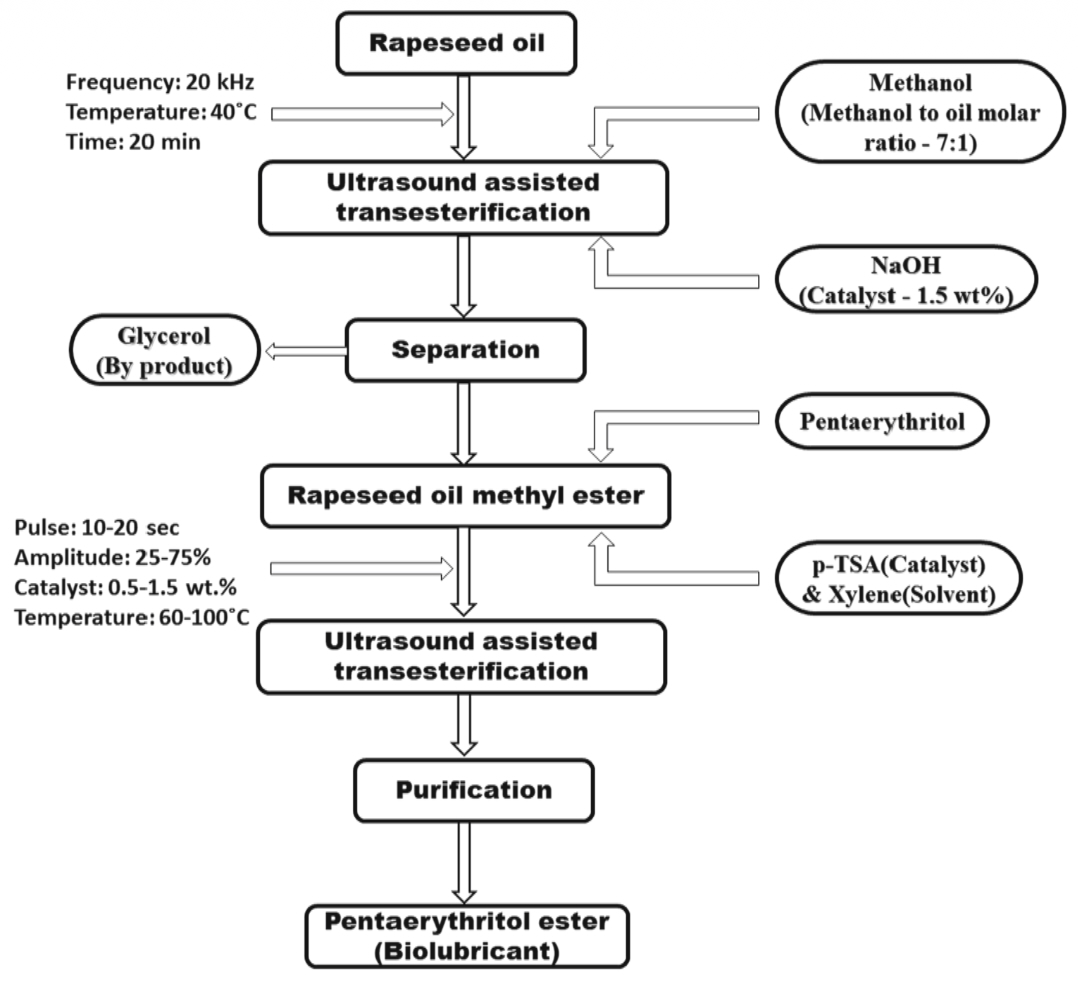
Schéma priebehu procesu ultrazvukovej transesterifikácie esteru pentaerytritolu
Štúdia a grafika: © Arumugam a kol., 2019
Ako ultrazvuková transesterifikácia zintenzívňuje syntézu esterov
Pri ultrazvukovej transesterifikácii sa využíva ultrazvuk vysokej intenzity na vytvorenie akustickej kavitácie v kvapalnom reakčnom prostredí. Kavitácia vytvára mikroskopické bublinky, ktoré sa zväčšujú a následne prudko kolabujú. Tým vznikajú intenzívne lokálne šmykové sily, mikroprúdy, akustické prúdenie a mikroemulgácia.
Pri syntéze esterov sú tieto účinky mimoriadne cenné, pretože:
- zmenšiť veľkosť kvapiek a zlepšiť kontakt medzi fázami
- zväčšiť rozhranie medzi nemiešateľnými alebo ťažko miešateľnými reaktantmi
- zlepšiť dostupnosť katalyzátora
- Zrýchlenie prenosu hmoty
- zlepšiť kinetiku reakcie
- podporujú vyšší výťažok esterov za optimalizovaných podmienok
Štúdia vysvetľuje, že turbulencia vyvolaná kavitáciou a mikroemulzie prekonávajú obmedzenia prenosu hmoty pri konvenčnej transesterifikácii. V dôsledku toho sú reaktanty účinnejšie rozptýlené a katalytická reakcia prebieha rýchlejšie a úplnejšie.
Výsledky štúdie: Vyšší výťažok esterov pri použití ultrazvuku
V rámci štúdie bol proces podporovaný ultrazvukom optimalizovaný pomocou metodiky odozvovej plochy a algoritmu „crow search“. Skúmanými premennými procesu boli ultrazvukový impulz, amplitúda ultrazvuku, koncentrácia katalyzátora a reakčná teplota.
Optimalizované podmienky ultrazvukového procesu boli nasledovné:
Systém Sonicator: Ultrazvukový prístroj Hielscher UP400St so sondou
Ultrazvukový impulz: 15 sekúnd
Ultrazvuková amplitúda: 60 %
Koncentrácia katalyzátora: jedno a pol hmotnostného percenta
Reakčná teplota: 100°C
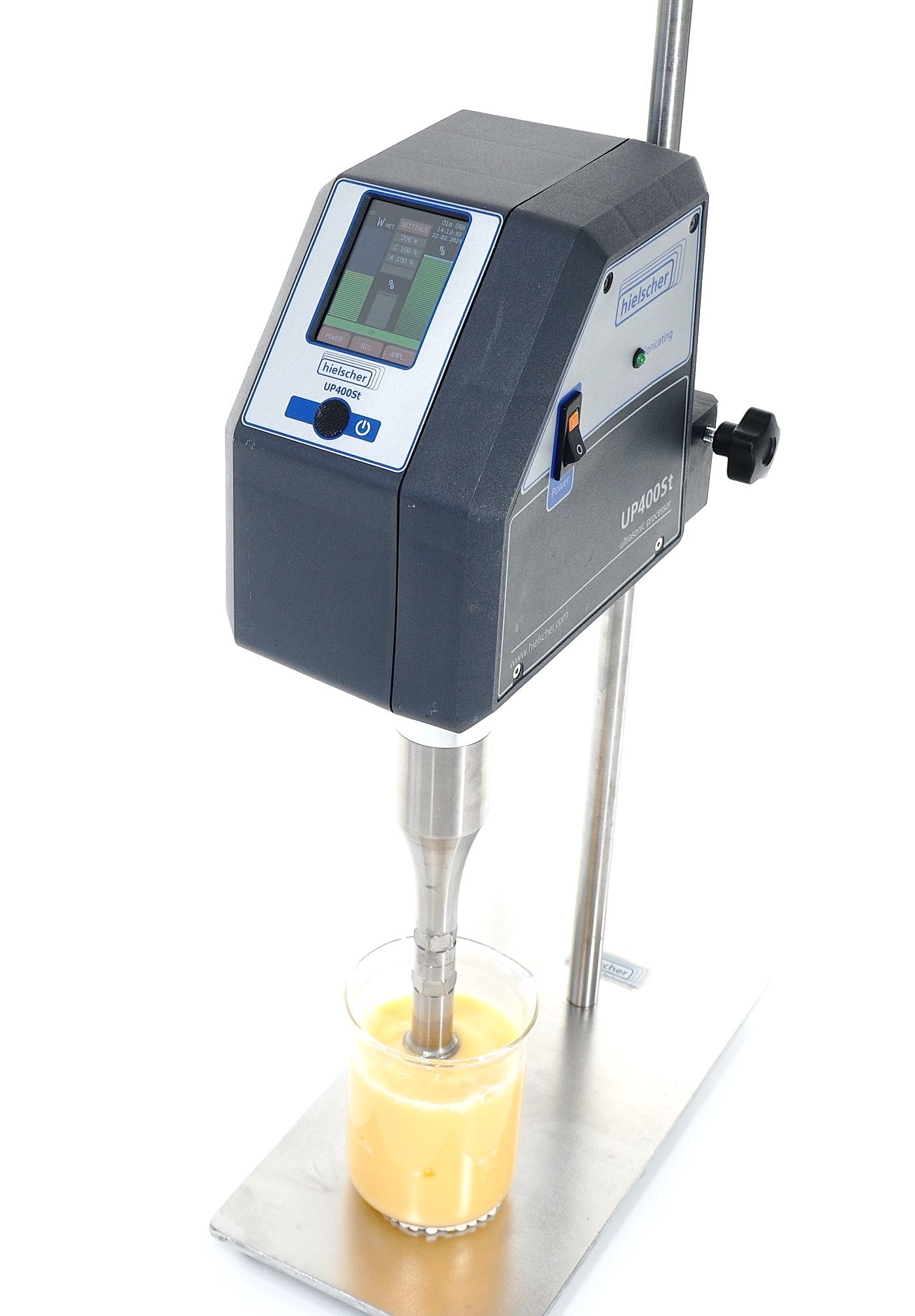 Za týchto optimalizovaných podmienok sa pri transesterifikácii podporovanej ultrazvukom dosiahol výťažok esterov pentaerytritolu približne 81,4 %. Na porovnanie, konvenčný spôsob transesterifikácie dosiahol za podmienok hodnotených v štúdii výťažok len okolo 47 %. To znamená, že ultrazvukové spracovanie zvýšilo výťažok esteru o viac ako 70 % v porovnaní s konvenčným spôsobom.
Pre výrobcov mazív je to mimoriadne dôležitý výsledok. Vyššia výťažnosť znamená lepšie využitie surovín, zníženie množstva vedľajších produktov, zlepšenie ekonomiky procesu a potenciálne nižšie výrobné náklady na kilogram esterového základového oleja.
Zistite viac o ultrazvukovej technológii pre lepšie emulzie.
Potvrdenie vzniku Esteru
Štúdia autorov Arumugam a kol. (2019) potvrdila tvorbu pentaerytritolu esteru pomocou FTIR spektroskopie a plynovovej chromatografie. FTIR analýza preukázala charakteristické píky karbonylovej skupiny esteru a C–O väzby esteru, pričom ďalšie píky potvrdili prítomnosť pentaerytritylovej skupiny. Plynová chromatografia ďalej potvrdila zloženie produktu, vrátane frakcií monoesteru, diesteru, triestru a tetraesteru.
Pre výrobu biomazív je toto analytické potvrdenie dôležité, pretože výkonnosť maziva vo veľkej miere závisí od zloženia esterov. Schopnosť podporovať tvorbu požadovaných esterových štruktúr prostredníctvom riadenej ultrazvukovej transesterifikácie poskytuje výrobcom praktický nástroj na zlepšenie kvality základného oleja a konzistencie výrobného procesu.
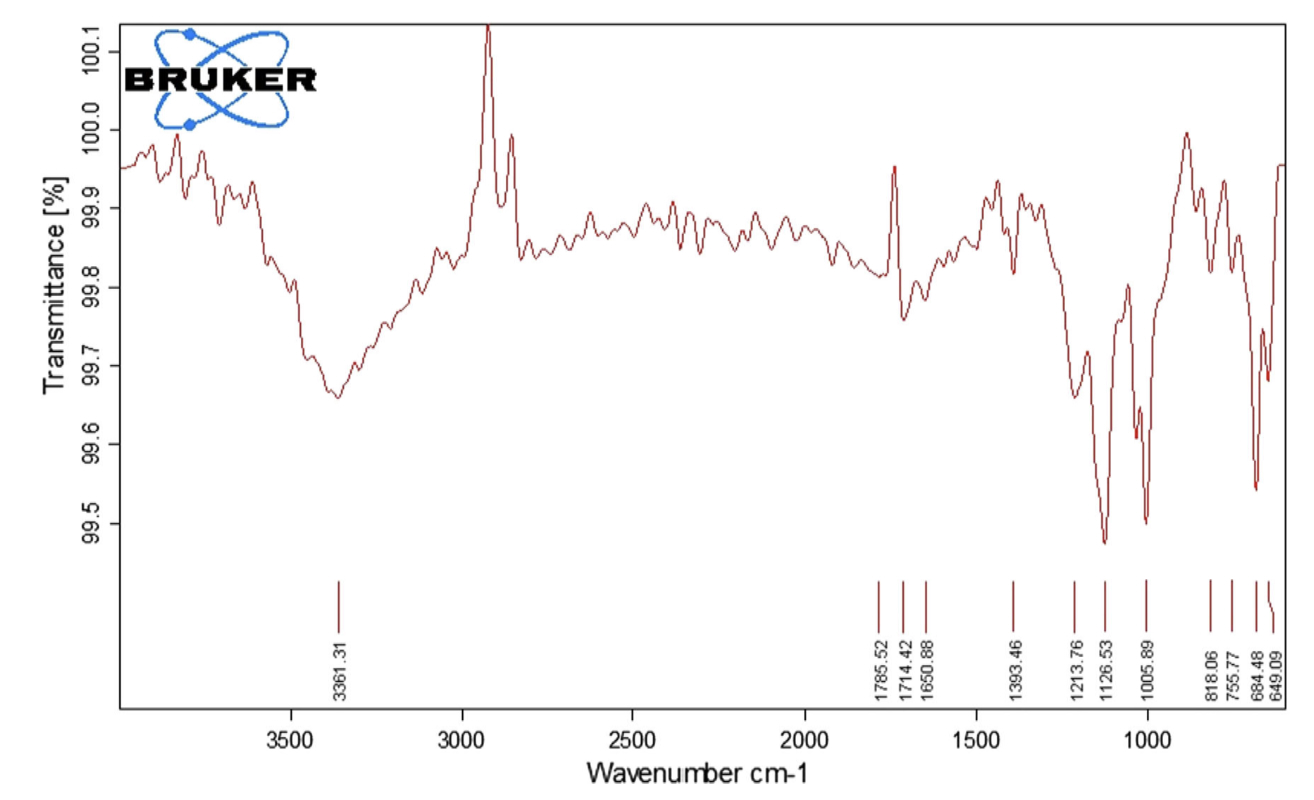
FTIR spektrum pentaerytritolu esteru transesterifikovaného ultrazvukom
Štúdia a graf: ©Arumugam a kol., 2019
Výhody ultrazvukových zariadení Hielscher pre výrobcov mazív
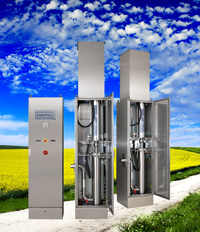 Spoločnosť Hielscher ponúka kompletný sortiment ultrazvukových zariadení od R&Od jednotiek typu D až po plnohodnotné priemyselné ultrazvukové systémy. To umožňuje vyvinúť proces v laboratórnom meradle a následne ho preniesť do pilotného a výrobného meradla s využitím tých istých základných ultrazvukových princípov.
Všetky ultrazvukové zariadenia s výkonom 200 wattov a viac sú vybavené digitálnym ovládaním, programovateľnými nastaveniami, diaľkovým ovládaním prostredníctvom prehliadača, automatickým zaznamenávaním údajov, zásuvnými snímačmi teploty a tlaku a mnohými ďalšími funkciami, ktoré zaisťujú maximálnu užívateľskú prívetivosť a reprodukovateľné výsledky.
V oblasti výroby priemyselných mazív ponúka spoločnosť Hielscher kompaktné laboratórne ultrazvukové zariadenia na štúdie uskutočniteľnosti, systémy v pilotnom meradle na optimalizáciu procesov a priemyselné ultrazvukové procesory, ako sú modely UIP500hdT, UIP1000hdT, UIP1500hdT, UIP2000hdT, UIP4000hdT, UIP16000hdT a väčšie inštalácie s viacerými jednotkami pre nepretržité spracovanie veľkých objemov.
Reaktory s priebežným prietokom umožňujú reguláciu doby zdržania, zvýšenie tlaku na dosiahnutie intenzívnejšej kavitácie, reguláciu teploty a integráciu priamo do existujúcich výrobných liniek na esterifikáciu alebo transesterifikáciu.
Ultrazvukové procesory spoločnosti Hielscher ponúkajú dôležité výhody pri syntéze esterov a biomazív:
- presné riadenie amplitúdy pre reprodukovateľnú intenzitu kavitácie
- nastaviteľné pulzovanie na optimalizáciu prívodu energie a riadenie tepla
- vysokovýkonná ultrazvuková sonda na priamy a efektívny prenos energie do reakčného prostredia
- dávkový a priebežný prevádzkový režim pre flexibilný vývoj procesov
- priemyselná škálovateľnosť od laboratórnych testov až po výrobu s vysokou kapacitou
- robustná konštrukcia zariadení pre náročné prostredia chemického spracovania
Nasledujúca tabuľka vám poskytuje približnú kapacitu spracovania našich ultrazvukových prístrojov:
| Objem dávky | Prietok | Odporúčané zariadenia |
|---|---|---|
| 1 až 500 ml | 10 až 200 ml/min | UP100H |
| 10 až 2000 ml | 20 až 400 ml/min | UP200Ht, UP400St |
| 0.1 až 20 l | 00,2 až 4 l/min | UIP2000hdT |
| 10 až 100 l | 2 až 10 l/min | UIP4000hdT |
| 15 až 150 l | 3 až 15 l/min | UIP6000hdT |
| N.A. | 10 až 100 l/min | UIP16000hdT |
| N.A. | väčší | Zhluk UIP16000hdT |
Ultrazvuková syntéza diesterov ako výrobná stratégia
Princíp ultrazvukovej transesterifikácie olejov a tukov má priamy význam pre ultrazvukovú syntézu diesterov a širšiu výrobu biomazív na báze esterov. Diestery sú dôležitými základnými zložkami syntetických mazív vďaka svojmu priaznivému správaniu viskozity v závislosti od teploty, mazivosti a vlastnostiam pri nízkych teplotách. Podobne ako pri iných esterifikačných a transesterifikačných reakciách, aj pri syntéze diesterov často pomáha lepší kontakt reaktantov, rýchlejší prenos hmoty a efektívnejšie využitie katalyzátora.
Ultrazvuk je preto praktickým nástrojom na zintenzívnenie procesu pre výrobcov, ktorí vyrábajú estery z obnoviteľných surovín, metylesterov mastných kyselín, alkoholov, polyolov alebo iných prekurzorov esterov. Namiesto toho, aby sa spoliehali výlučne na teplo a mechanické miešanie, ultrazvuk umožňuje miešanie na mikroskopickej úrovni poháňané kavitáciou, kde v skutočnosti dochádza k mnohým obmedzeniam reakcie.
Pre procesných inžinierov to znamená, že ultrazvukové reaktory možno využiť na zlepšenie:
- rýchlosť reakcie
- výťažok estéru
- účinnosť katalyzátora
- fáza disperzie/li>
- konzistentnosť medzi jednotlivými šaržami
- kompaktnosť procesu
- energetická účinnosť v porovnaní s dlhotrvajúcim konvenčným spracovaním

Pri ultrazvukovej transesterifikácii sa konverzia dosiahne približne na úrovni 75 % už v priebehu prvých 1,5 minúty a po 6 minútach sa ustáli na úrovni okolo 90 %.
Konvenčná metóda vykazuje oveľa pomalšiu mieru konverzie, ktorá po 8 minútach dosahuje len približne 40 %.
Štúdia a graf: ©Fayyazi a kol., 2014
Od laboratórneho výskumu po priemyselnú výrobu biomasťových prostriedkov
Transesterifikácia podporovaná ultrazvukom je vhodnou metódou na výrobu esterov pre mazivá (napríklad biomazivo na báze esterov pentaerytritolu) s vyšším výťažkom a nižšou reakčnou intenzitou v porovnaní s konvenčným postupom. Arumugam a kol. (2019) uvádzajú zvýšenie výťažnosti zo 47 % na približne 81,4 %, čo jasne dokazuje komerčný význam intenzifikácie procesu pomocou ultrazvuku.
Pre výrobcov mazív sú dôsledky jasné: ultrazvuková transesterifikácia môže pomôcť efektívnejšie premeniť obnoviteľné suroviny na vysoko hodnotné esterové základové oleje. Vďaka ultrazvukovým zariadeniam spoločnosti Hielscher je možné tú istú technologickú platformu, ktorá sa používa pri laboratórnej optimalizácii, rozšíriť na nepretržitú priemyselnú prevádzku. Vďaka tomu sa ultrazvukové spracovanie stáva nielen výskumným nástrojom, ale aj realizovateľnou výrobnou stratégiou pre biomazivá novej generácie.
Vďaka integrácii ultrazvukových reaktorov spoločnosti Hielscher do liniek na syntézu esterov môžu výrobcovia zintenzívniť transesterifikáciu, zvýšiť výťažky a vyvíjať udržateľnejšie základné oleje pre mazivá z surovín získaných z rastlinných olejov. Vzhľadom na to, že dopyt po biologicky rozložiteľných a obnoviteľných mazivách naďalej rastie, syntéza diesterov a polyolesterov pomocou ultrazvuku ponúka sľubnú cestu k čistejšej, efektívnejšej a komerčne konkurencieschopnejšej výrobe biomazív.

Spoločnosť Hielscher Ultrasonics vyrába vysokovýkonné ultrazvukové homogenizátory na miešanie, disperziu, emulgáciu a extrakciu v laboratórnom, pilotnom a priemyselnom meradle.
často kladené otázky
Čo sú to estery?
Estery sú organické zlúčeniny, ktoré vznikajú reakciou alkoholu s karboxylovou kyselinou, zvyčajne za vylučovania vody. Z chemického hľadiska obsahujú funkčnú skupinu –COO–, v ktorej je karbonylový uhlík viazaný na alkoxy skupinu. Estery sa prirodzene vyskytujú v tukoch, olejoch, voskoch a mnohých látkach rastlinného pôvodu a môžu sa tiež syntetizovať s cieľom dosiahnuť požadované chemické a výkonnostné vlastnosti.
Čo je to mazivo na báze esterov?
Mazivo na báze esterov je mazivo, v ktorom hlavnú základnú zložku tvoria molekuly esterov namiesto minerálneho oleja alebo inej základnej zložky odvodené z ropy. Syntetické estery sa používajú v mazivách pre aplikácie pri vysokých aj nízkych teplotách, pretože kombinujú vysokú mazivosť, dobré viskozitno-teplotné vlastnosti, vysokú rozpustnosť, nízku prchavosť a priaznivú kompatibilitu s prísadami. Vďaka nízkej toxicite a vynikajúcej biologickej rozložiteľnosti sú obzvlášť cenné v hotových mazivách pre kompresory, reťaze, ložiská, hydraulické systémy, kvapaliny na spracovanie kovov a aplikácie citlivé na životné prostredie.
Prečo sa estery používajú v biologických mazivách?
Estery sa používajú v biomazivách, pretože ich možno vyrábať z obnoviteľných mastných kyselín, rastlinných olejov alebo iných surovín biologického pôvodu, pričom ponúkajú vysokú mazivosť, dobrú biologickú rozložiteľnosť, nízku toxicitu a silnú afinitu k povrchu. V porovnaní s neupravenými rastlinnými olejmi môžu syntetické estery poskytovať lepšiu oxidačnú stabilitu, hydrolytickú stabilitu, tekutosť pri nízkych teplotách, reguláciu viskozity a tepelné vlastnosti. Vďaka tomu sú vhodné pre vysokovýkonné biomazivá, kde sa vyžaduje ako environmentálna kompatibilita, tak aj technická spoľahlivosť.
Zistite viac o výrobe ultrazvukových biomazív!
Čo sú polyolestery?
Polyolestery sú syntetické estery, ktoré vznikajú reakciou viacátových alkoholov, ako sú napríklad neopentylglykol, trimetylolpropán alebo pentaerytritol, s mastnými kyselinami alebo inými karboxylovými kyselinami. Vzhľadom na to, že ich molekulárna štruktúra obsahuje viacero esterových skupín a žiadne nestabilné atómy vodíka v centrálnej alkoholovej štruktúre, polyolestery zvyčajne vykazujú vynikajúcu tepelnú stabilitu, odolnosť voči oxidácii, nízku prchavosť, vysokú mazivosť a dobré viskozitno-teplotné vlastnosti. Široko sa používajú ako prémiové základné kvapaliny v biologicky rozložiteľných mazivách, leteckých mazivách, kompresorových olejoch, hydraulických kvapalinách a v ďalších náročných aplikáciách mazív.
Zistite viac o ultrazvukovej syntéze polyolov!
Literatúra / Referencie
- Arumugam, S., Chengareddy, P., Tamilarasan, A. et al. (2019): RSM and Crow Search Algorithm-Based Optimization of Ultrasonicated Transesterification Process Parameters on Synthesis of Polyol Ester-Based Biolubricant. Arabian Journal for Science and Engineering 44, 2019. 5535–5548.
- Nicolas A. Patience, Federico Galli, Marco G. Rigamonti, Dalma Schieppati, Daria C. Boffito (2019): Ultrasonic Intensification To Produce Diester Biolubricants. Industrial & Engineering Chemistry Research 58, 19; 2019. 7957–7963.
- Abdullah, C. S. ; Baluch, N.; Mohtar S. (2015): Ascendancy of ultrasonic reactor for micro biodiesel production. Jurnal Teknologi (Sciences ; Engineering) 77:5; 2015. 155-161.
- Ali Gholami, Fathollah Pourfayaz, Akbar Maleki (2021): Techno-economic assessment of biodiesel production from canola oil through ultrasonic cavitation. Energy Reports, Volume 7, 2021. 266-277.
- vysoká účinnosť
- Najmodernejšia technológia
- spoľahlivosť & odolnosť
- nastaviteľné, presné riadenie procesu
- dávka & Inline
- pre akýkoľvek objem
- inteligentný softvér
- inteligentné funkcie (napr. programovateľné, dátový protokol, diaľkové ovládanie)
- jednoduchá a bezpečná obsluha
- nízka údržba
- CIP (čistenie na mieste)
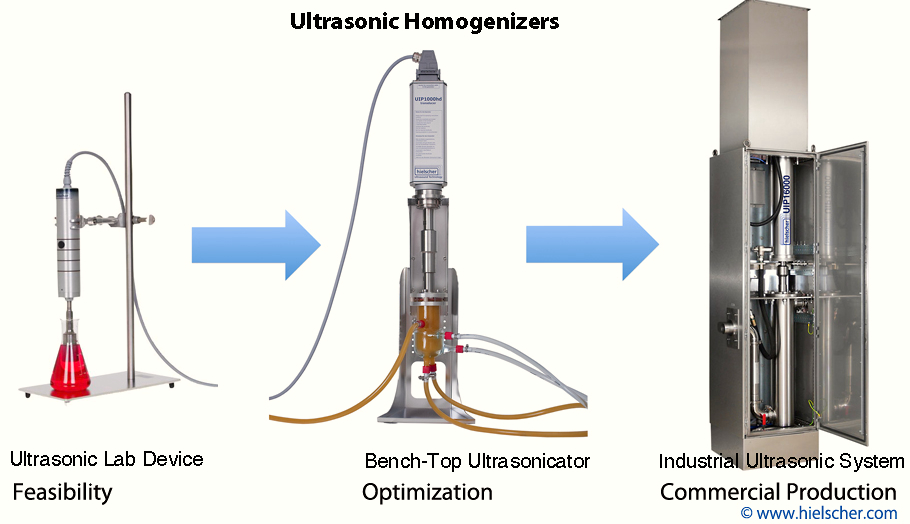
Spoločnosť Hielscher Ultrasonics vyrába vysokovýkonné ultrazvukové homogenizátory od laboratórium do priemyselná veľkosť.